How to Clean a Toilet Brush After Use
Keeping your toilet brush clean after use is essential for maintaining a hygienic bathroom. Simple daily habits and proper cleaning techniques can prevent bacteria buildup and extend your brush’s life. This guide walks you through effective, easy-to-follow steps to sanitize your toilet brush and holder safely.
How to Clean a Toilet Brush After Use
Keeping your bathroom clean goes beyond just wiping the toilet seat and mopping the floor. One of the most overlooked yet crucial parts of bathroom hygiene is cleaning your toilet brush after every use. That little brush may seem harmless, but it can harbor bacteria, germs, and unpleasant odors if not properly maintained. Over time, residue from cleaning agents, urine, and other bathroom contaminants can build up inside the bristles and the brush holder. This buildup not only reduces the effectiveness of your brush but also creates a breeding ground for harmful microbes.
Cleaning your toilet brush after use is not just about cleanliness—it’s about health. Germs like E. coli and Salmonella can linger in bathroom environments, and a dirty brush can spread them during use. By making toilet brush cleaning a daily habit, you protect yourself and your family from potential infections. Plus, a clean brush lasts longer and performs better, saving you money in the long run. This comprehensive guide will walk you through every step of cleaning your toilet brush safely and effectively, so you can keep your bathroom fresh, hygienic, and welcoming.
Key Takeaways
- Clean your toilet brush daily: Rinse and sanitize after every use to remove residue and prevent bacteria growth.
- Use hot water and disinfectant: Hot water helps dissolve grime, while disinfectants kill harmful germs effectively.
- Soak the brush in disinfectant solution: A 10–15 minute soak in a bleach or vinegar solution ensures deep cleaning.
- Clean the brush holder regularly: Bacteria can thrive in the holder—empty and scrub it weekly.
- Allow the brush to air dry: Moisture encourages mold and mildew; always let it dry completely before storage.
- Replace the brush when needed: Even with proper care, replace your brush every 6–12 months.
- Use gloves and ventilate the area: Protect yourself and improve air quality during cleaning.
📑 Table of Contents
- Why Cleaning Your Toilet Brush Matters
- Daily Habits for a Clean Toilet Brush
- Deep Cleaning Your Toilet Brush Weekly
- Cleaning the Toilet Brush Holder
- Safe and Effective Cleaning Solutions
- Pro Tips for Maintaining a Clean Toilet Brush
- Troubleshooting Common Toilet Brush Issues
- Eco-Friendly Alternatives to Traditional Toilet Brushes
- When to Replace Your Toilet Brush
- Conclusion
Why Cleaning Your Toilet Brush Matters
You might be thinking, “I rinse the brush after use—isn’t that enough?” While rinsing is a good start, it’s not enough to fully sanitize the brush. Without proper cleaning, bacteria can multiply rapidly, especially in the warm, moist environment of a bathroom. The bristles of the brush can trap tiny particles of waste and cleaning solution, which over time form a biofilm—a slimy layer that’s difficult to remove and resistant to regular washing.
Beyond health concerns, a dirty brush affects the overall cleanliness of your bathroom. It can leave streaks, emit odors, and even transfer germs to other surfaces if not stored properly. Cleaning your toilet brush after use is a small act with big benefits: better hygiene, fewer odors, and a longer-lasting tool. It’s also surprisingly easy—once you establish a routine, it becomes second nature.
Daily Habits for a Clean Toilet Brush
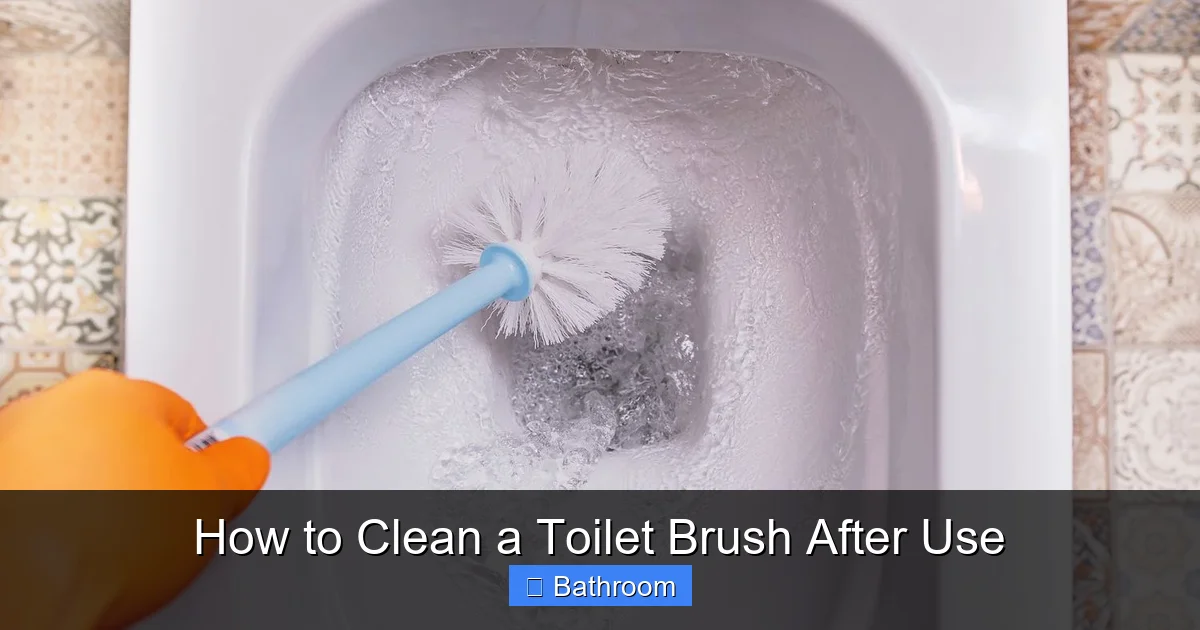
Visual guide about How to Clean a Toilet Brush After Use
Image source: thespruce.com
The key to keeping your toilet brush clean is consistency. Make cleaning it a daily habit, right after you use it. Here’s how to build an effective routine:
Step 1: Rinse Immediately After Use
After each use, rinse the brush under hot running water. This removes most of the visible residue and reduces the amount of bacteria on the bristles. Use your hand to gently scrub the bristles while rinsing to dislodge any stuck particles.
Step 2: Shake Off Excess Water
Once rinsed, shake the brush vigorously to remove excess water. This helps prevent clumping and reduces the risk of mold forming in the bristles.
Step 3: Sanitize in a Disinfectant Solution
Fill a clean bucket or sink with hot water and add a disinfectant. You can use a diluted bleach solution (1 part bleach to 4 parts water), white vinegar, or a commercial bathroom cleaner. Soak the brush for 10–15 minutes. This step kills germs and breaks down any remaining biofilm.
Step 4: Rinse Again and Dry
After soaking, rinse the brush thoroughly under hot water to remove any chemical residue. Shake off excess water and let it air dry completely on a clean, dry stand or rack.
Deep Cleaning Your Toilet Brush Weekly
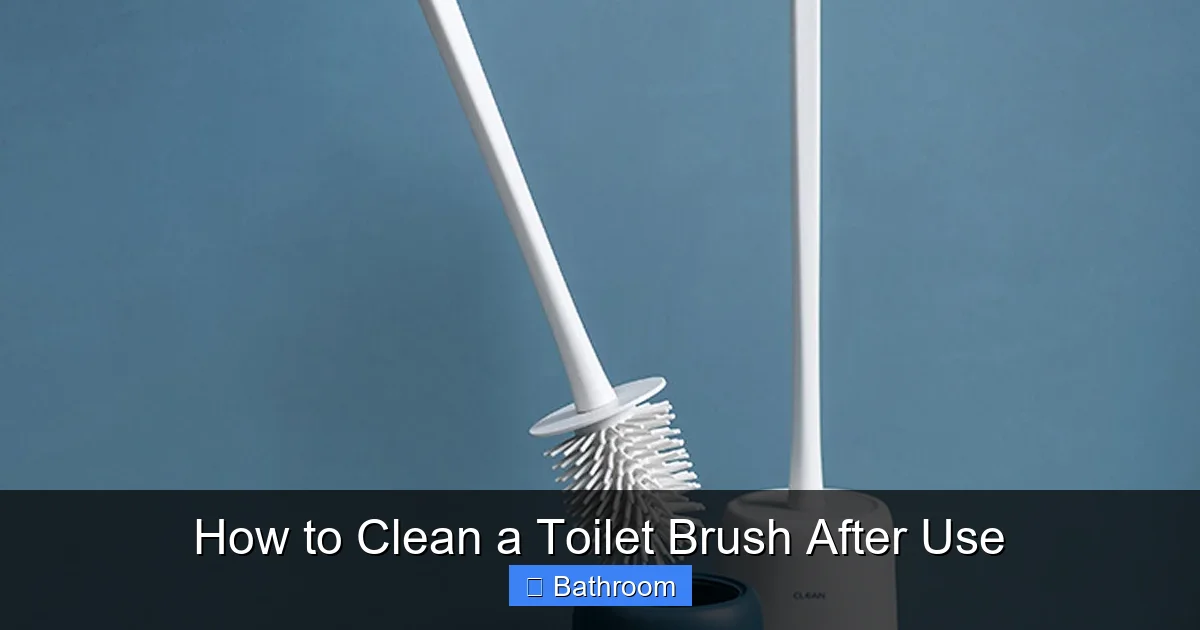
Visual guide about How to Clean a Toilet Brush After Use
Image source: toiletlounge.com
While daily rinsing and sanitizing are essential, a weekly deep clean ensures your brush stays in top condition. This process removes built-up grime and refreshes the bristles.
Materials You’ll Need:
– Hot water
– Disinfectant (bleach, vinegar, or commercial cleaner)
– Soft brush or toothbrush
– Gloves
– Paper towels or clean cloth
Step-by-Step Deep Cleaning:
1. Fill a bowl or bucket with hot water and add 1 cup of white vinegar or a few drops of dish soap.
2. Submerge the brush and let it soak for 30 minutes.
3. Use a soft brush or old toothbrush to gently scrub the bristles and handle.
4. Rinse thoroughly and sanitize with a bleach solution if desired.
5. Dry completely before storing.
This deep clean not only removes odor-causing bacteria but also helps maintain the brush’s structural integrity over time.
Cleaning the Toilet Brush Holder
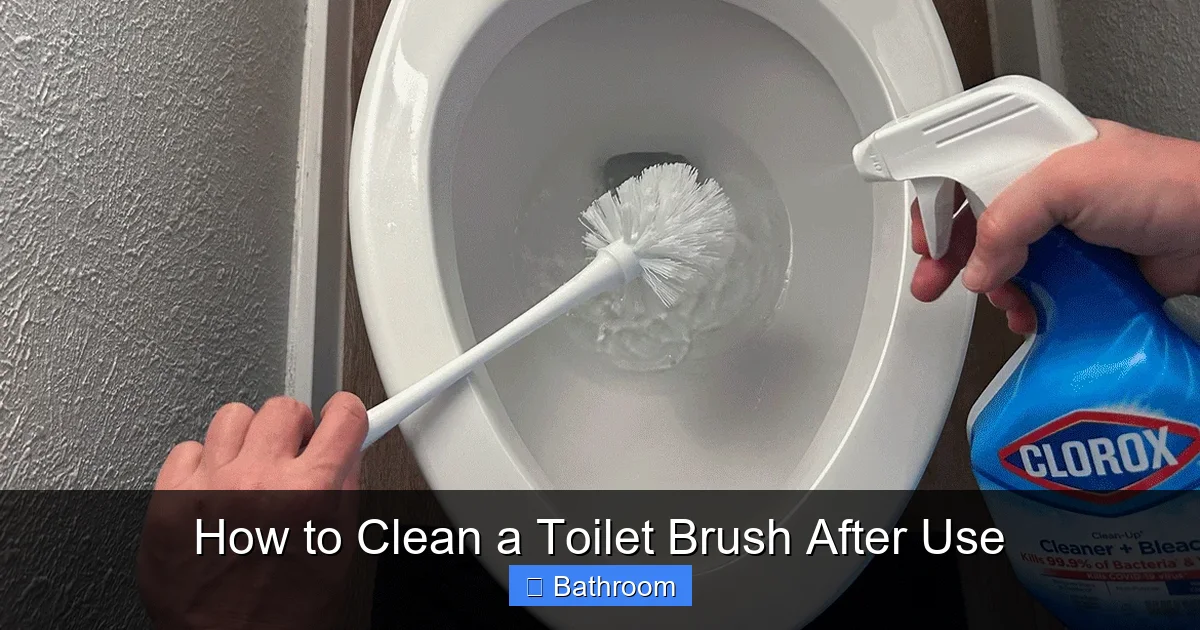
Visual guide about How to Clean a Toilet Brush After Use
Image source: familyhandyman.com
The brush holder is just as important as the brush itself. If the holder isn’t cleaned regularly, it becomes a hotspot for bacteria and mold. Most holders have small crevices and drainage holes that trap moisture and debris.
How to Clean the Holder:
1. Empty any standing water from the holder.
2. Use a bottle brush or old toothbrush to scrub the inside and drainage holes.
3. Rinse with hot water and spray with disinfectant.
4. Let it air dry completely before placing the brush back.
For holders with removable parts, take them apart and clean each section separately. If the holder is plastic, avoid harsh abrasives that can scratch the surface—scratches provide more places for bacteria to hide.
Safe and Effective Cleaning Solutions
Not all cleaning solutions are created equal. The best ones kill germs, break down grime, and are safe for your brush and bathroom surfaces. Here are some of the most effective options:
1. Bleach Solution
A diluted bleach solution (1 part bleach to 4 parts water) is highly effective at killing bacteria and viruses. Use it for weekly deep cleaning or when the brush smells or looks dirty. Always wear gloves and ensure the area is well-ventilated.
2. White Vinegar
Vinegar is a natural disinfectant that also helps remove mineral deposits and odors. Mix equal parts vinegar and water, soak the brush for 15 minutes, then rinse. It’s safe for most brush materials and eco-friendly.
3. Commercial Bathroom Cleaners
Many bathroom cleaners are formulated to sanitize and deodorize. Choose one that’s safe for plastic and bristles. Follow the instructions carefully and rinse thoroughly afterward.
4. Hydrogen Peroxide
Hydrogen peroxide (3%) is a gentle yet effective disinfectant. Soak the brush for 10 minutes, then rinse. It’s less harsh than bleach and breaks down into water and oxygen.
Avoid using abrasive cleaners or steel wool, as they can damage the brush and scratch the holder, making future cleaning harder.
Pro Tips for Maintaining a Clean Toilet Brush
Even the best cleaning routine can fall apart without good habits. Here are some pro tips to keep your toilet brush in top shape:
Tip 1: Use a Brush Stand
A stand allows the brush to drain and air dry properly. Choose one with good airflow and easy-to-clean surfaces. Avoid placing the brush directly on the bathroom floor or in a sealed container.
Tip 2: Replace the Brush Regularly
No matter how well you clean it, a toilet brush will eventually wear out. Replace it every 6 to 12 months, or sooner if the bristles become stiff, discolored, or smell bad.
Tip 3: Clean the Entire Toilet After Use
After brushing, flush the toilet and wipe down the seat, lid, and surrounding area. This prevents cross-contamination and keeps your bathroom smelling fresh.
Tip 4: Keep Cleaning Supplies Accessible
Store a small bottle of disinfectant and a clean cloth near the toilet. This makes it easier to clean the brush immediately after use.
Tip 5: Avoid Cross-Contamination
Never use the same brush for cleaning multiple bathrooms. Always clean it thoroughly after each use.
Tip 6: Check for Mold or Mildew
If you notice black spots or a musty smell, the brush or holder may be harboring mold. Clean with a vinegar solution and replace the brush if the problem persists.
Troubleshooting Common Toilet Brush Issues
Even with proper care, you might run into some common problems. Here’s how to fix them:
Problem: Bad Odor
Cause: Bacteria buildup or standing water.
Solution: Soak the brush in vinegar for 15 minutes, then rinse and sanitize with bleach solution. Clean the holder thoroughly.
Problem: Stiff or Worn Bristles
Cause: Over time, bristles lose their flexibility.
Solution: Replace the brush. If it’s still usable, soak it in warm water with a drop of dish soap to soften the bristles temporarily.
Problem: Mold in the Holder
Cause: Poor drainage or infrequent cleaning.
Solution: Scrub the holder with a toothbrush and vinegar, rinse well, and dry completely. Consider replacing the holder if it’s scratched or cracked.
Problem: Discoloration
Cause: Mineral deposits or chemical reactions.
Solution: Soak in a vinegar-water solution to remove stains. Avoid bleach on colored brushes, as it can fade them.
Problem: Brush Won’t Stand Upright
Cause: Worn handle or unstable stand.
Solution: Tighten the handle or replace the brush. Choose a brush with a secure base next time.
Eco-Friendly Alternatives to Traditional Toilet Brushes
If you’re concerned about chemicals or plastic waste, consider eco-friendly options. Some modern toilet brushes are made from sustainable materials like bamboo or recyclable plastics. Others come with replaceable heads, reducing waste.
You can also make your own cleaning solution using baking soda and vinegar. Baking soda acts as a gentle abrasive, while vinegar disinfects and deodorizes. Mix 1/2 cup baking soda with 1 cup vinegar and 2 cups water for a natural cleaning solution.
Another option is to use a toilet brush with a built-in sanitizing feature, such as UV light or antimicrobial bristles. These tools may be more expensive, but they offer long-term convenience and sustainability.
When to Replace Your Toilet Brush
Even with the best care, your toilet brush will eventually need replacing. Here are signs it’s time for a new one:
– The bristles are frayed, stiff, or falling out
– The brush smells bad no matter how much you clean it
– It discolors or develops black spots
– The handle is cracked or loose
– You’ve used it for over a year
Replacing your brush is a small investment in your health and hygiene. Many modern brushes are affordable and come with easy-to-clean designs. Choose one with a sturdy stand and good drainage to make future cleaning easier.
Conclusion
Cleaning your toilet brush after use is a simple yet vital part of maintaining a clean and healthy bathroom. By rinsing, sanitizing, and drying the brush daily, and deep cleaning it weekly, you can prevent bacteria buildup, eliminate odors, and extend the life of your brush. Don’t forget to clean the holder and replace the brush when needed.
With the right tools and habits, keeping your toilet brush clean takes just a few minutes a day. It’s a small step that makes a big difference in your overall bathroom hygiene. So next time you’re done brushing, don’t just rinse it off—give it the care it deserves. Your bathroom—and your health—will thank you.
Frequently Asked Questions
How often should I clean my toilet brush?
You should rinse and sanitize your toilet brush after every use. For best results, deep clean it once a week with a disinfectant solution. This helps prevent bacteria buildup and keeps the brush hygienic.
Can I use bleach to clean my toilet brush?
Yes, but always dilute it. Mix 1 part bleach with 4 parts water and soak the brush for 10–15 minutes. Wear gloves and ensure the area is well-ventilated. Rinse thoroughly afterward to avoid residue.
How do I clean a plastic toilet brush holder?
Empty any water, scrub the inside and drainage holes with a toothbrush, and rinse with hot water. Use a disinfectant spray or vinegar solution, then let it air dry completely before reuse.
Why does my toilet brush smell even after cleaning?
A bad smell usually means bacteria or mold is growing inside the bristles or holder. Soak the brush in vinegar, scrub thoroughly, and clean the holder. If the smell persists, replace the brush.
Can I use the same brush for multiple bathrooms?
No, avoid cross-contamination. Always clean your brush thoroughly after each use and never use it in more than one bathroom. This prevents spreading germs between areas.
How long does a toilet brush last?
A toilet brush typically lasts 6 to 12 months with regular cleaning. Replace it when bristles are worn, stiff, or discolored. Even with care, it will eventually need replacing.