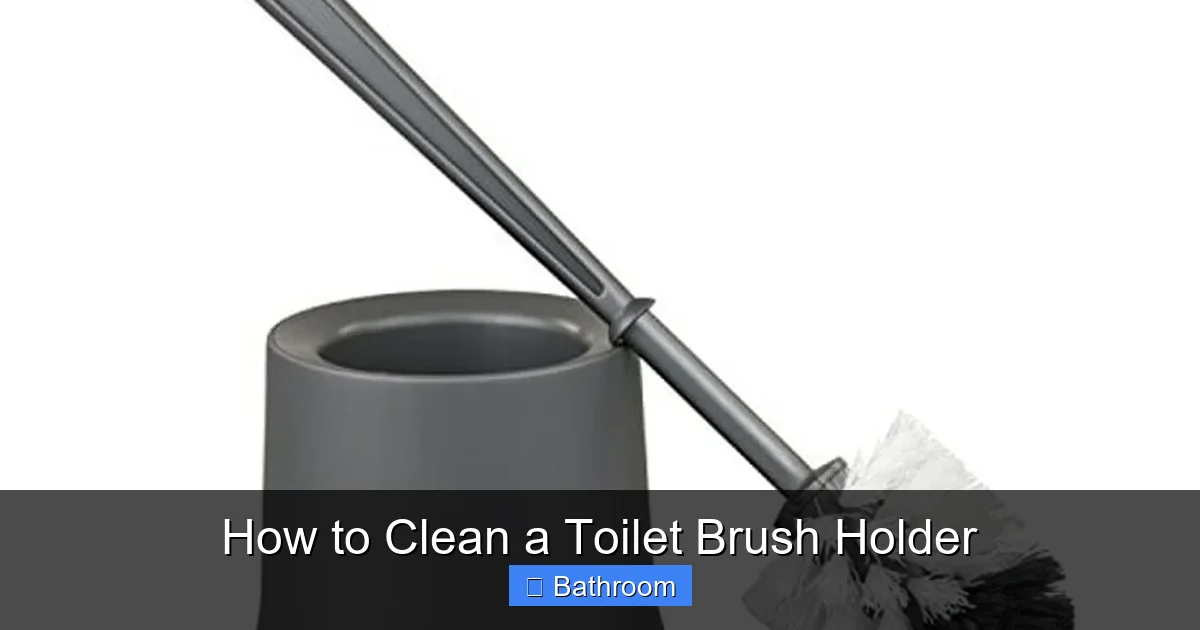
How to Clean a Toilet Brush Holder
Keeping your toilet brush holder clean isn’t just about appearance—it’s about hygiene. A dirty holder can harbor bacteria and spread germs, so regular cleaning is essential. This guide walks you through safe, effective ways to sanitize your brush holder and maintain a spotless bathroom.
Key Takeaways
- Clean weekly: Prevent mold and bacteria buildup by wiping down your toilet brush holder every week.
- Use disinfectants: Opt for vinegar, baking soda, or hydrogen peroxide to safely kill germs without harsh chemicals.
- Don’t forget the brush: The brush itself should also be rinsed and disinfected regularly to avoid contamination.
- Choose the right holder: Open designs dry faster; closed models trap moisture—pick based on your bathroom’s ventilation.
- Deep clean monthly: Once a month, soak the holder in a bleach solution for a thorough sanitization.
- Replace when needed: If the holder has cracks or won’t sanitize, it’s time for a new one to protect your health.
- Keep it dry: Always let the holder and brush air dry completely before storing to prevent mold.
📑 Table of Contents
- How to Clean a Toilet Brush Holder
- Why Cleaning Your Toilet Brush Holder Matters
- How Often Should You Clean a Toilet Brush Holder?
- What You’ll Need to Clean a Toilet Brush Holder
- Step-by-Step Guide to Cleaning a Toilet Brush Holder
- Cleaning Different Types of Toilet Brush Holders
- Natural and Eco-Friendly Cleaning Tips
- Preventing Future Buildup and Odors
- Common Mistakes to Avoid
- When to Replace Your Toilet Brush Holder
- Conclusion
How to Clean a Toilet Brush Holder
We’ve all been there—glancing at the toilet brush holder during a bathroom visit and thinking, “Hmm, does that actually need cleaning?” The truth is, yes. That seemingly innocent plastic or metal stand cradling your toilet brush is a hotspot for bacteria, mold, and grime. Over time, it can become a breeding ground for germs, especially if it’s not cleaned regularly. But don’t worry—cleaning a toilet brush holder doesn’t have to be a daunting task. With the right tools and a little routine, you can keep it sparkling and germ-free.
Whether your holder is made of plastic, metal, or even bamboo, the cleaning process is similar. The key is consistency. Think of it like brushing your teeth—skip it once, and you’re fine. Skip it every day, and plaque builds up. The same goes for your toilet brush holder. A quick wipe-down each week can prevent the kind of buildup that requires a deep clean. And when you do decide to deep clean, using natural or mild disinfectants can make the job easier and safer for your family and the environment.
In this guide, we’ll walk you through everything you need to know about cleaning a toilet brush holder—from daily maintenance to monthly deep cleans. You’ll learn how to choose the best cleaning products, how to handle different materials, and even how to prevent future buildup. So grab your favorite cleaning cloth and let’s get started!
Why Cleaning Your Toilet Brush Holder Matters
You might be wondering: “Is the toilet brush holder really that dirty?” The short answer is yes. Studies have shown that bathroom surfaces, especially those near the toilet, can harbor harmful bacteria like E. coli and Salmonella. The toilet brush holder, being in close contact with waste and constantly exposed to moisture, is particularly vulnerable.
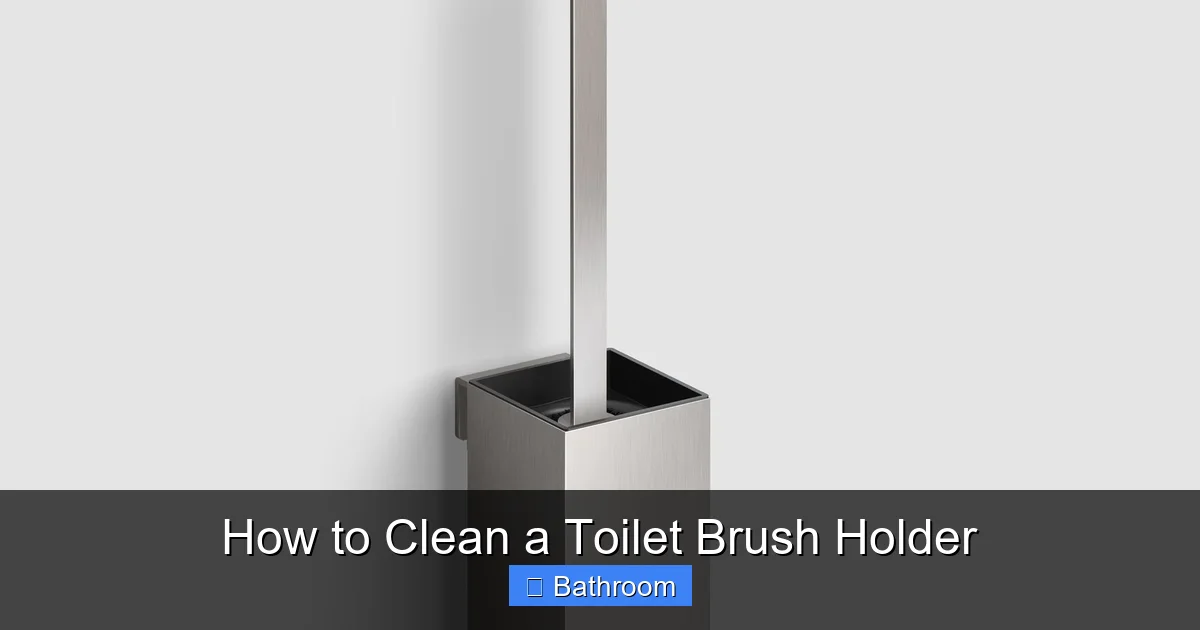
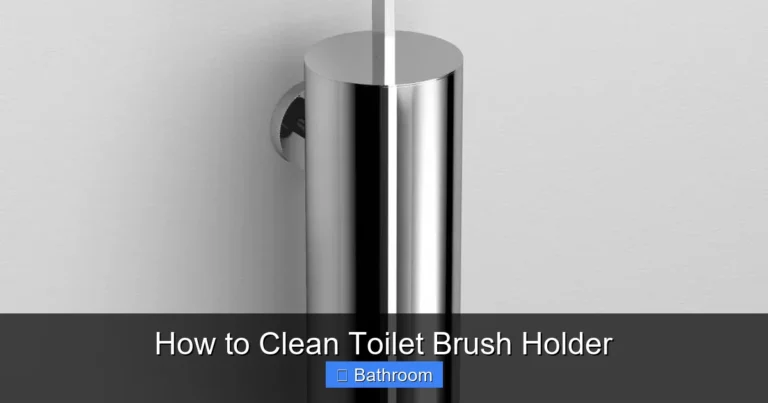
Visual guide about How to Clean a Toilet Brush Holder
Image source: cdn.webshopapp.com
The Hidden Dangers
When you flush the toilet, tiny droplets of water—called aerosols—can travel through the air and land on nearby surfaces. These aerosols can carry bacteria and viruses. If your toilet brush holder is within that spray zone, it’s at risk. Even if you don’t see visible dirt, a thin layer of biofilm (a slimy film of bacteria) can form inside and on the surface of the holder.
Additionally, moisture from the brush dripping into the holder creates a perfect environment for mold and mildew to grow. If left unchecked, these can release spores into the air, contributing to poor indoor air quality. That’s why cleaning your toilet brush holder isn’t just about aesthetics—it’s a vital part of maintaining a healthy bathroom.
Impact on Hygiene and Health
A clean toilet brush holder helps prevent cross-contamination. When you use the brush to clean the toilet, germs can transfer to the holder. If the holder isn’t cleaned regularly, those germs can spread to other areas of the bathroom, like countertops or towels. This is especially concerning in homes with young children, elderly individuals, or people with weakened immune systems.
Regular cleaning also extends the life of your holder. Cracks or deep scratches can trap dirt and make sanitization nearly impossible. Over time, a poorly maintained holder can develop a foul odor, which is both unpleasant and a sign of bacterial growth.
How Often Should You Clean a Toilet Brush Holder?
The frequency of cleaning depends on how often you use the toilet brush and how well your bathroom is ventilated. In general, a weekly cleaning routine is ideal. This means wiping down the holder and brush every seven days. But let’s break it down further.

Visual guide about How to Clean a Toilet Brush Holder
Image source: thespruce.com
Weekly Maintenance
For most households, a weekly cleaning is sufficient. This involves:
- Rinsing the brush under hot water after each use
- Wiping the holder with a disinfectant cloth
- Emptying any standing water from the base
This quick routine prevents the buildup of surface grime and keeps mold at bay. If you have a large family or use the bathroom frequently, you might even need to clean it twice a week.
Monthly Deep Cleaning
Once a month, it’s time for a deeper clean. This involves:
- Removing the brush (if possible) and soaking the holder in a disinfectant solution
- Scrubbing all crevices and the interior of the holder
- Allowing it to air dry completely
Deep cleaning removes biofilm and disinfects hard-to-reach areas. It’s especially important if you’ve noticed a musty smell or visible mold.
Signs You Need to Clean More Frequently
Pay attention to these warning signs:
- Visible mold or mildew
- Foul odor coming from the holder
- Sticky or slimy residue
- Frequent bathroom visitors
If you notice any of these, increase your cleaning frequency and consider switching to a more effective disinfectant.
What You’ll Need to Clean a Toilet Brush Holder
You don’t need a full arsenal of cleaning products to keep your toilet brush holder spotless. In fact, many effective cleaners are already in your kitchen. Here’s a list of what you’ll need:

Visual guide about How to Clean a Toilet Brush Holder
Image source: allurehome.com
Essential Cleaning Supplies
- Microfiber cloths: These are great for trapping dirt and bacteria without scratching surfaces.
- Disinfectant spray or wipe: Look for products with at least 70% alcohol or a bleach solution (1 part bleach to 10 parts water).
- Vinegar: A natural disinfectant that also removes mineral deposits and odors.
- Baking soda: Excellent for scrubbing and deodorizing.
- Hydrogen peroxide (3%): Safe and effective for killing bacteria and whitening plastic.
- Soft-bristled brush: For scrubbing hard-to-reach areas.
Optional Tools
- Toilet brush holder with removable parts: Makes cleaning easier.
- Small cup or bowl: For soaking the holder if it’s not fully removable.
- Protective gloves: Especially useful when using bleach or strong cleaners.
Eco-Friendly Alternatives
If you prefer natural cleaning, you can make your own disinfectant using vinegar and baking soda. Mix equal parts vinegar and water, spray it on the holder, let it sit for 10 minutes, then scrub with baking soda for extra abrasion.
Hydrogen peroxide is another great option. It’s non-toxic, breaks down into water and oxygen, and is effective against a wide range of bacteria.
Step-by-Step Guide to Cleaning a Toilet Brush Holder
Now that you have your supplies, let’s get into the actual cleaning process. Follow these steps for a thorough and safe clean.
Step 1: Empty and Rinse the Holder
Start by removing any standing water from the holder. If it’s a removable model, take out the brush and the holder itself. Rinse both under hot water to remove loose debris.
Step 2: Apply Disinfectant
Spray or wipe the holder with your chosen disinfectant. If you’re using a bleach solution, make sure the area is well-ventilated. Let the disinfectant sit for at least 5–10 minutes to kill germs.
Step 3: Scrub Thoroughly
Use a soft-bristled brush or a microfiber cloth to scrub all surfaces, including the inside of the holder and the base. Pay special attention to corners and crevices where grime can hide.
Step 4: Rinse and Dry
Rinse the holder thoroughly with clean water to remove any cleaning residue. Shake out excess water and place it upside down on a drying rack or towel to air dry completely. Never store a wet holder—it’s a recipe for mold.
Step 5: Clean the Brush
Don’t forget the brush! Rinse it under hot water and soak it in a disinfectant solution for 10 minutes. Rinse again and let it air dry before returning it to the holder.
Step 6: Wipe Down the Base
If your bathroom has a toilet brush base or pedestal, don’t overlook it. Wipe it down with a disinfectant cloth to prevent cross-contamination.
Cleaning Different Types of Toilet Brush Holders
Not all toilet brush holders are created equal. The material and design can affect how you clean them. Let’s go over the most common types.
Plastic Holders
Plastic holders are lightweight and easy to clean. However, they can scratch and harbor bacteria in micro-abrasions. To clean:
- Use a non-abrasive cloth or sponge
- Avoid bleach if the plastic is yellowed or brittle—it can weaken the material
- Consider replacing scratched holders to prevent bacterial buildup
Stainless Steel Holders
Stainless steel is durable and resistant to rust. It’s also easy to sanitize. To clean:
- Use a steel wool pad or scouring pad for tough stains
- Wipe with vinegar to remove water spots
- Polish with a microfiber cloth to maintain shine
Bamboo or Wooden Holders
These are eco-friendly and stylish, but they require extra care. Wood can absorb moisture and promote mold. To clean:
- Wipe with a damp cloth and mild soap
- Never soak in water
- Use a wood-safe disinfectant like diluted hydrogen peroxide
Open vs. Closed Designs
Open designs allow better airflow and drying, reducing mold risk. Closed models look neater but trap moisture. If you have a closed holder, consider drilling small holes in the bottom to improve drainage and ventilation.
Natural and Eco-Friendly Cleaning Tips
If you’re trying to reduce chemical use in your home, natural cleaning methods are a great option. They’re safe, effective, and budget-friendly.
Vinegar and Baking Soda
Mix 1 cup of white vinegar with 1 cup of water in a spray bottle. Spray the holder, let it sit for 10 minutes, then scrub with baking soda paste. Rinse and dry. This combo kills bacteria and removes odors.
Hydrogen Peroxide
Spray 3% hydrogen peroxide on the holder and let it sit for 10 minutes. It’s a powerful disinfectant that’s safe for most surfaces. Just make sure to rinse it off if you’re using it on porous materials.
Lemon Juice
Lemon juice is acidic and naturally disinfects. Mix it with baking soda to create a paste for scrubbing. It also leaves a fresh scent.
Essential Oils
Add a few drops of tea tree oil or lavender oil to your cleaning solution for an extra antibacterial boost and a pleasant aroma. Tea tree oil is particularly effective against mold.
Preventing Future Buildup and Odors
Cleaning is only half the battle. Prevention is key to keeping your toilet brush holder fresh and clean.
Keep It Dry
Always let the brush and holder air dry completely before storing. Use a towel to wipe excess water after each use.
Improve Ventilation
Open a window or turn on the exhaust fan while cleaning the toilet. Good airflow helps surfaces dry faster and reduces humidity.
Replace the Brush Regularly
Toilet brushes should be replaced every 3–6 months. Over time, bristles wear down and trap bacteria. A new brush means a cleaner holder.
Use a Brush with a Drip Tray
Some brushes come with a built-in drip tray to catch excess water. These are easier to clean and help keep the surrounding area dry.
Consider a Self-Disinfecting Holder
There are modern holders with UV light or antimicrobial coatings that kill germs automatically. They’re a great investment if you want a hands-off approach.
Common Mistakes to Avoid
Even with the best intentions, it’s easy to make mistakes when cleaning your toilet brush holder. Here are some common pitfalls and how to avoid them.
Using Bleach on Colored Plastic
Bleach can cause colored plastic to fade or crack. Stick to vinegar or hydrogen peroxide for plastic holders.
Not Rinsing Thoroughly
Leaving cleaning residue can cause discoloration or attract dirt. Always rinse well.
Storing a Wet Holder
This is the biggest mistake. Always let everything dry completely before putting it back.
Neglecting the Brush
The brush is just as important as the holder. Clean and replace it regularly.
Using Harsh Scrubbers
Metal scouring pads can scratch surfaces and trap bacteria. Use soft cloths or sponges.
When to Replace Your Toilet Brush Holder
Even with regular cleaning, toilet brush holders have a lifespan. Here’s when it’s time to replace yours.
Visible Cracks or Scratches
These can trap bacteria and make cleaning difficult. A cracked holder is a health risk.
Permanent Odors
If cleaning doesn’t eliminate the smell, the holder may be saturated with bacteria.
Discoloration That Won’t Come Out
Deep stains can indicate material breakdown or chemical damage.
Loose or Wobbly Design
A unstable holder can tip over, spreading germs. Replace it if it’s no longer secure.
Outdated or Unhygienic Design
Older models may lack proper drainage or ventilation. Upgrade to a modern, self-draining design.
Conclusion
Cleaning your toilet brush holder is a small task with a big impact on your bathroom’s hygiene and appearance. By making it a weekly habit and doing a deep clean once a month, you can prevent mold, bacteria, and odors. Use natural cleaners when possible, always let everything dry, and replace your brush regularly. With these simple steps, your toilet brush holder will stay clean, fresh, and safe for your family.
Remember, a clean bathroom starts with small, consistent actions. Don’t let the thought of cleaning this small area intimidate you. In just a few minutes each week, you can maintain a healthier, more pleasant space. Your future self—and your guests—will thank you.
Frequently Asked Questions
How often should I clean my toilet brush holder?
You should clean your toilet brush holder at least once a week. This prevents mold and bacteria buildup. Do a deep clean monthly for best results.
Can I use bleach to clean my toilet brush holder?
Yes, but only if the holder is made of non-porous, bleach-safe material like stainless steel. Avoid bleach on colored plastic, as it can cause fading or cracking.
How do I remove stubborn mold from a toilet brush holder?
Mix equal parts vinegar and water, spray it on the moldy area, and let it sit for 15 minutes. Scrub with a soft brush and rinse. Repeat if needed.
Is it safe to clean a toilet brush holder with hydrogen peroxide?
Yes, 3% hydrogen peroxide is safe and effective for disinfecting most surfaces. Just rinse it off after use, especially on porous materials.
Should I clean the brush and holder together or separately?
It’s best to clean them separately. Remove the brush, clean the holder thoroughly, then disinfect and rinse the brush before returning it.
How can I prevent odors from coming back?
Always let the brush and holder dry completely. Use a disinfectant weekly, and replace the brush every 3–6 months to prevent odor buildup.