Can a Toilet Brush Unclog a Toilet
Can a toilet brush unclog a toilet? Not usually—but it can help with minor clogs when used correctly. A toilet brush is designed for cleaning, not for clearing deep blockages, so relying on it alone may lead to frustration or plumbing damage. Understanding its limits and knowing when to call a plumber is key to maintaining a healthy bathroom.
Key Takeaways
- Toilet brushes are not designed to unclog toilets. They are meant for surface cleaning, not for breaking up or removing solid blockages.
- They can assist in mild clogs. For soft clogs caused by toilet paper or small debris, a brush with a plunger-like motion might help dislodge the obstruction.
- Overuse can damage plumbing. Forcing a brush into a clog can push debris deeper or scratch the porcelain, increasing long-term risk.
- Proper technique matters. If attempting to use a brush, avoid aggressive scrubbing and always wear gloves to protect your hands.
- Safer tools exist. A plunger, toilet auger (snake), or drain snake are far more effective and safer for unclogging toilets.
- Prevention is better than cleanup. Regular cleaning and mindful flushing habits reduce the chance of clogs in the first place.
- When in doubt, call a professional. Persistent clogs often require expert tools and techniques to avoid costly repairs.
📑 Table of Contents
Can a Toilet Brush Unclog a Toilet? The Real Answer
Have you ever reached for your trusty toilet brush when the toilet won’t flush? You’re not alone. It’s a common impulse—after all, the brush is right there, and it’s designed to interact with the toilet bowl. But here’s the truth: a toilet brush is not built to unclog a toilet. While it might seem like a logical first step, using a toilet brush for unclogging is often ineffective and can even make things worse.
Let’s be honest—plumbing problems are frustrating. You want a quick fix, and you want it to work. But the reality is that most clogs require more than just a quick scrub. In this article, we’ll break down exactly what a toilet brush is for, when it might help (if ever), and what tools you should actually reach for when your toilet backs up. By the end, you’ll know how to handle a clog like a pro—without wasting time or risking your plumbing.
What Is a Toilet Brush, and What Is It For?
Visual guide about Can a Toilet Brush Unclog a Toilet
Image source: cdn.homedit.com
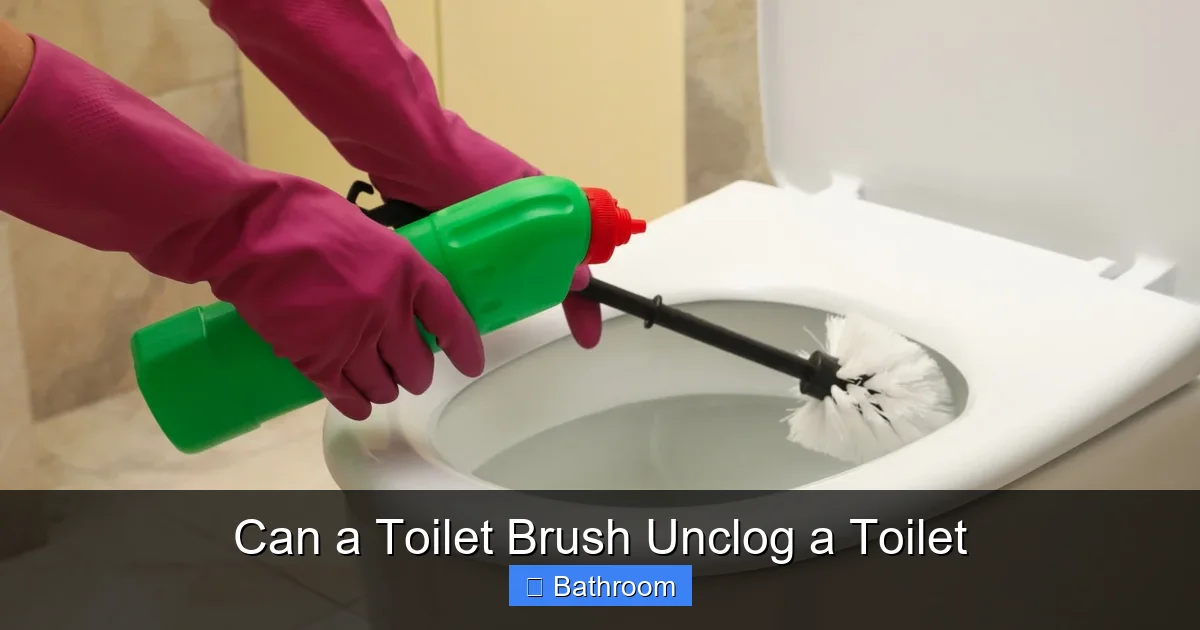
Before we dive into whether a toilet brush can unclog a toilet, let’s clarify what it actually is. A toilet brush is a small, handheld cleaning tool typically made of plastic or metal with bristles attached to a handle. It’s used to scrub the inside of the toilet bowl after use, removing residue, bacteria, and any visible debris.
The design of a toilet brush is simple: it’s meant to clean the surface of the bowl, not to penetrate or break up blockages. The bristles are soft or medium in texture, and the handle is short—ideal for scrubbing, not for reaching deep into pipes. Think of it like a kitchen sponge for your toilet. It’s great for maintenance, but not for major repairs.
The Limitations of a Toilet Brush
Even if you’re determined to use your toilet brush to unclog a toilet, it’s important to understand its limitations. Here’s why it’s not the right tool for the job:
- Bristle strength: Most toilet brushes don’t have strong bristles capable of breaking up solid blockages like hair, wipes, or toilet paper buildup.
- Lack of reach: The brush can’t extend far enough into the drain pipe to reach the actual clog.
- Risk of spreading debris: Scrubbing with a brush can push soft clogs further down the pipe, making the problem worse.
- Porcelain damage: Aggressive scrubbing can scratch the toilet bowl, creating rough surfaces where bacteria and grime can build up.
So while a toilet brush is an essential part of bathroom hygiene, it’s not a plumbing tool. Using it to unclog a toilet is like using a spoon to fix a car engine—it might touch something, but it’s not designed for the job.
When Might a Toilet Brush Help?
Visual guide about Can a Toilet Brush Unclog a Toilet
Image source: cdn.diycraftsy.com
Now, before you toss your brush in the trash, let’s consider one scenario where a toilet brush might offer a tiny bit of help: very mild, soft clogs. These are usually caused by excess toilet paper or small amounts of debris that haven’t fully formed a blockage.
In rare cases, if the clog is superficial and located near the rim of the bowl, a toilet brush might be used gently to help dislodge it. But even then, this should only be done as a last resort—and with extreme caution. Here’s how it might work:
A Glimmer of Hope: Soft Clogs
Imagine your toilet isn’t flushing because of a small buildup near the waterline. You try the plunger, but it doesn’t work. You’re out of options, so you reach for the brush. If you use it gently—without forcing it—you might be able to scrape away some soft residue. But this is more of a cleanup than an unclogging action.
Even in this case, the brush is doing more of a cleaning function than an unclogging one. It’s removing surface gunk, not clearing a pipe obstruction. And again, this should never involve aggressive scrubbing or inserting the brush deep into the drain.
Important Safety Note
If you do decide to use a toilet brush on a clog, always wear rubber gloves. You don’t want to risk exposure to bacteria or other contaminants. Also, avoid using bleach or harsh cleaners near the brush—they can weaken the bristles and make the tool less effective over time.
What Should You Use Instead?
If a toilet brush isn’t the right tool for unclogging, what is? The good news is that there are several effective, safe alternatives designed specifically for this purpose. Let’s go over the most common and effective options.
1. The Classic Plunger
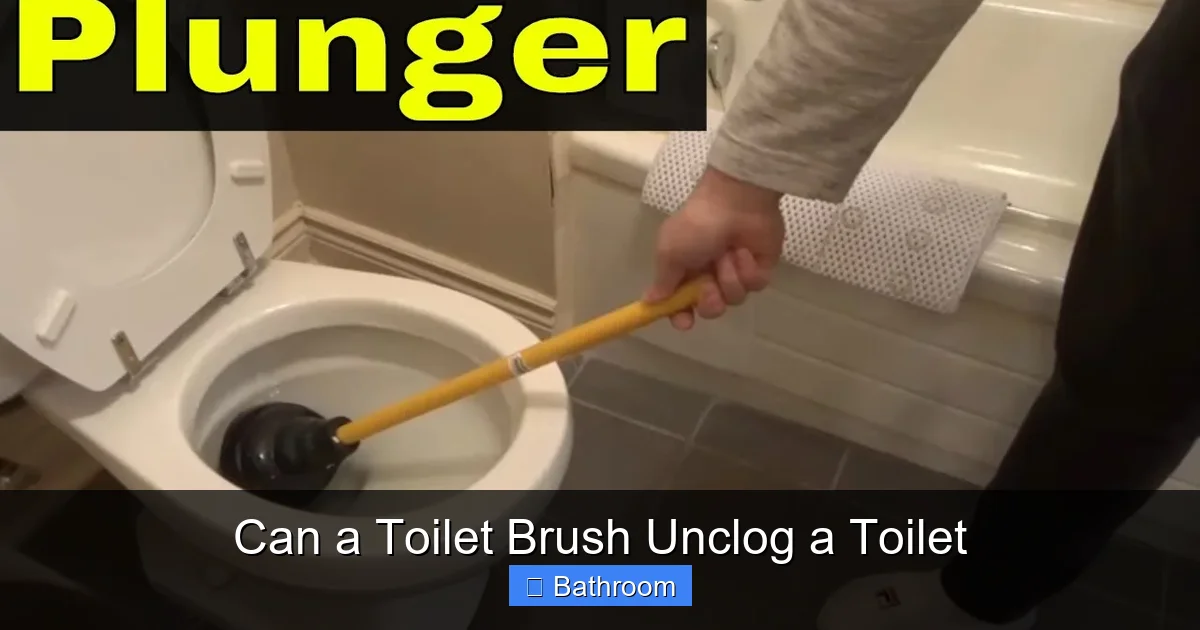
The plunger is the first line of defense for most toilet clogs. It works by creating suction to dislodge blockages. Here’s how to use it properly:
- Place the plunger over the drain hole, ensuring a tight seal.
- Pump up and down several times with steady pressure.
- Avoid lifting the plunger too high—this breaks the seal and reduces effectiveness.
For stubborn clogs, try using the plunger with a small amount of water in the bowl. This increases pressure and helps push the clog through.
2. The Toilet Auger (or Closet Auger)
A toilet auger is a coiled metal cable with a handle. It’s specifically designed to reach deep into the toilet drain and break up tough blockages. Here’s how it works:
- Insert the auger cable into the drain.
- Crank the handle to feed the cable deeper.
- Once resistance is felt, rotate the cable to break up the clog.
- Retract the cable slowly, flushing as you go.
This tool is especially useful for hair, wipes, or toilet paper buildup. It’s more expensive than a plunger but far more effective for persistent clogs.
3. Drain Snakes (Electric or Manual)
For non-toilet clogs in sinks or showers, a drain snake—also called a plumber’s snake—can be a lifesaver. These come in manual and electric versions. The electric ones are more powerful and can handle tougher blockages.
4. Chemical Drain Cleaners (Use with Caution)
Some people turn to chemical drain cleaners when other methods fail. While these can work, they come with risks. They can damage pipes over time, harm septic systems, and release toxic fumes. If you do use one, follow the instructions carefully and avoid mixing chemicals.
Preventing Clogs: A Better Strategy
Instead of scrambling to unclog a toilet every time, why not prevent clogs in the first place? Prevention is always easier (and cheaper) than cleanup. Here are some practical tips to keep your toilet flowing smoothly:
Flush Only the Essentials
Never flush anything other than toilet paper and human waste. Items like wipes, paper towels, feminine hygiene products, and “flushable” wipes may advertise flushability, but they often cause clogs. Even some biodegradable wipes can create blockages.
Use Toilet Paper Wisely
Choose toilet paper that breaks down quickly. Thick or quilted paper takes longer to dissolve and contributes to clogs. If you’re unsure, test a roll in a sink—if it doesn’t dissolve in 10 seconds, it’s not ideal for your plumbing.
Regular Cleaning
Clean your toilet bowl weekly with a mild cleaner. This removes buildup and reduces the chance of clogs. Avoid abrasive cleaners that can scratch the porcelain.
Install a Drain Strainer
In the shower or bathtub, use a drain strainer to catch hair and soap scum. This prevents debris from entering your plumbing system.
Flush Regularly
Don’t let waste sit in the bowl for long periods. Frequent flushing helps keep the pipes clear and reduces odor buildup.
When to Call a Professional
Even with the best tools and habits, some clogs are beyond DIY fixes. Here’s when it’s time to call a plumber:
- The clog returns within a few hours or days.
- You hear gurgling sounds from other drains (like the sink or shower).
- Water backs up into the toilet when you flush another fixture.
- You’ve tried a plunger and auger without success.
- You suspect a tree root intrusion or sewer line issue.
A licensed plumber has the right tools, experience, and access to your main sewer line. They can diagnose the problem and fix it permanently—saving you time, money, and stress.
Common Myths About Toilet Brushes and Clogs
Let’s clear up some misconceptions. You might have heard or believed some of these myths:
Myth 1: “A Toilet Brush Can Clear Any Clog”
False. A toilet brush is not designed for unclogging. It’s for cleaning. Using it aggressively can damage your toilet and worsen the clog.
Myth 2: “If the Brush Scratches the Bowl, It’s Working”
Not true. Scratching indicates damage. Always use gentle pressure and avoid metal brushes on porcelain.
Myth 3: “All Toilet Brushes Are the Same”
Nope. Some brushes have stronger bristles or better grips, but none are built for unclogging. Choose a brush based on cleaning needs, not plumbing fixes.
Conclusion: Know Your Tools
So, can a toilet brush unclog a toilet? Not really—and not safely. While it might help with a very minor, superficial issue, it’s not the right tool for the job. For real unclogging, reach for a plunger, toilet auger, or drain snake. And remember: prevention is always better than cleanup.
By understanding what your tools are for, you’ll save time, protect your plumbing, and keep your bathroom running smoothly. Next time your toilet backs up, skip the brush—and grab the plunger instead.
Frequently Asked Questions
Can a toilet brush really help with a clog?
A toilet brush is not designed to unclog a toilet. It can only help with very mild, surface-level clogs by cleaning away soft residue near the bowl’s rim. It cannot break up or remove deep blockages in the drain pipe.
Is it safe to use a toilet brush to unclog a toilet?
It’s not recommended. Using a brush aggressively can push clogs deeper, scratch the toilet bowl, or damage plumbing. Safer tools like plungers and augers are far more effective and safer.
What’s the difference between a toilet brush and a plunger?
A toilet brush is for cleaning the bowl surface. A plunger creates suction to dislodge blockages in the drain. They serve completely different purposes—and a plunger is the right tool for unclogging.
Can I use a toilet brush with bleach to unclog?
No. Mixing bleach with a toilet brush or any other tool is unnecessary and potentially dangerous. Bleach can weaken bristles and release harmful fumes. Use it only for cleaning, not unclogging.
How often should I clean my toilet brush?
Clean your toilet brush after each use with soap and hot water. Let it air dry or rinse with clean water before storing. Replace it every few months or if bristles become worn.
What should I do if a plunger doesn’t work?
If a plunger fails, try a toilet auger (snake). If that doesn’t work, the clog may be too deep or complex. At that point, it’s best to call a professional plumber to avoid further damage.