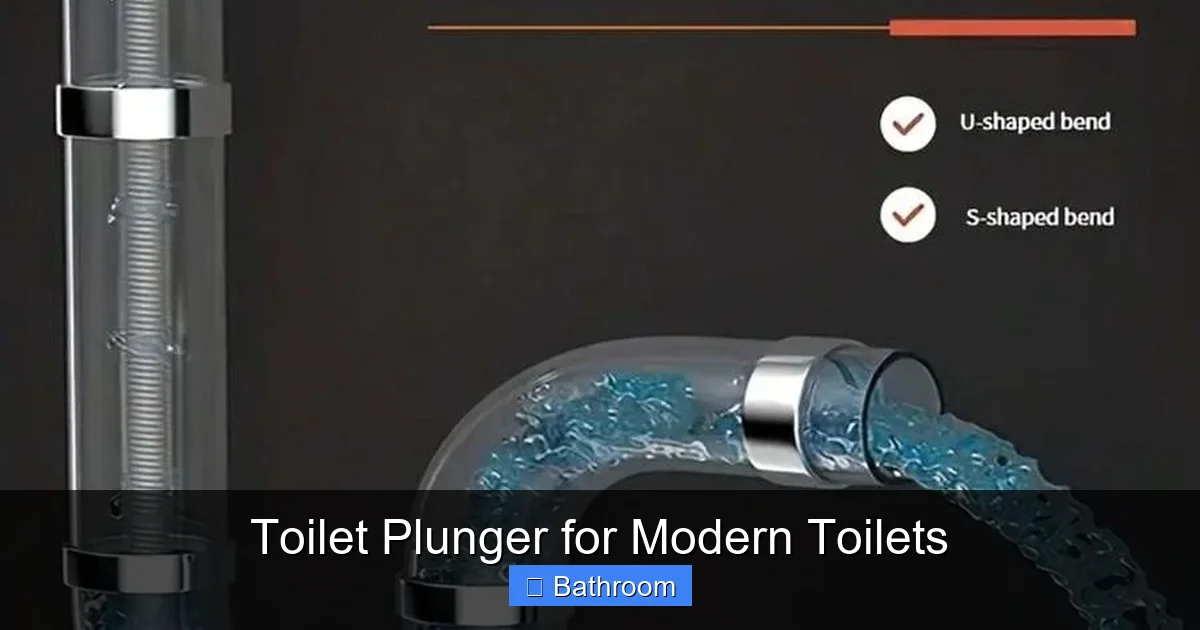
Toilet Plunger for Modern Toilets
Every modern home needs a reliable toilet plunger to handle clogs and maintain hygiene. Choosing the right plunger and using it correctly can save time, water, and frustration. This guide covers types, usage tips, and maintenance to keep your toilet running smoothly.
Key Takeaways
- Understanding Toilet Plunger For Modern Toilets: Provides essential knowledge
📑 Table of Contents
- Toilet Plunger for Modern Toilets: A Complete Guide
- Why a Toilet Plunger for Modern Toilets Matters
- Types of Toilet Plungers: Which One Fits Modern Toilets?
- How to Use a Toilet Plunger for Modern Toilets: Step-by-Step Guide
- Common Causes of Toilet Clogs in Modern Toilets
- Maintaining Your Toilet Plunger: Keep It Clean and Ready
- When a Toilet Plunger Isn’t Enough
- Choosing the Right Toilet Plunger for Your Home
- Final Thoughts: Be Prepared, Not Panicked
Toilet Plunger for Modern Toilets: A Complete Guide
Let’s be honest—nobody enjoys a clogged toilet. But when it happens, especially in a modern home with sleek, low-profile bowls, panic can set in. You’ve probably seen the generic plunger in your bathroom cabinet, but is it the right tool for the job? A toilet plunger for modern toilets isn’t just about brute force; it’s about precision, fit, and effectiveness. In this guide, we’ll walk you through everything you need to know—from choosing the right plunger to mastering the technique. Whether you’re dealing with a stubborn clog or just want to be prepared, this article will make you the go-to person in your household.
Modern toilets have evolved significantly from the older, more robust models. With their elongated, tapered bowls and elongated siphons, they require a specific type of plunger to work efficiently. Using the wrong tool can result in wasted time, splashing water, or even damage to the toilet. That’s why understanding the nuances of a toilet plunger for modern toilets is more important than ever. We’ll cover the different types, how to use them properly, and why maintenance matters. By the end, you’ll feel confident tackling any clog like a pro.
Why a Toilet Plunger for Modern Toilets Matters
You might wonder: why not just use any old plunger? After all, it’s just about pushing and pulling, right? Not quite. Modern toilets are designed with specific drainage systems in mind, and not all plungers fit or function well with them. The shape of the bowl, the size of the trapway, and the presence of a flange all influence how a plunger performs.
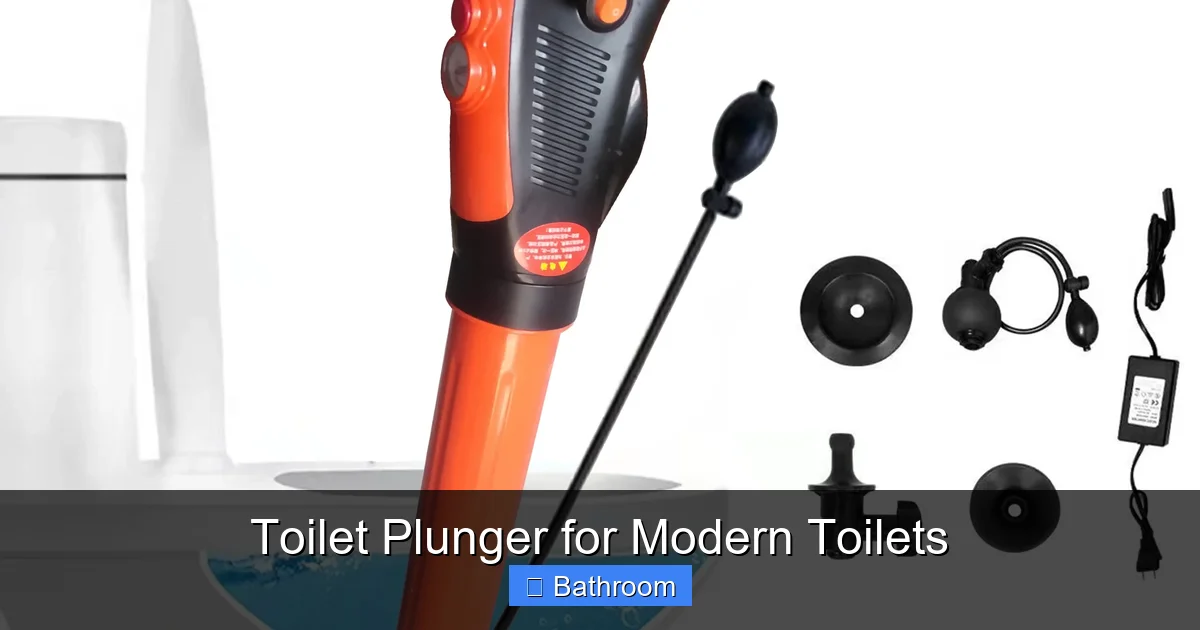
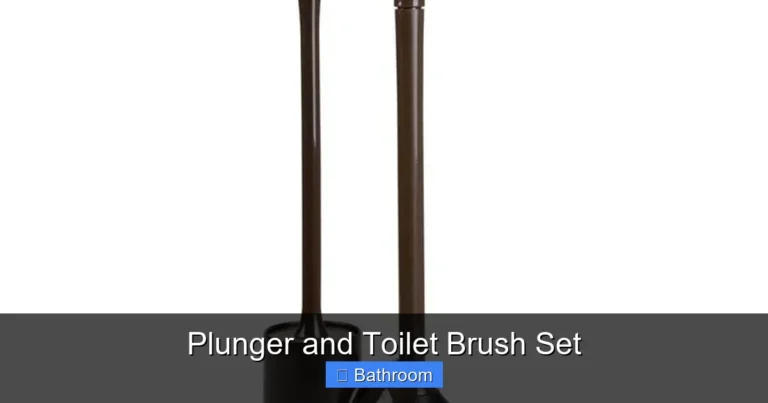
Visual guide about Toilet Plunger for Modern Toilets
Image source: m.media-amazon.com
A plunger that works on a standard toilet might not create the necessary suction on a modern model. This can lead to frustration, mess, and even the need to call a plumber—something no one wants. A proper toilet plunger for modern toilets is engineered to match the bowl’s contours, ensuring a tight seal and effective pressure distribution. This precision helps break up clogs more efficiently and reduces the risk of water splashing out.
Additionally, modern bathrooms often feature delicate finishes and materials that can be damaged by excessive force or incorrect tools. Using the right plunger minimizes wear and tear on your toilet. It’s not just about solving the problem—it’s about protecting your investment and maintaining a clean, functional space.
Types of Toilet Plungers: Which One Fits Modern Toilets?
Not all plungers are created equal. In fact, there are several types, each designed for specific toilet configurations. When it comes to modern toilets, the most effective options are the flange plunger and the combination plunger. Let’s break them down.
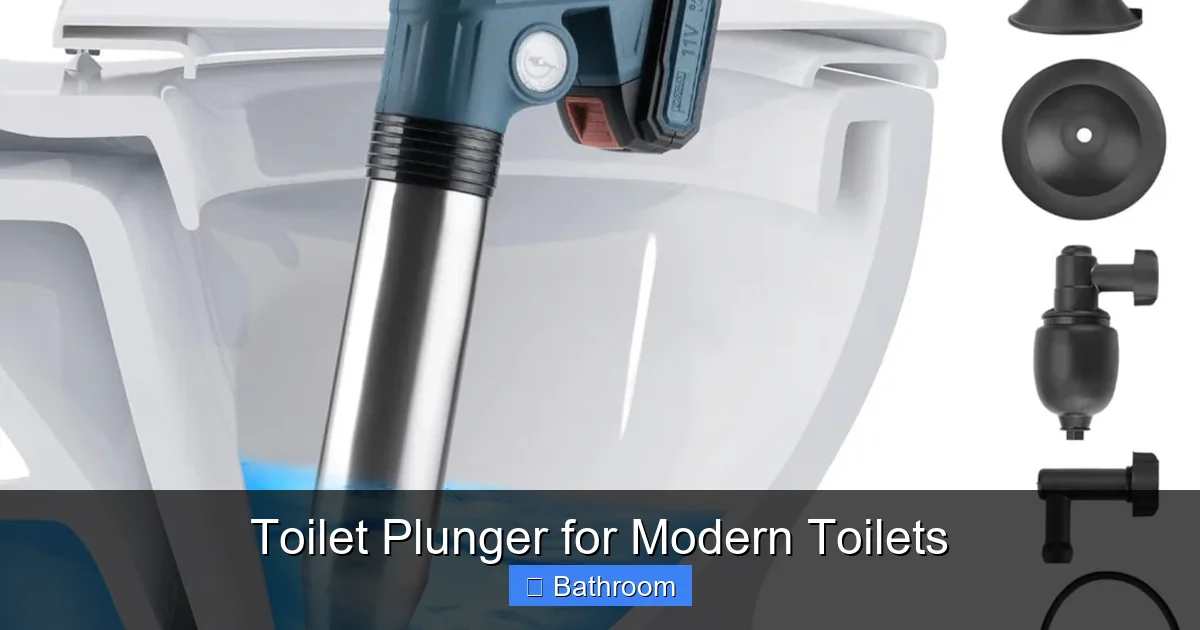
Visual guide about Toilet Plunger for Modern Toilets
Image source: bestvaluechoice.com
Flange Plungers: The Ideal Choice
The flange plunger is the gold standard for modern toilets. It features a rubber cup with a small, flexible flange that extends below the main suction area. This flange is designed to slip into the toilet’s drain opening, creating a snug seal around the base of the bowl. This seal is crucial for generating the suction needed to dislodge clogs.
Modern toilets typically have a narrower, more elongated drain opening than older models. The flange helps compensate for this by filling the gap and ensuring no air escapes during the plunging action. Without this seal, the plunger simply won’t work as intended. For this reason, a flange plunger is often referred to as a “toilet plunger for modern toilets” because it’s specifically engineered for today’s designs.
Combination Plungers: Versatility at Its Best
A combination plunger includes both a flange and a flat cup on opposite ends of the plunger. This design allows you to switch between plunging the toilet and cleaning sinks or bathtubs. While not always necessary for toilet use, the combination option offers flexibility in a single tool.
Some users prefer combination plungers because they reduce clutter in the bathroom. However, the dual design can make it slightly bulkier and less efficient for toilet-specific tasks. If you only need to unclog toilets, a dedicated flange plunger is usually the better choice.
Flat-Bottom Plungers: Outdated and Ineffective
The flat-bottom plunger, also known as a sink plunger, is not suitable for modern toilets. Its large, flat rubber surface is designed for wide basins and tubs, not the narrow drain of a toilet bowl. When used on a toilet, it often creates poor suction due to the lack of a proper seal.
Using a flat plunger on a modern toilet can lead to water splashing, incomplete clogs, and even damage to the toilet’s rim. It’s a common mistake, especially in households that use the same tool for multiple purposes. For optimal results, stick to a flange or combination plunger.
How to Use a Toilet Plunger for Modern Toilets: Step-by-Step Guide
Now that you know which plunger to choose, let’s talk about how to use it. Proper technique is just as important as the right tool. Follow these steps to unclog your toilet safely and effectively.
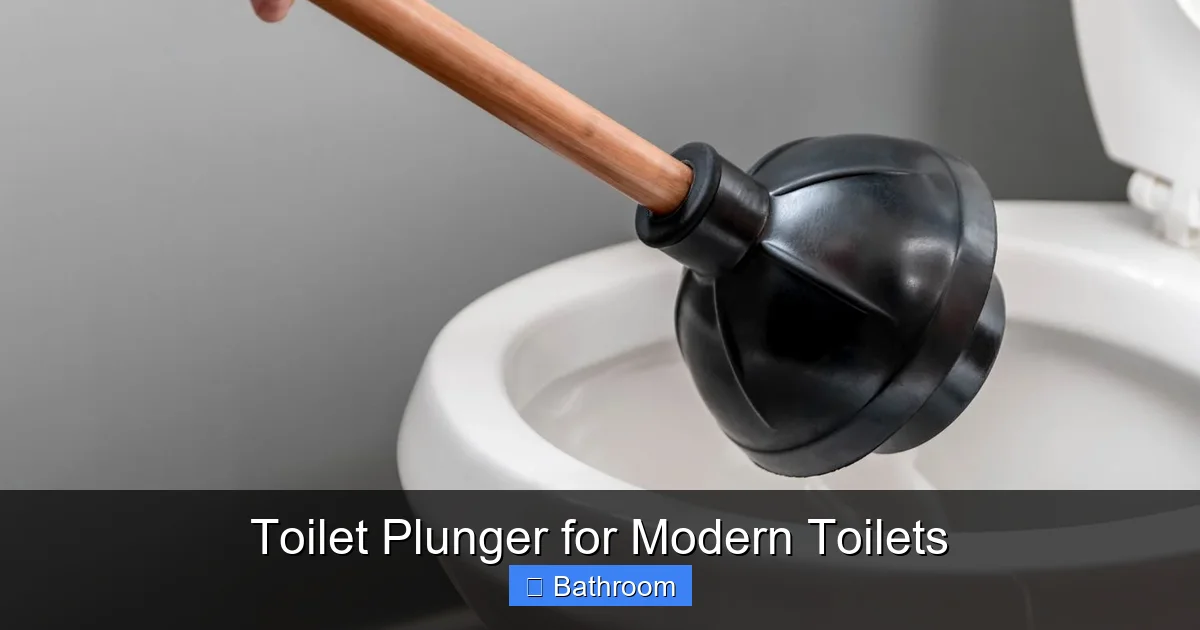
Visual guide about Toilet Plunger for Modern Toilets
Image source: thespruce.com
Step 1: Prepare the Area
Before you start, protect the floor and surrounding area. Place a towel or bucket under the plunger to catch any splashes. Wear old clothes or an apron—plunging can get messy. Remove any loose items from the toilet rim, like toilet paper or toys.
Next, add a few inches of water to the bowl. This helps create a better seal and provides enough fluid to help break up the clog. Don’t flush the toilet first—this can make the clog worse.
Step 2: Position the Plunger
Insert the plunger into the toilet bowl so that the rubber cup covers the drain opening. For a flange plunger, gently press the flange into the drain. It should fit snugly without forcing it. The plunger handle should be vertical for maximum pressure.
Make sure the plunger is centered and not leaning to one side. An off-center seal can lead to air leaks and reduced suction. If the flange doesn’t fit well, double-check that you’re using the right type of plunger for your toilet.
Step 3: Create Suction and Apply Pressure
With the plunger in place, press down firmly to create a seal. Then, pull up sharply to create suction. Repeat this motion—press, pull, press, pull—about 15 to 20 times. The goal is to build pressure and dislodge the clog.
Don’t just push down without pulling. The suction is what does the work. If you feel resistance, keep going. Sometimes it takes a few tries, especially for stubborn clogs.
Step 4: Test and Repeat
After plunging, lift the plunger and flush the toilet. If the water drains quickly, you’ve successfully unclogged the toilet. If not, repeat the process. For persistent clogs, you may need to plunge multiple times or try an alternative method.
Never force the plunger too hard. Excessive pressure can damage the toilet’s porcelain or trapway. If the clog doesn’t clear after several attempts, it’s time to consider other tools or professional help.
Common Causes of Toilet Clogs in Modern Toilets
Understanding what causes clogs can help you prevent them in the future. Modern toilets are generally more efficient than older models, but they’re not immune to blockages. Here are the most common culprits.
Excessive Toilet Paper
While modern toilets are designed to handle a fair amount of toilet paper, overuse is a frequent issue. Some people flush more paper than necessary, especially during cold weather when paper feels sturdier. This can lead to a buildup in the trapway, eventually causing a clog.
To avoid this, use only what you need. If you have a large household, consider using thinner, more absorbent paper. Also, avoid flushing anything other than toilet paper and human waste.
Foreign Objects
Toys, feminine hygiene products, wipes, and even small items left in the bowl can cause serious blockages. Unlike older toilets with larger trapways, modern models have narrower drains that are more easily clogged by foreign objects.
Be especially careful with “flushable” wipes. Many of these are not actually flushable and can create clogs. When in doubt, throw it in the trash.
Hair and Soap Scum
In bathrooms with sinks or showers near the toilet, hair and soap residue can find their way into the toilet bowl. Over time, this buildup can accumulate and cause slow drainage or complete blockages.
Regular cleaning and using a toilet brush can help prevent this. You can also use a hair catcher in the sink to reduce the amount of hair entering the plumbing.
Improper Installation or Design
In rare cases, a clog might be due to the toilet itself. Poorly installed toilets or those with manufacturing defects can have drainage issues. If you suspect this is the case, consult a plumber to inspect the installation.
Maintaining Your Toilet Plunger: Keep It Clean and Ready
A toilet plunger is only as good as it is clean. After each use, it’s essential to rinse it thoroughly with hot water. Any residue from the clog can lead to bacterial growth and unpleasant odors.
Store the plunger in a dry place with the cup facing down to prevent mold and mildew. Some people use a plunger caddy or hang it on a hook to keep it off the floor. Avoid leaving it in a wet, enclosed space.
Periodically disinfect the plunger with a solution of water and bleach or a commercial cleaner. This helps kill germs and keeps the tool hygienic. A clean plunger not only works better but also protects your health.
When a Toilet Plunger Isn’t Enough
Sometimes, no matter how hard you plunge, the clog persists. This is when you know it’s time to try other methods. A plunger is effective for most common clogs, but deeper or more stubborn blockages may require additional tools.
Plunger Kits and Augers
A plunger kit often includes a toilet auger, also known as a closet auger. This tool has a flexible cable that can reach deep into the toilet’s trapway to break up tough clogs. Unlike a plunger, an auger can physically cut through hair, paper, or other debris.
Using an auger requires more skill than plunging, but it’s highly effective for persistent clogs. Many plumbers recommend keeping one in the bathroom for emergencies.
Drain Snakes
A drain snake is another option for severe clogs. It’s a longer, more powerful version of the auger, designed for use in sinks and tubs. While not typically used for toilets, some models can reach the same depth.
Drain snakes are more expensive and less convenient for toilet use, but they’re worth considering if you have frequent clogs. They’re also useful for cleaning out entire drain lines.
Calling a Professional
If you’ve tried plunging, using an auger, and still can’t clear the clog, it’s time to call a plumber. Repeated clogs could indicate a more serious issue, such as a partial blockage in the main sewer line or a damaged pipe.
Don’t ignore persistent problems. A professional can diagnose and fix the issue before it leads to a full-blown plumbing emergency.
Choosing the Right Toilet Plunger for Your Home
With so many options available, selecting the right toilet plunger for modern toilets can be overwhelming. Here are some tips to help you make the best choice.
Check the Toilet Bowl Design
Not all modern toilets are identical. Some have elongated bowls, others round. Some have a higher water level or a different trapway size. Look at your toilet’s drain opening and compare it to the plunger’s specifications.
If possible, measure the drain opening or consult the manufacturer’s guidelines. This ensures a proper fit and better performance.
Look for Quality Materials
A good plunger should have a durable, flexible rubber cup that maintains its shape over time. Avoid cheap, brittle plungers that crack or lose suction. Stainless steel handles are more durable than plastic ones.
Investing in a high-quality plunger saves money in the long run. A well-made tool lasts longer and works better than a low-cost alternative.
Consider Storage and Hygiene
Think about how you’ll store the plunger. Some models come with drip trays or protective covers. These help keep the plunger clean and ready for use. If hygiene is a concern, consider a plunger with a removable cup for easy cleaning.
Read Reviews and Recommendations
Before buying, read customer reviews and expert recommendations. Look for feedback on effectiveness, durability, and ease of use. Brands like OXO, Rubbermaid, and Korky are known for reliable plungers.
Pay attention to comments about compatibility with modern toilets. Some plungers are marketed specifically for this purpose, which can be a good indicator of quality.
Final Thoughts: Be Prepared, Not Panicked
A clogged toilet doesn’t have to be a nightmare. With the right toilet plunger for modern toilets, proper technique, and a little preparation, you can handle most clogs quickly and cleanly. The key is choosing the right tool and using it correctly.
Remember, prevention is just as important as action. Use only what you need, avoid foreign objects, and keep your plunger clean. By following these tips, you’ll reduce the chances of future clogs and maintain a functional, hygienic bathroom.
Don’t wait until the next emergency to think about your plunger. Keep it accessible, inspect it regularly, and replace it if it shows signs of wear. Being prepared means peace of mind—and a dry, clean bathroom floor.
Frequently Asked Questions
What is the best type of plunger for modern toilets?
The best type is a flange plunger, which has a flexible rubber cup with a small flange that fits snugly into the toilet’s drain opening. This creates a tight seal, allowing for effective suction and better performance on modern toilet bowls.
How often should I clean my toilet plunger?
Clean your plunger after every use by rinsing it with hot water and disinfecting it weekly with a bleach solution or commercial cleaner. Proper cleaning prevents mold, bacteria, and unpleasant odors.
Can I use a sink plunger on a modern toilet?
No, a sink plunger with a flat bottom is not suitable for modern toilets. It won’t create a proper seal, leading to poor suction and ineffective plunging. Always use a flange or combination plunger for toilets.
Why does my plunger splash so much when I use it?
Splashing usually happens when the plunger isn’t creating a tight seal. Make sure the flange is properly inserted into the drain and that you’re applying firm, downward pressure before pulling up. Also, add a few inches of water to the bowl to improve the seal.
What should I do if plunging doesn’t work?
If the clog persists after several plunges, try a toilet auger or plunger kit. For stubborn clogs, you may need to call a professional plumber to inspect and clear the blockage.
How do I know if my plunger is the right size for my toilet?
Check the plunger’s specifications and compare them to your toilet’s drain opening. A flange plunger should fit snugly without forcing it. If you’re unsure, consult the toilet’s manual or measure the drain opening before purchasing.