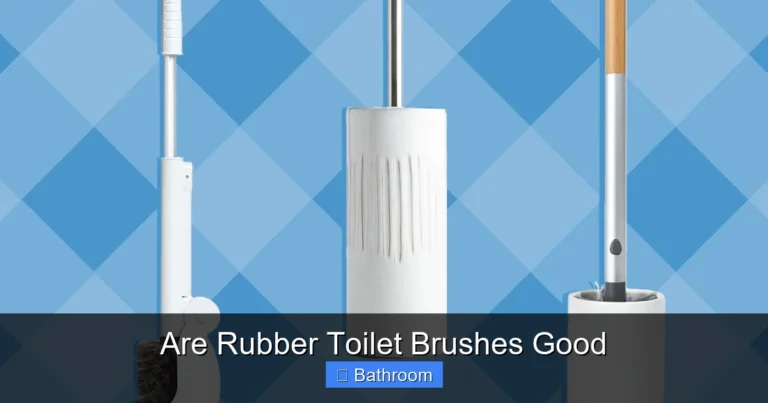
How to Clean a Toilet Bowl Brush
Keeping your toilet bowl brush clean isn’t just about appearance—it’s about hygiene. A dirty brush can spread germs and leave behind unpleasant odors, making regular cleaning essential. With the right tools and routine, you can sanitize your brush in under 10 minutes and extend its lifespan.
Let’s face it—no one enjoys talking about toilet bowl brushes. But when it comes to bathroom hygiene, this humble tool plays a surprisingly important role. While we often focus on cleaning the toilet itself, the brush we use to clean it can become a hidden breeding ground for germs, mold, and bacteria if not properly maintained. Over time, residue from cleaning products, urine, and fecal matter can cling to the bristles and handle, creating an unsanitary environment. That’s why knowing how to clean a toilet bowl brush isn’t just a nice-to-have—it’s a must for anyone who values a clean, healthy bathroom.
In this comprehensive guide, we’ll walk you through every step of the process, from daily habits to deep cleaning routines. Whether you’re dealing with a stubborn stain, a lingering smell, or just want to keep your brush in top shape, you’ll find practical, easy-to-follow advice here. We’ll also share pro tips on choosing the right brush, storing it properly, and knowing when it’s time for a replacement. By the end, you’ll feel confident that your toilet bowl brush is not only clean but also safe to use.
Key Takeaways
- Understanding How To Clean A Toilet Bowl Brush: Provides essential knowledge
📑 Table of Contents
- Why Cleaning Your Toilet Bowl Brush Matters
- How Often Should You Clean Your Toilet Bowl Brush?
- What You’ll Need to Clean a Toilet Bowl Brush
- Step-by-Step Guide: How to Clean a Toilet Bowl Brush
- Deep Cleaning Tips for Stubborn Buildup
- Proper Storage: Keep Your Brush Clean Longer
- Choosing the Right Toilet Bowl Brush
- Common Mistakes to Avoid
- When to Replace Your Toilet Bowl Brush
- Eco-Friendly and Sustainable Cleaning Practices
- Final Thoughts: Make Cleaning a Habit
Why Cleaning Your Toilet Bowl Brush Matters
You might be wondering, “Can a brush really get that dirty?” Absolutely. Every time you use it, tiny particles of waste, cleaning agents, and moisture get trapped in the bristles and on the handle. If left unchecked, these elements create an ideal environment for bacteria like E. coli and mold to grow. Studies have shown that bathroom surfaces—including toilet brushes—can harbor dangerous pathogens if not cleaned regularly. Plus, a dirty brush can leave streaks, stains, and unpleasant odors on your toilet bowl, defeating the purpose of cleaning in the first place.
Beyond the health risks, a well-maintained brush simply works better. Clean bristles scrub more effectively, ensuring a thorough toilet cleaning. And let’s be honest—no one wants to use a brush that smells like yesterday’s cleaning session. Regular cleaning also extends the life of your brush, saving you money in the long run.
How Often Should You Clean Your Toilet Bowl Brush?
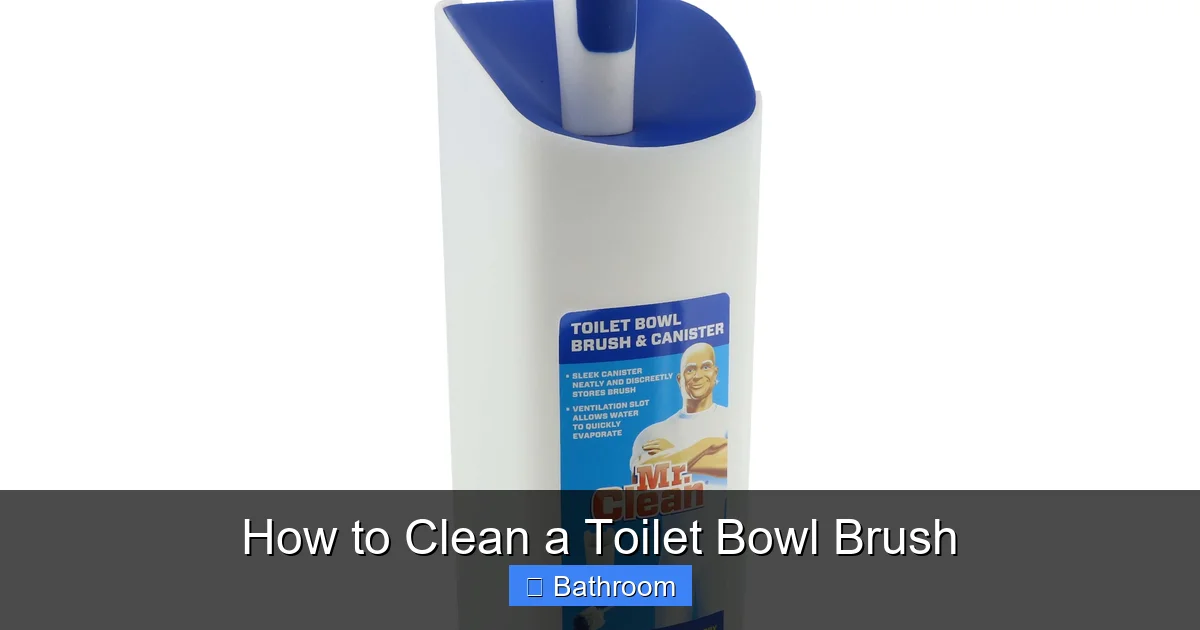
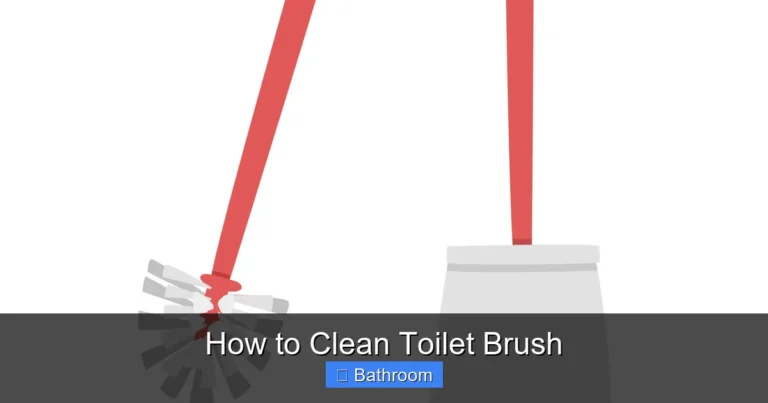
Visual guide about How to Clean a Toilet Bowl Brush
Image source: images.heb.com
The frequency of cleaning depends on usage and the type of brush you have. As a general rule, clean your toilet bowl brush at least once a week. If you use it multiple times daily, consider cleaning it after each use. For brushes with replaceable heads, swap out the head every 2–4 weeks. For traditional brushes, a weekly deep clean is ideal.
Daily habits matter too. After each use, rinse the brush under hot water to remove visible debris. Shake it gently to drain excess water and store it upright or in a holder with ventilation. This prevents moisture buildup, which is the main culprit behind mold and mildew.
What You’ll Need to Clean a Toilet Bowl Brush
Visual guide about How to Clean a Toilet Bowl Brush
Image source: thumbs.dreamstime.com
Before you start, gather the right tools. You don’t need anything fancy—just a few common household items. Here’s what to have on hand:
- Hot water – Helps dissolve grime and kill bacteria.
- White vinegar or lemon juice – Natural disinfectants that also cut through soap scum.
- Disinfectant spray or bleach solution – For a deeper sanitizing clean.
- Toothbrush or small scrub brush – For scrubbing hard-to-reach areas on the handle.
- Dish soap – Gentle but effective for breaking down oils.
- Paper towels or a clean cloth – For drying and wiping.
- Protective gloves – Optional but recommended for hygiene.
Avoid using steel wool or harsh abrasives, as they can scratch the bristles and trap dirt. Also, never mix bleach with vinegar—it creates toxic chlorine gas.
DIY Cleaning Solutions You Can Make at Home
You don’t need expensive cleaners. Here are two effective, eco-friendly options:
Solution 1: Vinegar and Water
Mix equal parts white vinegar and hot water in a bowl or spray bottle. Vinegar is a natural disinfectant and deodorizer. Soak the brush for 10–15 minutes, then scrub with a toothbrush.
Solution 2: Baking Soda Paste
Mix baking soda with a little water to form a paste. Apply it to the bristles and handle, let it sit for 5 minutes, then scrub and rinse. Baking soda is great for removing stains and neutralizing odors.
These solutions are safe for most brush materials and won’t damage your toilet or septic system.
Step-by-Step Guide: How to Clean a Toilet Bowl Brush
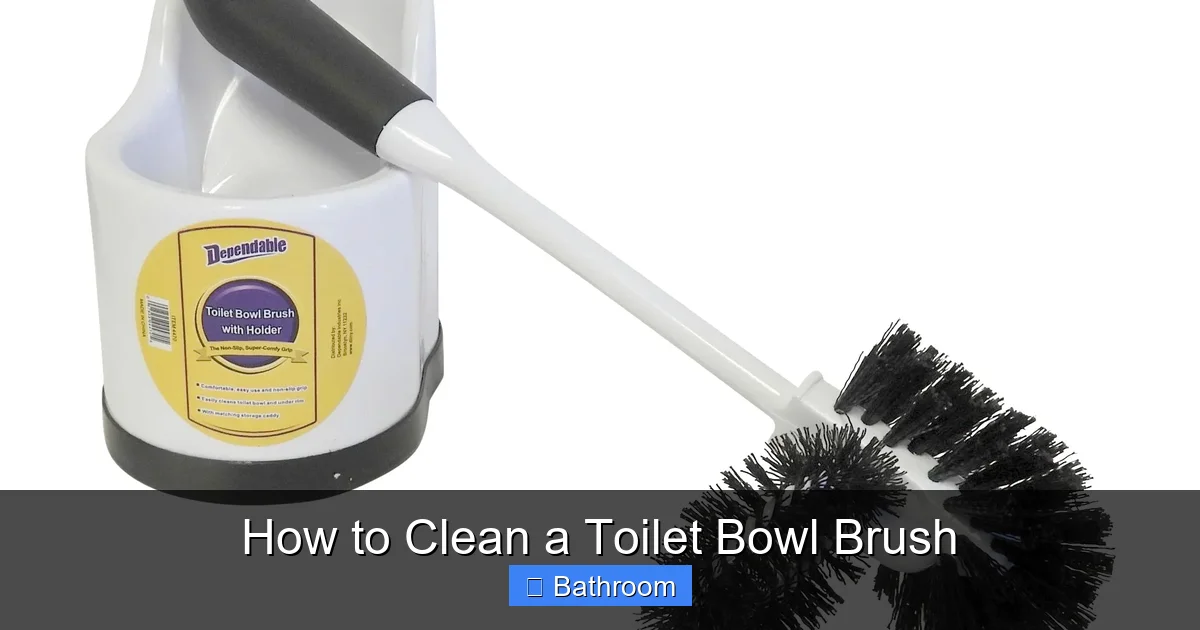
Visual guide about How to Clean a Toilet Bowl Brush
Image source: i5.walmartimages.com
Follow these simple steps for a sparkling clean brush every time.
Step 1: Rinse the Brush After Use
After each use, rinse the brush under hot running water for 30 seconds. Shake it vigorously to remove excess water. This prevents buildup and makes deep cleaning easier.
Step 2: Soak in Disinfectant Solution
Fill a sink or bucket with hot water and add your chosen cleaning solution. Submerge the brush for 10–15 minutes. For extra power, add a tablespoon of bleach per gallon of water (but never mix with vinegar).
Step 3: Scrub the Bristles and Handle
Use a toothbrush or small scrub brush to clean between the bristles and around the handle. Pay special attention to crevices where grime hides. For stubborn stains, use a baking soda paste.
Step 4: Rinse Thoroughly
Rinse under hot water until no cleaning residue remains. Make sure all vinegar or bleach smell is gone—lingering odors can transfer to your toilet.
Step 5: Dry Completely
Shake off excess water and place the brush upright in a ventilated holder. Let it air dry completely before storing. Never store a wet brush—it’s a breeding ground for mold.
Step 6: Sanitize the Storage Area
Wipe down the brush holder or cup with disinfectant spray or a vinegar solution. Replace the holder if it’s cracked or moldy.
Deep Cleaning Tips for Stubborn Buildup
Sometimes, regular cleaning isn’t enough. If your brush has yellowing bristles, a foul smell, or visible mold, it’s time for a deep clean.
For Mold and Mildew: Soak the brush in a 1:1 solution of hydrogen peroxide and water for 30 minutes. Hydrogen peroxide kills mold spores without damaging bristles.
For Stains: Use a paste of baking soda and lemon juice. Apply, let sit for 10 minutes, then scrub and rinse.
For Odors: Soak in a bowl of vinegar overnight. The acidic nature of vinegar neutralizes odor-causing bacteria.
If the brush still smells bad after deep cleaning, it may be time to replace it. A persistent odor indicates deep-seated contamination that’s hard to eliminate.
Proper Storage: Keep Your Brush Clean Longer
Where you store your brush makes a big difference. Avoid placing it directly on the floor or in a closed cupboard. Instead, use a brush holder with ventilation—ideally one with a lid that opens upward or has airflow holes. This allows moisture to escape and prevents mold growth.
Some modern brushes come with self-cleaning holders that spray water or UV light to sanitize the brush. These are worth the investment if you want a hands-off cleaning solution.
Never share your brush with others, and always wash your hands after handling it. Regularly clean the holder itself—mold can grow on plastic or metal surfaces just like the brush.
Choosing the Right Toilet Bowl Brush
Not all brushes are created equal. When selecting a new brush, consider the following:
- Material: Nylon bristles are durable and easy to clean. Avoid metal bristles, which can rust.
- Handle Design: Longer handles reach under the rim. Non-slip grips improve control.
- Replaceable Heads: These are more hygienic and cost-effective in the long run.
- Holder Type: Choose a ventilated or self-cleaning model to reduce mold.
- Eco-Friendly Options: Look for brushes made from recycled materials or with biodegradable bristles.
Brushes with replaceable heads are especially smart. You only replace the head every few weeks, not the entire brush. This reduces waste and ensures you always have a clean tool.
Top Brands to Consider
While many store-bought brushes work well, here are a few brands known for quality and hygiene:
- OXO Good Grips – Ergonomic design, durable bristles.
- Libman – Affordable, widely available.
- Kohler – Stylish, often includes a self-cleaning holder.
- EcoTools – Eco-friendly, replaceable heads.
Read reviews and check for certifications like EPA Safer Choice or Green Seal to ensure the product meets safety and environmental standards.
Common Mistakes to Avoid
Even with the best intentions, people make mistakes when cleaning their toilet bowl brush. Here’s how to avoid them:
- Not rinsing after use – Always rinse under hot water to remove residue.
- Storing in a wet holder – This leads to mold. Use a dry, ventilated space.
- Using the same brush for other tasks – Never use it to clean sinks or showers.
- Ignoring the handle – Bacteria can grow on the handle too. Scrub it weekly.
- Using too much bleach – Dilute properly to avoid damage and fumes.
- Waiting too long to replace the brush – Frayed bristles don’t clean well and can scratch the bowl.
By avoiding these pitfalls, you’ll keep your brush effective and hygienic.
When to Replace Your Toilet Bowl Brush
Knowing when to replace your brush is just as important as cleaning it. Here are signs it’s time for a new one:
- Bristles are frayed or broken – They can’t clean effectively and may scratch the toilet.
- Persistent odor despite cleaning – Indicates deep contamination.
- Visible mold or discoloration – Hard to remove and unhygienic.
- Cracks or damage to the handle – Can harbor bacteria.
- You’ve had it for over a year – Even with care, brushes degrade over time.
For replaceable-head brushes, swap the head every 2–4 weeks. For full brushes, aim for replacement every 6–12 months. Don’t wait until it’s too late—replace it proactively.
Eco-Friendly and Sustainable Cleaning Practices
Want to clean your brush without harming the planet? Try these green tips:
- Use vinegar and baking soda – Non-toxic and biodegradable.
- Choose brushes made from recycled materials – Look for eco-labels.
- Opt for replaceable heads – Reduces plastic waste.
- Reuse old toothbrushes – For scrubbing the handle or bristles.
- Compost brush bristles (if natural) – Only if labeled compostable.
Avoid single-use cleaning wipes and plastic spray bottles. A simple spray bottle made from glass or reusable plastic is better for the environment.
Final Thoughts: Make Cleaning a Habit
Cleaning your toilet bowl brush doesn’t have to be a chore. With a simple weekly routine, a few household supplies, and the right storage, you can keep it fresh and functional. Remember, hygiene starts with small, consistent actions. By taking a few minutes to clean your brush, you’re not just maintaining a tool—you’re protecting your health and the cleanliness of your entire bathroom.
Whether you’re deep cleaning for the first time or just starting a routine, the steps are straightforward and effective. And once you get into the habit, it becomes second nature. So grab that brush, some vinegar, and a little elbow grease—your toilet (and your peace of mind) will thank you.
Frequently Asked Questions
How often should I clean my toilet bowl brush?
You should clean your toilet bowl brush at least once a week. Rinse it after each use and do a deep clean weekly to prevent mold, bacteria, and buildup.
Can I use bleach to clean my toilet bowl brush?
Yes, but dilute it properly—use one tablespoon of bleach per gallon of water. Never mix bleach with vinegar, as it creates toxic gas. Rinse thoroughly afterward.
How do I remove mold from my toilet bowl brush?
Soak the brush in a 1:1 solution of hydrogen peroxide and water for 30 minutes. This kills mold spores without damaging the bristles.
Why does my toilet bowl brush smell bad even after cleaning?
A persistent odor usually means deep contamination or mold. Try a vinegar soak overnight. If the smell remains, replace the brush—it may be beyond cleaning.
Can I use dish soap to clean my toilet bowl brush?
Yes, mild dish soap is safe and effective for breaking down oils and grime. Use it with hot water and rinse well afterward.
How long do toilet bowl brushes last?
Traditional brushes last 6–12 months with regular care. Replaceable-head brushes should swap heads every 2–4 weeks. Replace the whole brush if bristles fray or it develops mold.