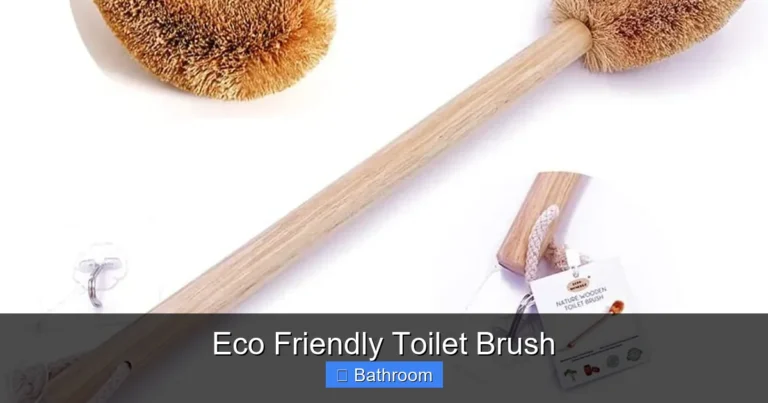
How Do You Clean a Toilet Brush
Keeping your toilet brush clean is essential for a hygienic bathroom. Without proper care, bacteria can spread and compromise your health. This guide walks you through simple, effective steps to sanitize and store your toilet brush for long-term use.
Key Takeaways
- Understanding How Do You Clean A Toilet Brush: Provides essential knowledge
📑 Table of Contents
- How Do You Clean a Toilet Brush? A Complete Guide to Hygiene and Longevity
- Why Cleaning Your Toilet Brush Matters
- Step-by-Step: How to Clean a Toilet Brush
- Best Cleaning Products for Toilet Brushes
- How to Store Your Toilet Brush Properly
- How to Deep Clean Your Toilet Brush and Holder
- How Often Should You Replace a Toilet Brush?
- Eco-Friendly and Safe Cleaning Tips
- Common Myths About Toilet Brush Cleaning
- Final Thoughts: Make Toilet Brush Cleaning a Habit
How Do You Clean a Toilet Brush? A Complete Guide to Hygiene and Longevity
Let’s face it—no one enjoys thinking about cleaning their toilet brush. Yet, it’s one of the most important hygiene tools in your bathroom. A clean toilet brush not only helps keep your toilet sparkling but also prevents the spread of germs, bacteria, and unpleasant odors. Over time, residue, moisture, and bacteria build up in both the brush and its holder, creating an environment where microbes thrive.
But how do you clean a toilet brush effectively? The answer lies in a consistent routine that combines proper cleaning techniques, the right cleaning agents, and smart storage habits. Whether you’re dealing with a traditional brush and holder or a newer, self-cleaning model, this guide will walk you through everything you need to know. From daily maintenance to deep cleaning, we’ll cover it all—so you can keep your bathroom fresh, safe, and germ-free.
Why Cleaning Your Toilet Brush Matters
Your toilet brush is more than just a tool for scrubbing. It’s a reservoir for bacteria, mold, and other contaminants. Every time you use it, tiny particles and waste can linger in the bristles. If not cleaned regularly, these residues can harden and become nearly impossible to remove. Plus, if the brush sits in a wet, enclosed holder, it becomes a breeding ground for mold and mildew.

Visual guide about How Do You Clean a Toilet Brush
Image source: hellocleaner.b-cdn.net
The Hidden Dangers of a Dirty Toilet Brush
Studies have shown that toilet brushes can harbor bacteria such as E. coli, Salmonella, and Staphylococcus. These pathogens can survive on surfaces for hours, especially in warm, moist environments. If you touch the brush or accidentally splash water from it, you risk transferring germs to your hands, countertops, or even your mouth.
Additionally, a dirty brush can make your toilet cleaning routine less effective. Hardened buildup on the bristles won’t scrub away stains as well, leaving your toilet looking dingy. Over time, this can lead to the need for stronger chemical cleaners, which may not be safe for your pipes or health.
How Often Should You Clean a Toilet Brush?
Ideally, you should clean your toilet brush after every use. That means rinsing it thoroughly under hot water and wiping the bristles with a disinfectant. But since that’s not always practical, aim to deep clean the brush and holder at least once a week. Monthly deep cleans are even better for maintaining long-term hygiene.
Step-by-Step: How to Clean a Toilet Brush
Cleaning a toilet brush doesn’t have to be complicated. With the right steps and tools, you can sanitize it in under 10 minutes. Here’s a simple, effective method:

Visual guide about How Do You Clean a Toilet Brush
Image source: tlbox.com
Gather Your Supplies
Before you start, make sure you have the following:
- Disposable gloves
- Hot water
- Dish soap or laundry detergent
- Disinfectant spray or bleach solution (1 part bleach to 10 parts water)
- Vinegar or white vinegar spray bottle
- Paper towels or clean cloth
- A clean bucket or sink (preferably one you don’t use for food prep)
Step 1: Rinse the Brush Thoroughly
After each use, rinse the brush under hot running water. This helps remove loose debris and prevents buildup. Make sure water gets into every crevice of the bristles. If you notice any stubborn residue, use a soft brush or toothbrush to gently scrub the bristles.
Step 2: Soak in Disinfectant Solution
For a deeper clean, soak the brush in a disinfectant solution for 5–10 minutes. You can use:
- 1 tablespoon of bleach per gallon of water
- A mixture of equal parts vinegar and water
- Hydrogen peroxide (3% solution)
- Commercial disinfectant sprays
Wear gloves and submerge the brush completely. Let it soak, then rinse again under hot water.
Step 3: Scrub the Bristles
Use a brush (like a toothbrush) or a scrub pad to clean the bristles. Pay attention to the base where the bristles meet the handle—this area traps the most dirt. Scrub gently but thoroughly.
Step 4: Rinse and Dry
Rinse the brush one last time under hot water. Shake off excess water and let it air dry completely before returning it to the holder. Never store a wet brush—it will grow mold.
Step 5: Clean the Holder
Don’t forget the holder! It collects moisture, residue, and bacteria. Empty any standing water, scrub the inside with soapy water, and spray it with disinfectant. Let it dry completely before placing the brush back in.
Best Cleaning Products for Toilet Brushes
Not all cleaning products are created equal. Some are too harsh, while others lack the power to kill bacteria. Here are the best options for cleaning your toilet brush:
Visual guide about How Do You Clean a Toilet Brush
Image source: as1.ftcdn.net
1. Bleach Solution
Bleach is one of the most effective disinfectants available. A diluted bleach solution (1 tablespoon per gallon of water) can kill 99.9% of bacteria and viruses. Use it for deep cleaning once a week. Always rinse the brush thoroughly after soaking to remove any chemical residue.
2. White Vinegar
Vinegar is a natural, non-toxic alternative to bleach. Its acidity helps break down mineral deposits and kill mold. Mix equal parts vinegar and water, spray it on the brush and holder, and let it sit for 10 minutes before rinsing.
3. Hydrogen Peroxide
Hydrogen peroxide is great for disinfecting without harsh fumes. It breaks down into water and oxygen, making it safe for regular use. Soak the brush in a 3% solution for 5–10 minutes, then rinse.
4. Commercial Disinfectant Sprays
Brands like Lysol or Clorox offer sprays specifically designed for bathroom surfaces. Look for products that kill 99.9% of germs. Spray the brush and holder, let it sit, then wipe clean.
Avoid These Cleaning Mistakes
- Using the kitchen sink: Avoid cleaning the brush in your main sink, especially if you prepare food there. Bacteria can spread.
- Storing the brush wet: Always dry the brush completely before storing it.
- Using abrasive scrubbers: Steel wool or harsh scrub pads can damage the bristles and trap more dirt.
How to Store Your Toilet Brush Properly
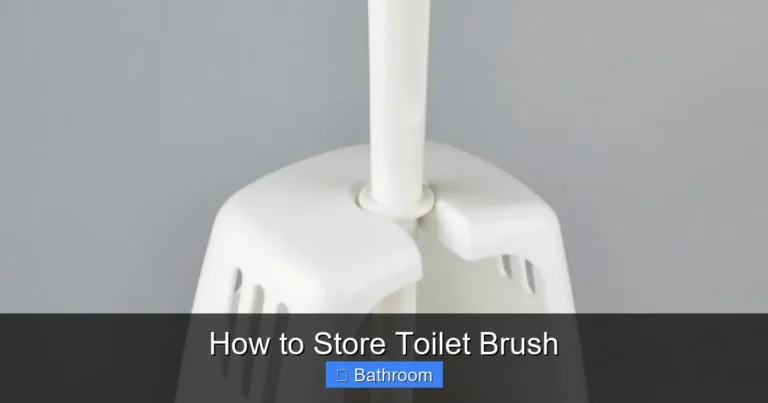
Storage plays a big role in keeping your toilet brush clean. Here’s how to do it right:
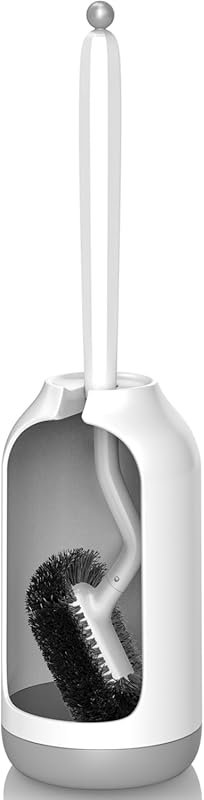
Choose the Right Holder
Not all toilet brush holders are created equal. Look for one that:
- Has drainage holes
- Is made of non-porous materials (like stainless steel or hard plastic)
- Can be easily cleaned
- Is ventilated to allow air to circulate
Glass or ceramic holders are less ideal because they don’t allow moisture to escape and are harder to clean thoroughly.
Keep It Dry
After cleaning, shake the brush to remove excess water and let it air dry completely. Place it in the holder only when it’s dry. If possible, store the holder in a well-ventilated area, like near a window or fan.
Clean the Holder Weekly
Even if you clean the brush daily, the holder can become a breeding ground for bacteria. Empty any standing water, scrub the inside with soapy water, and disinfect it weekly. Replace the holder every 6–12 months if it shows signs of wear or staining.
How to Deep Clean Your Toilet Brush and Holder
Once a week, treat your toilet brush and holder to a deep clean. Here’s a routine you can follow:
Weekly Deep Clean Routine
- Remove the brush from the holder.
- Rinse it under hot water to remove loose debris.
- Soak it in a disinfectant solution (bleach or hydrogen peroxide) for 10 minutes.
- Scrub the bristles with a soft brush or toothbrush.
- Rinse thoroughly.
- Empty the holder, scrub it with soapy water, and disinfect it.
- Dry both the brush and holder completely before reuse.
Monthly Maintenance Tips
- Check for wear and tear on the bristles. If they’re frayed or soggy, replace the brush.
- Inspect the holder for cracks or mold. Replace it if necessary.
- Wipe down the area around the toilet to prevent cross-contamination.
How Often Should You Replace a Toilet Brush?
Even with perfect cleaning, toilet brushes have a limited lifespan. Here’s when to replace yours:
Signs It’s Time to Replace
- Bristles are frayed or falling out
- The brush smells even after cleaning
- It no longer scrubs effectively
- You’ve had it for more than 3–6 months
Most experts recommend replacing your toilet brush every 3 to 6 months, depending on usage. If you have a large household, you may need to replace it more often.
Disposable vs. Reusable Brushes
Some modern toilet brushes come with replaceable heads, which can be a cleaner option. These allow you to keep the holder while swapping out the brush every few months. Others are fully disposable, meaning you throw the whole thing away when the bristles wear out.
Both options reduce the risk of cross-contamination compared to traditional brushes. Consider your preferences and bathroom setup when choosing.
Eco-Friendly and Safe Cleaning Tips
If you’re concerned about harsh chemicals or want a greener bathroom, here are some eco-friendly options:
Use Natural Disinfectants
- Vinegar: Kills mold and mildew naturally.
- Lemon juice: Has antibacterial properties and leaves a fresh scent.
- Baking soda: Great for scrubbing and deodorizing.
Make Your Own Cleaner
Mix 1 cup of white vinegar, 1 cup of water, and 10 drops of tea tree oil in a spray bottle. Shake well and use it to clean the brush and holder. Tea tree oil is a natural antifungal and antibacterial agent.
Air Dry in the Sun
Sunlight has natural disinfecting properties. If possible, place your brush in a sunny spot to air dry—this can help kill bacteria and prevent mold.
Common Myths About Toilet Brush Cleaning
There are many misconceptions about how to clean a toilet brush. Let’s clear up a few:
Myth 1: “Boiling the brush will sterilize it.”
While boiling can kill bacteria, it can also damage the bristles and handle. Most brushes are not designed for high heat, so boiling is not recommended.
Myth 2: “You can clean the brush in the kitchen sink.”
This increases the risk of cross-contamination. Always clean the brush in a dedicated space, like a bathroom sink or a separate bucket.
Myth 3: “The brush doesn’t need to be dried.”
Moisture promotes mold and bacteria growth. Always dry the brush completely before storing it.
Myth 4: “All disinfectants are safe to use.”
Bleach, ammonia, and some commercial cleaners can be dangerous if mixed. Always read labels and use them in well-ventilated areas.
Final Thoughts: Make Toilet Brush Cleaning a Habit
Cleaning your toilet brush doesn’t have to be a dreaded chore. With a simple routine, the right tools, and a little consistency, you can keep it hygienic and effective. Think of it as part of your overall bathroom maintenance—just like cleaning your shower or wiping down the sink.
Remember, the goal isn’t just to make the brush look clean. It’s to prevent the spread of germs and keep your bathroom a healthier space. By following the steps in this guide, you’re not only protecting your family but also extending the life of your brush and holder.
So next time you reach for that toilet brush, take a moment to clean it properly. Your future self—and your bathroom—will thank you.
Frequently Asked Questions
How often should I clean my toilet brush?
You should rinse your toilet brush after every use and deep clean it at least once a week. Replace the brush every 3–6 months or when the bristles show signs of wear.
Can I use bleach to clean my toilet brush?
Yes, but only in a diluted form—1 tablespoon of bleach per gallon of water. Soak the brush for 5–10 minutes, then rinse thoroughly to remove all chemical residue.
Should I clean the toilet brush holder?
Absolutely. The holder collects moisture and bacteria. Empty it, scrub it with soapy water, and disinfect it weekly. Replace it every 6–12 months if it shows wear.
Is it safe to clean the toilet brush in the kitchen sink?
No. Avoid using your kitchen sink for cleaning the toilet brush to prevent cross-contamination. Use a dedicated bathroom sink or a separate bucket.
What’s the best way to dry a toilet brush?
Shake off excess water and let the brush air dry completely before storing it. Never store a wet brush—it will grow mold and mildew.
How do I know when to replace my toilet brush?
Replace it if the bristles are frayed, the brush smells even after cleaning, or it’s been in use for more than 3–6 months. A worn brush is less effective and more likely to spread bacteria.