Are Rubber Toilet Brushes Good
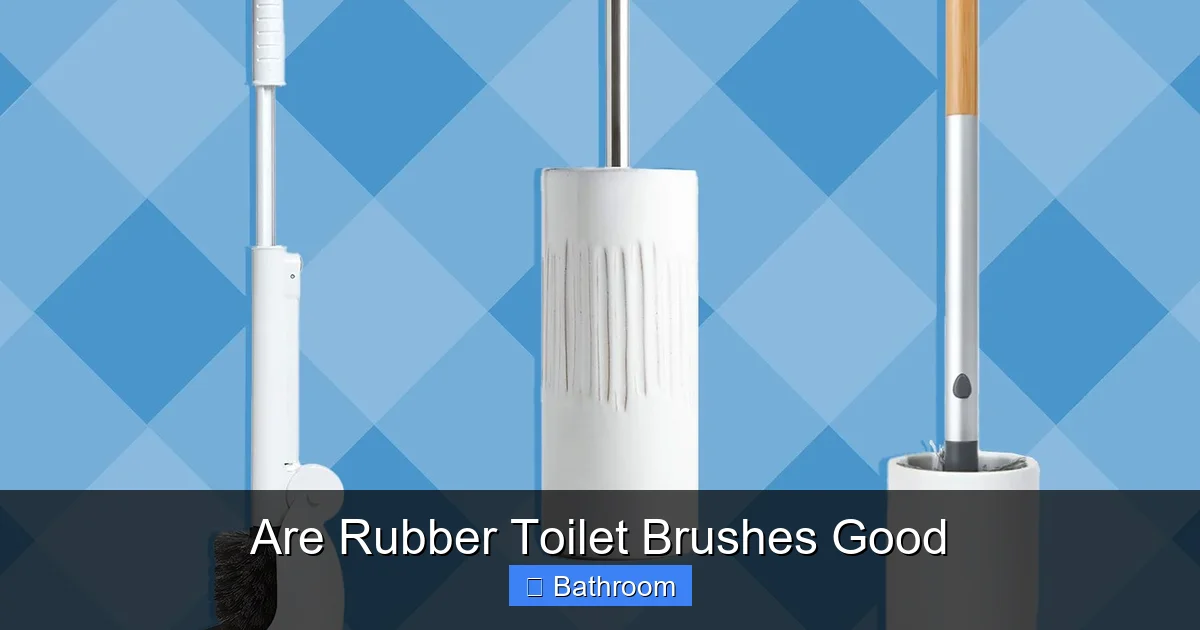
Rubber toilet brushes can be a surprisingly effective and low-maintenance option for cleaning your toilet, but they come with trade-offs. While they’re easy to use and quick to dry, their effectiveness depends heavily on proper technique and regular replacement. For best results, pair your rubber brush with a quality cleaner and replace it every 1–3 months.
Are Rubber Toilet Brushes Good?
Let’s face it—no one looks forward to scrubbing the toilet. But keeping it clean isn’t just about aesthetics; it’s about hygiene. Germs love dark, moist corners, and the toilet bowl is a hotspot. That’s where bathroom tools like toilet brushes come in. Among the most common options are rubber toilet brushes. They’re affordable, easy to use, and often come with holders that look sleek in the bathroom.
But are rubber toilet brushes actually good? Or are they just another overpriced plastic gadget that gathers dust (and bacteria) in your cabinet? In this article, we’ll break down everything you need to know about rubber toilet brushes—from how they work to whether they’re worth your money.
Key Takeaways
- Rubber brushes are gentle on porcelain: Unlike metal bristles, rubber won’t scratch or damage your toilet’s surface, making them ideal for delicate finishes.
- They dry quickly and resist bacteria: Rubber doesn’t hold moisture like nylon, reducing mold and mildew growth when stored properly.
- Effectiveness depends on technique: You must scrub thoroughly and reach all areas—rubber alone won’t remove tough stains without effort.
- Replace them regularly: Most experts recommend replacing rubber toilet brushes every 1–3 months to maintain hygiene and performance.
- They work best with cleaning products: Pair your brush with a disinfectant cleaner for maximum germ-killing power.
- Consider alternatives if needed: For heavy-duty cleaning, a combination brush (rubber + nylon) or dedicated scrub pads may be more effective.
📑 Table of Contents
- What Are Rubber Toilet Brushes?
- Pros of Rubber Toilet Brushes
- Cons of Rubber Toilet Brushes
- How to Use a Rubber Toilet Brush Effectively
- Are Rubber Toilet Brushes Better Than Nylon or Metal Brushes?
- Tips for Keeping Your Rubber Toilet Brush Clean and Sanitized
- Are Rubber Toilet Brushes Eco-Friendly?
- Frequently Asked Questions About Rubber Toilet Brushes
What Are Rubber Toilet Brushes?
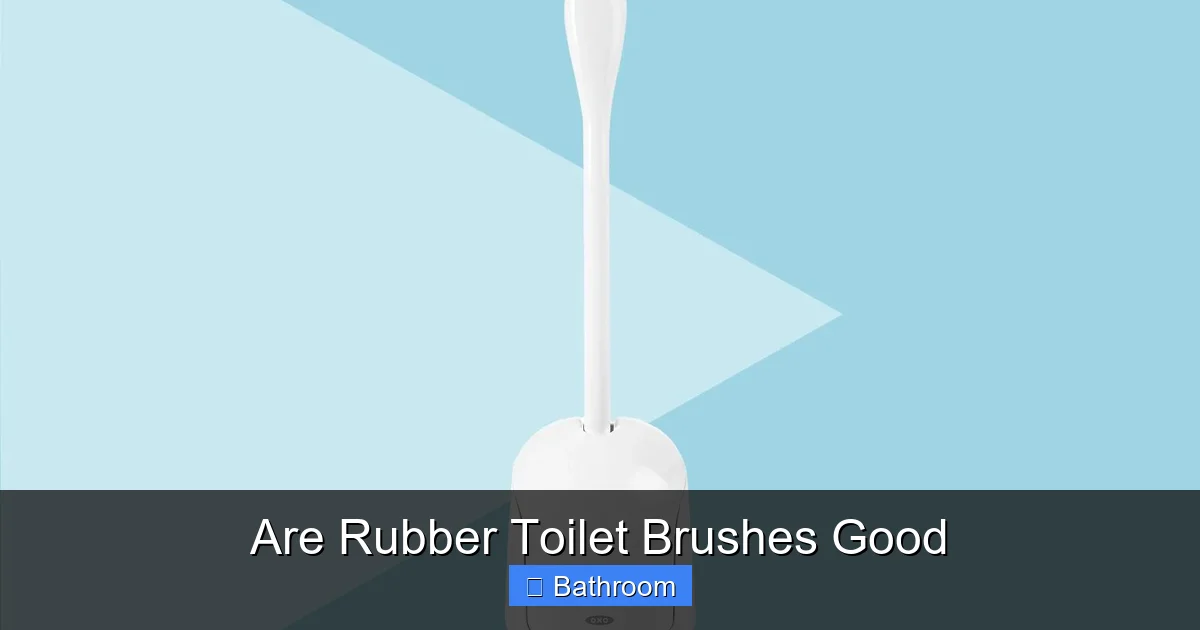
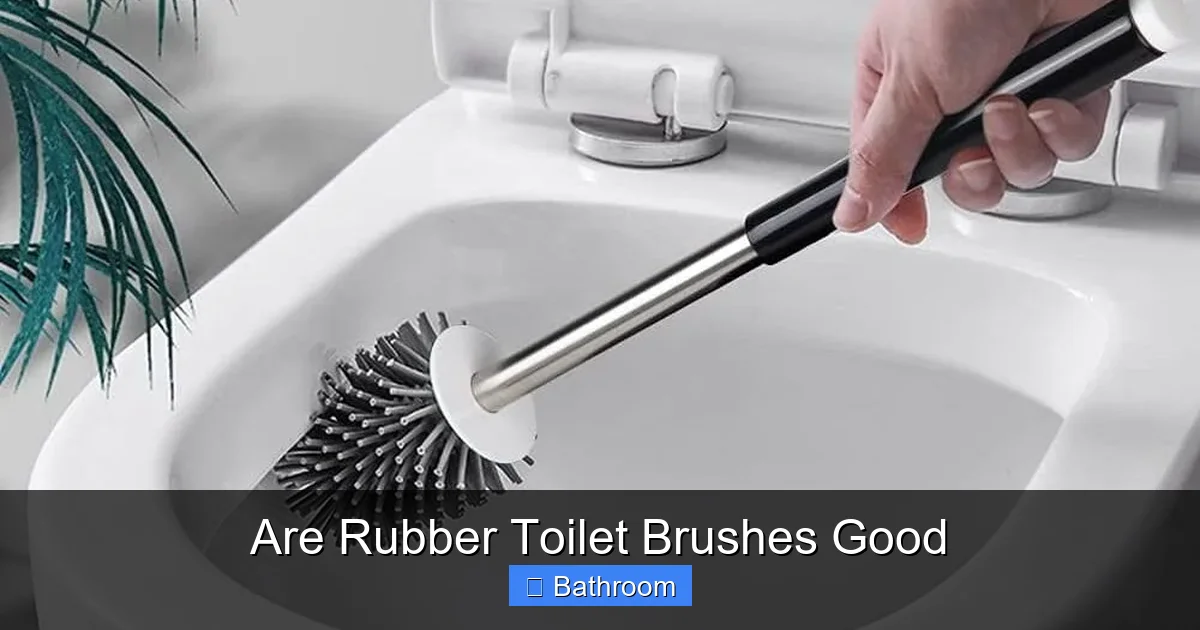
A rubber toilet brush is a cleaning tool designed specifically for scrubbing the inside of a toilet bowl. Unlike traditional brushes with nylon or natural bristles, rubber brushes use soft, flexible rubber bristles that conform to the shape of the bowl. They’re usually made of silicone or thermoplastic rubber (TPR) and come in various designs—some have long handles, others are compact and wall-mounted.
What makes them stand out is their material. Rubber is non-porous, meaning it doesn’t absorb water or hold onto dirt and bacteria like some other materials do. This makes them easier to clean and less likely to harbor germs over time. Plus, they’re gentle on porcelain, so you don’t have to worry about scratching your toilet’s surface.
How Do Rubber Toilet Brushes Work?
Rubber toilet brushes work by using friction to lift and remove grime from the toilet bowl. When you scrub the inside of the bowl with a rubber brush, the bristles press against the porcelain and dislodge stains, waste residue, and biofilm that builds up over time. The flexibility of the rubber allows it to reach into the nooks and crannies of the bowl, including under the rim and around the drain.
Many rubber brushes come with a holder or base that sits in the toilet tank or on the floor. These holders often include drainage holes to let water and cleaning solution flow out, reducing standing water and preventing mildew. Some even have a built-in cleaner reservoir that releases a small amount of disinfectant when you press the brush against the base.
Pros of Rubber Toilet Brushes
Like any product, rubber toilet brushes have their strengths. Let’s look at the benefits that make them a popular choice for many households.
Gentle on Surfaces
One of the biggest advantages of rubber brushes is their gentleness. Porcelain toilets are delicate, and using a metal or hard-bristled brush can cause micro-scratches over time. These tiny scratches can trap dirt and bacteria, making cleaning harder in the long run. Rubber brushes, on the other hand, are soft and won’t damage the surface. This makes them ideal for high-end toilets with glossy or non-porous finishes.
Quick Drying and Low Maintenance
Because rubber is non-porous, it doesn’t absorb moisture. This means the brush dries faster than nylon or fabric-based brushes, which can stay damp and become breeding grounds for mold and bacteria. A quick-drying brush is less likely to smell bad or require frequent washing. Just rinse it with soap and water after each use, and it’ll stay fresh.
Easy to Clean
Cleaning a rubber brush is simple. Unlike brushes with tangled bristles or hard-to-reach crevices, rubber brushes have smooth surfaces that can be rinsed under running water. Some models even go in the dishwasher (check the label first). This makes them a great option for people who want a low-maintenance cleaning tool.
Effective at Removing Light Stains
For everyday cleaning—removing urine spots, light mineral deposits, or general grime—rubber brushes are quite effective. They provide enough friction to lift surface dirt without needing harsh scrubbing. When used with a good toilet cleaner, they can leave your toilet looking clean and fresh.
Sleek and Modern Design
Rubber toilet brushes often come with stylish holders that look great in modern bathrooms. The transparent or white design blends well with most decor, and the compact size saves space. Many people appreciate the aesthetic appeal, which makes them more likely to use the brush regularly.
Cons of Rubber Toilet Brushes
While rubber brushes have many advantages, they’re not perfect. Let’s explore the drawbacks you should consider.
Not Ideal for Heavy-Duty Cleaning
Rubber bristles are soft, which means they lack the rigidity needed to tackle stubborn, baked-on stains. If you have hard water buildup, rust, or old fecal matter, a rubber brush alone may not cut it. You might need a pumice stone, toilet scrub pad, or a more aggressive cleaning tool for those tough jobs.
Can Wear Out Over Time
Even though rubber is durable, it’s not indestructible. Over time, the bristles can flatten, tear, or lose their shape, reducing their effectiveness. If you use your brush daily, you may need to replace it every few months. Some users report that cheaper models wear out faster than higher-quality ones.
May Not Reach All Areas
While rubber brushes are flexible, they’re not as rigid as metal or stiff-bristled brushes. This can make it harder to reach deep into the bowl or scrub under the rim effectively. You may need to reposition the brush multiple times to get a thorough clean.
Hygiene Concerns if Stored Improperly
Even though rubber dries quickly, if the brush sits in a holder with standing water or cleaning solution, it can still become contaminated. Bacteria and mold can grow if the brush isn’t rinsed and dried properly after each use. The key is to ensure the holder drains well and the brush is cleaned regularly.
Not Always Dishwasher Safe
While some rubber brushes are safe for the dishwasher, others are not. High heat can warp or melt the bristles. Always check the manufacturer’s instructions before putting your brush in the dishwasher. If in doubt, hand-washing is the safest option.
How to Use a Rubber Toilet Brush Effectively
Using a rubber toilet brush the right way makes a big difference in how clean your toilet gets. Here’s a step-by-step guide to get the most out of your brush.
Choose the Right Cleaning Product
Don’t rely on the brush alone. Pair it with a quality toilet cleaner. Look for products that are disinfecting and can break down organic matter. Avoid bleach-based cleaners if your brush isn’t bleach-safe, as bleach can degrade rubber over time.
Scrub Thoroughly
After applying cleaner, insert the brush into the bowl and scrub in circular motions. Make sure to reach under the rim and around the drain. Don’t just wipe the surface—press the bristles against the porcelain to lift stains. For best results, let the cleaner sit for a few minutes before scrubbing.
Rinse Immediately After Use
After scrubbing, flush the toilet to rinse away loosened debris. Then, rinse the brush thoroughly under running water. This removes any remaining cleaner and grime.
Clean the Brush and Holder
Wash the brush with soap and water, and scrub the inside of the holder to remove residue. Let both air-dry completely before storing. Avoid leaving water standing in the holder.
Replace When Worn
Even the best brushes wear out. Replace your rubber toilet brush every 1–3 months, or sooner if the bristles look flattened or damaged. A worn-out brush won’t clean well and can spread germs instead of removing them.
Are Rubber Toilet Brushes Better Than Nylon or Metal Brushes?
This is a common question. Let’s compare rubber brushes to other popular types.
Rubber vs. Nylon Brushes
Nylon brushes are stiffer and can be more effective at removing tough stains. However, they tend to hold moisture, which can lead to mold and bacterial growth. They also have more nooks and crannies where dirt can hide. Rubber brushes, in contrast, dry faster and are easier to clean. But they may not be as aggressive on heavy buildup.
Rubber vs. Metal Brushes
Metal brushes are the most aggressive but also the most damaging. They can scratch porcelain, chip tiles, and wear down grout. Rubber brushes are much safer for your bathroom surfaces. However, metal brushes might be better for industrial or heavy-duty use—like in public restrooms.
Best of Both Worlds: Combination Brushes
Some brushes combine rubber and nylon bristles. These offer the gentleness of rubber with the scrubbing power of nylon. They’re a good middle ground for people who want effective cleaning without damaging their toilet.
Tips for Keeping Your Rubber Toilet Brush Clean and Sanitized
Even the best brush needs proper care to stay effective and hygienic.
Use a Disinfecting Solution
After each use, soak the brush in a diluted bleach solution (1 part bleach to 10 parts water) for 10 minutes, or use a disinfectant spray. Rinse well afterward.
Store in a Dry Place
Make sure the brush holder allows for drainage. Avoid placing it in a cabinet or enclosed space where moisture can’t escape.
Replace Regularly
Don’t wait until the brush looks dirty. Replace it every 1–3 months, depending on usage. A worn brush is less effective and can spread bacteria.
Wash Hands After Use
Always wash your hands after cleaning the toilet to prevent cross-contamination.
Are Rubber Toilet Brushes Eco-Friendly?
Sustainability is important to many people. Are rubber toilet brushes a green choice?
Material Considerations
Most rubber brushes are made from silicone or TPR, which are synthetic but durable. Unlike disposable plastic brushes, rubber brushes last longer, reducing waste. However, they’re not biodegradable, so disposal can be an issue.
Longevity Matters
Because rubber brushes last longer than disposable ones, they’re generally better for the environment. One brush replaces many single-use tools over time.
Recycling Options
Check with local recycling programs. Some companies offer take-back programs for bathroom cleaning tools. If not, composting isn’t an option, but proper disposal is better than throwing it in the trash.
Alternative: Reusable Scrub Pads
For even more eco-friendliness, consider reusable scrub pads made from natural fibers like cellulose or bamboo. They’re effective and compostable after use.
Frequently Asked Questions About Rubber Toilet Brushes
Can rubber toilet brushes scratch toilets?
No, rubber brushes are designed to be gentle on porcelain. Unlike metal or stiff bristles, they won’t scratch or damage your toilet’s surface when used properly.
Visual guide about Are Rubber Toilet Brushes Good
Image source: realsimple.com
Visual guide about Are Rubber Toilet Brushes Good
Image source: maid2match.com.au
Visual guide about Are Rubber Toilet Brushes Good
Image source: img.fruugo.com
How often should I replace my rubber toilet brush?
Most experts recommend replacing your rubber toilet brush every 1–3 months. Replace it sooner if the bristles are flattened, torn, or no longer clean effectively.
Can I put my rubber toilet brush in the dishwasher?
Some rubber brushes are dishwasher-safe, but not all. Check the manufacturer’s instructions. If unsure, hand-washing with soap and water is the safest option.
Do rubber brushes kill germs?
No, the brush itself doesn’t kill germs. You need to use a disinfecting cleaner and rinse the brush thoroughly. Regular cleaning and replacement are key to hygiene.
Are rubber brushes better than disposable brushes?
Yes, generally. Rubber brushes last longer, reduce plastic waste, and can be cleaned and reused. Disposable brushes are convenient but contribute to landfill waste.
Can I use vinegar with a rubber toilet brush?
Yes, vinegar is safe for rubber brushes and effective for cleaning. Just avoid mixing it with bleach, which can create toxic fumes.
Frequently Asked Questions
Can rubber toilet brushes scratch toilets?
No, rubber brushes are designed to be gentle on porcelain. Unlike metal or stiff bristles, they won’t scratch or damage your toilet’s surface when used properly.
How often should I replace my rubber toilet brush?
Most experts recommend replacing your rubber toilet brush every 1–3 months. Replace it sooner if the bristles are flattened, torn, or no longer clean effectively.
Can I put my rubber toilet brush in the dishwasher?
Some rubber brushes are dishwasher-safe, but not all. Check the manufacturer’s instructions. If unsure, hand-washing with soap and water is the safest option.
Do rubber brushes kill germs?
No, the brush itself doesn’t kill germs. You need to use a disinfecting cleaner and rinse the brush thoroughly. Regular cleaning and replacement are key to hygiene.
Are rubber brushes better than disposable brushes?
Yes, generally. Rubber brushes last longer, reduce plastic waste, and can be cleaned and reused. Disposable brushes are convenient but contribute to landfill waste.
Can I use vinegar with a rubber toilet brush?
Yes, vinegar is safe for rubber brushes and effective for cleaning. Just avoid mixing it with bleach, which can create toxic fumes.