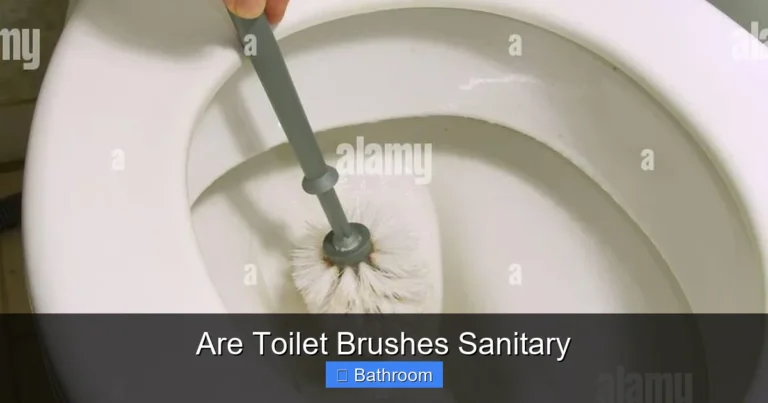
How Often Replace Toilet Brush
How often should you replace your toilet brush? Most experts recommend replacing it every 3 to 6 months, depending on usage and cleaning habits. A worn-out brush can harbor bacteria and reduce cleaning effectiveness, so timely replacement is key to a healthier bathroom.
Key Takeaways
- Replace every 3 to 6 months: Regular replacement prevents bacterial buildup and ensures effective cleaning.
- Watch for wear signs: Frayed bristles, discoloration, or lingering odors mean it’s time for a new brush.
- Clean weekly, replace monthly: Frequent users may need to swap brushes more often than occasional users.
- Choose the right type: Consider brush-and-holder sets, self-cleaning models, or brush heads for easier maintenance.
- Hygiene matters: A dirty brush defeats the purpose—cleaning it doesn’t always mean it’s safe to keep using.
- Storage affects lifespan: Keep the brush in a dry, ventilated holder to slow mold and mildew growth.
- Eco-friendly options exist: Some brushes are designed for replacement heads, reducing plastic waste.
📑 Table of Contents
- How Often Replace Toilet Brush: A Complete Guide to Cleaner, Healthier Bathrooms
- Why Toilet Brush Replacement Matters
- How Often Should You Replace Your Toilet Brush?
- Best Practices for Toilet Brush Maintenance
- Types of Toilet Brushes and Their Lifespans
- Eco-Friendly and Cost-Effective Options
- Common Myths About Toilet Brush Replacement
- Conclusion: Keep Your Bathroom Safe and Fresh
How Often Replace Toilet Brush: A Complete Guide to Cleaner, Healthier Bathrooms
We’ve all been there—you reach for your trusty toilet brush, scrubbing away at stubborn stains with full confidence. But have you ever paused to wonder: How often should I replace my toilet brush? It seems like a simple question, but the answer can make a surprising difference in bathroom hygiene. A dirty or worn-out brush doesn’t just fail to clean effectively—it can actually spread bacteria and grime instead of removing it. In this comprehensive guide, we’ll walk you through everything you need to know about toilet brush replacement, including how often to replace it, what signs to look for, and how to keep your bathroom smelling fresh and clean.
Toilet brushes are small tools with a big job: keeping your toilet bowl clean and sanitary. Yet, many people treat their brushes like they’re indestructible—using them for months or even years without a second thought. This common habit can lead to hidden health risks. Over time, bristles can fray, traps can accumulate bacteria, and the entire brush can become a breeding ground for germs. That’s why understanding how often to replace your toilet brush isn’t just about cleanliness—it’s about protecting your family’s health and maintaining a hygienic home environment.
Why Toilet Brush Replacement Matters
At first glance, a toilet brush looks simple—a handle with bristles attached. But beneath the surface lies a complex ecosystem of bacteria, mold, and mineral buildup. Every time you use the brush, tiny particles of waste and cleaning residue get trapped in the bristles and crevices. Over time, these residues harden and create a haven for harmful microbes like E. coli and Salmonella. Even after rinsing, these bacteria can survive and multiply, especially in damp environments like bathroom cabinets or under-sink drawers.

Visual guide about How Often Replace Toilet Brush
Image source: commercialwashroomsltd.co.uk
What’s worse? Many people assume that cleaning the brush thoroughly after each use is enough to keep it hygienic. But studies have shown that common cleaning methods—like rinsing under the tap or wiping with a damp cloth—are often not sufficient to eliminate all bacteria. In fact, a 2019 study published in the American Journal of Infection Control found that toilet brushes can harbor up to 30% more bacteria than the toilet seat itself, simply because they’re harder to clean and dry thoroughly.
The Hidden Dangers of Neglecting Replacement
Ignoring the need to replace your toilet brush can lead to more than just unpleasant odors. Repeated use of a contaminated brush can transfer bacteria to other surfaces in your bathroom, increasing the risk of illness. For example, if you use the same brush to clean the toilet and then touch your face or food without washing your hands, you could inadvertently spread germs. This is especially concerning for households with young children, elderly individuals, or people with weakened immune systems.
Moreover, a worn-out brush simply doesn’t clean as well as a new one. Frayed bristles can’t reach into tight corners or scrub away tough stains, leaving behind residue that attracts more bacteria. Over time, this cycle of ineffective cleaning and bacterial buildup creates a self-perpetuating problem. That’s why replacing your toilet brush isn’t just a matter of convenience—it’s a crucial part of maintaining a truly clean and safe bathroom.
How Often Should You Replace Your Toilet Brush?
So, how often should you replace your toilet brush? The short answer is: every 3 to 6 months. This general rule applies to most standard toilet brushes, especially those used in households with multiple people or frequent use. However, the exact timing can vary based on several factors, including usage frequency, brush type, and personal hygiene habits.

Visual guide about How Often Replace Toilet Brush
Image source: womendailymagazine.com
For most average households, replacing the brush every 3 to 6 months strikes a good balance between hygiene and practicality. This timeframe allows you to maintain cleanliness without replacing the brush too frequently, which can be wasteful. But if you notice signs of wear or contamination before the 3-month mark, it’s time to swap it out immediately.
Factors That Influence Replacement Frequency
Several key factors determine how often you should replace your toilet brush. Understanding these can help you tailor your replacement schedule to your specific needs.
- Usage Frequency: Households with multiple people or frequent visitors may need to replace brushes more often—sometimes as frequently as every 2 to 3 months. In contrast, single-person households might get away with replacing the brush every 6 months.
- Brush Type: Some brushes are designed for longer use, such as those made with antimicrobial materials or replaceable heads. These may last longer than standard brushes, but they still need regular inspection.
- Cleaning Habits: If you clean your brush thoroughly after each use and store it in a dry, ventilated holder, it may last closer to 6 months. Neglecting to clean or drying the brush properly can shorten its lifespan significantly.
- Bathroom Environment: Humid bathrooms or those without good airflow are more prone to mold and mildew growth, which can compromise the brush’s integrity faster.
For example, if you have a large family and everyone uses the bathroom multiple times a day, the brush will likely accumulate more residue and bacteria in a shorter time. In this case, replacing it every 3 months is a smart move. On the other hand, if you live alone and only use the bathroom once or twice a day, a 6-month replacement cycle may be sufficient—as long as you inspect the brush regularly for signs of wear.
Signs It’s Time to Replace Your Toilet Brush
Rather than relying solely on a calendar schedule, pay attention to the physical condition of your brush. Several visible and sensory signs indicate it’s time for a replacement:
- Frayed or Worn Bristles: If the bristles are no longer stiff or are starting to split apart, the brush can’t clean effectively anymore.
- Discoloration: Dark spots, yellowing, or stubborn stains that won’t come off even with cleaning suggest bacterial buildup.
- Lingering Odors: If your bathroom still smells faintly of mildew or sewage even after cleaning, the brush may be harboring odor-causing bacteria.
- Cracks or Damage: Any visible damage to the handle or bristles compromises the brush’s structural integrity and cleaning power.
- Difficulty Cleaning: If the brush seems to leave streaks or residue instead of a clean surface, it’s likely time for a new one.
For instance, imagine you’ve been using the same brush for five months and notice that the bristles are soft and matted. Even after soaking it in bleach and scrubbing thoroughly, a faint smell remains. This is a clear signal that the brush has reached the end of its useful life. Continuing to use it would be counterproductive—and potentially harmful.
Best Practices for Toilet Brush Maintenance
While replacing your toilet brush regularly is essential, proper maintenance between replacements can extend its life and improve hygiene. Here are some practical tips to keep your brush in top condition:

Visual guide about How Often Replace Toilet Brush
Image source: familyhandyman.com
Clean After Every Use
After scrubbing your toilet, rinse the brush thoroughly under running water. This removes visible residue and reduces the risk of bacterial buildup. For an extra deep clean, soak the brush in a mixture of water and white vinegar or a mild bleach solution (1 part bleach to 9 parts water) for 10–15 minutes once a week.
Store Properly
Never leave your toilet brush sitting in a wet holder or submerged in water. Instead, store it in a dry, ventilated brush holder that allows air to circulate. Some modern holders even feature drip trays that collect excess water and prevent it from pooling around the bristles.
Inspect Monthly
Make it a habit to inspect your brush once a month. Look for signs of wear, discoloration, or odor. If you notice any issues, replace the brush immediately—don’t wait for it to break down completely.
Use a Brush with a Drip Tray
Opt for a brush-and-holder set with a built-in drip tray. This design helps contain water and prevents it from splashing onto your hands or floor. It also makes drying easier and reduces the chance of mold growth.
By following these maintenance tips, you can get the most out of your toilet brush and delay the need for frequent replacements. However, even the best-maintained brush will eventually wear out—so remember to replace it every 3 to 6 months as a baseline.
Types of Toilet Brushes and Their Lifespans
Not all toilet brushes are created equal. The type of brush you choose can influence how often you need to replace it. Here’s a breakdown of common types and their typical lifespans:
Standard Bristle Brushes
These are the most common type, featuring a plastic handle and stiff bristles. They’re affordable and effective for light to moderate use. Lifespan: 3–6 months.
Self-Cleaning Brushes
Some modern brushes come with built-in cleaning mechanisms, such as rotating heads or automatic sprays. These can reduce bacterial buildup and may last up to 6–8 months. However, they still require regular inspection and eventual replacement.
Replaceable-Head Brushes
These brushes have detachable heads that can be swapped out when worn. The handle can last for years, while the head is replaced every 3–4 months. This is a great eco-friendly option that reduces plastic waste.
Antimicrobial Brushes
Made with special materials that inhibit bacterial growth, these brushes can last slightly longer—up to 6 months—but should still be replaced if they show signs of wear.
For example, if you choose a replaceable-head brush, you might only need to buy a new head every few months instead of replacing the entire unit. This not only saves money but also reduces environmental impact. Just make sure to follow the manufacturer’s guidelines for replacement frequency.
Eco-Friendly and Cost-Effective Options
Replacing your toilet brush every few months might seem like a small expense, but over time, it can add up. Fortunately, there are ways to make this process more sustainable and budget-friendly.
Choose Replaceable-Head Brushes
As mentioned earlier, replaceable-head brushes allow you to keep the handle and only swap out the head when needed. This cuts down on plastic waste and saves money in the long run. Brands like Brabantia and OXO offer high-quality options with durable handles and affordable replacement heads.
Use Biodegradable or Recycled Materials
Some eco-conscious brands offer brushes made from recycled plastics or biodegradable materials. While these may cost a bit more upfront, they’re gentler on the environment and often last just as long as traditional brushes.
Recycle Old Brushes
Check with your local recycling program to see if they accept plastic toilet brushes. Some municipalities have special collection days for hard-to-recycle items. If not, consider donating to a recycling facility that specializes in plastics.
Buy in Bulk
Many online retailers offer discounts when you purchase multiple brushes or replacement heads at once. This can help reduce packaging waste and save money over time.
By choosing eco-friendly options and being mindful of your consumption, you can maintain a clean bathroom without contributing to unnecessary waste. After all, a small change in habit can make a big difference for both your health and the planet.
Common Myths About Toilet Brush Replacement
Despite the importance of regular replacement, several myths and misconceptions persist. Let’s debunk some of the most common ones:
Myth 1: “If It Still Looks Clean, It’s Fine to Use”
Just because your brush looks clean doesn’t mean it’s free of bacteria. Studies have shown that visible cleanliness is not a reliable indicator of microbial contamination. Always replace the brush when it shows signs of wear or odor, regardless of how it appears.
Myth 2: “Boiling the Brush Will Sterilize It”
While boiling can kill some bacteria, it won’t reach all the tiny crevices where microbes hide. Plus, prolonged exposure to high heat can warp plastic handles or damage bristles. Rinsing and soaking with disinfectant is more effective and safer.
Myth 3: “You Can Use the Same Brush for Years”
Even with excellent care, brushes degrade over time. Frayed bristles, material breakdown, and bacterial accumulation make long-term use unsafe. Stick to the 3–6 month replacement rule for optimal hygiene.
Myth 4: “All Brushes Are the Same”
Different materials, designs, and brands offer varying levels of durability and hygiene. Choosing a high-quality brush with features like drip trays or antimicrobial coatings can improve performance and lifespan.
By dispelling these myths, you can make more informed decisions about your bathroom hygiene routine. Remember: cleanliness isn’t just about appearance—it’s about science and safety.
Conclusion: Keep Your Bathroom Safe and Fresh
Replacing your toilet brush every 3 to 6 months is a simple yet powerful way to maintain a clean, healthy bathroom. By paying attention to signs of wear, choosing the right type of brush, and following proper maintenance practices, you can prevent bacterial buildup and ensure your toilet stays spotless. Whether you opt for a standard bristle brush, a self-cleaning model, or an eco-friendly replaceable-head design, the key is consistency and awareness.
Don’t wait for a bad smell or visible damage to take action. Make toilet brush replacement part of your regular cleaning routine—just like changing your toothbrush or washing your towels. In doing so, you’ll protect your family’s health, extend the life of your cleaning tools, and enjoy a fresher, more hygienic bathroom every day.
So the next time you reach for your brush, ask yourself: Is it time to replace it? If the answer isn’t a confident “no,” it’s probably time for a new one. Your bathroom—and your health—will thank you.
Frequently Asked Questions
How often should I replace my toilet brush?
You should replace your toilet brush every 3 to 6 months, depending on usage and condition. Frequent users or households with multiple people may need to replace it more often.
What are the signs that my toilet brush needs replacing?
Signs include frayed bristles, discoloration, lingering odors, cracks, or difficulty cleaning. If the brush looks or smells off, it’s time for a new one.
Can I clean and reuse my toilet brush instead of replacing it?
While cleaning helps, it doesn’t eliminate all bacteria. For optimal hygiene, replace the brush regularly, even if it looks clean.
Do self-cleaning toilet brushes last longer?
They may last slightly longer due to built-in cleaning features, but they still need to be replaced when worn or contaminated.
Are replaceable-head brushes better for the environment?
Yes, they reduce plastic waste by allowing you to replace only the head while keeping the durable handle.
How do I properly clean my toilet brush between replacements?
Rinse thoroughly after each use, soak weekly in a bleach or vinegar solution, and store in a dry, ventilated holder.