Toilet Plunger for Hard Clogs
Hard toilet clogs can be frustrating and messy, but the right plunger makes all the difference. This guide explores the best toilet plungers designed for tough blockages, offering practical tips and expert advice to help you clear clogs quickly and safely. With the right tool and technique, even the most stubborn clogs won’t stand a chance.
Key Takeaways
- Choose the right plunger: A flange plunger with a collapsible seal offers better suction for hard clogs compared to flat-bottom models.
- Proper technique matters: Create a tight seal, push down firmly, and pull up slowly to maximize suction and dislodge tough blockages.
- Use plunger accessories: Plunger wands or extension handles allow safer and more effective plunging from a standing position.
- Combine with drain solutions: For persistent clogs, use enzymatic drain cleaners or hot water before plunging to break down buildup.
- Maintain your plunger: Clean and dry your plunger after each use to prevent mold and bacterial growth.
- Know when to call a plumber: If plunging fails three times, you may have a serious pipe issue requiring professional help.
- Safety first: Wear gloves and avoid harsh chemical cleaners that can damage pipes or harm you.
📑 Table of Contents
- Toilet Plunger for Hard Clogs: Your Ultimate Guide to Clearing Stubborn Blockages
- Why Hard Clogs Are So Tough to Remove
- Choosing the Right Toilet Plunger for Hard Clogs
- Step-by-Step Guide to Plunging a Hard Clog
- Pro Tips for Tackling Hard Clogs
- When to Call a Professional Plumber
- Preventing Hard Clogs in the Future
- Conclusion
Toilet Plunger for Hard Clogs: Your Ultimate Guide to Clearing Stubborn Blockages
We’ve all been there—sitting on the edge of the toilet, heart sinking as the water rises, and the familiar gurgle of a clogged drain echoing in your mind. Hard clogs are more than just an inconvenience; they’re a plumbing nightmare that can disrupt your entire household. Whether it’s hair, grease, or something more mysterious, these blockages don’t give up easily. But don’t panic. With the right tools and techniques, you can tackle even the toughest clogs without calling in a plumber—or resorting to harsh chemical cleaners.
In this comprehensive guide, we’ll walk you through everything you need to know about using a toilet plunger for hard clogs. From understanding the different types of plungers to mastering the perfect plunging technique, we’ll cover it all. We’ll also recommend top plunger models designed specifically for stubborn blockages, share pro tips for maximum effectiveness, and explain when it’s time to call in the professionals. By the end, you’ll be equipped with the knowledge and confidence to handle any clog like a pro.
Why Hard Clogs Are So Tough to Remove
Not all clogs are created equal. Some are soft and easy to dislodge with a few firm plunges, while others—hard clogs—are built up over time with layers of hair, soap scum, grease, and other debris. These clogs form a solid mass that resists the suction of a standard plunger. They’re often located deep within the drainpipe, making them difficult to reach or break apart.
Visual guide about Toilet Plunger for Hard Clogs
Image source: 5.imimg.com
The Science Behind the Clog
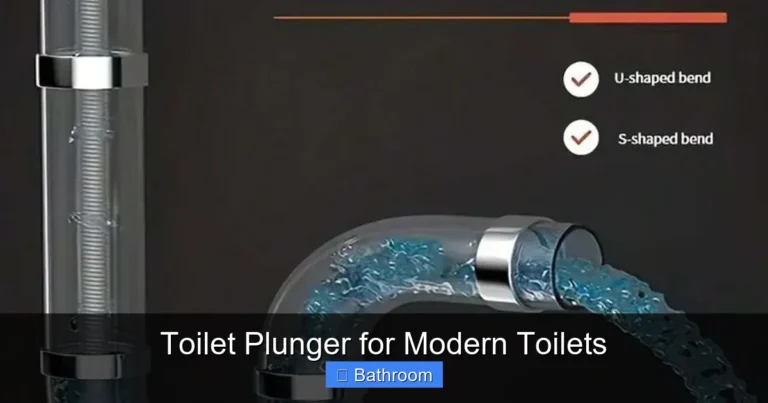
Hard clogs typically occur in the trap—the curved section of the drainpipe under the toilet bowl. This U-shaped pipe is designed to hold water and prevent sewer gases from entering your home. But over time, buildup accumulates in this area. Hair strands get tangled, soap residue hardens, and grease cools and solidifies, creating a stubborn barrier.
When you flush, the water tries to push through this blockage, but the pressure isn’t enough to break it down. That’s why a simple plunger with weak suction won’t cut it. You need a plunger that creates strong, consistent suction and can apply pressure directly to the clog.
Common Causes of Hard Clogs
Understanding what causes hard clogs can help you prevent them in the future. Here are the most common culprits:
- Hair buildup: Hair is one of the top causes of bathroom clogs, especially in showers and sinks. When it mixes with soap and shampoo, it forms clumps that harden over time.
- Grease and oils: Even in toilets, grease from dishwashing or food particles can accumulate and solidify in the pipes.
- Toilet paper issues: Using too much toilet paper or non-biodegradable brands can create dense, hard-to-break-down clumps.
- Foreign objects: Kids’ toys, wipes, or sanitary products often get flushed down the toilet and cause serious blockages.
Choosing the Right Toilet Plunger for Hard Clogs
Not all plungers are created equal—especially when it comes to hard clogs. The right plunger can make the difference between a quick fix and a plumbing disaster. Let’s break down the key features to look for.
Visual guide about Toilet Plunger for Hard Clogs
Image source: m.media-amazon.com
Flange Plungers vs. Flat-Bottom Plungers
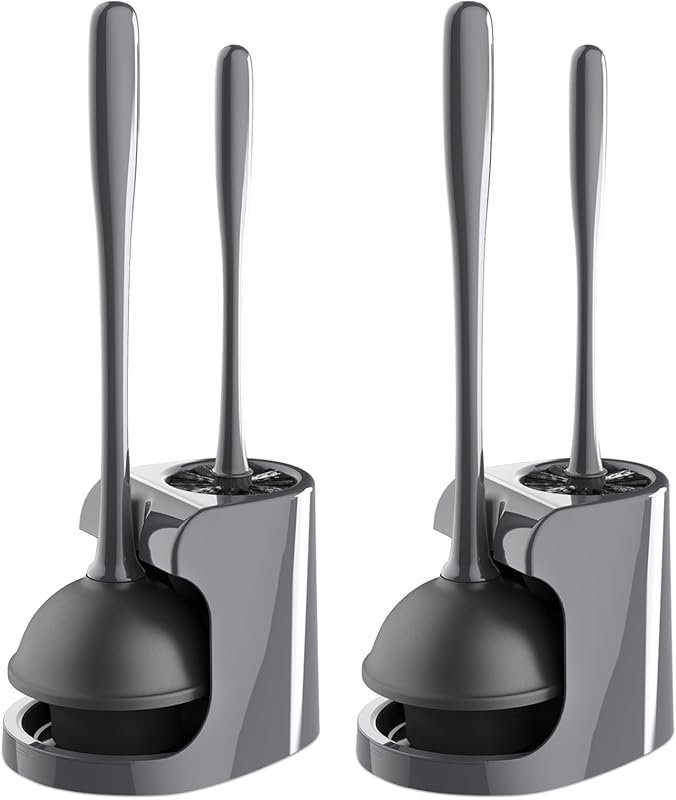
There are two main types of toilet plungers: flat-bottom and flange. For hard clogs, a flange plunger is your best bet. It has a rubber extension near the base that creates a tighter seal in the toilet bowl, allowing for stronger suction.
Flat-bottom plungers, on the other hand, are better suited for sinks and bathtubs. They don’t form a secure seal in the toilet bowl, making them less effective for hard clogs. If you’re serious about clearing stubborn blockages, invest in a flange plunger.
Collapsible Seal Design
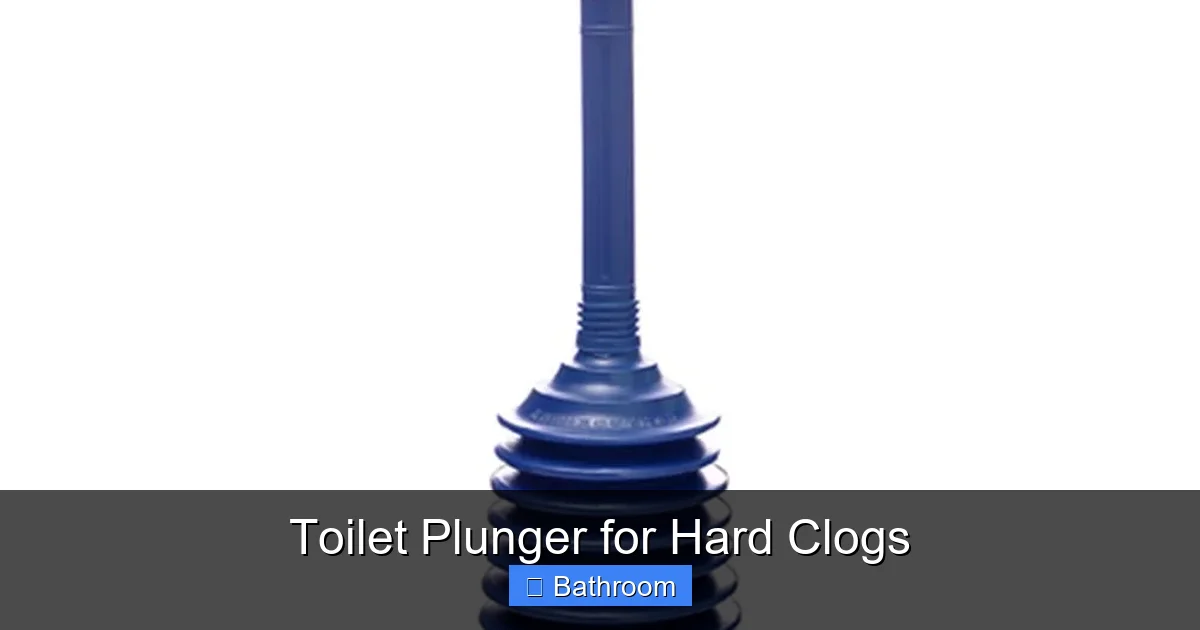
Look for a plunger with a collapsible rubber seal. This design allows the plunger to conform to the shape of the toilet bowl, creating a more airtight seal. When you push down, the seal compresses, trapping air and increasing suction power. This is especially important for hard clogs that require strong, focused pressure.
Handle and Grip
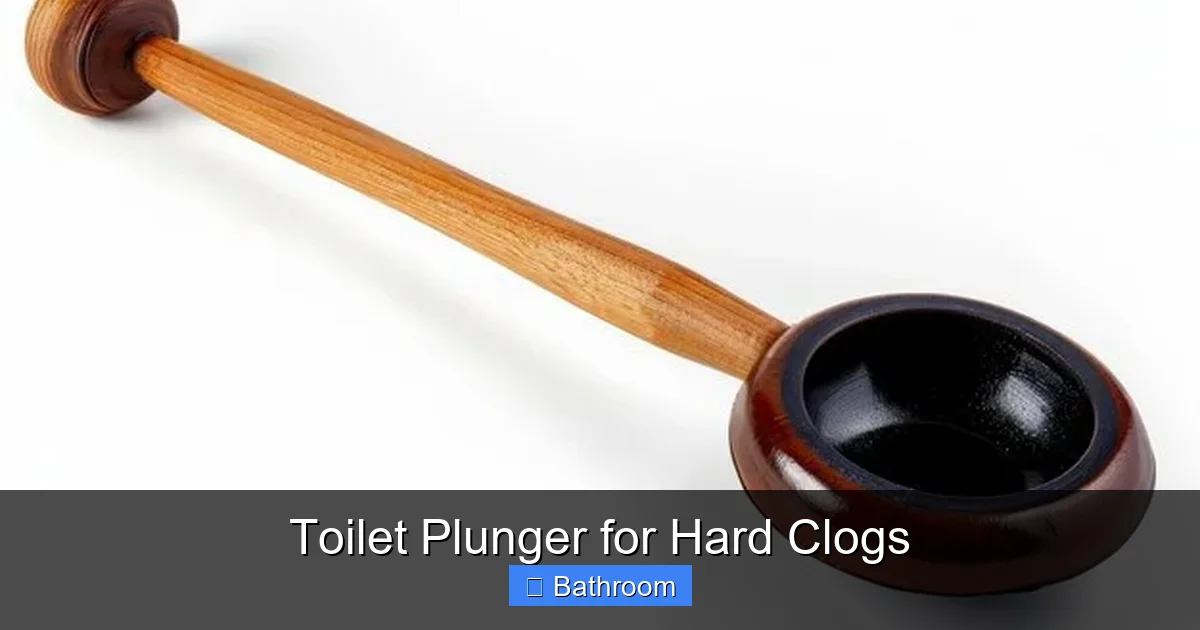
The handle should be sturdy and easy to grip. A long, ergonomic handle lets you plunge from a standing position, which is more comfortable and gives you better control. Some plungers come with non-slip rubber grips or even extendable handles for added reach and safety.
Material and Durability
Most plungers are made of rubber or silicone. Silicone is more durable and resistant to odors and bacteria, making it a great choice for hard clogs that may require repeated use. Rubber plungers are softer and provide better grip, but they can degrade over time if not cleaned properly.
Recommended Plunger Models for Hard Clogs
Here are three top-rated plungers known for their effectiveness on hard clogs:
- Korky 558BP Universal Flange Plunger: Features a collapsible seal and durable rubber construction. It’s affordable and widely available.
- Fluidmaster 702MA Pro Plunger: Comes with a telescoping handle and a flange design. The extendable handle is perfect for hard-to-reach clogs.
- OXO Good Grips Toilet Plunger: Known for its ergonomic handle and soft-touch grip. The flange seal creates strong suction, ideal for stubborn blockages.
Step-by-Step Guide to Plunging a Hard Clog
Even the best plunger won’t work if you’re not using the right technique. Follow these steps for maximum effectiveness:
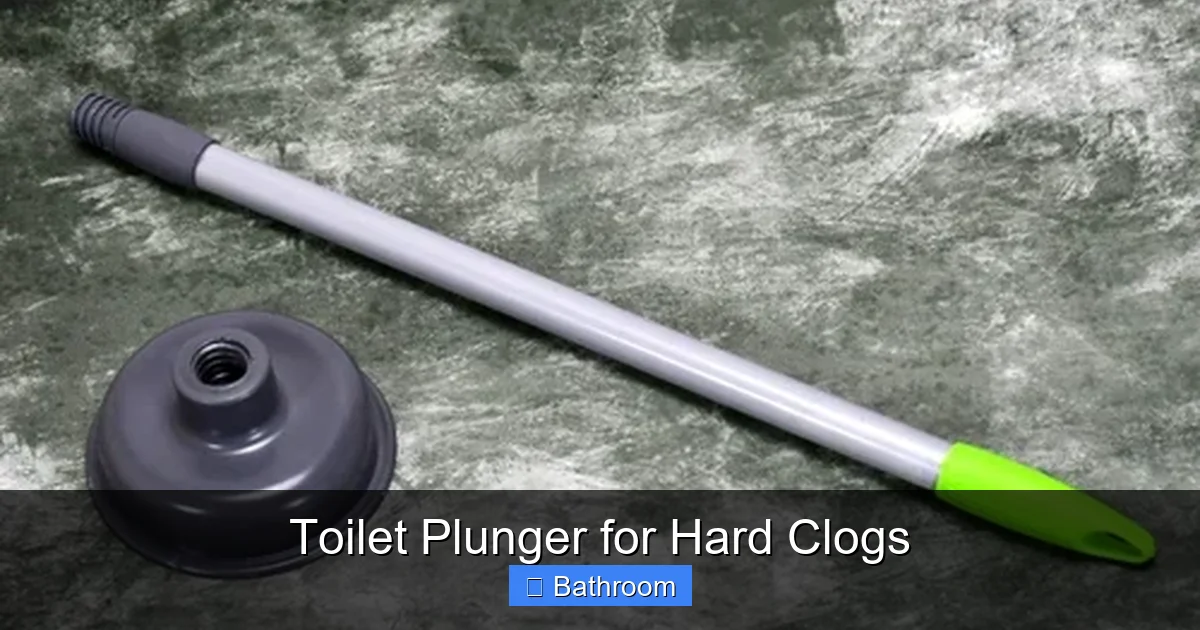
Visual guide about Toilet Plunger for Hard Clogs
Image source: 5.imimg.com
Prepare the Area
Start by removing any toilet paper or debris around the bowl. Flush the toilet once to see how much water is in the bowl. For hard clogs, you may need to remove some water with a cup or sponge to ensure the plunger can make good contact.
Position the Plunger
Place the plunger over the drain hole, making sure the flange is fully inserted into the bowl. The rubber seal should sit snugly against the porcelain. Press down gently at first to create a seal, then push down firmly to compress the seal and trap air.
Create Strong Suction
Once the seal is tight, push down with steady, firm pressure. Then pull up slowly and steadily. The goal is to create suction that pulls the clog loose. Avoid rapid, jerky movements—this can break the seal and reduce effectiveness.
Repeat and Monitor
Continue plunging in short bursts (about 10-15 seconds at a time), allowing the suction to build between pulls. Watch the water level in the bowl. If it drops, you’re on the right track. If the clog breaks free, you’ll hear a gurgle and see the water drain quickly.
Flush and Clean Up
After the clog is cleared, flush the toilet several times to flush out any remaining debris. Then clean the plunger thoroughly with hot water and a mild disinfectant. Rinse it well and let it air dry before storing.
Pro Tips for Tackling Hard Clogs
Here are some expert tips to improve your plunging success rate:
- Use hot water: Pour a kettle of hot (not boiling) water down the toilet before plunging. The heat can soften grease and soap scum, making the clog easier to break apart.
- Try enzymatic cleaners: Products like Bio-Clean or Green Gobbler contain bacteria that eat away at organic buildup. Let it sit overnight before plunging.
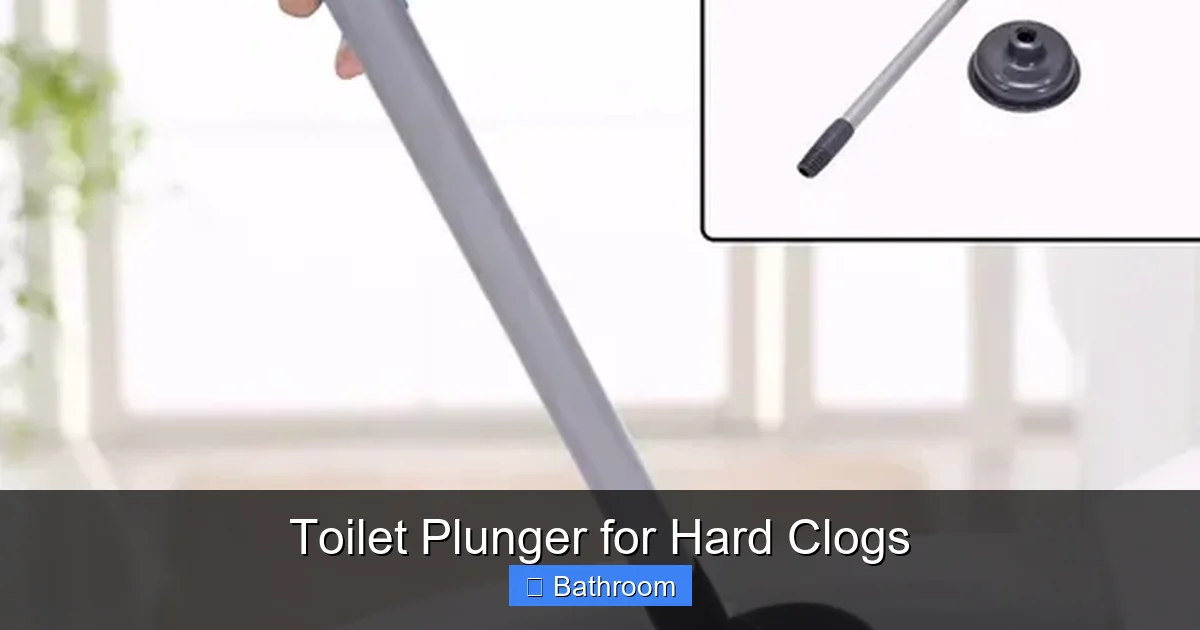
- Use a plunger wand: A wand attachment allows you to plunge from a standing position, reducing strain and improving control.
- Don’t overuse chemicals: Harsh drain cleaners can damage pipes and are ineffective on hard clogs. They’re also dangerous to inhale.
- Wear gloves: Always protect your hands with rubber or nitrile gloves when dealing with clogs.
- Call a plumber if needed: If you’ve tried plunging three times with no success, it’s time to call a professional. You may have a deeper blockage or a damaged pipe.
When to Call a Professional Plumber
While a plunger can solve most clogs, there are times when DIY just won’t cut it. Here’s when to call in the pros:
- You’ve tried plunging three times with no results.
- The clog keeps returning after clearing.
- You hear gurgling in other drains (indicating a main line blockage).
- You see water backing up into other fixtures.
- You suspect a tree root intrusion or broken pipe.
Professional plumbers have specialized tools like drain snakes, hydro-jetters, and cameras to diagnose and fix deep or complex clogs. They can also inspect your pipes to prevent future issues.
Preventing Hard Clogs in the Future
The best way to deal with hard clogs is to prevent them. Here are some simple habits to keep your toilet running smoothly:
- Use less toilet paper—opt for thinner, biodegradable brands.
- Never flush wipes, sanitary products, or anything that isn’t toilet paper.
- Install a hair catcher in the shower to reduce hair in the drain.
- Flush with hot water weekly to dissolve minor buildup.
- Use a drain strainer in the sink to catch food particles.
Conclusion
Hard clogs are no match for the right plunger and the right technique. With a flange plunger that has a collapsible seal, strong suction, and a comfortable grip, you can clear even the most stubborn blockages safely and effectively. Remember to use hot water, avoid harsh chemicals, and always clean your plunger after use.
But most importantly, know your limits. If plunging doesn’t work, don’t keep trying—it could damage your pipes or worsen the problem. Call a plumber when needed, and focus on prevention to keep your drains flowing smoothly.
With this guide, you’re now equipped to handle hard clogs like a pro. No more sitting on the edge of the toilet, wondering what to do. Grab your plunger, follow the steps, and take back control of your plumbing.
Frequently Asked Questions
What type of plunger is best for hard clogs?
A flange plunger with a collapsible seal is ideal for hard clogs because it creates a tight seal in the toilet bowl, allowing for stronger suction. Flat-bottom plungers are less effective for toilets and better suited for sinks and bathtubs.
How do I use a plunger to clear a hard clog?
Start by creating a tight seal over the drain hole, then push down firmly and pull up slowly in short bursts. Repeat for 10–15 seconds at a time. Use hot water before plunging to soften the clog, and avoid jerky movements that break the seal.
Can I use boiling water with a plunger?
Yes, but use hot (not boiling) water. Boiling water can damage porcelain or rubber seals. Hot water helps soften grease and soap scum, making the clog easier to break apart during plunging.
How often should I clean my plunger?
Clean your plunger after every use with hot water and a mild disinfectant. Rinse thoroughly and let it air dry before storing. This prevents mold, bacteria, and unpleasant odors.
Is it safe to use chemical drain cleaners with a plunger?
No, avoid chemical drain cleaners when using a plunger. They can damage pipes, react dangerously with plunging, and are ineffective on hard clogs. Opt for enzymatic cleaners or hot water instead.
When should I stop trying to plunge and call a plumber?
Stop plunging if you’ve tried three times with no results. If you hear gurgling in other drains, notice water backing up, or the clog keeps returning, it’s time to call a professional plumber to avoid further damage.