Toilet Plunger for Paper Clog
Paper clogs are one of the most common bathroom plumbing issues, but they don’t have to ruin your day. A toilet plunger for paper clog is your go-to tool for quickly and effectively clearing minor blockages caused by excess toilet paper, waste, or a combination of both. With the right plunger and technique, you can restore your toilet’s flow in minutes—no plumber needed.
Key Takeaways
- Choose the right plunger: A flange plunger with a tight seal works best for toilet paper clogs, as it creates better suction than a flat-bottom cup.
- Use proper technique: Position the plunger correctly, apply firm pressure, and create a strong seal before plunging in short, powerful bursts.
- Don’t flush too much paper at once: Only flush one or two sheets at a time to reduce the risk of a paper clog and maintain a healthy septic system.
- Consider a plunger with a basket: A plunger with a built-in strainer helps catch hair and debris, preventing future clogs and improving overall cleaning.
- Know when to call a plumber: If plunging fails after multiple attempts, you hear gurgling, or water rises too high, there may be a more serious blockage.
- Maintain your plunger: Clean your plunger after each use and store it upright in a dry place to prevent mold and bacteria buildup.
- Upgrade to a plunger goo: Plunger goo or plunger paste enhances suction and helps break up stubborn paper clogs more effectively.
📑 Table of Contents
- Introduction: Why Paper Clogs Happen (and How a Plunger Can Save the Day)
- What Is a Toilet Paper Clog?
- Choosing the Right Toilet Plunger for Paper Clogs
- Step-by-Step Guide: How to Use a Toilet Plunger for Paper Clogs
- Advanced Tips for Tough Paper Clogs
- Preventing Paper Clogs: Best Practices
- When to Call a Professional
- Frequently Asked Questions
- Conclusion: Stay Prepared and Confident
Introduction: Why Paper Clogs Happen (and How a Plunger Can Save the Day)
We’ve all been there. You reach for the toilet paper, flush, and suddenly—nothing happens. The water level doesn’t go down. In fact, it might even start to rise. Panic sets in. Is it backed up? Is it something serious? Don’t worry—most of the time, it’s just a toilet paper clog, and the solution is simpler than you think.
Toilet paper clogs are incredibly common, especially in households with young children, older adults, or frequent guests. Unlike solid waste, toilet paper breaks down in water, but when too much is flushed at once, it can form a thick mass that blocks the drain. This is where a toilet plunger for paper clog becomes your best friend. With the right tool and technique, you can clear the blockage in under five minutes—saving time, money, and your peace of mind.
In this guide, we’ll walk you through everything you need to know about dealing with paper clogs. From choosing the best plunger to mastering the plunging technique, we’ve got you covered. Let’s get started.
What Is a Toilet Paper Clog?
A toilet paper clog occurs when too much toilet paper is flushed at once, creating a dense blockage in the toilet trap or drain. Unlike solid waste, toilet paper is designed to dissolve in water, but when it accumulates in large quantities, it can form a sticky, fibrous mass that prevents water from flowing freely.
These clogs are usually harmless and can often be resolved with a plunger. However, if the clog is severe or accompanied by slow drainage in other fixtures, it could indicate a more serious plumbing issue. Understanding the difference between a minor paper clog and a major blockage is key to knowing when to plunge—and when to call a professional.
Common Causes of Paper Clogs
- Flushing too much paper at once: This is the number one cause. Flushing more than one or two sheets can overwhelm the system.
- Using low-quality or thick toilet paper: Some brands don’t break down as easily, increasing the risk of clogs.
- Infrequent use of plungers: If you don’t have a plunger nearby, you might try to force too much paper through the system.
- Children or guests using excessive paper: Visitors or kids may not be aware of proper flushing habits.
Signs You Have a Paper Clog
- Water level doesn’t drop after flushing
- Water starts to rise in the bowl
- Gurgling sounds from the toilet or drains
- Slow drainage in other sinks or showers
- Toilet overflows or backs up into the bowl
Choosing the Right Toilet Plunger for Paper Clogs
Not all plungers are created equal. The effectiveness of your plunger depends on its design and how well it fits your toilet’s bowl. When dealing with a toilet paper clog, you need a tool that creates a strong seal and applies focused suction.
Flange Plungers vs. Cup Plungers
The two main types of plungers are flange plungers and cup plungers. For toilet paper clogs, a flange plunger is your best bet.
- Flange Plunger: Features a rubber cup with a flexible rubber flange at the bottom. This flange helps create a tighter seal around the toilet drain, allowing for better suction. It’s specifically designed for toilets and is ideal for paper clogs.
- Cup Plunger: Has a flat, wide rubber cup. While it works for sinks and tubs, it doesn’t fit snugly around the toilet drain, making it less effective for paper clogs.
Material Matters: Rubber vs. Plastic
Most plungers are made of rubber or plastic. Rubber plungers are more flexible and create a better seal, making them more effective for toilet clogs. Plastic plungers are sturdier but less adaptable to the toilet’s shape.
Size and Fit
A plunger that’s too small won’t create a proper seal. Make sure your plunger is designed specifically for toilets and fits comfortably around the drain opening. A well-fitted plunger can make the difference between success and frustration.
Step-by-Step Guide: How to Use a Toilet Plunger for Paper Clogs
Clearing a paper clog with a plunger is simple—but doing it correctly is key. Follow these steps to get the job done fast and safely.
Step 1: Prepare the Toilet
Before you start, remove any loose debris from the bowl. Then, use a towel or rag to dry the area around the drain. This ensures a better seal and prevents water from splashing.
Step 2: Position the Plunger
Place the plunger over the drain hole, making sure the flange (if it has one) is fully inserted into the drain. Push down gently to create a seal. The plunger should fit snugly without wobbling.
Step 3: Apply Firm Pressure
Press down firmly on the plunger to push air and water into the drain. This builds pressure that helps break up the clog.
Step 4: Plunge in Short Bursts
Instead of plunging continuously, use short, powerful strokes. Push down hard, then pull up quickly. Repeat 10–15 times. This motion helps dislodge the clog without causing water to overflow.
Step 5: Test the Drain
After plunging, flush the toilet. If the water drains quickly, you’re done. If not, repeat the process. Avoid flushing too much paper during testing—this can re-clog the drain.
Step 6: Clean Up
Once the clog is cleared, clean the plunger thoroughly with hot water and dish soap. Store it upright in a dry place to prevent mold.
Advanced Tips for Tough Paper Clogs
Sometimes, a standard plunge isn’t enough. If you’re dealing with a stubborn paper clog, try these advanced techniques.
Use Plunger Goo or Plunger Paste
Plunger goo is a thick, suction-enhancing paste that helps break up clogs. Apply a small amount to the plunger cup before plunging. It creates a stronger seal and helps dissolve paper fibers.
Try the “Plunge and Vacuum” Method
After plunging, place a wet-dry vacuum hose over the toilet drain and turn it on. The suction can help pull out loosened debris. This works best with a powerful vacuum.
Use a Drain Snake for Stubborn Clogs
If the plunger fails, try a toilet auger (also called a drain snake). Insert it into the drain and crank it to break up the clog. This is especially effective for deep blockages.
Boiling Water (Use with Caution)
For minor clogs, pour a small amount of boiling water into the toilet bowl. The heat can help dissolve stubborn paper. Let it sit for 10 minutes, then plunge. Never use boiling water on toilets with plastic or metal parts—it can damage them.
Preventing Paper Clogs: Best Practices
Prevention is always better than cure. Follow these tips to avoid future toilet paper clogs.
Flush Only One or Two Sheets at a Time
This is the golden rule. Flushing more than two sheets increases the risk of a clog. Teach family members—especially children—this habit.
Use High-Quality, Dissolvable Toilet Paper
Choose toilet paper labeled “highly dissolvable” or “septic safe.” Avoid thick or waxy brands that don’t break down easily.
Keep a Plunger Handy
Store a plunger in the bathroom, preferably in a holder with a lid. This ensures it’s always ready when you need it.
Regular Maintenance
Flush the toilet once a week if it’s rarely used. This prevents paper from accumulating and forming a hard mass.
Install a Bidet or Sprayer
Bidets reduce the need for toilet paper, cutting down on clogs. A handheld bidet sprayer is an affordable alternative.
When to Call a Professional
While most paper clogs can be cleared with a plunger, there are times when you need expert help.
Signs You Need a Plumber
- The plunger doesn’t work after multiple attempts
- Water rises higher than the overflow tube
- You hear gurgling from other drains
- Multiple fixtures are slow or backing up
- The clog returns immediately after plunging
Why It Matters
Ignoring persistent clogs can lead to sewage backups, water damage, and costly repairs. A licensed plumber can diagnose and fix underlying issues like pipe damage or tree root intrusion.
Frequently Asked Questions
Can I use a sink plunger for a toilet clog?
No, a sink plunger has a flat bottom and won’t create a proper seal around the toilet drain. Use a flange plunger designed for toilets.
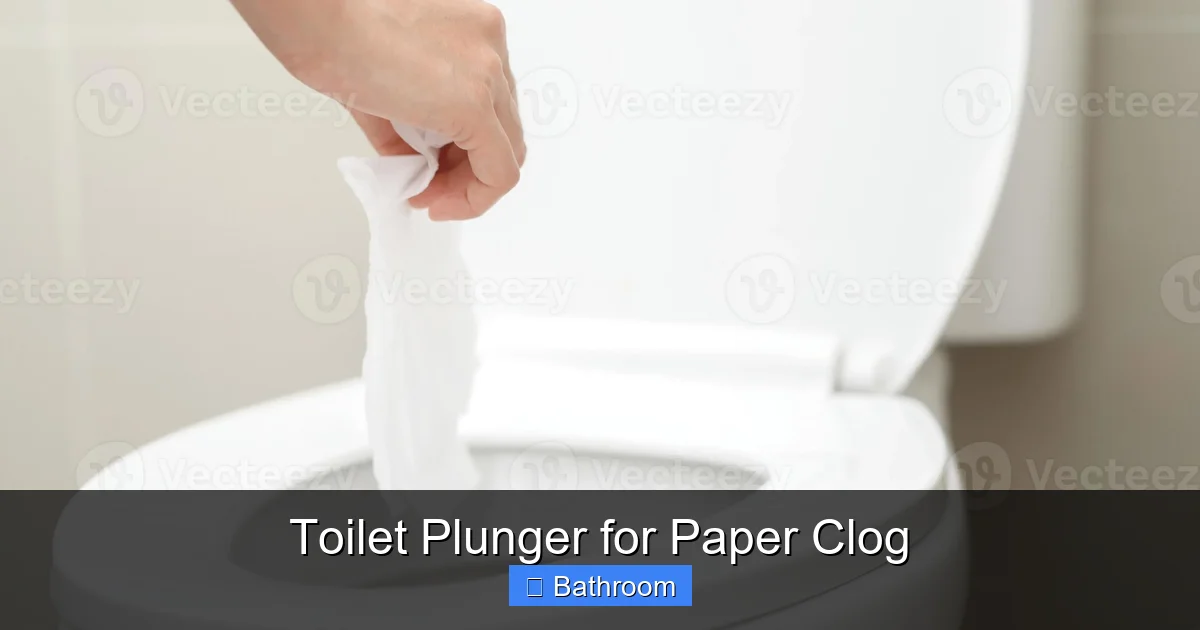
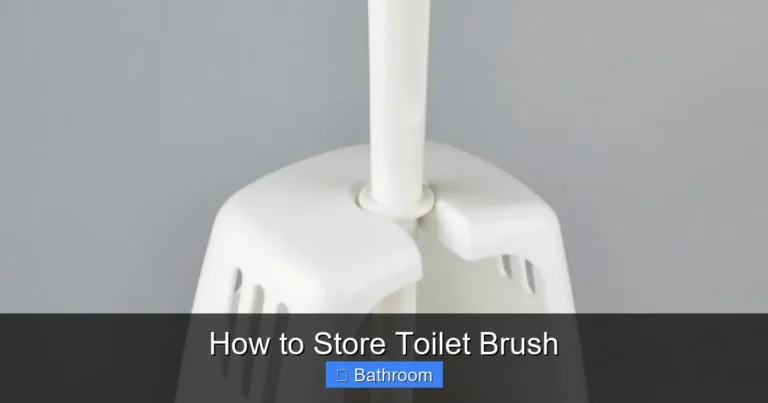
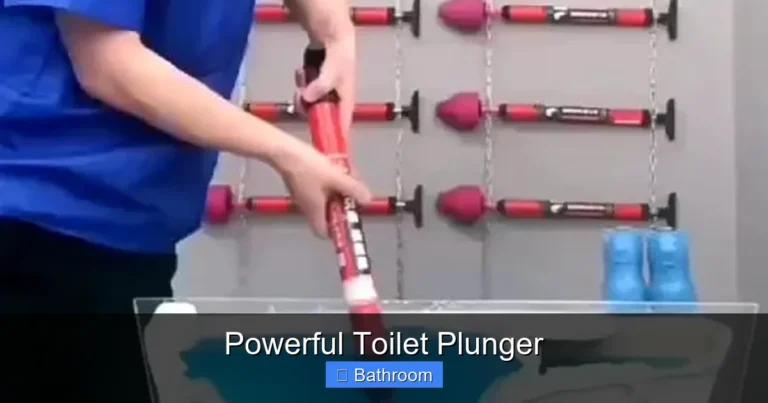
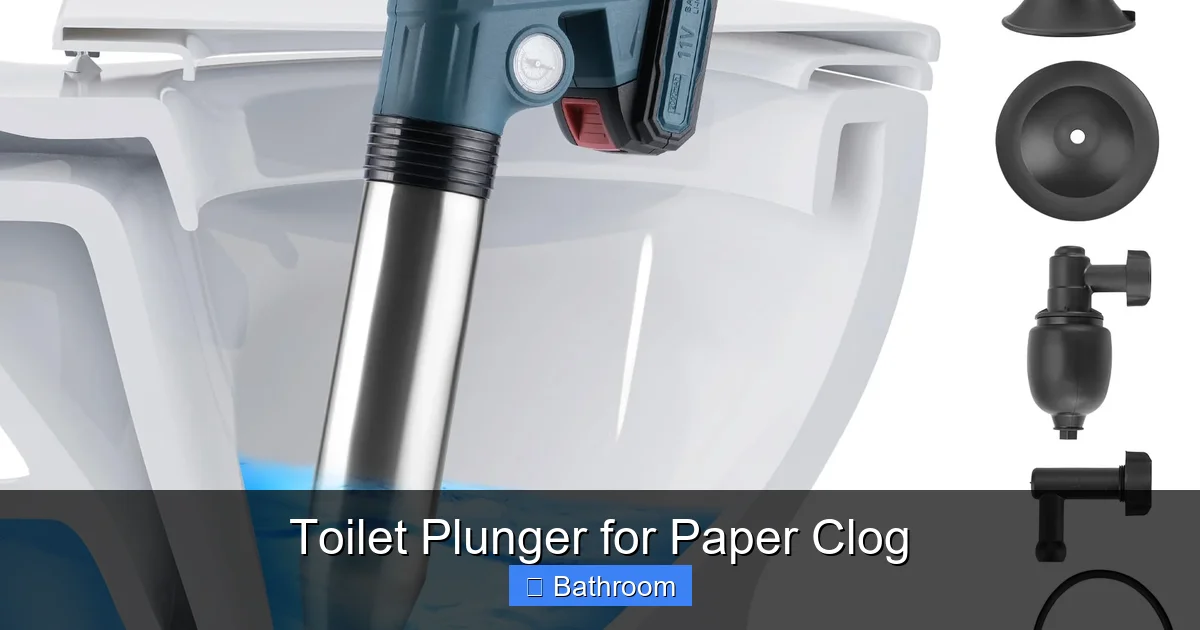
Visual guide about Toilet Plunger for Paper Clog
Image source: static.vecteezy.com
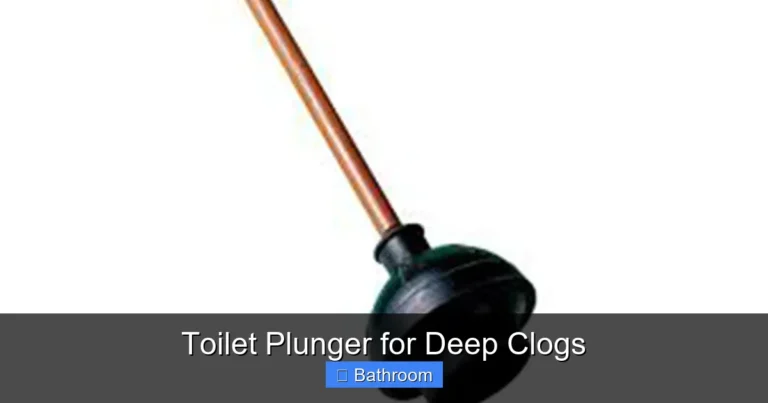
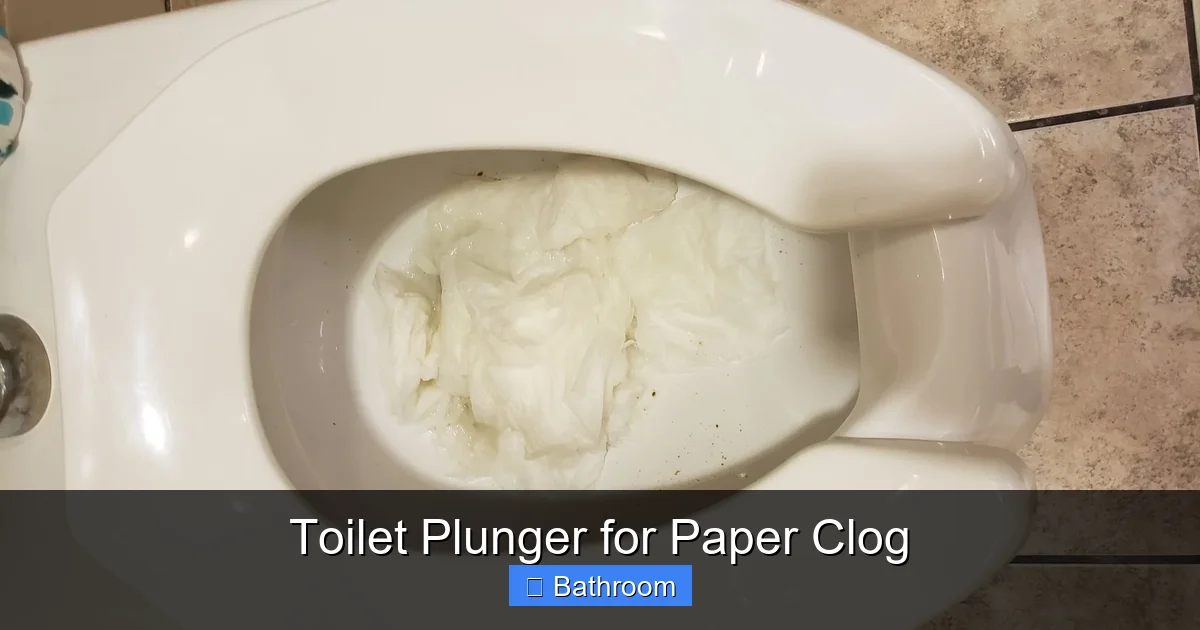
Visual guide about Toilet Plunger for Paper Clog
Image source: m.media-amazon.com
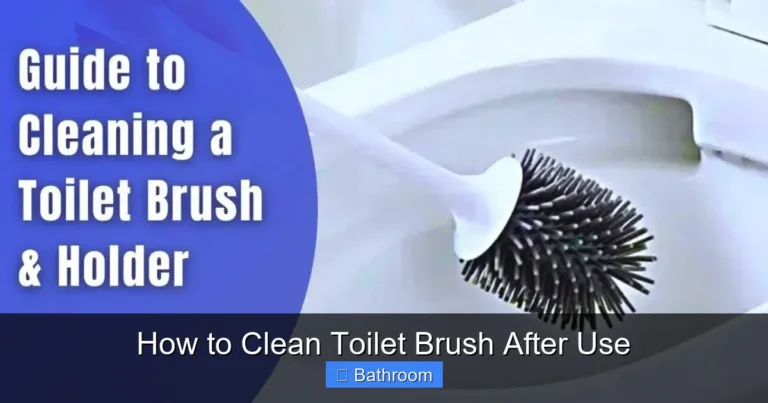
Visual guide about Toilet Plunger for Paper Clog
Image source: i.imgflip.com
How much toilet paper can I flush at once?
Flush only one or two sheets at a time. Flushing more increases the risk of a paper clog.
What’s the difference between a flange plunger and a cup plunger?
A flange plunger has a flexible rubber ring that fits snugly into the toilet drain, creating a better seal. A cup plunger is flat and better suited for sinks and tubs.
Can I use a plunger goo to prevent clogs?
Plunger goo enhances suction and helps break up clogs, but it’s not a preventive measure. Use it only when clearing blockages.
How do I clean my plunger properly?
After each use, rinse the plunger with hot water and dish soap. Disinfect it with a bleach solution, then store it upright in a dry place.
Will boiling water fix a paper clog?
Boiling water can help dissolve minor paper clogs, but it may damage certain toilet materials. Use it cautiously and only for small blockages.
Conclusion: Stay Prepared and Confident
A toilet plunger for paper clog is one of the most useful tools in your home maintenance toolkit. With the right plunger, proper technique, and a few preventive habits, you can handle most paper clogs quickly and confidently—without calling a plumber.
Remember, the key is to act fast, use the right tools, and avoid flushing too much paper at once. Keep your plunger clean and accessible, and your bathroom will stay clog-free for years to come. Whether you’re dealing with a minor blockage or preparing for emergencies, knowing how to use a plunger effectively is a skill every homeowner should have.
Stay calm, stay prepared, and let your plunger do the work. Your toilet—and your sanity—will thank you.
Frequently Asked Questions
What is Toilet Plunger For Paper Clog?
Toilet Plunger For Paper Clog is an important topic with many practical applications.