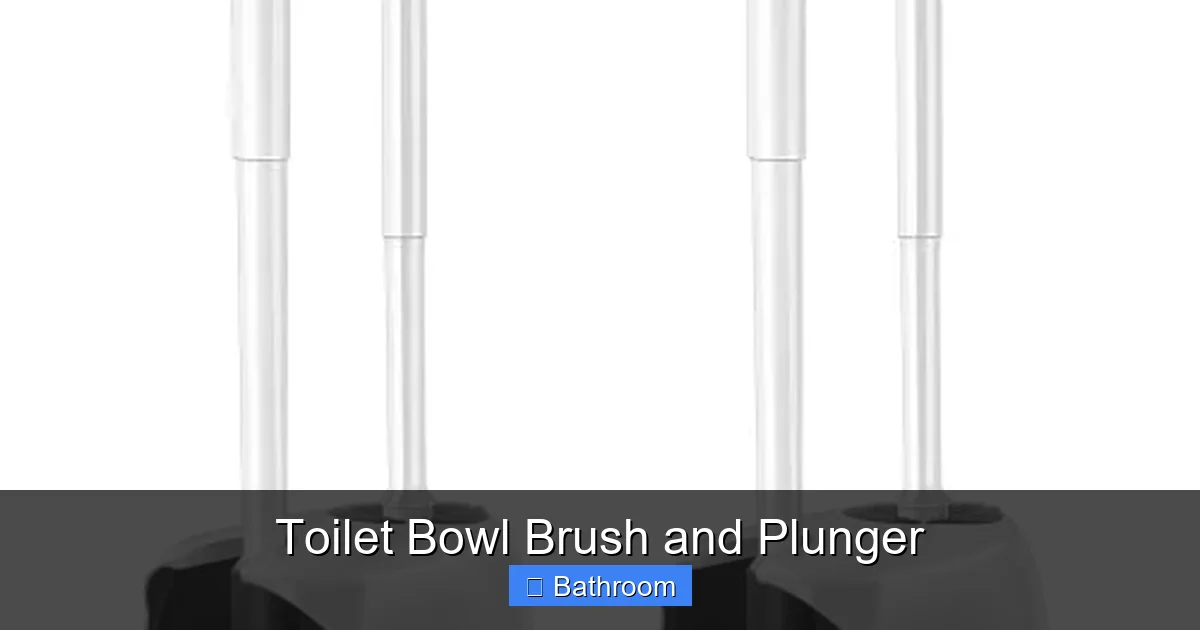
Toilet Bowl Brush and Plunger
Maintaining a clean and hygienic bathroom starts with the right tools. A toilet bowl brush and plunger are essential for removing tough stains and clearing blockages. Investing in high-quality, easy-to-clean options ensures long-term performance and peace of mind.
Key Takeaways
- Essential Hygiene Tools: A toilet bowl brush and plunger are indispensable for maintaining a clean and germ-free bathroom environment.
- Types Matter: Choose between traditional brushes, plunger types (flange vs. flange-less), and combo units based on your needs.
- Material Quality: Opt for durable materials like stainless steel handles and bristles resistant to mold and bacteria.
- Easy Storage: Look for compact, wall-mounted designs or stylish containers that keep the tools tidy and out of sight.
- Proper Cleaning Routine: Clean your brush and plunger weekly with disinfectant to prevent buildup and odors.
- Eco-Friendly Options: Consider reusable, non-plastic brushes and compostable plunger covers to reduce waste.
- User Comfort: Ergonomic handles and non-slip grips make cleaning more comfortable and effective.
📑 Table of Contents
- Introduction: Why the Toilet Bowl Brush and Plunger Are Your Bathroom’s Secret Weapons
- Understanding the Basics: What Is a Toilet Bowl Brush and Plunger?
- Types of Toilet Bowl Brushes
- Types of Plungers
- How to Choose the Best Toilet Bowl Brush and Plunger
- Maintenance Tips for Longevity and Hygiene
- Common Toilet Problems and How Your Tools Solve Them
- Eco-Friendly Alternatives and Sustainable Choices
- Top Brands and Recommended Products
- Conclusion: Small Tools, Big Impact
Introduction: Why the Toilet Bowl Brush and Plunger Are Your Bathroom’s Secret Weapons
Let’s face it—no one enjoys talking about bathroom cleaning, but let’s also be honest: a clean toilet is a healthy home. The humble toilet bowl brush and plunger might not be glamorous, but they’re the unsung heroes of hygiene. Every time you flush, tiny particles and bacteria can splash up, and without proper cleaning, germs multiply fast. That’s where your trusty brush and plunger come in.
These tools do more than just scrub away visible grime. A good brush tackles mineral deposits, mildew, and stubborn stains, while a reliable plunger ensures blockages don’t turn into major plumbing nightmares. Whether you’re dealing with a clogged toilet after a heavy meal or just want to keep your porcelain throne sparkling, having the right toilet bowl brush and plunger makes all the difference. In this guide, we’ll walk you through everything you need to know—from choosing the best tools to maintaining them for long-term use.
Understanding the Basics: What Is a Toilet Bowl Brush and Plunger?
A toilet bowl brush is a handheld tool with bristles designed to clean the inside of your toilet bowl. It usually features a long handle and a curved or angled head to reach under the rim. On the other hand, a plunger is a suction-based device used to clear blockages in the toilet drain. Both tools are essential for different aspects of toilet maintenance, and together, they form the foundation of any effective bathroom cleaning routine.
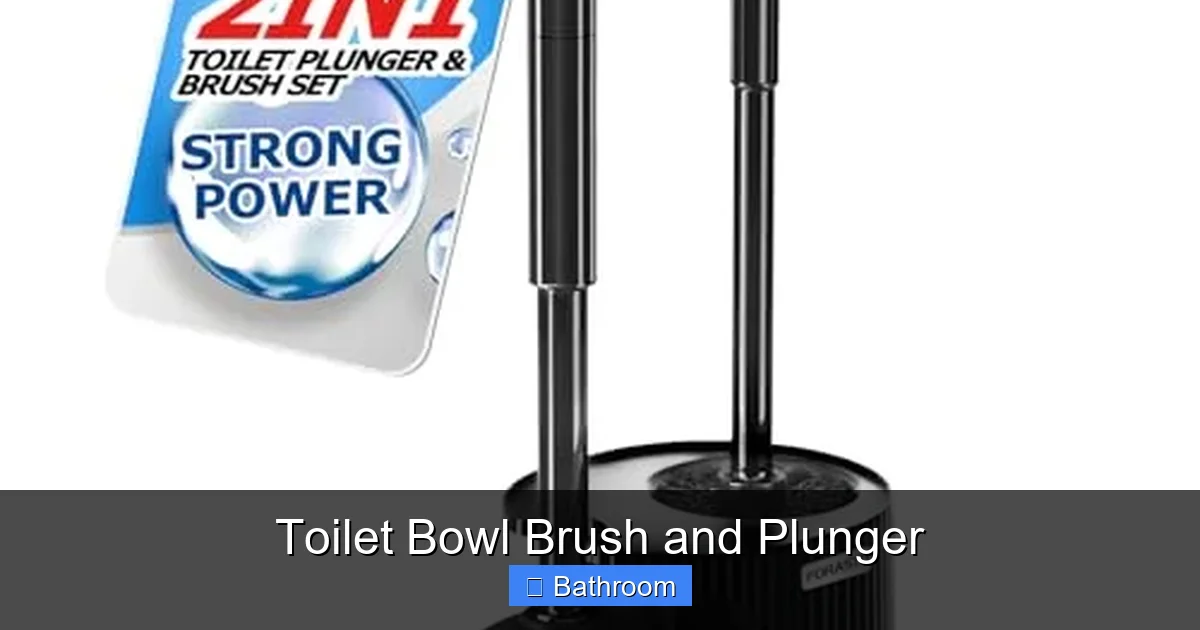
Visual guide about Toilet Bowl Brush and Plunger
Image source: m.media-amazon.com
How the Toilet Bowl Brush Works
The brush’s primary function is to scrub the bowl’s interior surface. As you push the bristles into the water and move them in circular motions, they dislodge dirt, soap scum, and bacteria. Over time, mineral buildup from hard water can leave yellow or brown rings around the bowl—this is where a stiff-bristled brush shines. Regular brushing prevents these stains from becoming permanent.
How the Plunger Functions
A plunger creates suction by sealing the toilet drain with its cup-shaped head. When you push and pull the handle, it alternates between high and low pressure, dislodging clogs in the trap. There are two main types: flange plungers (with a rubber ring around the cup) and flange-less models. The flange version is better for older toilets with recessed drains, while flange-less plungers work well on modern, smooth-bowl models.
Types of Toilet Bowl Brushes
Not all brushes are created equal. The market offers several styles, each with unique benefits. Choosing the right one depends on your toilet design, cleaning preferences, and how much storage space you have.
Traditional Toilet Brushes
The classic model features a plastic or metal handle and bristles made of nylon or natural fibers. These are affordable, widely available, and effective for daily cleaning. However, they can trap moisture and bacteria if not dried properly after use.
Wall-Mounted Brushes
These sleek brushes come with a holder that attaches to the wall near the toilet. They’re ideal for small bathrooms and help keep the cleaning tool out of sight. Many models include a removable brush head for easy cleaning and replacement.
Comfort-Handle Brushes
Designed with ergonomic grips and lightweight materials, these brushes reduce hand fatigue during cleaning. Some even feature soft-touch handles and angled heads for better reach under the rim.
Eco-Friendly and Reusable Brushes
Made from bamboo, recycled plastic, or compostable materials, these brushes are better for the environment. They often come with replaceable heads, reducing plastic waste. Look for models with antimicrobial bristles to maintain hygiene.
Types of Plungers
Plungers come in different shapes and sizes, and picking the right one ensures you can handle clogs efficiently without damaging your toilet.
Flange Plungers
This is the most common type, featuring a rubber cup with a small ring (flange) around its edge. The flange helps create a better seal in older toilets with recessed drains. It’s versatile and works on most toilet models.
Flange-Less Plungers
These have a smooth, rounded cup without the flange. They’re ideal for modern toilets with smooth, straight drains. While they may not seal as tightly on older models, they’re easier to clean and store.
Toilet Plunger with Brush Combo
Some sets include both a plunger and a brush in one compact unit. These are great for small bathrooms and simplify storage. However, they may not offer the same performance as standalone tools.
Electric or Battery-Powered Plungers
These innovative devices use suction power from a motor to clear clogs. While convenient, they’re more expensive and may not be necessary for everyday use.
How to Choose the Best Toilet Bowl Brush and Plunger
With so many options available, how do you pick the right toilet bowl brush and plunger? Here are key factors to consider.
Material Quality and Durability
Look for brushes with stainless steel or reinforced plastic handles and bristles made from high-density nylon or natural fibers. For plungers, opt for heavy-duty rubber cups that resist cracking and maintain suction power. Cheaper models may wear out quickly or harbor bacteria.
Ergonomic Design
Comfortable handles reduce strain during cleaning. Look for non-slip grips, contoured shapes, and balanced weight distribution. A well-designed brush or plunger makes the chore less of a burden.
Ease of Cleaning and Storage
Choose tools that dry quickly and come with removable parts. Brushes should have heads that can be taken off for thorough washing. Plungers should be easy to rinse and store in a dry place. Wall-mounted holders or stylish containers help keep your bathroom tidy.
Bathroom Aesthetics
Let’s be real—your bathroom should look good too. Modern designs come in white, black, or chrome finishes. Some brushes even come with decorative containers that double as bathroom decor.
Budget Considerations
You don’t need to spend a fortune, but avoid the cheapest options. A $5 brush may break after a few uses, while a $25 model could last years. Invest in quality—it pays off in hygiene and convenience.
Maintenance Tips for Longevity and Hygiene
Even the best toilet bowl brush and plunger can become dirty if not cared for properly. Follow these simple steps to keep them in top shape.
Clean Your Brush Weekly
After each use, rinse the brush thoroughly with hot water and dish soap. Soak it in a bleach solution (1 part bleach to 3 parts water) for 10 minutes once a week to kill bacteria. Let it air dry completely before storing.
Store the Plunger Properly
Always store the plunger in a dry place with the cup facing upward to prevent mold and mildew. Avoid placing it in a wet bathroom cabinet. Some models come with protective covers—use them if available.
Replace Worn Parts
Brush heads should be replaced every 3–6 months or when bristles become frayed. Plunger cups should be inspected for cracks or loss of elasticity. A worn plunger is ineffective and can damage your toilet’s seal.
Use a Disinfectant Spray
Spray both tools with a bathroom disinfectant after cleaning. This adds an extra layer of protection against germs. Look for sprays with EPA-approved ingredients.
Keep a Cleaning Schedule
Set a weekly reminder to deep-clean your tools. This prevents buildup and ensures they’re ready when you need them.
Common Toilet Problems and How Your Tools Solve Them
Your toilet bowl brush and plunger aren’t just for routine cleaning—they’re also your go-to solutions for common issues.
Stained or Dirty Bowls
Yellow or brown rings are caused by mineral deposits and bacteria. Use a stiff-bristled brush with a cleaning solution like vinegar or baking soda to scrub the area. For tough stains, let the solution sit for 15 minutes before brushing.
Slow Drains or Partial Clogs
When the toilet doesn’t flush fully, start with a plunger. Place the cup over the drain, press down to create a seal, then push and pull in quick motions. For stubborn clogs, you may need to repeat the process or use a toilet auger.
Persistent Odors
Bad smells often come from trapped waste or mold in the bowl or behind the tank. Clean the bowl thoroughly with a brush and disinfectant. Check the seal around the base of the toilet and reapply caulk if needed.
Frequent Clogs
If your toilet clogs often, it may be due to excessive toilet paper use or a partial blockage in the pipe. Use a plunger regularly and avoid flushing non-flushable items like wipes or feminine products.
Eco-Friendly Alternatives and Sustainable Choices
Want to reduce your environmental footprint? There are several green options for your toilet bowl brush and plunger.
Bamboo or Recycled Material Brushes
Bamboo is a fast-growing, renewable resource. Many eco-brushes are made from recycled plastic or compostable materials. They’re just as effective as traditional brushes and last longer when cared for.
Compostable Plunger Covers
Some plungers come with biodegradable covers made from cornstarch or paper. These protect the cup from dirt and reduce plastic use.
Replaceable Brush Heads
Instead of buying a new brush every time the head wears out, choose models with replaceable bristles. This reduces waste and saves money in the long run.
DIY Cleaning Solutions
Use vinegar, baking soda, or hydrogen peroxide instead of chemical cleaners. They’re effective, non-toxic, and better for the environment.
Top Brands and Recommended Products
Not all toilet bowl brush and plunger sets are created equal. Here are some trusted brands and models worth considering.
OXO Good Grips Toilet Brush
Known for ergonomic design, this brush features a soft-touch handle and replaceable head. It’s durable, easy to clean, and stores neatly in a sleek container.
Kohler Toilet Brush and Plunger Combo
This stylish set includes a brushed nickel brush and a flange plunger. It’s built to last and fits well in modern bathrooms.
Rubbermaid Toilet Brush
Affordable and reliable, this brush has a sturdy handle and stiff bristles. It’s a great budget-friendly option for everyday use.
Toilet Plunger by Danco
This flange plunger is designed for older toilets and offers strong suction. It’s made from high-quality rubber and comes with a reusable storage bag.
Bamboo Toilet Brush by Simplehuman
Eco-conscious and stylish, this brush uses bamboo and recycled materials. It’s part of a larger line of sustainable bathroom tools.
Conclusion: Small Tools, Big Impact
Your toilet bowl brush and plunger may seem like minor accessories, but they play a vital role in keeping your bathroom clean, safe, and functional. From scrubbing away stains to clearing stubborn clogs, these tools are indispensable. By choosing quality, maintaining them properly, and using them regularly, you’ll extend the life of your toilet and reduce the risk of plumbing issues.
Remember, a clean toilet isn’t just about appearance—it’s about health. Bacteria and germs thrive in moist environments, and a well-maintained brush and plunger help keep those germs at bay. Whether you prefer a sleek wall-mounted brush or a reliable flange plunger, investing in the right tools makes all the difference.
So next time you reach for your cleaning supplies, take pride in knowing that your toilet bowl brush and plunger are doing more than just cleaning—they’re protecting your home and your health. With a little care and the right tools, your bathroom can stay fresh, clean, and inviting for years to come.
Frequently Asked Questions
How often should I clean my toilet brush and plunger?
You should rinse your brush and plunger after each use and deep-clean them weekly with a disinfectant solution. This prevents bacteria buildup and keeps them hygienic.
Can I use bleach to clean my toilet brush?
Yes, but dilute it properly—1 part bleach to 3 parts water. Soak the brush for 10 minutes, then rinse thoroughly. Avoid bleach on metal handles, as it can cause corrosion.
What’s the difference between a flange and flange-less plunger?
A flange plunger has a rubber ring around the cup for better sealing in older toilets. A flange-less plunger is smoother and works best on modern toilets with straight drains.
How do I store my toilet brush and plunger?
Store the brush upright in a dry holder and keep the plunger in a clean, dry place with the cup facing up. Avoid damp areas to prevent mold.
Can I use a plunger for sinks or bathtubs?
Yes, but use a sink plunger (flat cup) for drains with overflow holes. A toilet plunger may not seal properly and could splash water.
How long do toilet brushes and plungers last?
A quality brush lasts 6–12 months, and a plunger can last 2–3 years. Replace brush heads every 3–6 months and check plungers for cracks or loss of suction.