Toilet Plunger for Deep Clogs
Deep toilet clogs can be frustrating and messy. A toilet plunger for deep clogs is your best defense against tough blockages. With the right tool and technique, you can clear even the most stubborn backups without calling a plumber.
Key Takeaways
- Choose the Right Plunger: Not all plungers are made equal. A toilet plunger for deep clogs often features a flanged cup and sturdy build to seal tightly and generate strong suction.
- Proper Technique Matters: Use firm, steady pressure and rhythmic plunging motions. Avoid jerky movements that won’t dislodge deep blockages.
- Deep Clogs Need Depth: Standard plungers may not reach far enough. Look for models with longer handles or specialized shapes designed for deep bowl engagement.
- Prevention Is Key: Avoid future clogs by not flushing wipes, grease, or large amounts of toilet paper. Regular maintenance saves time and money.
- Safety First: Wear gloves and eye protection. If water rises during plunging, stop immediately to avoid a messy overflow.
- When to Call a Pro: If plunging fails after 10–15 minutes, you may have a serious blockage or pipe damage. Don’t risk worsening the problem.
- Upgrade When Needed: Consider a toilet plunger for deep clogs with a weighted base or reinforced seal for maximum efficiency.
📑 Table of Contents
- Toilet Plunger for Deep Clogs: The Ultimate Guide to Clearing Stubborn Blockages
- Why Deep Clogs Are a Challenge
- How to Choose the Best Toilet Plunger for Deep Clogs
- Step-by-Step Guide: How to Use a Toilet Plunger for Deep Clogs
- Tips for Tackling Tough Deep Clogs
- Top-Rated Toilet Plungers for Deep Clogs (2024)
- Preventing Deep Clogs: Maintenance Tips
- When Plunging Isn’t Enough: Recognizing Serious Blockages
- Conclusion: Be Prepared for Any Clog
Toilet Plunger for Deep Clogs: The Ultimate Guide to Clearing Stubborn Blockages
We’ve all been there. You flush the toilet, expecting everything to disappear down the drain, only to find water creeping up the bowl like a slow-moving tide. A deep clog has taken hold, and your trusty plunger feels useless against the resistance. Don’t panic—this is a common household problem, and the right toilet plunger for deep clogs can make all the difference. Whether it’s hair, toilet paper, or something more stubborn like a foreign object, knowing how to tackle these blockages efficiently saves time, prevents damage, and keeps your bathroom clean.
In this comprehensive guide, we’ll walk you through everything you need to know about choosing, using, and maintaining a toilet plunger for deep clogs. From understanding the science behind plunging to comparing top-rated models, we’ll equip you with the knowledge and tools to handle even the toughest backups. So, grab your gloves—let’s dive in and conquer those clogs!
Why Deep Clogs Are a Challenge
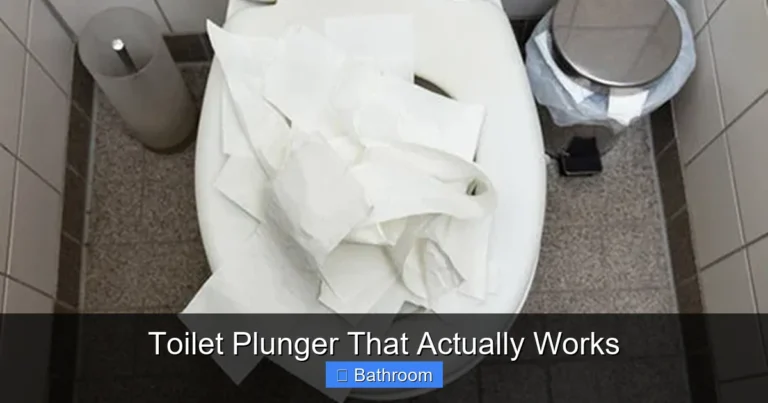
Not all clogs are created equal. While surface-level blockages can often be cleared with a few quick plunges, deep clogs involve material packed far down the drainpipe. These blockages may not even be visible from the bowl and can resist standard plunging techniques. The challenge lies in creating enough pressure and suction to dislodge material that’s wedged deep within the plumbing system.

Visual guide about Toilet Plunger for Deep Clogs
Image source: img.freepik.com
The Science Behind Suction and Pressure
Plunging works by creating a vacuum that pulls water and debris through the drain. A toilet plunger for deep clogs is designed to maximize this effect. The flanged edge seals tightly against the bowl’s rim, trapping air inside. As you plunge downward, you compress the air, increasing pressure. When you lift the plunger, the sudden vacuum draws water and blockage material up and out.
For deep clogs, this process must be repeated multiple times. The plunger’s size, material, and seal quality directly impact its effectiveness. A poorly designed plunger may slip or fail to create sufficient suction, especially in deep bowls or older plumbing systems.
Common Causes of Deep Clogs
- Accumulated Hair and Soap Scum: In bathrooms with showers, hair and soap residue can build up over time, creating a dense blockage deep in the pipe.
- Excessive Toilet Paper: Flushing large amounts of toilet paper at once can form a solid mass that resists disintegration.
- Foreign Objects: Toys, wipes, or other items flushed accidentally can get lodged deep in the drain.
- Grease and Fat Buildup: While rare in toilets, grease can sometimes enter via overflow or improper disposal, hardening into a plug.
How to Choose the Best Toilet Plunger for Deep Clogs
Not every plunger is built for deep clogs. Standard plungers may work for minor blockages, but they often lack the reach, seal, and power needed for stubborn backups. When shopping for a toilet plunger for deep clogs, consider these key features:
Visual guide about Toilet Plunger for Deep Clogs
Image source: meticulousplumbing.com
Flanged vs. Cup Plungers
A flanged plunger is the go-to choice for toilets. The flange is a rubber ring that inserts into the bowl, creating a tight seal. This design is essential for deep clogs because it prevents air from escaping, allowing maximum suction. A cup plunger (without a flange) is better suited for sinks and tubs, not toilets.
For deep clogs, always choose a plunger with a longer flange that can reach the bottom of the bowl. Some models feature dual-flange designs for extra grip.
Material and Durability
Look for plungers made from high-quality rubber or silicone. These materials are flexible yet firm, ensuring a good seal without cracking. Avoid cheap plastic handles—they can break under pressure.
Sturdy, non-slip handles are also important. A plunger with a weighted base or reinforced structure provides better control and stability during plunging.
Size and Reach
The cup should be large enough to cover the drain opening completely. For deep bowls, a plunger with a longer handle allows you to plunge from a more comfortable position while still reaching the bottom of the pipe.
Some advanced models feature extendable handles or telescoping designs, giving you extra leverage for stubborn blockages.
Ease of Cleaning
After use, your plunger will be wet and potentially contaminated. Choose one that’s easy to clean and dry. Models with smooth, non-porous surfaces prevent mold and bacteria buildup.
Step-by-Step Guide: How to Use a Toilet Plunger for Deep Clogs
Even the best toilet plunger for deep clogs won’t work miracles if used incorrectly. Follow these steps for maximum effectiveness:
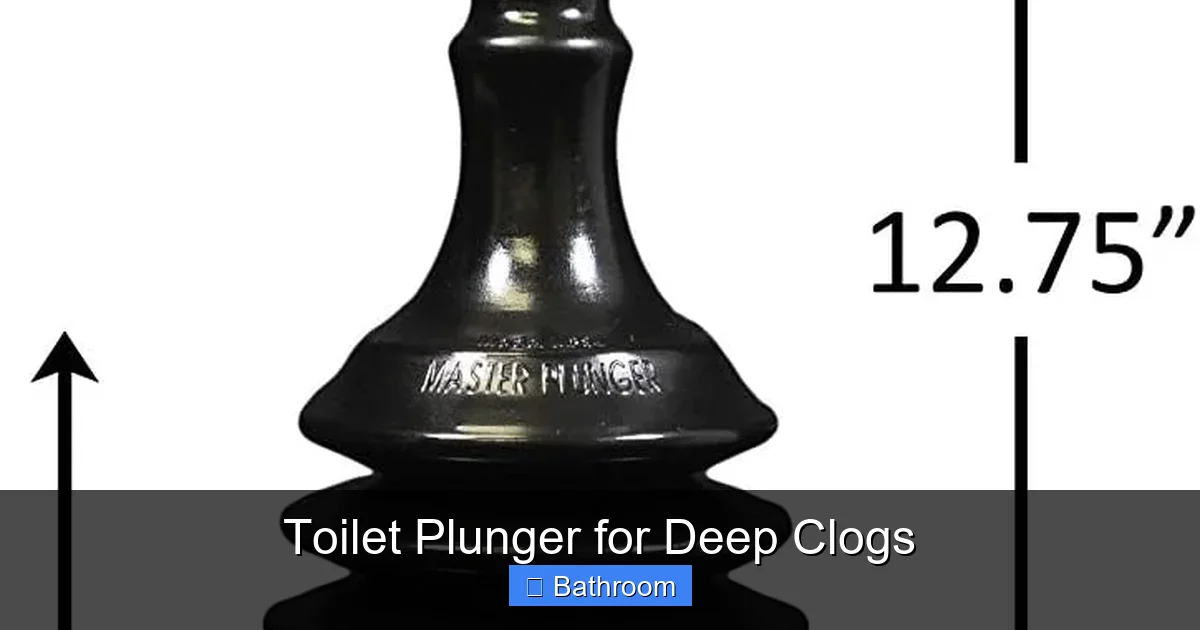
Visual guide about Toilet Plunger for Deep Clogs
Image source: i5.walmartimages.com
Step 1: Prepare the Area
Remove any rugs or mats around the toilet. Place a bucket or towel on the floor to catch overflow. Wear rubber gloves and, if available, eye protection. This protects you from splashes and keeps the area clean.
Step 2: Fill the Bowl Partially
Deep clogs often require water to help create suction. Add enough water to cover the plunger’s cup—about 1–2 inches. Too much water can reduce suction; too little won’t help.
Step 3: Position the Plunger
Place the plunger over the drain opening, ensuring the flange is fully inserted into the bowl. Press down gently to create a seal. You should feel resistance—this means the seal is tight.
Step 4: Begin Plunging
Apply firm, steady pressure downward. Then, lift the plunger quickly to create suction. Repeat this motion rhythmically—about 15–20 times. The key is consistency, not speed. Jerky movements won’t generate enough pressure.
Step 5: Check Progress
After each set of plunges, lift the plunger to see if the water level drops. If the clog is deep, it may take several rounds. Be patient—rushing can make things worse.
Step 6: Flush and Test
Once the water recedes, flush the toilet. If it works, great! If not, repeat the process. If the water doesn’t go down after 10–15 minutes of consistent plunging, stop and consider other options.
Tips for Tackling Tough Deep Clogs
Sometimes, even the best plunger isn’t enough. Here are some advanced tips to help clear stubborn blockages:
Use a Plunger with a Weighted Base
Some plungers come with a weighted base or extra rubber at the bottom. This helps the plunger stay in place during plunging, improving seal integrity and suction power.
Try a Combination of Plungers
For extremely deep clogs, alternate between a flanged plunger and a cup plunger. The cup can help dislodge material from the upper drain, while the flanged one tackles the deep blockage.
Apply Hot Water
For grease-related clogs, pour a pot of hot (not boiling) water into the bowl before plunging. The heat can soften the buildup, making it easier to dislodge. Never use boiling water—it can crack porcelain.
Use a Drain Snake as a Backup
If plunging fails, a handheld drain snake or auger can physically break up the clog. Insert it into the drain and rotate to break up the blockage. This is especially useful for deep, solid clogs.
Call a Professional
If you’ve tried multiple plunging sessions and the clog persists, it may be time to call a plumber. Deep clogs can indicate more serious issues, like pipe damage or a collapsed drain line.
Top-Rated Toilet Plungers for Deep Clogs (2024)
Not all plungers are created equal. Here are some of the best toilet plungers for deep clogs based on performance, durability, and user reviews:
1. Korky 3002BP Heavy-Duty Toilet Plunger
This plunger features a dual-flange design and a weighted base for superior suction. The sturdy handle and high-quality rubber make it ideal for deep, stubborn clogs. It’s also easy to clean and store.
2. Klein Tools 55423I Industrial Plunger
Built for professionals, this plunger has a long handle and extra-large cup. The reinforced rubber and ergonomic grip make it powerful and comfortable to use, even for deep blockages.
3. OXO Good Grips Toilet Plunger
Known for its non-slip grip and easy-clean design, this plunger is user-friendly. While not the most powerful, it’s effective for deep clogs and great for everyday use.
4. Flexor 3000 Toilet Plunger
This model features a flexible rubber cup that conforms to the bowl shape, improving seal integrity. The long handle and weighted base make it ideal for deep, hard-to-reach clogs.
5. Zep Toilet Auger Plunger Combo
For extreme clogs, this combo includes a plunger and auger. The auger can physically break up blockages while the plunger handles the final clearing. A smart investment for frequent clogs.
Preventing Deep Clogs: Maintenance Tips
The best way to deal with deep clogs is to prevent them. Here’s how to keep your toilet drain clear:
Avoid Flushing Non-Biodegradables
Never flush wipes, paper towels, or hygiene products. Even “flushable” wipes can cause deep blockages. Only flush toilet paper and human waste.
Use Less Toilet Paper
Flushing large amounts of toilet paper increases the risk of clogs. Use only what’s necessary and consider using a bidet or wet wipes (disposed of properly) to reduce paper use.
Regular Cleaning
Once a month, pour a mixture of baking soda and vinegar into the toilet bowl. Let it sit for 15 minutes, then flush. This helps break down buildup and keeps the drain clear.
Install a Drain Strainer
If you have a shower or sink near the toilet, consider installing a drain strainer to catch hair and debris before it enters the plumbing.
Check for Leaks
Leaks can contribute to clogs by altering water flow. Regularly inspect your toilet for signs of wear, especially around the seal and base.
When Plunging Isn’t Enough: Recognizing Serious Blockages
Sometimes, plunging is just not enough. Here are signs that your clog may be more serious:
- Water doesn’t recede after 10–15 minutes of plunging.
- Water overflows from the bowl despite plunging.
- Multiple drains are slow—this could indicate a main line blockage.
- You hear gurgling sounds from other fixtures when flushing.
- There’s a foul odor coming from the toilet or drain.
If you notice any of these signs, stop plunging immediately. Continued use can worsen the problem or cause sewage backup. Call a licensed plumber for a professional assessment.
Conclusion: Be Prepared for Any Clog
A toilet plunger for deep clogs is more than just a household tool—it’s a lifesaver during plumbing emergencies. With the right plunger, proper technique, and a bit of patience, you can clear even the most stubborn blockages without calling a plumber. Remember to choose a high-quality, flanged plunger with a strong seal and durable build. Use firm, consistent plunging motions, and don’t rush the process.
Prevention is always better than cure. Avoid flushing non-biodegradables, use less toilet paper, and clean your toilet regularly. And when in doubt, know when to call a professional. Being prepared means you’ll handle any clog—big or deep—with confidence.
So, the next time your toilet decides to rebel, don’t panic. Grab your toilet plunger for deep clogs, follow these tips, and watch that water disappear. You’ve got this!
Frequently Asked Questions
What makes a toilet plunger effective for deep clogs?
A toilet plunger for deep clogs must have a flanged design for a tight seal, a sturdy handle, and a durable rubber cup. These features maximize suction and pressure, which are essential for dislodging blockages deep in the drainpipe.
How long should I plunge for a deep clog?
For deep clogs, plunge consistently for 10–15 minutes, using 15–20 plunges per round. Take short breaks if needed. If the water doesn’t recede after this time, stop and consider other solutions.
Can I use a sink plunger for a toilet clog?
No. Sink plungers are cup-style and lack a flange, so they can’t create the seal needed for effective plunging in a toilet bowl. Always use a toilet plunger for deep clogs with a flanged design.
What should I do if plunging makes the clog worse?
If water overflows or the clog seems to get deeper, stop plunging immediately. This could indicate a more serious blockage or pipe damage. Avoid further plunging, as it may push debris further down or cause backups in other drains.
How often should I clean my toilet plunger?
Clean your plunger after every use with hot, soapy water. Rinse thoroughly and let it air dry upside down to prevent mold. Store it in a clean, dry place away from moisture.
Is a plunger enough for all types of deep clogs?
A toilet plunger for deep clogs works well for most blockages caused by hair, paper, or soft debris. However, for hard, solid blockages (like wipes or toys), you may need a drain snake or professional help.