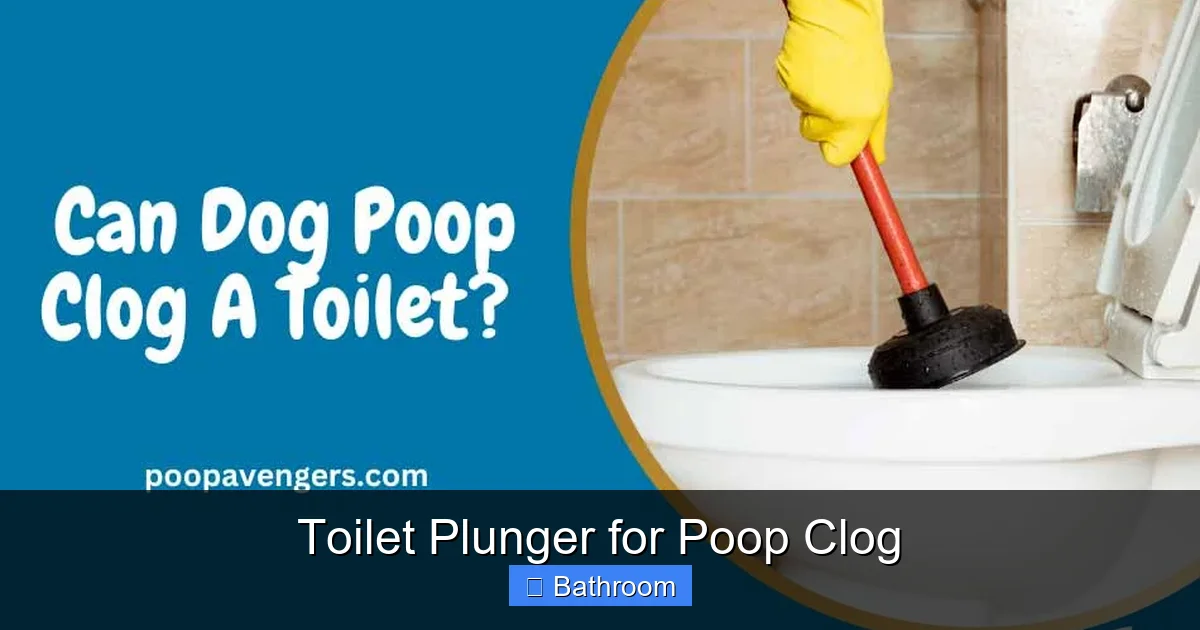
Toilet Plunger for Poop Clog
Dealing with a toilet clogged with poop can be messy and frustrating. The right plunger makes all the difference, whether you need a flange-style plunger for deep clogs or a cup plunger for surface blockages. We’ll walk you through choosing, using, and maintaining your plunger for quick, effective unclogging.
Key Takeaways
- Flange plungers are best for poop clogs: Their extended rubber tip fits into the toilet drain, creating a tighter seal for stronger suction.
- Use proper technique: Always plunge in a steady, firm rhythm—don’t just push; pull and push to dislodge stubborn waste.
- Never use force alone: Combine plunging with hot water or a plunger enhancer for tougher blockages.
- Clean your plunger after use: Rinse thoroughly and disinfect to prevent mold and bacteria buildup.
- Know when to call a plumber: If the clog persists after two plunging attempts, it may require professional tools or repair.
- Prevent future clogs: Avoid flushing large amounts of toilet paper or non-flushable items.
- Keep a plunger handy: Store it in a dry, ventilated area to maintain its effectiveness and hygiene.
📑 Table of Contents
- Toilet Plunger for Poop Clog: Your Go-To Guide for Fast, Effective Unclogging
- Why a Toilet Plunger Matters for Poop Clogs
- Choosing the Right Plunger for Tough Clogs
- How to Use a Toilet Plunger for Poop Clogs
- Tips for Tackling Tough Poop Clogs
- Preventing Future Poop Clogs
- When to Call a Plumber
- Maintaining Your Toilet Plunger
- Final Thoughts
Toilet Plunger for Poop Clog: Your Go-To Guide for Fast, Effective Unclogging
We’ve all been there. You’re in the bathroom, minding your own business, when suddenly—uh-oh—the water starts to rise. A slow trickle turns into a sluggish drain, then a full-on flood as your toilet refuses to flush. The culprit? A poop clog. It’s not just inconvenient; it’s gross, smelly, and can lead to bigger plumbing issues if ignored. But don’t panic. With the right tools and a little know-how, you can clear that blockage fast and get back to normal.
This guide is all about toilet plungers for poop clogs—what they are, how they work, and how to use them like a pro. Whether you’re dealing with a minor backup or a full-blown clog, we’ll walk you through choosing the best plunger, using it safely, and preventing future mishaps. No plumbing degree required. Just common sense and a little elbow grease.
Why a Toilet Plunger Matters for Poop Clogs
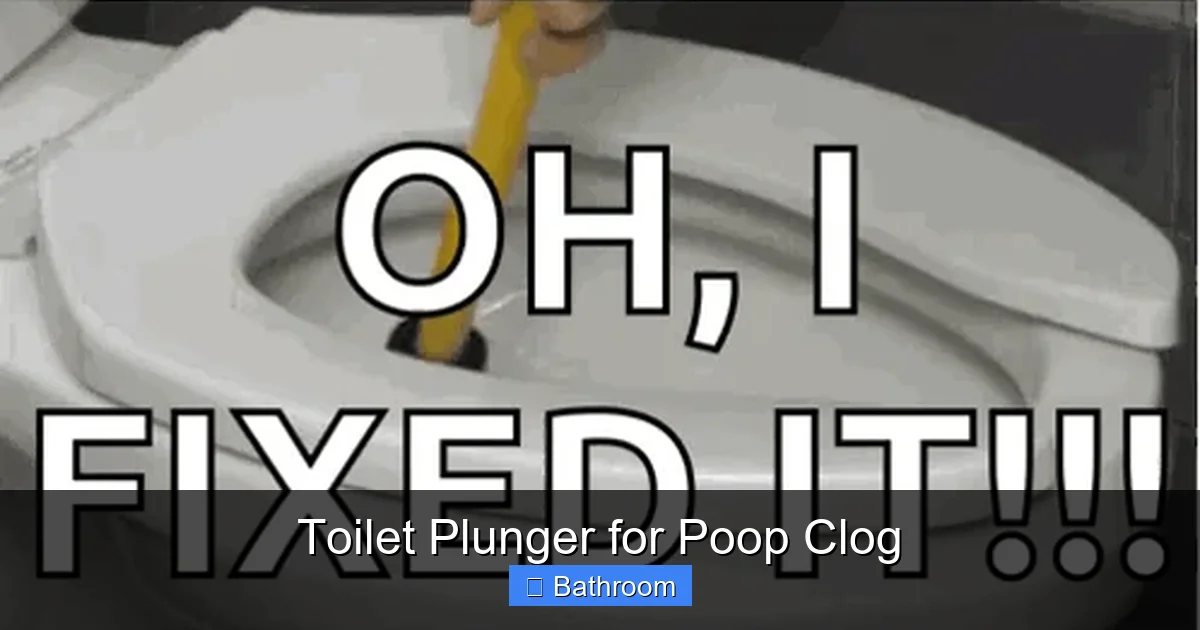
Toilets are designed to handle human waste and toilet paper, but sometimes, things don’t go as planned. A poop clog happens when solid waste gets stuck in the drain pipe, often due to too much toilet paper, a large piece of waste, or a buildup of sludge. When that happens, water can’t flow freely, and the bowl starts to overflow.
Visual guide about Toilet Plunger for Poop Clog
Image source: media1.tenor.com
A toilet plunger—also known as a toilet auger or toilet plunger—is the most effective tool for breaking up and removing these blockages. Unlike regular household plungers, a toilet plunger has a specialized design that fits snugly over the drain hole, creating a strong seal for powerful suction. This allows you to dislodge even the toughest poop clogs without damaging your toilet or pipes.
The Anatomy of a Toilet Plunger
Not all plungers are created equal. The best toilet plungers for poop clogs have a few key features:
- Flange design: A rubber flange extends from the base, allowing it to seal tightly around the toilet drain.
- Strong rubber cup: The main body is made of durable, flexible rubber that creates suction.
- Long handle: A sturdy, non-slip handle gives you leverage and control.
- Smooth surface: Easy to clean and resistant to bacteria.
These features ensure maximum suction and minimal mess—even when dealing with stubborn waste.
Choosing the Right Plunger for Tough Clogs
Not every plunger will do the job. Some are better suited for sinks or tubs, while others are built specifically for toilets. Here’s how to pick the best one for poop clogs.
Visual guide about Toilet Plunger for Poop Clog
Image source: i.ytimg.com
Flange Plungers vs. Cup Plungers
The most common types of toilet plungers are flange plungers and cup plungers. For poop clogs, flange plungers are the clear winner.
- Flange plungers: Have a rubber flange that fits into the toilet drain. This creates a tight seal, allowing for strong suction. Perfect for deep clogs.
- Cup plungers: Flat rubber cups without a flange. These are better for sinks and tubs but don’t fit well over a toilet drain, making them less effective for poop clogs.
If you’re serious about unclogging toilets, invest in a high-quality flange plunger. They’re widely available at hardware stores, home improvement centers, and online.
Material and Durability
Look for plungers made from high-quality rubber or silicone. These materials resist cracking, tearing, and bacterial growth. Avoid cheap, thin plungers that break easily or lose their shape after a few uses.
Also, consider the handle. A rubberized or textured grip prevents slipping, even when your hands are wet. A long handle gives you more leverage, which is essential for applying firm, consistent pressure.
Size Matters
Most toilet plungers are designed to fit standard toilet drains (about 3 inches in diameter). Make sure the plunger you choose fits snugly over the drain hole without wobbling. A loose seal won’t create enough suction to clear a clog.
Some plungers come with interchangeable tips or adjustable seals, which can be helpful if you have an older toilet with a different drain size.
How to Use a Toilet Plunger for Poop Clogs
Using a plunger correctly is just as important as choosing the right one. Follow these step-by-step instructions to unclog your toilet safely and effectively.
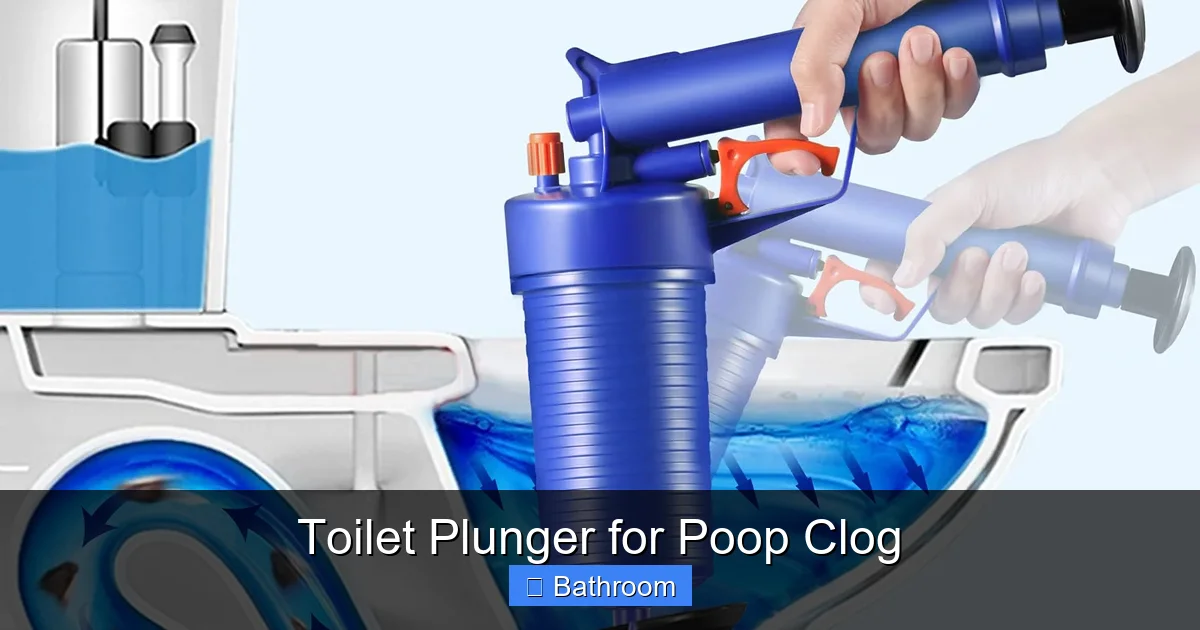
Visual guide about Toilet Plunger for Poop Clog
Image source: m.media-amazon.com
Step 1: Prepare the Area
Before you start, protect your floor and the plunger. Place a towel or old rag around the base of the toilet to catch any splashes. If the water level is high, you may need to let some of it sit in the bowl to avoid overflowing when you plunge.
Wear gloves if you’re sensitive to germs or want to avoid getting your hands dirty. Even though plungers are meant to be clean, it’s better to be safe.
Step 2: Position the Plunger
Place the plunger directly over the drain hole, making sure the flange fits into the opening. Press down gently to create a seal. You should feel the rubber conform to the shape of the drain—this is what creates the suction.
Don’t press too hard at first. Just enough to eliminate air leaks. A good seal is key to powerful suction.
Step 3: Plunge with Purpose
Now it’s time to plunge. Use a firm, steady motion—push down, then pull up quickly. Repeat this in a rhythmic pattern. The goal is to create pressure changes that dislodge the clog.
Don’t just push down and hold. That won’t work. The pull-up motion helps break the suction and dislodge waste from the pipe walls.
Continue for 15–30 seconds. You should see bubbles or water starting to drain. If not, try adding a few inches of hot water to the bowl (not boiling—hot enough to help dissolve grease, but not so hot it cracks porcelain). Then plunge again.
Step 4: Test the Flush
Once you’ve plunged for a minute or so, try flushing the toilet. If it goes down smoothly, you’re done! If not, repeat the process.
Sometimes, a stubborn clog may require two or three attempts. Be patient. Rushing can lead to splashing or ineffective plunging.
Step 5: Clean Up
After use, remove the plunger and rinse it thoroughly under running water. Disinfect it with a mixture of vinegar and water or a diluted bleach solution (1 part bleach to 10 parts water). Let it air dry in a well-ventilated area.
Store it upright or hanging to prevent mold and mildew. Never leave it sitting in water or in a closed container.
Tips for Tackling Tough Poop Clogs
Sometimes, a standard plunger isn’t enough. Here are some advanced tips for dealing with especially stubborn clogs.
Use Hot Water
Pour a few inches of hot (not boiling) water into the toilet bowl. The heat helps soften grease and waste, making it easier to dislodge. Let it sit for a minute before plunging.
Try a Plunger Enhancer
Products like plunger enhancers or drain gels can help break down organic matter. Follow the instructions carefully—some contain harsh chemicals that can damage pipes or the toilet.
Use a Toilet Auger (Closet Auger)
If the plunger doesn’t work, it’s time to bring out the big gun: the toilet auger. This tool has a flexible cable with a hook at the end, designed to reach deep into the drain pipe and pull out the clog.
Insert the auger slowly, turn the handle clockwise to feed the cable into the pipe, and feel for resistance. When you hit the clog, wiggle the auger to break it up and pull it out.
Be gentle—too much force can damage the toilet’s trapway. If you’re not comfortable using an auger, call a plumber.
Avoid Chemical Drain Cleaners
While tempting, chemical cleaners can damage your pipes, harm septic systems, and create toxic fumes. They’re also less effective on organic clogs like poop. Stick to mechanical tools like plungers and augers.
Preventing Future Poop Clogs
Prevention is always better than cleanup. Here’s how to avoid clogs in the first place.
Flush Only the 3 P’s
Remember the golden rule: only flush pee, poop, and toilet paper. Avoid wipes, paper towels, feminine products, or anything else that doesn’t dissolve quickly.
Use Less Toilet Paper
Using too much TP can cause buildup. Try using fewer sheets or switching to a thinner brand. Some people use bidets or wet wipes (flushable ones only) to reduce paper use.
Regular Maintenance
Once a month, pour a cup of baking soda and vinegar into the toilet, let it sit for 15 minutes, then flush. This helps break down buildup and keeps your pipes clean.
Check for Obstructions
If you notice slow drainage in other fixtures (like the sink or shower), it could be a sign of a developing blockage. Address it early before it becomes a full clog.
When to Call a Plumber
Even the best plunger won’t fix every clog. Here’s when to call in the professionals.
- You’ve tried plunging twice with no success.
- The water keeps rising despite plunging.
- You hear gurgling sounds from other drains.
- There’s a foul odor coming from the pipes.
- You suspect a tree root or structural issue in the main line.
A plumber can use professional tools like hydro-jetting or snake augers to clear deep blockages and inspect your pipes for damage.
Maintaining Your Toilet Plunger
A good plunger is an investment. Keep it in top shape with these maintenance tips.
- Clean after every use: Rinse and disinfect to prevent bacteria and mold.
- Store properly: Keep it in a dry, ventilated area. A plunger holder or hanging rack works well.
- Replace when worn: If the rubber becomes cracked, sticky, or misshapen, it’s time for a new one.
- Don’t share: Keep your plunger in one place and avoid using it for sinks or tubs.
A well-maintained plunger can last for years—even decades—with proper care.
Final Thoughts
A toilet plunger for poop clogs isn’t just a household tool—it’s a lifesaver. With the right plunger and the right technique, you can handle most blockages quickly and safely. No need to panic or call emergency services over a simple clog.
Remember: the key is a tight seal, steady pressure, and patience. Don’t rush. And always clean your plunger after use. It’s a small effort that keeps your bathroom—and your pipes—healthy and clog-free.
Next time you face a stubborn clog, grab your plunger, follow these steps, and reclaim your peace of mind. You’ve got this.
Frequently Asked Questions
What is the best plunger for a poop clog?
The best plunger for a poop clog is a flange plunger. Its extended rubber tip fits into the toilet drain, creating a tight seal for strong suction. Look for one with a durable rubber cup and a long, non-slip handle.
How do I use a plunger to unclog a toilet?
Place the plunger over the drain, creating a seal. Plunge in a firm, steady rhythm—push down, then pull up quickly. Repeat for 15–30 seconds, then test the flush. For tough clogs, add hot water before plunging.
Can I use a regular plunger for a toilet clog?
Not effectively. Regular cup plungers lack a flange and don’t seal well over a toilet drain. They’re better for sinks and tubs. For poop clogs, use a toilet-specific flange plunger.
How often should I clean my toilet plunger?
Clean your plunger after every use. Rinse it with water, then disinfect with a vinegar solution or diluted bleach. Let it air dry in a ventilated area to prevent mold and bacteria.
What should I do if plunging doesn’t work?
If the clog persists after two plunging attempts, try a toilet auger (closet auger). If that fails, call a plumber. Persistent clogs may indicate a deeper issue in the plumbing system.
Can I prevent toilet clogs from happening?
Yes. Only flush pee, poop, and toilet paper. Avoid wipes and other non-flushables. Use less toilet paper, and periodically flush with baking soda and vinegar to break down buildup. Regular maintenance helps prevent clogs.