How to Disinfect Microfiber Cloths
Keeping your microfiber cloths clean and disinfected is essential for maintaining a hygienic home. These cloths trap dirt, bacteria, and allergens, but without proper care, they can become breeding grounds for germs. With the right cleaning methods, you can extend their life and ensure they work at peak performance.
Key Takeaways
- Regular washing is key: Disinfecting microfiber cloths should be part of your weekly cleaning routine to prevent bacteria buildup.
- Use hot water and mild detergent: Hot water helps kill germs, while mild detergent prevents damage to the delicate fibers.
- Skip fabric softeners: Fabric softeners coat microfiber, reducing its cleaning power and ability to trap dirt.
- Air-dry when possible: High heat from dryers can melt microfiber, so air-drying preserves its structure and effectiveness.
- Consider vinegar or baking soda: Natural disinfectants like white vinegar or baking soda can boost cleaning without harsh chemicals.
- Replace when worn: Even with proper care, microfiber cloths lose effectiveness after 100–200 uses.
- Wash separately: Clean microfiber cloths from dirty surfaces to avoid recontamination.
📑 Table of Contents
- How to Disinfect Microfiber Cloths: A Complete Guide for a Cleaner, Healthier Home
- Why Disinfecting Microfiber Cloths Matters
- Best Methods to Disinfect Microfiber Cloths
- What Not to Do When Disinfecting Microfiber Cloths
- How to Maintain Clean Microfiber Cloths Between Washes
- Signs Your Microfiber Cloths Need to Be Replaced
- Eco-Friendly Disinfecting Tips
- Common Myths About Microfiber Care
- Final Thoughts: Keep Your Microfiber Cloths Fresh and Effective
How to Disinfect Microfiber Cloths: A Complete Guide for a Cleaner, Healthier Home
Have you ever reached for a microfiber cloth, only to find it still dusty or worse—sticky after cleaning? You’re not alone. Microfiber cloths are amazing. They’re lightweight, lint-free, and super absorbent. But here’s the catch: if you don’t clean them properly, they can start to collect germs, bacteria, and even mold. That’s why knowing how to disinfect microfiber cloths is so important. Not only does it keep your home sparkling clean, but it also helps maintain your cloths’ performance and extends their lifespan.
In this article, we’ll walk you through everything you need to know about disinfecting microfiber cloths—from the best cleaning methods to how often you should do it. Whether you’re cleaning windows, dusting surfaces, or wiping up spills, these tips will help you keep your microfiber cloths fresh, effective, and safe to use. Let’s dive in!
Why Disinfecting Microfiber Cloths Matters
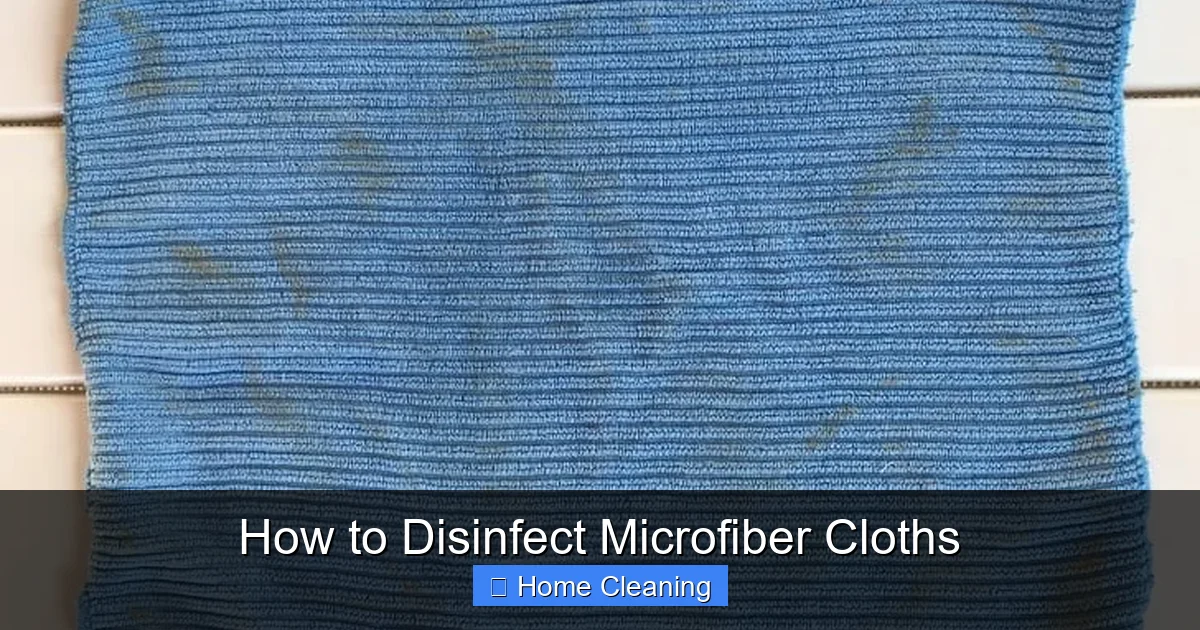
Microfiber cloths are made of ultra-fine synthetic fibers—usually a blend of polyester and polyamide. These fibers are incredibly good at trapping dirt, dust, and even microscopic particles. That’s why they’re so popular for cleaning electronics, glass, and kitchen surfaces. But with great cleaning power comes great responsibility. Because microfiber cloths hold onto moisture and debris, they can become a hotspot for bacteria if not cleaned regularly.
Visual guide about How to Disinfect Microfiber Cloths
Image source: prudentreviews.com
The Hidden Dangers of Dirty Microfiber
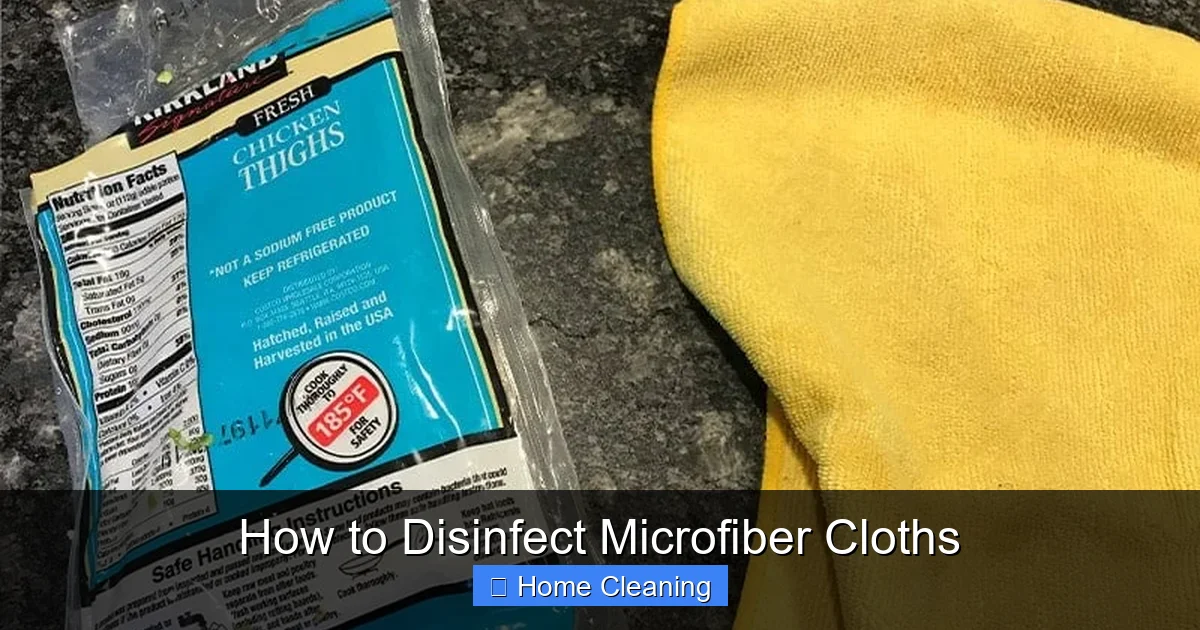
Think of your microfiber cloth as a tiny sponge. It absorbs everything it touches—dust, grease, pet dander, and yes, germs. If you reuse it without cleaning, you’re basically spreading those particles all over your home. Studies have shown that uncleaned microfiber cloths can harbor E. coli, salmonella, and even mold spores. That’s especially concerning in the kitchen, where food safety is critical.
Plus, over time, microfiber cloths can lose their ability to trap dirt. When fibers get clogged with grime or coated with residue from fabric softeners, they stop working as well. So, disinfecting isn’t just about hygiene—it’s about performance too.
How Often Should You Disinfect Microfiber Cloths?
Ideally, you should wash your microfiber cloths after every major use. For example, if you use one to wipe down the kitchen counter after cooking, clean it right away. But if you’re doing quick dusting or light cleaning, you can wait until your weekly laundry. The key is consistency. A quick rinse or soak in hot water can help prevent buildup between washes.
Best Methods to Disinfect Microfiber Cloths
There are several ways to disinfect microfiber cloths, ranging from simple hand-washing to full laundry machine cycles. The best method depends on how dirty the cloth is and how often you use it. Let’s go over the top techniques.
Visual guide about How to Disinfect Microfiber Cloths
Image source: prudentreviews.com
1. Hot Water Soak
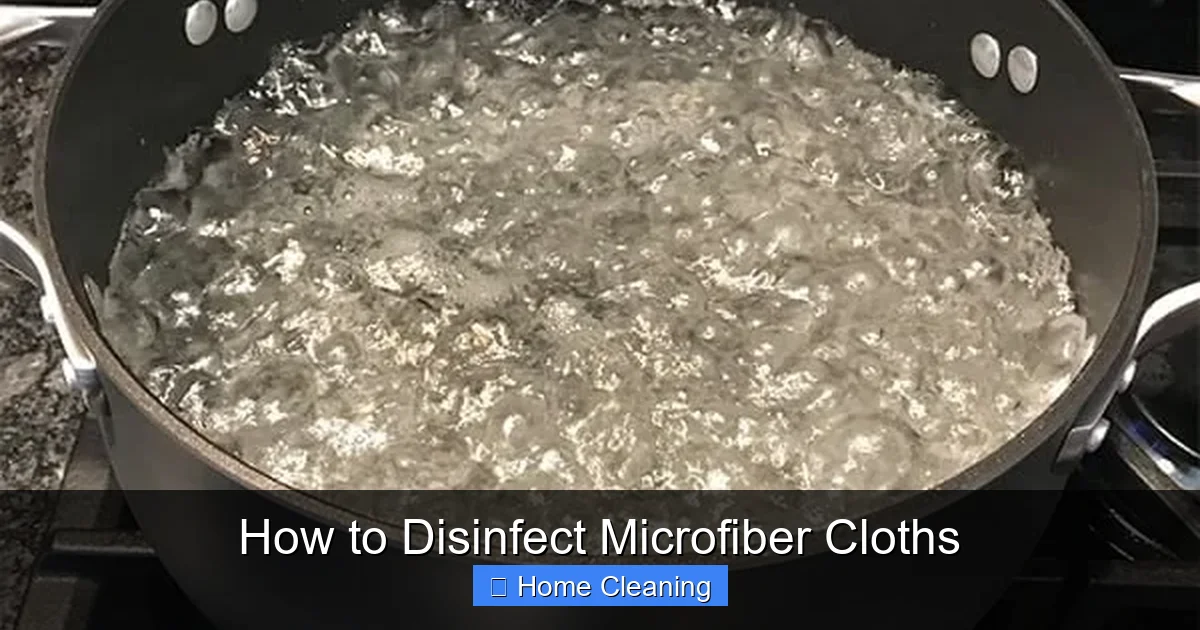
For lightly soiled cloths, a hot water soak can work wonders. Fill a basin or sink with hot water (at least 140°F or 60°C) and add a small amount of mild detergent. Submerge the cloth for 15–30 minutes. The heat helps kill bacteria and loosen trapped dirt. After soaking, rinse thoroughly with clean water.
Pro Tip: Add a splash of white vinegar to the soak. Vinegar is a natural disinfectant that helps break down grease and odors without damaging microfiber.
2. Laundry Machine Wash
For heavily used or visibly dirty cloths, the laundry machine is your best friend. Use a gentle cycle with hot water and a mild, pH-neutral detergent. Avoid harsh detergents with bleach or strong enzymes, as they can degrade the fibers.
Important: Always wash microfiber cloths separately from other laundry. This prevents lint and debris from other clothes from clogging the microfiber. Also, never use fabric softener or dryer sheets—they coat the fibers and reduce their cleaning power.
3. Dishwasher Method (For Small Sets)
If you only have a few microfiber cloths and no washing machine, the dishwasher can be a surprisingly effective option. Place the cloths in a mesh laundry bag or pillowcase to protect them. Use a hot water cycle and a mild dish soap. Avoid the drying cycle—air-dry instead.
Caution: Not all microfiber is dishwasher-safe. Check the manufacturer’s label first. Some cloths may melt or degrade under high heat.
4. Baking Soda and Vinegar Boost
For a natural disinfecting boost, try a baking soda paste. Mix 1 tablespoon of baking soda with a few drops of water to form a thick paste. Gently rub it into the cloth, then rinse well. Follow with a vinegar rinse (1 cup white vinegar in a sink of water) to neutralize odors and kill bacteria.
This method is especially useful for cloths that smell musty or have stubborn grease stains.
5. UV Light or Sunlight
Sunlight has natural disinfecting properties. After washing, hang your microfiber cloths outside to air-dry in direct sunlight. UV rays help kill bacteria and break down organic residues. Just make sure they’re fully dry before storing to prevent mold.
What Not to Do When Disinfecting Microfiber Cloths
While it’s easy to get carried away with cleaning products, some common mistakes can actually damage your microfiber cloths. Here’s what to avoid.
Visual guide about How to Disinfect Microfiber Cloths
Image source: i.pinimg.com
Don’t Use Bleach or Harsh Chemicals
Bleach may seem like a powerful disinfectant, but it can break down the synthetic fibers in microfiber. Over time, this weakens the cloth and reduces its ability to trap dirt. Stick to mild, pH-balanced detergents instead.
Avoid Fabric Softeners
Fabric softeners create a waxy residue that coats microfiber fibers. This makes the cloths slippery and less effective at cleaning. Skip the softener—your microfiber will thank you.
Don’t Use High Heat in the Dryer
High heat can melt or shrink microfiber. Always air-dry your cloths or use the lowest dryer setting if you must use a dryer. Even better, hang them in a well-ventilated area to prevent mildew.
Never Soak in Bleach or Ammonia
Mixing bleach and ammonia creates toxic fumes and can ruin your cloths. Stick to safe, natural cleaning agents like vinegar or hydrogen peroxide (diluted).
How to Maintain Clean Microfiber Cloths Between Washes
You don’t have to wash every microfiber cloth after every use. But there are ways to keep them fresh between washes.
Shake Out Dust and Debris
After wiping down a surface, give the cloth a good shake to remove loose dirt. This reduces the buildup and makes the next wash easier.
Store in a Dry Place
Moisture is the enemy of cleanliness. Always store microfiber cloths in a dry, well-ventilated area. Avoid leaving them in damp bathrooms or inside sealed bags.
Use a Second Cloth for Greasy Surfaces
If you’re cleaning up oil or grease, use a dedicated cloth for that task. Then wash it separately to prevent transferring grime to other cloths.
Rotate Your Cloths
Keep multiple microfiber cloths on hand and rotate them. This gives each cloth time to air out and reduces the need for frequent washing.
Signs Your Microfiber Cloths Need to Be Replaced
Even with the best care, microfiber cloths don’t last forever. Here’s how to tell when it’s time for a new set.
Loss of Absorbency
If your cloths no longer soak up water as well as they used to, they’ve likely lost their effectiveness. This is a sign the fibers are clogged or worn out.
Visible Wear and Tear
Look for fraying edges, thinning fabric, or pilling. These are signs the cloth is breaking down and may not clean as well.
Persistent Odors
If no matter how you wash them, your cloths still smell musty or sour, they’re beyond cleaning. It’s time to replace them.
Stiff or Rough Texture
Healthy microfiber should feel soft and plush. If it feels stiff or rough, the fibers may be damaged.
Streaky or Ineffective Cleaning
If your cloths are leaving streaks, lint, or not picking up dirt, they’re no longer doing their job.
Eco-Friendly Disinfecting Tips
If you’re looking to reduce your environmental impact, there are several eco-friendly ways to disinfect microfiber cloths.
Use White Vinegar
Vinegar is a natural disinfectant that kills up to 99% of bacteria. Add a cup to your wash cycle or use it in a soak. It’s safe for the environment and your cloths.
Choose Biodegradable Detergents
Look for plant-based, biodegradable detergents that are gentle on both your cloths and the planet.
Air-Dry Instead of Using the Dryer
Air-drying saves energy and extends the life of your microfiber cloths. Just make sure they dry completely to avoid mildew.
Reuse Until They’re Worn Out
Microfiber cloths are designed to be reused. Don’t toss them after one use. Instead, wash and reuse them until they’re no longer effective.
Common Myths About Microfiber Care
There are a lot of myths floating around about microfiber cloths. Let’s clear up some of the most common ones.
Myth: You Can Wash Microfiber with Anything
False. While microfiber is durable, it’s not indestructible. Using harsh chemicals, bleach, or fabric softeners can damage the fibers and reduce their effectiveness.
Myth: You Should Always Use Cold Water
Not necessarily. Hot water (up to 140°F) helps kill bacteria and remove grease. Just avoid extreme heat that can melt the fibers.
Myth: Microfiber Cloths Are Disposable
False. High-quality microfiber cloths can last for hundreds of uses with proper care. Think of them as a long-term cleaning investment.
Myth: You Need Special Detergent
Not really. Any mild, pH-neutral detergent will work. You don’t need expensive microfiber-specific cleaners.
Myth: You Can Use the Same Cloth for Everything
While you can use one cloth for multiple tasks, it’s best to separate cloths for different surfaces (e.g., one for the kitchen, one for the bathroom) to prevent cross-contamination.
Final Thoughts: Keep Your Microfiber Cloths Fresh and Effective
Disinfecting microfiber cloths doesn’t have to be complicated. With a few simple steps—like using hot water, avoiding fabric softeners, and air-drying—you can keep your cloths clean, hygienic, and performing at their best. The key is consistency. Make it a habit to wash your microfiber cloths regularly, and you’ll notice a big difference in how well they clean and how long they last.
Remember, clean cloths aren’t just about a spotless home—they’re about health, efficiency, and sustainability. By taking the time to care for your microfiber cloths, you’re making a small but meaningful contribution to a cleaner, safer living space.
So next time you reach for a microfiber cloth, give it a quick shake, a hot wash, or a vinegar soak. Your home—and your health—will thank you.
Frequently Asked Questions
Can I use bleach to disinfect microfiber cloths?
No, bleach can damage the synthetic fibers in microfiber cloths over time. It breaks down the fibers and reduces their cleaning effectiveness. Instead, use hot water with mild detergent or natural disinfectants like white vinegar.
How often should I wash my microfiber cloths?
Wash microfiber cloths after every major use, especially if they’ve touched grease, spills, or dirty surfaces. For light use, washing once a week is usually sufficient. Regular cleaning prevents bacteria buildup.
Can I put microfiber cloths in the dryer?
Use the lowest dryer setting if necessary, but air-drying is best. High heat can melt or shrink microfiber. Always ensure the cloths are completely dry before storing to prevent mold.
Why shouldn’t I use fabric softener on microfiber?
Fabric softeners leave a waxy residue that coats microfiber fibers, reducing their ability to trap dirt and absorb liquids. This makes the cloths less effective and can lead to streaks and poor performance.
How do I remove stubborn odors from microfiber cloths?
Soak the cloth in a solution of equal parts water and white vinegar for 15–30 minutes. Rinse thoroughly and air-dry. Baking soda paste can also help neutralize odors—just scrub gently and rinse well.
How long do microfiber cloths last?
With proper care, high-quality microfiber cloths can last for 100 to 200 uses. Signs it’s time to replace them include loss of absorbency, visible wear, persistent odors, or stiff texture.