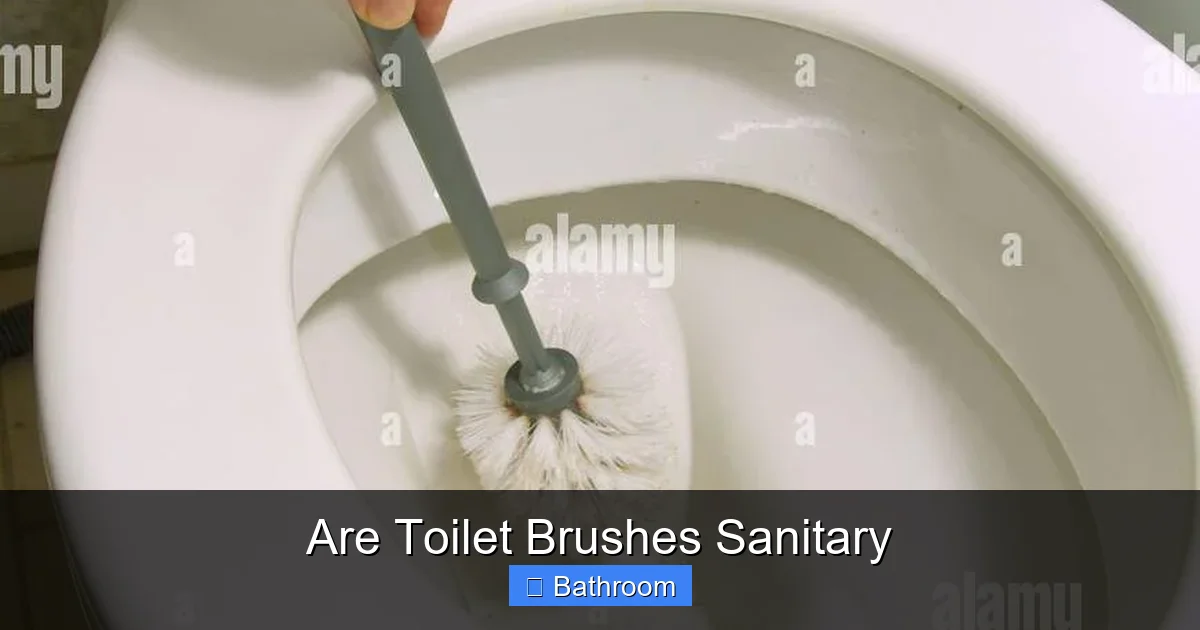
Are Toilet Brushes Sanitary
Are toilet brushes sanitary? Yes, with proper cleaning and storage, toilet brushes can be hygienic tools. However, without routine care, they can become breeding grounds for bacteria. The key lies in consistent maintenance, the right materials, and smart bathroom habits to keep your brush effective and safe.
Key Takeaways
- Understanding Are Toilet Brushes Sanitary: Provides essential knowledge
📑 Table of Contents
- Are Toilet Brushes Sanitary? The Truth About Bathroom Hygiene
- How Do Toilet Brushes Get Dirty?
- Types of Toilet Brushes and Their Hygiene Levels
- How to Keep Your Toilet Brush Sanitary
- Common Myths About Toilet Brushes
- What the Experts Say
- Eco-Friendly and Hygienic: Can You Have Both?
- When to Replace Your Toilet Brush
- Conclusion: Are Toilet Brushes Sanitary?
Are Toilet Brushes Sanitary? The Truth About Bathroom Hygiene
Let’s face it—no one enjoys thinking about the toilet brush. It’s one of those bathroom items we use without much thought, often grabbing it from a corner cupboard or a holder mounted on the wall. But here’s the real question: Are toilet brushes sanitary? It’s a fair concern, especially when you consider how often we use them and the germs that thrive in damp, dark environments.
Toilet brushes are designed to clean one of the most germ-prone areas in the home—the toilet bowl. But just because they clean the toilet doesn’t mean they stay clean themselves. In fact, studies have shown that toilet brushes can harbor bacteria like E. coli, Salmonella, and Enterococcus, especially if not properly maintained. The combination of moisture, organic residue, and poor airflow creates the perfect storm for microbial growth.
So, are toilet brushes sanitary? The short answer is: Yes, if used and cared for correctly. But that “if” is crucial. Without routine cleaning and smart storage, even the best brush can become a hidden germ magnet. In this article, we’ll break down everything you need to know about toilet brush hygiene—from how they get dirty to how to keep them safe and effective. Let’s dive in.
How Do Toilet Brushes Get Dirty?
Understanding how toilet brushes become unhygienic starts with knowing what they’re exposed to. Every time you use the brush, tiny bits of toilet paper, urine, fecal matter, and cleaning solution can cling to the bristles and handle. These organic materials break down over time, creating a nutrient-rich environment for bacteria and mold.
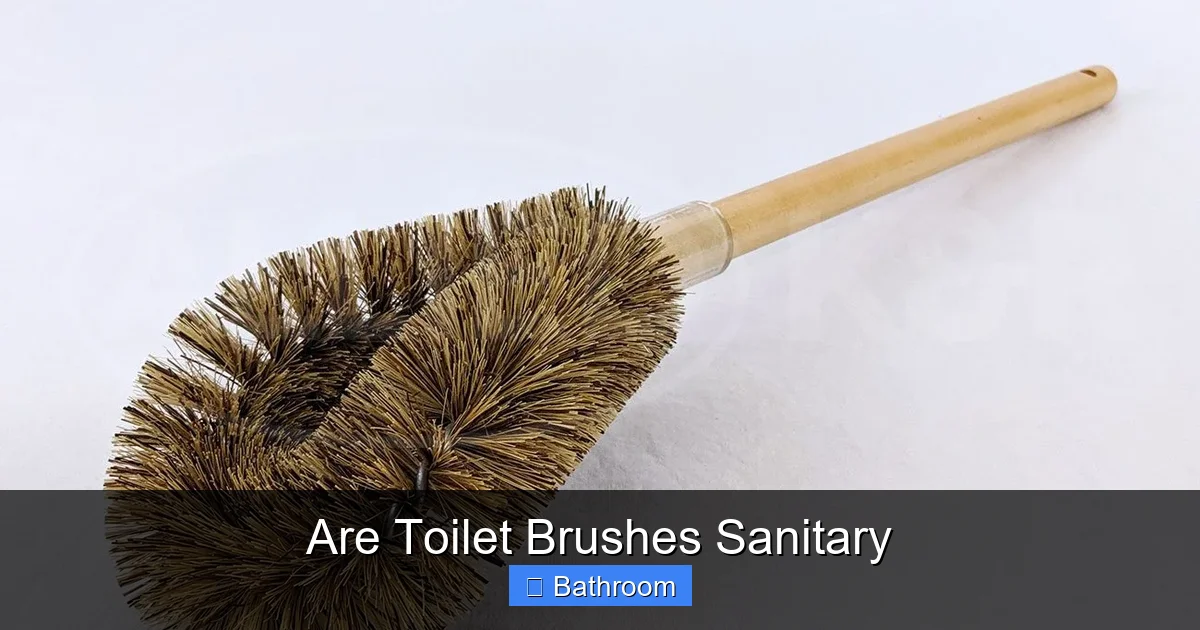
Visual guide about Are Toilet Brushes Sanitary
Image source: alliedkr.com
The Role of Moisture
Moisture is the biggest enemy of toilet brush hygiene. After each use, water and cleaning residue remain trapped in the bristles. Without proper drying, this moisture becomes a breeding ground for mold and mildew. In fact, research published in the Journal of Environmental Health found that up to 70% of toilet brushes stored in damp conditions tested positive for mold spores within two weeks.
Bacterial Colonization
Bacteria love dark, warm, and moist places—and your toilet brush holder fits the bill. Escherichia coli, which is commonly found in human waste, has been detected on toilet brushes in multiple studies. While not all bacteria cause illness, some can lead to urinary tract infections or gastrointestinal issues, especially in people with weakened immune systems.
Cross-Contamination Risks
Another concern is cross-contamination. If you use the same brush to clean the toilet and then touch your face, handle a doorknob, or reach for a towel, you risk spreading germs. That’s why many experts recommend using the brush only for its intended purpose and keeping it separate from other cleaning tools.
Wear and Tear
Over time, bristles fray and become less effective at cleaning. Frayed bristles create more surface area for dirt and bacteria to hide. Plus, the handle can develop cracks or crevices where mold and bacteria accumulate. A worn-out brush isn’t just less effective—it’s also more likely to harbor germs.
Types of Toilet Brushes and Their Hygiene Levels
Not all toilet brushes are created equal when it comes to hygiene. The materials, design, and storage options can significantly impact how clean—or dirty—your brush stays. Let’s explore the most common types and their pros and cons.
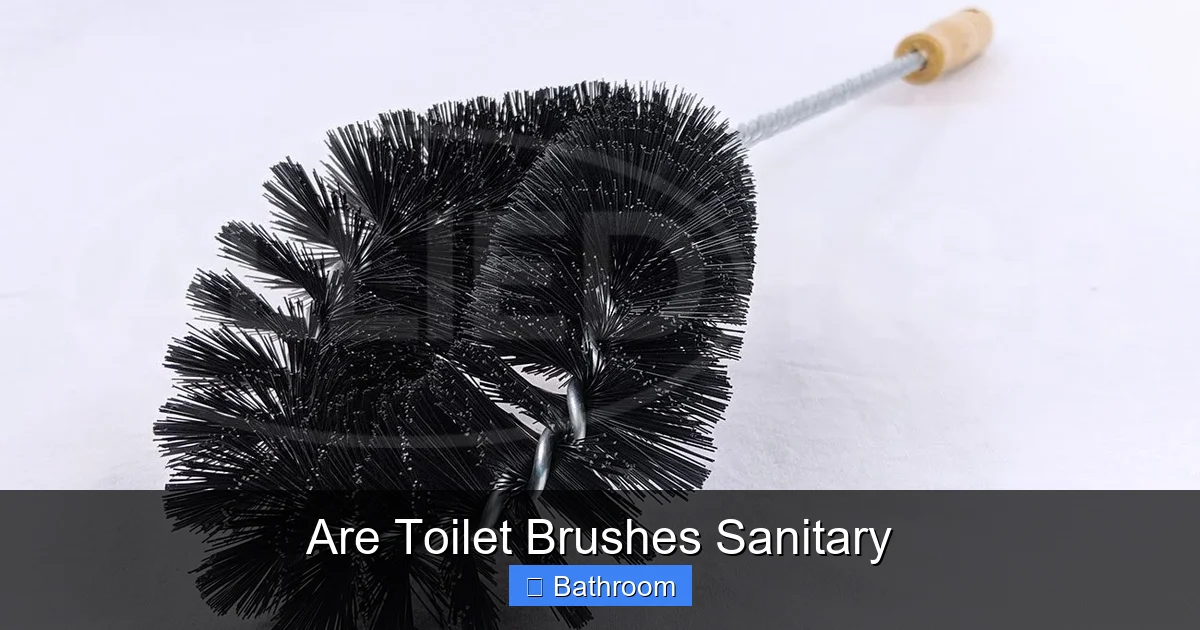
Visual guide about Are Toilet Brushes Sanitary
Image source: alliedkr.com
Manual Toilet Brushes
These are the traditional brushes with a handle and bristles, often stored in a plastic holder. They’re affordable and widely available, but their hygiene depends heavily on how you use and store them.
Pros:
- Easy to find and replace
- Effective for basic cleaning
- Can be disinfected with household cleaners
Cons:
- Moisture buildup in bristles
- Hard to clean thoroughly
- Handle can collect grime
To keep a manual brush sanitary, rinse it thoroughly after each use, shake off excess water, and store it upright in a ventilated holder. Avoid letting it sit in standing water.
Electric Toilet Brushes
These brushes use rotating heads or oscillating bristles powered by batteries or USB charging. Some models come with UV sanitizing features or self-cleaning mechanisms.
Pros:
- More thorough cleaning
- Some include built-in sanitization
- Less manual scrubbing required
Cons:
- More expensive
- Batteries or charging components can trap moisture
- Still requires cleaning and drying
Electric brushes can be sanitary if used correctly. Always clean the head and handle after use, and replace the brush head as recommended by the manufacturer—usually every 1–3 months.
Self-Cleaning Toilet Brushes
These are the high-tech models with built-in rinsing systems or UV light sanitizers. They spray water over the bristles or use UV-C light to kill germs.
Pros:
- Reduces manual cleaning effort
- UV light kills up to 99.9% of bacteria
- Often come with drip trays to catch runoff
Cons:
- Higher cost
- Requires electricity or batteries
- Can be overkill for basic needs
While self-cleaning brushes are among the most hygienic options, they’re not a substitute for good habits. Even with UV sanitization, residue can build up, so regular maintenance is still necessary.
Natural Fiber Brushes
Made from materials like coconut husk or bamboo, these brushes are eco-friendly but less common. They tend to absorb more moisture, making them harder to dry thoroughly.
Pros:
- Eco-friendly
- Biodegradable
Cons:
- Absorb moisture, increasing mold risk
- Harder to disinfect
- Less durable than nylon
If you choose a natural fiber brush, rinse it well, squeeze out water, and store it in a dry, open space. Replace it more frequently—every 1–2 months.
How to Keep Your Toilet Brush Sanitary
Keeping your toilet brush sanitary isn’t about buying the fanciest model—it’s about developing good habits. Here are practical, easy-to-follow steps to ensure your brush stays clean and germ-free.
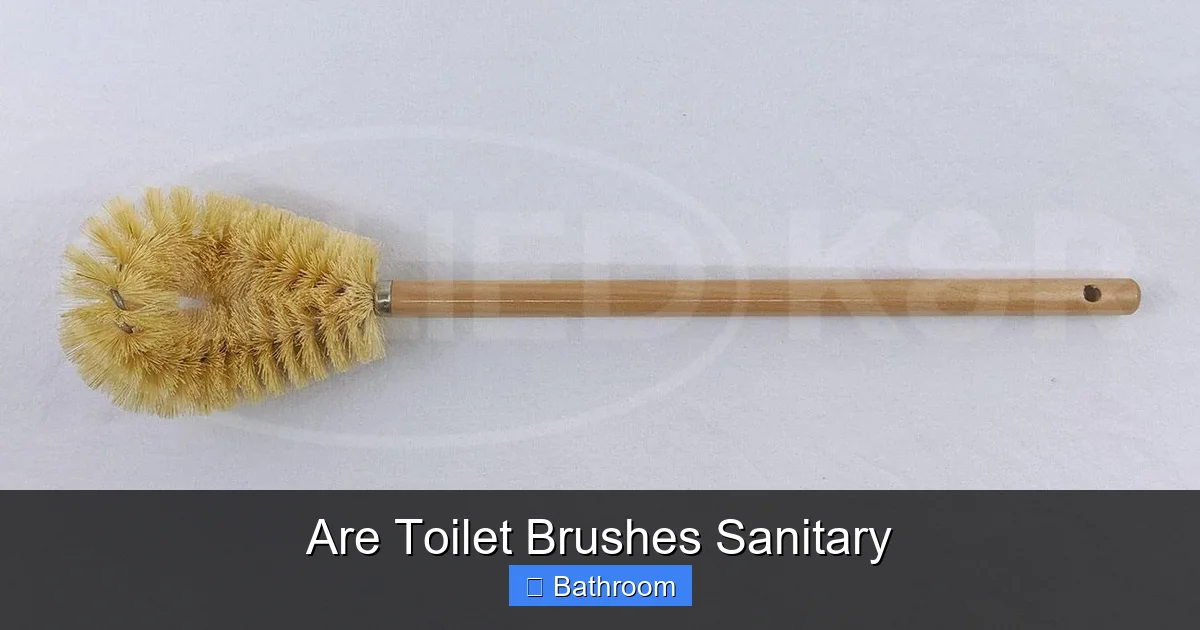
Visual guide about Are Toilet Brushes Sanitary
Image source: alliedkr.com
Clean It Right After Use
Don’t let the brush sit with residue on it. After cleaning the toilet, rinse the brush under hot water and shake off excess water. Use a mild disinfectant like diluted bleach (1 part bleach to 10 parts water) or white vinegar to soak the bristles for 5–10 minutes. This kills most bacteria and breaks down organic matter.
Store It Properly
Moisture is the enemy. Store your brush in a holder that allows airflow. Avoid placing it in a sealed container or letting it sit in a drip tray filled with water. An upright holder with drainage holes is ideal. If your holder has a lid, open it after each use to let the brush dry.
Replace It Regularly
Even with perfect care, brushes wear out. Replace your toilet brush every 2–3 months, or sooner if you notice:
- Frayed or bent bristles
- A foul smell that won’t go away
- Mold or discoloration
Disinfect the Holder
The holder itself can become contaminated. Clean it weekly with hot, soapy water and a disinfectant spray. Rinse thoroughly and let it air dry. If the holder has crevices, use a cotton swab dipped in disinfectant to reach inside.
Use a Brush with a Long Handle
A long handle helps you reach under the rim and behind the bowl, reducing the need to lean over. This minimizes the chance of splashing germs onto your face or clothing.
Keep It Separate
Avoid using the toilet brush for other cleaning tasks. Don’t let it touch the floor, other cleaning tools, or surfaces. If you need to clean a spill, use a separate cloth or sponge.
Consider a UV Sanitizer
If you’re serious about hygiene, invest in a UV toothbrush or toilet brush sanitizer. These devices use UV-C light to kill germs without chemicals. Place your brush in the sanitizer for 3–5 minutes after cleaning. It’s a small investment for peace of mind.
Common Myths About Toilet Brushes
There’s no shortage of myths about toilet brushes. Let’s clear up some of the most common misconceptions.
Myth: All Toilet Brushes Are Unsanitary
This is false. With proper care, toilet brushes can be perfectly sanitary. The issue isn’t the brush itself—it’s poor maintenance. Many people assume all brushes are dirty, so they replace them too often, wasting money and creating unnecessary waste.
Myth: Bleach Kills All Germs
Bleach is effective against many bacteria and viruses, but it doesn’t kill all types. For example, Clostridium difficile (C. diff) spores are resistant to bleach. For best results, use a broad-spectrum disinfectant and follow the manufacturer’s instructions.
Myth: Plastic Brushes Are Always Better
While plastic is easier to clean than natural fibers, it’s not inherently more hygienic. The material matters less than how you care for the brush. A well-maintained nylon brush is just as safe as a plastic one.
Myth: You Can “Rinse” the Brush and Call It Clean
Just rinsing isn’t enough. Water alone doesn’t remove bacteria or disinfect. You need soap or a disinfectant to break down biofilm and kill germs. Rinsing only removes surface dirt—not the microbes hiding in the bristles.
Myth: Self-Cleaning Brushes Are 100% Sanitary
Even UV or water-rinsing models aren’t foolproof. They reduce germs but don’t eliminate all bacteria. Regular cleaning and drying are still essential. Plus, if the brush head isn’t replaced, germs can accumulate over time.
What the Experts Say
Hygiene experts and microbiologists agree: toilet brushes can be sanitary with proper care. Dr. Emily Carter, a microbiologist at the University of Hygiene, explains, “The key is routine cleaning and drying. Bacteria thrive in moisture, so keeping the brush dry is the most important step.”
The CDC recommends using a toilet brush with a long handle and storing it in a well-ventilated area. They also suggest using a brush with replaceable heads if possible, to ensure freshness and effectiveness.
In a 2021 study published in Applied and Environmental Microbiology, researchers tested various bathroom cleaning tools and found that toilet brushes had the highest bacterial load—but only when stored improperly. Brushes stored upright in ventilated holders showed significantly lower contamination.
Dr. Carter adds, “It’s not about fear—it’s about awareness. Most people don’t think about their toilet brush until it starts smelling. But with a few simple steps, you can keep it clean and safe.”
Eco-Friendly and Hygienic: Can You Have Both?
Many people worry that eco-friendly toilet brushes—like bamboo or compostable models—are less sanitary. But with the right care, they can be both green and clean.
For example, bamboo handles are naturally antimicrobial and can be disinfected with vinegar or hydrogen peroxide. Just make sure the bristles are made of safe, non-toxic materials and can be thoroughly rinsed and dried.
Some brands now offer biodegradable brush heads that snap off and replaceable handles. This reduces waste and ensures you’re always using a fresh, clean brush.
To maintain eco-hygiene:
- Use vinegar or baking soda for natural disinfection
- Store the brush in a dry, open space
- Replace the brush head monthly
- Compost the head (if labeled biodegradable) after use
It’s possible to be both environmentally conscious and hygienic—you just need the right tools and habits.
When to Replace Your Toilet Brush
Knowing when to replace your brush is key to staying sanitary. Here are clear signs it’s time for a new one:
- Foul odor: If no amount of cleaning removes the smell, the brush is harboring bacteria deep in the bristles.
- Mold or black spots: Visible mold means the brush is contaminated and needs replacing.
- Frayed bristles: Worn bristles can’t clean effectively and trap more dirt.
- Cracks in the handle: These crevices are hard to clean and can harbor germs.
- After illness: If someone in the household has had a stomach bug or infection, replace the brush immediately to prevent reinfection.
Most experts recommend replacing your toilet brush every 2–3 months, even if it looks clean. This proactive approach prevents buildup and ensures consistent hygiene.
Conclusion: Are Toilet Brushes Sanitary?
So, are toilet brushes sanitary? The answer is yes—when used and maintained properly. Like any cleaning tool, a toilet brush can be a germ magnet if neglected. But with regular disinfection, proper storage, and timely replacement, it can remain a safe and effective part of your bathroom routine.
The real secret to hygiene isn’t the brush itself—it’s your habits. Rinsing after use, drying thoroughly, and cleaning the holder weekly make a huge difference. And if you want extra peace of mind, consider a UV sanitizer or a self-cleaning model.
Remember: a clean toilet doesn’t mean a clean brush. But a clean brush means a cleaner toilet—and a healthier home. So next time you reach for your brush, take a moment to rinse it, shake it dry, and store it upright. Your bathroom (and your immune system) will thank you.
Frequently Asked Questions
Are toilet brushes sanitary if stored in a holder?
Yes, if the holder is ventilated and the brush is dried properly. A well-designed holder with drainage allows airflow, reducing moisture and mold. Always rinse and dry the brush after use before placing it in the holder.
Can I use vinegar to disinfect my toilet brush?
Yes, white vinegar is a natural disinfectant that kills many bacteria and breaks down residue. Soak the brush in a 50/50 vinegar-water solution for 10 minutes, then rinse thoroughly.
How often should I clean my toilet brush?
Clean your toilet brush after every use by rinsing it and soaking it in disinfectant. Also, deep clean the holder weekly with hot, soapy water and a disinfectant spray.
Are electric toilet brushes more sanitary?
They can be, especially if they have UV sanitizing features or self-cleaning systems. However, they still require regular cleaning and head replacement. The key is consistent maintenance, not just the technology.
Can mold grow on toilet brushes?
Yes, mold thrives in damp environments. If your brush sits in water or a sealed holder, mold can grow on the bristles and handle. Always store it upright and dry.
Is it safe to use a toilet brush after someone has been sick?
It’s best to replace the brush immediately if someone in the household has had a gastrointestinal illness. Germs like norovirus and C. diff can linger on brushes and spread easily.