How to Store Toilet Brush
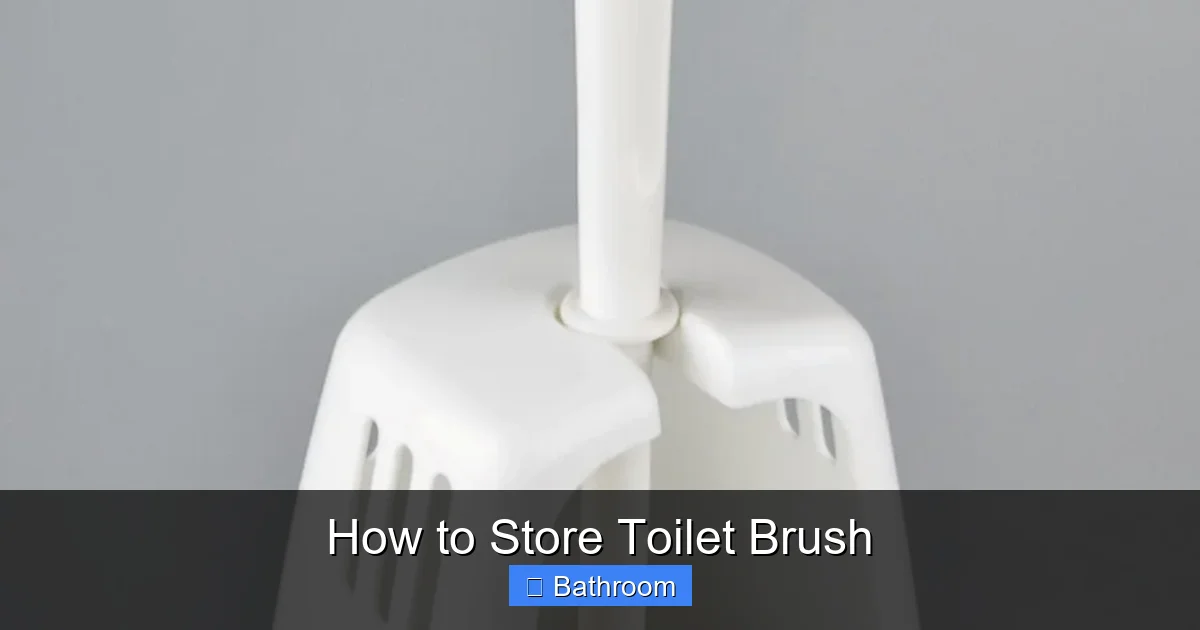
Storing your toilet brush properly is essential for maintaining hygiene and preventing odors in your bathroom. A clean, dry, and discreet storage system not only extends the life of your brush but also keeps your space looking tidy. Whether you choose a wall-mounted holder, a hidden cabinet, or a stylish caddy, the right solution makes a big difference.
Key Takeaways
- Choose a ventilated or enclosed storage: Proper airflow prevents mold and bacteria buildup, while enclosed storage hides the brush for a cleaner look.
- Install a wall-mounted brush holder: Saves space, keeps the brush upright and dry, and adds a modern touch to your bathroom decor.
- Use a dedicated caddy or tray: A small container with drainage keeps the brush secure and prevents water from splashing onto your floor.
- Store the brush away from direct water sources: Avoid placing it near the toilet rim or in standing water to reduce contamination.
- Clean and dry the brush after each use: Always rinse thoroughly and let it air-dry before storing to maintain hygiene.
- Consider stylish, waterproof options: Glass, stainless steel, or silicone holders offer durability and aesthetic appeal.
- Rotate or replace brushes regularly: Even with proper storage, replace brushes every 3–6 months to ensure optimal cleanliness.
📑 Table of Contents
- How to Store Toilet Brush: A Complete Guide to Clean, Dry, and Stylish Solutions
- Why Proper Toilet Brush Storage Matters
- Choosing the Best Type of Toilet Brush Storage
- Step-by-Step: How to Store Your Toilet Brush Correctly
- Creative and Stylish Storage Ideas
- Common Mistakes to Avoid
- Eco-Friendly and Low-Cost Storage Solutions
- Maintaining Hygiene Beyond Storage
- Final Thoughts: Small Changes, Big Impact
How to Store Toilet Brush: A Complete Guide to Clean, Dry, and Stylish Solutions
Let’s face it—no one enjoys thinking about where their toilet brush lives when it’s not in use. But the truth is, how you store your toilet brush matters more than you might think. A poorly stored brush can become a breeding ground for bacteria, spread unpleasant odors, and clutter your bathroom. On the other hand, a well-organized storage system keeps your brush clean, dry, and out of sight—without sacrificing style.
In this comprehensive guide, we’ll walk you through everything you need to know about how to store toilet brush effectively. From choosing the right holder to maintaining hygiene habits, we’ll cover practical tips, creative ideas, and even stylish upgrades that turn a necessary chore into a bathroom design opportunity. Whether you’re dealing with a small powder room or a spacious master bath, you’ll find solutions that fit your space, lifestyle, and aesthetic.
Why Proper Toilet Brush Storage Matters
At first glance, storing a toilet brush might seem like a minor detail. But think about it: your toilet brush is one of the most frequently used cleaning tools in your home. Every time you use it, it picks up bacteria, waste, and moisture. If it’s left standing in a puddle or stored in a damp, enclosed space, those microbes can multiply rapidly.
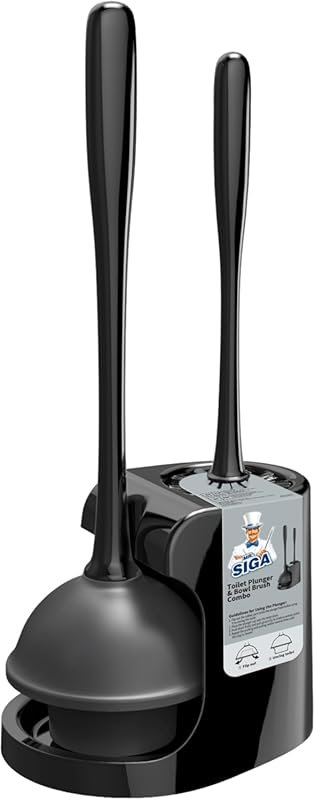
Visual guide about How to Store Toilet Brush
Image source: storables.com
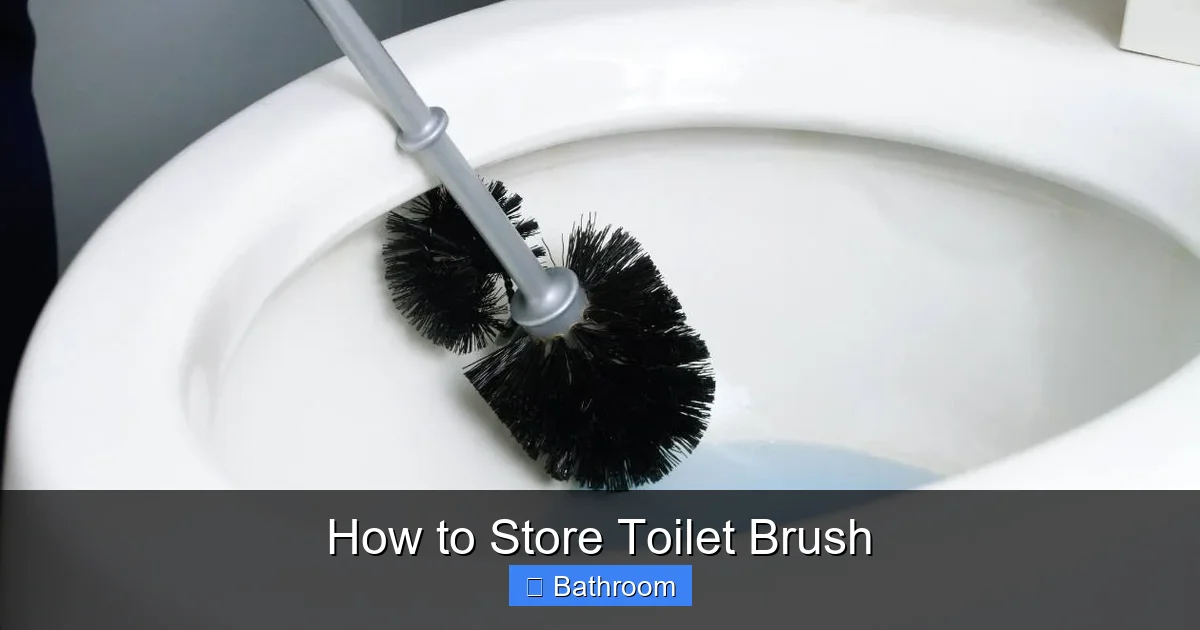
According to microbiologists, toilet brushes can harbor harmful bacteria like E. coli and Salmonella, especially if they’re not cleaned and dried properly after each use. When these bacteria dry and harden on the bristles, they become nearly impossible to remove with regular cleaning. Over time, this not only compromises hygiene but can also lead to unpleasant smells and even cross-contamination in your bathroom.
But it’s not just about germs. A poorly stored brush can also damage your bathroom decor. Water dripping onto the floor, bristles getting caught in cabinets, or a visibly dirty brush ruining your clean aesthetic—these are all common problems. The good news? With the right storage system, you can solve both hygiene and design challenges at once.
Choosing the Best Type of Toilet Brush Storage
When it comes to how to store toilet brush, you’ll find several options—each with pros and cons. The key is to balance functionality, hygiene, and aesthetics. Let’s break down the most effective storage methods.
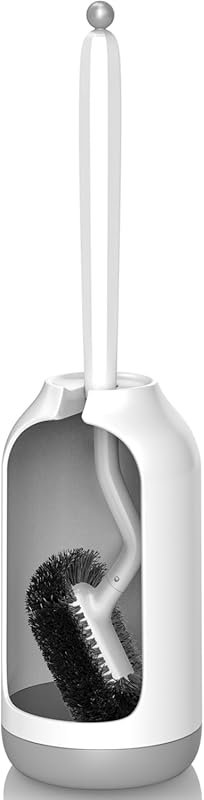
Visual guide about How to Store Toilet Brush
Image source: soko.com.au
Wall-Mounted Holders: Space-Saving and Hygienic
One of the most popular and practical solutions is a wall-mounted toilet brush holder. These come in various styles—stainless steel, brushed nickel, matte black, or even glass. They’re installed directly on the wall, usually behind or beside the toilet, and hold the brush upright in a small cup or slot.
Why wall-mounted holders work so well:
- They keep the brush dry: By standing upright, the brush sheds water quickly, reducing moisture buildup.
- They promote airflow: Unlike enclosed cabinets, wall-mounted holders allow air to circulate around the bristles, preventing mold.
- They save floor space: No clutter on the floor or countertop—perfect for small bathrooms.
- They’re easy to clean: Just wipe down the holder and replace the brush cover or liner when needed.
Pro tip: Look for holders with a replaceable liner or sleeve. These plastic or silicone inserts can be removed and washed weekly, adding an extra layer of hygiene without replacing the entire holder.
Enclosed Cabinets: Discreet and Dust-Free
If you prefer a more hidden storage solution, consider installing a small enclosed cabinet or niche near the toilet. This could be a built-in medicine cabinet with a dedicated brush slot or a freestanding storage unit.
Benefits of enclosed storage:
- Keeps the brush out of sight: No more unsightly brushes cluttering your decor.
- Protects from dust and debris: Especially useful in homes with pets or kids.
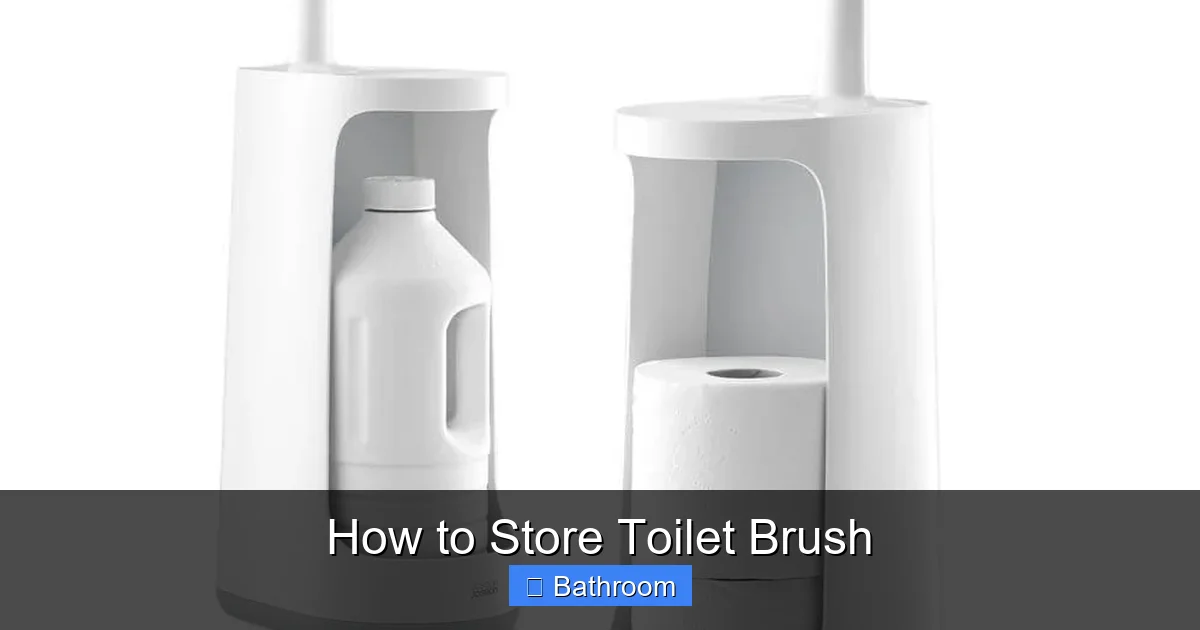
- Can double as storage: Some cabinets include shelves for extra toilet paper, cleaning supplies, or personal items.
However, be cautious: Enclosed spaces can trap moisture if not properly ventilated. Make sure the cabinet has a small gap at the bottom or a vent to allow airflow. Otherwise, condensation can build up, leading to mold and odors.
Freestanding Caddies and Trays: Portable and Flexible
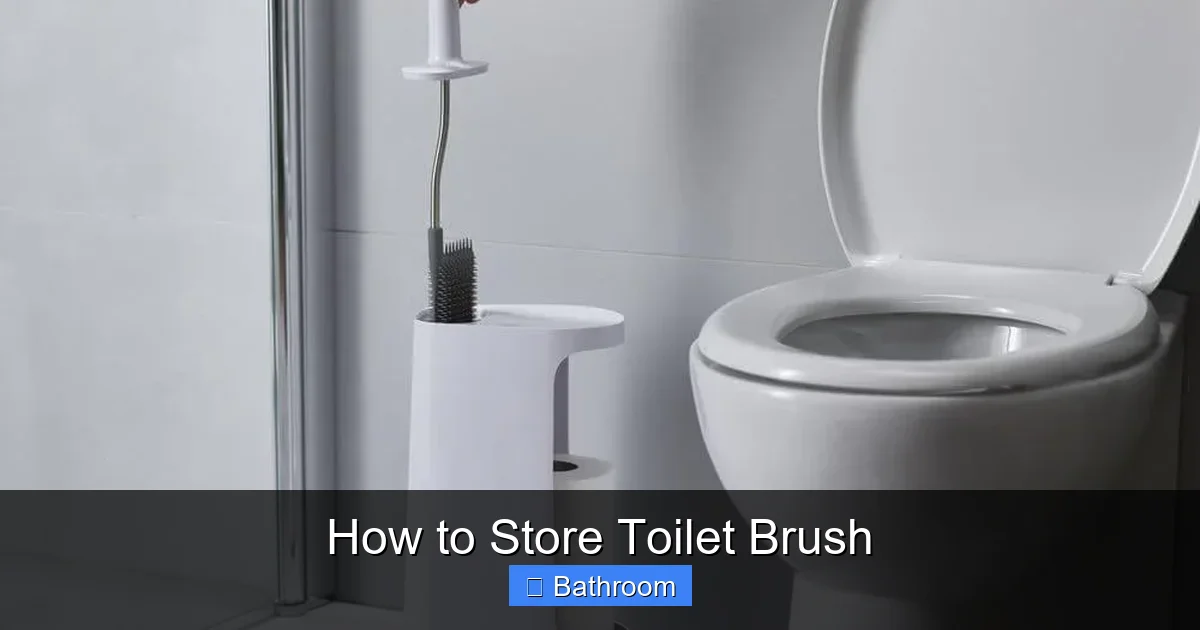
For renters or those who want flexibility, a freestanding toilet brush caddy or tray is a great option. These are usually made of plastic, stainless steel, or silicone and sit on the floor or countertop.
What to look for in a caddy:
- Drainage holes: These allow water to drip away instead of pooling at the bottom.
- Non-slip base: Prevents the caddy from tipping over.
- Easy-to-clean materials: Choose smooth surfaces that wipe clean without trapping grime.
While caddies are convenient, they take up floor space and may not look as sleek as wall-mounted options. Still, they’re ideal for bathrooms with limited wall space or for those who like to move their cleaning supplies around.
Step-by-Step: How to Store Your Toilet Brush Correctly
Now that you know the types of storage available, let’s walk through the best practices for storing your toilet brush to keep it clean, dry, and functional.
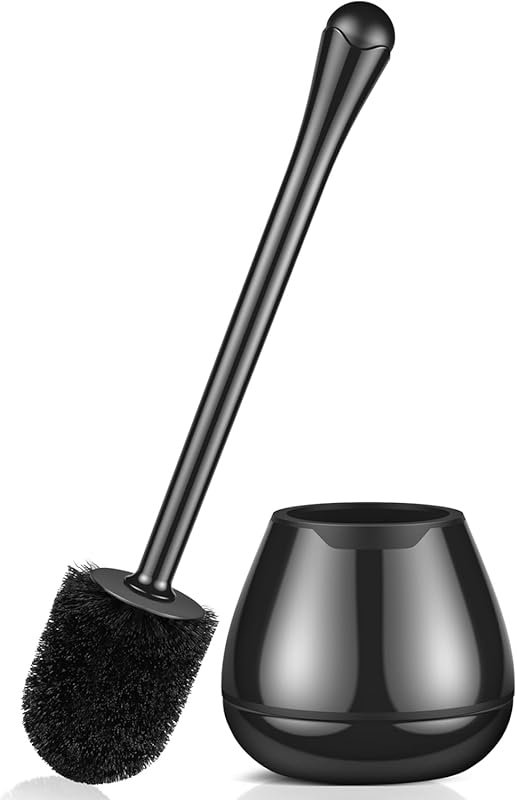
Visual guide about How to Store Toilet Brush
Image source: soko.com.au
Step 1: Clean the Brush Thoroughly After Use
Before storing your brush, it must be clean. After each use, rinse it under running water to remove any visible residue. Then, scrub the bristles with a mild disinfectant or a mixture of water and vinegar. Let it soak for 10–15 minutes to kill lingering bacteria.
Pro tip: Use a dedicated brush cleaner or a small brush specifically for cleaning the toilet brush itself—never use the same brush for other surfaces.
Step 2: Rinse and Shake Off Excess Water
After cleaning, hold the brush upright and run it under hot water for 30 seconds. Then, give it a firm shake to remove excess moisture. This step is crucial—water left on the bristles can lead to mold or mildew.
Step 3: Place the Brush in the Storage Unit
Once dry, insert the brush into your chosen storage system. For wall-mounted holders, make sure the bristles are fully seated and the handle is secure. For enclosed cabinets, ensure there’s enough space for air to circulate around the brush.
Step 4: Clean and Maintain the Storage Area
Weekly, wipe down the inside of your brush holder or caddy with a disinfectant wipe or soapy water. Replace any liner or sleeve if it becomes discolored or smells. For enclosed cabinets, check for condensation or mold and address it immediately.
Step 5: Replace the Brush Regularly
Even with perfect storage, toilet brushes wear out. Replace your brush every 3 to 6 months, or sooner if the bristles become frayed or stiff. A worn brush is less effective and more likely to spread germs.
Creative and Stylish Storage Ideas
Who says bathroom storage has to be boring? With a little creativity, you can turn your toilet brush holder into a design statement.
Upgrade to a Designer Holder
Modern bathroom fixtures come in a wide range of styles. Consider a matte black stainless steel holder for a sleek, contemporary look, or a glass jar with a bamboo lid for a natural, spa-like feel. Some brands even offer smart holders with UV sanitization—a high-tech option for germaphobes.
DIY Hidden Storage
For the crafty homeowner, consider building a custom niche into your bathroom wall. Use waterproof materials like tile, acrylic, or resin to create a small, recessed area behind the toilet. Line it with a silicone mat or liner for easy cleaning.
Use a Decorative Basket or Can
If you’re going for a rustic or farmhouse style, a wicker basket or vintage metal can can double as a stylish storage solution. Just place it on the floor or under the sink and keep a lid on it when not in use.
Coordinate with Bathroom Theme
Match your brush holder to your bathroom’s color scheme. For example, a white ceramic holder fits a minimalist or Scandinavian design, while a brushed copper holder adds warmth to a traditional or vintage-inspired space.
Common Mistakes to Avoid
Even with the best intentions, many people make simple errors when storing their toilet brush. Here are the most common mistakes—and how to fix them.
Mistake 1: Storing the Brush in a Puddle
Leaving the brush in a bowl of water or standing in a puddle after use is a major hygiene risk. Water creates the perfect environment for bacteria to grow. Always store the brush upright and dry.
Mistake 2: Using a Non-Ventilated Enclosure
A sealed cabinet without airflow traps moisture. Over time, this leads to mold and a musty smell. Choose a ventilated design or leave a small gap at the bottom.
Mistake 3: Not Cleaning the Holder
The storage unit itself can become dirty. Bacteria and soap scum can build up in the crevices of the holder. Clean it weekly with disinfectant.
Mistake 4: Using the Same Brush for Other Surfaces
Never use your toilet brush to clean mirrors, floors, or countertops. Keep it dedicated to the toilet only.
Mistake 5: Ignoring Replacement Timelines
Using a worn-out brush defeats the purpose of cleaning. Replace your brush every 3–6 months.
Eco-Friendly and Low-Cost Storage Solutions
You don’t need to spend a fortune to store your toilet brush properly. Here are some budget-friendly and sustainable options.
Use a Repurposed Jar
An old glass jar or mason jar can be cleaned and used as a brush holder. Just make sure it’s dishwasher-safe and has a wide enough opening for easy access. Add a small piece of mesh or a lid with holes for ventilation.
Make a DIY Liner
Cut a small piece of silicone baking mat or waterproof fabric to fit inside your holder. This creates a removable, washable barrier that’s easy to replace.
Choose Bamboo or Recycled Materials
Look for holders made from bamboo, recycled plastic, or stainless steel. These materials are durable, eco-conscious, and often come with a lower environmental impact.
Opt for Refillable Liners
Instead of buying a new holder every time the liner wears out, choose a system with interchangeable liners. This reduces plastic waste and saves money in the long run.
Maintaining Hygiene Beyond Storage
Proper storage is just one piece of the puzzle. To truly keep your bathroom clean, you need good habits.
Clean the Brush After Every Use
Don’t wait until the brush is visibly dirty. Rinse and disinfect it immediately after each use.
Wash Your Hands
Always wash your hands with soap and water after handling the brush, even if you’ve cleaned it.
Disinfect the Toilet Regularly
Use a disinfectant spray or wipes to clean the toilet bowl, seat, and surrounding area weekly. This reduces the need for frequent brush use and extends the time between cleanings.
Keep a Cleaning Schedule
Set a reminder to deep-clean your brush holder and replace liners every month. This small habit prevents buildup and keeps everything smelling fresh.
Final Thoughts: Small Changes, Big Impact
Storing your toilet brush properly may seem like a minor detail, but it has a big impact on your bathroom’s cleanliness, odor, and overall appearance. By choosing the right storage system, maintaining good hygiene habits, and investing in a quality brush and holder, you can transform a necessary chore into a seamless part of your daily routine.
Whether you go with a sleek wall-mounted holder, a hidden cabinet, or a stylish freestanding caddy, the key is consistency. Clean the brush after each use, dry it thoroughly, and store it in a ventilated, discreet location. With these simple steps, you’ll never have to worry about bacteria, odors, or clutter again.
Remember: a clean bathroom starts with a clean brush—and the right way to store it.
Frequently Asked Questions
Can I store my toilet brush in a cabinet?
Yes, but only if the cabinet is well-ventilated. Enclosed spaces can trap moisture and promote mold. Leave a small gap at the bottom or choose a cabinet with airflow to keep your brush dry and hygienic.
How often should I clean my toilet brush holder?
Clean the holder weekly with a disinfectant wipe or soapy water. Pay special attention to crevices where bacteria and soap scum can build up. Replace any liner or sleeve monthly.
Is it safe to leave the brush in the toilet tank?
No, never store your brush in or near the toilet tank. The water can splash onto the brush, and the enclosed space promotes bacterial growth. Always store it upright and dry in a dedicated holder.
Can I use a regular plastic container to store my brush?
It’s possible, but only if the container has drainage holes and is made of food-grade, non-porous plastic. Avoid containers that trap water or have rough surfaces where bacteria can hide.
How long do toilet brushes last?
Most toilet brushes last 3 to 6 months, depending on usage and material. Replace it sooner if the bristles become frayed or the handle cracks. Regular cleaning can extend its life slightly.
Should I cover my toilet brush when storing it?
Not necessarily. A ventilated holder or open caddy allows air to circulate and keeps the brush dry. Covering it can trap moisture and lead to mold. If you use a liner, make sure it’s removable and washable.