What Not to Clean with Microfiber
Microfiber is a powerful cleaning tool—but only when used correctly. Using it on the wrong surfaces or with the wrong products can damage finishes, spread bacteria, or leave streaks. This guide reveals exactly what not to clean with microfiber, so you can keep your home sparkling without costly mistakes.
Microfiber cloths have become a staple in modern homes, praised for their ability to trap dust, dirt, and moisture without scratching surfaces. They’re lightweight, reusable, and surprisingly effective—especially when used correctly. But here’s the catch: just because microfiber is versatile doesn’t mean it’s safe for every cleaning task. In fact, using microfiber on the wrong surfaces or with the wrong materials can do more harm than good. From dulling finishes to spreading germs, improper use can turn a cleaning win into a household headache.
This guide dives deep into what not to clean with microfiber, helping you protect your investments and maintain a truly clean home. Whether you’re cleaning glass, electronics, or kitchen counters, knowing the limits of microfiber is just as important as knowing its strengths. We’ll walk through common mistakes, explain why they matter, and offer smart alternatives so you can clean smarter—not harder.
Key Takeaways
- Microfiber is not for abrasive surfaces: Avoid using microfiber on cast iron, stone, or uncoated metal, as it can scratch or dull the finish.
- Don’t use microfiber with harsh chemicals: Strong solvents like bleach, ammonia, or acetone can degrade microfiber fibers and reduce their effectiveness.
- Skip microfiber on delicate electronics: Screens and devices should be cleaned with static-free or anti-static cloths to prevent damage.
- Avoid using microfiber on food-contact surfaces: It can trap bacteria if not properly sanitized, posing health risks.
- Never use microfiber with sticky or oily substances: Residue builds up quickly and reduces absorbency and cleaning power.
- Don’t use microfiber on painted walls: It can strip paint or leave lint behind, especially if the cloth is damp.
- Proper storage is key: Storing damp microfiber can lead to mold and odor, making it unsafe for future use.
📑 Table of Contents
- Why Microfiber Is So Popular—And Why It Can Be Dangerous When Misused
- What Not to Clean with Microfiber: Common Surfaces and Why
- What Not to Clean with Microfiber: Common Cleaning Agents
- What Not to Clean with Microfiber: Hygiene and Health Risks
- How to Properly Clean and Maintain Microfiber Cloths
- Safe Alternatives to Microfiber for Specific Cleaning Tasks
- Conclusion: Clean Smarter, Not Harder
Why Microfiber Is So Popular—And Why It Can Be Dangerous When Misused
Microfiber is made from ultra-fine synthetic fibers, usually a blend of polyester and polyamide. These fibers are split during manufacturing, creating tiny hooks that grab dust and dirt like a magnet. That’s why microfiber cloths are so effective at cleaning without water or chemicals—they don’t just wipe away messes; they actually pull them in.
But popularity comes with responsibility. Because microfiber is so absorbent and slightly abrasive, it’s easy to assume it’s safe for every surface. That’s a dangerous assumption. For example, many people use the same microfiber cloth to wipe down kitchen counters, clean eyeglasses, and polish car interiors—without realizing that each task requires different tools and techniques. Cross-contamination, surface damage, and reduced cloth lifespan are all risks of misuse.
Understanding what not to clean with microfiber starts with knowing how it works. Microfiber is great for dry dusting, glass, and stainless steel because it leaves no streaks. But when used on porous or delicate materials, it can absorb too much moisture, leave lint, or even scratch microscopic surfaces. The key is matching the cloth to the task—and knowing when to switch tools.
What Not to Clean with Microfiber: Common Surfaces and Why
Visual guide about What Not to Clean with Microfiber
Image source: tidyhere.com
While microfiber excels at cleaning many household surfaces, there are several materials it should never touch. Using it on these surfaces can cause permanent damage or create hygiene hazards.
Cast Iron and Carbon Steel Cookware
Cast iron and carbon steel pans have a seasoned, non-stick coating that’s fragile and easily damaged. Using a microfiber cloth to scrub or wipe these surfaces can strip away the seasoning, leading to rust and poor cooking performance. Instead, use a stiff brush with hot water and a bit of coarse salt for scrubbing, followed by a dry cloth to pat dry.
If you must dry a cast iron pan, use a cotton or linen towel. Microfiber, even when damp, can leave behind fibers that interfere with the seasoning. Also, avoid soaking cast iron in water—microfiber is often used in damp conditions, which is the last thing you want for this type of cookware.
Natural Stone Surfaces (Granite, Marble, Limestone)
Natural stone is porous and sensitive to acidic or abrasive cleaners. Microfiber, especially when damp, can hold moisture that seeps into the stone, causing stains or etching. Over time, this can dull the surface and make it more vulnerable to damage.
Instead of microfiber, use a soft, lint-free cotton cloth with a pH-neutral stone cleaner. Avoid vinegar, lemon juice, or ammonia—these are often used with microfiber but are harmful to stone. Always test a small area first and never use the same cloth for multiple surfaces to prevent cross-contamination.
Uncoated or Bare Metal Surfaces
Bare metal surfaces like chrome, brass, or uncoated aluminum can tarnish or scratch easily. Microfiber, while gentle, can still transfer microscopic abrasives or leave streaks if not rinsed properly. Worse, if the cloth is used across multiple surfaces, it can spread oxidation or corrosion.
For polishing bare metals, use a dedicated metal polish with a soft cloth—ideally cotton or a specialized polishing cloth. Microfiber is better suited for stainless steel with a protective coating, not raw metal.
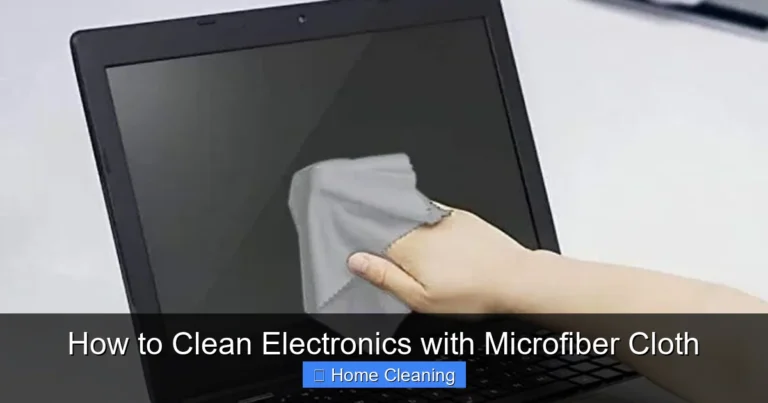
Delicate Electronics (Screens, Keyboards, Laptops)
Electronic screens and components are sensitive to static, moisture, and pressure. While microfiber is often recommended for cleaning screens, not all microfiber cloths are created equal. Some are too abrasive or generate static electricity, which can damage internal components.
Never use a dry microfiber cloth on a device that’s powered on. Instead, use an anti-static screen cleaning cloth or a lens cleaning tissue with a small amount of screen-safe solution. For keyboards and ports, compressed air is safer than any cloth.
Painted Surfaces (Interior Walls, Trim, Furniture)
Painted walls and furniture can be damaged by moisture and friction. A damp microfiber cloth may seem harmless, but over time, it can lift paint, especially on older or poorly sealed surfaces. Additionally, microfiber tends to leave lint on dry, dusty walls—leading to streaks and a need for re-cleaning.
For walls, use a sponge mop or a dry duster. For painted furniture, a soft cotton rag with a mild soap solution is safer. Always test in an inconspicuous area first.
What Not to Clean with Microfiber: Common Cleaning Agents
Visual guide about What Not to Clean with Microfiber
Image source: site-1306369054.file.myqcloud.com
It’s not just the surfaces that matter—what you clean with also affects microfiber performance and safety. Certain chemicals can break down the fibers, reduce absorbency, or create toxic fumes.
Ammonia and Bleach
Ammonia and bleach are powerful cleaners, but they’re also harsh on microfiber. These chemicals can degrade the polyester and polyamide fibers, causing them to break down and lose their electrostatic properties. Over time, this reduces the cloth’s ability to trap dirt and increases lint.
If you must clean with bleach or ammonia, use a separate cloth and rinse it thoroughly afterward. Never mix these chemicals with microfiber—they can also produce dangerous fumes when combined.
Acetone and Other Solvents
Acetone, found in nail polish remover, is extremely damaging to microfiber. It dissolves the synthetic fibers, turning them brittle and ineffective. Using acetone on microfiber can also leave residue that transfers to other surfaces.
For solvent-based cleaning, use a cotton rag instead. Cotton is more absorbent and less likely to be damaged by chemicals.
Harsh Detergents and Fabric Softeners
Using too much detergent or fabric softener when washing microfiber cloths can coat the fibers in residue, reducing their ability to attract and hold dirt. This leads to poor performance and faster wear.
Wash microfiber with a mild detergent—no softeners. Avoid fabric softener sheets, which can clog the tiny fibers and reduce absorbency.
Oily or Sticky Substances
Grease, lotion, and sticky residues don’t mix well with microfiber. These substances coat the fibers, making it harder to clean them later and reducing their effectiveness. Over time, the cloth can develop a greasy film and even start to smell.
For sticky messes, use a paper towel or a sponge with soap and water. Once the mess is gone, clean the microfiber cloth thoroughly before reuse.
What Not to Clean with Microfiber: Hygiene and Health Risks
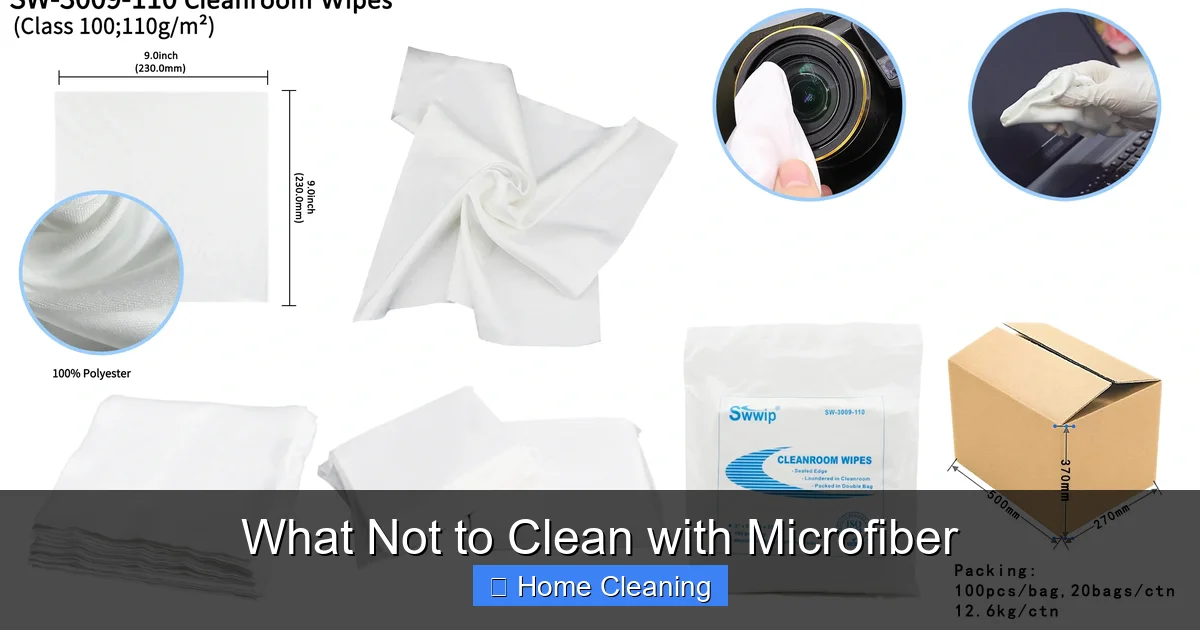
Visual guide about What Not to Clean with Microfiber
Image source: site-1306369054.file.myqcloud.com
Microfiber is excellent at trapping bacteria and allergens—but only if cleaned properly. Using it on food-contact surfaces or failing to sanitize it can lead to cross-contamination and health risks.
Kitchen Surfaces and Utensils
Never use the same microfiber cloth to clean cutting boards and countertops unless it’s been thoroughly sanitized. Raw meat, vegetables, and cleaning products can mix on the cloth, creating a breeding ground for bacteria.
After cleaning food prep areas, wash the microfiber in hot water with antibacterial detergent. Alternatively, use separate cloths for food zones and cleaning zones.
Baby Items and Bathrooms
Microfiber is often used in bathrooms to dry hands and clean mirrors. But if it’s not changed or washed regularly, it can harbor mold, mildew, and bacteria—especially if stored damp.
Change microfiber cloths frequently in high-moisture areas. Wash them after each use and ensure they’re completely dry before storing.
Pet Areas
Pet fur, dander, and waste can cling to microfiber. Using the same cloth to clean pet bowls and litter boxes increases the risk of spreading germs.
Use disposable paper towels for pet messes and reserve microfiber for dry dusting or glass cleaning.
How to Properly Clean and Maintain Microfiber Cloths
Even when used correctly, microfiber cloths need proper care to stay effective. Poor maintenance reduces their lifespan and can lead to mold or odor buildup.
Washing Tips
– Wash microfiber separately from other fabrics to prevent lint transfer.
– Use cold or warm water—hot water can damage the fibers.
– Use a mild detergent—no fabric softeners or bleach.
– Avoid dryer sheets, which coat the fibers and reduce performance.
– Dry on low heat or air dry—high heat can melt the fibers.
Storage Tips
– Always ensure microfiber is completely dry before storing.
– Store in a cool, dry place—avoid damp cabinets or closets.
– Keep separate cloths for different tasks (e.g., glass, kitchen, bathroom).
– Label cloths if needed to avoid cross-use.
When to Replace Microfiber
Even with proper care, microfiber cloths wear out. Replace them when:
– They no longer trap dirt effectively.
– They start shedding fibers.
– They develop a persistent odor that doesn’t go away after washing.
– The edges fray or the cloth becomes stiff.
Safe Alternatives to Microfiber for Specific Cleaning Tasks
Knowing what not to clean with microfiber means understanding when to use other tools. Here are safe alternatives for common cleaning challenges:
For Glass and Mirrors: Microfiber Is Great—But Not All Are Equal
Use a high-quality microfiber cloth designed for glass. Avoid using it on dusty surfaces first—dust can scratch glass when wiped with a dry cloth. Instead, dust first with a feather duster, then wipe with a damp microfiber cloth.
For Electronics: Use Anti-Static Cloths
Anti-static cloths are designed to prevent static discharge, which can damage sensitive electronics. They’re often made from static-dissipative materials and are ideal for screens, cameras, and circuit boards.
For Delicate Fabrics: Use Cotton Rags
Cotton is gentler on fabrics and less likely to leave lint. Use cotton rags for cleaning upholstery, artwork, or antique furniture.
For Heavy Messes: Use Sponges or Scrub Brushes
For sticky or greasy spills, a sponge or scrub brush with soap and water is more effective than microfiber. Microfiber works best for light cleaning and drying.
For Stone and Tile: Use pH-Neutral Cleaners and Cotton Cloths
Always use cleaners labeled safe for natural stone. Avoid microfiber on unsealed stone or grout, as it can spread mold and moisture.
Conclusion: Clean Smarter, Not Harder
Microfiber is a fantastic cleaning tool—when used responsibly. But knowing what not to clean with microfiber is just as important as knowing its strengths. From protecting delicate surfaces to avoiding harmful chemicals, the key to effective cleaning lies in matching the tool to the task.
By avoiding microfiber on cast iron, stone, electronics, and painted surfaces—and steering clear of harsh chemicals and sticky substances—you can extend the life of your cloths and protect your home. Always prioritize hygiene, proper storage, and safe alternatives when needed.
Cleaning doesn’t have to be complicated. With a little knowledge and the right tools, you can keep your home spotless, safe, and beautiful—without the guesswork. So the next time you reach for that microfiber cloth, pause and ask: Is this the best tool for the job? The answer might just save you time, money, and a few cleaning headaches.
Frequently Asked Questions
Can I use microfiber to clean my car’s interior?
Yes, but only on non-porous surfaces like dashboards and vinyl seats. Avoid microfiber on leather or fabric interiors, as it can absorb oils or cause scratches. Use a dedicated car detailing cloth for best results.
Is it safe to use microfiber with vinegar?
No, vinegar is acidic and can break down microfiber over time. It’s also not safe for many surfaces like stone or wood. Use a pH-neutral cleaner instead.
Can microfiber cloths spread germs?
Yes, if not cleaned properly. Microfiber traps bacteria, so always wash it after use, especially on food-contact or bathroom surfaces. Use hot water and antibacterial detergent.
How often should I wash my microfiber cloths?
Wash after each use, especially if used on dirty or sticky surfaces. If used for dry dusting only, wash weekly. Never store damp microfiber.
Can I use microfiber on my smartphone screen?
Only if it’s anti-static or specifically labeled for electronics. Regular microfiber can generate static or leave streaks. Use a screen-safe spray and a lint-free cloth.
What’s the best way to dry microfiber cloths?
Air dry or tumble dry on low heat. High heat can melt the fibers. Ensure they’re completely dry before storing to prevent mold and odors.