Why Does Microfiber Attract Dust

Microfiber attracts dust because of its tiny fibers and electrostatic charge, which naturally pull in particles from the air. This property makes it great for cleaning, but also means it needs regular washing to stay effective. Understanding why microfiber holds onto dust can help you use it more efficiently and extend its lifespan.
Key Takeaways
- Understanding Why Does Microfiber Attract Dust: Provides essential knowledge
Why Does Microfiber Attract Dust?
If you’ve ever noticed that your microfiber cloth seems to collect dust like a magnet—especially after sitting on a counter or in a drawer—you’re not alone. Microfiber is praised for its cleaning power, but its tendency to attract dust can be puzzling. Why does this happen? The answer lies in the science of tiny fibers, static electricity, and surface interactions.
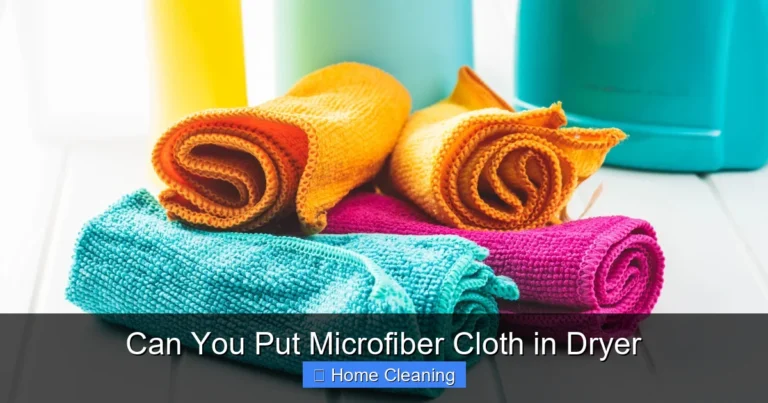
Microfiber is made from ultra-fine synthetic fibers, typically polyester and polyamide (nylon), woven into a dense, non-woven cloth. These fibers are so small—often less than 10 microns in diameter—that they create a massive surface area relative to their size. This high surface area is excellent for trapping dirt, oil, and moisture, which is why microfiber is so effective for cleaning windows, electronics, and countertops. But that same surface area also makes it highly susceptible to attracting and holding onto dust particles from the air.
The Role of Electrostatic Charge
One of the primary reasons microfiber attracts dust is due to electrostatic attraction. When fibers are woven or processed, they can develop a static charge. This charge behaves much like the static electricity you feel when rubbing a balloon on your hair—both create a small electrical imbalance that draws in lightweight particles.
Dust particles in the air are often negatively charged, and microfiber, depending on its construction and material blend, can develop a positive charge. Opposite charges attract, so the microfiber pulls dust toward it. This electrostatic effect is especially strong in low-humidity environments, where static electricity is more likely to build up. In dry rooms, your microfiber cloth might seem to “glow” with dust after just a few hours.
Interestingly, not all microfiber is created equal. Some brands and types are treated to enhance their electrostatic properties, making them even more effective at trapping fine particles. This is why microfiber is often preferred over cotton or other fabrics for precision cleaning—but also why it needs regular maintenance.
Surface Area and Fiber Structure
Let’s talk about size. A single microfiber strand is thinner than a human hair—sometimes even thinner. That means a single cloth can have thousands of fibers per square inch, all working together to create a huge surface area. More surface area equals more places for dust to stick.
But it’s not just the size—it’s the structure. Microfiber fibers are often split, meaning they’re cut into smaller sections during manufacturing. This splitting increases the number of tiny edges and crevices where dust can lodge. Think of it like a sponge with millions of microscopic pockets. Once dust gets in, it’s hard to get out without proper cleaning.
For example, when you use a microfiber cloth to wipe a dusty shelf, the cloth doesn’t just push the dust around. It grabs it. The fibers wrap around each particle, trapping it in their structure. That’s why microfiber is so effective—but also why it quickly becomes dirty and needs washing.
Dust Composition and Environmental Factors
Not all dust is the same. The particles floating in your home come from a mix of sources: skin cells, pet dander, pollen, lint from clothing, and even tiny fragments of paper or plastic. These particles vary in size, charge, and texture—and all of them interact differently with microfiber.
Larger dust clumps may be too heavy to be pulled by static alone, but they can still be caught by the physical structure of the cloth. Meanwhile, smaller, lighter particles—like those from pollen or smoke—are easily attracted by electrostatic forces.
Environmental conditions play a big role too. In a dry, air-conditioned room, static builds up more easily, increasing the cloth’s ability to attract dust. In a humid or naturally breezy environment, the charge dissipates faster, and dust is less likely to stick. That’s why you might notice more dust buildup on microfiber in winter or in air-conditioned buildings.
Why Dust Sticks More Than Other Particles
You might wonder: if microfiber attracts dust, why doesn’t it attract lint or pet hair as much? The answer lies in size and charge. Dust particles are usually smaller and more uniformly charged, making them ideal targets for electrostatic attraction. Lint and pet hair are larger and often have a different surface texture, so they’re more likely to be caught by friction or physical contact than by static pull.
Also, microfiber is designed to be soft and non-abrasive, so it doesn’t tear or pull at fibers like cotton might. This means it can gently wrap around dust without disturbing larger debris. But again, that same gentleness is why dust clings so well.
How to Minimize Dust Attraction
While you can’t eliminate the natural properties of microfiber, there are ways to reduce how much dust it picks up and how long it stays dirty.
Store Cloths Properly: Keep microfiber cloths in a clean, dry place. A drawer or cabinet is better than leaving them on a counter. If you use them frequently, store them in a sealed bag or container to prevent exposure to airborne dust.
Wash Regularly: Most experts recommend washing microfiber after every use, especially if it’s visibly dirty. Use cold or warm water (never hot, which can damage fibers) and avoid fabric softeners, which coat fibers and reduce their effectiveness. A gentle detergent is best.
Use a Lint-Free Cloth for Storage: Before storing, wipe your microfiber cloth with a dry, lint-free towel to remove loose dust.
Rotate Your Cloths: Don’t use the same cloth every day. Rotating between several allows each to dry completely and reduces the chance of dust buildup.
Consider Humidity Control: Using a humidifier can reduce static buildup, especially in dry climates. This may help lessen the electrostatic attraction of dust.
Can You Prevent Dust from Sticking?
While you can’t make microfiber non-static, there are treatments and products designed to help. Some microfiber cloths are treated with anti-static agents during manufacturing. Others can be refreshed with static-reducing sprays or by washing with vinegar (a natural static reducer).
However, overuse of sprays or additives can damage the fibers over time. It’s best to stick with proper washing and storage. In fact, many cleaning professionals argue that the best way to maintain microfiber’s performance is consistent care—not chemical fixes.
Microfiber vs. Other Cleaning Fabrics
You might be wondering: if microfiber attracts so much dust, why not just use cotton or paper towels?
Cotton cloths are less effective at trapping fine particles. They have larger fibers and no electrostatic charge, so they often just push dust around. Paper towels are disposable, which means more waste, and they’re not as durable or reusable.
Microfiber, despite its dust attraction, wins in efficiency and sustainability. One microfiber cloth can replace dozens of paper towels and cotton rags. It cleans better, lasts longer, and reduces your environmental footprint.
That said, microfiber isn’t perfect. It requires care, and if not maintained, it can become less effective or even spread germs. But with proper use, it remains one of the best cleaning tools available.
Real-World Examples of Microfiber in Action
Imagine you’re cleaning your laptop screen. You use a microfiber cloth to wipe away fingerprints and smudges. The cloth doesn’t just push the oil around—it absorbs it. But after a few minutes, you notice tiny dust specks clinging to the cloth. That’s the electrostatic effect at work. The cloth is doing its job, but it’s also collecting airborne particles.
In the kitchen, a microfiber towel used to wipe counters picks up grease and crumbs, but also dust from nearby cabinets. Over time, the towel becomes a mix of cleaning residue and ambient dust. That’s why it needs washing—not just because it’s dirty, but because trapped particles can reduce its cleaning power.
Even in professional settings—like car detailing or hospital cleaning—microfiber’s ability to attract and trap particles is a key advantage. It reduces the need for additional cleaning steps and helps maintain hygiene.
Common Myths About Microfiber and Dust
There are a few misconceptions about microfiber and dust that are worth clearing up.
Myth 1: “Microfiber is dirty because it’s cheap.”
Not true. High-quality microfiber performs well and attracts dust just like any other. The dust buildup is a function of physics, not quality.
Myth 2: “You should never wash microfiber.”
This is outdated advice. While overwashing can wear out fibers, regular washing (especially after use) is essential for performance and hygiene.
Myth 3: “Dust won’t stick if you use enough pressure.”
More pressure doesn’t reduce dust attraction—it just spreads it. The static charge is always there, regardless of how hard you wipe.
How Long Does Microfiber Stay Clean?
On average, a microfiber cloth can stay effective for several uses before needing a wash. In a typical home, this might be every 1–3 days, depending on how much cleaning you do and how dusty your environment is. In high-traffic areas or homes with pets or allergies, washing may be needed more frequently.
Signs it’s time to wash: reduced cleaning performance, visible dirt buildup, or a slightly greasy feel.
The Science Behind the Stickiness
To understand why microfiber attracts dust, it helps to look at the forces at play. There’s Van der Waals force—a weak intermolecular attraction that occurs when particles are very close. There’s also electrostatic induction, where the charge of the microfiber cloth influences the charge of nearby dust particles, pulling them in.
These forces are strongest at the microscopic level, which is why microfiber works so well for cleaning electronics and glass. But they also mean that dust doesn’t just sit on the surface—it gets embedded deep into the fiber structure.
Can You Make Microfiber Less Attractive to Dust?
While you can’t remove the inherent properties of microfiber, you can reduce dust buildup through smart habits. For example, using a microfiber cloth only for its intended purpose (e.g., not using it as a general rag) can help. Also, washing with a small amount of white vinegar (1 part vinegar to 3 parts water) can help reduce static and refresh the fibers.
Avoid bleach or harsh chemicals, as they can break down the fibers and reduce their effectiveness over time.
The Environmental Impact of Microfiber
Despite its dust attraction, microfiber is more eco-friendly than disposable options. One microfiber cloth can replace hundreds of paper towels. It also reduces the need for chemical cleaners, as microfiber can clean with just water.
However, microfiber is made from polyester and nylon, which are petroleum-based and not biodegradable. At the end of its life, it should be recycled if possible. Many companies now offer microfiber recycling programs.
Choosing the Right Microfiber for Your Needs
Not all microfiber is the same. Some are designed for dry dusting, others for wet cleaning. Some are more absorbent, others more abrasive. When shopping, look for:
– Split fibers (for better dust capture)
– High filament count (more fibers per square inch)
– Certifications like OEKO-TEX (for safety and quality)
For home use, a general-purpose microfiber cloth with a good balance of absorbency and durability is ideal.
Final Thoughts: Embrace the Dust, But Manage It
Microfiber attracts dust because of its unique combination of tiny fibers and electrostatic charge. This isn’t a flaw—it’s what makes it such a powerful cleaning tool. The key is understanding how it works so you can use it effectively and maintain it properly.
With regular washing, smart storage, and mindful use, your microfiber cloths will stay clean, effective, and long-lasting. Instead of fighting the dust, learn to work with it. After all, that’s what makes microfiber so special.
Frequently Asked Questions
Why does microfiber attract dust so easily?
Microfiber attracts dust due to its ultra-fine fibers and electrostatic charge. The tiny fibers create a large surface area, and the static charge draws in lightweight dust particles from the air. This makes microfiber highly effective for cleaning but also prone to collecting dust over time.
Can I prevent microfiber from picking up dust?
You can reduce dust buildup by storing microfiber in a clean, dry place, washing it regularly, and avoiding fabric softeners. Using a humidifier can also help reduce static, which in turn lessens dust attraction. However, some dust attraction is natural due to the material’s properties.
Is it normal for microfiber to get dusty after sitting unused?
Yes, it’s normal. Even when not in use, microfiber can attract airborne dust due to its static charge. This is especially true in dry environments. Washing the cloth before use will remove any accumulated dust and restore its cleaning power.
Should I wash microfiber after every use?
Yes, it’s recommended to wash microfiber after each use, especially if it’s visibly dirty or used on greasy surfaces. Regular washing prevents buildup and maintains its effectiveness. Use cold or warm water and avoid fabric softeners, which can coat fibers and reduce performance.
Does humidity affect how much dust microfiber attracts?
Yes. In low-humidity environments, static electricity builds up more easily, increasing the cloth’s ability to attract dust. In humid or breezy conditions, the charge dissipates faster, reducing dust attraction. Using a humidifier can help minimize static-related dust buildup.
Can microfiber be recycled?
Yes, many microfiber products can be recycled through specialized programs. Since they’re made from polyester and nylon, they’re not biodegradable, so recycling is the best disposal option. Check with manufacturers or local recycling centers for take-back programs.