Should You Wet Microfiber Cloth

Using a microfiber cloth wet or dry depends on the task. For dusting and light cleaning, a dry cloth traps particles effectively. For sticky messes or deep cleaning, dampening the cloth enhances performance. Always match moisture level to the surface and cleaning goal for best results.
Key Takeaways
- Understanding Should You Wet Microfiber Cloth: Provides essential knowledge
📑 Table of Contents
- Should You Wet Microfiber Cloth? The Truth About Moisture and Microfiber
- Understanding Microfiber’s Cleaning Mechanisms
- When to Use a Dry Microfiber Cloth
- When to Wet Your Microfiber Cloth
- How Much Water Is Too Much?
- Choosing the Right Water for Dampening
- Proper Care and Maintenance
- Color-Coded Cloths for Better Cleaning
- Real-World Cleaning Scenarios
- Common Myths About Microfiber
- Final Thoughts: Match the Method to the Task
Should You Wet Microfiber Cloth? The Truth About Moisture and Microfiber
Let’s face it—microfiber cloths have become cleaning essentials in nearly every home. Lightweight, reusable, and surprisingly effective, they’ve replaced paper towels and old rags in kitchens, bathrooms, and living rooms across the country. But here’s a question that pops up often: Should you wet a microfiber cloth? The short answer? It depends. And understanding when to use it dry versus damp can make a huge difference in your cleaning results.
Microfiber cloths are made from ultra-fine synthetic fibers—usually a blend of polyester and polyamide. These fibers are so tiny that they create a large surface area, which helps them grab dirt, dust, and even bacteria. But here’s the secret: their cleaning power comes from both physical contact and electrostatic charge. When dry, they attract and hold particles through static electricity. When wet, they rely more on absorption and chemical action. So, should you wet your microfiber cloth? Let’s dive in.
Understanding Microfiber’s Cleaning Mechanisms
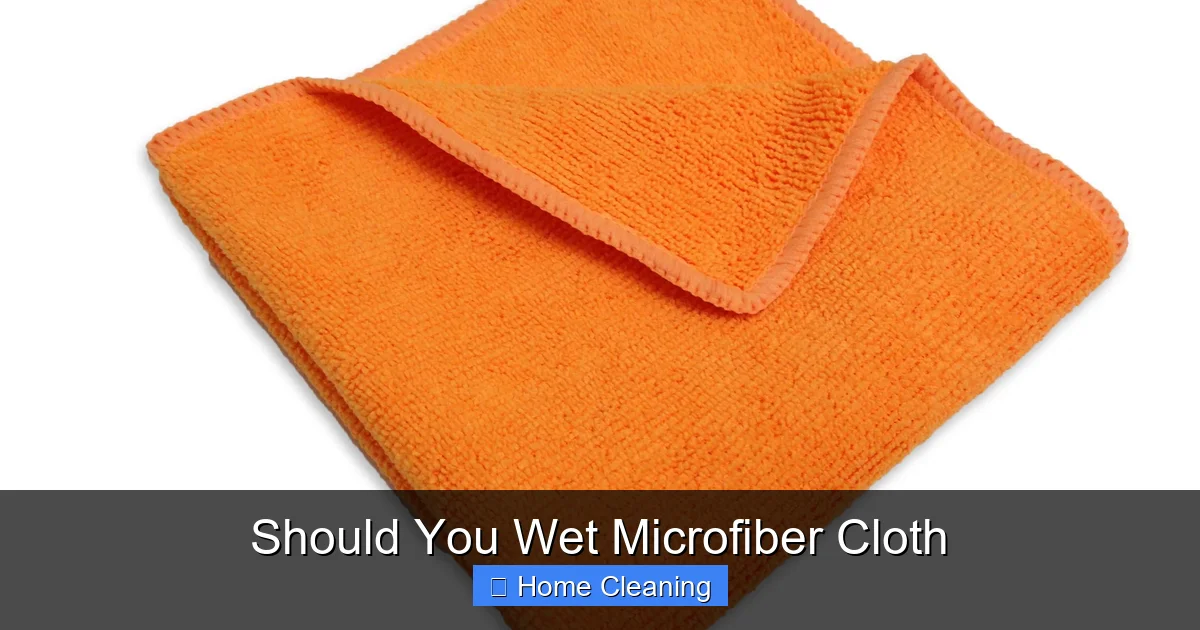
Before deciding whether to wet your microfiber cloth, it’s helpful to understand how it works. Microfiber doesn’t just wipe—it captures. Its fibers are split into even smaller strands, creating tiny hooks and pockets that latch onto dirt, oil, and moisture. This design makes it far more effective than cotton at removing contaminants.
Visual guide about Should You Wet Microfiber Cloth
Image source: ecopuresolutions.us
Dry Cleaning: The Power of Static
When you use a microfiber cloth dry, it relies on electrostatic attraction to pull in dust and fine particles. Think of it like a magnet—except it’s not magnetic. The fibers generate a static charge when you rub them, which helps them cling to dirt without smearing it around. This makes dry microfiber ideal for:
- Wiping computer screens
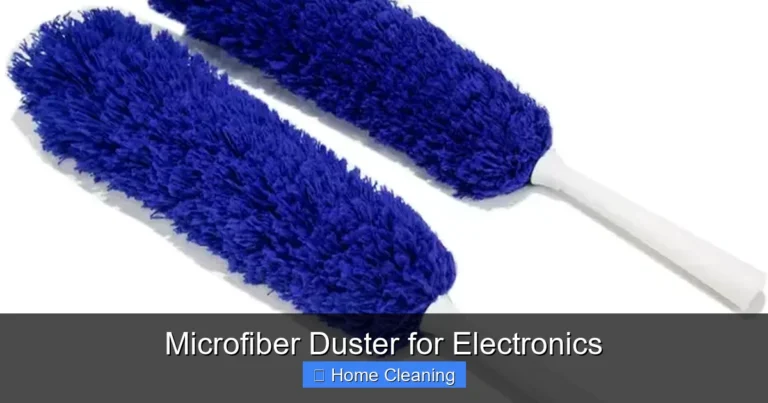
- Dusting shelves and blinds
- Removing pet hair from furniture
- Polishing glass and mirrors (without streaks)
This method is especially useful for delicate surfaces like electronics or polished wood, where water could cause damage or leave water spots.
Wet Cleaning: Boosting Absorption and Breakdown
On the flip side, wetting your microfiber cloth activates its absorbent power. When damp, the fibers swell slightly, increasing their surface area and ability to soak up liquids, grease, and sticky residues. This makes it perfect for:
- Cleaning kitchen counters after cooking
- Wiping down sticky spills on floors
- Removing soap scum from shower doors
- Applying cleaning solutions to surfaces
But here’s the catch: too much water weakens the electrostatic charge, which reduces its dust-trapping ability. So, if you’re using it wet, don’t soak it—just dampen it.
When to Use a Dry Microfiber Cloth
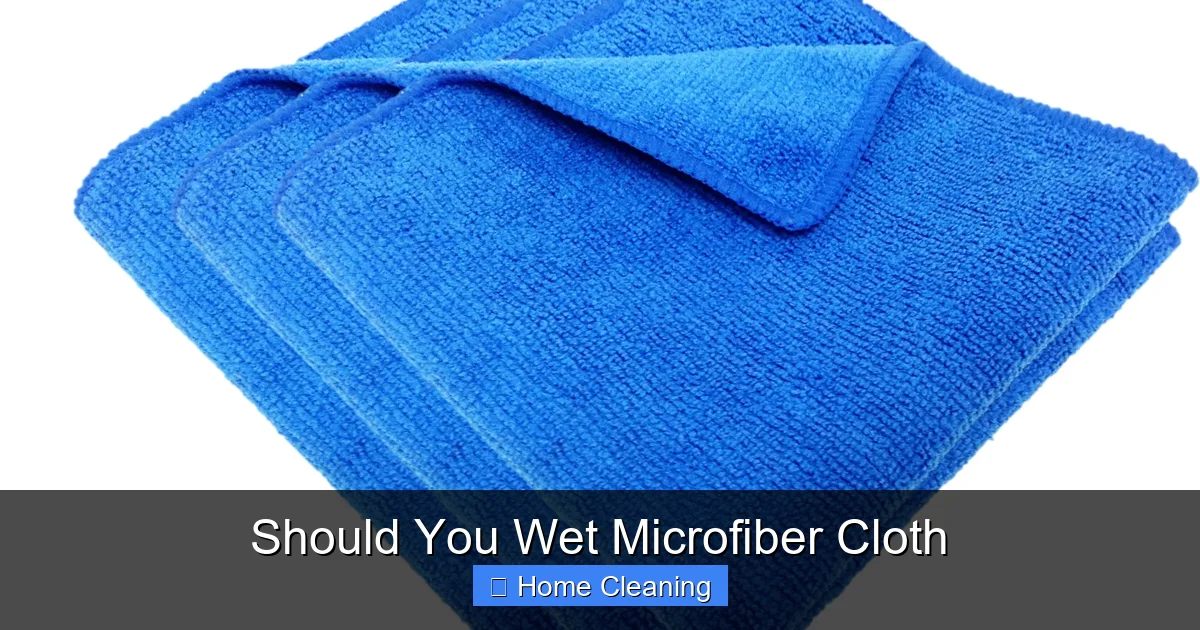
Not every cleaning task requires moisture. In fact, using a dry microfiber cloth in certain situations can actually be more effective. Here’s when to skip the water:
Visual guide about Should You Wet Microfiber Cloth
Image source: ecopuresolutions.us
For Dusting and Light Cleaning
If you’re just tidying up, a dry microfiber cloth is your best friend. It picks up dust without spreading it around. Try this trick: dust a surface with a dry cloth, then go over it again with a damp one to catch what was loosened. This two-step process ensures a deeper clean without over-wetting.
On Delicate Surfaces
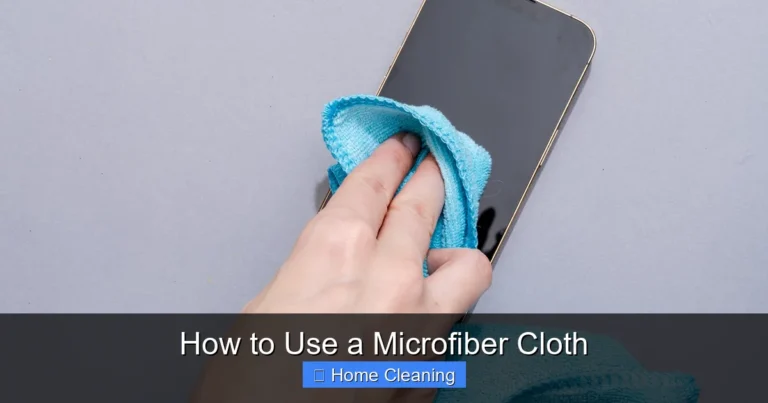
Glass, mirrors, and screens respond well to dry microfiber. Water can leave streaks or, worse, cause damage if it seeps into edges or ports. For example, wiping your smartphone with a dry cloth prevents water from getting into the charging port or speaker grilles.
To Avoid Water Damage
Wooden furniture, leather, and some types of flooring (like laminate or vinyl) can warp or stain if exposed to excess moisture. Always test a small area first, and if you must use water, use a very lightly dampened cloth and wipe immediately.
When to Wet Your Microfiber Cloth
Now, let’s talk about when moisture is your secret weapon. Wetting your microfiber cloth is ideal for tougher jobs where dry cleaning falls short.

Visual guide about Should You Wet Microfiber Cloth
Image source: perfect-eyeglasses-guide.com
For Grease and Sticky Residue
Kitchen counters, stovetops, and appliances often have grease buildup that won’t budge with a dry cloth. A lightly damp microfiber cloth helps lift and dissolve grime. For extra power, add a drop of dish soap or vinegar to the water—just don’t overdo it.
Deep Cleaning Carpets and Upholstery
Microfiber cloths are fantastic for spot-cleaning carpets. Dampen the cloth, gently blot the stain (don’t scrub), and lift the moisture afterward with a dry section of the same cloth. This prevents over-saturation and mold growth.
Sanitizing Surfaces
If you’re using a disinfectant spray, dampen your microfiber cloth with a small amount of the solution. This helps distribute the cleaner evenly and prevents it from dripping onto floors or electronics. Just remember to rinse the cloth occasionally to avoid residue buildup.
Polishing Metals and Chrome
For stainless steel sinks or chrome fixtures, a damp microfiber cloth removes fingerprints and water spots without scratching. Dry polishing can cause micro-scratches over time, so a light touch with moisture is better.
How Much Water Is Too Much?
This is where many people get it wrong. The key is moderation. A microfiber cloth should be damp, not dripping. Think of it like a wrung-out sponge—just moist enough to clean, but not so wet that it leaves puddles.
Too much water can:
- Reduce the cloth’s ability to trap dust
- Leave water spots on surfaces
- Damage sensitive materials like wood or electronics
- Cause mold or mildew if not dried properly
Pro tip: Fill a spray bottle with water and lightly mist the cloth instead of soaking it. This gives you better control over moisture levels.
Choosing the Right Water for Dampening
Not all water is created equal when it comes to cleaning. Tap water can contain minerals and impurities that leave behind streaks or residue, especially on glass or stainless steel.
Distilled Water
The gold standard for dampening microfiber. It’s free of minerals, so it won’t leave spots or film. Perfect for glass, mirrors, and electronics.
Filtered Water
A close second. If you don’t have distilled, filtered water is a great alternative. Just be sure your filter removes minerals effectively.
Tap Water (Use with Caution)
Can work for rough cleaning tasks, but avoid it for final touches. If you must use tap water, let it sit for 24 hours to evaporate minerals (called “water softening”), though this isn’t foolproof.
Adding Cleaning Solutions
You can mix a small amount of cleaning solution into water, but always dilute it. For example:
- 1 tablespoon vinegar per quart of water for general cleaning
- 1 teaspoon dish soap per gallon for grease
- A few drops of essential oil for a fresh scent (optional)
Never use bleach or ammonia directly on microfiber—they can degrade the fibers over time.
Proper Care and Maintenance
Whether you use your microfiber cloth wet or dry, proper care ensures it stays effective. Here’s how to maintain it:
Washing
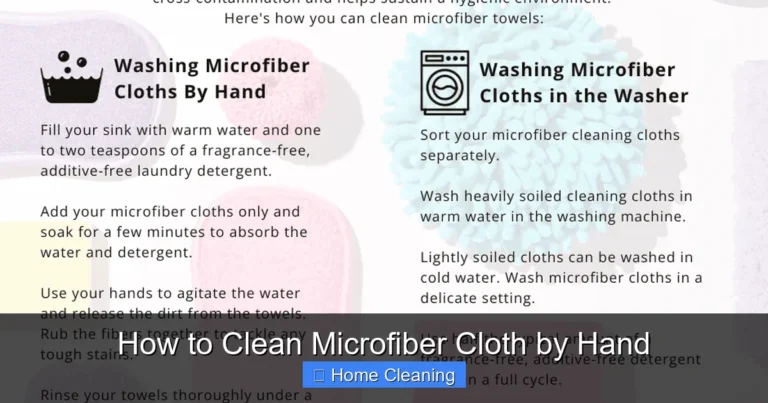
Wash microfiber separately from other laundry. Use warm water and mild detergent—no fabric softener or dryer sheets. Fabric softener coats the fibers, reducing their ability to attract dirt. Wash in a mesh bag to protect the cloths.
Drying
Air dry or tumble dry on low heat. High heat can melt the fibers. If air drying, store in a dry place to prevent mildew.
When to Replace
Even with care, microfiber loses effectiveness after about 300–500 washes. If it’s no longer picking up dirt or starts leaving lint, it’s time for a new set.
Color-Coded Cloths for Better Cleaning
Many cleaning professionals use color-coded microfiber cloths to prevent cross-contamination. For example:
- Blue for glass and mirrors
- Green for general cleaning
- Yellow for kitchens
- Red for bathrooms
This system ensures you don’t spread bacteria from one area to another—especially important when using wet cloths.
Real-World Cleaning Scenarios
Let’s put this into practice. Here’s how to use microfiber cloths effectively in common situations:
Kitchen Cleanup
After cooking, wipe counters with a damp microfiber cloth with a drop of dish soap. For grease on stovetops, use a cloth dampened with warm water and vinegar. Finish with a dry cloth to prevent water spots.
Bathroom Maintenance
Dampen a microfiber cloth with water and a few drops of vinegar to remove soap scum from shower doors. Use a dry cloth to polish faucets and mirrors.
Car Detailing
Use a dry microfiber cloth to dust the dashboard. For wax removal or water spots, dampen a cloth with distilled water and gently wipe. Never spray water directly on the car—it can drip into seams.
Office Cleaning
Dry microfiber is perfect for wiping computer monitors, keyboards, and desks. For sticky spills, dampen a cloth with water and isopropyl alcohol (70%) for a quick sanitize.
Common Myths About Microfiber
Let’s clear up some misconceptions:
- Myth: “Microfiber only works when wet.”
Truth: It works great dry for dusting and light cleaning.
- Myth: “You can use any cloth instead of microfiber.”
Truth: Cotton towels don’t trap dirt as effectively and can leave lint.
- Myth: “Fabric softener makes microfiber better.”
Truth: It coats the fibers and reduces their cleaning power.
- Myth: “Microfiber is disposable.”
Truth: With proper care, it lasts for hundreds of uses.
Final Thoughts: Match the Method to the Task
So, should you wet your microfiber cloth? The answer is: it depends on what you’re cleaning and how dirty it is. Dry is best for dusting and delicate surfaces. Wet is better for sticky messes and deep cleaning. The key is balance—damp, not soaked, and always match the moisture level to the surface.
By understanding how microfiber works and when to use it wet or dry, you’ll save time, reduce waste, and keep your home spotless. And the best part? You’re using a tool that’s not only effective but eco-friendly too.
Next time you reach for a microfiber cloth, think about the task at hand. With the right technique, even the simplest cleaning becomes a breeze.
Frequently Asked Questions
Should I use a microfiber cloth wet or dry for dusting?
Use it dry for dusting. The electrostatic charge in a dry microfiber cloth effectively traps dust and fine particles without spreading them around. Wetting it can reduce this power and make dusting less efficient.
Can I use tap water to dampen a microfiber cloth?
Yes, but with caution. Tap water may contain minerals that leave streaks or residue, especially on glass or stainless steel. For best results, use distilled or filtered water to avoid spots.
How wet should a microfiber cloth be when cleaning?
It should be damp—like a wrung-out sponge. Too much water weakens the cloth’s ability to trap dust and can damage surfaces. Lightly mist the cloth or dampen it by squeezing water from a bottle.
Can I use vinegar and water with a microfiber cloth?
Yes, but dilute it. A 1:1 ratio of vinegar to water works well for general cleaning. Avoid using undiluted vinegar, as it can damage certain surfaces over time.
Should I wash microfiber cloths after each use?
Yes, especially if used on sticky or dirty surfaces. Washing after each use prevents bacteria buildup and maintains the cloth’s effectiveness. Use warm water and mild detergent—no fabric softener.
Can microfiber cloths be used on electronics?
Yes, but only dry or lightly dampened with distilled water. Excess moisture can damage internal components. Always avoid spraying water directly onto devices.