Are Microfiber Cloths Reusable
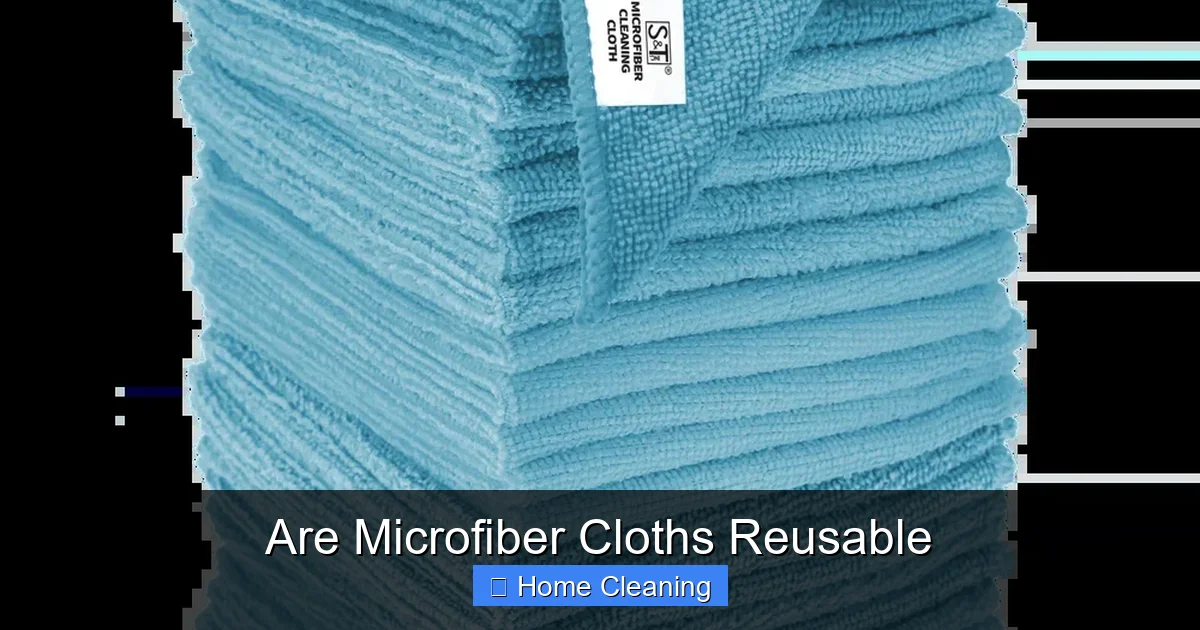
Microfiber cloths are not only reusable—they’re designed to be! With proper care, they can last for hundreds of uses, saving money and reducing waste. They outperform paper towels, resist bacteria, and clean more efficiently, making them a smart choice for eco-conscious homes.
Key Takeaways
- Yes, microfiber cloths are highly reusable. Most can be used hundreds of times when cleaned properly, reducing waste and saving money.
- They outperform paper towels in cleaning efficiency. Microfiber traps dirt, dust, and bacteria more effectively than disposable options.
- Proper washing is key to longevity. Use hot water, avoid fabric softeners, and skip the dryer to maintain their effectiveness.
- They’re eco-friendly and cost-effective. Reusable microfiber reduces plastic waste and lasts years with care.
- Different cloths serve different purposes. Use separate cloths for cleaning, polishing, and glass to avoid cross-contamination.
- They resist bacterial growth. Microfiber’s material inhibits mold and bacteria when stored dry and clean.
- Investing in quality pays off. High-quality microfiber cloths last longer and perform better than budget options.
📑 Table of Contents
- Are Microfiber Cloths Reusable? The Ultimate Guide to Smart Cleaning
- What Are Microfiber Cloths Made Of?
- How Long Can Microfiber Cloths Be Reused?
- How to Properly Wash Microfiber Cloths
- Are Microfiber Cloths Eco-Friendly?
- Can You Use Microfiber Cloths for Specific Cleaning Tasks?
- Cost Comparison: Microfiber vs. Paper Towels
- Tips for Maximizing Microfiber Cloth Life
- Conclusion
Are Microfiber Cloths Reusable? The Ultimate Guide to Smart Cleaning
Let’s be honest—cleaning your home shouldn’t cost a fortune or harm the planet. Yet, every time you wipe down a countertop or clean a mirror, you might be reaching for paper towels or disposable wipes. But what if we told you there’s a better way? Enter microfiber cloths—those soft, lint-free squares that seem to work like magic on every surface. And here’s the best part: they’re not just effective; they’re also reusable. In fact, with the right care, a single microfiber cloth can replace hundreds of paper towels, saving you money and reducing waste.
Microfiber cloths are made from ultra-fine synthetic fibers—typically a blend of polyester and polyamide. These fibers are so small that they create a large surface area, allowing them to trap dirt, dust, and moisture more effectively than traditional cleaning tools. Because of this unique structure, microfiber doesn’t just push dirt around—it actually captures it, leaving surfaces cleaner with less effort. And since they’re machine washable and durable, they’re built to last. So yes, microfiber cloths are not only reusable—they’re designed with reuse in mind. In this article, we’ll explore everything you need to know about using, washing, and maintaining microfiber cloths so you can get the most out of every cloth.
What Are Microfiber Cloths Made Of?
Before we dive into reusability, it’s important to understand what microfiber cloths are made of. Unlike cotton towels, which are made from natural fibers, microfiber cloths are crafted from synthetic materials—usually polyester and polyamide (a type of nylon). These fibers are extruded into threads so thin that they’re measured in micrometers (millionths of a meter). Some microfiber strands can be as fine as 0.1 denier, making them incredibly lightweight yet highly effective.
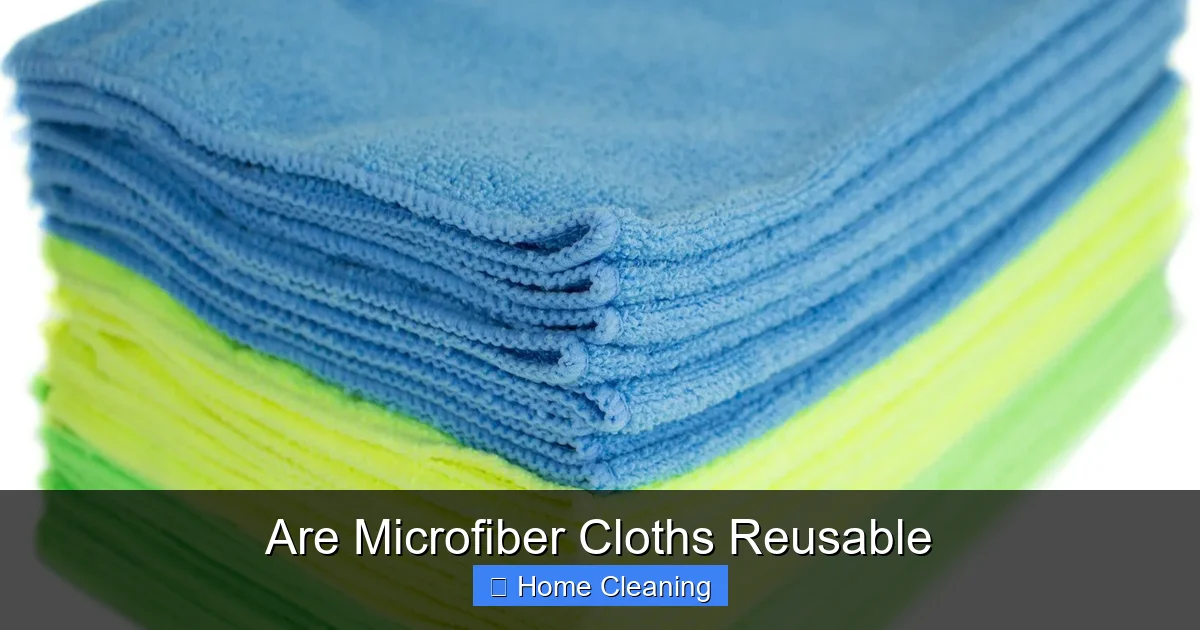
Visual guide about Are Microfiber Cloths Reusable
Image source: topvaluereviews.net
The Science Behind the Clean
What makes microfiber so powerful? It’s all in the structure. The ultra-fine fibers create millions of tiny pockets that attract and hold particles through a combination of mechanical action and electrostatic charge. This means microfiber cloths can pick up dust and debris without needing soap or cleaning solution in many cases. For example, a dry microfiber cloth can clean a glass surface without streaks—just by trapping the dirt.
Additionally, microfiber has a natural resistance to bacteria. Studies have shown that microfiber cloths can reduce bacterial counts by up to 99% when used properly, thanks to their ability to trap microorganisms. This makes them ideal for kitchen and bathroom cleaning, where hygiene is critical.
Types of Microfiber Cloths
Not all microfiber cloths are created equal. There are several types, each designed for specific tasks:
- General-Purpose Cloths: Great for dusting, wiping counters, and cleaning appliances. These are the most common type and come in various sizes.
- Glass & Mirror Cloths: Made with a slightly higher pile for streak-free cleaning on windows and mirrors.
- Polishing Cloths: Used for buffing surfaces like stainless steel or chrome to a shine.
- Microfiber Towels: Thicker and more absorbent, ideal for drying dishes or hands.
- Flat Mop Pads: Designed for use with microfiber mops, these cloths are cut to fit specific mop heads.
Using the right cloth for the job ensures better results and extends the life of your microfiber products.
How Long Can Microfiber Cloths Be Reused?
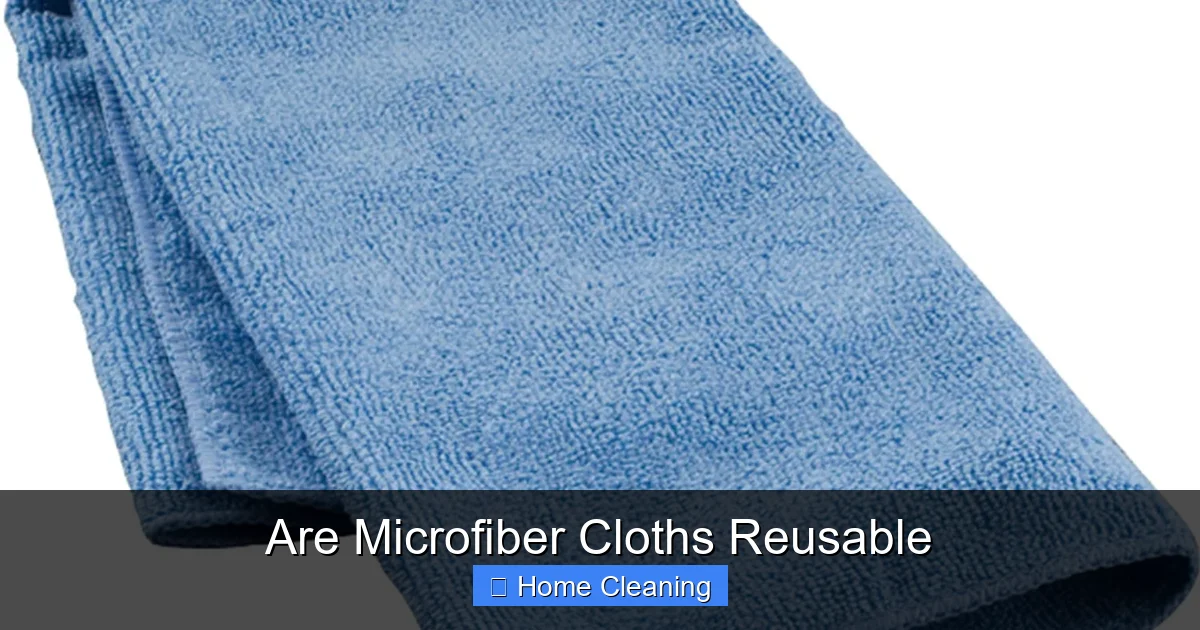
One of the biggest misconceptions about microfiber cloths is that they wear out after a few uses. In reality, with proper care, a quality microfiber cloth can be reused hundreds of times—some even up to 500 times or more. But how long they last depends on several factors: how often you use them, how you store them, and how you wash them.
Visual guide about Are Microfiber Cloths Reusable
Image source: topvaluereviews.net
Lifespan by Usage Frequency
If you use microfiber cloths daily for light cleaning, you might get 100–200 uses before they start to lose effectiveness. For occasional use—like cleaning the bathroom once a week—a single cloth could last a year or more. Here’s a rough estimate:
- Light use (1–2 times per week): 200–500 uses
- Moderate use (3–5 times per week): 100–300 uses
- Heavy use (daily or multiple times daily): 50–150 uses
Remember, “heavy use” doesn’t mean the cloth breaks—it means it gets dirty faster and needs more frequent washing. But even after many uses, microfiber can still work well as long as it’s cleaned properly.
Signs Your Microfiber Cloth Needs Replacing
Even the best microfiber cloths won’t last forever. Here are signs it’s time to retire a cloth:
- It’s no longer picking up dirt—just smearing it around.
- The fibers are visibly frayed or torn.
- It’s lost its softness and feels rough.
- It’s stained and won’t come clean.
- It’s shedding lint or fibers.
If you notice any of these signs, it’s time for a replacement. But don’t throw it away—old microfiber can still be used for rough cleaning tasks like wiping garage floors or car interiors.
How to Properly Wash Microfiber Cloths
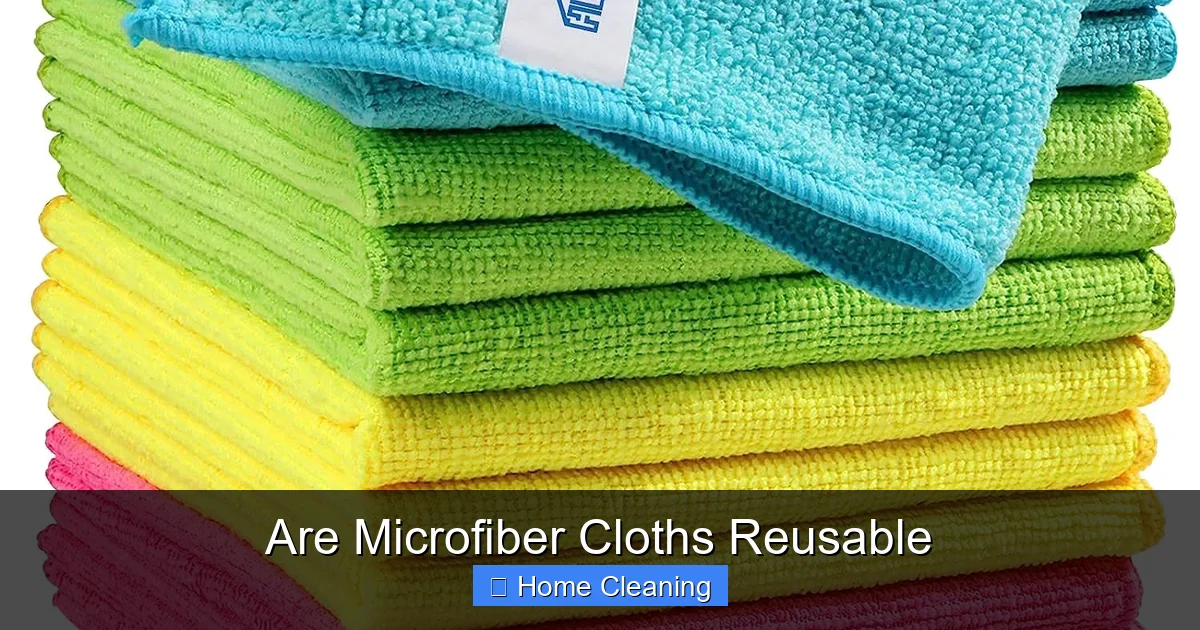
Washing microfiber cloths correctly is the secret to maximizing their lifespan. A single improper wash can reduce their effectiveness and shorten their life. The good news? It’s simple—and you probably already have everything you need.
Visual guide about Are Microfiber Cloths Reusable
Image source: m.media-amazon.com
What to Avoid
There are a few common mistakes people make when washing microfiber:
- Fabric Softener: This coats the fibers, reducing their ability to attract dirt. Always skip the softener.
- Dryer Heat: High heat can melt or damage microfiber. Air-drying is best.
- Hot Water with Detergent: While hot water is okay, avoid using too much detergent or harsh chemicals.
- Washing with Lint-Producing Fabrics: Towels, cotton rags, and jeans can shed lint that clogs microfiber fibers.
Step-by-Step Washing Guide
Follow these steps to keep your microfiber cloths in top shape:
- Pre-Treat Stains: If a cloth is heavily soiled, rinse it out and apply a small amount of mild dish soap. Gently rub the stain and rinse thoroughly.
- Wash in Hot Water: Use hot water (around 140°F) to kill bacteria and lift dirt. Add a small amount of mild, dye-free detergent.
- Wash Separately: Wash microfiber cloths alone or with other microfiber items to avoid lint transfer.
- Skip the Dryer: Air-dry cloths by hanging them or laying them flat. If you must use a dryer, use the lowest heat setting and remove them while slightly damp.
- Iron if Needed: If a cloth feels stiff, lightly iron it on a low setting to restore softness.
Pro tip: Keep a dedicated basket for dirty microfiber cloths. This makes it easier to wash them regularly and prevents cross-contamination.
Are Microfiber Cloths Eco-Friendly?
Absolutely. Reusable microfiber cloths are one of the most eco-friendly cleaning tools you can use. Here’s why:
Reduced Waste
Americans use over 3 million tons of paper towels every year. Most end up in landfills, where they take years to decompose. In contrast, a single microfiber cloth can replace 150–200 paper towels. Over a year, that’s thousands of disposable wipes saved from the landfill.
Lower Carbon Footprint
Producing paper towels requires cutting down trees, processing pulp, and shipping products—all of which contribute to carbon emissions. Microfiber cloths, on the other hand, are made from recycled plastics in many cases and last for years. Their manufacturing impact is offset after just a few uses.
Less Chemical Use
Because microfiber traps dirt and bacteria so effectively, you often need less cleaning solution. This means fewer harsh chemicals entering waterways and soil.
Sustainability Tips
To make your microfiber use even more sustainable:
- Buy high-quality cloths that last longer.
- Repurpose old microfiber for rough cleaning.
- Compost or recycle cloths when they’re truly worn out.
- Support brands that use recycled materials.
Can You Use Microfiber Cloths for Specific Cleaning Tasks?
Yes—and they’re often better than traditional tools for many jobs. Here’s how microfiber shines in different areas of your home.
Kitchen Cleaning
Microfiber is a kitchen superhero. Use a dry cloth to wipe counters and tables, and a damp one with a drop of dish soap to clean appliances. Because microfiber doesn’t scratch surfaces, it’s safe for stainless steel, glass cooktops, and granite.
Bathroom Use
For bathrooms, microfiber excels at removing soap scum, hard water stains, and mold. Use a separate cloth for the toilet and sink to avoid spreading bacteria. A damp microfiber cloth can clean mirrors streak-free without paper towels.
Floor and Carpet Care
Microfiber mop pads and carpet cleaners can trap dirt and allergens deep in fibers. Because they don’t push dirt around, they’re more effective than traditional mops or vacuum-only cleaning.
Electronic Devices
Use a dry microfiber cloth to clean screens, lenses, and keyboards. It won’t scratch delicate surfaces and picks up dust without chemicals.
Cost Comparison: Microfiber vs. Paper Towels
Let’s do a quick cost analysis. Suppose you use 1 roll of paper towels per week. At $2 per roll, that’s $104 per year. A set of 12 microfiber cloths costs around $15–$25 and can last 2–3 years with proper care. That’s less than $10 per year. Plus, you save on cleaning supplies and reduce waste.
Here’s a simple breakdown:
| Item | Initial Cost | Annual Cost | Lifespan |
|---|---|---|---|
| Paper Towels (1 roll/week) | $2 | $104 | 1 week |
| Microfiber Cloth Set (12 pieces) | $20 | $7–$10 | 2–3 years |
Over three years, paper towels cost over $300—microfiber costs less than $30. That’s a savings of over $270 and a massive reduction in waste.
Tips for Maximizing Microfiber Cloth Life
Want your microfiber cloths to last as long as possible? Follow these expert tips:
- Sort by Use: Keep separate cloths for cleaning, polishing, and glass to prevent cross-contamination.
- Shake Out Dust: Before washing, shake out dry cloths to remove loose debris.
- Use a Mesh Bag: Wash microfiber in a mesh laundry bag to protect fibers.
- Don’t Overload the Washer: Too many cloths can reduce cleaning efficiency.
- Store Properly: Keep cloths in a dry place to prevent mildew.
- Rotate Your Set: Use different cloths on different days to extend life.
Conclusion
So, are microfiber cloths reusable? The answer is a resounding yes—and they’re one of the smartest, most sustainable cleaning investments you can make. With proper care, these cloths can last for hundreds of uses, outperforming paper towels in every way: effectiveness, hygiene, and environmental impact. Not only do they save you money over time, but they also help reduce waste and protect the planet.
Whether you’re cleaning your kitchen, bathroom, or car, microfiber cloths are versatile, durable, and efficient. By following simple washing and storage tips, you can keep them working at peak performance for years. And the best part? You’ll feel good about choosing a cleaning method that’s better for your wallet and the environment.
Next time you reach for a roll of paper towels, consider switching to microfiber. Your home—and the Earth—will thank you.
Frequently Asked Questions
Can you use microfiber cloths more than once?
Yes, microfiber cloths are designed to be reused hundreds of times. With proper washing and care, they can last for years, making them a cost-effective and eco-friendly cleaning solution.
How many times can you use a microfiber cloth before washing it?
It depends on use, but generally, microfiber cloths should be washed after every 3–5 uses. For light dusting, you might use a cloth 2–3 times before washing. Always wash when they start to feel dirty or lose effectiveness.
Do microfiber cloths get dirty faster than paper towels?
Yes and no. Microfiber cloths trap dirt and bacteria, so they can get visibly dirty quickly. But because they’re reusable, they save you from buying more paper towels. Think of it as paying upfront for long-term savings.
Can you put microfiber cloths in the dryer?
It’s not recommended. High heat can damage the fibers. If you must use a dryer, use the lowest heat setting and remove the cloths while slightly damp. Air-drying is the best option.
Are microfiber cloths safe to use on electronics?
Yes, microfiber cloths are safe for screens, lenses, and electronics. Their soft texture won’t scratch surfaces, and they effectively remove dust and fingerprints without chemicals.
Can you wash microfiber cloths with regular laundry?
Yes, but only if you follow proper guidelines: wash in hot water with mild detergent, avoid fabric softeners and dryer sheets, and wash separately from lint-producing fabrics like cotton towels.