How to Wash Microfiber Cloths
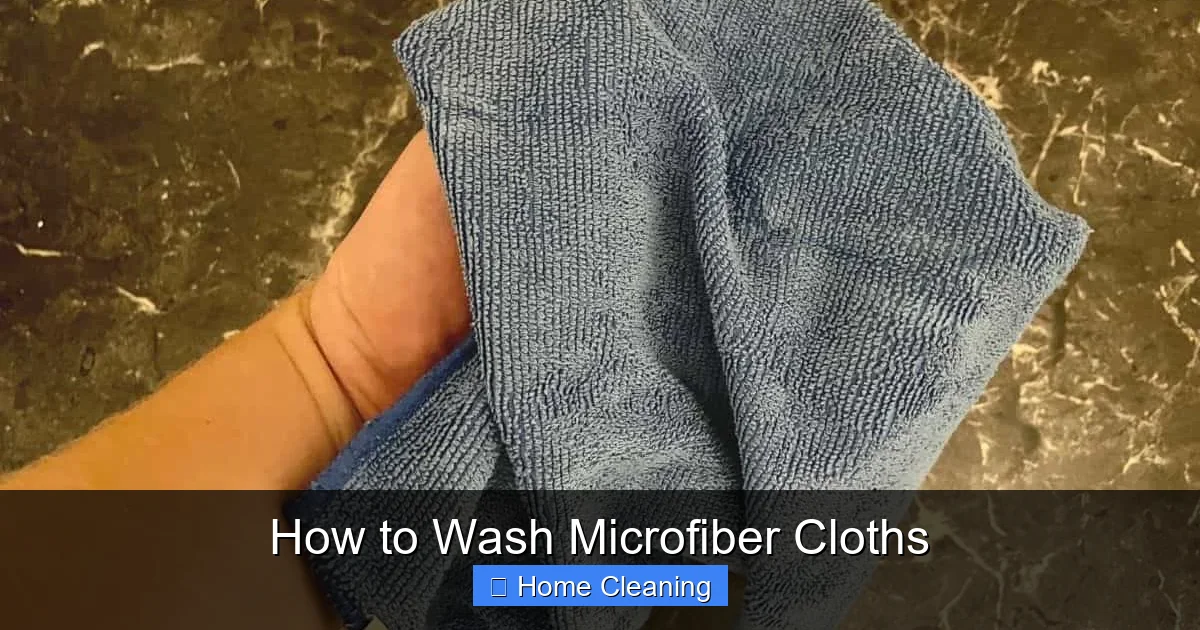
Properly washing microfiber cloths is essential for maintaining their cleaning performance and longevity. By following the right steps, you can avoid damaging the fibers and ensure your cloths stay effective for longer. This guide covers everything from sorting your cloths to choosing the right detergent and drying methods, helping you keep your microfiber cloths in top condition.
Key Takeaways
- Understanding How To Wash Microfiber Cloths: Provides essential knowledge
📑 Table of Contents
- How to Wash Microfiber Cloths: A Complete Guide
- Why Proper Microfiber Care Matters
- Sorting Your Microfiber Cloths Before Washing
- Choosing the Right Detergent
- Washing Microfiber Cloths: Step-by-Step
- Drying Microfiber Cloths: What Not to Do
- Special Care for Different Types of Microfiber
- Maintaining Microfiber Cloths Between Washes
- Signs It’s Time to Replace Your Microfiber Cloths
- Conclusion: Keep Your Microfiber Cloths in Top Shape
How to Wash Microfiber Cloths: A Complete Guide
Microfiber cloths have become a staple in modern homes, known for their superior cleaning power, durability, and ability to trap dust, dirt, and bacteria without the need for harsh chemicals. Whether you’re using them to wipe down kitchen counters, polish glass surfaces, or clean delicate electronics, microfiber cloths offer a gentle yet effective cleaning experience. However, to maintain their performance and extend their lifespan, it’s crucial to wash them properly. Many people make common mistakes—like using fabric softener or putting them in the dryer on high heat—that can damage the delicate fibers and reduce their effectiveness over time.
In this comprehensive guide, we’ll walk you through the best practices for washing microfiber cloths, from sorting and prepping to choosing the right detergent and drying method. You’ll learn how to avoid common pitfalls, keep your cloths fresh and odor-free, and ensure they continue to deliver top-notch cleaning results. Whether you’re a cleaning enthusiast or just want to get the most out of your microfiber tools, this article has everything you need to know.
Why Proper Microfiber Care Matters
Microfiber cloths are made from a blend of polyester and polyamide, creating thousands of tiny fibers that work together to attract and hold onto dirt, grease, and moisture. This unique structure is what gives microfiber its exceptional cleaning abilities. However, this same structure is delicate and can be easily damaged if not cared for properly. Washing microfiber cloths incorrectly can lead to a loss of absorbency, reduced cleaning power, and even the release of lint or fibers into your laundry.
Visual guide about How to Wash Microfiber Cloths
Image source: 5.imimg.com
Moreover, dirty microfiber cloths can harbor bacteria, mold, and odors, which not only affect their performance but also pose potential health risks. For example, using a dirty microfiber cloth on kitchen surfaces can spread bacteria from one area to another. Therefore, proper washing is not just about maintaining cleanliness—it’s about hygiene, efficiency, and cost-effectiveness. By investing a little time in the right washing routine, you can save money in the long run by avoiding the need to replace cloths too frequently.
Sorting Your Microfiber Cloths Before Washing
Separate by Color
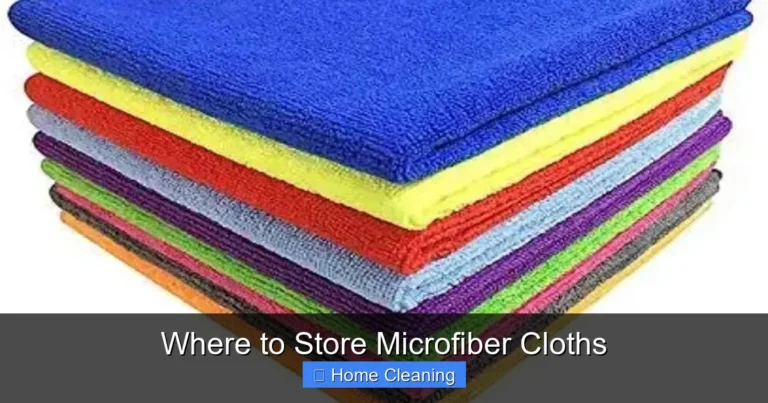
One of the first steps in washing microfiber cloths is sorting them by color. Darker colors, such as black or navy, can bleed onto lighter-colored cloths during washing, leading to unsightly stains. This is especially important if you have cloths used for different purposes—like kitchen cleaning versus bathroom cleaning—where color coding helps prevent cross-contamination.
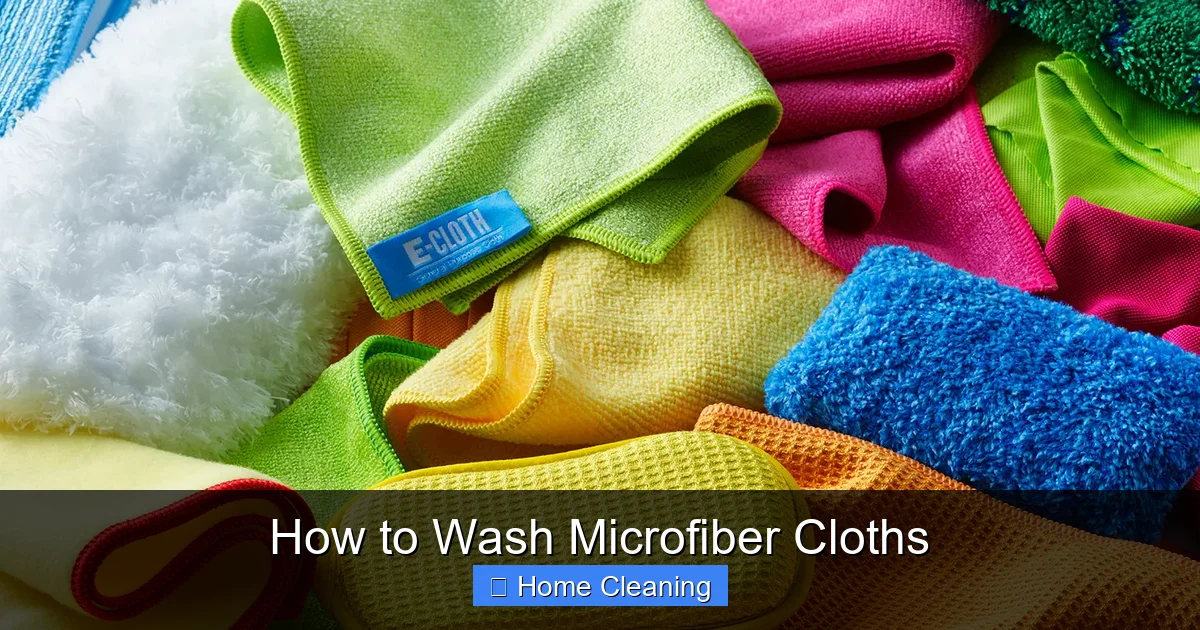
Visual guide about How to Wash Microfiber Cloths
Image source: i.shgcdn.com
For example, if you have a red microfiber cloth used for kitchen counters and a white one for bathrooms, it’s best to wash them separately. This not only protects your cloths but also maintains their appearance over time.
Group by Usage
Another important sorting tip is to group cloths by their intended use. Cloths used for cleaning windows, electronics, or floors may collect different types of dirt and oils. Washing them together can lead to uneven cleaning performance and potential damage. For instance, a cloth used on oily stovetops should be washed separately from one used on glass surfaces to avoid transferring grease.
Additionally, if you have cloths with different textures or pile heights, it’s wise to wash them separately. Some microfiber cloths are designed for heavy-duty cleaning, while others are meant for delicate surfaces. Washing them together could result in pilling or damage to the more delicate ones.
Check for Stains and Odors
Before tossing your microfiber cloths into the wash, take a moment to inspect them for visible stains or strong odors. If a cloth is heavily soiled, it may need a pre-treatment step. For example, a cloth with dried food residue can be gently scrubbed with a small amount of mild detergent before washing. Similarly, if a cloth has absorbed strong odors—like smoke or garlic—it may benefit from a vinegar rinse (more on that later).
Proper sorting not only ensures a more effective wash but also helps you identify cloths that may need special attention. This step-by-step approach sets the foundation for a successful microfiber cleaning routine.
Choosing the Right Detergent
Stick to Mild, Liquid Detergent
When it comes to washing microfiber cloths, the type of detergent you use makes a big difference. Opt for a mild, liquid detergent that’s free of dyes, perfumes, and harsh chemicals. These additives can coat the microfiber fibers, reducing their ability to attract and hold dirt. Avoid powder detergents if possible, as they can leave behind residue that clogs the tiny fibers.
Visual guide about How to Wash Microfiber Cloths
Image source: memorablemaids.com
For best results, use a small amount of detergent—about one teaspoon per load. Too much detergent can leave a film on the cloths, making them feel stiff and less absorbent. Look for detergents labeled as “gentle” or “for delicates,” and consider using a detergent specifically designed for microfiber or technical fabrics.
Avoid Fabric Softeners and Bleach
This is one of the most critical rules when washing microfiber cloths: never use fabric softeners or bleach. Fabric softeners contain chemicals that coat the fibers, reducing their electrostatic properties and making them less effective at trapping dirt. Bleach, on the other hand, can break down the synthetic fibers over time, leading to weakened cloths and potential yellowing.
If you must use a disinfectant, opt for a vinegar-based solution or a microfiber-safe disinfectant spray. White vinegar is a natural cleaner that can help remove odors and kill bacteria without damaging the fibers. Simply add a cup of white vinegar to the rinse cycle for a fresh, sanitized result.
Skip the Dryer Sheets
Dryer sheets are another no-go for microfiber cloths. Like fabric softeners, they leave a residue that can coat the fibers and reduce their cleaning power. Additionally, the static charge from dryer sheets can attract lint and dust, making your cloths less effective.
Instead, let your microfiber cloths air dry whenever possible. This not only preserves their fibers but also saves energy and reduces wear and tear on your washing machine.
Washing Microfiber Cloths: Step-by-Step
Prep the Load
Before placing your microfiber cloths in the washing machine, make sure they’re loosely packed. Overloading the washer can prevent proper agitation, leading to uneven cleaning and potential damage. Aim to fill the machine about two-thirds full to allow room for movement.
Also, turn the cloths inside out if possible. This helps protect the outer surface from friction and wear during the wash cycle. It’s a small step, but it can make a big difference in maintaining the cloths’ appearance and functionality.
Select the Right Water Temperature
Warm water is ideal for washing microfiber cloths. It helps dissolve oils and grime without being too harsh on the fibers. Hot water can cause the synthetic materials to break down, while cold water may not effectively remove dirt and bacteria.
Aim for a water temperature between 100°F and 120°F (38°C to 49°C). Most washing machines have a warm water setting that’s perfect for this purpose. Always check the care label on your cloths for specific recommendations, though most microfiber products are designed to be washed in warm water.
Use a Gentle Cycle
Choose the gentle or delicate cycle on your washing machine. This setting uses slower agitation and shorter spin cycles, which are gentler on microfiber. High-speed spins can stretch or damage the fibers, reducing their effectiveness over time.
If your machine has a “microfiber” or “synthetic” setting, use it. These settings are specifically designed to care for delicate fabrics and technical textiles.
Skip the Extra Rinse
Unless your cloths are heavily soiled, you don’t need to run an extra rinse cycle. A single wash and rinse are usually sufficient. Extra rinses can wear down the fibers and waste water and energy.
If you notice detergent residue after washing, try soaking the cloths in warm water with a tablespoon of white vinegar for 15 minutes before drying. This helps break down any lingering soap film.
Drying Microfiber Cloths: What Not to Do
Avoid High Heat
This is perhaps the most important rule when drying microfiber cloths: never use high heat. The synthetic fibers in microfiber can melt or degrade when exposed to high temperatures. Even if the cloths seem fine after drying, repeated exposure to high heat can shorten their lifespan significantly.
Instead, use the lowest heat setting on your dryer or, better yet, air dry your cloths. Air drying is the safest method and helps preserve the cloths’ absorbency and texture. If you must use a dryer, use the “air dry” or “low heat” setting and remove the cloths while they’re still slightly damp to prevent over-drying.
Don’t Over-Dry
Over-drying can cause microfiber cloths to become brittle and lose their softness. Once the cloths are dry, remove them from the dryer promptly. Leaving them in for too long can lead to static buildup and fiber damage.
If you’re air drying, hang the cloths in a well-ventilated area away from direct sunlight. Sunlight can fade colors and weaken fibers over time.
Fluff and Shake Between Loads
After drying, give your microfiber cloths a good shake to fluff up the fibers. This helps restore their texture and ensures they’re ready for the next use. Fluffing also prevents the fibers from matting together, which can reduce absorbency.
Store your cloths in a clean, dry place until you’re ready to use them. A drawer or basket with a lid works well to keep them dust-free.
Special Care for Different Types of Microfiber
Cut Pile vs. Loop Pile
Microfiber cloths come in different pile types, including cut pile and loop pile. Cut pile cloths have shorter, cut fibers that create a soft, plush surface, ideal for dusting and polishing. Loop pile cloths have longer, uncut loops that provide extra scrubbing power, often used for tough stains.
When washing cut pile cloths, be extra gentle to avoid fraying. Loop pile cloths can handle a bit more wear, but still benefit from a gentle cycle. Always check the manufacturer’s care instructions for specific guidance.
Antibacterial and Disposable Microfiber
Some microfiber cloths are treated with antibacterial coatings or are designed for single use. These require special care. Antibacterial-treated cloths should be washed separately from untreated ones to preserve the coating. Disposable microfiber wipes should be disposed of after use and not washed.
If you use antibacterial cloths, avoid high heat and harsh detergents, as these can degrade the treatment. Instead, wash them in cool water with a mild detergent and air dry.
Colorfast vs. Non-Colorfast
Not all microfiber cloths are created equal when it comes to colorfastness. Some may bleed dye, especially when washed in hot water. If you suspect your cloths are not colorfast, wash them separately for the first few washes and monitor for bleeding.
To test colorfastness, dampen a white cloth and gently rub it against a colored microfiber cloth. If dye transfers, wash them separately in the future.
Maintaining Microfiber Cloths Between Washes
Rinse After Use
To extend the life of your microfiber cloths and reduce how often you need to wash them, rinse them off after each use. Rinse under warm water to remove loose dirt and debris. This prevents buildup and keeps the cloths fresh between washes.
For example, after wiping down a kitchen counter, rinse the cloth in the sink before storing it. This simple habit can significantly reduce odor and bacterial growth.
Store Properly
Store your microfiber cloths in a clean, dry place. Avoid damp areas like bathrooms, where mold and mildew can grow. A drawer, cabinet, or mesh laundry bag works well for storage.
If you have a large collection, consider labeling them by use (e.g., “kitchen,” “bathroom,” “glass”) to make sorting easier next time.
Avoid Cross-Contamination
Never use the same microfiber cloth for multiple purposes without washing it first. For example, using one cloth for the bathroom and then the kitchen can spread bacteria. Always use separate cloths for different areas or wash thoroughly between uses.
Color-coding your cloths can help prevent this. For instance, keep red cloths for kitchens and blue ones for bathrooms.
Signs It’s Time to Replace Your Microfiber Cloths
Even with proper care, microfiber cloths have a limited lifespan. Over time, they can lose their absorbency, become stiff, or start shedding fibers. Here are some signs it’s time to replace them:
- Loss of Absorbency: If the cloth no longer holds water or feels dry, it’s likely worn out.
- Pilling or Fraying: Excessive pilling or fraying indicates fiber damage.
- Stiffness: Cloths that feel rough or stiff may have been damaged by harsh detergents or high heat.
- Odor Retention: If the cloth still smells after washing, it may be harboring bacteria that can’t be removed.
- Visible Damage: Tears, holes, or thinning areas reduce effectiveness.
On average, high-quality microfiber cloths can last 100 to 300 washes with proper care. If you notice any of the above signs, it’s time to invest in new cloths.
Conclusion: Keep Your Microfiber Cloths in Top Shape
Washing microfiber cloths doesn’t have to be complicated. By following the right steps—sorting, using the correct detergent, washing in warm water, and air drying—you can maintain their cleaning power and extend their lifespan. Avoid common mistakes like using fabric softeners or high heat, and always store your cloths properly to prevent odors and damage.
Remember, microfiber cloths are a smart investment in your home cleaning routine. With the right care, they’ll continue to deliver excellent results for years to come. Whether you’re cleaning your kitchen, bathroom, or electronics, these versatile cloths are a must-have. So take the time to wash them correctly, and enjoy the benefits of a cleaner, healthier home.
Frequently Asked Questions
Can I wash microfiber cloths with regular clothes?
Yes, but it’s best to wash them separately, especially if they’re heavily soiled. This prevents lint transfer and ensures they get a thorough clean without cross-contamination.
How often should I wash my microfiber cloths?
Wash them after each use if they’re heavily soiled, or at least once a week if used regularly. Rinse them after each use to extend time between washes.
Can I use vinegar to wash microfiber cloths?
Yes, white vinegar is safe and effective. Add a cup to the rinse cycle to remove odors and kill bacteria without damaging the fibers.
Why are my microfiber cloths not absorbing water?
This usually means the fibers are coated with detergent residue or damaged. Wash them with a mild detergent and avoid fabric softeners. If the problem persists, they may be worn out.
Can I put microfiber cloths in the dryer?
Yes, but only on low heat or the air dry setting. High heat can melt or damage the fibers. Air drying is the safest option.
How do I remove stubborn odors from microfiber cloths?
Soak them in a mixture of warm water and white vinegar for 15-30 minutes before washing. This helps neutralize odors and disinfect the cloths.