Which Plant Is Good to Keep in Office Desk
Adding a plant to your office desk is a simple yet powerful way to transform your workspace. The best plants for office desks are incredibly low-maintenance, thriving in artificial light and irregular watering schedules. Top contenders like the ZZ Plant, Snake Plant, and Pothos are famous for their near-indestructible nature and air-purifying qualities. Even a small succulent or a trailing plant in a hanging pot can significantly reduce stress, improve focus, and make your cubicle feel like a personal sanctuary. This guide cuts through the noise to give you the exact plants and simple care tips guaranteed to greenify your desk without the fuss.
Key Takeaways
- Low-light tolerance is the #1 priority: Office environments often lack bright, direct sunlight. Choose plants like the ZZ Plant, Snake Plant, or Peace Lily that thrive in fluorescent or low artificial light.
- Air purification is a major benefit: Plants like the Spider Plant and Dracaena are proven by NASA studies to filter common office toxins like formaldehyde and benzene from the air.
- Watering needs should be minimal: The best desk plants are drought-tolerant. Overwatering is the most common cause of death. Always check soil dryness before watering.
- Size and growth habit matter: Opt for compact, slow-growing plants or trailing varieties that won’t quickly outgrow your desk space. Consider a smart plant pot for automated care.
- Pet safety is crucial if applicable: If pets roam the office, avoid toxic plants like Pothos and Snake Plant. Opt for pet-safe choices like Spider Plants or Boston Ferns.
- Psychological benefits are immediate: The simple act of caring for a living thing and adding a touch of nature reduces stress, boosts creativity, and increases job satisfaction.
- Proper potting is key: Always use a pot with a drainage hole and well-draining soil to prevent root rot. A decorative cachepot without a hole will kill your plant.
📑 Table of Contents
- Why Your Office Desk Desperately Needs a Plant (Seriously)
- The Golden Rules for Choosing Your Desk Plant
- The All-Star Cast: Best Plants for Your Office Desk
- Essential Care Guide: Keeping Your Desk Plant Alive and Thriving
- Styling Your Desk Plant: Aesthetics & Practicality
- Common Office Plant Problems (And Quick Fixes)
- Conclusion: Your Green Oasis Awaits
Why Your Office Desk Desperately Needs a Plant (Seriously)
Let’s be honest. Your office desk is probably a landscape of beige plastic, glowing screens, and maybe a forgotten stress ball. It’s a zone of low humidity, erratic temperatures, and light that feels more like a dim twilight than a sunny morning. In this sterile environment, a single, vibrant living plant isn’t just a decoration—it’s a revolution. It’s your personal pocket of nature, a quiet rebellion against the cubicle blues.
Think about it: you spend roughly one-third of your life at work. That space should nourish you, not just drain you. Bringing a plant onto your desk is the easiest, most affordable way to do that. It’s not about becoming a plant expert; it’s about finding a resilient green buddy that asks for very little and gives back so much. The right plant can filter the air you breathe, soften the harsh edges of your workspace, and give you a tiny, daily moment of mindfulness as you tend to it. Before we dive into the “which,” let’s quickly understand the “why.”
The Science-Backed Benefits of a Desk Plant
This isn’t just feel-good fluff. Countless studies, including seminal research from NASA on clean air, show that indoor plants actively improve our work environment. They absorb carbon dioxide and release oxygen, yes, but their superpowers go further. They increase humidity, which combats dry skin and irritated airways from air conditioning. They have been proven to reduce stress and anxiety, lower blood pressure, and improve focus and memory retention. In a world of constant notifications and back-to-back meetings, a plant is a silent, non-judgmental coworker that literally makes the air better for you to think.
The Golden Rules for Choosing Your Desk Plant
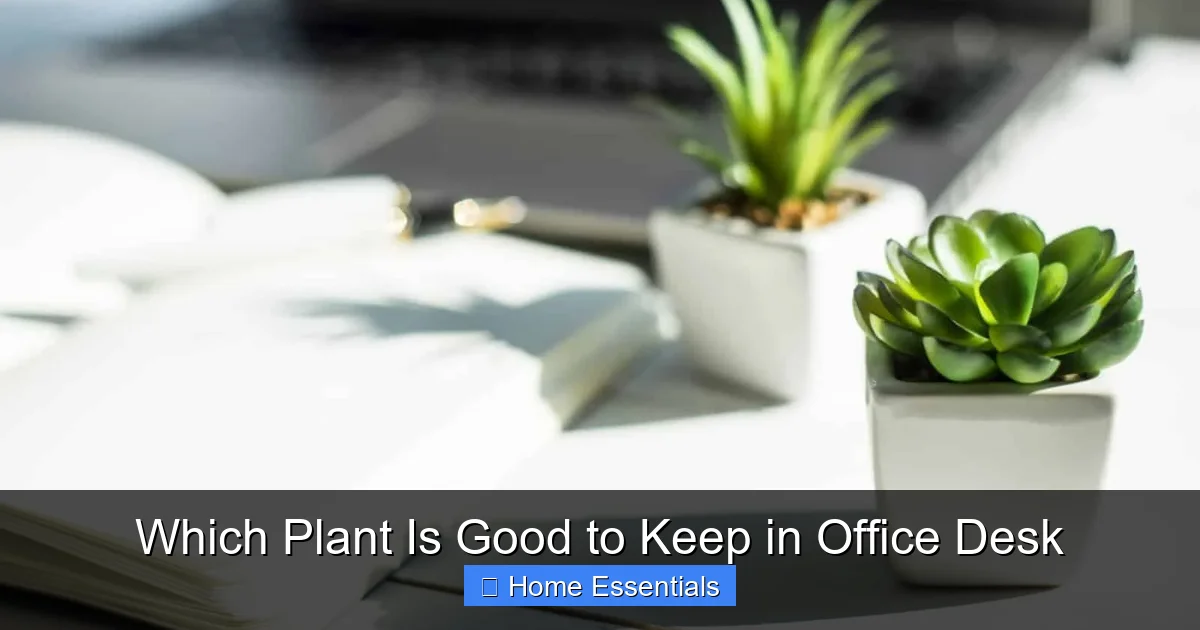
Before you buy that pretty plant from the grocery store, you need a filter. Your office is a specific, often challenging, microclimate. The plants that survive and thrive here follow a strict set of rules. Forget what you see in glossy home magazines—those are for sunny windowsills, not for the fluorescent-lit desk next to the printer. Here are the non-negotiables for selecting the perfect office companion.
Visual guide about Which Plant Is Good to Keep in Office Desk
Image source: planetnatural.com
Rule #1: Thrive in Low, Indirect, or Artificial Light
This is the single most important criterion. Unless your desk is pressed against a large south-facing window, you are in the low-light zone. Plants that demand “bright, direct light” will become leggy, pale, and eventually die a slow, sad death. Your champions are plants that naturally grow on forest floors, under the canopy of larger trees, adapted to soak up every rare photon. They are the survivors of the shade.
Rule #2: Be Forgiving of Infrequent Watering
Office life is unpredictable. You might go on a week-long business trip. You might get swamped and forget to water for two weeks. Your plant needs to be okay with that. Drought-tolerant plants store water in their roots, stems, or leaves. They prefer to be underwatered rather than overwatered. Root rot from soggy soil is the #1 office plant killer, often hidden from view until it’s too late. Your ideal plant should be able to shrug off a missed watering or two.
Rule #3: Stay Compact and Slow-Growing
Your desk has finite real estate. You don’t need a plant that’s going to send out a runner that invades your keyboard or a trunk that will push your monitor off the desk in a year. Look for plants described as “compact,” “dwarf,” or “slow-growing.” A trailing plant is great if you have a high shelf or a planter that lets it cascade down, but it shouldn’t rapidly fill your entire workspace. Control is key.
Rule #4: Be Non-Toxic (If Pets or Small Children Are Around)
This is a critical safety rule. Many common, hardy houseplants are toxic if ingested. If there’s any chance a dog, cat, or curious toddler could get to your desk plant, you must choose a pet-safe variety. It’s not worth the risk. Always check the ASPCA’s toxic and non-toxic plant list before purchasing.
The All-Star Cast: Best Plants for Your Office Desk
Now for the fun part. Meet the champions. These plants have been tested in the trenches of corporate America and home offices. They are the most resilient, attractive, and beneficial plants you can welcome onto your desk. We’ve broken them into categories based on their superpower.
Visual guide about Which Plant Is Good to Keep in Office Desk
Image source: podnow.co.uk
The Indestructible Heroes: For the “Black Thumb”
If you’ve killed a cactus, this is your section. These plants are so tough, they almost thrive on neglect. They are the ultimate starters for anyone who believes they have a black thumb.
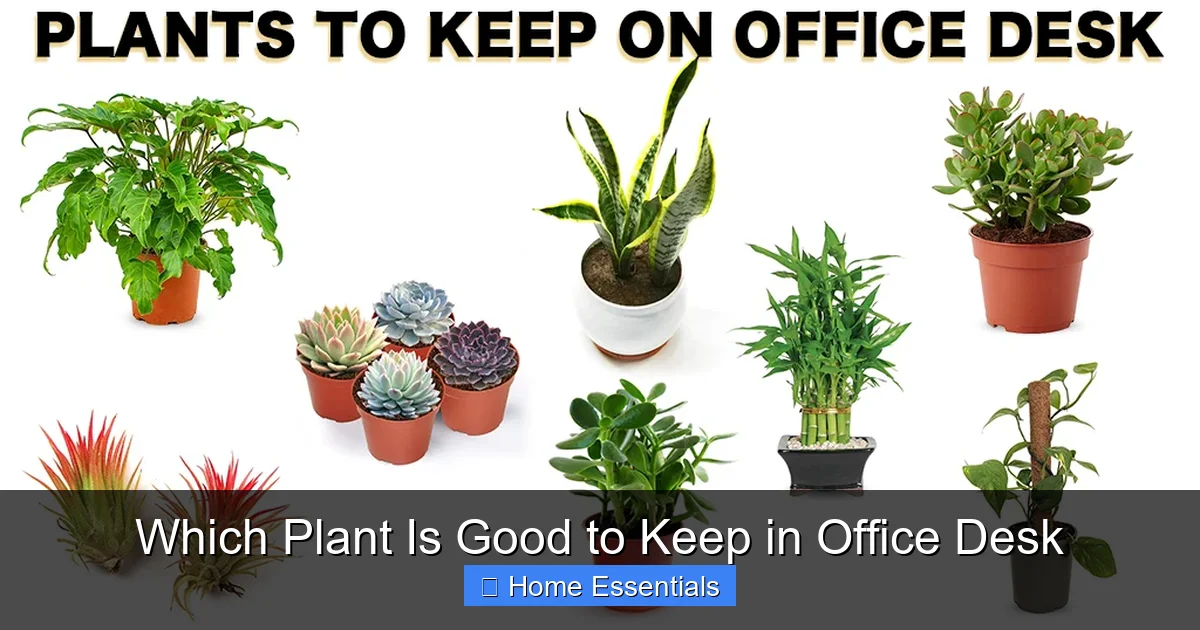
- ZZ Plant (Zamioculcas zamiifolia): The undisputed king of indestructibility. Its glossy, dark green leaflets grow on graceful, arching stems. It tolerates low light, drought, and irregular care with ease. It’s a slow grower, so it stays perfectly sized for a desk for years. Water only when the soil is completely dry. It’s also a fantastic air purifier.
- Snake Plant (Sansevieria/Dracaena trifasciata): Also known as Mother-in-Law’s Tongue, this architectural plant comes in many varieties, from the classic tall, upright type to shorter, cylindrical forms. It is famously tolerant of dark corners and underwatering. It performs a valuable nighttime air-purifying function, converting CO2 to oxygen after the sun goes down. Warning: Toxic to pets.
- Cast Iron Plant (Aspidistra elatior): Its name says it all. This plant literally survived the Victorian era’s gas-lit, coal-heated homes. It produces long, dark green, leathery leaves from the soil. It needs very low light and very infrequent watering. It’s slow, steady, and shockingly beautiful in its simplicity.
The Air-Purifying Powerhouses: For a Healthier Workspace
These plants have the NASA seal of approval for removing volatile organic compounds (VOCs) like formaldehyde, benzene, and trichloroethylene from the air—common pollutants from office furniture, carpets, and printers.
- Spider Plant (Chlorophytum comosum): The classic, easy-going favorite. It produces a cascade of thin, arching leaves, often with a white stripe. It sends out “babies” on long stems, which you can snip off and propagate in water—a fun little project. It’s incredibly fast-growing, non-toxic, and a champion at removing formaldehyde.
- Peace Lily (Spathiphyllum): The elegant diplomat. It produces beautiful white “flowers” (actually modified leaves called spathes) and deep green, glossy leaves. It’s one of the few plants that will dramatically droop its leaves when it’s thirsty, giving you a clear, unmistakable sign it needs water. It’s excellent at removing all major VOCs. Note: Toxic to pets.
- Dracaena (Various species like D. marginata or D. fragrans): These come in many forms, from the thin, spiky “Madagascar Dragon Tree” to the broader-leafed “Corn Plant.” They are tall, dramatic, and excellent at filtering formaldehyde, benzene, and xylene. They are drought-tolerant but do appreciate brighter light than the ZZ or Snake Plant to maintain their color.
The Compact & Cascading Beauties: For Small Spaces
These plants offer visual interest without taking up much horizontal space. They either grow neatly in a small pot or are designed to trail down, utilizing vertical space.
- Pothos (Epipremnum aureum): The ultimate trailing vine. Its heart-shaped leaves come in solid green, golden, marble, or neon varieties. It grows quickly and can be trained to climb a small trellis or allowed to trail beautifully off the edge of a desk or shelf. It’s virtually indestructible and a top air purifier. Toxic to pets.
- Philodendron (Heartleaf or Brasil): Similar to Pothos in care, with charming heart-shaped leaves. The Philodendron Brasil has stunning lime green and yellow variegation. It’s a fast, easy grower that loves to trail. Very low maintenance.
- Burrow’s Tail Sedum (Sedum morganianum): A succulent that forms long, trailing stems packed with plump, blue-green leaves that look like a donkey’s tail. It loves bright light (a window is ideal) but is very drought-tolerant. It’s a unique, sculptural choice that adds a touch of the desert to your desk.
- Small Succulents & Cacti (Echeveria, Haworthia): For the tiniest of desk spaces. These come in endless shapes, colors, and sizes. They need the brightest light you can offer (a sunny windowsill) and a “soak and dry” watering method. Their architectural forms are endlessly fascinating to look at.
Essential Care Guide: Keeping Your Desk Plant Alive and Thriving
You’ve chosen your green warrior. Now, how do you keep it alive? Forget complex schedules. Office plant care is about three things: light, water, and cleanliness. Master these, and you’ve got this.
Visual guide about Which Plant Is Good to Keep in Office Desk
Image source: c8.alamy.com
Light: The Energy Source
Your goal is to provide the brightest indirect light possible. A few feet away from a window is perfect. If your desk is in a interior cubicle with no windows, you have two options: 1) Choose the most shade-tolerant plants (ZZ, Snake, Cast Iron) and accept slower growth, or 2) Invest in a small, clip-on LED grow light. A low-wattage, full-spectrum grow light on a timer for 8-12 hours a day can work wonders, essentially creating a personal sun for your plant. This is where understanding smart light bulbs can help, as some offer adjustable color temperatures that can mimic natural daylight cycles for your plants.
Watering: The #1 Killer (And How to Avoid It)
Forget “water once a week.” That’s a death sentence. The only reliable method is the finger test. Insert your index finger into the soil up to the first or second knuckle. If it feels completely dry, it’s time to water. If it feels even slightly cool or moist, wait. When you do water, water thoroughly until it runs out the drainage hole, then immediately dump any excess water from the saucer or cachepot. Never let the pot sit in water. In winter, when growth slows, water even less frequently.
Cleaning & Grooming: The Often-Forgotten Step
Office air is dusty. Dust on leaves blocks light and makes your plant look sad. Every month or so, give your plant a gentle wipe-down. Use a soft, damp cloth or a microfiber cloth slightly dampened with water. Gently wipe each leaf from the stem to the tip. For plants with hairy leaves like African Violets (not recommended for offices), use a soft brush instead. This simple act is like giving your plant a bath and helps it photosynthesize efficiently. You can also use a clean microfiber duster to quickly remove loose dust between deeper cleanings.
Feeding & Repotting: Minimal Effort, Maximum Impact
Plants need food, but office plants are on a slow, steady diet. During the spring and summer growing season (April-September), use a balanced, water-soluble houseplant fertilizer at half the recommended strength once a month. Skip feeding entirely in fall and winter. Repotting is only needed every 2-3 years when roots start growing out the bottom or the plant seems root-bound. Go up only one pot size (e.g., from a 4″ to a 6″ pot) and use fresh, well-draining potting mix. For the ultimate in low-effort care, consider a smart plant pot with built-in water reservoirs and moisture sensors that tell you exactly when to water.
Styling Your Desk Plant: Aesthetics & Practicality
How you display your plant is half the fun. A plant in a cracked, old plastic pot undermines the whole effort. A little styling goes a long way in making your desk feel intentional and serene.
Pot Choice: Drainage is Non-Negotiable
Always, always, always use a pot with a drainage hole. If you have a beautiful decorative pot without one (a cachepot), use it as a cover. Plant your desk plant in a simple plastic nursery pot with a hole, then slip that pot inside the decorative cachepot. Empty any water that collects in the cachepot after watering. This simple trick prevents 90% of overwatering problems.
Placement: Behind the Monitor, Beside the Keyboard
Placement is about balance. A small plant (like a succulent or small Pothos) can sit to the side of your monitor or keyboard. A taller, narrow plant like a Snake Plant or a mature ZZ Plant can stand directly behind your monitor, adding height without taking up precious desk surface area. If you have a shelf or bookcase behind/above your desk, trailing plants like Philodendron or Spider Plant can cascade down from there, adding greenery without consuming desk space. Ensure the plant isn’t blocking your view or getting knocked over by your chair.
Companions: Creating a Mini-Jungle
Once you succeed with one, you might get addicted. A small cluster of 2-3 plants of varying heights and textures creates a much more dynamic and calming scene than a single plant. Try grouping a tall Snake Plant with a trailing Pothos and a small, round succulent. The varied forms and shades of green are visually restorative. Just be mindful not to overcrowd—give each plant room to breathe and grow.
Common Office Plant Problems (And Quick Fixes)
Even the toughest plants can hit a snag. Don’t panic. Here’s how to diagnose and fix the most common issues.
Yellowing Leaves
Cause: Most often overwatering. Check the soil—is it soggy? Less commonly, it can be from under-watering (leaves turn yellow and crispy) or a nutrient deficiency. Fix: Adjust your watering schedule drastically. Let soil dry out completely between waterings. Ensure your pot has a drainage hole.
Leggy, Pale, or Stretched Growth
Cause: The plant is screaming for more light. It’s reaching desperately toward the nearest light source. Fix: Move it to a brighter location immediately. If that’s not possible, get a small grow light. You can also prune back the leggy stems to encourage bushier growth from the base once light conditions improve.
Brown, Crispy Leaf Tips
Cause: Usually low humidity from dry office air. Can also be from underwatering or a buildup of salts from fertilizer. Fix: Water more thoroughly. Mist the leaves occasionally with a spray bottle, or place the pot on a pebble tray filled with water (ensure the pot sits on the pebbles, not in the water). Flush the soil with a heavy watering once a year to remove salt buildup.
Pests (Mealybugs, Spider Mites)
Cause: Stressed plants or introduction from another plant. Mealybugs look like tiny bits of white cotton. Spider mites create fine webbing. Fix: Isolate the plant immediately. For mealybugs, dab them with a cotton swab dipped in rubbing alcohol. For spider mites, spray the plant thoroughly with a strong jet of water in the sink or shower, or use an insecticidal soap. Repeat weekly until gone.
Conclusion: Your Green Oasis Awaits
Choosing which plant is good to keep on your office desk doesn’t have to be a stressful research project. The answer is simple: start with a ZZ Plant, a Snake Plant, or a Pothos. These three are the foundation of office plant success for a reason—they are forgiving, adaptable, and beautiful in their own understated way. The act of bringing one home, potting it, and placing it on your desk is a small but significant act of self-care. It’s a declaration that your workspace should be a place of growth, not just output. It’s a living reminder to breathe, to look up from the screen, and to nurture something beyond the next deadline. So go ahead. Pick a pot with a hole, get a bag of potting mix, and bring home your first desk plant. Your future, more focused and serene, self will thank you.
Frequently Asked Questions
What is the absolute easiest plant for a dark office with no windows?
The ZZ Plant (Zamioculcas zamiifolia) is your best bet. It thrives in very low light conditions and only needs water once the soil is completely dry, which can be as little as once a month. It’s nearly impossible to kill and maintains its glossy, dark green appearance.
How often should I water my office desk plant?
Forget a schedule. The only reliable method is to check the soil. Stick your finger in the top two inches. If it feels completely dry, water thoroughly until it runs out the drainage hole. For most low-light desk plants like Snake Plants or ZZ Plants, this is typically every 3-4 weeks, but it can be longer in winter.
Are there any office plants safe for cats?
Yes. The Spider Plant is a perfect, non-toxic, and easy option for cat owners. Other safe choices include the Boston Fern, African Violet, and many varieties of Peperomia. Always double-check the ASPCA list, as plants like Pothos, Snake Plant, and Peace Lily are toxic to cats and dogs.
What plant is best for purifying air in a small office?
The Peace Lily is a top performer for removing common office VOCs and also has the helpful trait of visibly drooping when thirsty. The Spider Plant is another excellent, fast-growing air purifier that is also non-toxic. For a taller, more sculptural option, a Dracaena variety is highly effective.
Can I use any pot for my office plant?
No. The pot must have a drainage hole. Waterlogged soil causes root rot, the silent killer of houseplants. If you have a decorative pot you love without a hole, use it as a cachepot: keep your plant in its plastic nursery pot with a hole, and place that pot inside the decorative one. Always empty any standing water from the cachepot.
My plant leaves are getting dusty. Can I just wipe them with a dry cloth?
A dry cloth can scratch delicate leaves and just moves dust around. The best method is to use a soft, slightly damp microfiber cloth. Gently wipe each leaf from the stem to the tip. For plants with fuzzy leaves, use a soft makeup brush or a dry microfiber duster to gently remove dust without wetting the foliage.