Can Plants Grow Under a Desk Lamp
Yes, plants can absolutely grow under a desk lamp, but with major caveats. Success depends entirely on the lamp’s light spectrum, intensity (brightness), and duration. Standard incandescent or basic LED bulbs are usually insufficient. You need a bright, full-spectrum light placed very close to the plant for 12-16 hours daily. Low-light tolerant plants like pothos or herbs have the best chance.
You glance at that sad, leggy little succulent on your dark office desk. It’s stretching toward the window, pale and weak. Then you look at your trusty desk lamp. A little voice asks: Can plants grow under a desk lamp? It seems like the perfect, space-saving solution for your cubicle farm or dim apartment corner. But is it real, or just a green-thumbed fantasy? Let’s pull back the curtain on the science of light and discover exactly what it takes to turn your desk lamp into a miniature sun.
The short answer is: yes, it’s possible. But it’s not as simple as screwing in any old bulb. Your success hinges on understanding three critical factors: Light Spectrum, Light Intensity, and Photoperiod (light duration). Get one wrong, and your plant will slowly starve. Get them right, and you can nurture a thriving little ecosystem right next to your keyboard. This guide will walk you through everything, from bulb selection to plant choice to setup, so you can finally answer that desk lamp question with confidence.
Key Takeaways
- Not All Desk Lamps Are Equal: A standard 60-watt incandescent bulb will not support plant growth. You need a high-lumen, full-spectrum LED bulb designed for plants.
- Light Spectrum is Crucial: Plants need blue and red light spectrums for photosynthesis. Look for bulbs labeled “full-spectrum,” “daylight,” or with a high CRI (Color Rendering Index).
- Intensity and Distance Matter: The light must be bright enough. For small plants, the lamp should be just 3-6 inches above the leaves. Intensity drops dramatically with distance.
- Duration is Non-Negotiable: Plants need 12-16 hours of light daily. Use a simple timer to avoid under- or over-lighting, which stresses plants.
- Plant Choice is Everything: Start with low-light, low-energy plants like snake plants, ZZ plants, pothos, or herbs. Sun-loving plants like tomatoes or cacti will struggle.
- Heat Can Be a Killer: Some older desk lamps (especially halogen) generate significant heat. Ensure the bulb is cool to the touch or use an LED to prevent leaf scorch.
- It’s a Supplemental Solution: A desk lamp is best for supplementing natural light in a bright room or for a single small plant in a dark corner, not as a primary light source for a garden.
📑 Table of Contents
The Science of Light: What Plants Actually Need
Before we talk lamps, we need to talk physics. Plants don’t see light the way we do. They don’t care if the bulb casts a warm, cozy glow or a cool, clinical white. They care about photons in specific wavelengths, which we perceive as colors. This is the light spectrum.
Photosynthesis and the Magic Spectrum
Photosynthesis is the process plants use to convert light energy into chemical energy (food). They primarily absorb light in two key ranges:
- Blue Light (400-500 nm): This is the “vegetative” spectrum. It promotes strong, healthy leaf growth, stocky stems, and chlorophyll production. Think of it as the building block for lush foliage.
- Red Light (600-700 nm): This is the “flowering/fruiting” spectrum. It regulates flowering, seed production, and stem elongation. It’s crucial for plants that bloom or produce fruit.
Green light (500-600 nm) is mostly reflected, which is why plants look green to us. A “full-spectrum” light aims to provide a balance of blue, red, and some green, mimicking natural sunlight. This is why you see special “grow bulbs” that often have a purple or pink hue—they’re heavily concentrated in these critical blue and red wavelengths.
Intensity: It’s All About the Lumens, Not the Watts
We’re used to buying bulbs by watts (energy use), but for plants, we care about lumens (light output). A standard 60-watt incandescent bulb might produce 800 lumens. A comparable LED might produce 800 lumens using only 9 watts. But here’s the catch: for a plant under a desk lamp, you need a high Photosynthetic Photon Flux Density (PPFD) measurement at the leaf surface. While home growers don’t have PPFD meters, a good rule of thumb is to look for a bulb that produces at least 2000-3000 lumens for a small desk plant area. Standard decorative bulbs are often under 500 lumens—far too weak.
Types of Desk Lamps & Bulbs: From Hopeless to Hopeful
Now, let’s diagnose your current setup. Not all desk lamps are created equal in the eyes of a plant.
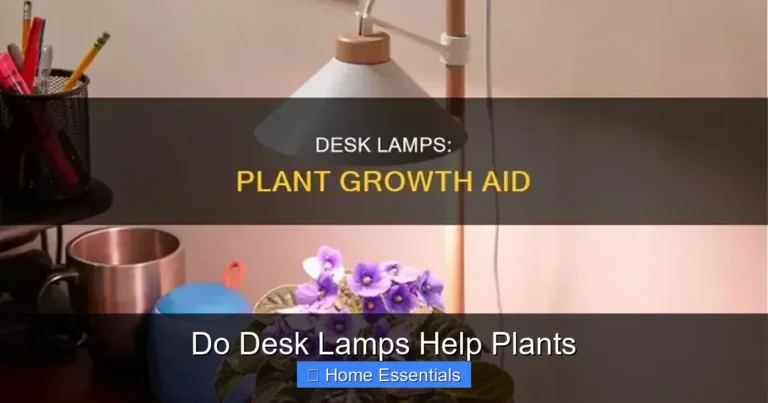
Visual guide about Can Plants Grow Under a Desk Lamp
Image source: mindplants.com
The Usual Suspects (Usually Not Enough)
Incandescent Bulbs: These are the classic, heat-producing bulbs. They are terrible for plants. They emit mostly red/infrared light (heat) and very little blue light. They also waste 90% of their energy as heat, risking scorching your plant if placed too close. Verdict: Avoid for plant growth.
Standard Warm White LED Bulbs: The common LED bulb you buy for ambient lighting (2700K-3000K color temperature) is designed for human comfort, not plant photosynthesis. It’s heavy in the yellow/red end and very weak in the crucial blue spectrum. It might keep a low-light plant alive but won’t promote thriving growth. Verdict: Very limited supplemental use only.
The Hopeful Heroes (Can Work with Conditions)
Full-Spectrum/Daylight LED Bulbs (5000K-6500K): This is your starting point. These bulbs are designed to mimic daylight and have a much more balanced spectrum, including more blue light. Look for bulbs specifically marketed as “full-spectrum” or “daylight.” Some are even branded as “grow lights” in an A19 bulb shape that fits standard desk lamps. A smart bulb with a daylight setting can be a great, adjustable option. Verdict: Your best, simplest bet for a desk lamp setup.
Dedicated Small “Grow Light” Bulbs: Companies like GE, Sansi, and others make LED bulbs specifically for plants. They often have a purple hue (combining blue and red LEDs) and are engineered for high PPFD output in a small area. They fit standard lamp sockets and are the most effective solution. Verdict: Top performer for a single plant.
Which Plants Actually Have a Chance?
Even with perfect light, some plants are more forgiving of indoor conditions than others. Forget about growing tomatoes or sunflowers under your desk lamp. Think small, slow-growing, and shade-tolerant.
Visual guide about Can Plants Grow Under a Desk Lamp
Image source: gardeningsoul.com
Top Contenders for Desk Lamp Success
- Pothos (Epipremnum aureum): The ultimate survivor. It tolerates low light and will grow steadily under a strong desk lamp.
- Snake Plant (Sansevieria): Extremely low-light tolerant. It grows slowly but will survive and even thrive with consistent, bright artificial light.
- ZZ Plant (Zamioculcas zamiifolia): Another champion of low light. A strong desk lamp will give it the energy to produce those beautiful, glossy new stems.
- Herbs (Basil, Mint, Parsley): If you want something useful, herbs are great. They need more light than the above but will produce flavorful leaves under a powerful full-spectrum bulb placed very close.
- Small Succulents & Cacti: This is tricky. They need intense light to stay compact. A weak lamp will cause etiolation (stretching). Only attempt with a high-output purple grow bulb placed mere inches away.
Plants to Avoid Under a Desk Lamp
Large foliage plants (Monstera, Fiddle Leaf Fig), flowering plants requiring high light (African Violets, Orchids), and any vegetable or fruit-bearing plant will not receive enough energy from a single desk lamp to be healthy long-term. They need dedicated, high-power grow light fixtures.
Setting Up for Success: A Practical Step-by-Step Guide
So you have a full-spectrum bulb and a hardy pothos. Now, the setup is everything.
Visual guide about Can Plants Grow Under a Desk Lamp
Image source: thespruce.com
Step 1: Choose and Install the Right Bulb
Go to the hardware store or shop online. Buy a full-spectrum LED bulb with at least 1500 lumens (for a very small plant) up to 3000+ lumens (for a slightly larger cluster). A 9-12 watt LED claiming 1000-1500 lumens is a good start. If you want to get fancy and have a compatible lamp, a smart bulb allows you to adjust brightness (intensity) and schedule (photoperiod) from your phone, which is incredibly convenient.
Step 2: Position is Everything (The 6-Inch Rule)
Light intensity follows the inverse square law: it weakens rapidly with distance. For a desk lamp, the bottom of the bulb should be no more than 6-12 inches from the top of your plant’s leaves. For high-light plants like herbs, aim for 3-6 inches. For low-light plants like a snake plant, 8-12 inches might suffice. Start close and raise the lamp if you see signs of heat stress or leaf bleaching.
Step 3: Master the Light Schedule (The 12-16 Hour Rule)
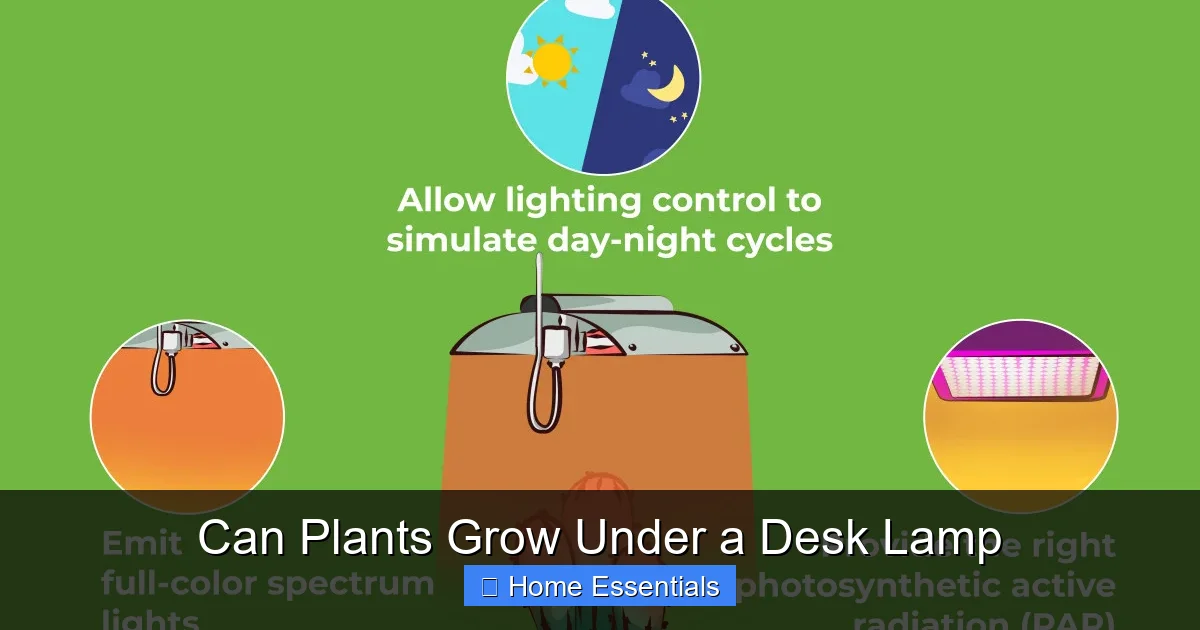
Plants need rest just like us. They use the dark period for respiration and growth processes. Set a timer. 12-16 hours of light is the standard. A simple outlet timer (mechanical or digital) costs $10 and is the most important accessory you can buy. Do not leave the light on 24/7. Consistency is key. Align the “on” period with your daytime—e.g., 7 AM to 9 PM.
Step 4: Monitor and Adjust
Watch your plant for a week. Signs of too little light: leggy growth, small new leaves, loss of variegation, slow/no growth. Signs of too much light (or heat): bleached or brown, crispy patches on leaves, leaves drooping despite moist soil. Adjust the height or duration accordingly. Remember, plants acclimatize slowly.
Common Pitfalls and How to Avoid Them
Even with the best intentions, desk lamp gardening has its traps. Here’s how to sidestep them.
Pitfall 1: The Heat Issue
Some older desk lamps, especially those with halogen bulbs or enclosed shades, trap heat. Even LEDs can generate some warmth. Always check the temperature at the leaf surface after the lamp has been on for an hour. It should be cool or barely warm to the touch. If it’s hot, raise the lamp immediately or switch to a cooler bulb. Modern LED smart bulbs run very cool, making them a safer choice for enclosed fixtures.
Pitfall 2: Forgetting the Dark Period
It’s easy to think “more light is better.” It’s not. Continuous light disrupts a plant’s circadian rhythm and can lead to stress, poor growth, and increased susceptibility to pests. The timer is non-negotiable. If you use a dimmable smart bulb, you can even simulate a sunrise/sunset, which some growers believe is beneficial.
Pitfall 3: Ignoring Other Needs
Light is just one part of the equation. Your plant still needs proper watering (under a lamp, soil may dry out faster), appropriate potting mix, and humidity. A dry, dusty plant under a bright lamp is still a stressed plant. Wipe leaves occasionally to dust off any film that blocks light absorption. A damp microfiber cloth is perfect for this gentle cleaning task.
Pitfall 4: Overestimating Power
A single desk lamp, even a strong one, has a very small coverage area. Don’t try to light a whole shelf of plants. The light cone from a standard desk lamp is narrow. Your plant’s leaves must be directly under the brightest part of the beam. For multiple plants, you might need multiple lamps or a different fixture altogether.
The Verdict: Is It Worth It?
Using a desk lamp to grow a plant is a fantastic experiment and a practical solution for a single, low-light plant in a dark spot. It’s a low-cost entry into the world of indoor grow lighting. However, it’s not a scalable or efficient solution for more than one or two small plants.
If your goal is to keep a pothos alive on your home office shelf, a full-spectrum LED bulb in a clip-on desk lamp with a timer is a perfect, affordable win. If you dream of harvesting cherry tomatoes in your basement, you’ll need to invest in a proper, high-intensity full-spectrum grow panel. The desk lamp method is about supplementation and survival, not about maximizing yield or growth speed.
Ultimately, it’s a fun way to engage with your plants and learn about their fundamental need for light. You’ll gain a deeper appreciation for the complex relationship between energy and life. So, grab that lamp, choose the right bulb, set the timer, and give that desk plant the photon boost it’s been craving.
Conclusion
So, can plants grow under a desk lamp? Yes, but with precision. The magic lies in swapping a standard bulb for a high-lumen, full-spectrum LED, placing it inches from the leaves, and timing it for 12-16 hours daily. Start with resilient plants like pothos or snake plants, and use a timer to ensure consistency. Watch for signs of stress, adjust, and enjoy the process. It’s a simple, affordable way to bring a touch of thriving green to even the darkest nook of your home or office. Your desk doesn’t have to be a plant graveyard—with the right light, it can be a mini-jungle.
Frequently Asked Questions
Can any desk lamp be used for plants?
No. Only desk lamps that can accommodate a high-lumen, full-spectrum LED bulb are suitable. Lamps with standard warm-white bulbs or that overheat are ineffective or dangerous for plants.
How close should the desk lamp be to the plant?
For most small plants, the bulb should be 6-12 inches from the top of the foliage. Start at 6 inches for herbs and 10-12 inches for low-light plants. Adjust based on leaf temperature and plant response.
What is the best bulb type for a desk lamp grow light?
A dedicated full-spectrum “grow light” LED bulb (often purple) or a high-lumen (2000+ lumens) “daylight” (5000K-6500K) LED bulb is best. Standard household LED bulbs are usually not strong enough.
How many hours a day should I leave the desk lamp on?
Set a timer for 12-16 hours of light per day. Never leave it on 24/7. Consistency is critical for plant health and growth cycles.
Will a desk lamp work for flowering plants?
It can support the foliage of small flowering plants, but flowering requires a higher proportion of red light, which many standard full-spectrum bulbs provide only in small amounts. Don’t expect abundant blooms from a desk lamp.
Is a smart bulb a good option for a desk plant light?
Yes, a smart bulb with a high-lumen, full-spectrum setting is an excellent choice. You can easily adjust brightness, set schedules, and automate the 12-16 hour photoperiod without buying a separate timer. Just ensure the bulb itself is powerful enough for growth.