Does a Desk Lamp Help Plants Grow
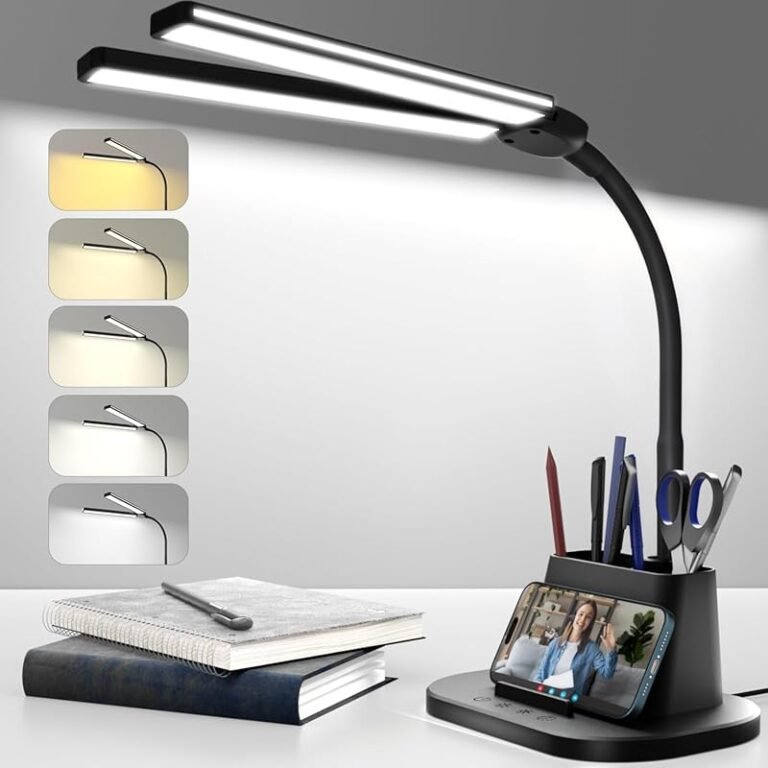
In most cases, a standard desk lamp is not an effective replacement for a dedicated grow light. While it can provide some illumination, its light spectrum, intensity, and heat output are typically mismatched with plant photosynthesis needs. However, with the right full-spectrum LED bulb and careful positioning, a desk lamp can support low-light tolerant foliage plants. Success depends entirely on understanding your plant’s specific requirements and the lamp’s technical limitations.
Key Takeaways
- Plants need specific light spectra: Photosynthesis primarily uses blue and red wavelengths. Many desk lamps emit light skewed towards the green/yellow spectrum, which plants reflect rather than use.
- Intensity (PPFD) matters most: Grow lights deliver high photon flux density (PPFD) at the plant canopy. A desk lamp’s light disperses quickly, providing insufficient intensity beyond a few inches.
- Heat is a critical factor: Incandescent and halogen desk bulbs generate excessive heat that can scorch leaves and dry soil, while LEDs stay cooler and are the only viable bulb type for this purpose.
- Not all plants are equal: Only low-light, foliage-focused plants (e.g., pothos, snake plant) might survive with a well-optimized desk lamp. Flowering, fruiting, or sun-loving plants will struggle.
- Distance and duration are precise: The lamp must be placed close (6-12 inches) for enough intensity, but not so close as to cause heat stress. Daily exposure of 12-16 hours is often needed, requiring a timer.
- Modern smart LEDs offer a compromise: Some smart bulbs can be tuned to full-spectrum settings, making them the best candidate for a desk lamp setup, though their output is still limited compared to true grow lights.
- It’s a temporary solution: A desk lamp is best for seedling starts or supplementing light in a bright room. For robust, long-term growth of most plants, a dedicated grow light is a worthwhile investment.
📑 Table of Contents
- Introduction: The Alluring Question of the Desktop Greenhouse
- The Science of Light and Plant Growth: It’s Not Just About Brightness
- Desk Lamp vs. Dedicated Grow Light: A Technical Showdown
- Which Plants Can Actually Survive (Not Thrive) with a Desk Lamp?
- How to Optimize a Desk Lamp for Plant Growth: The “How-To” Guide
- Common Mistakes and Pitfalls: Why Your Desk Lamp Will Probably Fail
- Alternatives and When to Upgrade to a Real Grow Light
- Conclusion: A Niche Tool, Not a General Solution
Introduction: The Alluring Question of the Desktop Greenhouse
You’ve got a sad-looking peace lily on your dimly lit office desk. You glance at your sleek desk lamp, the one you use for reading reports and browsing the web late at night. A thought sparks: Can this lamp just… also make my plant happy? It seems like a perfect, space-saving hack. Use one device for two purposes. But the world of plant lighting is filled with fascinating science and marketing jargon. The short, honest answer is: probably not, but maybe, with a lot of caveats.
This article isn’t about telling you to go buy a fancy grow light immediately. It’s about unpacking the why. Why do plants need light? What makes a “grow light” special? And under what very specific, narrow conditions could your trusty desk lamp pull double duty? We’ll dive into photons, spectra, and practical setup tips. By the end, you’ll know exactly when to try the desk lamp trick and when to start shopping for a proper plant light.
The Science of Light and Plant Growth: It’s Not Just About Brightness
To understand if a desk lamp works, we need to understand what plants actually do with light. It’s a common mistake to think “bright light = good for plants.” Brightness, as our eyes perceive it (measured in lumens), is almost irrelevant for plants. Instead, plants care about two things: the spectrum (color/wavelength) of the light and its intensity (how many photons hit the leaf).
Visual guide about Does a Desk Lamp Help Plants Grow
Image source: i.pinimg.com
Photosynthesis: The Plant’s Solar Panel
Photosynthesis is the process where plants convert light energy, water, and carbon dioxide into sugars (food) and oxygen. The magic happens in organelles called chloroplasts, which contain pigments like chlorophyll a and b. These pigments are like highly selective solar panels. They don’t absorb all colors of light equally. They have specific “absorption peaks.” Chlorophyll a and b absorb mostly blue (around 430-450 nm) and red (around 640-680 nm) wavelengths. They poorly absorb green light (around 550 nm), which is why plants look green—they reflect it.
So, a light source that emits strongly in the blue and red parts of the spectrum is far more efficient for plant growth than a light that is simply “bright” to our eyes. Many standard desk lamps, especially older incandescent or basic LED bulbs, emit a significant portion of their energy in the green/yellow spectrum, which plants mostly ignore. This is the first major hurdle.
PAR, PPF, and PPFD: The Real Metrics That Matter
Grow light manufacturers talk about PAR, PPF, and PPFD. These are the real metrics for plant lighting, not lumens or watts.
- PAR (Photosynthetically Active Radiation): The range of light wavelengths (400-700 nm) that plants can use for photosynthesis. All grow lights operate within this band.
- PPF (Photosynthetic Photon Flux): The total amount of PAR light emitted by a light source per second, measured in micromoles per second (µmol/s). It tells you the source’s potential.
- PPFD (Photosynthetic Photon Flux Density): The most crucial number for you. It measures the number of PAR photons that actually land on a square meter of your plant’s surface per second (µmol/m²/s). This is intensity at the point of use. A desk lamp might have a decent PPF, but its PPFD at the plant’s leaf will plummet with distance.
Think of it like a showerhead. PPF is how much water the showerhead can put out. PPFD is how much water actually hits your shoulder from a specific distance. A desk lamp is a weak, diffuse showerhead. A grow light is a powerful, focused one.
Desk Lamp vs. Dedicated Grow Light: A Technical Showdown
Now let’s compare the typical office or bedroom desk lamp to a purpose-built grow panel. The differences are stark and explain why one is a tool and the other is a compromise.
Visual guide about Does a Desk Lamp Help Plants Grow
Image source: biochemithon.in
Light Spectrum: The Color of Food
A standard “soft white” or “daylight” LED bulb for a desk lamp is designed for human vision. It aims for a high CRI (Color Rendering Index) and a comfortable color temperature (e.g., 2700K-5000K). Its spectrum is a broad peak, but it’s optimized for our eyes, not plant chloroplasts. You might see a spike in the green region.
A dedicated full-spectrum grow LED, however, is engineered. It has sharp peaks in the blue and red bands. High-quality ones also include some green and far-red wavelengths to drive secondary plant processes and create a more balanced, white-appearing light that’s easier to work under. Some smart bulbs now offer a “grow” or “vegetation” mode that attempts to mimic this spectrum. To understand how these smart bulbs achieve different spectra, it’s helpful to know how a smart bulb works. They use multiple, small LED chips of different colors (red, green, blue, sometimes white) that can be mixed via software to create various white hues and, in some cases, targeted spectra for plants.
Light Intensity: The Photon Drop-off Problem
This is the desk lamp’s biggest weakness. Light obeys the inverse square law: intensity decreases with the square of the distance. If your lamp’s bulb is 12 inches above a plant, moving it to 24 inches reduces the light reaching the plant to 1/4 of the original intensity. Desk lamps are designed to light a small, horizontal workspace—your desk. Their reflectors and lenses are not engineered to project light downward with high, uniform intensity over a specific area.
A 10-watt desk bulb might have a PPF of 50 µmol/s. At 6 inches away, its PPFD might be 200 µmol/m²/s—barely enough for low-light plants. At 12 inches, it might drop to 50 µmol/m²/s, which is darkness for most plants. A 20-watt dedicated grow bar, by contrast, is designed to deliver 200+ µmol/m²/s evenly over a 1×2 foot area at 12-18 inches. The engineering difference is immense.
Heat Management: The Silent Killer
Incandescent and halogen desk bulbs are essentially tiny, inefficient heaters. Over 90% of their energy is wasted as heat. Placing one 6 inches above a plant is a recipe for crispy leaf edges and parched soil. Even standard LED desk bulbs can get warm, though far less so. Dedicated grow lights use heat sinks and sometimes fans to dissipate heat away from the plant canopy. They are designed for 24/7 operation in close proximity to foliage. Your desk lamp’s casing is not. This is a serious safety and plant-health issue.
Form Factor and Coverage
A desk lamp has a single point source. It creates a very small, intense hotspot directly under the bulb and deep shadows everywhere else. Plants need relatively even light over their entire leaf surface for optimal, balanced growth. A grow light uses an array of LEDs to create a uniform “footprint” of light, minimizing hotspots and shadows. You would need to constantly rotate a plant under a desk lamp to try and achieve even growth, which is impractical.
Which Plants Can Actually Survive (Not Thrive) with a Desk Lamp?
If you’re determined to try, you must lower your expectations dramatically. We’re not talking about growing tomatoes or peppers. We’re talking about keeping a resilient, low-light foliage plant alive in a dark corner where no other light reaches.
Visual guide about Does a Desk Lamp Help Plants Grow
Image source: learntogrowgardens.com
The candidates are plants native to the dim understory of tropical forests. They are adapted to survive with filtered, low-intensity light. Their growth will be slow, and they may become “leggy” (stretching for light) over time.
- Pothos (Epipremnum aureum): Incredibly tolerant. It will survive, though variegated varieties may lose their color patterns.
- Snake Plant (Sansevieria): Arguably the most low-light tolerant common houseplant. It might just maintain itself.
- ZZ Plant (Zamioculcas zamiifolia): Another champion of low light. It stores water in its rhizomes and can endure poor conditions.
- Cast Iron Plant (Aspidistra elatior): Lives up to its name. It will tolerate very dim conditions.
- Philodendron Heartleaf: Similar to pothos in hardiness.
Critical Note: Even for these plants, success requires the right bulb (see next section). A standard warm-white LED bulb will likely not be enough. The plant will slowly decline, losing leaves over months. This setup is for survival, not health or beauty.
How to Optimize a Desk Lamp for Plant Growth: The “How-To” Guide
If you accept the limitations and want to try for a low-light survivor, here is the precise protocol. Failure to follow these steps will almost certainly result in a dead plant.
Step 1: Bulb Selection is Everything
This is the most critical step. Forget incandescent and halogen. Their heat is disqualifying. Your only option is a full-spectrum LED bulb.
- Look for “Full Spectrum” or “Grow Light” bulbs: Brands like GE, Philips, and others make specific LED bulbs labeled for plants. They will be more expensive than a standard bulb but are designed with a better spectrum.
- Consider a Smart Bulb with a “Grow” Mode: Some smart bulbs offer a dedicated plant growth setting in their app. These use a mix of red and blue LEDs to create a purplish light optimized for photosynthesis. You can learn more about whether smart bulbs can be used as grow lights and which models are best suited for this task. The ability to adjust spectrum and schedule via an app is a significant advantage.
- Wattage & PPF: Aim for the highest wattage (actual power draw, not “equivalent” incandescent watts) your lamp fixture can safely handle. A 10W-15W actual LED bulb is a good starting point for a single small plant.
Step 2: Distance and Positioning
Place the lamp as close as possible without the bulb casing touching the foliage. For a small LED bulb, this is often 6-12 inches. Use a ruler. The light intensity drops exponentially. The plant’s top leaves should be almost in the direct beam. You will likely need to raise the lamp as the plant grows.
Position the lamp so it shines directly down onto the plant’s center. If you have multiple plants, a single desk lamp cannot cover them. You would need one lamp per plant, placed very close.
Step 3: Duration and Automation
Plants need a consistent photoperiod. For most foliage plants, aim for 12-16 hours of light per day. This is not something you can reliably do manually. You must use a plug-in timer or the scheduling function of a smart bulb. Consistency is key. The plant’s internal clock (circadian rhythm) is sensitive to irregular light cycles.
If using a smart bulb, set a schedule in its companion app. If using a standard bulb, plug the lamp into a basic mechanical outlet timer. Set it and forget it.
Step 4: Monitor and Adjust
Watch your plant like a hawk for the first few weeks.
- Signs of Too Little Light: Leggy growth (long, weak stems with large gaps between leaves), slow or no new growth, loss of variegation, leaves turning pale green or yellow.
- Signs of Too Much Light/Heat: Leaves becoming bleached, white, or crispy at the edges, soil drying out extremely quickly (within a day), leaves feeling hot to the touch.
If you see stress signs, adjust the distance or reduce the duration by an hour or two. Be prepared to fail. This is a finicky balance.
Common Mistakes and Pitfalls: Why Your Desk Lamp Will Probably Fail
Even with the best intentions, here are the classic errors that doom the desk lamp experiment.
Mistake 1: Using the Wrong Bulb (The #1 Error)
Grabbing a cheap, warm-white (2700K) “soft white” bulb from the junk drawer. This bulb has almost no usable blue/red spectrum for plants. It’s like trying to fuel a diesel engine with gasoline. The plant will slowly starve. You must seek out a bulb specifically designed for plants or a smart bulb with a grow mode.
Mistake 2: Placing the Lamp Too Far Away
The desire to have a “nice looking” lamp setup with the bulb a foot or two above the plant. At that distance, the PPFD is often negligible. The plant is essentially in the dark. You must overcome the aesthetic urge and place the lamp frighteningly close to the plant for it to receive enough photons.
Mistake 3: Forgetting About Heat
Using an old incandescent bulb because it’s “bright.” This will cook the plant. Even a standard LED bulb in a closed, small desk lamp fixture can trap heat. Feel the top of the leaves after the lamp has been on for an hour. If they are warm, the lamp is too close or the bulb type is wrong.
Mistake 4: Inconsistent Lighting
Turning the lamp on when you remember and off when you leave. Plants need a reliable schedule. An inconsistent schedule confuses their biological processes and can lead to abnormal growth. Automation (a timer) is non-negotiable.
Mistake 5: Expecting “Thriving”
The goal with a desk lamp should be “maintenance and survival,” not “vigorous growth and flowering.” If you want a lush, full, blooming plant, you need a proper grow light from the start. The desk lamp is a stopgap for a dark room, not a long-term growth solution.
Alternatives and When to Upgrade to a Real Grow Light
So you tried the desk lamp. The pothos is hanging on, but it’s scraggly. You want more. When is it time to make the leap?
The Clear Signs It’s Time to Upgrade
- You want to grow food (herbs, lettuce, tomatoes) or flowering plants (African violets, orchids).
- Your plant is showing persistent etiolation (leggy growth) despite your best desk lamp efforts.
- You are starting seeds or propagating cuttings—these stages require high light intensity to prevent damping off and encourage strong roots.
- You have multiple plants in a room with no natural light.
- You are tired of the ugly, purplish glow of a single bulb and want a sleek, full-spectrum white light that looks good in your home.
Modern Grow Light Options for the Home
The good news is that grow lights are no longer just ugly purple panels. You have fantastic, aesthetically pleasing options:
- Grow Light Bars: Slim, white LED strips that look like modern task lighting. They hang from shelves, clip onto desks, or sit on surfaces. They provide excellent, even coverage.
- Grow Light Bulbs in Standard Fixtures: You can buy full-spectrum LED bulbs (like the ones mentioned earlier) and screw them into any standard lamp or fixture. This is the closest evolution of your desk lamp experiment. Use a simple, cheap clip-on lamp or an inexpensive utility lamp with a reflective back to direct all light downward.
- Integrated Grow Light Shelves/Units: Complete systems with built-in lights and tiers. They are designed for indoor gardening and hide the hardware beautifully.
The cost for a basic, effective setup for a few plants starts at $30-$50. The improvement in plant health and growth speed is night and day compared to a desk lamp. Considering the energy consumption of a dedicated, efficient LED grow light versus running a desk lamp 16 hours a day, the dedicated unit often wins on efficiency too, as it’s designed for the job.
Conclusion: A Niche Tool, Not a General Solution
Let’s bring it home. Your desk lamp, especially if fitted with a modern full-spectrum smart LED bulb, is a marginal tool for plant care. It can keep a truly resilient, low-light plant from dying in a pitch-black room. It can be used to start a few seedlings for a few weeks. But it is not a replacement for a real grow light if you have any ambitions beyond that.
The fundamental physics—light intensity drop-off, spectrum mismatch, and heat management—are stacked against it. You are fighting the design purpose of the lamp. For the love of your plants, don’t expect miracles. If you find yourself constantly worrying about your plant’s light, if it’s growing poorly despite your efforts, do yourself and the plant a favor: invest in a proper, dedicated grow light. It’s one of the best upgrades you can make for indoor gardening success. Your desk lamp is best reserved for its intended purpose: illuminating your work, not feeding your chlorophyll-filled friends.
Frequently Asked Questions
Can I use any LED desk lamp for plants?
No. Only desk lamps using a specific full-spectrum LED bulb designed for plants have a suitable light spectrum. Standard “daylight” or “soft white” LED bulbs lack the necessary blue and red wavelengths for efficient photosynthesis.
How close should a desk lamp be to a plant?
For a small full-spectrum LED bulb, the lamp should be placed 6-12 inches above the plant’s foliage. This is much closer than you’d use for reading. The light intensity must be high at the leaf surface, and intensity drops rapidly with distance.
How many hours a day should I leave a desk lamp on a plant?
You should provide 12-16 hours of consistent light daily. This must be automated with a plug-in timer or a smart bulb’s scheduling feature. Manual on/off switching will lead to irregular cycles that harm the plant.
Are smart bulbs good for growing plants?
Some smart bulbs have a dedicated “grow” or “vegetation” mode that mixes red and blue LEDs for a better plant spectrum. These are the best bulb option for a desk lamp, but their overall power and coverage are still limited compared to a dedicated grow light panel.
Is using a desk lamp as a grow light cheaper than buying a real one?
Initially, yes, if you already have the lamp and buy a $20 grow bulb. However, the inefficiency (low PPFD per watt) and poor coverage mean you may need multiple lamps for several plants, and your plants will grow slower and weaker. A dedicated $50 grow light is more effective and efficient in the long run.
How do I know if my plant isn’t getting enough light from my desk lamp?
Look for “leggy” growth: long, thin stems with sparse leaves and large gaps between them. The plant is stretching desperately toward the light source. New leaves may be smaller and paler than previous ones. If you see this, your light source is too weak or too far away.