Which Plant Is Good for Work Desk
Adding a plant to your work desk isn’t just decor—it’s a productivity booster. Studies show desk plants improve air quality, reduce stress, and enhance focus. Top picks like snake plants and pothos are nearly indestructible, thriving in low light with minimal care. Transform your workspace with these green allies.
Key Takeaways
- Air Purification: Many desk plants, like peace lilies and snake plants, remove toxins such as formaldehyde and benzene from indoor air.
- Stress Reduction: Caring for a plant and having greenery nearby lowers cortisol levels and promotes calmness.
- Low-Light Champions: Plants like ZZ and pothos thrive in artificial light, making them perfect for windowless offices.
- Minimal Watering: Overwatering is the top killer of desk plants; allow soil to dry completely between waterings.
- Pet-Friendly Options: If you have pets, choose spider plants or jade plants, which are non-toxic.
- Size Matters: Select plants that fit your desk space without crowding your work area.
- Tech-Enhanced Care: Smart plant pots with moisture sensors can take the guesswork out of watering.
📑 Table of Contents
The Unexpected Power of a Desk Plant
Look around your work desk. What do you see? A computer, maybe a coffee mug, some notebooks. Now, imagine adding a splash of green. A single plant can transform your desk from a sterile workstation into a vibrant, calming oasis. But this isn’t just about aesthetics. The question of which plant is good for work desk goes deep into productivity, health, and happiness.
Research consistently shows that bringing nature indoors reduces stress. One study found that employees with plants on their desks reported 37% less fatigue and 15% higher productivity. Plants literally clean the air we breathe, filtering out volatile organic compounds (VOCs) emitted by furniture and electronics. In a sealed office environment, this is a big deal. They also increase humidity slightly, combating dry air from heating and cooling systems that can lead to sore throats and dry skin.
Beyond the physical benefits, a living thing on your desk creates a psychological connection. It’s a small responsibility that offers a rewarding break. Taking a moment to water your plant or wipe its leaves can be a mindful pause in a busy day. So, choosing the right plant isn’t frivolous—it’s an investment in your work well-being.
Top 6 Desk Plants for Productivity and Well-being
Not all plants are suited for the desk environment. They must tolerate lower light, irregular watering, and stable temperatures. Here are six standout champions that answer the question of which plant is good for work desk with flying colors. Each is selected for resilience, air-purifying qualities, and compact size.
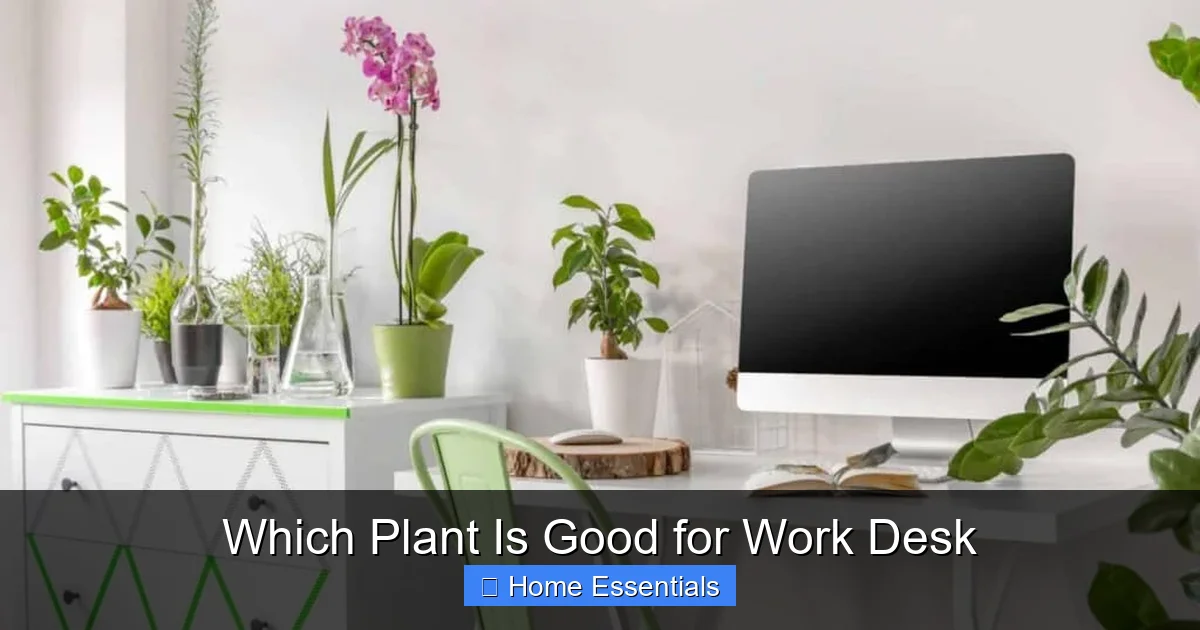
Visual guide about Which Plant Is Good for Work Desk
Image source: thespruce.com
Snake Plant (Sansevieria)
If you have a black thumb, meet your new best friend. The snake plant is famously indestructible. It thrives on neglect, needing water only once every few weeks. Its tall, sword-like leaves grow upwards, taking minimal desk space. More importantly, snake plants are exceptional air purifiers, especially at night, releasing oxygen while you sleep if you have one in your home office. They come in varieties like the compact ‘Bird’s Nest’ Sansevieria, perfect for small desks.
Why it’s great for your desk: It survives low light and irregular watering effortlessly. It’s a no-fuss, high-reward plant that quietly boosts oxygen levels.
ZZ Plant (Zamioculcas zamiifolia)
Another titan of tolerance, the ZZ plant has glossy, dark green leaflets on graceful stems. It stores water in potato-like rhizomes underground, making it drought-resistant. It can survive in very low light conditions, though it grows faster in bright, indirect light. The ZZ plant is also a potent air purifier, removing toxins like xylene and toluene.
Why it’s great for your desk: Its elegant, architectural look adds sophistication. You can literally forget it exists for a month, and it will still be there, looking perky. Ideal for the forgetful or frequently traveling worker.
Pothos (Epipremnum aureum)
The classic trailing vine, pothos is a workhorse. It grows quickly and can be trained to climb a small trellis or allowed to cascade over the edge of your desk. Varieties like golden pothos (with yellow variegation) or marble queen (white and green) add visual interest. Pothos is excellent at filtering formaldehyde and carbon monoxide. It’s also incredibly easy to propagate—snip a stem, put it in water, and you have a new plant.
Why it’s great for your desk: Its trailing habit adds dimension without width. It signals when it needs water (leaves slightly droop), making care intuitive. It’s one of the most forgiving plants you can own.
Peace Lily (Spathiphyllum)
If you want a plant that blooms on your desk, the peace lily is a top contender. Its white “flowers” (actually spathes) are elegant and long-lasting. It’s a powerful air purifier, ranking high in NASA’s clean air study for removing ammonia, benzene, and formaldehyde. Peace lilies prefer medium to low light and will dramatically droop their leaves when thirsty—an unmistakable watering reminder.
Why it’s great for your desk: The blooms provide a serene, white accent. Its dramatic thirst signal makes care foolproof. It adds a touch of tropical calm to any workspace.
Spider Plant (Chlorophytum comosum)
The spider plant is a classic, easy-to-grow favorite. It produces long, grassy leaves and sends out arching stems with baby plantlets (spiderettes) at the tips. These can be rooted in water to create new plants. Spider plants are non-toxic and excellent at removing formaldehyde and xylene. They thrive in bright, indirect light but tolerate lower conditions.
Why it’s great for your desk: Its arching form adds softness. The baby plantlets are fun to share with colleagues. It’s completely pet-safe, a crucial factor if your workspace is at home with animals.
Jade Plant (Crassula ovata)
A succulent with thick, woody stems and plump, oval leaves, the jade plant is like a mini tree. It stores water in its leaves, so it’s very drought-tolerant. Jade plants prefer bright light but can adapt. They are slow-growing and can live for decades, becoming family heirlooms. While not a top air purifier, their sturdy presence is grounding.
Why it’s great for your desk: Its miniature tree-like appearance is unique and charming. It requires almost no attention beyond occasional watering. It symbolizes good luck in some cultures, a positive vibe for your work.
Light, Water, and Care: The Non-Negotiables
Choosing the right plant is step one. Step two is providing basic care. Desk plants fail most often from overwatering or light mismatch. Let’s break down the essentials.

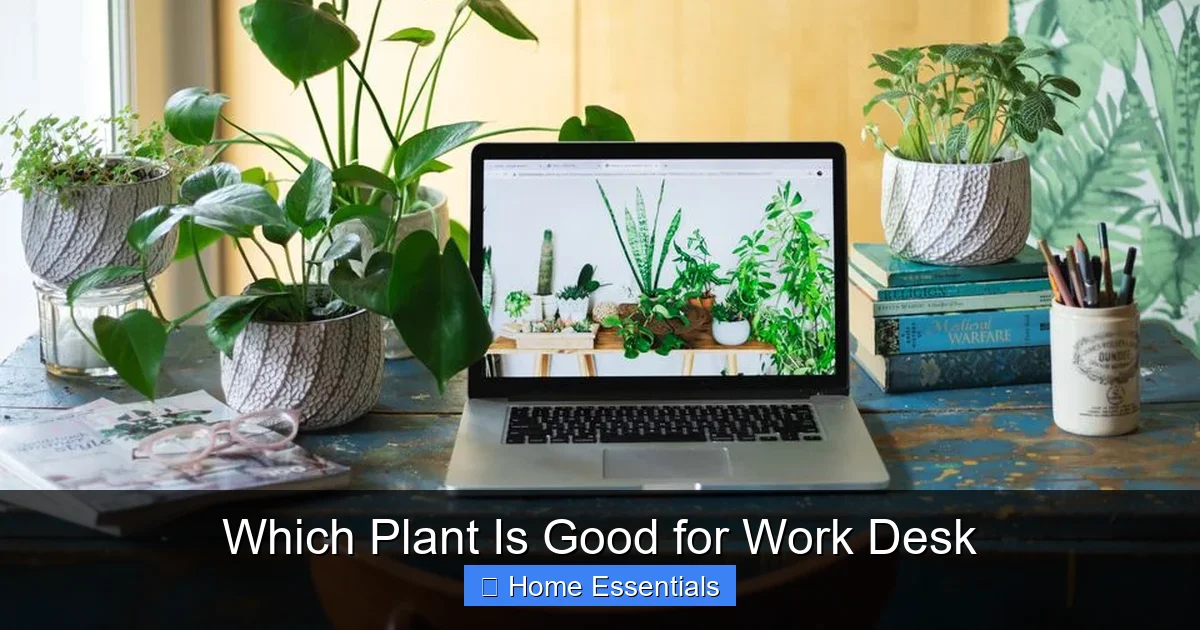
Visual guide about Which Plant Is Good for Work Desk
Image source: thumbs.dreamstime.com
Getting the Light Just Right
Light is the food for plants. Most desks have limited natural light, often just artificial overhead or a window a few feet away. Understand your desk’s lighting conditions before buying.
Low Light: North-facing windows, rooms with no windows, or desks far from windows. Snake plants, ZZ plants, and pothos excel here. They survive but may grow slowly.
Medium Light: East-facing windows or a spot a few feet from a south/west window. Peace lilies and spider plants prefer this. They will grow and possibly flower.
Bright, Indirect Light: South or west-facing windows with sheer curtains, or right next to an east window. Jade plants and variegated pothos need this to maintain their color.
If your desk has truly poor light, consider supplementing with a small grow light. Standard office lighting often lacks the full spectrum plants need. This is where smart light bulbs can be a game-changer. You can program them to provide specific color temperatures and durations that mimic daylight, supporting your plant’s photosynthesis without blinding you. Understanding how smart bulbs work helps you set schedules that benefit both you and your desk plant.
Watering Wisdom: Less is More
The golden rule of desk plants: it’s better to underwater than overwater. Overwatering leads to root rot, the silent killer. Most desk plants prefer the soil to dry out almost completely between waterings.
- Check the soil: Stick your finger about an inch deep. If it’s dry, water. If damp, wait.
- Water thoroughly: When you do water, soak the soil until water runs out the drainage hole. Then discard any excess from the saucer. Never let the pot sit in water.
- Adjust for season: Plants need less water in winter when growth slows.
Signs of overwatering: yellowing leaves, mushy stems, persistent drooping despite wet soil. Signs of underwatering: crispy, brown leaf tips, soil pulling away from pot edges, wilting.
Humidity and Temperature: The Invisible Factors
Office air is often dry due to HVAC systems. Most tropical desk plants (like peace lily, pothos) appreciate higher humidity. Simple solutions:
- Group plants together to create a microclimate.
- Use a small pebble tray: fill a shallow dish with pebbles and water, sit the pot on top (ensuring the pot bottom doesn’t touch water).
- Mist occasionally, but don’t rely on it as the primary humidity source.
Temperature is usually stable in offices. Avoid placing plants near heating vents, air conditioners, or drafty windows. Sudden temperature shocks cause leaf drop.
Choosing the Right Pot and Placement
A plant’s home matters as much as the plant itself. The wrong pot can doom even the hardiest specimen.
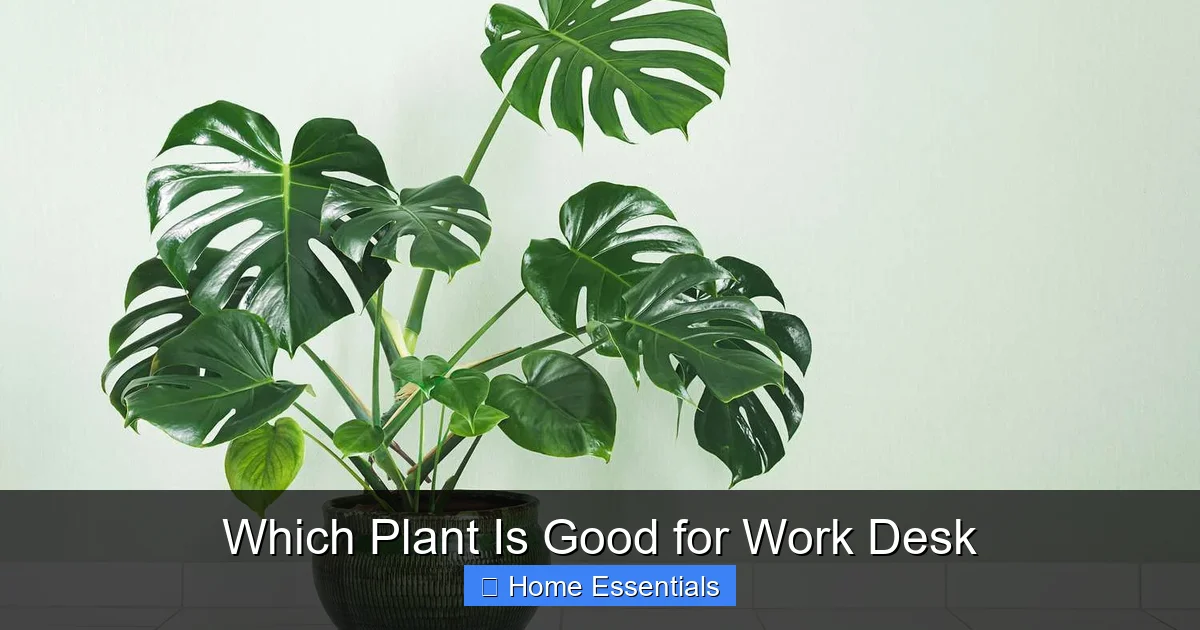
Visual guide about Which Plant Is Good for Work Desk
Image source: realsimple.com
Pot Size and Drainage Matter
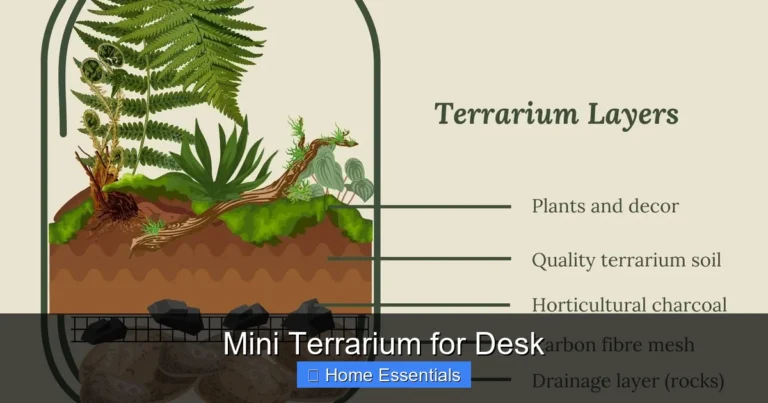
Drainage is non-negotiable. Every pot must have a drainage hole. Without it, water pools at the bottom, causing root rot. If you have a decorative pot without a hole, use it as a cachepot: plant your desk plant in a plastic nursery pot with holes, then slip it inside the decorative one. Empty the cachepot after watering.
Size: Choose a pot only 1-2 inches wider in diameter than the current pot. Too much soil holds excess moisture. When repotting, go up gradually.
Material: Terracotta breathes well but dries out faster. Plastic and glazed ceramic retain moisture longer. For a low-maintenance plant, a plastic pot might be better if you tend to underwater.
Where to Place Your Desk Plant for Best Results
Placement affects both plant health and your workflow.
- Avoid direct sunlight on leaves: A south window with direct sun can scorch leaves. Use sheer curtains or move the plant back.
- Don’t crowd: Leave space around the plant for air circulation and for you to work comfortably.
- Consider your line of sight: A plant should be a pleasant backdrop, not an obstruction. A corner of the desk or a small shelf behind the monitor often works well.
- Protect from spills: Use a saucer or mat to catch water and protect your desk surface.
For the tech enthusiast, the market offers smart plant pots with built-in moisture sensors, LED growth lights, and app connectivity. These can monitor soil moisture and send alerts to your phone, taking the guesswork out of watering. They’re an excellent option if you want to integrate your desk plant into your smart home setup.
Integrating Plants into Your Daily Workflow
A desk plant shouldn’t be a chore. It should seamlessly integrate into your routine, enhancing it.
Start by pairing your plant’s needs with your schedule. If you’re at your desk from 9 to 5, a plant that needs weekly watering might fit perfectly. Use your coffee break to check soil moisture or wipe dusty leaves with a damp cloth (dust blocks light).
Leverage technology to support your green habit. Set a recurring reminder on your phone or calendar for watering days. More advanced users can incorporate plants into smart home routines. For example, you could program smart bulbs that work with Google Home to gradually brighten your desk in the morning, mimicking a sunrise that benefits both you and your light-loving plants. Understanding how smart bulbs work allows you to create schedules that provide optimal light spectra during your work hours and dimmer, warmer light in the evening for relaxation.
Finally, make plant care a mindful moment. Instead of seeing it as a task, view it as a micro-break. Stand up, stretch, inspect your plant, and breathe. That two-minute interaction can reset your focus more effectively than scrolling through social media.
Common Mistakes to Avoid
Even with the best intentions, desk plant owners make errors. Here are the top pitfalls:
- Overwatering: The #1 killer. Stick to the finger test. When in doubt, wait.
- Wrong Light Assumption: “Low light” does not mean “no light.” All plants need some light. If a plant is etiolated (stretching, pale, weak), it needs more light.
- Neglecting Dust: Dust on leaves blocks light. Wipe leaves monthly with a damp cloth.
- Using the Wrong Pot: No drainage hole = guaranteed problems.
- Moving Too Often: Plants acclimate to their spot. Constant moving stresses them.
- Ignoring Pests: Check undersides of leaves weekly for mealybugs (white cottony fluff) or spider mites (fine webbing). Isolate and treat early with insecticidal soap.
- Buying Impulsively: Don’t choose a plant just because it’s pretty. Match it to your desk’s light and your willingness to care.
Conclusion: Your Green Desk Awaits
So, which plant is good for work desk? The answer is personal, but the best choices are resilient, appropriately sized, and match your environment. Start with a snake plant, ZZ plant, or pothos if you’re new. These plants are forgiving and require minimal intervention. As your confidence grows, you can experiment with peace lilies for blooms or spider plants for propagation fun.
Remember, the goal is to create a workspace that supports your best work. A desk plant does that by purifying the air, reducing stress, and providing a living connection to nature. It’s a small change with a big impact. This week, bring home one of these green companions. Place it on your desk, give it a spot with appropriate light, and commit to checking its soil before watering. You’ll likely find that as your plant thrives, so does your focus and calm. Your most productive desk yet is waiting—just add a plant.
Frequently Asked Questions
What is the easiest plant for a desk?
The snake plant and ZZ plant are the absolute easiest. They require very low light and water only once every few weeks, making them perfect for beginners or busy professionals.
How much light do desk plants need?
Most desk plants thrive in bright, indirect light. However, low-light champions like snake plants and pothos can survive in dimmer conditions. Always check a plant’s specific needs before placing it.
Can I put a desk plant in a room with no windows?
Yes, but you’ll need a low-light tolerant plant like a snake plant or ZZ plant, and you should consider supplementing with a small grow light or a smart bulb that provides full-spectrum lighting for several hours a day.
How often should I water my desk plant?
Water only when the top inch of soil is dry. For most low-maintenance desk plants, this is typically every 2-3 weeks. Always check the soil first, as watering needs change with seasons and light conditions.
Are desk plants safe for pets?
Some are, some aren’t. Spider plants and jade plants are non-toxic and safe for cats and dogs. Always check the ASPCA’s plant database before bringing a new plant into a pet-friendly home.
Do desk plants really improve productivity?
Yes, studies indicate that desk plants can reduce stress, improve air quality, and increase focus and creativity. The presence of greenery in a workspace is linked to higher job satisfaction and productivity.