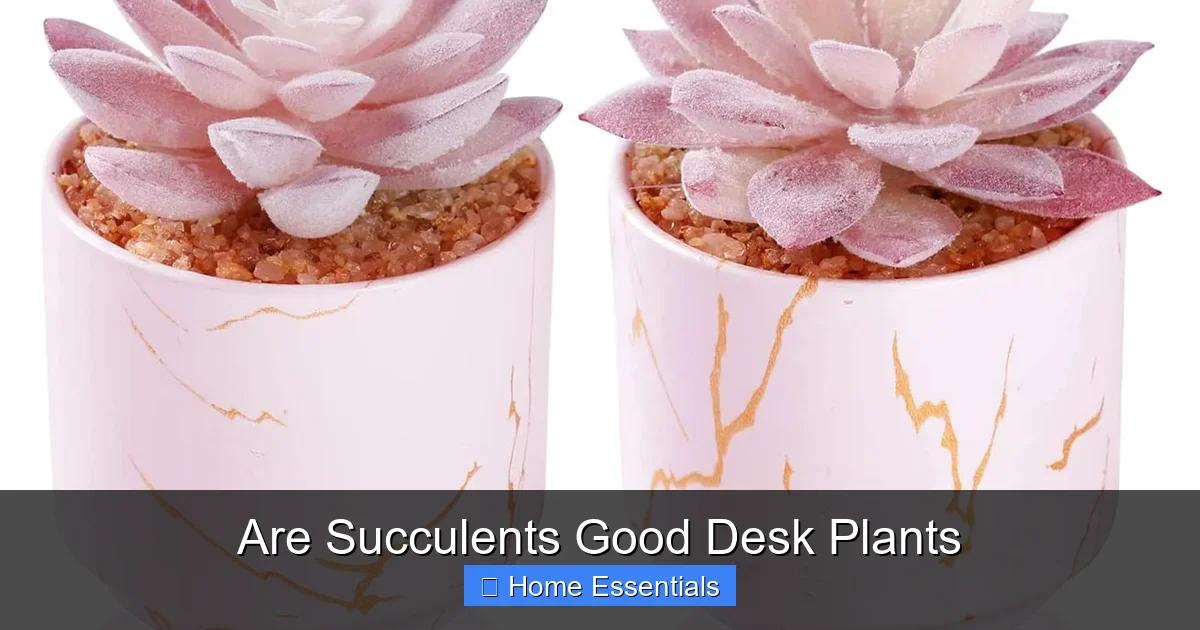
Are Succulents Good Desk Plants
Absolutely. Succulents are exceptional desk plants due to their minimal care requirements, ability to thrive in indoor light, and proven air-purifying qualities. Their diverse, sculptural forms add a touch of nature to any workspace without demanding constant attention, making them ideal for busy professionals and plant beginners alike.
Let’s be honest. Your desk is your command center. It’s where ideas are born, deadlines are met, and coffee mugs go to retire. It’s also, for many of us, a little bit sterile. A splash of green can transform that space from a mere workstation into a personal sanctuary. But between the ferns that wilt dramatically and the fiddle-leaf figs that demand a symphony of care, finding the right plant feels like a gamble. Enter the succulent. Those plump, geometric, often quirky little plants you see in tiny pots and creative containers. They’re everywhere, from big-box stores to boutique plant shops. But are succulents good desk plants, or are they just a passing trend? The short answer is a resounding yes. They might just be the perfect desk companion you’ve been searching for. Let’s dig into why.
Key Takeaways
- Low-Maintenance Champions: Succulents store water in their leaves, requiring infrequent watering (often every 1-3 weeks) and tolerating the occasional forgetful owner perfectly.
- Air-Purifying Partners: Studies, like those from NASA, show certain succulents can help remove volatile organic compounds (VOCs) from indoor air, contributing to a healthier office environment.
- Stress-Reducing Decor: The presence of living greenery, even a small succulent, is scientifically linked to reduced stress, improved mood, and enhanced focus and productivity at your desk.
- Diverse & Decorative: From the rosettes of Echeveria to the trailing strings of Burro’s Tail, succulents offer a stunning array of colors, textures, and shapes to match any personal style or desk aesthetic.
- Safety & Stability: Most common desk succulents are non-toxic to humans and pets (always verify species), and their low, sturdy growth poses no risk of knocking over like taller, top-heavy plants.
- Cost-Effective & Long-Lived: They are inexpensive to purchase, require no special fertilizers or expensive equipment, and with proper care, can thrive on your desk for many years.
- Forgiving of Indoor Light: While they love bright light, many succulent varieties adapt well to the moderate, indirect light typical of office desks, especially those placed near a window.
📑 Table of Contents
- The Perfect Match: Why Succulents Thrive on Desks
- Choosing Your Desk Succulent: A Guide to the Best Varieties
- The Non-Negotiable Care Guide for Desk Succulents
- Common Pitfalls and How to Avoid Them
- Beyond Survival: Styling and Integrating Your Desk Oasis
- The Final Word: A Worthy Investment in Your Workspace
The Perfect Match: Why Succulents Thrive on Desks
Your desk environment is unique. It’s not a sunny windowsill, and it’s not a humid bathroom. It’s a zone of consistent, often moderate temperatures, with light that depends entirely on your office layout. This is where succulents shine. Their entire biological strategy is built for resource conservation and resilience, which aligns perfectly with the often-forgotten, attention-sparse life of a desk plant.
Built for Neglect (In the Best Way Possible)
Succulents are the masters of water storage. The word “succulent” literally means “juicy” or “fleshy,” referring to their thickened leaves, stems, or roots that act as reservoirs. This adaptation allows them to survive long periods without rain in their native arid habitats. For you, this translates to a forgiving watering schedule. While a fern might yellow and droop if you miss a weekend, a healthy succulent will simply pause its growth. You can’t love it to death with water—overwatering is the number one killer of succulents, not underwatering. This low-demand hydration routine is a massive perk for anyone who travels, gets busy, or simply doesn’t want to add “water the plant” to their daily mental checklist. It’s the plant equivalent of a smartphone with incredible battery life.
Light Requirements That Actually Match Your Desk
We often hear “bright, direct light” for plants and imagine a south-facing window. For many desk setups, that’s not reality. Most desks get bright, indirect light—the kind that’s filtered through an office window or illuminated by overhead fluorescents. While some succulents (like many desert cacti) crave full sun, a huge variety of popular desk succulents are perfectly content in medium, indirect light. Varieties like the Haworthia (Zebra Plant), Gasteria, and many Echeveria hybrids can adapt. They may not grow as rapidly or “blush” with vibrant colors without more sun, but they will survive and maintain their form. This adaptability is crucial. You don’t need to rearrange your desk to chase the sun; you just need to find a spot that gets a few hours of decent light.
A Natural Air Purifier at Your Fingertips
We spend up to 90% of our time indoors, and indoor air pollution can be a concern. While large plants like snake plants and peace lilies get most of the credit, research (including the famous NASA clean air study) indicates that succulents, particularly those with a high leaf surface area like certain Aloe varieties, contribute to removing toxins like formaldehyde and benzene from the air. On your desk, you’re breathing that air directly. Having a living air purifier right there isn’t just a nice perk; it’s a tangible health benefit that creates a cleaner micro-environment around your workspace. It’s a small, beautiful step toward a healthier office.
Choosing Your Desk Succulent: A Guide to the Best Varieties
Not all succulents are created equal, especially for the desk environment. You want something that won’t outgrow its space too quickly, stays relatively compact, and tolerates the specific light you have. Here’s a breakdown of top-tier desk contenders.
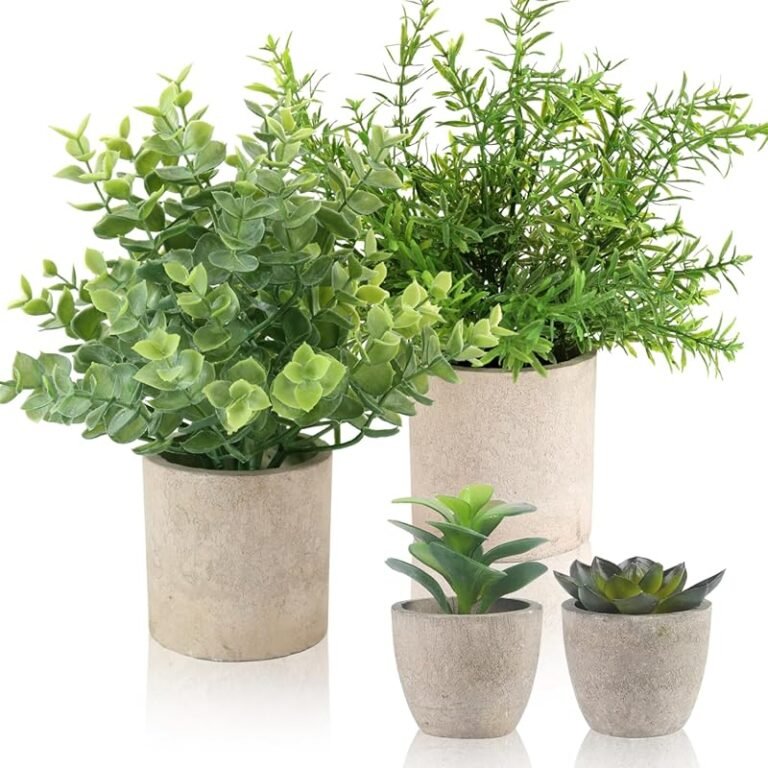
Visual guide about Are Succulents Good Desk Plants
Image source: m.media-amazon.com
Top Tier: The Undisputed Desk Champions
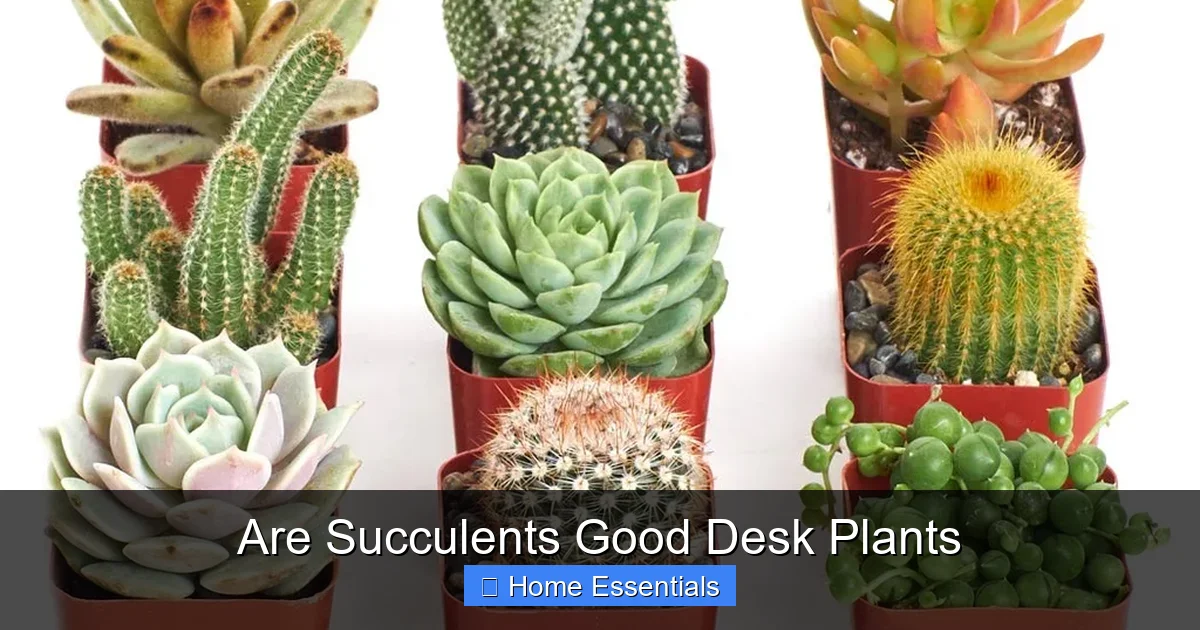
- Echeveria: The classic. These form beautiful, symmetrical rosettes that look like giant, fleshy flowers. They come in shades of green, blue, pink, and purple. They prefer the brightest spot on your desk. ‘Lola’ and ‘Perle von Nürnberg’ are popular, hardy choices.
- Haworthia (Zebra Plant): The ultimate low-light survivor. With striking white stripes or patterns on dark green leaves, they are visually interesting but incredibly undemanding. Haworthiopsis attenuata is a common and resilient variety perfect for a dimmer corner.
- Jade Plant (Crassula ovata): A symbol of good luck and an incredibly forgiving plant. Its thick, oval, dark green leaves on woody stems can grow into a small shrub. It tolerates a wide range of light and watering conditions, making it nearly bulletproof for beginners.
- Aloe Vera: Practical and pretty. Its medicinal gel is a famous burn remedy. It has a rosette of spear-like, toothed leaves. It needs bright light but is otherwise simple to care for. A dual-purpose plant!
- Burro’s Tail (Sedum morganianum): For a trailing effect. Its plump, blue-green leaves cascade beautifully from a hanging pot or a high shelf on your desk. It loves sun and hates overwatering.
Considerations for Your Specific Desk Setup
Before you buy, do a quick light audit. Is your desk by a window? Which direction does it face (north, south, etc.)? How many hours of direct sun does it get? For a north-facing or deeply shaded desk, prioritize Haworthias or Gasterias. For an east or west-facing desk with a few hours of sun, Echeverias and Jades will be thrilled. If your desk is a high-traffic zone where it might get bumped, avoid trailing varieties or those with delicate, easily snapped leaves. Also, consider size. A full-grown Echeveria might be 4-6 inches across—perfect. A mature Snake Plant could be too tall and wide. Always check the expected mature size.
When shopping, inspect the plant closely. Look for firm, plump leaves with no mushy spots, black marks, or white fuzzy mildew (which indicates rot). The soil should be dry, not soggy. Gently squeeze the base of the plant; it should feel secure in its pot, not loose. Avoid plants that are already etiolated (stretched out, pale, and leggy), as this means they’ve been starving for light and may struggle to recover their compact shape.
The Non-Negotiable Care Guide for Desk Succulents
You’ve picked your plant. Now, the “secret” to success is understanding and replicating their natural dormancy cycles. Forget the “water once a week” rule. Succulent care is about observation and climate.
Visual guide about Are Succulents Good Desk Plants
Image source: media1.popsugar-assets.com
Watering: The #1 Skill to Master
This is where most people fail. The golden rule: water deeply, then dry completely. When you do water, soak the soil thoroughly until water runs out the drainage hole. Then, forget it exists until the soil is 100% dry. But how do you know? The finger test is best. Insert your finger into the soil up to the first knuckle. If it’s dry, it’s time. If it’s cool and moist, wait. For most indoor succulents in an office environment, this means watering every 1-3 weeks, depending on the season and your specific humidity/light. In winter, when growth slows, you might only water once a month. Never water on a schedule. Water based on soil dryness. Also, avoid getting water on the leaves, as this can cause rot and fungal spots. Water the soil directly.
Light: Finding the Sweet Spot
“Bright, indirect light” is the goal. This means a spot where the plant is near a light source but not baking in harsh, direct afternoon sun (which can scorch leaves). A few feet from an east or west-facing window is ideal. If your only option is a deep interior desk, you’ll need a small, dedicated desk grow light. These are inexpensive LED bulbs you can clip onto your desk or monitor, providing the full spectrum light succulents crave for 6-8 hours a day. Rotate your plant every few weeks so it grows evenly and doesn’t lean dramatically toward the light source.
Soil & Potting: Drainage is Everything
Succulents will rot in standard potting soil. They need a fast-draining, gritty mix. You can buy pre-mixed “cactus and succulent soil” or make your own by mixing regular potting soil 50/50 with perlite or pumice. The pot must have a drainage hole. That’s non-negotiable. Terracotta (clay) pots are ideal because they are porous and allow moisture to evaporate from the sides, helping the soil dry faster. Glazed ceramic or plastic pots are fine too, as long as they have a hole. The pot should be only slightly larger than the plant’s root ball; too much soil holds excess moisture.
Feeding and Temperature: The Simple Extras
Fertilizing is optional but beneficial. Use a balanced, water-soluble fertilizer diluted to 1/4 or 1/2 strength. Apply only during the active growing season (spring and summer), and only once a month at most. Over-fertilizing can burn delicate roots and create weak, leggy growth. In fall and winter, stop fertilizing entirely. Succulents prefer the same temperatures we do: 60-80°F (15-27°C). They can tolerate cooler nights (down to 50°F/10°C) but should be kept away from drafts from air conditioners or heaters, and certainly from cold windows in winter.
Common Pitfalls and How to Avoid Them
Even with the best intentions, problems arise. Knowing the warning signs is half the battle.
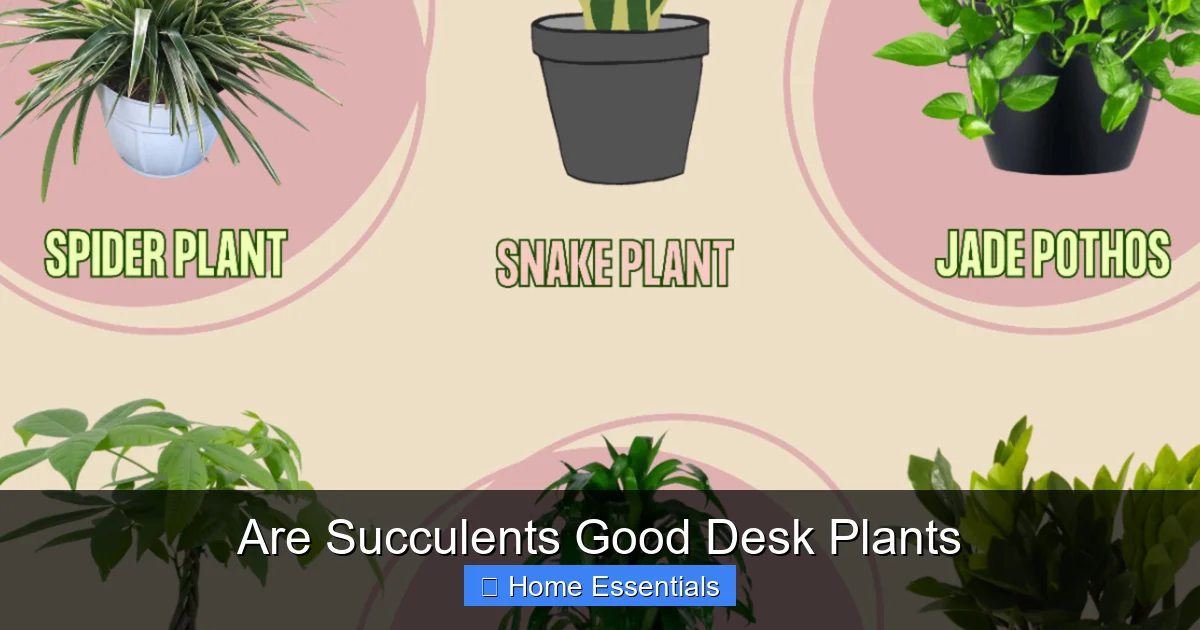
Visual guide about Are Succulents Good Desk Plants
Image source: smallbiztrends.com
Overwatering: The Silent Killer
Symptoms: Leaves that are yellow, translucent, and mushy, especially at the base. The stem may be black and rotted. The soil stays wet for days. Leaves drop easily. Fix: Immediately stop watering. Gently remove the plant from the pot. Shake off wet soil and inspect the roots. Trim any black, mushy roots with sterile scissors. Let the plant sit out of soil for a day or two to callous. Repot in fresh, dry succulent mix. Do not water again for at least a week. If the rot is advanced, you may be able to propagate healthy leaves or stem cuttings.
Etiolation: The Stretch for Light
Symptoms: The plant becomes pale, thin, and leggy, with large gaps between new leaves. It’s stretching toward the nearest light source. Fix: Move the plant to a much brighter location immediately. If it’s severely etiolated, you can “behead” it: cut off the healthy, compact top part with a few inches of stem. Let the cut end callous for a few days, then replant it in fresh soil. The old, stretched stem may produce new offsets (baby plants) from the nodes. This is a rescue operation, not a first resort—prevention with proper light is key.
Pests: The Unwanted Desk Mates
The most common are mealybugs (tiny, white, cottony fluff in leaf crevices) and fungus gnats (tiny flying insects around the soil). For mealybugs: Dab them off with a cotton swab dipped in rubbing alcohol. Repeat daily until gone. For severe infestations, you may need an insecticidal soap. For fungus gnats: They’re a sign of soil that’s staying too wet. Let the soil dry out completely between waterings. You can place a yellow sticky trap near the plant to catch the adults. Repotting into a fresh, dry mix is often necessary. Keeping a layer of small gravel on top of the soil can deter egg-laying.
Beyond Survival: Styling and Integrating Your Desk Oasis
A succulent on your desk shouldn’t feel like an afterthought. It’s an opportunity for self-expression and creating a more inspiring workspace.
Container Creativity
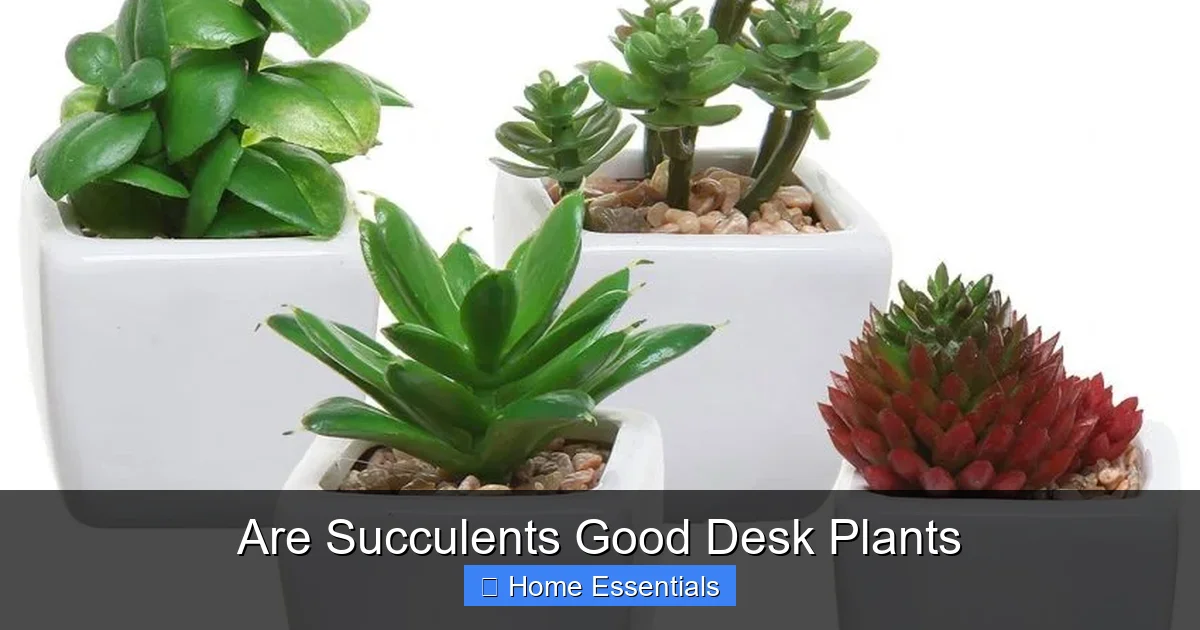
Ditch the standard plastic pot. Succulents are perfect for unique containers because they don’t need deep soil. Consider vintage teacups, geometric concrete planters, rustic wooden boxes (lined with plastic or with drainage holes drilled), hollowed-out books (for a very literary look), or even repurposed tin cans. Just remember: the container MUST have a drainage hole, or you must be an expert at watering the exact right amount. If you use a pot without a hole, use a layer of gravel at the bottom and water extremely sparingly, treating it like a terrarium.
Creating Mini-Landscapes and Groupings
Group several small succulents of varying heights and textures in a shallow tray or wide bowl (a “succulent arrangement”). This creates a miniature garden on your desk. Use different colored stones or sand as a topdressing to unify the look and help retain moisture. When grouping, ensure all plants have similar light and water needs. Don’t pair a desert cactus with a tropical succulent. Stick to the “easy care” crew like Echeveria, Haworthia, and Sedum varieties.
Mindful Placement for Maximum Impact
Place your succulent where your eye can rest. The corner of your monitor, next to your keyboard, or on a small stand beside your notebook. Avoid placing it directly in the path of a fan or air conditioner vent, which will dry it out too quickly. If your desk gets afternoon sun, watch for scorching—a bleached or brown, crispy spot means it’s getting too much direct rays and needs a bit of shade. Remember, your desk plant should reduce stress, not become another chore. Position it where it’s pleasant to look at and easy to care for.
The Final Word: A Worthy Investment in Your Workspace
So, are succulents good desk plants? Without a doubt. They are the nexus of beauty, resilience, and low maintenance. They forgive our busy schedules, adapt to our less-than-ideal lighting, and quietly work to improve the air we breathe. They offer a moment of connection to nature during a long workday, a tiny project to nurture that isn’t tied to a deadline. The small ritual of checking the soil, misting a leaf (if you choose), or simply admiring its slow, steady growth can be a powerful mindfulness tool. They are not just decor; they are living accessories that enhance your daily work life. With a little understanding of their core needs—drainage, bright light, and infrequent water—you’ll have a thriving, beautiful desk companion for years to come. Your perfect, low-fuss green desk buddy isn’t a myth. It’s a succulent.
Frequently Asked Questions
How often should I water my desk succulent?
Water only when the soil is completely dry, typically every 1-3 weeks. Always check by feeling the soil with your finger. Water deeply until it runs out the drainage hole, then let it dry out entirely before watering again. Never water on a fixed schedule.
Do succulents need sunlight? Can they survive in an office with no windows?
Yes, they need light to survive and stay compact. In a windowless office, you will need a small desk grow light (LED bulb) to provide 6-8 hours of artificial “sunlight” daily. Without supplemental light, most succulents will become pale, stretched, and weak over time.
Are succulents toxic to pets or humans?
Most common desk succulents like Jade, Echeveria, and Haworthia are considered non-toxic to humans and are generally safe for cats and dogs. However, some, like certain Euphorbias, have a milky sap that can be irritating. Always research your specific species to be absolutely sure, especially if you have curious pets.
How long do succulents live? Are they long-term plants?
With proper care, succulents are very long-lived. Many can live for 5-10 years or more, and some like Jade Plants can become family heirlooms, living for decades. They grow slowly, so their lifespan on your desk can span many years.
What kind of soil is best for a succulent in a desk pot?
A fast-draining, gritty cactus and succulent mix is essential. You can buy this pre-made or make your own by mixing regular potting soil 50/50 with perlite or pumice. Never use standard garden or potting soil alone, as it holds too much moisture and will cause root rot.
Can I propagate my desk succulent? How?
Yes! Many succulents propagate easily from leaf or stem cuttings. Gently twist a healthy leaf from the stem, let it callous for a few days, then place it on top of dry succulent soil. Mist occasionally. Roots and a new baby plant will emerge in a few weeks. For stem cuttings, cut a piece with a few leaves, let it callous, and plant it. This is a great way to multiply your desk garden or share with friends.