How Much Does a Study Desk Cost
The cost of a study desk varies wildly, from as little as $50 for a basic model to over $3,000 for a high-end, custom piece. The final price depends on size, material (particleboard vs. solid wood), build quality, features like height adjustability, and the brand. Understanding these factors helps you set a realistic budget and avoid overspending or sacrificing essential quality for your home office or study nook.
Let’s be real: when you’re setting up a study space, the desk is the star of the show. It’s where the magic (or the grueling homework) happens. But before you fall in love with a sleek, minimalist design or a massive L-shaped command center, the big question looms: how much does a study desk cost? The answer isn’t simple, because the price tag can swing dramatically based on a dozen different factors. Think of it like buying a car—a basic commuter and a luxury SUV both get you from A to B, but the experience, materials, and price are worlds apart. This guide will be your trusted co-pilot, navigating the landscape of desk pricing from the dirt-cheap to the investment-worthy. We’ll break down what you’re really paying for, where to find the best deals, and how to avoid buyer’s remorse so you can create a productive, comfortable space without breaking the bank.
Key Takeaways
- Price Spectrum is Wide: Expect to pay anywhere from $50 to $3,000+ for a study desk, with most quality options falling between $200 and $800.
- Material is the Primary Cost Driver: Particleboard/MDF with veneer is budget-friendly; solid wood (oak, walnut) and steel frames significantly increase cost and durability.
- Features Add Up: Simple sit-stand mechanisms, built-in cable management, drawers, and grommets for wire management can add $100 to $1,000+ to the base price.
- Consider the “Total Cost”: Factor in assembly fees (if not DIY), shipping/delivery, and essential accessories like a supportive microfiber cloth for dusting your new surface.
- Where You Buy Matters: Big-box stores (IKEA, Target) offer value; direct-to-consumer brands (Autonomous, Fully) balance cost and features; custom furniture makers charge a premium for bespoke designs.
- Prioritize Your Needs: A student needs a simple, sturdy surface; a remote worker needs ergonomics and space; match the desk’s function to your daily use to justify the cost.
- Used & Refurbished Can Offer Value: Check marketplaces for solid wood desks at a fraction of the cost, but inspect for structural integrity and wear.
📑 Table of Contents
The Core Factors That Dictate Study Desk Cost
You might see two desks that look identical online, but one is $150 and the other is $1,200. Why? It all comes down to the nuts and bolts—literally. The cost is a direct reflection of materials, construction, and brand philosophy. Understanding these pillars is the first step to decoding any price tag.
Material: The Foundation of Price and Durability
This is the single biggest factor. The material determines not just the look, but the lifespan, weight capacity, and resistance to scratches or warping.
- Engineered Wood (Particleboard, MDF, Melamine): This is the budget champion. Made from wood particles or fibers bonded with resin, it’s lightweight and cheap to produce. It’s often covered with a veneer (a thin layer of real wood) or a melamine finish (a plastic-like coating). Price Range: $50 – $400. The downside? It can sag under heavy, long-term loads (like a multi-monitor setup), is vulnerable to water damage if the veneer chips, and doesn’t age as gracefully. It’s perfect for a student’s temporary dorm room or a light-use space.
- Solid Wood (Pine, Oak, Walnut, Maple): Here’s where you start investing. Solid wood slabs or frames are sturdy, repairable (scratches can be sanded out), and have a beautiful, natural character that develops a patina over time. Hardwoods like oak and walnut are denser and more expensive than softwoods like pine. Price Range: $400 – $2,500+. A solid wood desk is a long-term purchase, often lasting decades. It’s the choice for a dedicated home office or a craftsman’s workspace.
- Metal (Steel, Aluminum): Often used for legs and frames, sometimes for the entire desk in industrial styles. Steel is incredibly strong and stable, offering a high weight capacity. Aluminum is lighter and rust-resistant. Metal desks are common in modern and industrial designs. Price Range: $200 – $1,000+ for full metal constructions; often combined with wood or glass tops.
- Glass: Tempered glass tops offer a sleek, modern look and are very easy to clean with a proper microfiber cloth. However, they show every fingerprint and smudge, can be noisy, and while strong, can shatter if impacted. They are usually a premium feature. Price Range: $300 – $1,500+.
- Laminate: A high-pressure laminate (like Formica) is a step up from basic melamine. It’s more durable, scratch-resistant, and comes in a huge array of colors and patterns, including faux wood grains. It’s a great middle-ground for durability and cost. Price Range: $150 – $600.
Size and Shape: Your Space’s Blueprint
A desk’s dimensions directly influence its cost. More material and more complex engineering (like an L-shape) mean a higher price.
- Small/Compact (24″ – 48″ wide): Ideal for tiny apartments, dorm rooms, or a single corner. These are the most affordable, often starting under $150 for basic models.
- Standard (48″ – 60″ wide): The sweet spot for most home office users. Accommodates a laptop, a monitor, a notebook, and some peripherals comfortably. Prices for decent quality here start around $250.
- Large/Executive (60″+ wide, often L-shaped or U-shaped): This is serious workspace. Multiple monitors, file drawers, and sprawling projects have room to breathe. These command a premium due to size and complexity, easily starting at $600 and soaring past $2,000.
Pro Tip: Before you shop, measure your space. Don’t just measure the wall length—consider traffic flow, door swings, and any radiators or heaters. A desk that’s too big will make a room feel cramped, no matter how great the price.
Construction and Build Quality: The Invisible Price Tag
Two desks made from the same particleboard can have vastly different prices based on how they’re built. Look for these signs of quality:
- Joinery: Dovetail joints, dowels, and screws are signs of sturdy construction. Avoid desks held together primarily by cheap plastic cam locks or glue alone.
- Support Structure: How many legs or uprights does it have? A massive 60″ desktop needs at least four sturdy legs or a robust trestle base to prevent sagging in the middle over time. Wobbly desks are the worst.
- Weight Capacity: Reputable manufacturers list this. A 200 lb capacity is standard for light use; 300+ lbs indicates heavy-duty construction for multiple monitors and gear.
- Edge Banding: The strip of material (often PVC) covering the raw edge of an engineered wood top. Thick, seamless edge banding prevents moisture ingress and looks cleaner.
Brand Philosophy and Overhead
You’re not just buying a product; you’re buying into a company’s ecosystem.
- Flat-Pack Giants (IKEA, Target): They leverage insane economies of scale and a DIY model to offer surprisingly decent quality at low prices. You sacrifice some ultimate durability for massive cost savings.
- Direct-to-Consumer (Autonomous, Fully, Uplift): These brands cut out the middleman (retail stores) and often use higher-grade materials (like commercial-grade particleboard or solid wood) for a mid-range price. They focus on ergonomics and modern design.
- Traditional Furniture Retailers (Pottery Barn, West Elm, local stores): Prices reflect showroom costs, brand prestige, and often more “finished” designs. You’re paying for aesthetics and customer service.
- Custom Artisans & High-End Brands (Herman Miller, Steelcase): Here, you’re paying for engineering, lifetime warranties, unparalleled adjustability (like the iconic Standing Desk), and heirloom-quality materials. This is the $1,500 to $5,000+ territory.
A Breakdown by Desk Type and Typical Price Range
Now let’s get specific. What kind of desk are you actually looking for? The type is the first filter for your budget.

Visual guide about How Much Does a Study Desk Cost
Image source: kintopfurniture.com
The Classic Writing Desk
Simple, elegant, often with a few shallow drawers. Focus is on a clean, uncluttered surface for writing, reading, or light computing. Usually made of wood or laminate.
- Budget (Particleboard/Laminate): $80 – $250
- Mid-Range (Solid Wood or High-End Laminate): $300 – $800
- Premium (Solid Hardwood, Dovetail Joinery): $900 – $2,500+
The Computer Desk / Workstation
Built with tech in mind. Features like keyboard trays, CPU towers, and grommets (holes for cable management) are standard. Often has a deeper work surface (24″-30″ deep).
- Budget (Basic with few features): $70 – $200
- Mid-Range (Good cable management, sturdy build): $200 – $500
- Premium (Adjustable height, integrated power, high-end materials): $600 – $1,500+
The Standing Desk (Sit-Stand)
The game-changer for ergonomics. These have an electric or manual mechanism to raise and lower the desktop. The cost is dominated by the mechanism’s quality, motor strength, and noise level.
- Budget (Manual crank or basic electric): $250 – $450
- Mid-Range (Dual-motor, quiet, good range): $450 – $900
- Premium (Commercial-grade motors, advanced control panels, high weight capacity): $900 – $3,000+
Note: When budgeting for a standing desk, remember the total cost of ownership. You might need a smart lighting setup that adjusts with your position, or an anti-fatigue mat ($50-$150).
The L-Shaped and Corner Desk
Maximizes corner space and provides immense surface area. Often comes in two pieces that connect. The complexity of packaging and shipping adds cost.
- Budget (Particleboard, simple design): $150 – $400
- Mid-Range (Better materials, integrated features): $400 – $900
- Premium (Solid wood, custom sizing, high-end hardware): $1,000 – $3,000+
The Floating Wall-Mounted Desk
Frees up floor space and creates a sleek, modern look. The cost is in the heavy-duty brackets and wall mounting system, not the desktop itself.
- Basic (Bracket + simple board): $100 – $300
- Mid-Range (Integrated storage, high-quality brackets): $300 – $700
- Premium (Solid wood top, custom ironwork, professional installation): $700 – $2,500+
Where to Buy: Navigating Retailers and Their Prices
Your shopping venue dramatically shapes the final cost. Let’s compare the main channels.

Visual guide about How Much Does a Study Desk Cost
Image source: netresultbd.com
Big-Box Retailers & Warehouse Clubs
Stores: IKEA, Target, Walmart, Costco, Home Depot, Lowe’s.
Pros: Unbeatable entry-level prices, easy returns, you can see/touch before buying, often includes basic tools. IKEA’s MICKE or LINNMON lines are the quintessential budget starting points.
Cons: Limited design options, materials are almost always engineered wood, can be out of stock, assembly is DIY (and can be frustrating).
Price Sweet Spot: $70 – $300.
Online Direct-to-Consumer (DTC) Brands
Brands: Autonomous (SmartDesk), Fully (Jarvis), Uplift, Flexispot, Desky.
Pros: Focus on ergonomics and modern functionality, often use better materials than big-box for the price, free shipping, lengthy warranties (7-15 years on frames), detailed specs online. You’re buying a tool, not just a table.
Cons: You can’t try before you buy, assembly is required, long lead times for some models, return shipping can be costly.
Price Sweet Spot: $300 – $900 for a solid electric standing desk.
Traditional Furniture & Office Stores
Stores: Pottery Barn, West Elm, Crate & Barrel, local furniture showrooms, Office Depot/OfficeMax.
Pros: Higher-end aesthetics, “finished” looks, customer service, often white-glove delivery/assembly for an extra fee. Good for matching a room’s decor.
Cons: Significant price markup for the brand and showroom experience, materials can be hit-or-miss for the price (sometimes overpriced particleboard).
Price Sweet Spot: $400 – $1,500+.
Marketplaces & Second-Hand
Platforms: Facebook Marketplace, Craigslist, OfferUp, eBay, thrift stores.
Pros: Potential for incredible deals on high-quality solid wood desks that are built to last. Eco-friendly.
Cons: No warranty, “buyer beware” is the motto, logistics of moving a heavy desk, limited selection, may need refinishing.
Price Sweet Spot: $50 – $400 for something that might have cost $800+ new.
Hidden and “Add-On” Costs You Must Budget For
Sticker shock often comes from the extras. The desk itself is just the beginning of your total investment.

Visual guide about How Much Does a Study Desk Cost
Image source: optimalnetworks.com
Shipping, Delivery, and Assembly
This is a big one, especially for larger desks.
- Shipping: Many online retailers offer “free shipping,” but it’s baked into the product price. For heavy items, “free” is a misnomer—you’ve already paid for it. Some charge $50-$200 for shipping.
- White-Glove Delivery/Assembly: For an extra $100-$300, a service will bring it inside, unpack it, assemble it, and take away the boxes. For a complex standing desk, this is often worth the peace of mind.
- DIY Assembly: Factor in 1-4 hours of your time and potential tool costs (most include an Allen wrench, but a drill/screwdriver speeds it up). Poor assembly can ruin a good desk.
The Essential Ecosystem: It’s Not Just a Desk
Your desk is the hub, but it needs peripherals. Budget for these:
- Ergonomic Chair: This is non-negotiable for long-term health. A good chair starts at $300 and goes way up. A cheap chair will undermine the benefits of even the most expensive desk.
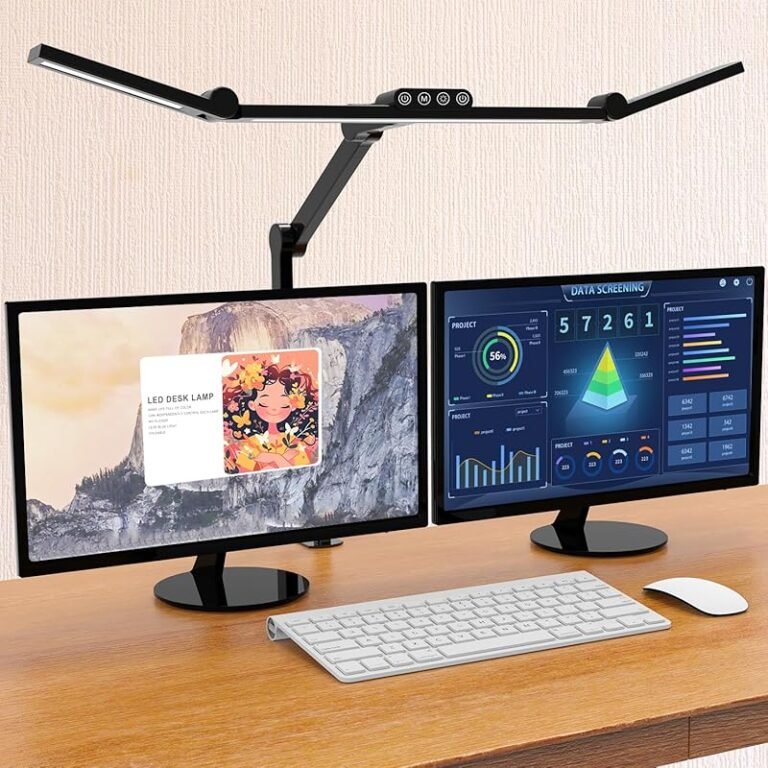
- Lighting: A good desk lamp is crucial to reduce eye strain. A basic LED lamp is $20; a high-end, adjustable arm lamp is $150+. Consider smart bulbs for tunable color temperature that changes with the time of day.
- Monitor Arm(s): Frees up desk space and improves ergonomics. $50 – $300+.
- Cable Management: Clips, sleeves, trays, and under-desk baskets. $20 – $100.
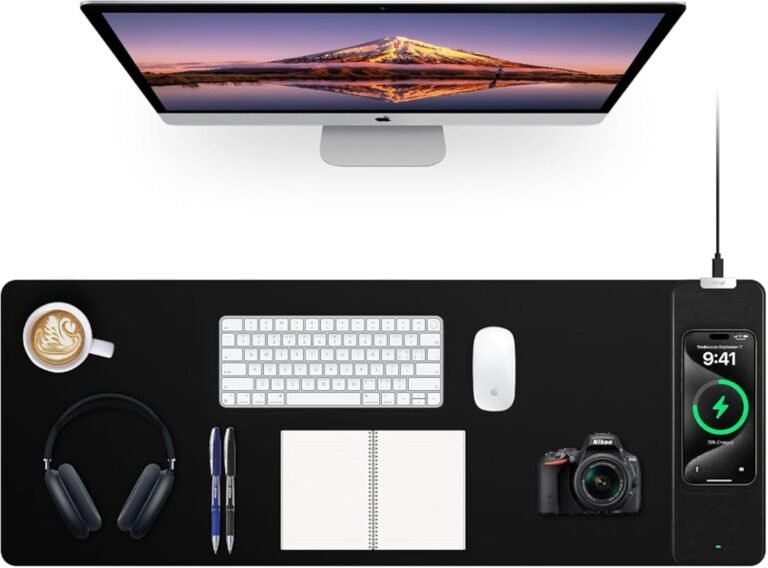
- Desk Pad/Mat: Protects the surface and provides a consistent mousing surface. $15 – $100.
Smart Shopping Tips: How to Get the Best Value
Armed with knowledge, here’s your action plan to land the perfect desk at the right price.
Prioritize Your Non-Negotiables
Before you even look at prices, write down your top 3 must-haves. Is it a 60″ width? A solid wood top? Electric height adjustment? A specific aesthetic? This filter prevents you from getting distracted by a cheap desk that doesn’t meet your core needs, or an expensive one with features you’ll never use.
The “Test Drive” is Crucial (Even Online)
If you can, visit a showroom to sit at a similar desk. Check the stability—give it a gentle shake. Does it wobble? Feel the edge—is it smooth or sharp? Open and close drawers. For standing desks, test the adjustment mechanism. Is it smooth and quiet? This tactile feedback is invaluable and something you can’t get from a picture.
Read Reviews… With a Critical Eye
Focus on 3-star reviews. They often point out real, practical flaws (e.g., “the drawer is too shallow for standard folders,” “the motor is loud after 6 months”). Ignore the 1-star rage-quits and the 5-star hype. Look for reviews from people who mention their use case (e.g., “for dual 27” monitors”). Also, search for “[Desk Model Name] problems” to see recurring issues.
Consider the Long-Term Cost of Ownership
A $250 particleboard desk that sags and needs replacing in 3 years has a higher true cost than a $600 solid wood desk that lasts 20 years. Calculate the cost per year of expected use. For a workspace you use daily, investing in durability is usually smarter. Also, check the warranty. A 10-year frame warranty (common with DTC brands) is a huge vote of confidence in build quality.
Don’t Forget the “Finish”
For wood desks, what’s the finish? A natural oil or wax finish is beautiful and easy to touch up but less water-resistant. A polyurethane or lacquer is very durable but can look “plastic-y.” For laminate, is it matte, semi-gloss, or high-gloss? Gloss shows every fingerprint and scratch. Matte is more forgiving.
Conclusion: Finding Your Price Point
So, how much does a study desk cost? The real answer is: it costs what your specific needs and willingness to invest dictate. If you’re a student with a laptop in a small room, a $150 IKEA desk with a $50 chair will serve you perfectly. If you’re a full-time remote worker spending 8 hours a day at your station, investing $700-$1,200 in a sturdy, height-adjustable desk with a great chair is not a luxury—it’s a health and productivity necessity. The key is to move beyond the single price tag and understand what you’re paying for. Scrutinize the material, the construction, and the hidden fees. By doing your homework on how much a study desk costs and why, you’ll make a purchase that pays you back in comfort, durability, and focus for years to come. Remember, your desk is the foundation of your workspace. Build that foundation wisely.
Frequently Asked Questions
What is the average cost of a good quality study desk?
A good quality, durable study desk that will last several years typically costs between $300 and $800. This range gets you solid construction with decent materials like solid wood tops, sturdy steel frames, or high-grade laminate, often from reputable direct-to-consumer brands.
Where can I find the cheapest study desks?
The absolute cheapest new desks ($50-$150) are found at big-box retailers like IKEA, Target, and Walmart. Online marketplaces like Facebook Marketplace or Craigslist can offer even lower prices for used desks, but you must inspect them carefully for damage and stability.
Is a cheap particleboard desk worth it?
It can be, if your use is light and temporary. For a student using a laptop occasionally or in a guest room, a cheap particleboard desk is a fine, low-commitment option. For daily, long-term use with heavy equipment, it will likely sag, wear poorly, and need replacing, making it a false economy.
Should I buy a used study desk?
Buying used can offer exceptional value, especially for solid wood desks that are built to last. Inspect thoroughly for cracks, deep scratches, wobbly legs, and signs of water damage. Ensure you have a way to transport it, as large desks require a truck and two people.
Does assembly cost extra?
Almost always, yes—but it varies. Flat-pack desks from IKEA or online brands require DIY assembly. Some offer professional assembly as an add-on ($100-$300). Traditional furniture stores often include white-glove delivery and setup in the price or as a premium service. Always check this before finalizing your budget.
Are standing desks worth the extra cost?
For many, absolutely. The health benefits of alternating between sitting and standing—reduced back pain, improved circulation, increased energy—can justify the $400-$1,000 premium over a traditional desk. Look for a dual-motor model with a good weight capacity and a long warranty for the best long-term value.