Why Are Desk Lamps So Expensive
Desk lamps are expensive because they are precision tools, not just light sources. The cost comes from high-quality materials like solid metals and glass, meticulous engineering for adjustability and durability, advanced LED technology with smart features, and the overhead of designer brands. You’re paying for a long-lasting, eye-friendly, and aesthetically perfect tool that can last decades, not a disposable commodity.
Key Takeaways
- Materials Matter: Expensive lamps use solid metal (brass, aluminum), real glass, and high-grade plastics, not flimsy, hollow parts that feel cheap and break easily.
- Engineering & Build Quality: The cost is in the mechanism. Tension arms, smooth swivels, and stable bases require precise engineering and machining, not just plastic clips.
- Lighting Technology: High-CRI LEDs for accurate color, dimmability, and smart home integration (like smart bulb technology) add significant cost over basic bulbs.
- Design is a Premium: Iconic designs from famous designers or brands carry a “design tax.” You pay for aesthetics, heritage, and a object that looks as good as it functions.
- Brand & Warranty: Reputable brands invest in R&D, rigorous safety testing (like UL/CE certification), and offer long warranties, all factored into the price.
- It’s a Long-Term Investment: A $200 lamp that lasts 20 years is cheaper per year than a $20 lamp that breaks in 2 years and provides poor light, causing eye strain.
- Specialized Features Cost More: Features like adjustable color temperature (warm to cool white), USB charging ports, and wireless charging pads are not standard and increase the bill of materials.
📑 Table of Contents
- It’s Not Just a Light Bulb on a Stick: Rethinking the Desk Lamp
- The Foundation of Quality: Materials and Manufacturing
- The Art and Science of Design: Form Follows Function (and Cost)
- Beyond the Bulb: Advanced Lighting Technology and Smart Features
- The Brand Premium: Reputation, Support, and Peace of Mind
- The Hidden Costs You Don’t See (But Definitely Pay For)
- Conclusion: Is an Expensive Desk Lamp Worth It?
It’s Not Just a Light Bulb on a Stick: Rethinking the Desk Lamp
You’re at your favorite home decor store or scrolling online, and you see it. A simple desk lamp. The one you need to finally banish the shadows from your desk, stop squinting at your screen, and add a touch of style to your workspace. Then you see the price tag. $150. $250. Even $400 or more. Your first thought is, “For what? It’s just a light bulb on a stick!”
That gut reaction is completely understandable. In a world of $5 clip-on LEDs and $20 IKEA models, a premium desk lamp feels like an outrageous luxury. But here’s the secret: the most expensive desk lamps aren’t in the same category as those cheap alternatives. They are in a different league entirely—a league of precision tools, ergonomic masterpieces, and design icons. The high price isn’t an arbitrary markup; it’s a direct reflection of what you’re actually buying. You’re not buying a “lamp.” You’re buying a decade-spanning investment in your eye health, your productivity, and the look and feel of your personal space.
This article will pull back the curtain on the desk lamp industry. We’ll break down every single component that contributes to the cost, from the metal in the base to the semiconductor in the LED. We’ll explore why some brands can charge a fortune and why, in many cases, that cost is not only justified but is the smartest purchase you can make for your home office. By the end, you’ll look at that expensive lamp not with sticker shock, but with an understanding of the immense value it represents.
The Foundation of Quality: Materials and Manufacturing
Let’s start with the most tangible factor: what the lamp is physically made of. Walk into a big-box store and pick up a $15 desk lamp. What do you feel? Lightweight, hollow plastic that flexes if you apply pressure. The base is a thin, stamped piece of metal that wobbles. The shade is a flimsy, paper-thin metal or plastic that dents if you look at it wrong. This is the world of cost-engineered, disposable goods. The goal is the lowest possible price per unit, achieved through cheap materials and automated assembly.
Visual guide about Why Are Desk Lamps So Expensive
Image source: groovyguides.net
The Metal Advantage: From Pot Metal to Precision Alloys
Premium lamp makers start with the base—literally. They use solid, dense metals. Think brushed aluminum, die-cast zinc, stainless steel, or even brass. These materials have weight and stability. A heavy, wide base made of metal doesn’t just look substantial; it provides a low center of gravity that keeps the lamp firmly planted, no matter how you position the arm. This stability is crucial for a task light you’ll be nudging and adjusting constantly.
The process to shape these metals is also far more expensive. Instead of stamping out thin sheets, premium manufacturers often use die-casting. Molten metal is injected under high pressure into a precise mold. This creates single, complex, and incredibly strong parts with smooth finishes. It’s a slower, more energy-intensive process with high tooling costs, but the result is a part that feels solid for a lifetime. The adjustable arms and hinges aren’t just bent wire; they are machined from solid billets of metal, with internal springs and tensioners engineered for perfect balance and decades of smooth motion.
Glass, Fabric, and Finishes: The Details Define Durability
Look at the shade. Is it a cheap, powder-coated plastic that will chip and fade? Or is it a mouth-blown glass diffuser, a woven silk shade, or a powder-coated metal with a flawless, chip-resistant finish? The choice of material here dramatically affects both light quality and longevity. Real glass doesn’t yellow over time like some plastics. High-quality fabric shades diffuse light beautifully without hot spots. The finish—whether anodized, powder-coated, or plated—is applied in multiple layers for depth and durability, resisting scratches and corrosion.
These materials cost more upfront and require skilled labor to assemble. A glass shade needs careful handling and a secure, well-designed fitter. A fabric shade needs precise sewing and attachment. This artisanal touch is baked into the price.
The Art and Science of Design: Form Follows Function (and Cost)
Design is where art meets engineering, and it’s a massive driver of cost. There are two primary paths here: designer/iconic lamps and engineered ergonomic lamps. Often, the best lamps are a fusion of both.
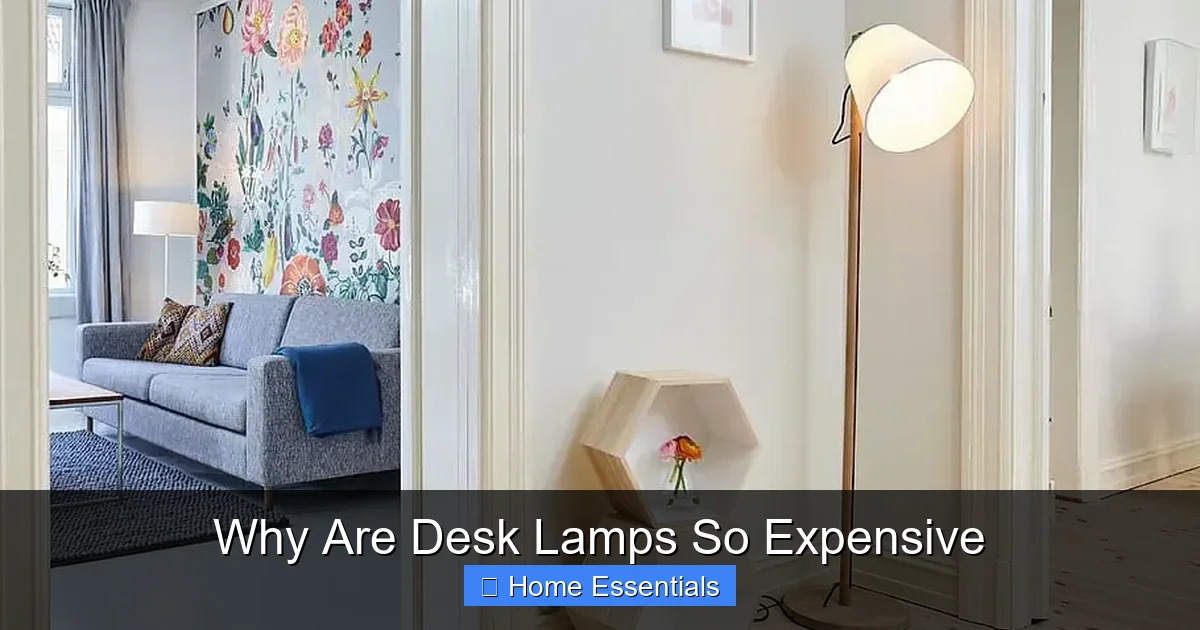
Visual guide about Why Are Desk Lamps So Expensive
Image source: lampride.com
Iconic Design: Paying for Legacy and Aesthetics
Some desk lamps are museum pieces. Think of the Anglepoise Type 75 or the Tolomeo by Artemide. These designs are protected by copyright and are the result of years of prototyping, refinement, and the creative genius of renowned designers. You are not just buying a lamp; you are buying a piece of design history. The “design tax” is real. You are compensating the designer’s estate, the brand’s licensing, and the fact that you are owning an original, certified artifact. The materials are often top-tier to do justice to the design, further elevating the cost.
Ergonomic Engineering: The Invisible Complexity
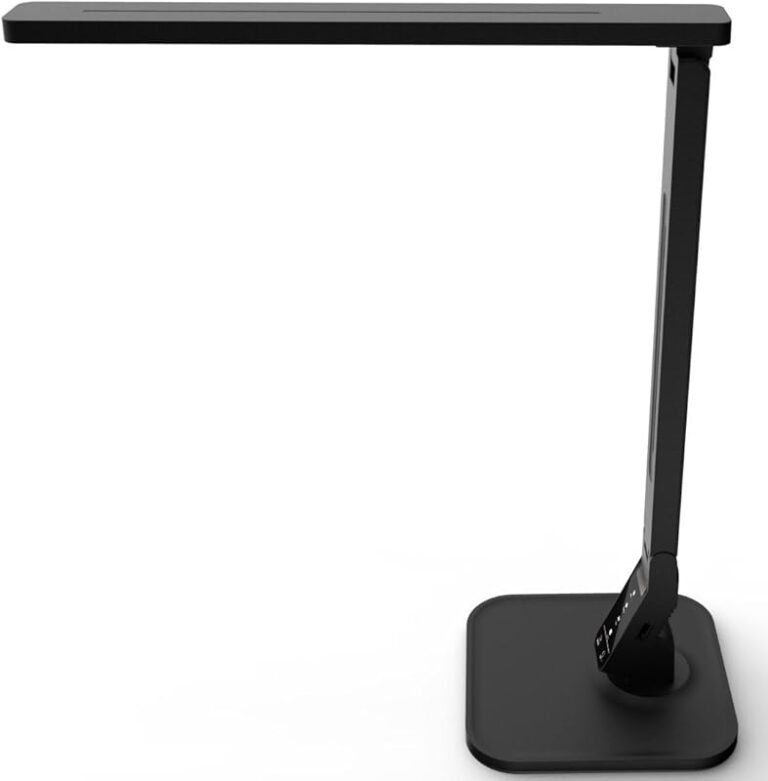
For lamps not focused on iconic status, the cost is in the invisible engineering. How does a 30-inch arm stay rigid yet move with a fingertip? The magic is in a system of springs, counterweights, and friction joints. This mechanism is the lamp’s soul. A cheap lamp uses a simple, stiff hinge that you have to force. A great lamp uses a tension-based parallelogram linkage (like the famous Anglepoise principle) that holds its position at any point with minimal effort. Designing, prototyping, and machining these linkages from metal is expensive. It requires CAD modeling, stress testing, and often, small-batch manufacturing. This is the cost of sublime usability.
Scale of Production: The Handmade vs. Mass-Market Divide
Economics 101: larger production runs lower the per-unit cost. Many premium lamp brands are not mass-market giants. They produce in smaller batches, sometimes even hand-assembling final components. This lack of economies of scale means higher labor costs per lamp. You are subsidizing the boutique workshop, not the automated factory. This smaller scale also allows for better quality control at every step, but that oversight comes at a price.
Beyond the Bulb: Advanced Lighting Technology and Smart Features
This is where the modern desk lamp truly separates from its cheap ancestors. The light source and its control are now high-tech components.
Visual guide about Why Are Desk Lamps So Expensive
Image source: benchworld.com
The LED Revolution (and Its Cost)
Forget incandescent bulbs. Modern high-end lamps use integrated, high-performance LEDs. But not all LEDs are created equal.
- High CRI (Color Rendering Index): A CRI of 90+ means colors appear true and vibrant. This is critical for artists, designers, and anyone who needs accurate color perception. These premium LEDs are more expensive to produce than standard, lower-CRI LEDs.
- Dimming & Color Tuning: Seamless, flicker-free dimming from 1% to 100% requires a sophisticated driver circuit. Similarly, tunable white light (adjusting from warm 2700K to cool 6500K) needs a blend of different LED chips and complex control. These features aren’t simple on/off switches; they are mini-computers managing light output.
- Efficiency & Heat Management: The best LEDs are not only brighter but also more efficient, producing less heat. Managing that heat is key to longevity. Premium lamps use aluminum heat sinks—often integrated beautifully into the design—to dissipate heat. Cheap lamps skimp here, leading to premature LED degradation.
Smart Home Integration: The New Premium Frontier
Many top-tier lamps now connect to Wi-Fi or Bluetooth, allowing control via an app or voice assistant (Alexa, Google Home). This adds a whole layer of cost:
- Connectivity Module: A Wi-Fi/Bluetooth chip, antenna, and associated circuitry.
- Microcontroller & Firmware: The “brain” that processes commands and controls the LED driver. Developing and certifying this software is a significant R&D cost.
- App Development & Maintenance: The cost of creating, updating, and supporting a user-friendly smartphone app.
- Security & Certification: Smart devices must meet additional safety and cybersecurity standards (like FCC, UL for networking), adding to testing and compliance costs.
When you buy a smart lamp, you’re paying for this entire digital ecosystem. It explains why a smart version of a lamp can cost $50-$100 more than its “dumb” counterpart. The hardware cost is just the tip of the iceberg; the software and service layer is the massive, hidden foundation.
The Brand Premium: Reputation, Support, and Peace of Mind
Why does a lamp from Brand X cost three times more than a visually similar lamp from Brand Y? Often, it’s the brand itself. A reputable, long-standing brand in the task lighting space (think Flexalum, Artemide, Louis Poulsen) has built its reputation on:
- Rigorous Safety Certifications: They invest in getting UL, CE, ETL, and other global safety certifications. This isn’t free; it’s expensive testing and audits to ensure the lamp won’t overheat, cause a fire, or pose an electrical hazard. This is non-negotiable for quality brands but often skimped on by ultra-cheap imports. Speaking of safety, if you’re concerned about electronics and heat, you might wonder are smart bulbs a fire hazard? Reputable brands design to eliminate such risks.
- Long Warranties: A 5, 10, or even lifetime warranty is a huge statement of confidence. It means the company expects the lamp to last and is willing to back that up. A 1-year warranty on a $20 lamp is standard; a 25-year warranty on a $250 lamp is a value proposition.
- Customer Service & Parts: Good brands offer accessible customer support and, crucially, spare parts. If the hinge on your 15-year-old lamp wears out, you can often buy a replacement mechanism. This extends the product’s life indefinitely, making the initial cost a one-time fee for a perpetual tool. Cheap brands offer no such recourse; when it breaks, it’s landfill-bound.
- Ethical Manufacturing: Many premium brands pride themselves on ethical sourcing, fair labor practices, and environmentally responsible manufacturing. These commitments increase production costs but are a core part of their brand identity and what a segment of consumers is willing to pay for.
The Hidden Costs You Don’t See (But Definitely Pay For)
Beyond the lamp itself, there are operational and long-term costs that cheap lamps hide and good lamps address head-on.
Energy Efficiency and bulb Replacement
A cheap lamp with a standard E26/E27 socket might come with a mediocre, inefficient bulb. Or worse, you might use a high-wattage incandescent, guzzling electricity and generating heat. A premium integrated LED lamp uses a highly efficient driver and chipset, consuming far fewer watts for the same or better light output. Over 10 years, the electricity savings can offset part of the initial price difference. Furthermore, you never have to buy replacement bulbs. The LED is rated for 30,000-50,000 hours—that’s 20+ years of use at 4 hours a day. No more hunting for the right bulb, no more flickering cheap LEDs that die after a year. That convenience and reliability have a real, calculable value.
The True Cost of Poor Light: Eye Strain and Productivity
This is the most important hidden cost. Poor task lighting causes eye strain, headaches, fatigue, and reduced concentration. A flickering LED (a common issue with cheap drivers), a light with a low CRI that makes colors look dull, or a lamp that can’t be positioned correctly to avoid glare on your screen—all these force your eyes and brain to work harder. This leads to discomfort, more frequent breaks, and potentially lower quality work. Investing in a lamp that provides perfect, flicker-free, adjustable light is an investment in your health and your output. It pays for itself in comfort and sustained productivity. If you’ve ever experienced smart bulb flickering or any inconsistent light, you know this frustration well.
Longevity and Replacement Cycle
The math is simple. A $25 lamp that breaks or becomes unusable (wobbly, dim, yellowed) in 3 years has a cost of ownership of about $8.33 per year. A $200 lamp that lasts 20 years has a cost of ownership of $10 per year. For just $1.67 more per year, you get a vastly superior experience, no replacement hassle, and a product that doesn’t contribute to landfill waste after a few short seasons. The “expensive” lamp is, in the long run, often the more economical and sustainable choice.
Conclusion: Is an Expensive Desk Lamp Worth It?
So, why are desk lamps so expensive? The answer is a cascade of value. The price reflects the cost of dense, stable metals machined with precision. It pays for the genius of ergonomic engineering that makes adjusting the light a effortless pleasure. It covers the research, development, and certification of advanced, eye-safe LED technology and smart home integration. It accounts for the legacy of iconic design and the overhead of a company that stands behind its product with a decade-long warranty and available spare parts. Most importantly, it buys you a tool that will faithfully serve you, your eyes, and your work for 20 years or more without fail.
Buying a cheap desk lamp is a false economy. You save $150 today but pay for it daily in compromised light quality, physical frustration, and eventual replacement. Investing in a premium lamp is a declaration that your workspace—and by extension, your comfort, health, and productivity—is worth it. It transforms a simple utility into a cherished object, a silent partner in your daily creative and professional life. When you understand what goes into it, that price tag stops looking like an expense and starts looking like the wise, long-term investment it truly is.
Frequently Asked Questions
Can’t I just buy a cheap lamp and replace the bulb with a good LED?
You can, but you’ll still be stuck with the lamp’s fundamental flaws: a wobbly base, a stiff or non-adjustable arm, a poorly designed shade that causes glare, and a build quality that won’t last. The socket and wiring may also be substandard. The integrated LED in a premium lamp is just one part of a complete, engineered system.
Are expensive desk lamps significantly more energy-efficient?
Yes, but not always in ways you immediately see. The integrated LEDs in high-end lamps are selected for both high efficacy (lumens per watt) and excellent thermal management, which preserves light output over time. More importantly, their superior design and optics direct 100% of the useful light onto your desk, wasting far less than a cheap lamp with a poor reflector or shade.
How long should a good desk lamp realistically last?
A well-built desk lamp from a reputable brand, with a quality LED rated for 30,000+ hours, should easily last 15-25 years with normal use. The mechanical parts (springs, joints) are the potential weak point, but brands that use all-metal mechanisms often offer spare parts, meaning you can repair it indefinitely. It becomes a heirloom item, not a disposable one.
Is the “smart” feature worth the extra cost?
That depends entirely on your needs. If you want to schedule the lamp to turn on at sunset, dim it via voice command while your hands are full, or adjust color temperature throughout the day to support your circadian rhythm, then the convenience and functionality are absolutely worth the premium. If you just need a bright, adjustable light, a non-smart model will save you money.
What’s the single most important feature to look for in a task lamp?
Stable, effortless adjustability. A lamp that you can position perfectly with one hand and that stays exactly where you put it is paramount. Test it in person if possible. The arm should move smoothly, and the head should hold its position at any angle. If it droops or requires constant readjusting, it will drive you crazy and defeat the purpose of a task light.
Are expensive lamps safer than cheap ones?
Generally, yes. Reputable brands subject their products to rigorous safety testing by independent labs (UL, ETL, etc.) for electrical safety, fire risk, and material toxicity. They use fire-retardant materials, proper insulation, and secure wiring. Extremely cheap, uncertified lamps from unknown brands can pose risks of overheating, electrical shorts, and even fire. The certification cost is built into the price of a quality lamp.