What Are Some Good Desk Plants
Adding good desk plants to your workspace is a simple, powerful way to improve your environment and well-being. These green companions naturally purify the air, reduce stress, and can even boost productivity and creativity. The key is choosing low-maintenance varieties suited to indoor light conditions and committing to a basic care routine. From the indestructible Snake Plant to the trailing Pothos, there’s a perfect desk plant for every setup and skill level.
Key Takeaways
- Prioritize low-light tolerant plants: Most offices and home desks lack direct sunlight. Successful desk plants thrive in indirect or low-light conditions.
- Air purification is a major benefit: Many common desk plants, like the Peace Lily and Spider Plant, are proven by NASA studies to remove volatile organic compounds (VOCs) from the air.
- Consider your lifestyle: Choose plants based on your availability. For frequent travelers or forgetful waterers, succulents or Snake Plants are ideal.
- Pet safety matters: If you have cats or dogs, research toxicity. Options like the Boston Fern or Parlor Palm are generally pet-friendly.
- Size and growth habit are crucial: Ensure the mature plant size fits your desk space. Vining plants like Pothos can be trained to stay compact or trail elegantly.
- Proper potting is non-negotiable: Always use a pot with a drainage hole and well-draining potting mix to prevent root rot, the #1 killer of indoor plants.
- Consistency beats perfection: A simple, regular care routine (checking soil moisture, occasional wiping of leaves) is more effective than sporadic, intense efforts.
📑 Table of Contents
- Why Your Desk Deserves a Plant: More Than Just Decor
- The Top Contenders: Best Desk Plants for Every Situation
- Essential Care Guide: Keeping Your Desk Plant Thriving
- Common Desk Plant Pitfalls (And How to Avoid Them)
- Styling Your Desk Jungle: Aesthetic & Practical Tips
- Conclusion: Your Green Desk Journey Starts Now
Why Your Desk Deserves a Plant: More Than Just Decor
Look at your desk right now. Maybe it’s a clean, minimalist haven. Maybe it’s a creative chaos of notebooks, pens, and coffee mugs. Now, imagine a single, vibrant green leaf softening the edge of your monitor. Or a small, potted succulent adding a touch of life next to your keyboard. This isn’t just interior design—it’s biophilia, our innate connection to nature, making a comeback in the most unlikely place: the cubicle. Good desk plants are the ultimate multitaskers. They are living, breathing air filters, mood regulators, and focus enhancers all packaged in a pot. In a world of screens and synthetic materials, they reconnect us to something organic and slow-growing. The right plant doesn’t demand much; it gives back tenfold in calm and cleaner air. Let’s explore how to find that perfect green partner for your workspace.
The Top Contenders: Best Desk Plants for Every Situation
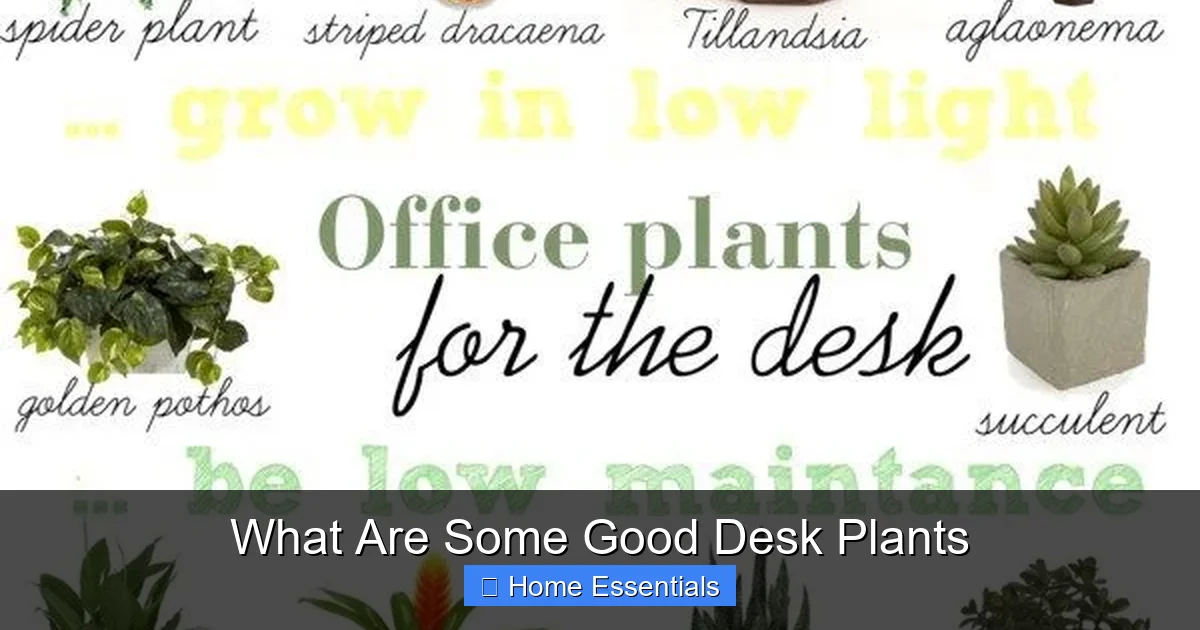
Not all plants are created equal, especially when it comes to thriving in the often-challenging environment of a desk. We’re talking about fluctuating light from a window, the dry air from heating or AC systems, and the occasional forgetfulness during a busy work week. The best desk plants are resilient, adaptable, and generally forgiving. Here are our top recommendations, broken down by their superpowers.
Visual guide about What Are Some Good Desk Plants
Image source: i.pinimg.com
The Unkillable Hero: Snake Plant (Sansevieria trifasciata)
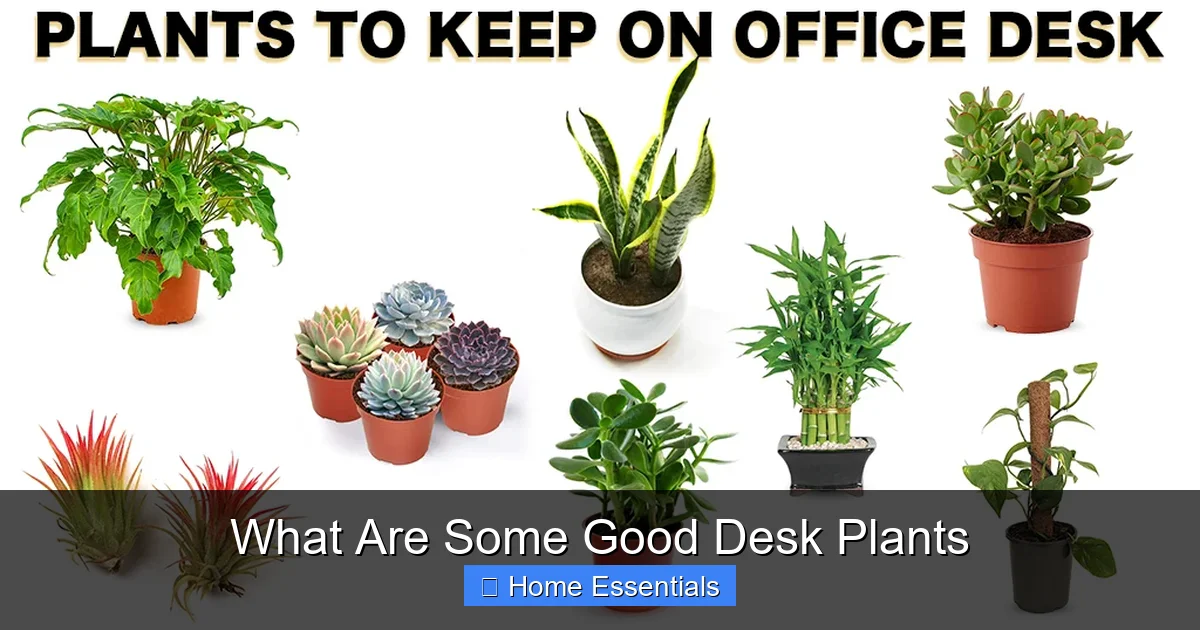
If you have a black thumb, meet your new best friend. The Snake Plant, also humorously called Mother-in-Law’s Tongue, is practically indestructible. It thrives on neglect. Its tall, sword-like leaves grow straight up, making it a perfect space-saver for a crowded desk. It’s a champion air purifier, working overtime at night to convert CO2 into oxygen, which is a unique trait among houseplants. Care is brilliantly simple: place it in low to bright indirect light (it tolerates a dark corner but grows slower) and water only when the soil is completely dry, maybe once a month or less. Overwatering is its only kryptonite. Its architectural look adds a modern, sculptural element to any setup.
The Air-Purifying Powerhouse: Peace Lily (Spathiphyllum)
The Peace Lily is the elegant diplomat of desk plants. It produces beautiful white “flowers” (actually modified leaves called spathes) and glossy dark green foliage. It consistently ranks at the top of NASA’s clean air studies for removing common toxins like formaldehyde and benzene. A dramatic feature of the Peace Lily is its clear communication: when it’s thirsty, the entire plant wilts dramatically. A good watering perks it right back up within hours. Care tips: it prefers medium, indirect light and likes consistently moist (but not soggy) soil. It’s also a great choice for bathrooms or low-light areas. Note: It is toxic to pets if ingested, so keep it out of reach of curious cats and dogs.
The Trailing Beauty: Golden Pothos (Epipremnum aureum)
Also known as Devil’s Ivy (another name that speaks to its resilience), the Golden Pothos is a vining plant with heart-shaped leaves splashed with golden-yellow variegation. It’s incredibly fast-growing and versatile. You can let it trail down the side of a bookshelf, train it onto a small trellis on your wall, or keep it neatly trimmed on your desk. It’s another top air purifier. Care is a breeze: it tolerates a wide range of light conditions, from low to bright indirect (more light enhances the variegation). Water when the top inch of soil is dry. It’s easily propagated—snip a stem with a node and pop it in water to grow a whole new plant. This is an excellent choice for adding a dynamic, cascading element to your space.
The Compact Charmer: ZZ Plant (Zamioculcas zamiifolia)
The ZZ Plant is the epitome of low-effort, high-reward. Its thick, waxy, dark green leaves grow on graceful, arching stems from a tuberous root system. It stores water in these roots and stems, making it extremely drought-tolerant. It grows slowly and stays relatively compact, perfect for a desk that doesn’t have room for a sprawling plant. Care is minimal: low to bright indirect light is fine. Water deeply but infrequently—once every 3-4 weeks is often enough. Its glossy leaves naturally repel dust, but an occasional wipe with a damp microfiber cloth keeps it looking pristine. For a fun fact, you can learn more about gentle cleaning methods for delicate surfaces in our guide on whether microfiber cloths are safe for various household items.
The Humidifier Helper: Spider Plant (Chlorophytum comosum)
The Spider Plant is a classic for a reason. It’s non-toxic, pet-friendly, and produces adorable little “babies” (pups) on long stems that you can snip off and pot to create new plants. Its slender, arching leaves are often variegated with white stripes. It’s fantastic at removing formaldehyde from the air and helps add humidity to dry office air. Care is straightforward: it likes bright, indirect light but can tolerate lower light. Water when the top half of the soil is dry. If the leaf tips get brown, it’s usually from fluoride in tap water or low humidity—using filtered water or occasional misting can help. Its bushy, grass-like form adds a soft texture.
The Succulent Star: Haworthia or Echeveria
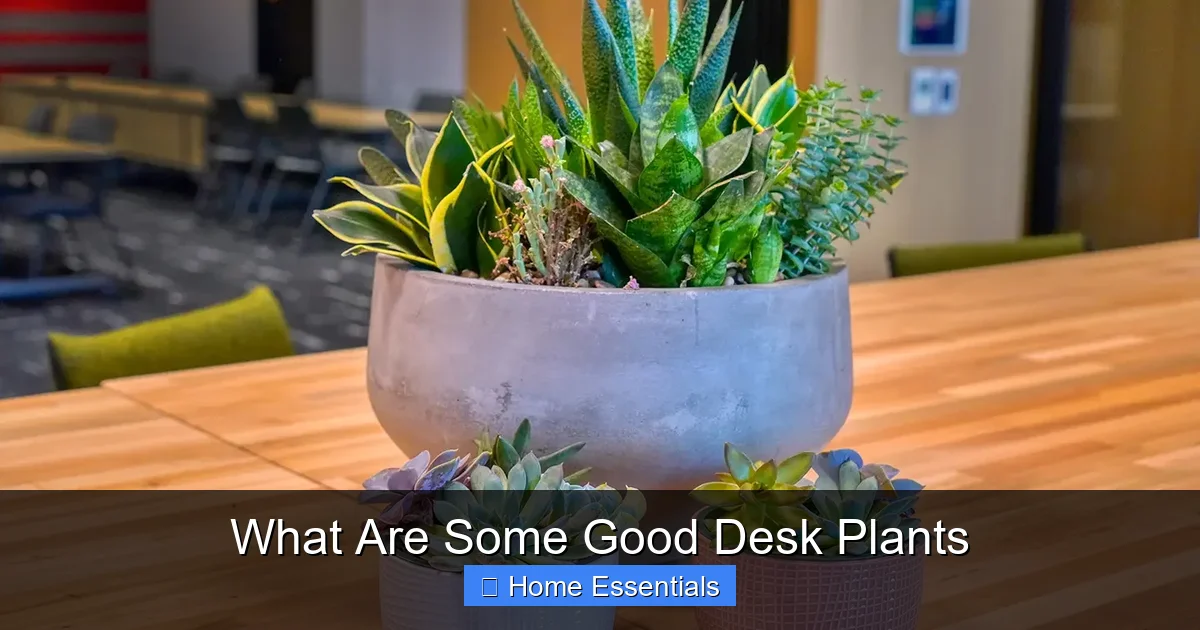
For the desk that gets a few hours of direct sun (like a south or west-facing window), small succulents are unbeatable. Haworthias (like the Zebra Plant) and Echeverias are compact, geometric, and come in stunning colors and patterns. They require very little water and are perfect for forgetful plant owners. Key to success: they must have a pot with a drainage hole and a fast-draining cactus/succulent mix. Place them in the brightest light you can offer. Water deeply only when the soil is completely dry, then let it dry out again completely. Overwatering leads to mush and ruin. Their miniature, sculptural appearance is like living art on your desk.
Essential Care Guide: Keeping Your Desk Plant Thriving
Choosing the right plant is only half the battle. The other half is understanding its basic needs in the unique microclimate of your desk. Here’s your no-fuss care manual.
Visual guide about What Are Some Good Desk Plants
Image source: rasnetwork.org
Light: The Most Important Factor
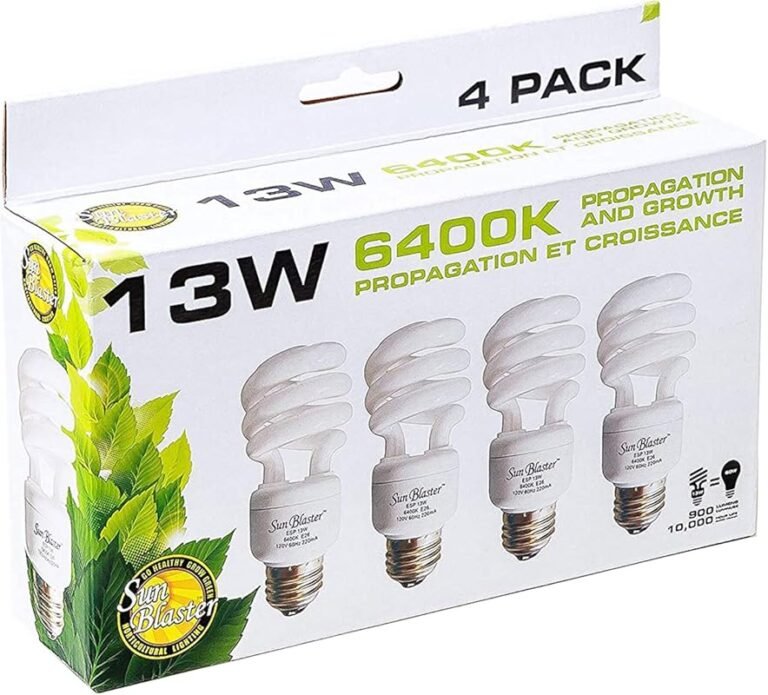
“Bright, indirect light” is the mantra of most indoor plants. It means the plant is close to a window but not in the direct, scorching sunbeams that can burn leaves. A north or east-facing window is often ideal. If your desk is far from any window, your options narrow to the true low-light warriors: Snake Plant, ZZ Plant, and Pothos. You can also use artificial light. This is where smart home tech can help. A smart light bulb set on a timer or with a schedule can provide consistent, full-spectrum “grow light” quality illumination for your plants during work hours, ensuring they get the photosynthetically active radiation (PAR) they need, even in a dark office. When selecting bulbs, consider options that are energy efficient to keep your electricity costs and environmental impact low.
Watering: Less is Almost Always More
The cardinal rule of houseplant death is overwatering. Desk plants are in small pots that dry out faster than a large floor pot, but they still don’t need daily drinks. The best technique is the finger test: stick your index finger into the soil up to the first knuckle. If it feels dry, water. If it’s moist, wait. Always water thoroughly until it runs out the drainage hole, then discard any excess water from the saucer. Never let the pot sit in a pool of water. Establish a routine, but always check the soil first. Succulents and Snake/ZZ Plants need the soil to be *bone dry* between waterings.
Potting & Soil: The Foundation of Health
That decorative pot your plant came in? It’s almost certainly lacking a drainage hole. This is a problem. Repot your plant into a pot that has a hole at the bottom. Use a quality, well-draining potting mix. For most tropicals, a standard indoor potting mix is fine. For succulents and cacti, you must use a gritty cactus mix. The right soil allows water to flow through, preventing the roots from sitting in moisture and rotting. Terracotta pots are excellent for beginners as they are porous and help wick away moisture, reducing overwatering risk.
Cleaning & Grooming
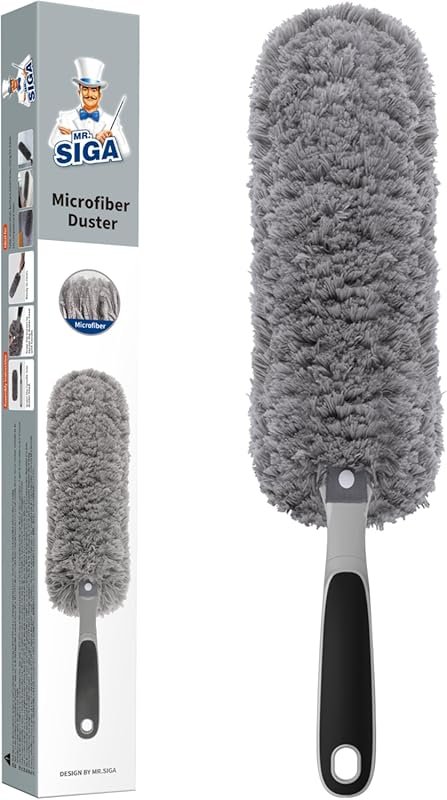
Dust builds up on leaves, blocking light and hindering photosynthesis. Once a month, gently wipe the leaves of your larger-leaved plants (like Peace Lily or ZZ Plant) with a damp cloth. For smaller or fuzzy leaves (like a African Violet, which is less ideal for desks), use a soft brush. This simple act keeps your plant breathing and looking vibrant. For delicate plants, you might want to use a specifically gentle cloth; you can read about the best practices in an article on what a microfiber duster is and how to use it safely on various surfaces.
Common Desk Plant Pitfalls (And How to Avoid Them)
Even with the best intentions, things can go wrong. Here’s how to diagnose and fix the most common issues.
Visual guide about What Are Some Good Desk Plants
Image source: vedicpaths.com
Pest Infestations: Mealybugs and Spider Mites
Indoor plants can attract tiny pests. Mealybugs look like small, white cottony fluff in leaf crevices and stem joints. Spider mites are nearly invisible but cause fine webbing and stippled, yellow leaves. Isolate the affected plant immediately. For mealybugs, dab them with a cotton swab dipped in rubbing alcohol. For both pests, you can shower the plant (protecting the soil) with a strong spray of water or use an insecticidal soap or neem oil spray, coating all leaf surfaces. Repeat weekly until gone. Regularly inspecting new plants before bringing them home is the best prevention.
Leggy Growth and Leaning
If your plant starts stretching out with long, weak stems and sparse leaves, it’s screaming for more light. This is etiolation. Move it to a brighter location immediately. Rotate your plant a quarter turn every week to ensure even growth and prevent it from leaning permanently toward the light source. For vining plants, you can also trim the leggy parts and propagate the cuttings, which encourages bushier growth from the base.
The Dreaded Root Rot
Symptoms include yellowing leaves, a mushy stem base, and an overall wilted appearance despite wet soil. This is almost always caused by overwatering and poor drainage. The roots have drowned and begun to rot. To save it, gently remove the plant from its pot, wash off the soil, and trim away any black, mushy roots with sterile scissors. Let the healthy roots air-dry for a few hours. Repot in a clean pot with fresh, dry soil. Water only after the soil has fully dried. If the entire root system is gone, the plant may not be salvageable.
Styling Your Desk Jungle: Aesthetic & Practical Tips
Now for the fun part—making it look good. Your desk plant should complement your workflow, not hinder it.
- Scale and Proportion: A large Snake Plant can anchor a corner of a spacious L-desk. A tiny Haworthia is perfect for a small home office nook. Avoid a giant plant on a tiny desk; it will feel cluttered.
- Pot Aesthetics: The pot is the plant’s outfit. Choose pots that match your desk style—sleek white ceramic for a modern look, rustic terracotta for a warm vibe, or a woven basket for a natural feel. Just remember: the decorative pot likely needs a plastic nursery pot with drainage inside it.
- Grouping: Create a mini-desk garden by grouping 2-3 plants of varying heights and textures. A tall Snake Plant, a mounding ZZ Plant, and a trailing Pothos in a small hanging pot create visual interest. Grouping also helps maintain humidity around the plants.
- Function Meets Form: Use a plant to soften a harsh corner of your monitor. Place a small plant on a stack of books to add height. Consider a wall-mounted planter or a small hanging pot (safely secured) to free up desk surface area. Just ensure any hanging plant is secure and won’t swing into your coffee cup.
Conclusion: Your Green Desk Journey Starts Now
Bringing a good desk plant into your workspace is a small act of self-care with outsized returns. It’s a commitment to adding a breath of fresh air—literally and figuratively—to your daily grind. You don’t need a green thumb, just the right plant and a little know-how. Start with an indestructible Snake Plant or a cheerful Spider Plant. Master the art of watering less. Enjoy the subtle shift in your mood as you glance over at a living thing quietly growing alongside you. Your desk is more than a workstation; it’s your personal command center. Make it a sanctuary. Add a plant, and watch both it and your well-being flourish.
Frequently Asked Questions
What is the absolute easiest desk plant for a beginner?
The Snake Plant (Sansevieria) and ZZ Plant are the undisputed champions of ease. They tolerate low light, irregular watering, and general neglect better than any other common houseplant, making them perfect starting points.
How often should I water my desk plant?
There is no set schedule. Always check the soil moisture first. For most tropical plants like Pothos or Peace Lily, water when the top inch of soil is dry. For Snake Plants, ZZ Plants, and succulents, wait until the soil is completely dry, which can be every 3-4 weeks or longer.
Can I put a desk plant in a pot without a drainage hole?
It’s strongly discouraged. A pot without a drainage hole is a recipe for root rot, as excess water has nowhere to go. Always use a pot with a hole, or place a plastic nursery pot with holes inside your decorative cachepot, emptying any excess water after watering.
Do desk plants really improve air quality?
Yes, research like NASA’s clean air study shows that certain common plants can remove volatile organic compounds (VOCs) like formaldehyde and benzene from indoor air. While a single plant has a limited effect, a collection of air-purifying plants like Peace Lily, Spider Plant, and Pothos can contribute to a healthier workspace environment.
What if my office has no windows?
For a windowless space, your options are very limited to the most shade-tolerant plants: Snake Plant, ZZ Plant, and Pothos. You will need to supplement with a strong artificial light source, ideally a full-spectrum grow light or a smart bulb set to a bright, white tone for several hours a day to keep them alive long-term.
My plant’s leaves are turning yellow. What’s wrong?
Yellow leaves are most commonly a sign of overwatering. Check the soil—if it’s wet, hold off on watering and ensure your pot has drainage. Other causes can include underwatering (soil is bone dry), lack of nutrients, or natural aging of the lowest leaves. Diagnose by feeling the soil first.