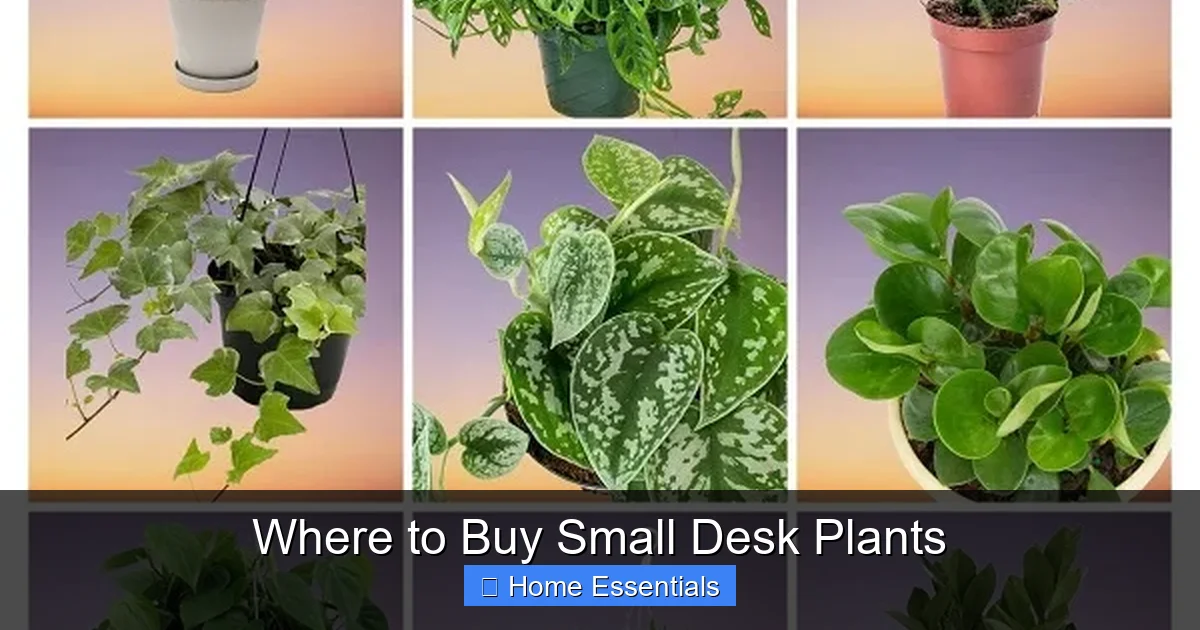
Where to Buy Small Desk Plants
Bringing a touch of nature to your desk boosts mood and air quality. The best small desk plants are available from a mix of online specialists, big-box retailers, and local shops. Focus on low-maintenance varieties like snake plants or pothos for guaranteed success, and always check the plant’s specific light and water needs before you buy.
Have you ever looked at your bare desk and thought, “This space needs a little life”? A small desk plant is the perfect solution. It’s a tiny act of self-care that transforms a sterile workspace into a personal sanctuary. But where do you even start looking? The world of plant shopping is vast, from massive online warehouses to cozy corner shops. Finding the right plant and the right place to buy it can feel overwhelming. This guide will walk you through every option, so you can confidently answer the question: where to buy small desk plants that will thrive on your desk?
Forget the guesswork. We’ll break down the pros and cons of each buying channel, highlight specific retailers known for their desk-friendly offerings, and arm you with the knowledge to pick a healthy plant. Whether you’re a notorious plant-killer or a budding green thumb, by the end of this article, you’ll know exactly where to find your new desk buddy. Let’s dig in.
Key Takeaways
- Online plant retailers offer the widest variety and detailed care info. Specialized shops often have rare types and robust guarantees.
- Big-box stores are convenient and budget-friendly for common varieties. Inspect plants carefully for pests or damage before purchasing.
- Local nurseries and farmers’ markets provide expert, personalized advice. You can often find uniquely potted plants and support small businesses.
- Prioritize low-light tolerant plants like ZZ plants or philodendron for most offices. Match the plant to your specific desk environment.
- Always check for root health and pest issues at the time of purchase. Gently remove the plant from its pot to inspect if possible.
- Consider the full “plant + pot + soil” setup cost, not just the plant price. A good pot with drainage is essential for long-term health.
📑 Table of Contents
- Why Your Desk Needs a Small Plant (The Benefits Are Real)
- The Top 5 Places to Buy Small Desk Plants: A Detailed Breakdown
- What to Look For: How to Pick a Healthy Small Desk Plant (A Buyer’s Checklist)
- Top 5 Small Desk Plant Recommendations for Every Skill Level
- Setting Up for Success: Essential Desk Plant Care Tips
- Conclusion: Your Green Desk Awaits
Why Your Desk Needs a Small Plant (The Benefits Are Real)
Before we talk shopping, let’s get motivated. A small plant on your desk isn’t just a cute decoration. It’s a productivity and wellness tool. Studies show that interacting with plants can reduce stress, lower blood pressure, and improve concentration. In a sea of screens and paperwork, a living thing provides a vital mental break. You might find yourself glancing over for a moment of calm, gently misting its leaves, or simply enjoying the subtle pop of green during a long video call.
Beyond the psychological boost, certain plants are natural air purifiers. They can help remove common volatile organic compounds (VOCs) like formaldehyde and benzene from the air—chemicals often found in office furniture, printers, and cleaning supplies. A snake plant or peace lily on your desk is quietly working to improve your immediate air quality. So, you’re not just buying a plant; you’re investing in a healthier, happier work environment.
The Perfect Match: Plant + Desk Environment
The key to success is matching the plant to your desk’s specific conditions. Ask yourself these three questions:
- Light: Is your desk bathed in bright, indirect light from a nearby window? Or is it in the dim glow of artificial office lighting? This is the single most important factor.
- Space: Do you have room for a trailing vine or only space for a compact, upright grower?
- Attention: Are you the type to remember to water weekly, or do you travel often and need something drought-tolerant?
Your answers will point you toward specific plants. For low-light, forgetful waterers, a ZZ plant or cast iron plant is ideal. For bright spots and a trailing aesthetic, a golden pothos or string of pearls is gorgeous. We’ll cover specific plant recommendations in the next section.
The Top 5 Places to Buy Small Desk Plants: A Detailed Breakdown
Now, to the main event. Where should you actually hand over your money? Here’s a look at the top five categories of sellers, from the convenience of your couch to the experience of a local shop.
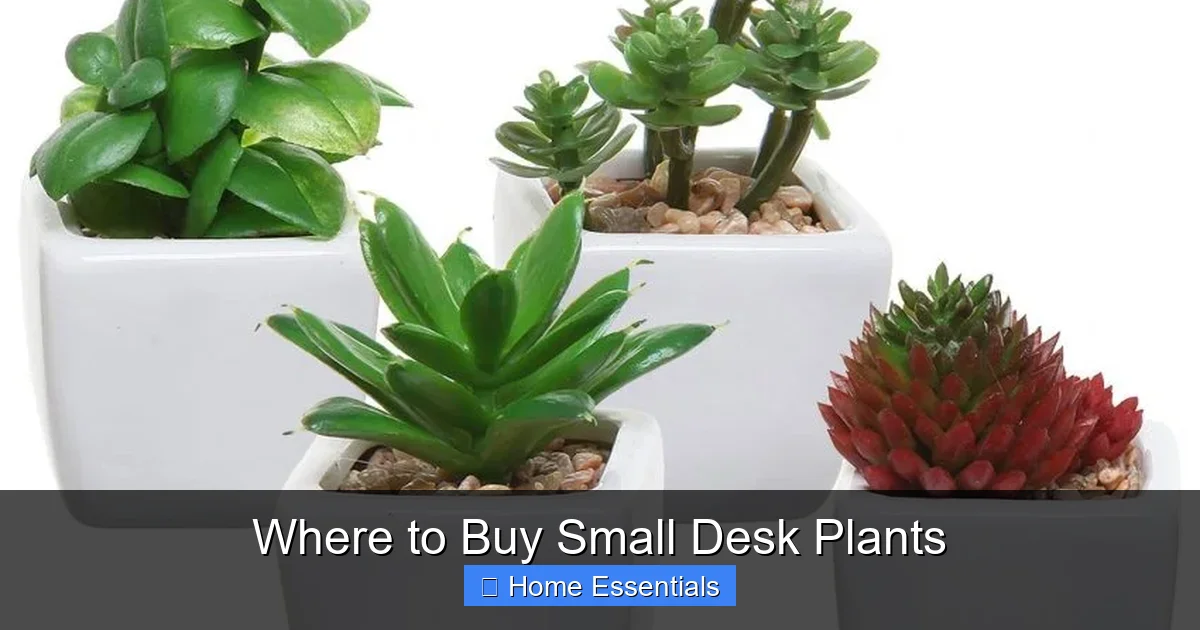
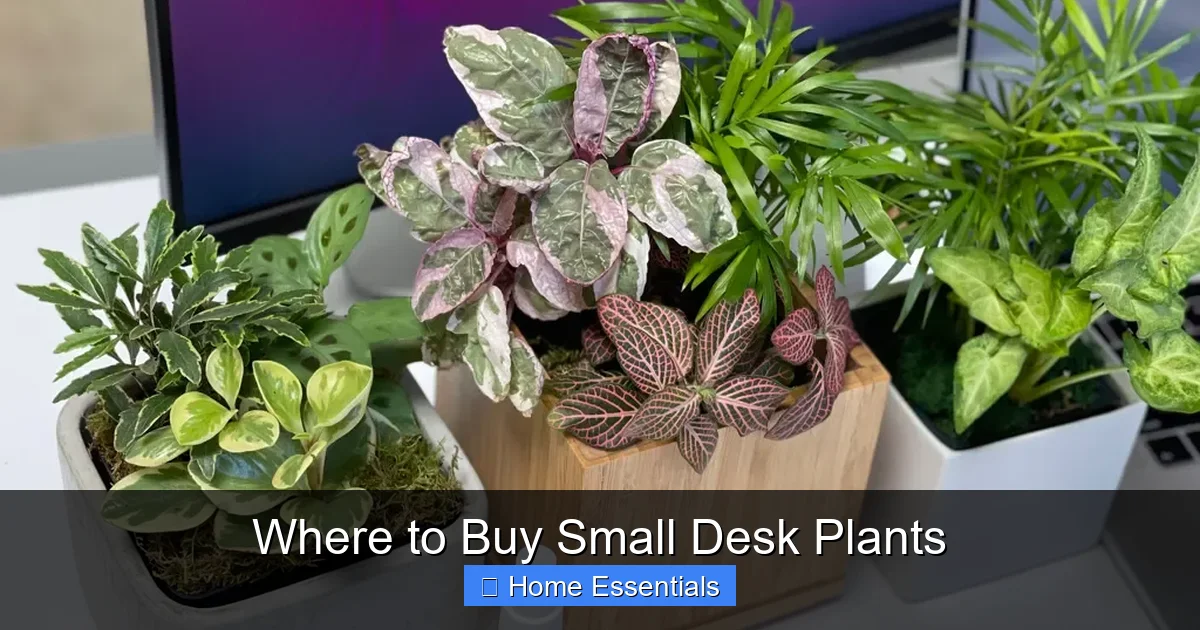
Visual guide about Where to Buy Small Desk Plants
Image source: smallbiztrends.com
1. Specialized Online Plant Retailers (The Gold Standard for Variety & Health)
This is the go-to for plant enthusiasts and beginners alike. Websites dedicated solely to plants have transformed the industry. They offer unparalleled variety, detailed care guides for every listing, and often ship plants in clever, secure packaging designed to survive the journey.
Who they’re for: Anyone looking for a specific variety, rare plants, or a guaranteed healthy specimen with a strong warranty. Perfect if you want to browse from a vast catalog.
Top Picks:
- The Sill: Famous for its user-friendly website, beautiful potted arrangements, and “Plant Parent” support team. They clearly label plants by difficulty and light needs, making selection foolproof. Their “Desk Plants” collection is a great starting point.
- Bloomscape: Focuses on delivering large, mature, and healthy plants. Their “Desk & Tabletop” section is curated for small spaces. They include detailed care cards and offer a 30-day guarantee.
- Rooted: A fantastic option for beginners. They sell plants in their simple, plastic nursery pots with a focus on hard-to-kill varieties. You then choose your own decorative cachepot. Their “Easy Care” filter is a lifesaver.
- Etsy: Don’t sleep on this marketplace! Independent growers and small plant shops from across the country sell here. You can find unique cuttings, specimen plants, and handmade pots. Always check seller reviews and ratings meticulously before buying.
Pro Tip: When ordering online, pay close attention to shipping zones and weather policies. Reputable retailers won’t ship if a frost is expected, which protects your plant. Always unpack your new plant immediately, give it a gentle drink if the soil is dry, and let it acclimate to your home for a week before fertilizing.
2. Big-Box Retailers & Home Improvement Stores (Convenience & Value)
Stores like Lowe’s, Home Depot, Walmart, and even Target have become major plant destinations. Their advantages are sheer convenience and often lower prices, especially for common houseplants in standard 4″ or 6″ pots.
Who they’re for: The spontaneous buyer who wants to grab a plant while running other errands. Great for standard, easy-to-find varieties like pothos, spider plants, or peace lilies.
The Inspection is Key: Plants here can sometimes sit on the sales floor for a while without consistent care. You must be a detective. Look for:
- Pests: Check the undersides of leaves and where leaves meet stems for tiny white bugs (mealybugs), webbing (spider mites), or brown, crusty spots (scale).
- Watering: Is the soil bone dry or soggy? Dry soil means it’s been neglected; soggy soil can mean root rot. The pot should feel light if it needs water.
- New Growth: Presence of new, healthy leaves is a great sign the plant is actively growing and happy.
- Roots: Gently squeeze the plastic pot. If you see roots poking out the drainage holes, the plant is likely pot-bound but can still be healthy. If roots are circling the entire soil ball tightly, it might need repotting soon.
Don’t be afraid to ask an associate in the garden center when they last watered the plants or if they’ve had any pest issues recently.
3. Local Nurseries & Garden Centers (Expertise & Quality)
This is where the magic happens. Local, often family-owned nurseries typically source their plants from regional growers. The plants are usually better acclimated to your local climate (even indoors), and the staff are genuine plant experts who can offer invaluable, location-specific advice.
Who they’re for: Anyone who values expert advice, wants to see the plant in person before buying, and likes supporting local businesses.
The Perks:
- Personalized Recommendations: Tell the staff, “I have a north-facing window desk,” and they can instantly name three perfect plants they have in stock.
- Healthier Plants: Inventory turns over quickly, and plants receive more attentive care.
- Unique Finds: You’ll often find varieties not sold at big-box stores, and they may offer plants in more interesting, decorative pots.
- Workshops: Many local nurseries offer free or low-cost workshops on plant care, which is a great way to learn.
Use a quick Google search for “plant nursery near me” or “garden center [your city]” to find these gems. A visit is also a great way to build a relationship—they’ll remember you and can help with future questions.
4. Supermarkets & Grocery Stores (The Unexpected Treasure Trove)
Yes, really! Stores like Trader Joe’s, Whole Foods, and even some larger supermarket chains have surprisingly good plant sections. They often feature trendy, small-sized plants at very competitive prices, sometimes even including the pot.
Who they’re for: The budget-conscious shopper looking for a quick, cute, and easy plant. Great for gifts or a first desk plant.
The Reality Check: Like big-box stores, the care can be inconsistent. The plants are often shipped in large batches and may be slightly root-bound or thirsty. The selection changes frequently. Your strategy here is the same: inspect thoroughly for pests and overall vitality. The upside is the price point is usually excellent for what you get.
5. Farmers’ Markets & Pop-Up Plant Shops (The Social Experience)
On weekends, your local farmers’ market or a temporary pop-up shop in a vacant storefront can be a fantastic source. Vendors are passionate growers who often sell cuttings, propagated plants, and curated collections.
Who they’re for: The plant lover who enjoys the hunt and the story. You can often chat directly with the grower about exactly how the plant was raised.
What to Expect: A curated, often boutique selection. You might find a gorgeous variegated monstera cutting or a hand-potted succulent arrangement. Prices can vary. The main drawback is it’s not a consistent, year-round source for most people, but it’s a wonderful occasional treat.
What to Look For: How to Pick a Healthy Small Desk Plant (A Buyer’s Checklist)
No matter where you buy, knowing how to select a healthy plant is more important than the store itself. A sick plant from a premium retailer is a worse buy than a healthy one from a supermarket. Use this checklist every time.
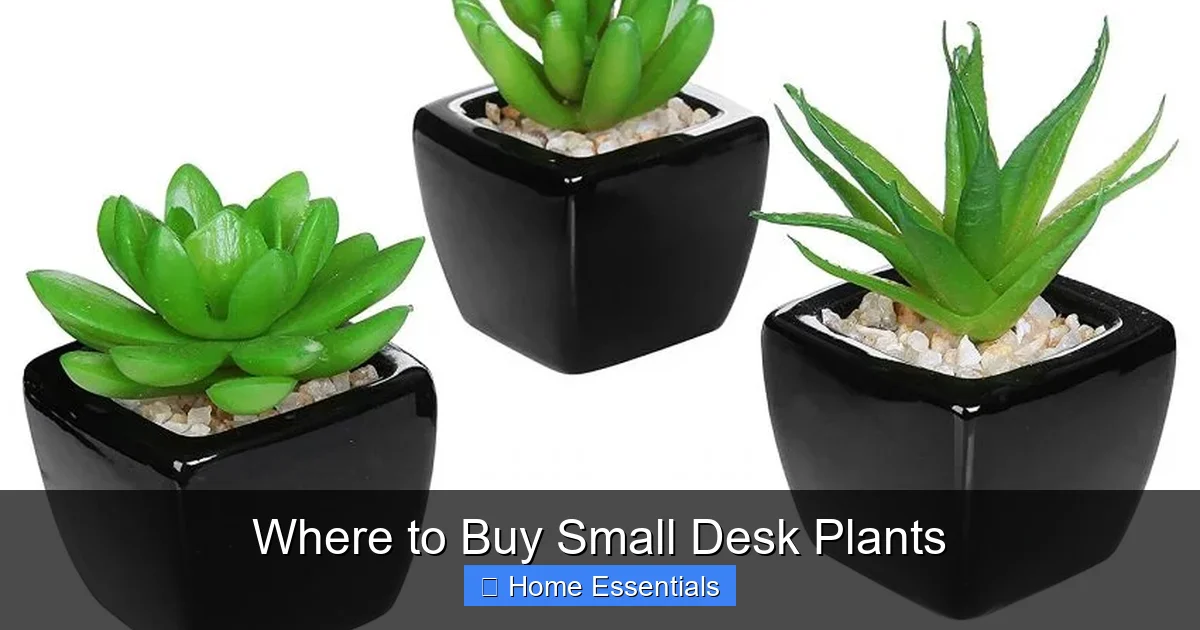
Visual guide about Where to Buy Small Desk Plants
Image source: smallbiztrends.com
The Visual Inspection: Leaves, Stems, and Soil
Start with the leaves. They should be their expected color—no excessive yellowing, browning, or black spots. Look for a full, bushy growth habit. A few brown tips can happen, but widespread damage is a red flag. Check both the top and underside of leaves for pests. Mealybugs look like tiny bits of cotton, spider mites leave fine webbing, and aphids cluster on new growth. The stems should be firm and upright, not mushy or leaning severely.
Examine the soil. Is it consistently dry, indicating neglect? Or is it soaking wet and smells musty, indicating potential root rot? Ideally, it should be lightly moist if it’s a water-loving plant, or dry for a succulent. Also, look for white, crusty salt buildup on the pot’s rim or soil surface—a sign of over-fertilizing or using hard water.
The Root Check: The Most Important Step
If the plant is in a plastic nursery pot (which most are), gently squeeze the pot and tilt it to peek at the drainage holes. You want to see healthy, firm roots that are white or tan. If the roots are brown, black, mushy, or smell foul, that’s root rot. If the roots are circling the pot densely but look healthy, the plant is just pot-bound, which is fine—you’ll repot it soon. If you can, very gently slide the plant out of its pot to get a full look. A healthy root system is the foundation of a thriving plant. This simple check can save you from bringing home a doomed plant.
Pest Protocol: What to Do If You Spot Unwanted Guests
If you see pests, you have a decision to make. For a minor mealybug infestation on one leaf, you could wipe them off with a cotton swab dipped in rubbing alcohol and buy the plant anyway, planning to treat it at home. For a major infestation covering multiple leaves, it’s best to leave it. You don’t want to introduce pests to your other plants. When in doubt, especially with a more expensive plant, pass and find a cleaner specimen. Remember, a healthy plant is a pest-resistant plant. Stressed plants (from over/underwatering, poor light) are most susceptible.
Top 5 Small Desk Plant Recommendations for Every Skill Level
Now that you know where to shop and how to choose, what should you buy? Here are five foolproof, small-statured plants perfect for desks.
Visual guide about Where to Buy Small Desk Plants
Image source: i0.wp.com
1. The Unkillable: Snake Plant (Sansevieria)
The ultimate low-maintenance champion. Snake plants come in many sizes, with the ‘Hahnii’ or ‘Bird’s Nest’ variety being perfect for small desks. They tolerate low light, irregular watering, and general neglect. They are also top-tier air purifiers. Just don’t overwater—let the soil dry completely between drinks.
2. The Trailing Beauty: Golden Pothos (Epipremnum aureum)
For a desk with a shelf or edge, a pothos is a gorgeous choice. Its heart-shaped leaves with golden variegation trail beautifully. It thrives in a range of light conditions and will tell you when it’s thirsty (leaves droop slightly). Easy to propagate—snip a stem and put it in water to grow a new plant!
3. The Textural Star: ZZ Plant (Zamioculcas zamiifolia)
With its glossy, dark green, feathery leaflets on graceful stems, the ZZ plant is a design darling. It’s incredibly drought-tolerant due to potato-like rhizomes that store water. It tolerates low light beautifully. The only way to kill it is by overwatering. Let it go completely dry between waterings.
4. The Air-Purifying Powerhouse: Peace Lily (Spathiphyllum)
If your desk gets slightly brighter, indirect light, a peace lily is a stunning choice. It produces elegant white “flowers” (spathes) and has rich, dark foliage. It’s famous for drooping dramatically when thirsty—it’s like a built-in watering reminder! It’s also excellent at removing toxins from the air. Note: toxic to pets if ingested.
5. The Succulent Star: Haworthia or Echeveria
For a sunny desk, a small succulent is a charming, sculptural choice. Haworthias (like Zebra Plant) are more tolerant of indoor light than Echeverias. They need a pot with drainage and a “soak and dry” watering method. Their geometric forms are very satisfying to look at.
Setting Up for Success: Essential Desk Plant Care Tips
You’ve bought the plant. Now, keep it alive! Desk plant care is simple but specific.
Light: More Important Than Water
Most desk plant deaths are from too much water, but too little light is a close second. Understand your light source. A north-facing window provides low, consistent light. An east-facing window gives gentle morning sun. South and west windows offer strong, direct light that can scorch leaves if the plant is too close. If you have no natural light, you’ll need a dedicated desk grow light (small LED panels are great). Rotate your plant slightly every week so it grows evenly and doesn’t lean toward the light.
Watering Wisdom: Less is More
Forget a weekly schedule. Water based on the plant’s needs. The universal test: stick your finger into the soil up to the first knuckle. If it feels dry, water. If it’s moist, wait. When you do water, water thoroughly until it runs out the drainage holes, then discard the excess water from the saucer or cachepot. Never let a plant sit in waterlogged soil. In the winter, when growth slows, water even less frequently.
Potting & Drainage: Non-Negotiable
That decorative pot you love? It probably doesn’t have drainage holes. That’s a problem for long-term health. Use the “pot in a pot” method: keep your plant in its plastic nursery pot with drainage, and place that inside a decorative cachepot. Empty any excess water from the cachepot after watering. If you must pot directly into a decorative pot, you must create a drainage layer of pebbles and be extremely careful with watering.
Cleaning & Grooming: A Simple Habit
Dust settles on leaves just like it does on your desk. Dusty leaves can’t photosynthesize efficiently. Every month or so, gently wipe leaves with a soft, damp microfiber cloth. This is also a great time to inspect for pests up close. For a deeper clean, you can give a hardy plant like a snake plant a gentle shower in the sink with lukewarm water. Trim any dead or yellowing leaves at the base with clean scissors to keep the plant tidy and direct its energy to new growth. If you’re unsure about the best way to clean specific plant leaves without damage, resources like guides on how to clean electronics with a microfiber cloth can offer analogies for gentle, streak-free wiping techniques suitable for delicate foliage.
Conclusion: Your Green Desk Awaits
So, where is the best place to buy small desk plants? There isn’t one single answer. The perfect source depends on your priorities: maximum variety and guarantees point you to a specialized online retailer; convenience and price lead you to a big-box store; expert advice and quality point to your local nursery. The most important thing is that you use the buyer’s checklist we provided—inspect for health, check for pests, and assess the root system—regardless of the storefront.
Start by identifying your desk’s light conditions and your own watering habits. Then, choose one of the five foolproof plant recommendations that matches. Finally, pick your shopping channel and go find your new green companion. A small desk plant is one of the simplest, most rewarding ways to personalize your workspace and bring a little calm into your daily routine. It’s not about having a green thumb; it’s about making a smart choice at the start. Now, go forth and grow.
Frequently Asked Questions
Can I put any small plant on my desk if it gets enough light?
Not necessarily. Some plants, like succulents, need very bright, direct sunlight to survive, which most desks don’t get. Always check a plant’s specific light requirement before buying. Low-light tolerant plants like snake plants or ZZ plants are the safest bets for typical office or dimly lit home desks.
How often should I water my small desk plant?
There is no set schedule. Always check the soil first. Insert your finger about an inch deep. If the soil feels dry, it’s time to water. If it’s still moist, wait. Overwatering is the #1 cause of death for small potted plants because their limited soil drains slowly. Water thoroughly, then let it dry out.
Are there any plants that are truly “pet-safe” for my desk?
Yes, but you must research. Many common desk plants like pothos, peace lily, and snake plant are toxic to cats and dogs if ingested. Safe options include spider plants, African violets, and many herbs like basil or mint. Always verify a plant’s toxicity with the ASPCA database before bringing it home if you have curious pets.
My office has no windows. Can I still have a desk plant?
Yes, but you need a dedicated light source. Low-light tolerant plants can survive on standard office fluorescent lighting for a while, but they will become leggy and weak over months. For long-term success, invest in a small, efficient LED desk grow light that provides the full spectrum plants need to photosynthesize.
What’s the difference between a nursery pot and a cachepot? Do I need both?
A nursery pot is the plastic pot the plant comes in, which has drainage holes. A cachepot is a decorative pot without holes. For healthy plants, you need drainage. The best practice is to keep the plant in its nursery pot and place that inside a slightly larger cachepot. This allows you to water thoroughly and then empty the excess water from the cachepot, preventing root rot.
My new plant has a few brown leaf tips. Should I return it?
Not necessarily. A few brown tips can be a sign of low humidity or slight underwatering/overwatering during transit or at the store. If the rest of the plant looks vibrant, firm, and pest-free, it’s likely fine. Trim the brown tips with clean scissors. Focus on giving it consistent, appropriate care moving forward. If many leaves are yellowing, mushy, or dropping, it may be a bigger issue.