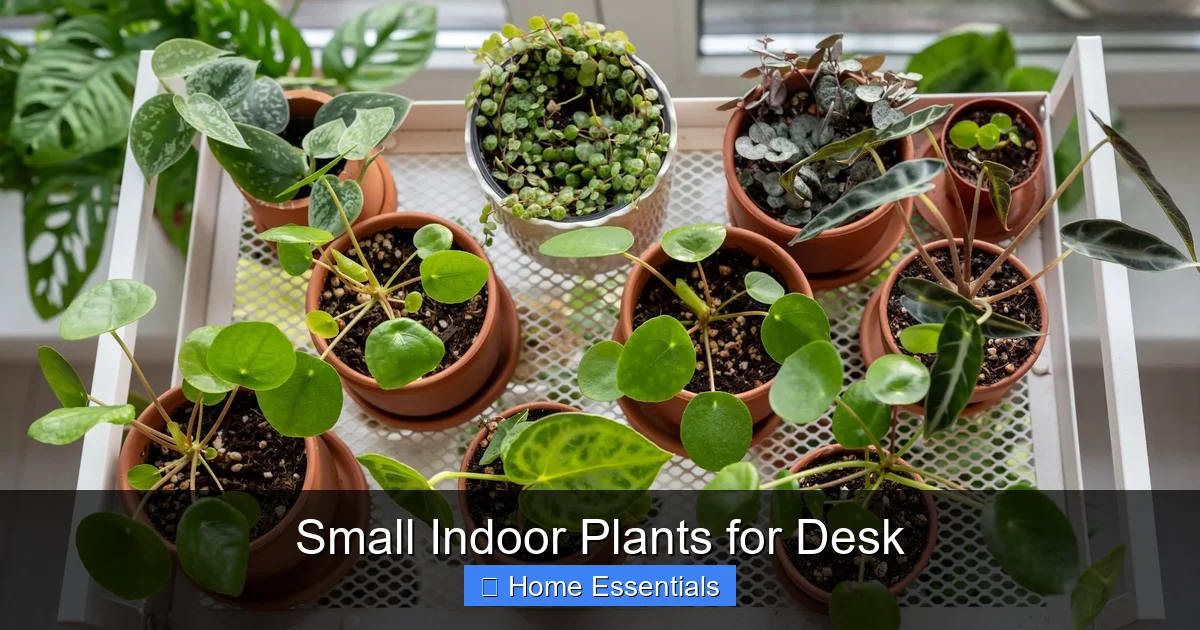
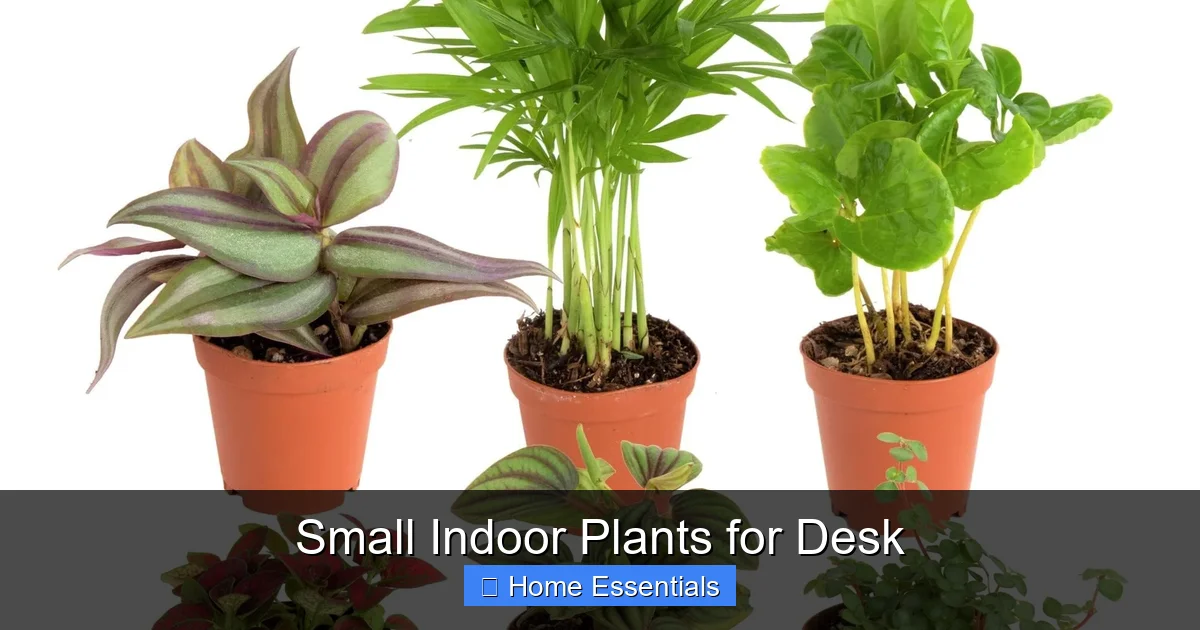
Small Indoor Plants for Desk
Transform your workspace with small indoor plants for desk. These tiny greens boost mood, purify air, and reduce stress. Discover low-maintenance options that thrive in office lighting and enhance productivity effortlessly.
Key Takeaways
- Air Purification: Many small indoor plants for desk, like Snake Plants and Pothos, naturally filter common office toxins (VOCs) from the air.
- Low-Maintenance Champions: Prioritize plants like ZZ Plants and Cast Iron Plants that tolerate irregular watering and lower light conditions typical of workspaces.
- Strategic Placement: Position plants to avoid blocking screens but within your line of sight to maximize visual breaks and stress reduction benefits.
- Watering Wisdom: Overwatering is the #1 killer of desk plants. Always check soil moisture before watering and ensure pots have drainage.
- Light is Key: Match the plant to your desk’s light. North-facing windows suit low-light plants, while bright east/west windows can accommodate more varieties.
- Pet & Kid Safety: If you have pets or young children, opt for non-toxic varieties like Spider Plants or Boston Ferns and keep them out of reach.
- Simple Cleaning: Dust accumulates on leaves, blocking light. Gently wipe with a damp microfiber cloth; for detailed tips, see our guide on how to use microfiber cloth for dusting.
📑 Table of Contents
- Why Small Indoor Plants for Desk Matter More Than Ever
- The Science-Backed Benefits of Your Desk Green Friend
- Top 10 Small Indoor Plants for Desk: Our Favorite Picks
- Essential Care Guide for Your Desk Plants
- Styling Your Desk with Plants: Creative & Practical Ideas
- Troubleshooting Common Desk Plant Problems
- Final Thoughts: Your Green Desk Awaits
Why Small Indoor Plants for Desk Matter More Than Ever
Remember your grandmother’s sunny windowsill, overflowing with lush greenery? That instinct to bring nature indoors is hardwired into us. Today, as more of us work from home or spend long hours at office desks, that connection is more crucial than ever. A bare, sterile desk can feel isolating and draining. Introducing even one small indoor plant for your desk is a powerful, simple act of self-care for your workspace. It’s not just about decoration; it’s about creating a micro-environment that supports your well-being and productivity.
Think about it. You’re staring at a screen for hours. Your eyes fatigue, your mind wanders, and stress can quietly build. A living, breathing plant on your desk provides a moment of visual respite. It’s a natural focal point that encourages you to look up, take a deep breath, and reconnect with something tangible and growing. This tiny act of tending to another living thing—a quick mist, a check of the soil—can ground you in the present moment, breaking the cycle of digital monotony.
The best part? You don’t need a green thumb or a sun-drenched corner. The world of small indoor plants for desk is packed with resilient, adaptable species that thrive in the often-challenging conditions of a desk environment: fluctuating light, dry air from heaters or AC, and the occasional forgetful watering. This guide will cut through the overwhelm. We’ll explore the profound benefits, introduce you to the most forgiving and beautiful varieties, and give you the no-nonsense care tips to help your desk companion flourish for years.
The Science-Backed Benefits of Your Desk Green Friend
It might feel like a small thing, but having a small indoor plant for your desk triggers a cascade of positive effects, backed by research in environmental psychology and horticulture. It’s a low-cost, high-reward upgrade to your personal workspace.
Visual guide about Small Indoor Plants for Desk
Image source: m.media-amazon.com
Boosts Mood and Reduces Stress
Studies have shown that interacting with houseplants can lower cortisol levels (the stress hormone) and reduce feelings of anxiety. The color green itself is psychologically calming. When you’re knee-deep in a tough project or a frustrating email thread, a glance at your thriving pothos can offer a subconscious mental reset. It’s a living reminder of growth and resilience, which can positively shift your mindset.
Enhances Focus and Productivity
Counterintuitively, a small distraction can improve sustained attention. Research from the University of Exeter found that plants in an office increased productivity by 15%. The theory is that plants help reduce mental fatigue. A brief, involuntary look at your desk plant gives your directed attention a micro-break, allowing it to replenish. This can lead to fewer errors and more efficient work cycles throughout the day.
Improves Air Quality
This is a classic benefit, and it holds true. Through photosynthesis, plants absorb carbon dioxide and release oxygen. More specifically, certain plants are excellent at removing volatile organic compounds (VOCs) like formaldehyde, benzene, and trichloroethylene—common culprits emitted from furniture, printers, and cleaning supplies. While a single plant won’t purify an entire room, having a small indoor plant for your desk creates a tiny, personal clean-air zone right where you breathe most.
Fosters Creativity and Problem-Solving
Natural elements in your environment can stimulate creative thinking. A plant adds organic shape, texture, and life to an otherwise geometric, man-made space. This subtle biophilic design element can help your brain make new connections, potentially leading to more innovative solutions to problems.
Top 10 Small Indoor Plants for Desk: Our Favorite Picks
Not all plants are created equal for the desk environment. We need survivors that can handle less-than-ideal light, forgetful owners, and the dry air of climate-controlled rooms. Here are the top contenders, chosen for their resilience, size, and aesthetic appeal.
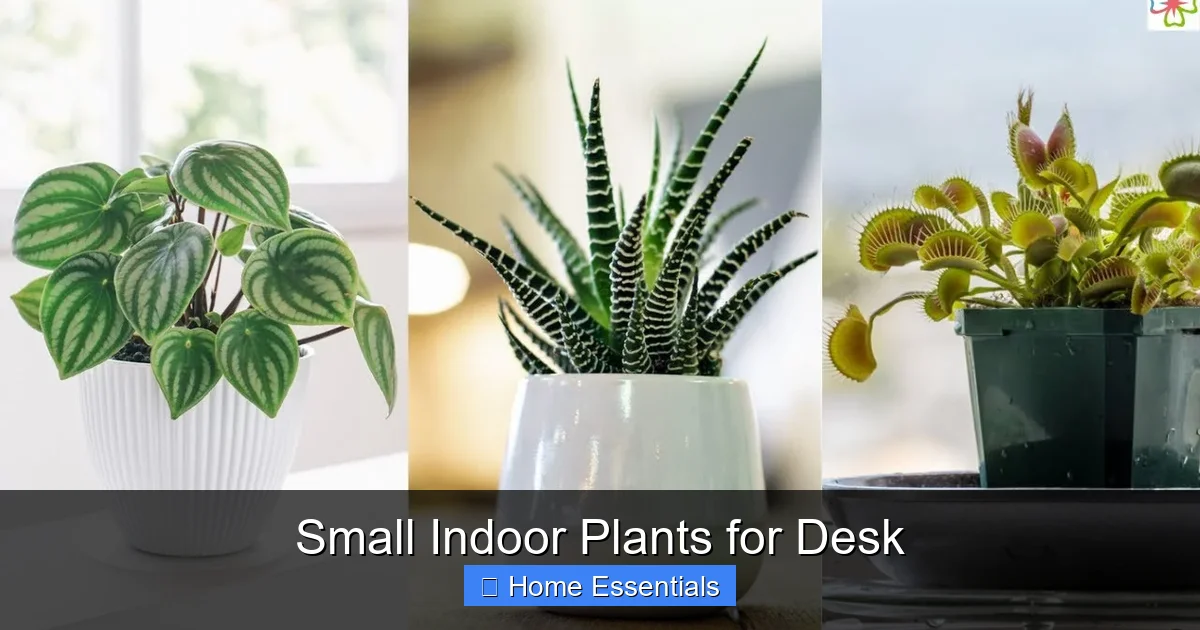
Visual guide about Small Indoor Plants for Desk
Image source: i.ytimg.com
1. Snake Plant (Sansevieria trifasciata)
The ultimate survivor. Known colloquially as Mother-in-Law’s Tongue, the Snake Plant is practically indestructible. It has stiff, upright, sword-like leaves that come in various shades of green, often with striking yellow or white margins. It thrives on neglect, requiring water only once every few weeks and tolerating low, indirect light to bright shade. It’s a top air purifier, especially effective at removing formaldehyde. Perfect for the minimalist desk.
2. Golden Pothos (Epipremnum aureum)
The classic trailing vine. Golden Pothos is arguably the easiest houseplant to grow. Its heart-shaped leaves are marbled with creamy yellow variegation. It grows quickly and can be trained to trail down the side of your desk or across a shelf. It’s incredibly forgiving, tolerating low light and irregular watering (let it dry out completely between drinks). It’s a fantastic choice for adding a soft, cascading element to your setup.
3. ZZ Plant (Zamioculcas zamiifolia)
Glossy, dark green leaves on graceful, arching stems make the ZZ Plant a sophisticated choice. It’s a champion of low-light conditions and stores water in its potato-like rhizomes, meaning it can go for a month or more without watering. It’s slow-growing but incredibly tough. If you travel often or simply forget to water, the ZZ Plant is your silent, steadfast partner.
4. Cast Iron Plant (Aspidistra elatior)
Living up to its name, this plant is tough as nails. It has broad, dark green, leathery leaves that shoot straight up. It tolerates very low light, irregular watering, and wide temperature fluctuations. It grows slowly but steadily. Its classic, architectural look adds a touch of timeless elegance without demanding any fuss. Ideal for a dimly lit corner of a large desk.
5. Spider Plant (Chlorophytum comosum)
A cheerful, fast-growing plant with long, narrow leaves that arch gracefully. The most common variety has a central stripe of white. It produces tiny white flowers and “babies” (plantlets) on long stems, which you can snip off and propagate in water—a fun, rewarding project. It prefers bright, indirect light but adapts well. It’s non-toxic and excellent at removing formaldehyde and xylene from the air.
6. Peace Lily (Spathiphyllum spp.)
Famous for its elegant white blooms (technically spathes), the Peace Lily is also a great low-light performer. Its dark, glossy leaves are beautiful even when not in flower. It’s a thirsty plant that will dramatically droop its leaves when it needs water, making it almost foolproof to read. It’s excellent at filtering air pollutants. Note: It is toxic to pets if ingested.
7. Heartleaf Philodendron (Philodendron hederaceum)
Similar to Pothos but with smaller, more delicate heart-shaped leaves, this vining plant is incredibly adaptable. It thrives in a range of light conditions and tells you exactly what it needs—leaves turn yellow if overwatered, and growth slows in low light. Its trailing habit is perfect for a high shelf on a standing desk or a bookcase behind your main workspace.
8. Ponytail Palm (Beaucarnea recurvata)
A quirky, sculptural plant that looks like a palm tree with a thick, bulbous trunk (caudex) and a fountain of long, thin leaves. It’s a succulent, storing water in its trunk, so it needs very infrequent watering (every 3-4 weeks). It loves bright light but tolerates lower light. Its unique shape makes it a great conversation starter and a fantastic focal point on a spacious desk.
9. Chinese Evergreen (Aglaonema)
This plant is all about stunning foliage. Its broad, oval leaves come in countless varieties, often with striking patterns of silver, red, or pink. It’s extremely tolerant of low light and prefers to dry out between waterings. It’s a slow grower, meaning it won’t quickly outgrow its spot on your desk. It adds a pop of color and pattern without needing bright sun.
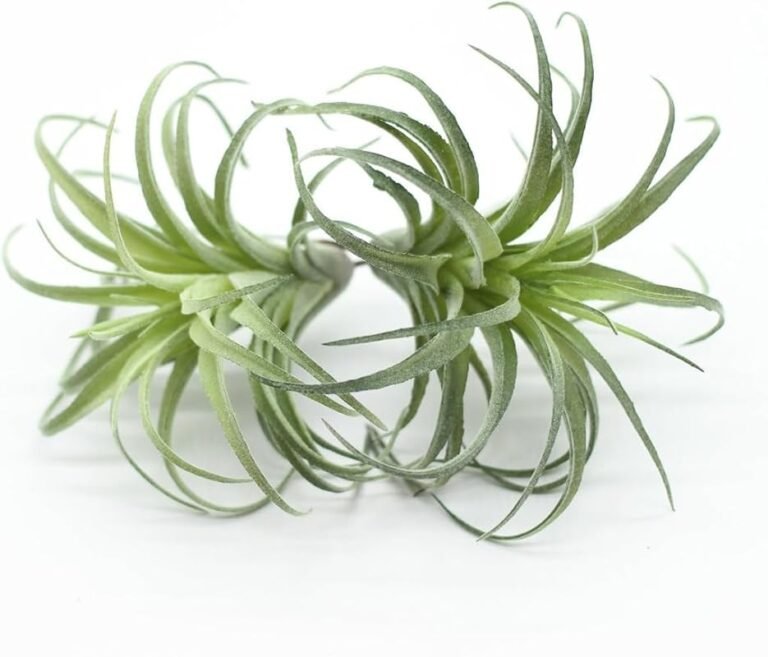
10. Air Plants (Tillandsia spp.)
The ultimate space-saver. Air plants don’t need soil! They absorb moisture and nutrients through their leaves. They require a bright, indirect light spot and a good soak in water (or misting) once a week. Their sculptural, otherworldly forms look amazing mounted on a piece of driftwood, in a small geometric holder, or perched in a tiny terrarium on your desk. They are low-fuss but require a specific watering routine.
Essential Care Guide for Your Desk Plants
You’ve chosen your plant. Now, let’s ensure it thrives, not just survives. Desk plant care boils down to mastering a few key elements. It’s simpler than you think.
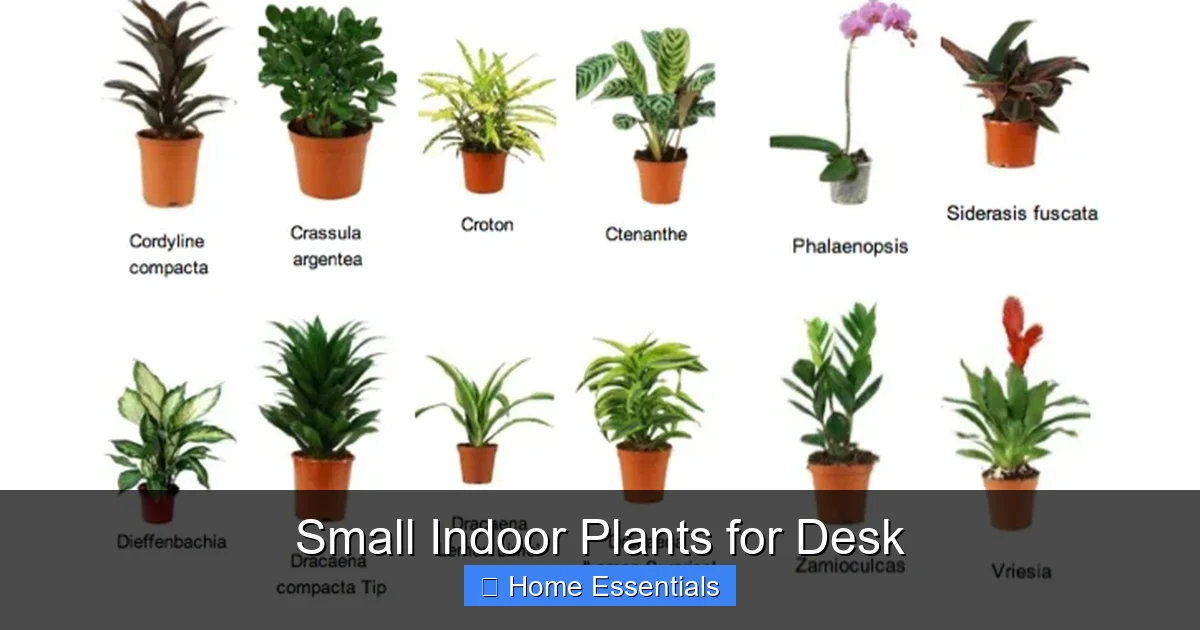
Visual guide about Small Indoor Plants for Desk
Image source: i.pinimg.com
Light: The Non-Negotiable Factor
Light is food for plants. Assess your desk’s light honestly. Is it right by a north-facing window (low, cool light)? South or west-facing (bright, hot light)? Or are you in the interior of a room with no windows, relying only on overhead lights?
- Low Light: Snake Plant, ZZ Plant, Cast Iron Plant, Chinese Evergreen. These are your go-tos for deep desk areas away from windows.
- Medium/Bright Indirect Light: Pothos, Philodendron, Spider Plant, Peace Lily. This is the most common desk scenario—near a window but not in direct sunbeams.
- Bright Light: Air Plants, Ponytail Palm. These need the most light, ideally a few hours of gentle morning sun.
Rotate your plant a quarter turn every few weeks so it grows evenly and doesn’t lean toward the light source.
Watering: The #1 Killer (and How to Avoid It)
Overwatering is the fastest way to kill a desk plant. It leads to root rot, which you often can’t see until it’s too late. The golden rule: Check the soil before you water.
- Stick your finger 1-2 inches into the soil. If it feels dry, it’s time to water.
- If it’s still moist, wait a few more days.
- When you do water, water thoroughly until it runs out the drainage holes, then immediately discard any excess water from the saucer. Never let the pot sit in water.
- In winter, plants need less water due to lower light levels and slower growth.
Soil, Pot, and Drainage
Your plant needs more than just water. A well-draining potting mix is essential. You can buy a standard indoor potting mix and mix in some perlite or orchid bark for extra aeration. The pot must have a drainage hole. If you love a decorative pot without holes, use it as a cachepot: plant your plant in a plastic nursery pot with holes, then place that inside the decorative pot. Remember to empty the cachepot after watering.
Humidity and Temperature
Office and home HVAC systems are notoriously dry. Most tropical desk plants appreciate a little extra humidity. Grouping plants together creates a microclimate. You can also mist them lightly a few times a week or use a small pebble tray (a shallow dish with pebbles and water, pot placed on top). Avoid placing plants directly in the path of air conditioning vents or heaters.
Feeding (Fertilizing)
Plants need food during their active growing season (spring and summer). Use a balanced, water-soluble fertilizer diluted to half or quarter strength. Fertilize once a month at most. In fall and winter, stop fertilizing entirely. Over-fertilizing is as harmful as under-fertilizing.
Cleaning and Grooming
Dust on leaves blocks light and looks dull. Every few weeks, gently wipe each leaf with a damp, soft microfiber cloth. For detailed techniques on choosing the right tool, see our guide on microfiber duster for electronics—the same gentle, static-free principles apply to delicate plant leaves. Remove any dead or yellowing leaves at the base to keep the plant healthy and tidy.
Styling Your Desk with Plants: Creative & Practical Ideas
A plant is an accessory. How you display it can elevate your entire desk aesthetic from a simple workstation to a personalized, inspiring nook.
Think in Layers and Heights
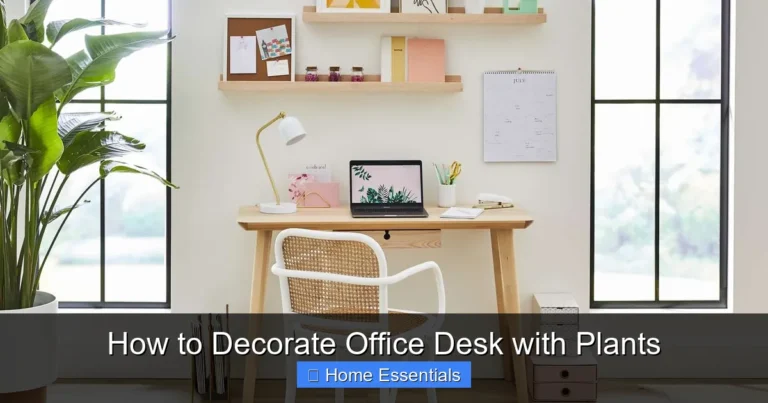
Don’t just plop a pot on your desk surface. Create visual interest by varying heights. Use a small stack of books, a decorative box, or a plant stand to elevate one plant above others. Place a trailing plant like Pothos on a higher shelf so its vines can cascade down, adding depth. A tall, narrow Snake Plant in a corner can frame your monitor beautifully.
Choose Pots That Complement Your Style
The pot is the plant’s outfit. Match it to your desk decor. For a modern, minimalist desk, opt for clean white ceramic, concrete, or matte black pots. For a rustic or bohemian feel, choose woven baskets (use a plastic liner), terracotta, or textured ceramics. Ensure the pot’s size is appropriate—generally, it should be only 1-2 inches wider in diameter than the current nursery pot. Too big a pot holds excess moisture and causes root rot.
Create a Mini-Jungle Corner
If your desk is large enough, cluster 2-3 small plants of varying heights and textures together. A Snake Plant (vertical), a Spider Plant (architectural), and a small Chinese Evergreen (foliage) create a dynamic trio. Grouping plants also helps maintain humidity around them.
Go for the Unexpected: Air Plants and Terrariums
For the ultra-minimalist, an air plant in a tiny, geometric holder or glued to a piece of magnetic slate is a zero-mess, zero-soil option. A small, open terrarium with a few tiny succulents or mosses can be a beautiful, self-contained ecosystem on your desk. Just ensure it has a drainage layer and isn’t sealed completely.
Mind the Practicalities
Style is great, but function is key. Ensure your plant setup doesn’t interfere with your work. Keep plants away from direct contact with your keyboard or important papers to avoid water spills or soil debris. Consider a saucer or a protective mat under the pot. Also, maintain a clean desk surface; a cluttered desk with a dusty plant defeats the purpose. For easy desk maintenance, a microfiber cloth for cleaning is perfect for wiping down surfaces quickly without chemicals.
Troubleshooting Common Desk Plant Problems
Even the toughest plants can sometimes send distress signals. Here’s how to decode and fix the most common issues.
Yellowing Leaves
This is the most common cry for help. The cause is almost always related to watering.
- Overwatering: Leaves are yellow and mushy, often with black spots. The soil is soggy. Solution: Stop watering immediately. Repot in fresh, dry soil if root rot is severe.
- Underwatering: Leaves turn yellow and crispy, starting at the tips or edges. The soil is bone dry and pulled away from the pot. Solution: Soak the pot in a bucket of water for 30 minutes to rehydrate fully.
- Natural Senescence: One or two older leaves at the base turning yellow and falling off is normal as the plant makes new growth. Just remove them.
Brown, Crispy Leaf Tips or Edges
This is usually a humidity issue. The air is too dry. Mist the plant more frequently, move it away from direct draft from AC/heat, or use a pebble tray. It can also be caused by over-fertilizing or salts in the tap water. Try using filtered or distilled water.
Leggy Growth or Loss of Variegation
Your plant is screaming for more light. Stems become long and thin as it stretches toward the nearest light source. Variegated plants (like Golden Pothos) may revert to solid green to produce more chlorophyll. Move your plant to a brighter location. If it’s already in the brightest spot, consider a small, inexpensive desk grow light.
Pests: Mealybugs, Spider Mites, Fungus Gnats
Inspect your plants weekly. Look for white, cottony masses (mealybugs), fine webbing (spider mites), or tiny flies around the soil (fungus gnats).
- Mealybugs/Spider Mites: Wipe leaves with a cotton swab dipped in rubbing alcohol. Spray the plant thoroughly with insecticidal soap or neem oil.
- Fungus Gnats: They’re a sign of overwatered soil. Let the top inch of soil dry out completely between waterings. You can also place yellow sticky traps near the pot.
Always isolate a new plant for 2-3 weeks before placing it near your other desk plants to prevent introducing pests.
No Growth or Stunted Growth
This is usually a seasonal thing in winter. If it persists in spring/summer, check: Is it in too small a pot? (Gently slide it out to check roots). Is it getting enough light? Have you fertilized? Is the temperature too cold? Move it to a brighter spot, feed it during growing season, and ensure it’s not in a drafty spot.
Final Thoughts: Your Green Desk Awaits
Starting with a single small indoor plant for your desk is one of the easiest and most rewarding upgrades you can make to your daily environment. It’s a tangible investment in your mental clarity, physical health, and overall happiness at work. Don’t overthink it. Look at your desk’s light, be honest about your willingness to water, and choose a plant from the resilient list above. The Snake Plant and ZZ Plant are virtually foolproof starting points.
Remember, the goal is not perfection. A slightly crispy leaf or a lopsided growth habit is part of the journey. The plant is a living companion, not a static decoration. The simple ritual of caring for it—wiping a leaf, checking the soil, admiring a new shoot—anchors you in the present. It transforms your desk from a mere tool into a sanctuary. So, pick your plant, find its perfect spot, and welcome a little piece of the thriving, resilient natural world into your daily grind. You deserve that breath of fresh air.
Frequently Asked Questions
What is the absolute easiest small indoor plant for a beginner’s desk?
The Snake Plant and ZZ Plant are tied for the title of most indestructible. They tolerate very low light, need water only once every few weeks, and are forgiving of neglect. They are the perfect starting point for anyone new to houseplants.
How often should I water my desk plant?
There is no set schedule. Always check the soil first. For most common desk plants like Pothos or Snake Plants, water only when the top 1-2 inches of soil are completely dry. In winter, you may only need to water once a month. Overwatering is the most common cause of death.
Are small indoor plants for desk safe for cats and dogs?
Some are, some aren’t. Safe, non-toxic options include Spider Plants, Boston Ferns, and African Violets. Toxic common desk plants include Peace Lilies, Snake Plants, and Pothos (though mildly toxic). If you have pets, always research a plant’s toxicity before bringing it home and place it out of reach.
Can I use regular garden soil for my desk plant pot?
No. Garden soil is too dense, compacts easily, and may contain pests or diseases. Always use a high-quality, well-draining potting mix formulated for indoor plants. You can improve drainage by mixing in 20-30% perlite or orchid bark.
Why are tiny flies hovering around my desk plant’s soil?
You likely have fungus gnats. They are attracted to consistently moist soil. Let the top inch of soil dry out completely between waterings. You can also place yellow sticky traps near the pot to catch the adults. Avoid overwatering to prevent future outbreaks.
My office has no windows, only fluorescent lights. Can I still keep a plant at my desk?
Yes, but you must choose very low-light tolerant plants like the Snake Plant, ZZ Plant, or Cast Iron Plant. Even these will survive, not thrive, under only artificial light. For better growth, consider a small, dedicated desk grow light that provides a full spectrum for a few hours each day.