Will a Desk Lamp Grow Plants
In short, most standard desk lamps are not suitable for growing plants effectively. They typically lack the necessary light intensity and full color spectrum that plants require for photosynthesis. However, with a very low-light tolerant plant and a specialized full-spectrum LED bulb, you might keep a plant alive in a pinch. For robust growth, especially for food-producing or flowering plants, a dedicated grow light is always the superior and more reliable choice.
Key Takeaways
- Light Spectrum is Crucial: Plants need specific blue and red light wavelengths for growth and flowering, which most standard desk bulbs don’t provide adequately.
- Intensity Matters More Than You Think: Desk lamps often have low wattage and spread light too widely, delivering insufficient photons per square foot for healthy plant development.
- Not All Plants Are Equal: Only extremely low-light tolerant species like pothos or snake plants might survive, not thrive, under a weak desk lamp.
- The Bulb Makes the Difference: Swapping a standard bulb for a true full-spectrum LED grow bulb can transform a desk lamp’s capability, but heat and distance remain constraints.
- Positioning and Duration are Key: If you experiment, the lamp must be very close (inches) and on for 12-16 hours daily, which can be impractical and cause heat damage.
- Dedicated Grow Lights Win: They are engineered for the correct spectrum, intensity, and heat management, making them far more efficient and effective for any serious indoor gardening.
- Desk Lamps are for Supplemental Light: Their best use is providing a little extra light to an already well-lit plant, not as a primary light source.
📑 Table of Contents
- The Alluring Question: Can My Desk Lamp Be a Secret Garden?
- Decoding Plant Light Needs: More Than Just Brightness
- The Hard Truths: Why Your Average Desk Lamp Falls Short
- The “But What If…” Scenario: Making a Desk Lamp Work (Minimally)
- Building a Better System: Optimizing Your Desk Lamp Setup
- Desk Lamp vs. Dedicated Grow Light: The Clear Verdict
- Practical Tips for the Desk Lamp Experimenter
- Conclusion: Shedding Light on the Truth
The Alluring Question: Can My Desk Lamp Be a Secret Garden?
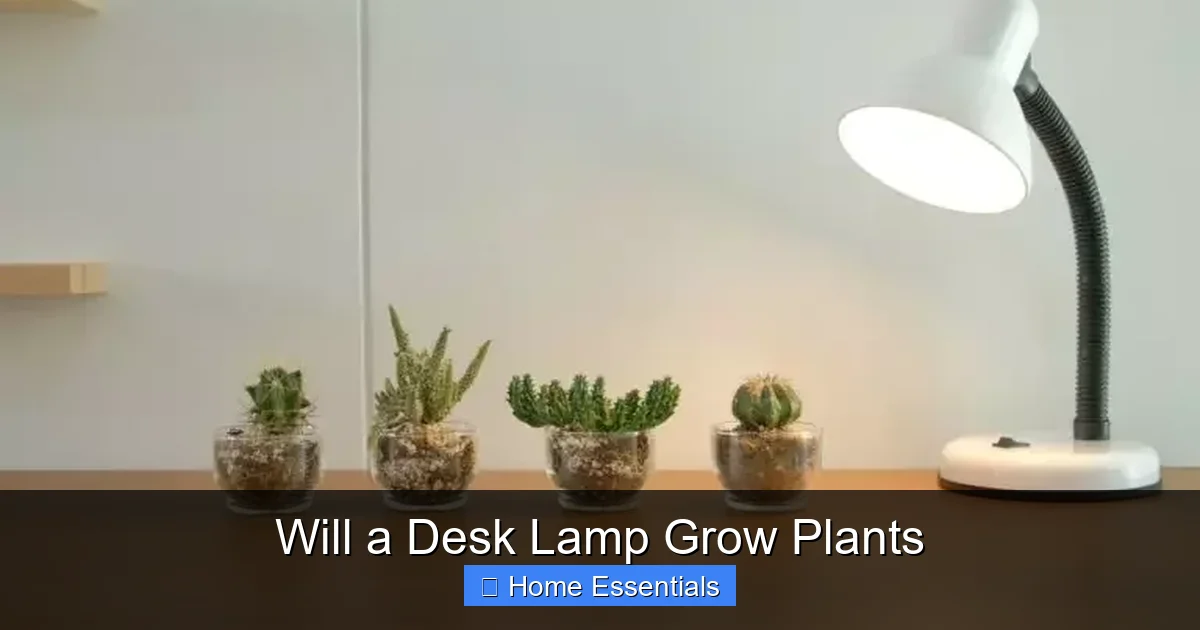
You’re sitting at your desk, bathed in the warm glow of your trusty lamp, and a little seedling on the windowsill looks a bit sad. A natural thought pops up: “Will a desk lamp grow plants?” It seems so convenient. That lamp is already there, plugged in, ready to go. Could it double as a mini sun for your green friends? The honest answer is a nuanced one, sitting somewhere between “technically yes” and “practically, probably not.” This isn’t just about plugging in a bulb and hoping for the best. It’s about understanding what plants truly crave from light and whether your desk lamp can deliver it. Let’s pull back the curtain on this common gardening myth and explore the science, the limitations, and the few scenarios where your desk lamp might just eke out a victory.
First, let’s establish the core goal. Growing plants indoors, away from the sun, means you must replicate the sun’s most important job: photosynthesis. Plants use light energy to convert water and carbon dioxide into sugars for food. The sun provides a full spectrum of light. For our purposes, two parts are critical: blue light, which promotes strong, compact vegetative growth (leaves and stems), and red light, which is essential for flowering and fruiting. A standard incandescent or basic LED desk bulb is designed for human vision—to make skin tones look good and rooms feel cozy. It is not designed to fuel plant biochemistry. This fundamental mismatch is where the trouble begins.
Decoding Plant Light Needs: More Than Just Brightness
Before judging your lamp, we must understand the judge’s criteria. Plant light needs are measured in a few key ways. PPFD (Photosynthetic Photon Flux Density) is the big one. It measures the number of photosynthetically active photons (the useful light particles) hitting a square meter of plant surface every second. Think of it as “plant food density.” Low-light plants need about 30-50 µmol/m²/s, medium-light plants want 100-250, and high-light plants like tomatoes or peppers need 400+. A typical 60-watt incandescent bulb held 12 inches above a plant might deliver a PPFD of less than 10—utterly insufficient. A dedicated 20-watt true full-spectrum LED grow panel at the same distance might hit 100+. That’s a tenfold difference in usable food for your plant.
Visual guide about Will a Desk Lamp Grow Plants
Image source: images.nexusapp.co
The Full Spectrum vs. “Daylight” Bulb Confusion
You’ve probably seen “daylight” bulbs at the store, rated at 5000K or 6500K. They look blue-white and are great for tasks. But “daylight” in human terms is not “full spectrum” in plant terms. True full-spectrum grow bulbs are engineered to have strong peaks in the blue (around 450nm) and red (around 660nm) wavelengths, mimicking the sun’s absorption peaks. A standard “daylight” LED might have a spike in blue but almost nothing in the critical red range. Plants grown under such a light will become leggy, weak, and fail to flower. This is a critical distinction. When shopping, look for bulbs explicitly labeled “full spectrum for plants” or “grow light.” Some modern smart bulbs can now be programmed for specific color temperatures, but you must verify their spectral output charts. To understand the technology behind these specialized bulbs, it helps to know how a smart bulb works, as many grow bulbs now incorporate smart features for scheduling and dimming.
The Hard Truths: Why Your Average Desk Lamp Falls Short
Let’s play devil’s advocate with your desk lamp. Assume it’s a classic, adjustable arm style with a standard E26 socket. Here are the primary reasons it’s a poor primary grow light candidate.
Visual guide about Will a Desk Lamp Grow Plants
Image source: images.nexusapp.co
Wattage and The Heat Problem
Desk lamps are designed for low-power bulbs (40W-100W equivalent). Older incandescent bulbs in that range convert most of their energy into heat, not light. Placing one close enough to a plant to deliver meaningful PPFD would literally cook the leaves. Modern LEDs are more efficient, but a small LED bulb in a desk lamp still has a very limited surface area. Its light output (measured in lumens or, better yet, PPF—Photosynthetic Photon Flux) is simply too low to cover more than a tiny seedling. The physics of a small bulb in a reflective, focused desk lamp shade can help intensity a bit, but it can’t create photons out of thin air.
Spectral Output Mismatch
As mentioned, the spectrum is wrong. Even if you use a high-lumen “daylight” LED bulb, it’s optimized for human eye comfort, not chlorophyll absorption. You’re feeding your plant a diet of junk food—lots of calories (lumens) but missing the vital nutrients (blue/red photons). The result is a pale, stretched-out plant that’s just barely surviving, not photosynthesizing efficiently. This is where a bulb specifically designed for plants makes the only real difference. The question can smart bulbs be used as grow lights is becoming more relevant as technology advances, but the answer still hinges on their specific spectral output, not just their smart features.
The “But What If…” Scenario: Making a Desk Lamp Work (Minimally)
Okay, so we’ve established the odds are against you. But for the determined minimalist or the gardener with a single, very tough plant, there is a narrow path. This is a “keep alive” strategy, not a “grow big and strong” plan.
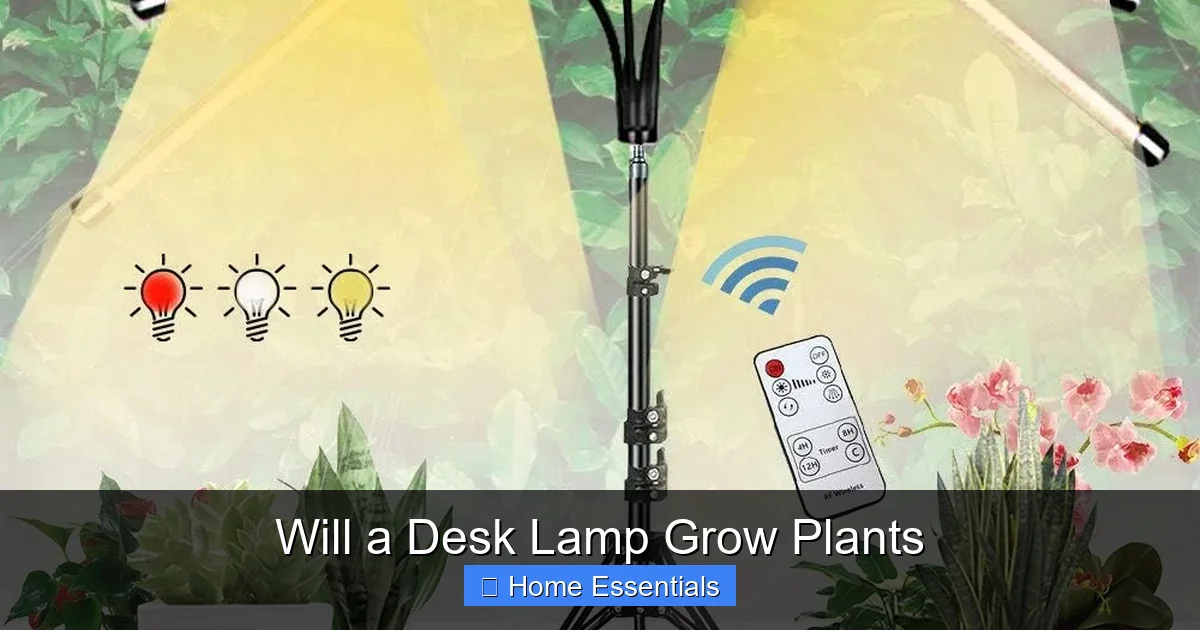
Visual guide about Will a Desk Lamp Grow Plants
Image source: images-na.ssl-images-amazon.com
Choosing the Right (Tough) Plant
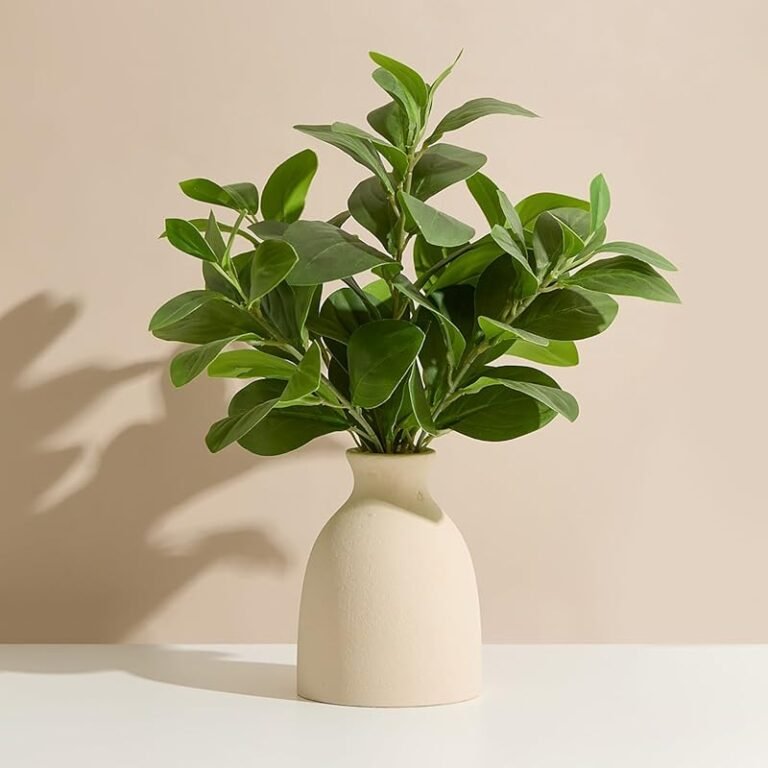
You must select from the absolute lowest light tier. Think: Zamioculcas zamiifolia (ZZ Plant), Sansevieria (Snake Plant), Epipremnum aureum (Pothos), or Aglaonema (Chinese Evergreen). These are survivors from the deep forest floor. Even then, expect very slow, etiolated (leggy) growth. Do not attempt to grow herbs, lettuce, tomatoes, or any flowering plant this way. It will fail.
The Non-Negotiable Bulb Upgrade
Forget the bulb that came with the lamp. You must purchase a dedicated full-spectrum LED grow bulb. These are available in standard Edison screw bases (E26/E27). Look for brands like GE’s “LED Grow Light” series or similar. Check the specs: it should list PPF or at least emphasize “full spectrum for plants.” A 10-15 watt actual draw LED grow bulb is a good starting point. This is the single most important upgrade you can make. While some smart bulbs offer tunable white, they rarely provide the necessary red/blue peaks unless specifically marketed for plants.
Proximity and Patience
With your new bulb installed, you must place the lamp inches from the plant’s leaves, not feet. We’re talking 3-6 inches away. This concentrates the already weak light. You must also run it for 12-16 hours a day, on a timer. This creates a secondary problem: heat. While LEDs are cool, the small fixture and close proximity can still cause localized heat stress. You must monitor the leaf temperature. If the leaves feel warm to the touch, move the lamp further away, accepting even less light. The goal is a balance between light intensity and no heat damage. This setup is finicky and requires constant vigilance.
Building a Better System: Optimizing Your Desk Lamp Setup
If you’re committed to using a desk lamp, let’s optimize every variable. Think of it as tuning a tiny, underpowered engine.
The “Lamp” Part Matters Too
Not all desk lamps are equal. A lamp with a flexible, gooseneck arm is ideal because it allows you to position the bulb precisely and keep it close as the plant grows. A lamp with a wide, shallow shade will spread light too much. A deep, parabolic reflector-style shade (like on some architect lamps) will better focus the light downward onto a small area. The material matters too; a matte white interior reflects more useful light than a dark, glossy one.
Reflective Surfaces Are Your Secret Weapon
Since your lamp’s output is tiny, you must minimize waste. Place your plant on a surface covered in aluminum foil or a reflective material like mylar. Position the lamp so its light bounces off these surfaces back onto the plant’s undersides. This can increase the effective light the plant receives by 20-30%. It’s a simple hack that makes a marginal setup slightly less marginal.
Automate with Timers (and Maybe Smart Features)
Never rely on memory. Use a simple plug-in timer to ensure your plant gets a consistent photoperiod. If you invested in a smart bulb or smart plug, you can schedule it via an app. This consistency is as important as the light itself. Plants operate on circadian rhythms. Interrupting their night period can stress them. A timer is non-negotiable.
Desk Lamp vs. Dedicated Grow Light: The Clear Verdict
Let’s contrast our jury-rigged desk lamp system with what the pros use.
Efficiency and Spectrum
A dedicated full-spectrum LED grow light panel is a powerhouse of efficiency. It uses high-quality, full-spectrum LED diodes clustered together to produce a balanced, intense light with an optimal PPFD for its coverage area. It’s designed from the ground up for plants. A desk lamp with a grow bulb is a compromise, using a consumer fixture with a plant bulb shoehorned in. The spectrum might be okay, but the intensity and even distribution will always be inferior for any meaningful plant growth beyond a seedling.
Heat Management and Safety
Grow lights have heat sinks and are designed to dissipate heat efficiently, even at higher wattages. They can be placed further from plants safely. Your desk lamp’s socket and shade are not designed for continuous, high-output operation. Running a powerful bulb in it for 16 hours a day could pose a fire hazard, especially if it’s an older model or uses a plastic shade. Safety is a major point in favor of purpose-built equipment.
Scalability and Coverage
Want to grow two plants? With a desk lamp, you’re now juggling two weak light sources or moving one lamp constantly. A single 20-watt LED grow panel can evenly cover a 1’x1′ area, suitable for several small plants. The scalability is built-in. The desk lamp approach becomes a logistical nightmare beyond one or two tiny plants.
Practical Tips for the Desk Lamp Experimenter
If you’ve read this far and still want to try, here is your action plan.
- Start with a cutting or a very small, established low-light plant. A pothos cutting in a small pot is the perfect test subject.
- Buy the correct bulb. Do not skip this. Get a known-brand full-spectrum LED grow bulb in the wattage appropriate for your small area (8-15W actual draw).
- Position aggressively close. Start with the bulb 4 inches from the top leaves. Check daily for signs of heat stress (curling, browning tips) or light burn (bleached patches).
- Run a strict 16-hour timer. Use a digital outlet timer. No exceptions.
- Rotate the plant weekly. Plants grow toward light. Rotating ensures even growth and prevents severe leaning.
- Water and feed carefully. Plants under weak light use less water and nutrients. Overwatering is a common killer in low-light scenarios. Use a well-draining potting mix and water only when the top inch is dry.
- Know when to quit. If after a month there is no new growth, or the plant becomes pale and spindly, the system is failing. It’s not your fault; it’s physics. Repot and move it to a brighter window, or invest in a proper grow light.
Remember, the goal is survival and minimal growth. If you want lush foliage, herbs to cook with, or flowers to enjoy, you must upgrade. The initial cost of a small, proper LED grow light is comparable to a good desk lamp and a specialty bulb, but the results are worlds apart.
Conclusion: Shedding Light on the Truth
So, will a desk lamp grow plants? The definitive answer is: it can, but only for the most resilient, low-light species, and only with a very specific, upgraded bulb and a fussy, hands-on approach. For the vast majority of gardening ambitions—growing food, nurturing flowering plants, or simply keeping common houseplants happy and healthy—a desk lamp is a subpar tool. It’s like trying to power your car with a motorcycle battery. It might turn over once, but it’s not a sustainable or effective power source.
The joy of indoor gardening comes from watching your plants thrive, not just survive. That requires giving them the tools they need: proper light spectrum, sufficient intensity, and reliable duration. A dedicated grow light provides that with minimal hassle. If your space is limited, there are fantastic compact, clip-on, or small-panel grow lights designed exactly for desks and small shelves. They are the true answer to the desk-dwelling plant parent’s prayer. Your desk lamp’s purpose is to illuminate your work, not to fuel a photosynthetic factory. Respect that boundary, and your plants will thank you with vibrant, healthy growth.
Frequently Asked Questions
Can any desk lamp grow plants if I use a bright bulb?
No. Even a very bright “daylight” bulb lacks the correct red and blue light spectrum plants need. A standard bright bulb will make a plant grow leggy and weak as it searches for proper light, not healthy and bushy.
What is the absolute best plant to try growing under a desk lamp?
The ZZ Plant (Zamioculcas zamiifolia) is the champion of low-light survival. It can tolerate the poorest lighting conditions, including a weak desk lamp setup, though it will grow extremely slowly and may eventually decline without better light.
How close should a desk lamp be to a plant if I’m using a grow bulb?
For a small LED grow bulb in a desk lamp, start with the bulb 3-6 inches from the top leaves. You must monitor closely for any signs of heat stress, like leaf curling or brown tips, and adjust the distance accordingly.
Will a desk lamp with a grow bulb work for herbs or lettuce?
Almost certainly not. Herbs and lettuce are medium-to-high light plants that require strong, consistent light to produce flavorful leaves. A desk lamp’s intensity and coverage area are far too limited for these crops.
Is it safe to leave a desk lamp on for 16 hours a day over a plant?
It depends on the lamp’s build quality and bulb. Older lamps with incandescent bulbs can become very hot and pose a fire risk. Modern LED lamps are cooler, but the fixture itself may not be designed for continuous, enclosed operation. A dedicated grow light is engineered for this exact use case and is much safer.
What are the first signs my plant isn’t getting enough light from my desk lamp?
The primary sign is etiolation: the plant becomes pale, spindly, and stretches out dramatically with long stems and sparse leaves as it desperately searches for light. New leaves will be smaller and further apart than on a healthy plant.