What Are Desk Plants Called
Desk plants, commonly called desktop plants, office plants, or workspace greenery, are small indoor plants suited for desks and tight spaces. They boost mood, purify air, and enhance productivity with minimal care. Popular varieties include snake plants, pothos, and peace lilies, which thrive in low light and require infrequent watering. Choosing the right plant and understanding its needs ensures a healthy, vibrant addition to your workstation.
Have you ever glanced at your desk and thought it needed a little life? A splash of green can transform a sterile workspace into a personal sanctuary. But what exactly do you call those little plants that live on your desk? The most common and accurate term is desktop plants. You’ll also hear them called office plants, workspace plants, or simply desk plants. These aren’t just decorative trinkets; they are living, breathing companions for your workday. In this complete guide, we’ll dive deep into the world of desktop plants, from their official names to the absolute best varieties for your specific situation. Whether you’re a notorious plant killer or a seasoned green thumb, there’s a perfect desktop plant waiting for you.
Key Takeaways
- Terminology: Desk plants are most accurately called “desktop plants” or “office plants,” but all terms refer to small, adaptable plants for workspaces.
- Top Benefits: They reduce stress, improve air quality, increase focus, and add a personal touch to your environment with very little maintenance.
- Best for Beginners: Snake plants, ZZ plants, and pothos are nearly indestructible, tolerating low light and irregular watering.
- Light is Key: Most desk plants prefer bright, indirect light. Avoid direct sun, which can scorch leaves, and consider energy-efficient smart bulbs for consistent lighting.
- Watering Wisely: Overwatering is the #1 killer. Always check soil moisture first and use pots with drainage holes to prevent root rot.
- Style & Safety: Choose pots that match your decor and ensure plants are non-toxic if you have pets. A tidy plant also makes a great impression during video calls.
- Easy Care Routine: Dust leaves regularly with a soft microfiber cloth, rotate pots for even growth, and fertilize sparingly during spring and summer.
📑 Table of Contents
- The Official Name: More Than Just “Desk Plants”
- Why You Absolutely Need a Desktop Plant (The Science-Backed Benefits)
- The All-Star Roster: Top 7 Desktop Plants for Every Skill Level
- The Ultimate Care Guide: Keeping Your Desktop Plant Thriving
- Styling Your Desk: Beyond Just the Plant
- Common Mistakes (And How to Avoid Them)
- Conclusion: Your Green Work Companion Awaits
The Official Name: More Than Just “Desk Plants”
While “desk plant” is the universally understood catch-all term, the horticultural and interior design worlds use a few more specific labels. Understanding these can help you search for the right information and plants more effectively.
Desktop Plants vs. Office Plants vs. Tabletop Plants
The nuance is mostly about location and size. Desktop plants are the smallest category, typically under 12 inches tall, designed to fit comfortably on a standard desk without crowding your keyboard or monitor. Office plants is a broader term that can include slightly larger floor-standing plants in a lobby or corner office. Tabletop plants is another excellent synonym, emphasizing their home on any flat surface—a coffee table, shelf, or indeed, a desk. For our purposes, we’ll use them interchangeably, focusing on the compact, desk-friendly species.
It’s also helpful to distinguish them from terrariums or dish gardens. Those are artistic arrangements of multiple small plants in a single container. A single desktop plant in its own pot is what we’re primarily discussing. When shopping, you might see them labeled by their botanical names or common names like “snake plant” or “pothos.” Knowing both is useful, as the common name is what you’ll use in everyday conversation.
Why You Absolutely Need a Desktop Plant (The Science-Backed Benefits)
Let’s be clear: adding a plant to your desk isn’t just an aesthetic choice. It’s a productivity and wellness tool backed by research. The benefits are so significant that companies like Google and Amazon famously fill their offices with lush greenery.
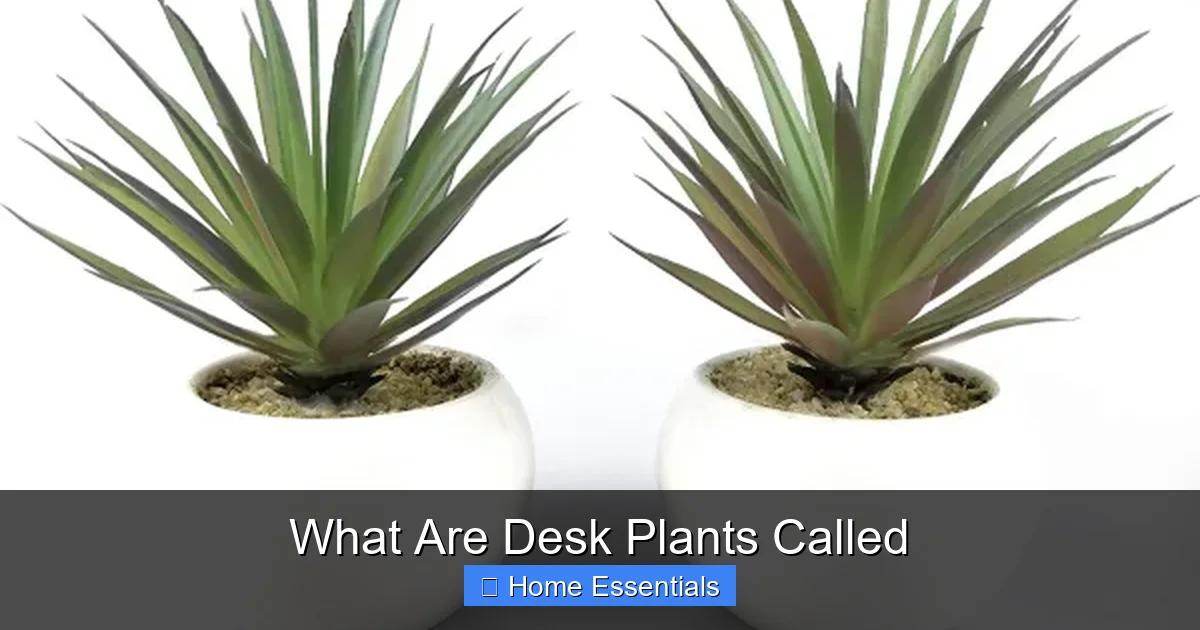
Visual guide about What Are Desk Plants Called
Image source: spongeplants.com
Boosting Mood and Reducing Stress
Multiple studies have shown that interacting with indoor plants can lower cortisol levels (the stress hormone) and reduce feelings of anxiety. The simple act of tending to a living thing—watering, pruning, wiping leaves—provides a mindful, therapeutic break from screen-based work. The color green itself is psychologically calming, evoking nature and promoting a sense of balance. In a high-pressure job, having a small, resilient friend on your desk can be a subtle but powerful anchor.
Purifying Your Immediate Air
Remember the NASA Clean Air Study from the 1980s? It found that certain common indoor plants can remove volatile organic compounds (VOCs) like formaldehyde, benzene, and trichloroethylene from the air. These toxins come from furniture, cleaning supplies, and electronics. While a single desktop plant won’t purify an entire room, it creates a micro-clean air zone right at your breathing space. Plants like the peace lily and spider plant are particularly effective at this. For a consistently clean atmosphere, you might also consider how your general home lighting affects air quality; some smart bulbs are designed to be more energy efficient and produce less heat, which can help maintain a stable environment for both you and your plants.
Enhancing Focus and Creativity
A landmark study from the University of Exeter found that employees’ productivity increased by 15% when plants were introduced to their previously bare offices. The theory is that plants reduce fatigue and dry eyes, common issues from staring at screens. A touch of nature also provides a soft, non-distracting focal point that can help reset your attention during long tasks. For creative roles, the organic shapes and colors of plants can subconsciously stimulate innovative thinking.
The All-Star Roster: Top 7 Desktop Plants for Every Skill Level
Not all plants are created equal, especially when it comes to surviving the often-challenging conditions of a desk: inconsistent watering, variable light from windows, and the occasional forgetful owner. Here are the champions, broken down by your care capacity.
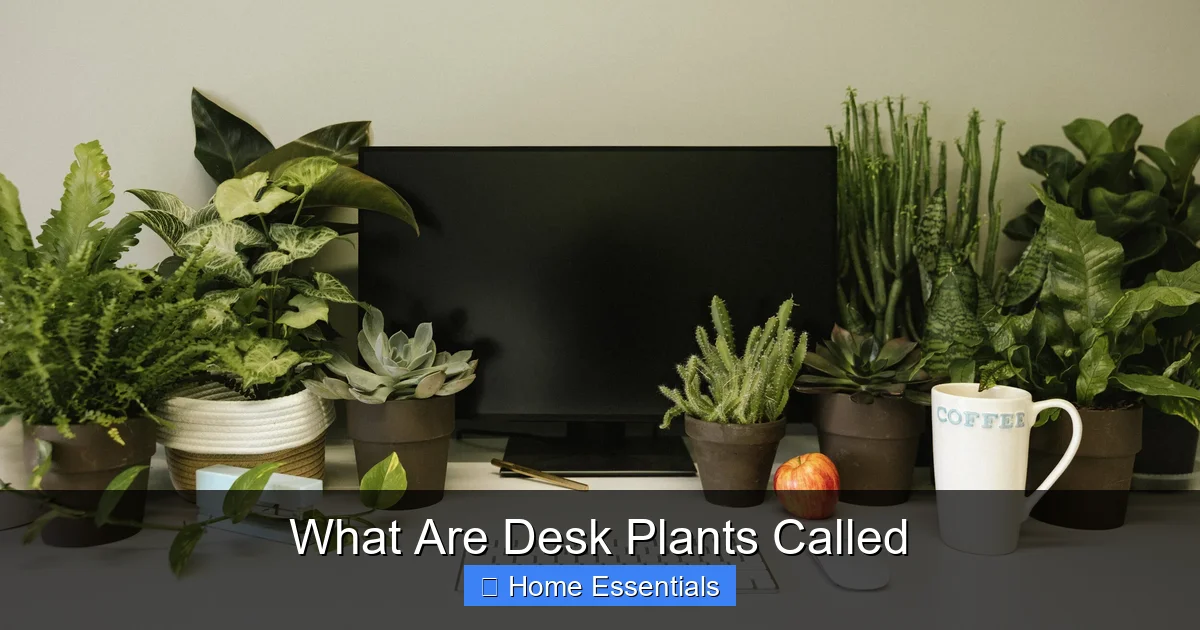
Visual guide about What Are Desk Plants Called
Image source: images.squarespace-cdn.com
For the Beginner (The “I Kill Everything” Club)
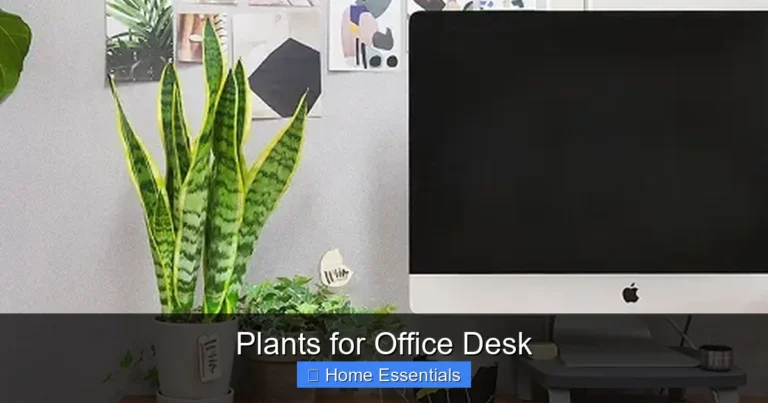
- Snake Plant (Sansevieria trifasciata): The undisputed champion of neglect. It thrives on low light and can go weeks without water. Its upright, architectural leaves add a modern touch. Known also as “Mother-in-Law’s Tongue.”
- ZZ Plant (Zamioculcas zamiifolia): With its glossy, dark green leaves on graceful stems, the ZZ plant is practically indestructible. It stores water in its rhizomes, so underwatering is better than overwatering. Perfect for dim corners.
- Golden Pothos (Epipremnum aureum): A fast-growing vine with heart-shaped, yellow-streaked leaves. It’s incredibly forgiving and will tell you it’s thirsty by slightly drooping its leaves—a helpful, clear signal. Great for a high shelf to let trails cascade down.
For the Intermediate Enthusiast
- Peace Lily (Spathiphyllum): Famous for its elegant white “flowers” (actually spathes). It’s a great air purifier and has a clear watering signal: the entire plant dramatically droops when thirsty. It prefers medium, indirect light.
- Spider Plant (Chlorophytum comosum): Produces cute “babies” on long stems, making it fun to propagate. It loves bright, indirect light but is adaptable. Non-toxic and super easy to share with friends.
For the Experienced Gardener (A Little More Fussy)
- Fiddle Leaf Fig (Ficus lyrata): The trendy,Instagram-famous plant with large, violin-shaped leaves. It demands consistent, bright indirect light and hates being moved or having its leaves dusted with harsh chemicals. A rewarding but high-maintenance choice.
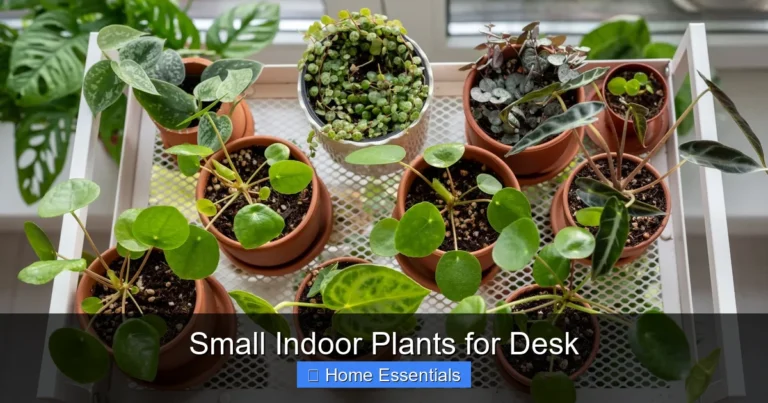
- Chinese Money Plant (Pilea peperomioides): With its round, coin-like leaves on long stems, it’s a cheerful addition. It likes bright light and well-draining soil, and produces offshoots (“pups”) you can pot up separately.
The Ultimate Care Guide: Keeping Your Desktop Plant Thriving
You’ve chosen your plant. Now, don’t let it die of neglect or love. Follow these core principles for success.
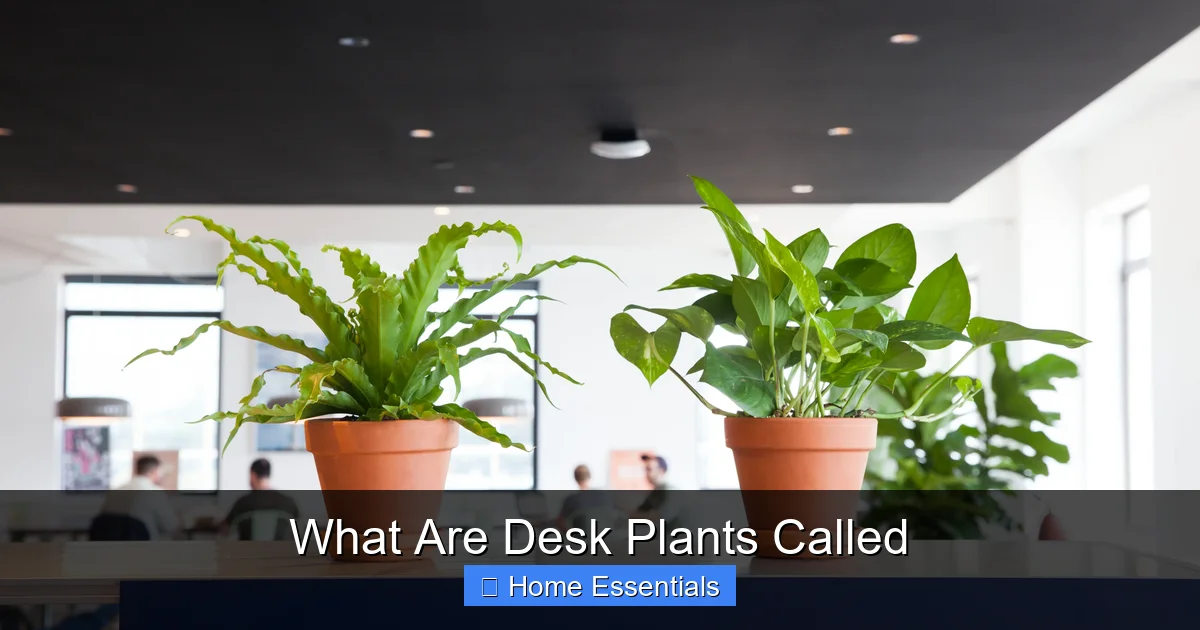
Visual guide about What Are Desk Plants Called
Image source: media.architecturaldigest.com
Light: Getting It Just Right
Light is the most critical factor. Most desktop plants originate from forest floors, so they want bright, indirect light. This means a spot near an east or west-facing window, or a few feet from a south-facing window with sheer curtains. Direct southern sun through glass can burn leaves. If your desk is in a dark corner, you’ll need a grow light. Here’s where smart home tech can help. You can set up a small LED grow light bulb in a regular lamp on a timer. Many smart bulbs work with Alexa or Google Home, allowing you to schedule light cycles effortlessly, ensuring your plant gets consistent “sun” even on cloudy days or in windowless rooms. Look for bulbs that are energy efficient to keep your electric bill low while your plants thrive.
Watering: Less is More
The golden rule: water deeply, then let the top 1-2 inches of soil dry out completely before watering again. Never follow a fixed calendar schedule. Use your finger to check soil moisture. Pour water until it runs out the drainage hole, then discard any excess from the saucer. Terracotta pots dry out faster than plastic or glazed ceramic. Overwatering leads to root rot, the silent killer. Underwatering? Most desktop plants will just wilt and perk up after a drink.
Soil, Pot, and Fertilizer Basics
Use a well-draining indoor potting mix, often labeled for “houseplants” or “succulents.” Never use garden soil. Your pot must have a drainage hole. If you love a pot without one, use it as a decorative cache pot and keep the plant in its plastic nursery pot inside it. Fertilize only during the active growing season (spring and summer) with a balanced, diluted liquid fertilizer once a month or every other month. In fall and winter, most plants go dormant and need no food.
Cleaning and Grooming
Dust buildup blocks light. Gently wipe large leaves with a damp microfiber cloth. For delicate plants, use a soft paintbrush. Remove any dead or yellowing leaves at the base with clean scissors. Rotate your plant a quarter turn every week so it grows evenly and doesn’t lean toward the light source. When it comes to cleaning tools, microfiber cloths are a fantastic, safe choice for dusting leaves because they are soft, absorbent, and don’t leave lint. Just ensure they are clean and slightly damp, not wet, to avoid water spots.
Styling Your Desk: Beyond Just the Plant
A plant on your desk is functional decor. How you present it matters for your overall workspace vibe.
Choosing the Perfect Pot
The pot is your plant’s outfit. Match it to your desk style. Sleek, white ceramic for a minimalist desk. Warm terracotta for a rustic feel. A fun, patterned pot for a creative space. Ensure it’s proportional—the pot shouldn’t be more than 1-2 inches wider in diameter than the plant’s root ball. Remember the drainage hole rule!
Groupings and Arrangements
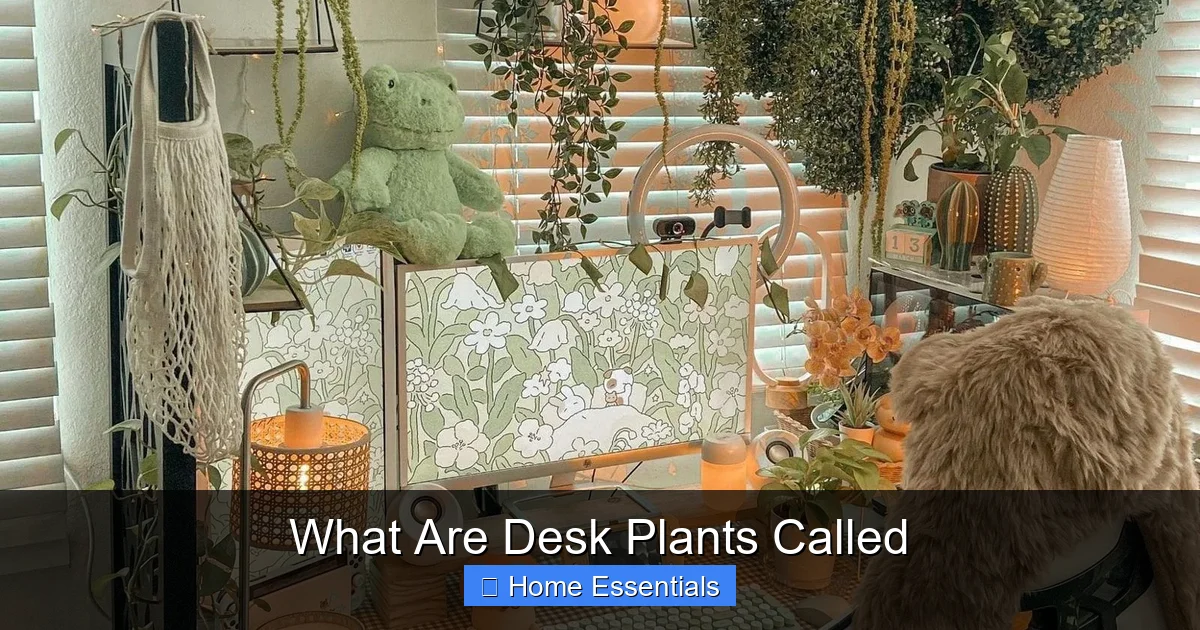
Don’t be afraid to group plants! A trio of varying heights (a tall snake plant, a mid-sized pothos, a trailing spider plant) creates dynamic visual interest. Use a tray or a “plant stand” (which can be a stack of books or a simple wooden block) to elevate some plants and create layers. This also makes watering easier.
The “No-Plant” Desk? Consider a Terrarium or Cutting
If your desk is truly tiny, a small closed terrarium in a glass jar is a self-contained ecosystem that needs watering only once a month. Alternatively, take a single stem cutting from a friend’s pothos or philodendron, root it in a tiny vase of water, and enjoy the minimalist beauty of just roots and a leaf or two.
Common Mistakes (And How to Avoid Them)
Even with the best intentions, these errors can spell doom for your desktop plant.
Mistake 1: The “Love Watering” Syndrome
This is the #1 cause of death. Your plant’s roots need oxygen. Constantly soggy soil suffocates them. Solution: always check soil moisture first. When in doubt, wait another day.
Mistake 2: Ignoring Light Reality
Buying a plant for a dark spot because it’s pretty, then wondering why it etiolates (stretches weakly) or dies. Solution: honestly assess your desk’s light. If it’s low, choose a snake plant or ZZ plant. If you want a light-loving plant like a fiddle leaf fig, be prepared to move it to a brighter spot on weekends or use a dedicated grow light.
Mistake 3: Forgetting the Dust
A thick layer of dust is like putting a dirty filter on your plant’s solar panels. Solution: wipe leaves every 2-4 weeks with a damp cloth. This is also a great time to inspect for pests like mealybugs (white cottony fluff) or spider mites (tiny webbing).
Mistake 4: Using the Wrong Pot
A pot without a drainage hole is a swamp waiting to happen. Solution: drill a hole in your favorite pot, use a liner pot with holes inside it, or master the “water and drain” method where you fully soak the soil and then immediately tip the pot to drain excess before placing it back in the decorative sleeve.
Conclusion: Your Green Work Companion Awaits
So, what are desk plants called? They are your desktop plants, office plants, or workspace greenery—your personal patch of nature in the digital world. They are not a luxury; they are a simple, affordable tool for a healthier, happier, and more beautiful work life. Start with a forgiving snake plant or a trailing pothos. Learn its rhythms. Nurture it. Watch it thrive. In return, it will quietly improve your air, your focus, and your mood every single day. Your desk isn’t just a surface for your laptop anymore. It’s a habitat. Make it a vibrant one.
Frequently Asked Questions
What is the absolute easiest desk plant for a total beginner?
The snake plant is the undisputed easiest. It tolerates very low light and can survive for a month without water. It’s nearly impossible to kill and comes in many stylish varieties.
How often should I water my desk plant?
There is no set schedule. Always check by sticking your finger 1-2 inches into the soil. If it feels dry, water thoroughly. If it’s damp, wait. Most desktop plants need watering every 2-3 weeks, but this varies by plant, pot, and season.
Are desk plants safe for cats and dogs?
Some are, some are not. Snake plants, ZZ plants, and pothos are toxic if ingested. Peace lilies are toxic to cats and dogs. Safe options include spider plants, African violets, and Boston ferns. Always check the ASPCA database before bringing a plant into a pet-friendly home.
Can I keep a desk plant in a room with no windows?
Yes, but you will need a dedicated light source. A small LED grow light or a smart bulb set on a timer for 10-12 hours a day is essential. Choose ultra-low-light tolerant plants like the ZZ plant or a philodendron heartleaf for such conditions.
Do desk plants need fertilizer?
Only during their active growing season, which is typically spring and summer. Use a diluted, balanced liquid fertilizer once a month at most. In fall and winter, stop fertilizing entirely as the plant’s growth slows.
Why are the tips of my desk plant’s leaves turning brown?
>Brown tips are usually caused by low humidity, underwatering, or a build-up of minerals from tap water (like fluoride). Try using filtered or rainwater, mist the leaves occasionally, and ensure you’re watering deeply enough that water runs out the drainage hole.