Low Maintenance Desk Plants
Bring life to your workspace without the stress. This guide cuts through the clutter to deliver the ultimate list of truly low-maintenance desk plants that survive forgetful watering and low office light. We provide specific, actionable care tips, styling ideas, and troubleshooting advice so you can enjoy the proven benefits of greenery—improved air, focus, and mood—with minimal effort. Transform your desk into a serene oasis with plants that genuinely thrive on neglect.
Key Takeaways
- Neglect-Tolerant is Key: The best desk plants are adapted to survive inconsistent watering and lower light conditions common in offices and homes.
- Light is the Primary Factor: Assess your desk’s light source (bright indirect, low, fluorescent) before choosing a plant; matching needs is the #1 success factor.
- Overwatering is the #1 Killer: It’s almost always better to underwater. Learn the “finger test” and ensure pots have drainage holes.
- Benefits Are Proven: Even a single plant can reduce stress, improve concentration, and purify indoor air by absorbing toxins.
- Style is Secondary to Survival: Choose a plant that fits your environment first; you can always place it in a decorative cachepot later.
- Simple Routine is Enough: A quick weekly check-up, occasional dusting, and infrequent feeding are all these plants require to thrive.
[FEATURED_IMAGE_PLACEHOLDER]
📑 Table of Contents
- Why Your Desk Desperately Needs a Low-Maintenance Plant
- The Holy Grail: Our Top 6 Low-Maintenance Desk Plant Picks
- The Unbreakable Care Code: Simplicity is Everything
- Styling Your Desk Oasis: Beauty Meets Function
- Troubleshooting 101: Fixing Common (and Rare) Problems
- The Final Word: Your Green Thumb is a Myth (And That’s Okay)
Why Your Desk Desperately Needs a Low-Maintenance Plant
Let’s be honest. Your desk is probably a battlefield of cables, coffee rings, and mounting deadlines. The thought of adding a living thing to that chaos feels like one more chore, doesn’t it? What if I told you that adding a plant could actually reduce your feeling of chaos? The concept of “low-maintenance desk plants” isn’t just a trendy phrase; it’s a lifeline for the modern worker. These are not delicate divas that wilt if you look at them wrong. They are resilient, adaptable survivors designed to thrive on the kind of casual neglect that defines a busy professional’s life. Think of them as the ultimate passive-aggressive roommate: they give you amazing air purification and a mood boost, and they ask for almost nothing in return.
The science is solid. Studies from NASA and institutions like the University of Exeter have shown that indoor plants can remove volatile organic compounds (VOCs) from the air, increase humidity, and even lower background noise. Psychologically, a touch of nature—what scientists call “biophilia”—lowers cortisol levels, reduces anxiety, and boosts creativity and focus. In a world of artificial light and synthetic materials, a single green leaf is a profound connection to the natural world. But the benefit is nullified if the plant is a constant source of guilt and worry. That’s why the “low-maintenance” qualifier isn’t a luxury; it’s the entire point. We’re not aiming for a Instagram-worthy jungle (unless you’re a plant whisperer). We’re aiming for a silent, thriving partner that makes your space feel alive without adding to your to-do list.
The Holy Grail: Our Top 6 Low-Maintenance Desk Plant Picks
Not all “easy” plants are created equal, especially when confined to a desk’s specific conditions. We’ve vetted these based on true resilience to underwatering, tolerance for fluorescent lighting, and compact growth habits. Forget vague advice; here are your new desk buddies, with specifics.
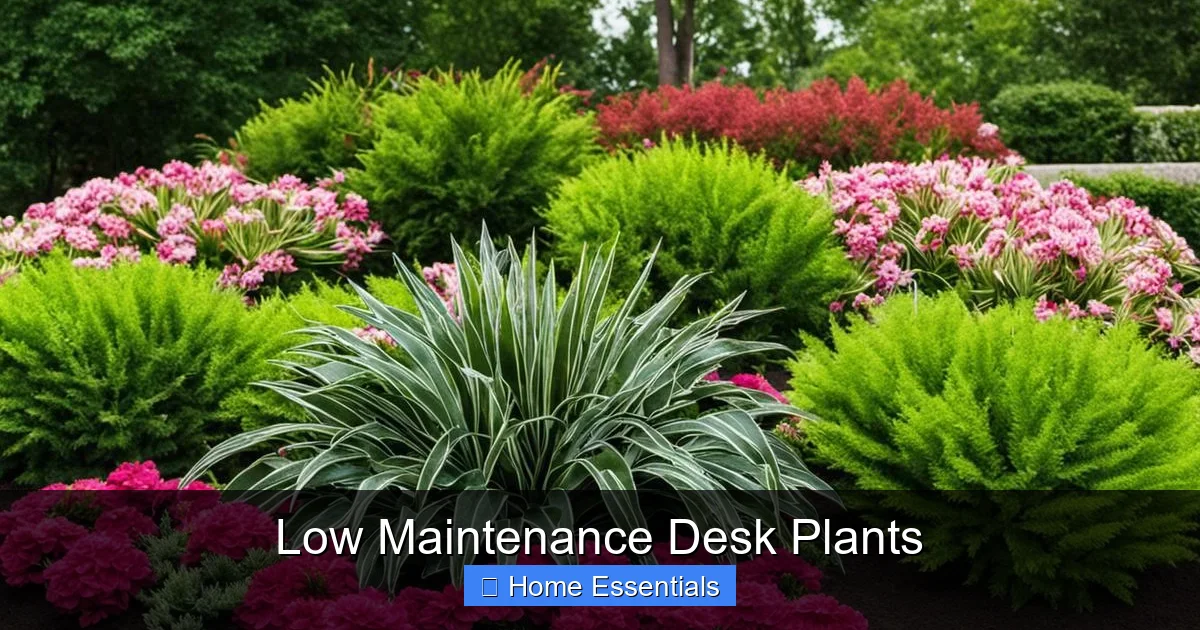
Visual guide about Low Maintenance Desk Plants
Image source: dirtgreen.com
1. Snake Plant (Sansevieria trifasciata)
The undisputed champion of neglect. Often called “Mother-in-Law’s Tongue,” this architectural plant is virtually indestructible. Its tall, sword-like leaves grow straight up, making it perfect for tight desk corners. It thrives on abysmal light—a dim corner away from a window is fine—and can survive months without water. The only surefire way to kill it is to love it to death with too much water. Let the soil dry out completely between waterings, which in an office could mean every 3-6 weeks. It’s also a top air purifier, working overtime at night to release oxygen and absorb toxins like formaldehyde and benzene.
2. ZZ Plant (Zamioculcas zamiifolia)
If the snake plant is a tank, the ZZ plant is a submarine. Its thick, dark green, waxy leaves grow on graceful, arching stems from a potato-like rhizome. This rhizome stores water, making the ZZ plant exceptionally drought-tolerant. It prefers low to bright indirect light but is famously forgiving of low-light offices. Its growth is slow and steady, so you won’t need to repot often. Water only when the soil is completely dry. A pro tip: if the leaves start to yellow and drop, you’ve almost certainly overwatered. Underwatering causes the leaflets to drop, but it’s usually recoverable.
3. Pothos (Epipremnum aureum)
The classic trailing vine, often seen in hanging baskets. For a desk, choose a smaller pot and pinch back the vines to encourage bushiness. Pothos is incredibly versatile, thriving in low light but growing faster in brighter conditions. It’s a fantastic “canary in the coal mine”—if it starts wilting dramatically, it’s thirsty. However, it bounces back quickly once watered. It’s also a prolific air cleaner. Varieties like ‘Golden Pothos’ (yellow variegation) and ‘Neon Pothos’ (bright green) add a pop of color. Just keep it out of reach of cats and dogs, as it’s mildly toxic if ingested.
4. Cast Iron Plant (Aspidistra elatior)
Its name says it all. This plant earned the moniker “cast iron” because it survived the Victorian era’s poorly lit, drafty homes. It’s the definition of low-key. It produces long, dark green, strappy leaves from the soil. It tolerates very low light, irregular watering, and temperature fluctuations. Water when the top inch of soil is dry. It grows slowly, so it won’t outgrow your desk space for years. It’s a study in quiet resilience and perfect for the darkest cubicle.
5. Jade Plant (Crassula ovata)
A succulent with a personality. Its thick, oval, glossy leaves store water, making it a desert survivor. It prefers bright, indirect light but can adapt to less. The key is a well-draining soil mix (cactus/succulent mix is ideal) and infrequent watering. Let the soil dry out completely, then water deeply. If you see the leaves develop tiny wrinkles, it’s thirsty. If they become soft and mushy, you’ve overwatered. With good light, it may produce small, star-shaped white flowers. Its bonsai-like appearance adds a sculptural element to your desk.
6. Peace Lily (Spathiphyllum)
The drama queen of the low-maintenance world, but in a good way. It’s famously communicative: when it’s thirsty, its entire structure wilts dramatically. Water it, and within hours, it perks back up. This makes it nearly foolproof. It tolerates low light but will produce more of its elegant white “flowers” (spathes) in brighter indirect light. It’s a powerful air purifier. Keep the soil consistently moist but not soggy. A note: it’s toxic to pets if ingested.
The Unbreakable Care Code: Simplicity is Everything
You’ve chosen your plant. Now, the “maintenance” part. Let’s demystify it. Successful desk plant care boils down to three things: light, water, and dust. That’s it. Forget complex fertilizing schedules and humidity trays. We’re playing the long game with minimal intervention.
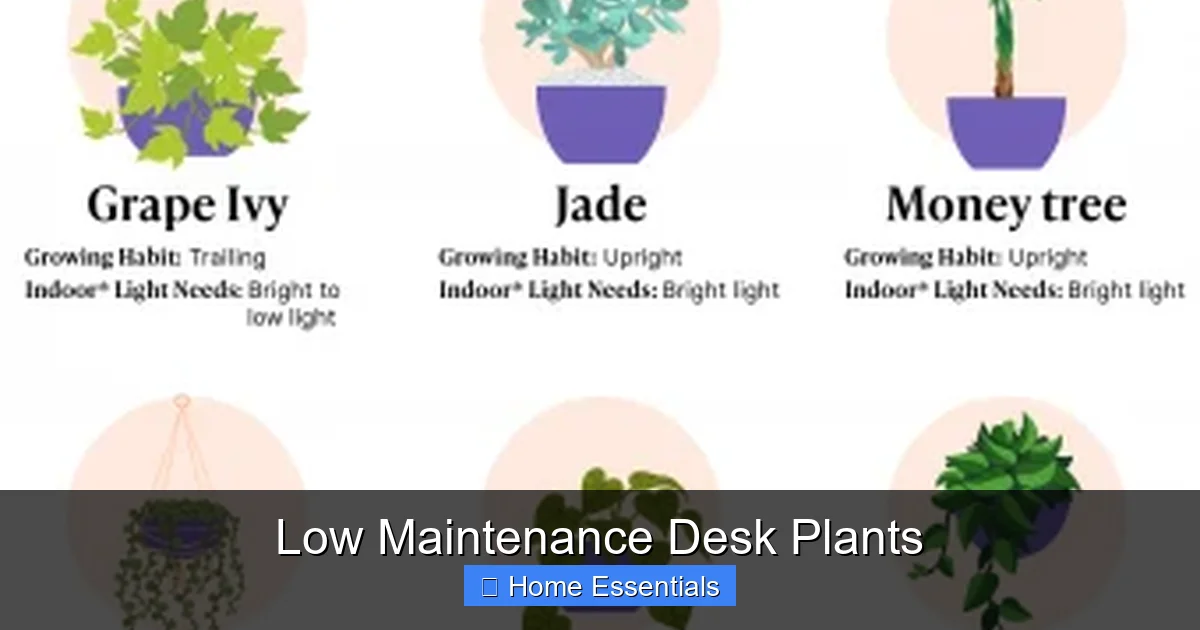
Visual guide about Low Maintenance Desk Plants
Image source: cf.ltkcdn.net
The Watering Myth: When in Doubt, Wait It Out
This is the most critical skill. Your instinct is to water regularly. Fight it. The golden rule: stick your finger into the soil up to your first knuckle. If it feels dry, water. If it feels cool and moist, leave it. For snake plants, ZZ plants, and jade, you’ll often wait until the soil is completely dry, even deep down. For peace lilies, water when the top inch is dry. Always water thoroughly until it runs out the drainage hole, then immediately dump any water from the saucer or cachepot. Never let the pot sit in water. A good habit: water on a Friday afternoon so any excess evaporates over the weekend. A simple sticky note on your monitor with your plant’s name and “water when dry” can be a perfect reminder.
Light Decoded: It’s Not About Sunbathing
Office light is tricky. Direct sun through a window can scorch leaves. But deep shade from a windowless room is also a challenge. Understand these terms:
- Bright, Indirect Light: The gold standard. A spot near an east or west-facing window, or a few feet from a south-facing window, where light is abundant but the sunbeams don’t hit the leaves directly.
- Medium/Low Light: The reality for most desks. This is light from a north-facing window or a spot in the middle of a room. Snake plants, ZZ plants, cast iron plants, and pothos excel here. Peace lilies and pothos will survive but may grow slowly.
- Fluorescent Light: The standard office lighting. Most of our top picks can survive under this, but growth will be very slow. If your desk is in a windowless interior, consider a small, inexpensive LED desk grow light for 6-8 hours a day to keep any plant happier.
Pro Tip: Rotate your plant a quarter turn every time you water it to ensure even growth and prevent it from leaning dramatically toward the light source.
Feeding & Repotting: The “Once a Year” Events
Plants in pots have limited nutrients. During the active growing season (spring and summer), you can feed your plant once or twice with a diluted, balanced liquid fertilizer (half the recommended strength). Skip feeding entirely in fall and winter when growth slows. Over-fertilizing is a common mistake that burns roots. When in doubt, don’t feed.
Repotting is only needed every 2-3 years, or when you see roots poking out the drainage hole or growth stalling. Go up only one pot size (e.g., from a 4″ to a 6″ pot). Use a standard potting mix for most, but for succulents like jade, use a cactus/succulent mix for better drainage. The best time to repot is in spring.
Styling Your Desk Oasis: Beauty Meets Function
Your plant is a tool for well-being, but it should also look good. Styling is about integrating nature into your workspace without creating clutter.
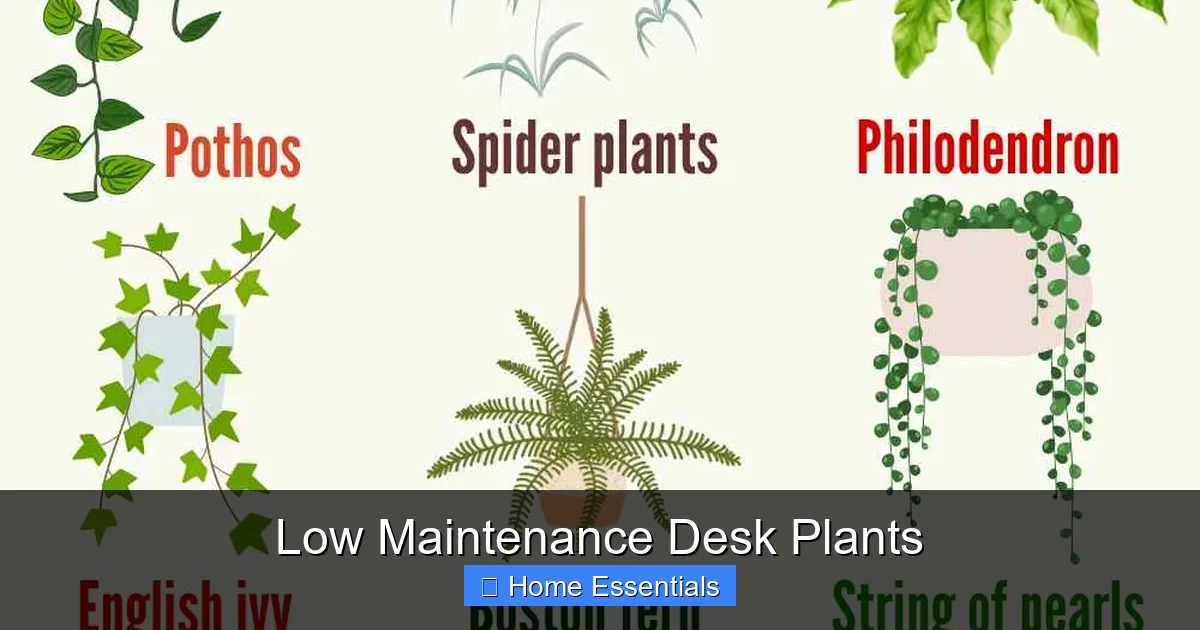
Visual guide about Low Maintenance Desk Plants
Image source: slickgarden.com
Pot Selection: Drainage is Non-Negotiable
This is the #1 styling rule with a functional purpose. Every plant must be in a pot with a drainage hole. If you have a decorative pot you love (a cachepot), plant your greenery in a simple, cheap plastic pot with holes that fits inside the decorative one. Always empty the cachepot after watering. Material matters: terra cotta (clay) pots breathe and dry out faster, great for succulents and snake plants. Glazed ceramic or plastic retains moisture longer, better for peace lilies.
Groupings & Height: Create a Mini-Landscape
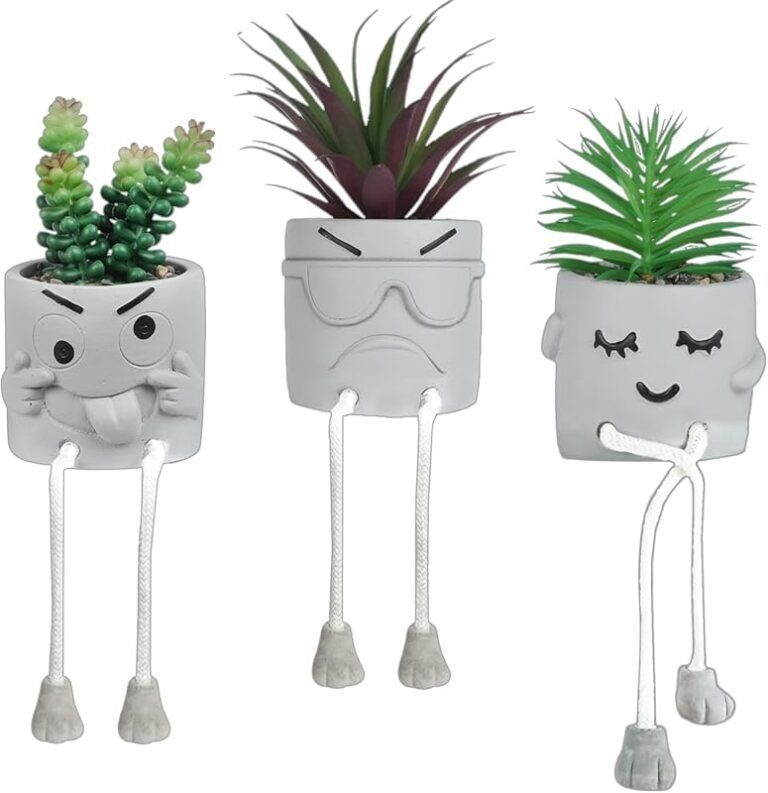
Don’t just plop a single pot on a crowded desk. Create a dedicated “plant zone.” Group 2-3 plants of varying heights and textures on a small desk shelf, a filing cabinet corner, or a shared console. Place a taller snake plant in the back, a medium pothos in the middle, and a small jade or ZZ in front. This creates depth and interest. Use simple, matching pots or a cohesive color palette (e.g., all white pots, all terracotta) for a clean look. A small, decorative tray underneath can corral pots and catch drips.
The “No Desk Space” Solution: Wall & Monitor Mounts
If your desk surface is sacred, go vertical. Small wall-mounted planters or “monitor stands” with a built-in planter are brilliant. A trailing pothos or a small ZZ plant in a wall pocket adds life without taking up an inch of your workspace. Ensure whatever mount you use is secure and that you can still easily access the plant for watering.
Troubleshooting 101: Fixing Common (and Rare) Problems
Even low-maintenance plants have occasional issues. Here’s a quick diagnostic guide:
- Yellowing Leaves: Usually overwatering. Check soil moisture. Can also be from lack of nutrients or natural aging (older leaves yellow and die).
- Brown, crispy leaf tips: Typically underwatering or very low humidity. Water more deeply. Grouping plants together can raise local humidity.
- Leggy, stretched growth: The plant is reaching for light. Move it to a brighter spot (even moving it closer to a window helps).
- Pests (mealybugs, spider mites): Rare on our list, but if you see white cottony bits (mealybugs) or fine webbing (spider mites), isolate the plant. Wipe leaves with a cotton swab dipped in rubbing alcohol (for mealybugs) or give the plant a gentle shower in a sink.
- All leaves suddenly droop (Peace Lily): It’s dramatically thirsty. Water it deeply and it should perk up in a few hours.
The mantra remains: Isolate the problem, adjust one variable at a time (usually water or light), and observe. These plants are tough; they can often recover from a mistake if you correct it.
The Final Word: Your Green Thumb is a Myth (And That’s Okay)
Here’s the secret no one tells you: you don’t need a “green thumb” to keep a snake plant or a ZZ alive. You need a forgetful thumb. The goal is to choose a plant that matches your natural rhythm of attention—which, for most of us, is sporadic and distracted. By selecting one of the resilient species listed above, understanding the simple code of “dry soil = water, wet soil = wait,” and placing it in a pot with a hole, you are statistically almost guaranteed success. You are not signing up for a hobby; you are making a one-time decision to add a silent, photosynthetic companion to your desk. The air will be cleaner, your eyes will have a relaxing resting point between tasks, and you’ll have a tiny, living testament to your own resilience. Start with one. A single Snake Plant in the corner of your monitor. Watch it stand there, utterly unbothered by your deadline, your forgetfulness, your chaos. And let its quiet persistence remind you that you, too, can thrive with a little less water and a lot more light.
Frequently Asked Questions
Are any of these plants safe for cats and dogs?
Unfortunately, most of our top picks—Snake Plant, ZZ Plant, Pothos, and Peace Lily—are toxic to pets if ingested, causing oral irritation and digestive upset. The Cast Iron Plant is considered non-toxic. For pet owners, a spider plant (Chlorophytum comosum) or a Boston fern (Nephrolepis exaltata) are excellent, truly safe, and still relatively low-maintenance alternatives, though they prefer a bit more moisture.
How often should I really water my desk plant?
Forget a calendar. The only reliable method is the finger test. For Snake Plants, ZZ Plants, and Jade Plants, water only when the soil is completely dry, which can be every 3-6 weeks in an office. For Peace Lilies and Pothos, water when the top inch of soil feels dry, typically every 1-2 weeks. Always err on the side of underwatering.
My desk has no natural light. Can I still keep a plant alive?
Yes, but your options are limited to the most shade-tolerant species. A Snake Plant or a ZZ Plant is your best bet under standard fluorescent office lighting. They will survive but grow very slowly. For any other plant to be truly happy, consider a small, energy-efficient LED desk grow light that you can set on a timer for 6-8 hours a day to supplement the light.
Do I need special soil for these plants?
For most, a standard, good-quality indoor potting mix is perfectly fine. The critical factor is drainage, which is controlled by the pot having a hole. For succulents like the Jade Plant, use a cactus/succulent specific mix, which is grittier and drains much faster to prevent root rot.
My office is very dry. Will that hurt the plants?
The plants on our list are adapted to average indoor humidity and are generally not sensitive to dry air. The main symptom of very low humidity might be brown, crispy leaf tips on some plants (like Peace Lily). This is mostly a cosmetic issue. Grouping plants together can slightly raise local humidity. You do not need a humidifier for these specific species.
Can I propagate these plants to make more?
Absolutely! This is part of the fun. Pothos and Philodendron (a relative) are the easiest: take a cutting with 2-3 nodes (leaf scars), place it in water, and roots will appear in weeks. Snake Plants and ZZ Plants can be divided by carefully separating the rhizomes when repotting. Peace Lilies can be divided at the root ball. Propagation is a great way to expand your collection or share a piece of your desk oasis with a coworker.