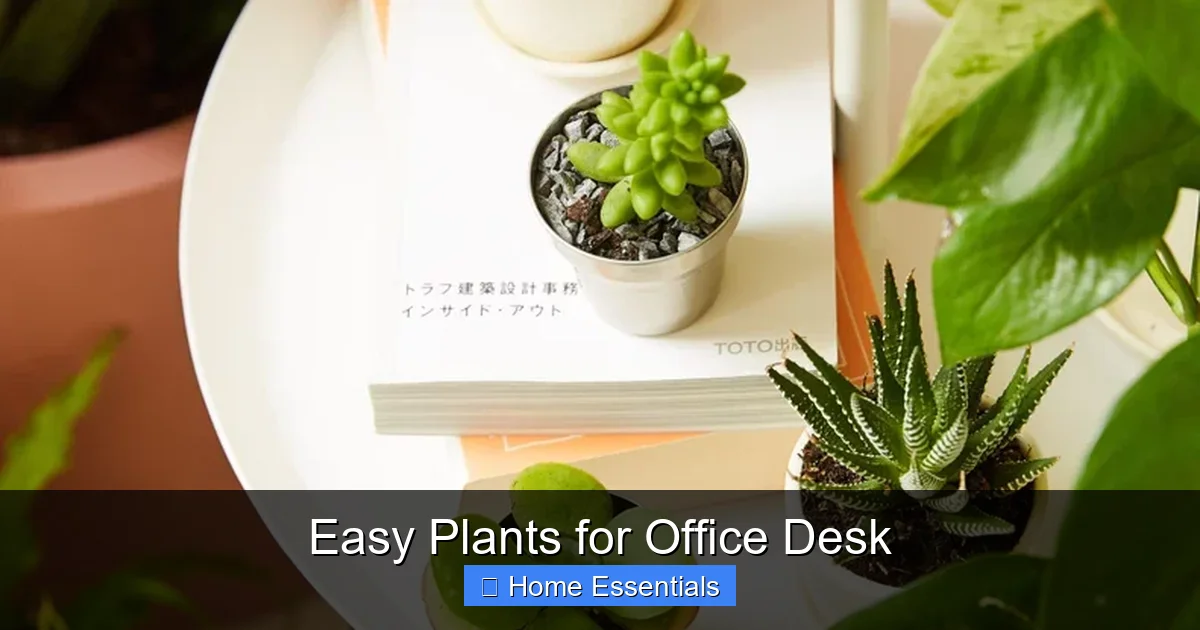
Easy Plants for Office Desk
Bringing life to your workspace with easy plants for office desk is simpler than you think. This guide cuts through the noise to highlight truly low-maintenance plants that thrive on neglect, like snake plants and ZZ plants. You’ll learn exactly how to care for them with simple watering, lighting, and pest prevention tips tailored for busy professionals. Transform your desk into a more productive, calming oasis with our straightforward, no-fuss advice.
Key Takeaways
- True low-maintenance plants exist: Species like the Snake Plant, ZZ Plant, and Pothos are famously tolerant of irregular watering and low-light office conditions, making them perfect for beginners.
- Light is the #1 factor: Assess your desk’s light first. North-facing windows or deep interiors need “low-light” champions, while brighter spots can handle more varied species.
- Overwatering is the #1 killer: Always check soil moisture before watering. For most desk plants, letting the soil dry out completely between waterings is safer than keeping it soggy.
- Drainage is non-negotiable: Every pot must have a drainage hole. Use a saucer to protect your desk, and never let a plant sit in standing water.
- Clean leaves for health: Dust buildup blocks light. Gently wipe leaves with a damp microfiber duster for electronics or a soft cloth to keep your plant photosynthesizing efficiently.
- Start small and group: Begin with one or two plants. Grouping them creates a mini-humidity microclimate and looks more intentional.
- They boost well-being: Beyond aesthetics, proven benefits include reduced stress, improved air quality, and a tangible connection to nature that enhances focus.
📑 Table of Contents
- Why Your Office Desk Needs a Plant (Seriously)
- The All-Star Lineup: Top 5 Truly Easy Plants for Your Desk
- Lighting: The Make-or-Break Factor
- The Watering Gospel: Less is Almost Always More
- Keeping It Clean: Dust, Pests, and Pruning
- Beyond the Pot: Styling and Placement for Maximum Impact
- Conclusion: Your Green Thumb Journey Starts Now
Why Your Office Desk Needs a Plant (Seriously)
Look at your desk right now. A monitor, a keyboard, maybe a coffee mug. It’s a functional space, but is it a *living* space? Introducing an easy plant for your office desk isn’t just a decor trend; it’s a simple, science-backed upgrade to your daily work life. Think of it as a tiny, silent wellness partner that doesn’t ask for much in return.
The benefits are immediate and long-term. Plants are natural air purifiers, quietly filtering out common volatile organic compounds (VOCs) like formaldehyde and benzene that can off-gas from office furniture and electronics. On a psychological level, a touch of green reduces stress and anxiety, providing a visual break that can reset your focus. Studies have even linked indoor plants to increased productivity and creativity. In a sterile office environment, a living thing on your desk humanizes the space and gives you something nurturing to care for, which is a powerful counterbalance to screen-based work.
But here’s the real secret: you don’t need a green thumb. The idea of “easy plants for office desk” isn’t a marketing gimmick. Some plants are biologically engineered for survival in tough, unpredictable conditions. They come from arid regions or deep forest understories where water and light are scarce. We’re going to tap into that resilient DNA. Forget the finicky ferns. We’re talking about botanical tanks that can handle your forgetfulness, your office’s fluctuating temperatures, and the occasional weekend away.
The All-Star Lineup: Top 5 Truly Easy Plants for Your Desk
Not all “low-light” plants are created equal. Some still demand consistent moisture or humidity that an office simply can’t provide. Our list is curated for the absolute beginner or the ultra-busy professional. These are the champions of neglect.
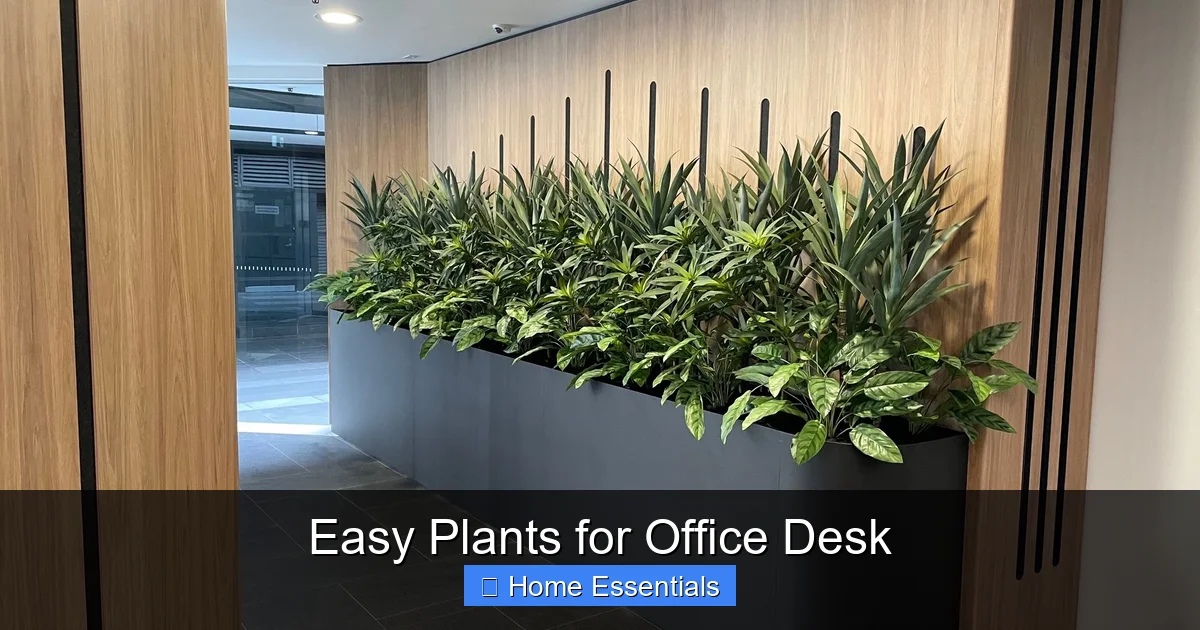
Visual guide about Easy Plants for Office Desk
Image source: artificialplants.com.au
1. Snake Plant (Sansevieria trifasciata)
Also affectionately called “Mother-in-Law’s Tongue,” the Snake Plant is the undisputed heavyweight champion of easy office plants. Its tall, sword-like, variegated leaves stand upright, requiring almost zero attention. It thrives on neglect, tolerating low light, dry air, and weeks without water. In fact, overwatering is its only true kryptonite. It’s also a phenomenal air purifier, working overtime at night to release oxygen and absorb toxins. Place it in a corner of your desk or on a low shelf beside you. It comes in many sizes, from compact ‘Hahnii’ to the towering ‘Laurentii.’
2. ZZ Plant (Zamioculcas zamiifolia)
If the Snake Plant is a tank, the ZZ Plant is a fortress. Its thick, waxy, dark green leaves grow on graceful, arching stems from a potato-like rhizome that stores water. This means it can go for a month or more without a sip. It tolerates the dimmest corners of an office and doesn’t care about humidity. The ZZ Plant is so resilient it’s often joked about being “unkillable.” Its glossy foliage adds a modern, architectural touch. Just water deeply when the soil is completely bone dry, and forget it exists until the next cycle.
3. Pothos (Epipremnum aureum)
The classic trailing vine, Pothos is the ultimate versatile performer. It’s happy in a pot on your desk, where its vines can cascade down the side, or trained to climb a small trellis. It’s incredibly adaptable, thriving in low to bright indirect light. Its heart-shaped leaves, often with golden or marble variegation, grow rapidly, giving you a satisfying sense of progress. Pothos is also a powerful air cleaner. Water it when the top inch of soil is dry. If it starts looking limp, that’s your sign—it’s dramatic but forgives you quickly after a drink.
4. Cast Iron Plant (Aspidistra elatior)
Living up to its name, the Cast Iron Plant is tough as nails. It was a Victorian-era favorite precisely because it survived the dim, smoky rooms of the industrial age. It produces long, dark green, strappy leaves from the soil. It prefers low to moderate light and is extremely slow-growing, meaning you won’t need to repot it often. It tolerates irregular watering and poor soil. This is the plant you get if you want something that will just *be there*, quietly and reliably, without any fanfare. Perfect for a minimalist desk setup.
5. Ponytail Palm (Beaucarnea recurvata)
Despite the name, this isn’t a palm but a succulent. Its most distinctive feature is a thick, bulbous trunk (caudex) that stores water, topped with a fountain of long, curly leaves. This water-storage superpower makes it incredibly drought-tolerant. It loves bright light but will survive in lower light conditions, though growth will be slower. Its quirky, almost sculptural look makes it a great conversation starter. Water only when the soil is utterly dry, and ensure its pot has excellent drainage. It’s a long-lived companion that can grow with you for decades.
Lighting: The Make-or-Break Factor
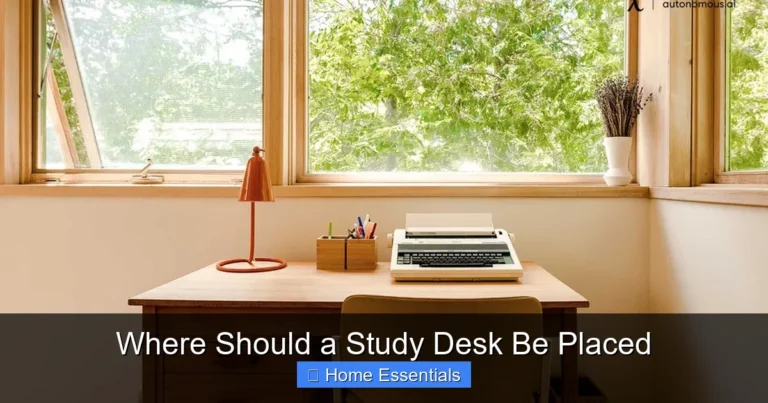
Before you buy a single plant, play detective. Observe your desk’s light for a few days. Where does the sun hit? How many hours of direct light do you get? This simple step is 80% of the battle.
Visual guide about Easy Plants for Office Desk
Image source: i.pinimg.com
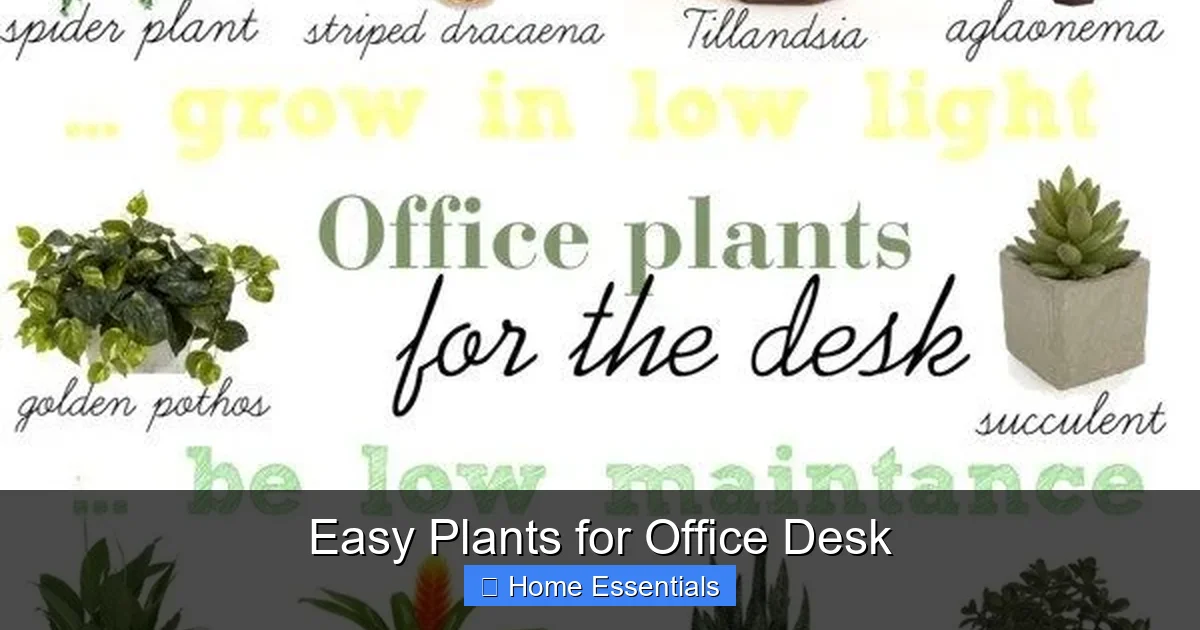
Low Light: This means no direct sunlight, and the room may feel dim to you. North-facing windows or desks far from any window fall here. Your heroes are the Snake Plant, ZZ Plant, and Cast Iron Plant. They are adapted to survive under the canopy of larger trees in nature, so they photosynthesize efficiently with minimal photons.
Medium/Bright Indirect Light: This is ideal for most easy plants. It means the plant is near an east or west-facing window, or a few feet from a south-facing window, where it gets bright light but not the scorching, leaf-burning direct sunbeams. Pothos and Ponytail Palm thrive here. If your office has blinds, diffused light through them counts as bright indirect.
Artificial Light: Standard fluorescent office lighting is usually insufficient for most plants long-term, but our top picks can survive it for a while. If you want to boost growth, consider a small, dedicated LED grow light. When researching lighting solutions, you might wonder about the health impacts of newer technologies. For a balanced view on modern lighting, you can read about are smart bulbs bad for you, which discusses blue light exposure and other factors relevant to a healthy workspace.
A common mistake is placing a plant in a “dark corner” and wondering why it etiolates (stretches weakly) or dies. Match the plant to the light you have, not the light you wish you had.
The Watering Gospel: Less is Almost Always More
Let’s be clear: you will kill your desk plant with kindness before you kill it with neglect. Overwatering leads to root rot, a fungal death sentence that’s almost always fatal. Your mantra should be: “Dry soil first.”
Visual guide about Easy Plants for Office Desk
Image source: images.squarespace-cdn.com
The Finger Test: This is your best tool. Stick your index finger into the soil up to your first knuckle. If it feels dry, it’s time to water. If it feels cool and moist, wait. For Snake and ZZ Plants, wait until the soil is 100% dry, even deep down. For Pothos, water when the top inch is dry.
How to Water Properly: When you do water, do it thoroughly. Pour water slowly onto the soil until it runs freely out the drainage holes. This ensures the entire root ball is hydrated and flushes out any accumulated salts. Immediately discard any water that collects in the saucer. Never let the pot sit in a puddle.
Seasonal Adjustment: Plants need less water in the cooler, darker winter months, even if they’re indoors. Your watering schedule should be dynamic, not static. In summer, you might water a Pothos every 7-10 days; in winter, it could be every 3-4 weeks.
Pot and Soil Matter: Always use a pot with a drainage hole. The soil should be a well-draining potting mix, often labeled for “cacti and succulents” or “indoor plants.” Avoid dense garden soil or mixes that stay soggy. A layer of pebbles at the bottom of the pot does not create drainage; it creates a “perched water table” that can promote rot. The hole is essential.
Keeping It Clean: Dust, Pests, and Pruning
An office environment is dusty. A layer of grime on your plant’s leaves physically blocks its ability to absorb light. Make leaf cleaning part of your routine. Every month or so, take your plant to the sink (or use a cloth) and gently wipe each leaf with a damp microfiber cloth. A microfiber duster for electronics is perfect for this—it’s soft, highly absorbent, and won’t scratch delicate foliage. For plants with many small leaves like a ZZ Plant, a soft paintbrush can work wonders.
Pest Vigilance: The most common office plant pests are spider mites (tiny webbing, stippled leaves) and mealybugs (white, cottony fluff). They thrive in dry, stagnant air. Inspect your plant’s undersides during your watering routine. At the first sign of trouble, isolate the plant. For a few bugs, wipe them off with a cotton swab dipped in rubbing alcohol. For larger infestations, use an insecticidal soap or neem oil spray, following instructions carefully. Quarantining new plants for two weeks before bringing them to your desk is a pro move to prevent introducing pests.
Pruning for Health and Shape: Use clean, sharp scissors. For Pothos, prune back long vines to encourage bushier growth. For Snake or ZZ Plants, remove any leaves that are completely yellow, brown, or damaged at the base. This keeps the plant looking tidy and directs energy to healthy growth. Don’t be afraid to prune—it’s a form of care.
Beyond the Pot: Styling and Placement for Maximum Impact
A plant on your desk should enhance your workflow, not hinder it.
- Size and Scale: A massive plant can overwhelm a small desk. Choose a plant whose mature size fits your space. A 4-6 inch pot is often perfect. Consider the plant’s shape—upright plants (Snake) take up vertical space, while trailing ones (Pothos) use horizontal spill.
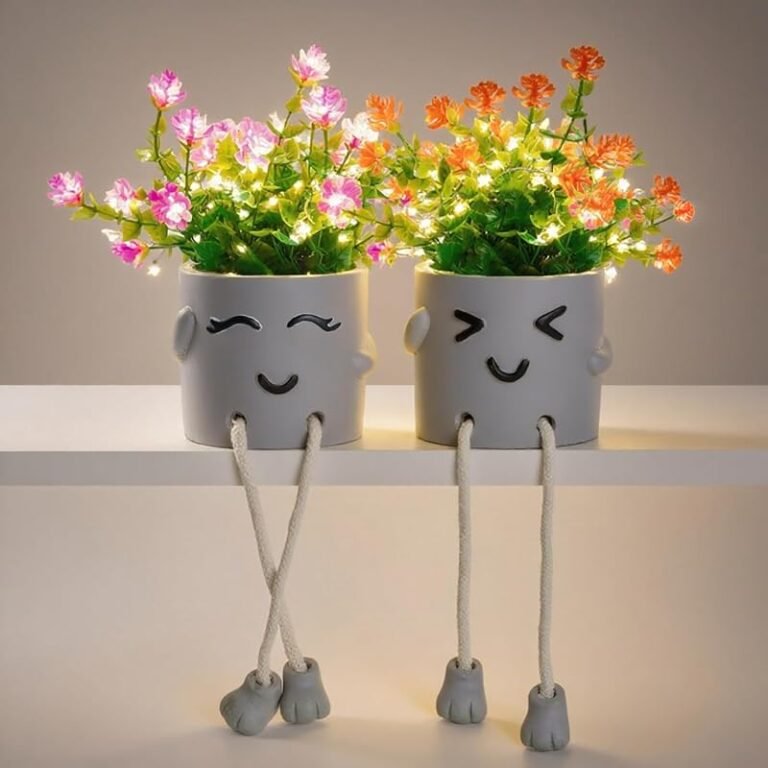
- The Pot is Part of the Design: Upgrade from the plastic nursery pot to something that matches your office aesthetic. Ceramic, concrete, or woven baskets (with a plastic liner) look premium. Ensure your decorative pot has a drainage hole or that you use a nursery pot inside it and remove it for watering.
- Grouping for Effect: A single plant can look lonely. Group 2-3 plants of varying heights and textures together to create a mini-jungle vibe. This also helps maintain humidity around the group. Place the tallest in the back, shorter ones in front.
- Desk Adjacent: If your desk surface is truly cramped, consider a dedicated plant stand beside your chair, a floating shelf above your desk, or a small plant on a filing cabinet. The goal is to have it within your line of sight to enjoy its presence.
- Mind the Electronics: Keep plants away from direct drafts from AC vents or heaters. Also, be mindful of water. Never place a pot where a spill could drip onto your computer tower or power strips. A sturdy saucer is a must.
Conclusion: Your Green Thumb Journey Starts Now
You don’t need a greenhouse or hours of spare time to be a plant parent. The beauty of easy plants for your office desk lies in their forgiving nature and their silent, constant contribution to your well-being. Start with one. A Snake Plant in a simple ceramic pot is a flawless first choice. Place it, water it deeply only when the soil is bone dry, and wipe its leaves once a month. That’s it. Watch as it stands tall and steady, a small beacon of life in your daily routine.
This isn’t about achieving perfection. It’s about adding a layer of calm and a hint of nature to your professional space. As you gain confidence, you can add a trailing Pothos to soften a corner or a quirky ZZ Plant for its architectural shine. Each plant you keep alive is a small victory, a reminder that growth and care are possible even in the most routine of environments. So, pick your champion, give it a home on your desk, and let the quiet partnership begin.
Frequently Asked Questions
What is the absolute easiest plant for a dark office with no windows?
The Snake Plant and ZZ Plant are the top contenders. Both survive in very low light conditions and require water only once a month or less. They are specifically adapted to store energy and tolerate prolonged periods without sunlight.
How often should I water my desk plant?
There is no set schedule. Always check the soil moisture first. For Snake and ZZ Plants, water only when the soil is 100% dry. For Pothos and Cast Iron Plants, water when the top 1-2 inches of soil are dry. In winter, extend the time between waterings significantly.
Can I put a plant on my desk if I have a cat or dog?
Yes, but you must choose pet-safe varieties. Snake Plants and ZZ Plants are toxic to pets if ingested. For pet owners, safer easy options include Spider Plants, Boston Ferns, or African Violets. Always check the ASPCA database for toxicity before bringing a plant into a pet-friendly space.
Why is my plant getting yellow leaves?
The most common cause is overwatering. Check if the soil is soggy. Other causes include underwatering (leaves may curl and yellow) or a lack of nutrients. For slow-growing desk plants, yellowing lower leaves can also be a natural part of their aging process.
Do I need to fertilize my desk plant?
Not regularly. Most easy office plants grow slowly and have low nutrient needs. You can use a diluted, balanced liquid fertilizer at half-strength once or twice during the spring and summer growing season. Do not fertilize in the fall and winter when growth halts.
My plant’s leaves are dusty. Can I use any cleaner?
Never use leaf shine products or chemicals. Simply wipe leaves gently with a soft, damp microfiber cloth. For plants with many small leaves, a soft paintbrush works well. This restores the leaf’s ability to absorb light and keeps your plant healthy.