Do You Need a Desk to Study
While a dedicated desk offers structure and ergonomic benefits, it’s not an absolute necessity for effective studying. Your ideal setup depends on space, budget, and personal habits—bedside tables, lap desks, or dining areas can work too. Focus on creating a consistent, distraction-free zone that supports your health and concentration, regardless of the furniture.
Key Takeaways
- A dedicated desk provides psychological separation between study and leisure, signaling your brain it’s time to focus.
- Ergonomics are critical; poor posture at any surface can lead to long-term neck, back, and eye strain issues.
- Space and budget constraints make alternatives like dining tables or lap desks not just viable, but often necessary.
- Proper lighting is non-negotiable for reducing eye fatigue, and smart bulbs can offer adaptable, eye-friendly illumination.
- Organization and a clutter-free environment boost concentration more than the specific piece of furniture you use.
- Consistency in your study location and routine is more important for habit formation than owning a traditional desk.
- Your personal learning style—whether you need to spread out or prefer minimalism—should dictate your setup, not societal norms.
📑 Table of Contents
- The Great Desk Debate: More Than Just a Surface
- The Traditional Desk: Why It’s the Go-To
- When a Desk Might Not Be Necessary (Or Even Ideal)
- Ergonomics and Health: The Non-Negotiable Fundamentals
- Crafting a Productive Study Environment Without a Desk
- Multi-Functional Furniture and Clever Alternatives
- Personalizing Your Space for Success
- Conclusion: The Real Answer Lies With You
The Great Desk Debate: More Than Just a Surface
Let’s settle this. Walk into any student’s dorm room or a professional’s home office, and you’ll likely find a desk. It’s the unofficial throne of productivity, the sacred space where focus is born. But is it truly essential? The question “Do you need a desk to study?” isn’t about furniture; it’s about designing an environment that serves your brain, body, and lifestyle. For generations, the desk has been synonymous with learning. It represents stability, purpose, and a boundary between work and rest. Yet, modern living—with its tiny apartments, flexible routines, and nomadic work habits—challenges that tradition. Maybe you’re a college student in a cramped dorm, a parent studying at the kitchen table, or someone who thinks best on the couch. Before you rush to buy or dismiss a desk, let’s unpack what really makes a study space work.
The answer, like most good things, is nuanced. You do not strictly need a desk to absorb information or write an essay. Humans have learned on rocks, in libraries, and in hammocks for millennia. However, a well-chosen desk, or a clever alternative, can be a powerful tool for protecting your health, organizing your mind, and building sustainable habits. This guide will walk you through the real pros and cons, the science of ergonomics, and a treasure trove of practical alternatives. We’ll help you decide what’s best for you, not for an idealized Instagram study aesthetic.
The Traditional Desk: Why It’s the Go-To
Let’s give the classic desk its due credit. It’s a staple for serious reasons. A dedicated desk isn’t just a table; it’s a psychological and physical command center for your studies.
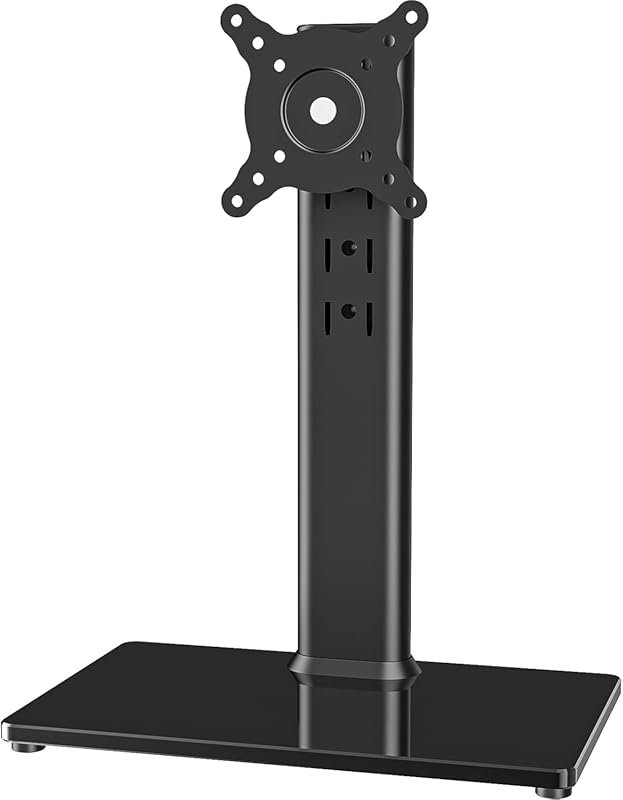
Visual guide about Do You Need a Desk to Study
Image source: m.media-amazon.com
Structure and Routine: The Mental Trigger
Our brains love cues. When you sit at the same spot for study, your mind begins to associate that physical space with focus. It’s a form of classical conditioning. The act of walking to your desk and sitting down can signal to your brain that it’s “work time,” making it easier to slip into a flow state. This ritualistic separation is harder to achieve when you study on your bed, where the association is with relaxation and sleep. You might find yourself fighting off naps or feeling restless. A desk creates a boundary, which is especially crucial if you live and study in the same small space.
Storage Solutions: A Place for Everything
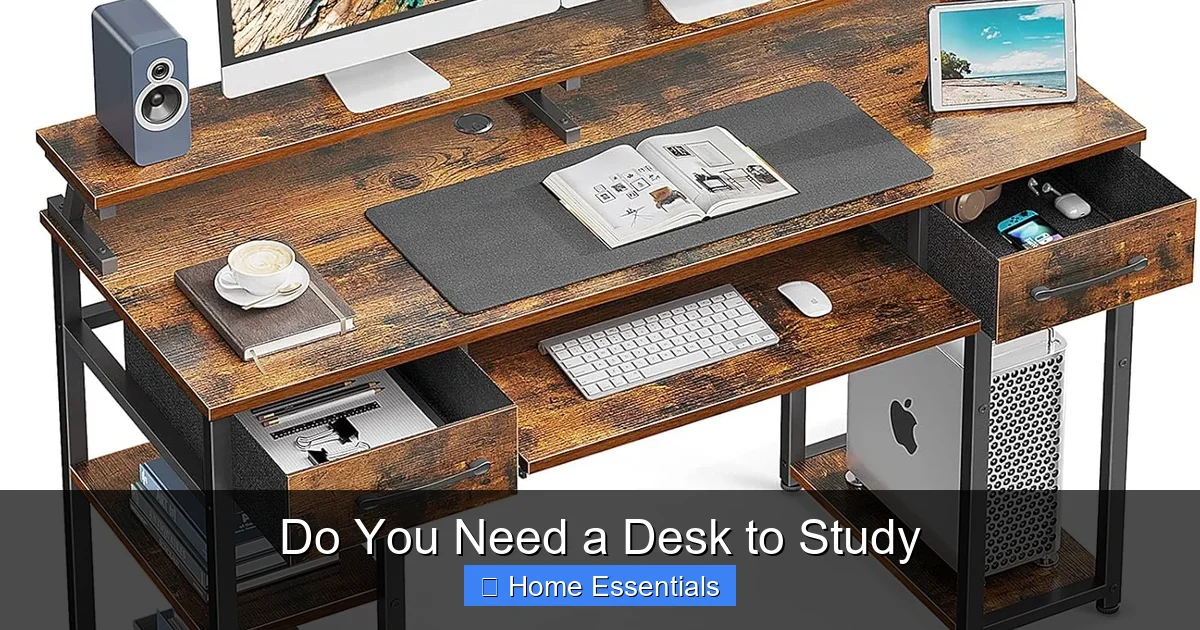
One of the desk’s superpowers is built-in storage. Drawers, shelves, and cubbies keep textbooks, notebooks, pens, and chargers within arm’s reach but out of visual chaos. Clutter is the enemy of concentration. When your materials are organized and hidden, your mental load lightens. You’re not wasting cognitive energy remembering where you put your highlighter or searching for a blank page. This dedicated storage also protects your study materials from spills, crumbs, or being tidied away by someone else—a common issue when using shared family spaces like the kitchen table.
The Psychological Cue: This Is Work Time
There’s a subtle but powerful mindset shift that happens when you approach a piece of furniture designed for work. It stands upright and often faces a wall or window, minimizing distractions. It’s an invitation to be upright, alert, and engaged. Compare this to slumping onto a sofa, which is engineered for relaxation. Your posture influences your psychology. Sitting upright at a desk promotes an active, engaged mindset. Furthermore, when you leave your desk, you physically leave your work behind. This “closing the book” ritual—packing your bag, clearing the surface—helps your brain disengage, which is vital for preventing burnout and maintaining a healthy work-life balance, especially when studying from home.
When a Desk Might Not Be Necessary (Or Even Ideal)
Okay, desks are great. But life is messy, and rigid rules rarely fit everyone. There are perfectly valid, even advantageous, reasons to skip the traditional desk.

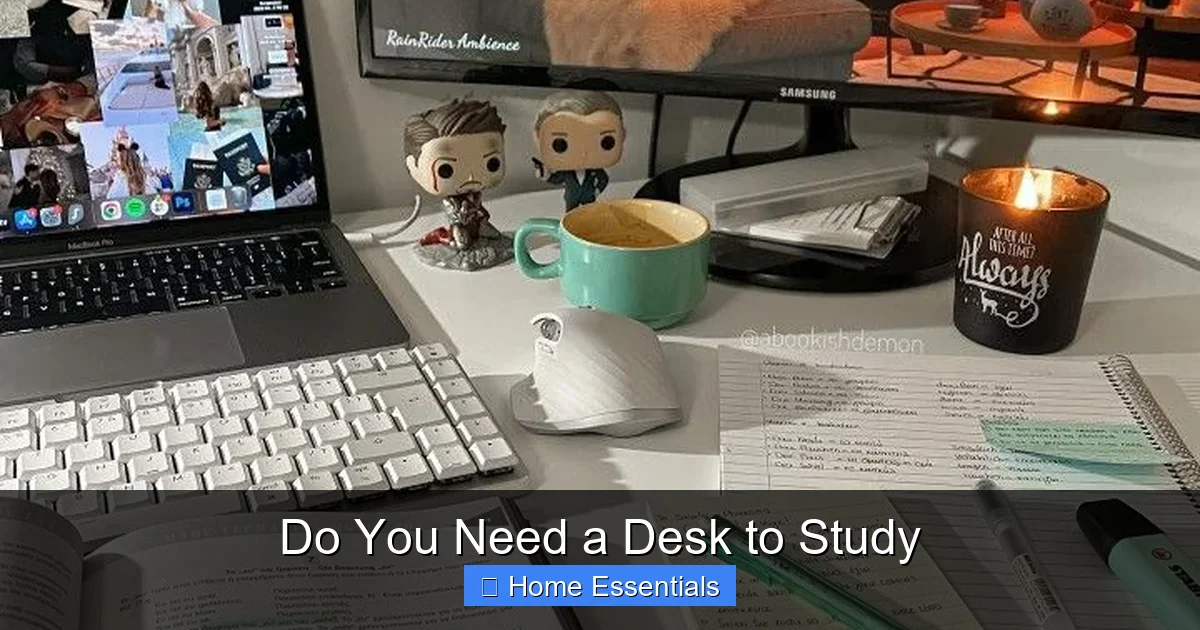
Visual guide about Do You Need a Desk to Study
Image source: wallpapercave.com
Space Constraints in Modern Living
For many, especially in urban apartments or small homes, square footage is a premium. A full-sized desk can dominate a room, making the space feel cramped and claustrophobic. In these situations, forcing a desk into the layout can create more problems than it solves, leading to a cramped, uncomfortable setup that hinders rather than helps. The goal is functionality without sacrificing livability. If a desk makes your room feel like a sterile office and you can’t move, your mental well-being might suffer. A clutter-free, open space can be more calming and conducive to creative thinking for some people than a dedicated but oppressive “office corner.”
The Dynamic Learner: Movement as a Catalyst
Not all minds work the same. Some people think best in motion—pacing while memorizing, shifting positions while reading. For these “dynamic learners,” being tethered to a single desk can feel like a prison. They might benefit from a variety of spots: a standing counter for initial reading, a comfortable armchair for deep analysis, and a patio table for brainstorming. The key here is intentional movement, not random distraction. If you find yourself fidgeting and losing focus at a desk but can concentrate for an hour on the floor with a lap desk, that’s a valid and effective study method. The desk becomes a limiting box for a brain that thrives on sensory and positional change.
Budget-Friendly Considerations
Let’s be real: a good, ergonomic desk isn’t cheap. Between the cost of the desk, a supportive chair, and potentially organizational accessories, the initial outlay can be significant. For students or those on a tight budget, this investment might not be feasible. The good news? You can create an effective study station with items you already own. The dining table, a cleared coffee table, or even a sturdy board across two bookshelves can suffice. The principle is to create a temporary, dedicated surface that you can set up and clear away. This approach forces minimalist organization—you only keep what you truly need for the session at hand, which can actually improve focus.
Ergonomics and Health: The Non-Negotiable Fundamentals
Here’s the most critical section, whether you use a desk or not. Ignoring ergonomics leads to chronic pain, headaches, and long-term injury. Your study setup must serve your body, not the other way around.
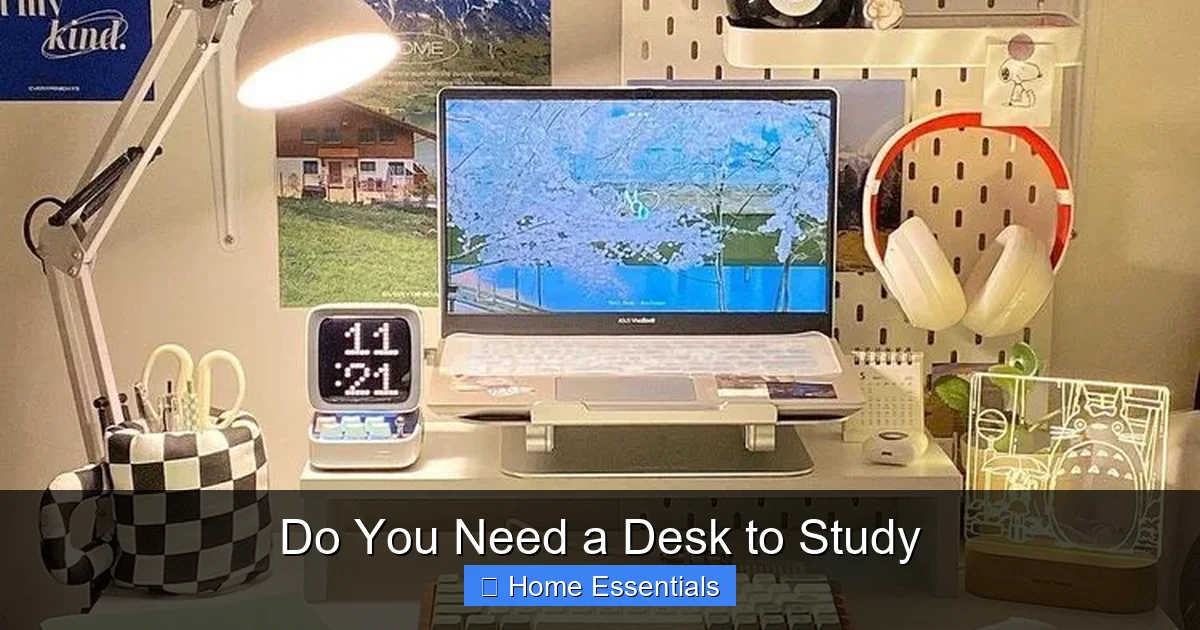
Visual guide about Do You Need a Desk to Study
Image source: i.pinimg.com
Posture and Musculoskeletal Health
The goal is a neutral spine. Whether at a desk, table, or on a couch, you need to support the natural curves of your back. Your feet should rest flat on the floor (or on a footrest), your knees at roughly 90 degrees, and your hips slightly higher than your knees. Your elbows should be at 90-120 degrees, with your wrists straight. The top of your screen should be at or slightly below eye level, about an arm’s length away. If you’re using a laptop on a table, this is almost impossible without a stand and external keyboard/mouse. Hunching over a low table or craning your neck to look up at a screen on a high surface is a fast track to a stiff neck and rounded shoulders. If you choose an alternative like a dining table, you may need a cushion for lumbar support and a footstool to achieve proper alignment. Investing in a simple, adjustable chair is one of the best things you can do for your long-term health, even if your “desk” is a repurposed kitchen counter.
Eye Strain and Lighting: See Clearly, Study Better
Poor lighting is a silent productivity killer. It causes headaches, fatigue, and makes it harder to retain information. Your primary light source should be behind you, illuminating your work without creating glare on your screen or paper. Avoid having a bright window directly in front of you or behind your screen. The color temperature of light matters too. Cool, blue-enriched light (like daylight) is great for alertness and focus during daytime study sessions. Warm, yellow-toned light is better for evening work to avoid suppressing melatonin. This is where technology can be a hero. Adjustable smart bulbs allow you to fine-tune brightness and color temperature from your phone, creating the perfect ambient light for any time of day. You can even set schedules to have your study lamp automatically brighten in the morning and dim in the evening, supporting your natural circadian rhythm. For more on how these bulbs can adapt to your needs, you can explore resources that explain how smart bulbs work.
The Importance of Movement and Breaks
No setup, no matter how perfect, is designed for eight hours of static use. The 20-20-20 rule is sacred: every 20 minutes, look at something 20 feet away for 20 seconds. Every hour, get up for 5-10 minutes. Stretch, walk, hydrate. If you’re using a non-desk alternative like a low coffee table on the floor, incorporate gentle stretches for your hips and back. If you’re at a high counter, shift your weight from one foot to the other. The key is to interrupt prolonged static posture. Consider a timer app that reminds you to move. Your circulation, focus, and musculoskeletal health depend on it.
Crafting a Productive Study Environment Without a Desk
So you’ve decided the traditional desk isn’t for you. Brilliant! Now, how do you build a system that works? It’s all about intentional design, even on a dining table.
Lighting and Ambiance: Set the Stage
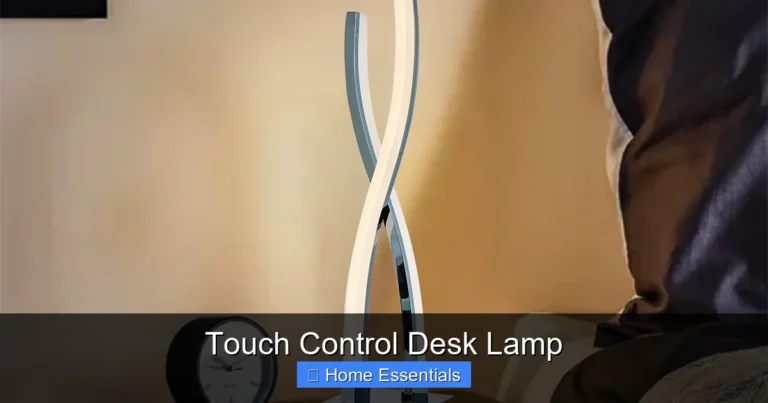
As mentioned, lighting is paramount. If your alternative surface is in a dim corner, your eyes will struggle. Use a dedicated task lamp—a simple clip-on LED lamp works wonders on a shelf or headboard. Position it to light your work without shining in your eyes. Beyond function, ambiance matters. A cluttered, chaotic space trains your brain for chaos. A clean, intentionally arranged space, even if small, trains it for order. Consider using smart bulbs in your main room light to create a “study mode” scene—brighter, cooler light that signals focus time. You can learn more about customizing your lighting environment by reading about if smart bulbs have timers to automate your ideal study ambiance.
Noise Control and Focus: Tame the Auditory Jungle
The second biggest distraction after visual clutter is sound. If your study zone is in a high-traffic area, invest in noise-canceling headphones or simple earplugs. Alternatively, use background sound to your advantage. For many, instrumental music, white noise, or nature sounds can mask disruptive conversations and traffic. There are countless apps and YouTube channels dedicated to “study focus” soundtracks. The goal is to create an auditory bubble that protects your concentration. Communicate with housemates or family about your study hours and visual signals (like a “Do Not Disturb” sign) to minimize interruptions.
Organization Hacks for Any Surface
Without built-in desk drawers, you must become an organization ninja. The golden rule: everything must have a home. Use small containers: a cup for pens, a letter tray for active papers, a small box for charging cables. A simple microfiber cloth is your best friend for keeping your alternative surface spotless. A clean surface is a clear mind. Wipe down your kitchen table or lap desk before each session to remove crumbs and dust, creating a fresh start. At the end of your study block, spend 5 minutes resetting the space. Return books to their shelf, file notes, clear away dishes. This reset ritual is as important as the setup ritual—it closes the study session and prepares the space for its next use (e.g., eating, family time).
Multi-Functional Furniture and Clever Alternatives
This is where creativity shines. Your “desk” can be anything that provides a stable, appropriately sized surface at the right height.
The Dining Table or Kitchen Counter: The Common Contender
This is the most popular alternative for good reason. It’s usually the largest, sturdiest surface in the home. The major downside: it’s a shared space. You must negotiate time and tidy meticulously. Use a large placemat or a small, foldable tabletop organizer to define your study zone within the larger table. This visual boundary helps mentally. Have a dedicated “study kit” (laptop, notebook, pens, headphones) that you bring out and pack away. This prevents your materials from encroaching on others’ space and makes your setup/teardown efficient.
Lap Desks and Portable Solutions: Your Mobile Command Center
For ultimate flexibility, a lap desk is a fantastic investment. It creates a flat, stable surface on your lap, whether you’re on a sofa, armchair, or even in bed (with caution for posture). Many come with cushioned wrist rests and compartments for pens. They’re perfect for those who think best in a relaxed position or who need to switch locations. Some models even have built-in charging ports. The key is to pair it with a supportive chair or cushions to ensure your back is straight and your screen is at eye level. You might need a stack of books or a small stand to elevate your laptop.
Wall-Mounted or Fold-Down Surfaces: The Space-Saver’s Dream
If floor space is zero, look to the walls. A simple wall-mounted shelf or a fold-down secretary desk can create a perfect study nook in a hallway, closet, or even above a radiator. When not in use, it folds flush against the wall, disappearing entirely. These are excellent for creating a dedicated zone in a studio apartment. The challenge is ensuring the height is correct for your chair and that the surface is deep enough for your equipment. Measure twice, install once. This solution embraces the “dedicated space” philosophy without the permanent footprint.
Personalizing Your Space for Success
Your environment should inspire you, not just accommodate you. This is where you infuse your study zone with motivation.
Aesthetics and Motivation: Make It Yours
Surround yourself with things that make you happy and motivated—a plant, a framed photo, a motivational quote in a simple frame, a specific mug for tea. Keep it minimal to avoid distraction, but personal. Color psychology suggests blues and greens can promote calm and focus, while yellows can boost creativity. Choose your stationery, notebook, and even laptop wallpaper in colors that resonate with you. If you’re using a shared space like the dining table, use a distinctive placemat or a small tray that you associate solely with study. When you see that tray, your brain knows it’s go-time.
Rituals and Routine: Anchor Your Habits
The physical setup is only half the battle. The other half is the behavioral routine. Create a simple pre-study ritual: fill your water bottle, put on specific “study” music, tidy the surface, light a candle (if allowed), and open your first document. This 2-minute routine conditions your brain for focus. Similarly, have an end-of-session ritual: save and close all files, tidy the surface, make a quick to-do list for next time, and physically leave the space. These bookends transform a simple table into a powerful cognitive tool.
Adapting as Your Needs Change
Your ideal setup today might not be ideal in six months. You might move, your course load might change, or you might discover you work better in a library. That’s okay! The goal is to remain flexible. Re-evaluate your space every few months. Are you comfortable? Are you distracted? Is your body aching? If yes, it’s time to adjust. Maybe you need a better chair, a monitor riser, or to completely relocate your study zone. The question “Do you need a desk to study?” is not a one-time answer but an ongoing experiment in self-awareness and optimization.
Conclusion: The Real Answer Lies With You
So, do you need a desk to study? The final, definitive answer is: it depends. You need a system to study effectively—a system that protects your posture, minimizes distractions, organizes your materials, and cues your brain for focus. A traditional desk is a fantastic, all-in-one system for many people. It offers structure, storage, and a psychological boundary. For others, it’s an expensive, space-hogging solution to a problem that can be solved more elegantly with a lap desk on the sofa, a cleared corner of the dining table, or a fold-down wall unit.
The true necessity is intentionality. Whether you choose a desk or an alternative, you must consciously design your environment for your specific body, your unique habits, and your living constraints. Prioritize ergonomics—your future self will thank you. Cultivate routines that turn any surface into a temple of concentration. And remember, the goal isn’t to have the prettiest study setup on social media; it’s to have a space where you can learn deeply, retain information, and protect your health. Experiment. Try the dining table for a week. Try a lap desk on the floor for a day. Notice how your focus, comfort, and energy shift. The best study surface is the one that you will use consistently, that supports your well-being, and that helps you achieve your academic goals. Now, go build yours.
Frequently Asked Questions
Is studying in bed bad for your posture and focus?
Yes, studying in bed is generally detrimental for both posture and focus. It promotes slouching, strains your neck and back, and blurs the mental boundary between rest and work, making it harder to concentrate and potentially leading to insomnia. A separate, upright surface is strongly recommended.
What’s the minimum desk size for effective studying?
For a single user, a minimum depth of 24 inches (60 cm) and width of 24-30 inches (60-75 cm) is workable for a laptop and notebook. However, more space is always better for spreading out materials. The key is having enough room for your essentials without clutter crowding your field of vision.
How can I stay focused without a dedicated desk?
Create strong rituals: set up your temporary workspace the same way each time, use a specific “study only” item (like a particular lamp or placemat), and implement strict start/end times. Minimize visual and auditory distractions in that area, and always do a full reset after each session to mentally close the work period.
Are lap desks a good alternative to a traditional desk?
Lap desks are an excellent, portable alternative for dynamic learners or those with severe space constraints. They work well on sofas, armchairs, or even beds (for short periods). Ensure your chair provides good back support and use a cushion to elevate your laptop to eye level to maintain proper ergonomics.
How important is lighting for studying, and can smart bulbs help?
Lighting is critically important. Poor lighting causes eye strain, headaches, and fatigue, severely impacting retention and focus. Smart bulbs are highly beneficial as they allow you to adjust brightness and color temperature (cool for day, warm for evening) to match your task and time of day, creating an optimal visual environment.
Can I use a regular dining table as my permanent study desk?
Yes, you can, but it requires discipline. You must establish a strict “setup and pack away” routine to avoid encroaching on shared family space. Use organizers to define your zone, and commit to clearing everything off after each study session. The lack of built-in storage means you need a system for all your materials.