Can a Desk Lamp Catch Fire
Yes, a desk lamp can absolutely catch fire. The primary risks come from overheating bulbs, faulty wiring, or improper use like covering the lamp or using the wrong wattage. However, these fires are almost always preventable by choosing quality lamps, using correct bulbs, and practicing basic maintenance. Understanding these hazards is the first step to keeping your workspace safe.
You plug in your favorite desk lamp, flip the switch, and a warm pool of light floods your workspace. It’s a simple, everyday action. But have you ever stopped to wonder, can a desk lamp catch fire? It’s not just a hypothetical question for the overly cautious. The truth is, under the wrong conditions, your trusted lamp can become a serious household hazard. Fires started by lighting equipment, including lamps, account for a notable percentage of home electrical fires each year. The good news? With a little knowledge and care, you can enjoy perfect illumination with zero risk. This guide will walk you through everything you need to know—from the science of how lamps work to the specific actions that make them safe or dangerous. We’ll debunk myths, highlight real risks, and give you a clear, actionable checklist to ensure your lamp is a source of light, not worry.
Key Takeaways
- Overheating is the #1 Cause: Using a bulb with a wattage too high for the lamp’s fixture is the most common reason for lamp fires, as it generates excessive heat that melts components.
- Faulty Wiring & Old Lamps: Frayed cords, damaged plugs, or deteriorated internal wiring in older lamps can create sparks or short circuits, posing a significant fire risk.
- Modern LED & Smart Bulbs are Safer: LED bulbs produce far less heat than traditional incandescent or halogen bulbs. When paired with a compatible fixture, they dramatically reduce fire risk. Always check if a smart bulb is a fire hazard based on its design and your lamp’s specifications.
- Never Cover or Obstruct a Lamp: Placing a lamp against curtains, papers, or bedding blocks heat dissipation, creating a dangerous “hot spot” that can ignite flammable materials.
- Regular Maintenance is Non-Negotiable: Dust buildup acts as insulation, trapping heat. Regularly cleaning your lamp with a microfiber cloth prevents this hazard and keeps it functioning safely.
- Dimmer Switch Compatibility Matters: Using a bulb not designed for a dimmer switch can cause flickering, overheating, and failure. Always verify if your smart bulbs can be used with a dimmer switch to avoid damage and potential fire.
- Listen and Smell for Warning Signs: A buzzing sound, a burning smell, or discoloration on the lamp socket or shade are immediate red flags. Unplug the lamp and investigate or replace it.
📑 Table of Contents
- How Desk Lamps Work (And Where the Fire Risk Comes From)
- Common Causes of Desk Lamp Fires: From Obvious to Insidious
- How to Choose a Fire-Safe Desk Lamp: Your Buying Checklist
- Safe Usage & Essential Maintenance Practices
- What to Do If You Suspect a Problem (Or See Smoke)
- The Bottom Line: Peace of Mind Through Proactive Safety
How Desk Lamps Work (And Where the Fire Risk Comes From)
At its heart, a desk lamp is a simple device: an electrical current flows through a bulb’s filament or LED chip, producing light. But that process generates heat. The lamp’s design—its socket, shade, and base—is meant to manage and dissipate that heat safely. The fire risk emerges when this balance is disrupted. Heat builds up beyond what the materials can handle, or an electrical fault creates a spark that finds fuel. Understanding the components helps us see where things can go wrong.
The Bulb: The Primary Heat Source
Not all bulbs are created equal in the heat department. Traditional incandescent bulbs are essentially tiny ovens; about 90% of their energy becomes heat, not light. Halogen bulbs are even hotter. This intense heat radiates into the lamp’s socket and shade. If the lamp isn’t rated for that temperature, or if the bulb wattage exceeds the fixture’s maximum rating (usually stamped inside the socket), the plastic parts can warp, melt, and potentially ignite. This is the most common scenario for a desk lamp fire. In contrast, LED bulbs convert most of their energy into light and run significantly cooler, making them a much safer choice for enclosed or small fixtures.
The Socket and Wiring: The Electrical Heart
The socket is where the bulb screws in, and it’s the critical junction of electricity and heat. A cheap, poorly manufactured socket can overheat even with a correct bulb. Inside the lamp’s cord and plug are wires that carry the current. Over time, these wires can fray from repeated bending, the insulation can crack, or connections can loosen. A exposed wire touching another conductor or a metal lamp part can cause a short circuit, creating sparks that can easily ignite surrounding materials like a wooden desk or paper.
The Lamp Body and Shade: The Fuel
The shade, base, and housing are typically made of metal, plastic, fabric, or paper. These are your potential fuel sources. Metal is safe. But plastic can melt and burn. Fabric and paper shades are highly flammable, especially if they are old, dry, or covered in dust—which itself can act like a tinder. A lamp designed with a paper shade and a high-wattage bulb is a recipe for disaster if left on for extended periods or placed too close to other items.
Common Causes of Desk Lamp Fires: From Obvious to Insidious
Now that we know the parts, let’s look at the specific failures that lead to danger. Most lamp fires are not random; they are the result of a clear, often preventable, mistake or oversight.
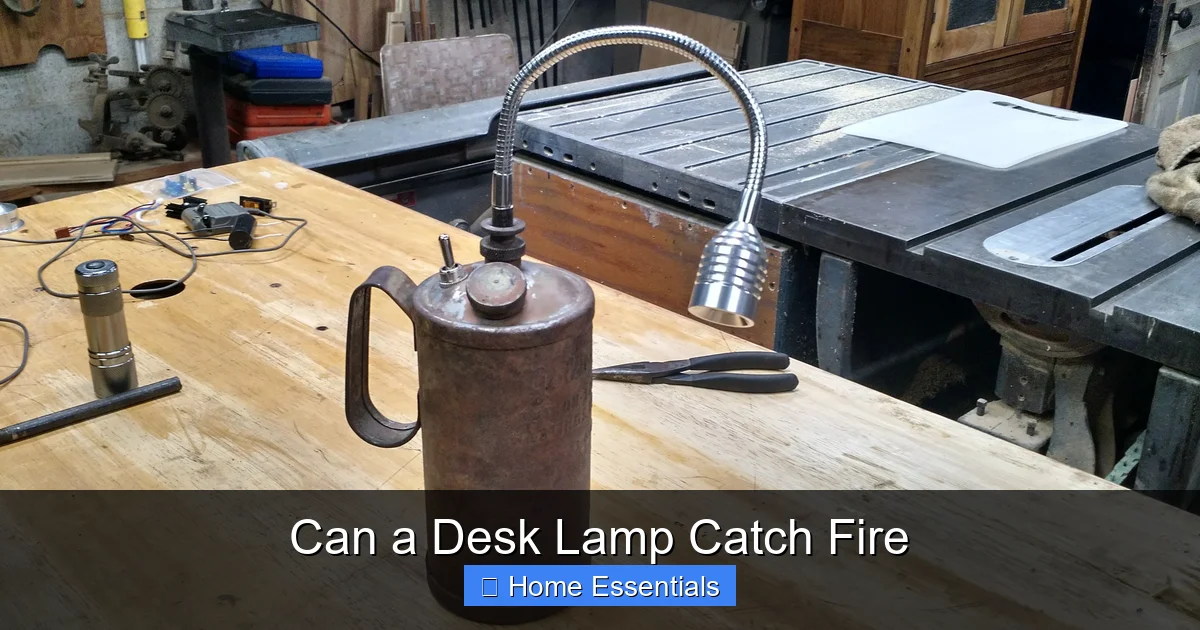
Visual guide about Can a Desk Lamp Catch Fire
Image source: content.instructables.com
Using the Wrong Wattage Bulb
This bears repeating because it’s the #1 culprit. That number on your lamp’s socket (e.g., “Max 60W”) is a hard safety limit, not a suggestion. Installing a 100W bulb in a 60W rated lamp forces the fixture to handle far more heat than it was engineered for. The socket’s contacts can overheat and melt, the wiring insulation can fail, and the shade can reach ignition temperature. Always check your lamp’s rating and use a bulb with an equal or lower wattage. With LEDs, wattage is much lower for the same brightness (e.g., a 10W LED equals a 60W incandescent), so you’re almost always safe, but still verify the lamp’s maximum equivalent wattage if listed.
Faulty or Damaged Cords and Plugs
Examine your lamp’s cord regularly. Are there any nicks, cuts, or places where the wire is exposed? Does the plug feel loose or wobbly in the outlet? Does the cord get warm to the touch when the lamp is on? These are signs of imminent failure. A damaged cord can cause arcing (electrical sparks jumping across a gap) or a short circuit. This is especially dangerous if the cord is pinched under a furniture leg or in a door hinge, which can damage the internal wires over time. Never use a lamp with a damaged cord; the cost of a new cord or lamp is trivial compared to the risk of fire.
Obstructed Heat Dissipation
Lamps need airflow. Pushing a lamp base against a stack of books, draping a scarf over a shade, or placing it too close to a wall or curtain traps heat. The heat has nowhere to go, so it builds up in the socket and shade. This is a particular risk with halogen bulbs, which run extremely hot. Even an LED bulb can cause a plastic component to warp if the heat it produces is completely trapped. Always leave several inches of clear space around your lamp, especially behind and above it.
Old, Deteriorated, or Low-Quality Fixtures
Lamps, especially very old ones or bargain-bin models, may not meet modern safety standards. The insulation inside the socket might be brittle, the socket metal might be thin and prone to overheating, or the wiring may be undersized. Vintage lamps have charm, but their internal wiring should be inspected and possibly replaced by a qualified electrician before regular use. When buying a new lamp, look for certification marks like UL (Underwriters Laboratories) or ETL, which indicate it has been tested for safety.
Using Incompatible Bulbs with Dimmers
If your desk lamp has a built-in dimmer or is plugged into a wall dimmer switch, using the wrong bulb is a major hazard. Not all bulbs—especially older incandescent/halogen or certain smart bulbs—are designed to work with dimmers. Mismatched bulbs can buzz, flicker erratically, and generate excessive, uneven heat that stresses the bulb and the dimmer switch itself, potentially leading to failure and fire. Always confirm bulb-dimmer compatibility before pairing them.
How to Choose a Fire-Safe Desk Lamp: Your Buying Checklist
Prevention starts at the point of purchase. Choosing a safe lamp is your first and most effective line of defense. Don’t just buy based on style; consider these critical safety features.
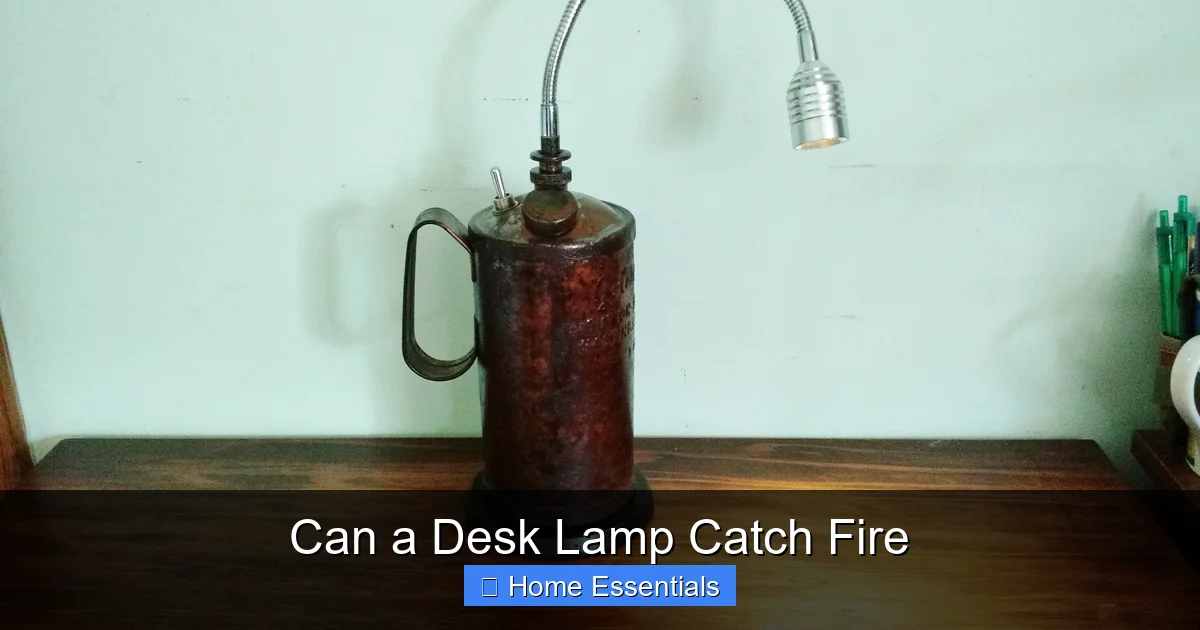
Visual guide about Can a Desk Lamp Catch Fire
Image source: content.instructables.com
Prioritize LED Compatibility and Certification
Look for lamps explicitly rated for LED bulbs. They are designed with cooler operation in mind and often have better heat dissipation for the lower (but still present) heat LEDs generate. More importantly, only buy lamps with recognized safety certifications like UL, ETL, or CSA. This means an independent lab has tested the lamp for electrical and fire safety. This certification should be on a label attached to the lamp’s cord or base. Avoid uncertified lamps from unknown online brands.
Inspect Construction and Materials
Give the lamp a physical once-over before buying. The cord should be thick, flexible, and feel sturdy—not thin, stiff, or cheap plastic. The plug should be solid, with no wiggle between the prongs and the plastic housing. The socket should feel tight and secure when you screw in a bulb. If the shade is fabric, ensure it’s tightly woven and not thin or papery. Metal shades are generally the safest option. The base should be heavy enough to be stable; a wobbly lamp can be knocked over, breaking a hot bulb and starting a fire.
Understand Wattage Ratings Clearly
Find the maximum wattage rating. It must be clearly printed on the socket or inside the lamp’s shade. A safe lamp will have this marking. If it’s missing, don’t buy it. Also, consider the lamp’s design. An enclosed shade (like a globe or jar style) traps more heat than an open, ventilated shade. For enclosed fixtures, you may need to use an even lower wattage bulb than the maximum rating suggests. When in doubt, err on the side of caution with a lower-wattage LED.
Safe Usage & Essential Maintenance Practices
Even the safest lamp can become a hazard if misused. Incorporate these habits into your routine for worry-free illumination.
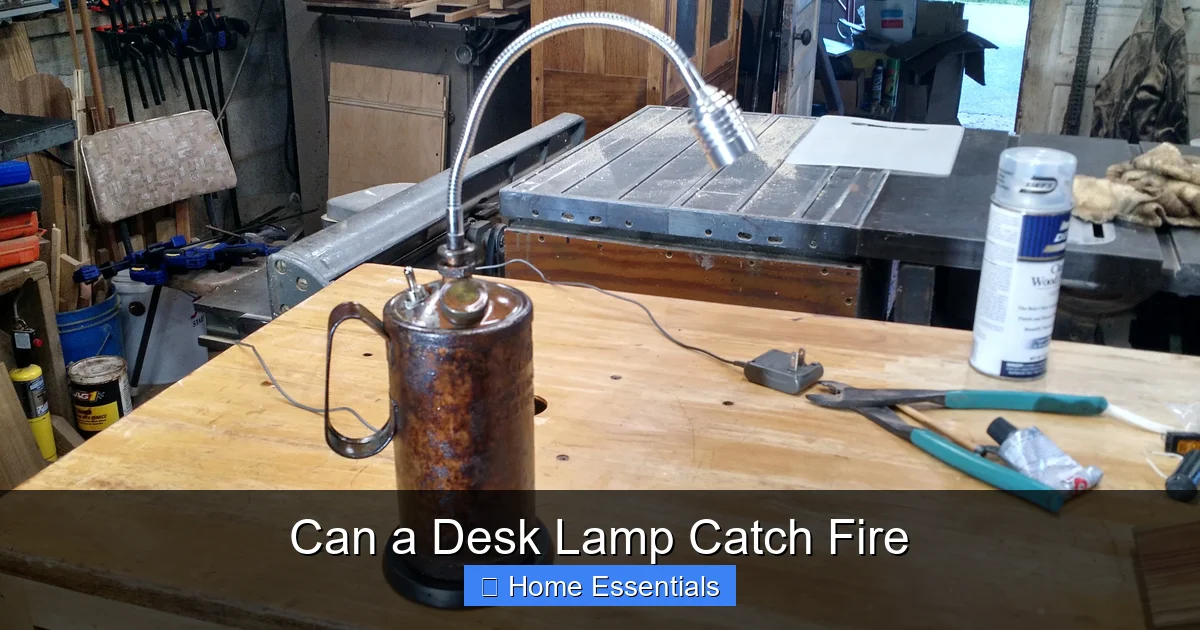
Visual guide about Can a Desk Lamp Catch Fire
Image source: content.instructables.com
The Golden Rules of Lamp Placement
Follow these three placement rules without exception. First, keep flammable materials at least 12 inches away from the bulb. This includes paper, fabric, curtains, books, and wooden furniture. Second, place the lamp on a stable, non-flammable surface. A wooden desk is fine if there’s no direct contact with hot parts, but avoid placing it on a pile of papers or a synthetic fleece blanket. Third, ensure the lamp’s cord is not a tripping hazard and is never run under carpets or rugs, where it can overheat and be damaged by foot traffic.
Bulb Selection and Installation Done Right
Always match the bulb to the lamp’s maximum wattage. For traditional bulbs, choose a lower wattage if the lamp is enclosed. For LEDs, choose a reputable brand and check the “equivalent wattage” to ensure it’s suitable for your fixture’s heat rating. When installing, screw the bulb in firmly but gently—overtightening can crack the bulb or damage the socket. If a bulb flickers, buzzes, or feels unusually hot, replace it immediately.
Dusting: The Simple Habit That Prevents Fires
Dust is an insulator. A layer of dust on a lamp shade or inside the socket acts like a blanket, trapping heat and causing temperatures to rise. Make dusting your lamps a monthly habit. Use a soft, dry microfiber cloth, which is perfectly designed to grab dust without scratching. For intricate shades or hard-to-reach areas, use a can of compressed air (hold it upright to avoid propellant spray) or a soft-bristle paintbrush. Always unplug the lamp before cleaning. For deeper cleaning, a slightly damp microfiber cloth is fine, but ensure the lamp is completely dry before plugging it back in. Learning the proper way to use a microfiber cloth will make this task quick and effective.
Regular Inspection and Cord Care
Every few months, do a full inspection. Unplug the lamp, check the entire length of the cord for any signs of wear, cracking, or rodent damage (if stored in a basement/garage). Examine the plug for any discoloration or melting. Gently flex the cord near the plug and the lamp base; if you feel any internal “kinks” or hear a crackling sound, the internal wires are broken. Any of these signs mean the lamp must be repaired by a professional or, more likely, replaced. Never attempt DIY repairs on a lamp’s internal wiring unless you are a qualified electrician.
What to Do If You Suspect a Problem (Or See Smoke)
Even with the best prevention, it’s crucial to know how to react if something goes wrong. Your response in the first 60 seconds is critical.
Immediate Action: Unplug, Don’t Douse
If you see smoke, smell a strong burning odor (like melting plastic), or see a small flame, your first instinct might be to throw water on it. Do not do this with an electrical fire. Water conducts electricity and can cause electrocution or spread the fire by conducting current to other objects. Your immediate action should be to unplug the lamp from the wall outlet. This cuts the power source. If it’s safe to do so, you can then use a Class C fire extinguisher (rated for electrical fires) to smother a very small, contained flame. If the fire is beyond a tiny spark or has spread to other items, evacuate immediately and call the fire department.
Post-Incident Assessment and Disposal
Once the power is off and any fire is out, do not try to reuse the lamp. Even if the fire seems minor, internal damage to the wiring or socket is likely and could cause a future failure. The lamp is now a total loss and a future hazard. Dispose of it responsibly—many municipalities have electronic waste (e-waste) facilities. Do not simply throw it in the regular trash. Document the damage for insurance purposes if necessary. Replace it with a new, certified, LED-compatible model.
The Bottom Line: Peace of Mind Through Proactive Safety
So, can a desk lamp catch fire? The unequivocal answer is yes. But here’s the empowering part: it doesn’t have to. A desk lamp fire is almost always the result of a chain of neglect: using the wrong bulb, ignoring a frayed cord, letting dust pile up, or placing it carelessly. By breaking that chain, you eliminate the risk. This means being an informed buyer—choosing certified, well-built lamps rated for modern, cool-running LEDs. It means being a mindful user—respecting wattage limits, keeping the area clear, and never ignoring warning signs like buzzing or smells. And it means being a diligent maintainer—a quick monthly dusting and a twice-yearly inspection are all it takes. Your desk lamp is a tool for productivity and comfort. Treat it with the respect any electrical appliance deserves, and it will serve you safely for years, casting light without ever casting a shadow of fear.
Frequently Asked Questions
Can an old desk lamp be a fire hazard?
Yes, older lamps may not meet current safety standards and can have deteriorated internal wiring or brittle insulation. Have vintage lamps inspected by an electrician or replace them with modern, certified models for guaranteed safety.
Is it safe to leave a desk lamp on all night?
It’s generally safe to leave a modern, LED-based desk lamp on overnight if it’s in good condition, on a stable surface, and away from flammables. However, it’s always best practice to turn it off to save energy and eliminate any minor risk. Never leave a lamp with an incandescent bulb on unattended for long periods.
Are LED desk lamps completely fireproof?
No lamp is “fireproof,” but LED lamps are vastly safer. LEDs run much cooler than incandescent bulbs, drastically reducing overheating risk. However, a faulty LED driver, damaged cord, or using an incompatible dimmer can still create a fire hazard. Always use quality, certified products.
What are the warning signs my desk lamp is dangerous?
Look for: a buzzing or crackling sound; a persistent burning smell; discoloration or melting on the socket, plug, or shade; a lamp that gets excessively hot to the touch; or a flickering bulb. If you notice any of these, unplug the lamp immediately and do not use it.
Can I use an extension cord with my desk lamp?
It’s not recommended. Extension cords can overheat if the lamp’s draw is too high or if the cord is damaged or undersized. The safest method is to plug the lamp directly into a wall outlet. If you must use an extension cord, use a heavy-duty, grounded one and ensure it’s not a trip hazard.
What should I do if my desk lamp starts to smoke?
Immediately unplug the lamp from the wall. Do not throw water on it. If a small flame is present and you have a Class C fire extinguisher, you may attempt to smother it. If the fire grows or you are unsure, evacuate and call the fire department. Do not re-enter the building until professionals say it’s safe.