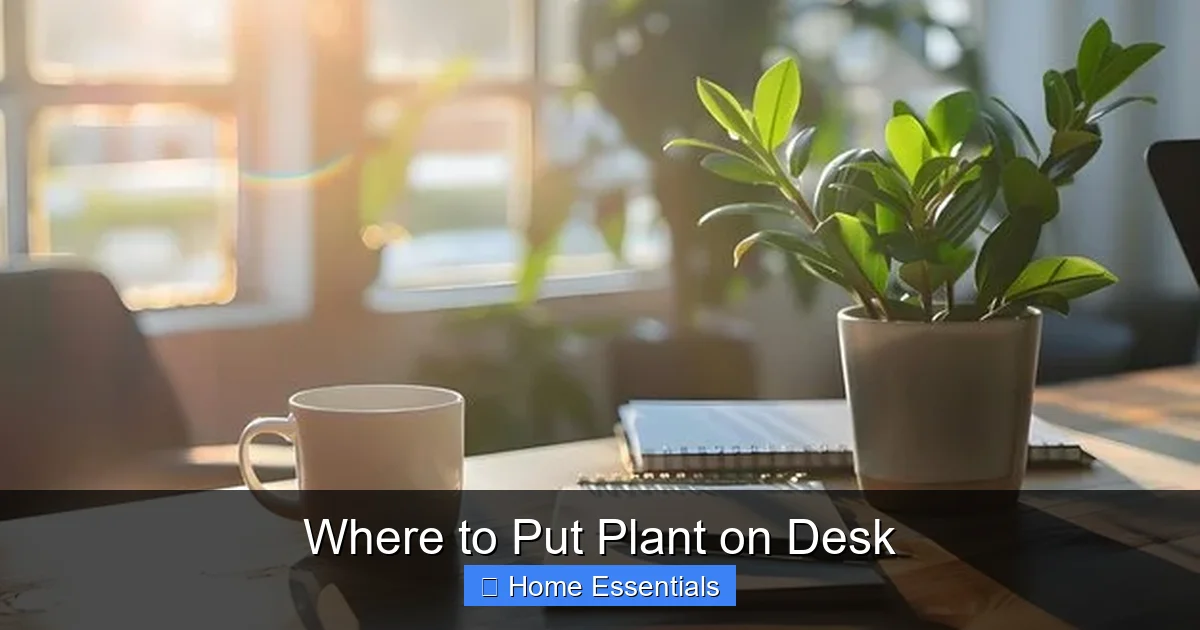
Where to Put Plant on Desk
Optimal desk plant placement balances light exposure and workspace efficiency to maximize productivity and well-being. Position plants in areas with consistent, indirect sunlight, such as near east-facing windows, and avoid high-traffic zones. Select low-maintenance, compact species that enhance air quality without demanding constant care, transforming your desk into a healthier, more inspiring environment.
Key Takeaways
- Light Direction Matters: Place plants near windows matching their specific light needs.
- Measure Your Desk Space: Ensure plants fit without cluttering your essential work area.
- Prioritize Ergonomics: Position plants to avoid blocking your screen, keyboard, or mouse.
- Choose Low-Maintenance Plants: Opt for succulents, snake plants, or pothos for easy desk care.
- Use Saucers for Drainage: Always place pots on trays to protect your desk from water damage.
- Rotate Plants Weekly: Turn pots regularly for even growth and to prevent leaning.
- Consider Air-Purifying Varieties: Select plants like peace lilies to improve your workspace air quality.
📑 Table of Contents
- Why Your Desk Craves a Plant (And You Might Not Even Know It)
- The Golden Rules of Desk Plant Placement: It’s Not Just Random
- Prime Real Estate: Top Desk Spots for Your Green Buddy
- Matchmaking: Finding the Perfect Plant for Your Desk’s Personality
- Beyond Placement: Keeping Your Desk Plant Happy
- Styling Secrets: Making Your Desk Plant a Design Feature
- Conclusion: Your Desk, Your Sanctuary
Why Your Desk Craves a Plant (And You Might Not Even Know It)
Look at your desk right now. Maybe it’s a masterpiece of productivity, or perhaps it’s a landscape of pens, cables, and coffee rings. Either way, there’s one thing it’s probably missing: a little bit of life. A single, well-placed plant isn’t just decor; it’s a tiny ecosystem of calm sitting right between your keyboard and your coffee mug. I used to think a desk plant was just something you *did*, like having a notepad. Then I got a stubborn little ZZ plant that thrived on my deepest, darkest corner shelf, and everything changed. My focus felt sharper, the air seemed fresher, and honestly, I just enjoyed sitting there more. Deciding where to put a plant on a desk is the first, most crucial step in unlocking these benefits. It’s not about finding any old spot; it’s about finding *the* spot where both you and your green friend can thrive together.
We’re all different. Your desk might be a minimalist’s dream with one laptop and a single lamp. Or it could be a command center with dual monitors, a drafting table, and every tool known to humankind. That’s why there’s no single answer to desk plant placement. It’s a puzzle of light, space, and personal habit. But don’t worry, we’re going to solve that puzzle together. By the end of this guide, you won’t just have a plant on your desk; you’ll have the *right* plant in the *right* place, creating a happier, healthier workspace you’ll love.
The Golden Rules of Desk Plant Placement: It’s Not Just Random
Before we talk about specific spots, we need a foundation. Placing a plant is like choosing a seat in a café. Do you want the cozy corner, the sunny window spot, or the quiet table in the back? Your plant has preferences too. Ignoring these basic rules is the #1 reason desk plants become sad, crispy regrets within a month. Let’s get the fundamentals right.
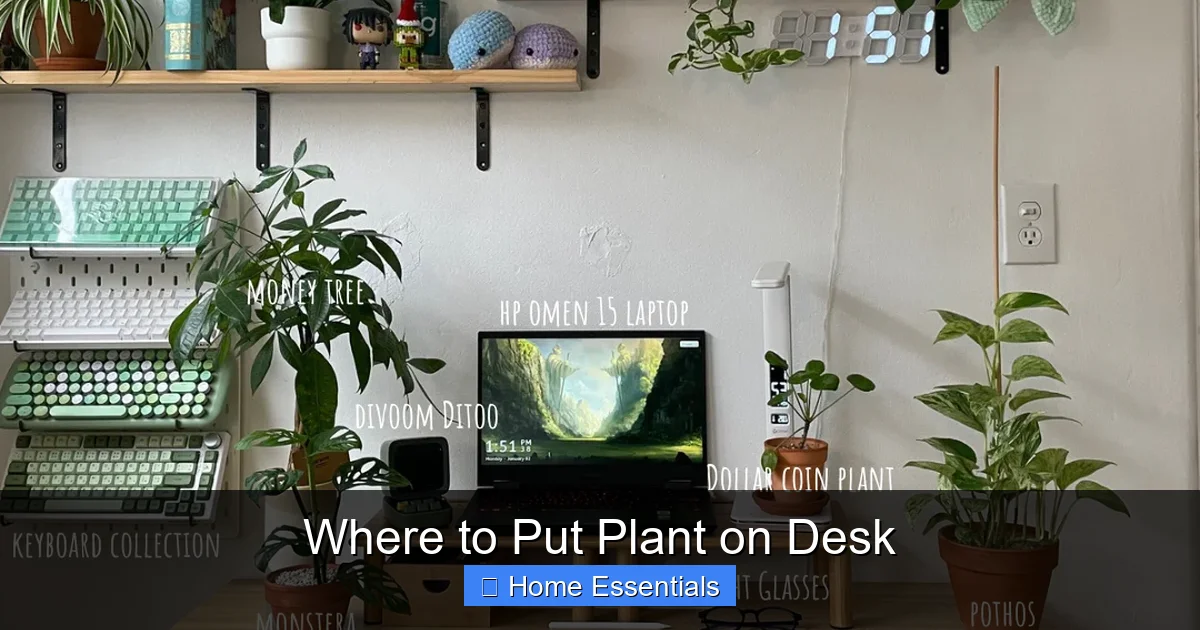
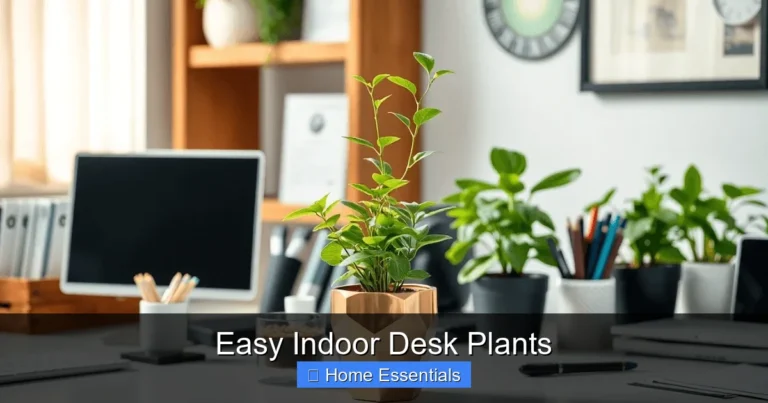
Visual guide about Where to Put Plant on Desk
Image source: i.pinimg.com
Rule #1: Light is Everything (But Not All Light is Equal)
This is non-negotiable. Light is a plant’s food. The type and amount of light your desk gets dictate everything—what plant you can choose and where exactly it can sit. We’re talking about three main types:
- Bright, Direct Light: This is the spot where the sun’s rays actually touch the desk for several hours a day, usually from a south or west window. Think succulents, cacti, and herbs here.
- Bright, Indirect Light: The most common and often best office light. The space is flooded with light, but the sunbeams don’t hit the plant directly. An east-facing window or a spot a few feet from a south window is perfect. This is the happy zone for pothos, peace lilies, and snake plants.
- Low Light: Don’t confuse this with “no light.” This means no direct sun and a room that’s simply not bright. A north-facing window or a desk far from any window. Only the toughest survivors like ZZ plants, cast iron plants, or certain pothos varieties will be content here.
Pro Tip: Do the “read a book” test. If you can comfortably read a book at your desk without a lamp on a cloudy day, you likely have medium/bright indirect light. If you need a lamp even then, you’re in low-light territory.
Rule #2: Space & Stability: Don’t Crowd Your Creativity
Your desk is a workspace first. The plant is a guest. That means it needs a stable, dedicated spot that doesn’t interfere with your workflow. Ask yourself:
- Will I knock it over? If the plant is on the edge of a cluttered desk, it’s a disaster waiting to happen. Opt for a heavier pot or a more central, secure location.
- Does it block my view or tools? A large plant directly in front of your monitor is a quick path to frustration. Consider height and spread.
- What’s under it? Water happens. Use a saucer or a decorative tray to protect your desk surface, especially if it’s wood or laminate. I learned this the hard way after a watering mishap left a ring on my favorite vintage desk.
Rule #3: Safety First (Especially with Pets or Kids)
Many common houseplants are toxic if ingested. If you have curious cats, dogs, or small humans, this is your top priority. Before you fall in love with a plant, check its toxicity status. The ASPCA website is a fantastic resource. For a pet-friendly desk, consider spider plants, Boston ferns, or African violets. If toxicity is a concern, placement is even more critical—put it somewhere utterly inaccessible.
Prime Real Estate: Top Desk Spots for Your Green Buddy
Okay, rules are set. Now, let’s talk prime locations. Think of these as the different neighborhoods in Desk Town, each with its own vibe and ideal resident.
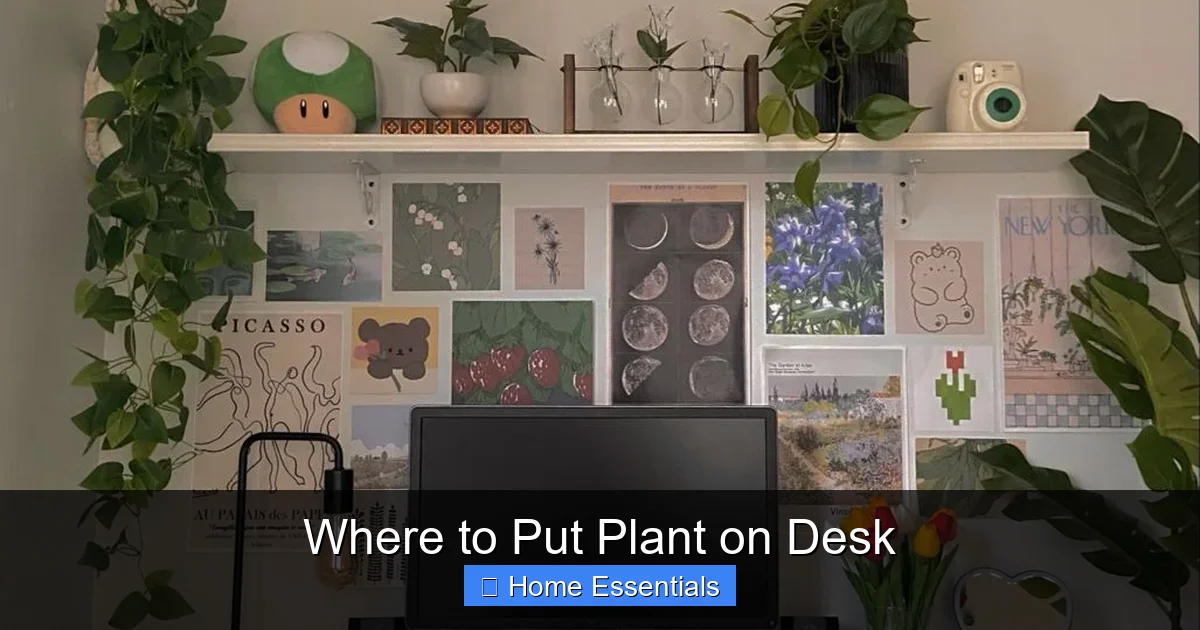
Visual guide about Where to Put Plant on Desk
Image source: i.pinimg.com
The Corner Perch: The Classic, Efficient Choice
The back corner of your desk is the traditional plant spot, and for good reason. It’s usually out of the way of your main work area, stable, and often gets decent side light from a window. It’s the perfect spot for a medium-sized statement plant like a snake plant or a small peace lily. This is where you put your plant if you want it to be a quiet, supportive presence rather than a focal point. Just ensure the corner isn’t a complete shadow zone; a little ambient light is necessary.
The Monitor Mount: A Modern, Space-Saving Hack
This is a game-changer for small desks. Using a small, sturdy plant stand or a specialized monitor mount, you can elevate a tiny succulent or air plant to live on top of your monitor bezel or on a shelf attached to your monitor arm. It adds life without taking up precious desktop real estate. This is ideal for tiny, low-maintenance plants like echeverias, haworthias, or a single strand of string of pearls. Just be absolutely sure the stand is secure and the pot is lightweight. You do not want it wobbling with every keystroke.
The Windowsill Wingman: For Sun-Loving Buddies
If your desk is up against a window, the windowsill is a prime piece of real estate. This is the domain of sun-worshippers: herbs like basil or thyme, small succulents, or a cheerful geranium. The key here is to monitor for heat. A windowsill can get hot in the afternoon, scorching delicate leaves. Rotate the plant regularly so it grows evenly, and never let a glass pot sit in direct sun—it can act like a magnifying glass and cook the roots.
The Under-Desk Oasis: The Unexpected Hideaway
Don’t forget the space beneath your desk! For trailing plants like pothos, philodendron, or spider plants, the under-desk area is a fantastic way to add greenery without cluttering your surface. Let the vines cascade down the side of your desk or onto the floor. This spot is usually in lower, indirect light, which these adaptable plants love. It’s a great way to soften the look of a desk leg and create a mini-jungle feel in a small space. Just be mindful of watering—you’ll need to pull it out occasionally to check the soil and saucer.
The Shared Shelf: When Your Desk Has a Buddy
Many desks come with or are paired with a small bookshelf or filing cabinet. That adjacent shelf is a perfect extension of your desk’s ecosystem. You can place a slightly larger plant or a collection of smaller pots here. This creates a cohesive “desk vignette” that feels intentional and styled. Use this spot for plants that need a bit more light than your desk surface provides, or for a plant you want to admire from your chair but don’t need to interact with constantly.
Matchmaking: Finding the Perfect Plant for Your Desk’s Personality
Now we pair the spot with the soul. Here’s a quick-reference guide to help you match a plant to your specific desk situation.

Visual guide about Where to Put Plant on Desk
Image source: thumbs.dreamstime.com
| Your Desk Situation | Ideal Plant Candidates | Key Reason |
|---|---|---|
| Low Light (No window, deep room) | ZZ Plant, Cast Iron Plant, Pothos (any variety) | Extremely tolerant of low light and neglect. |
| Bright, Indirect Light (East window, filtered South light) | Snake Plant, Peace Lily, Philodendron, Fiddle Leaf Fig (if space allows) | Thrives in steady, non-scorching light. Most common office sweet spot. |
| Direct Sun (South/West windowsill) | Jade Plant, Aloe Vera, Small Cacti, Herbs (Basil, Mint) | Needs several hours of direct sun to stay compact and healthy. |
| Tiny Space / Monitor Mount | Haworthia, Echeveria, Baby Tears, Air Plant (Tillandsia) | Ultra-compact size, slow growth, minimal water. |
| Pet-Friendly Required | Spider Plant, Boston Fern, African Violet, Parlor Palm | Non-toxic to cats and dogs according to ASPCA. |
Beyond Placement: Keeping Your Desk Plant Happy
You’ve picked the spot and the plant. Now, the real work begins: keeping it alive. A poorly cared-for plant will fail no matter how perfect its location. This is where routine meets love.
The Watering Wake-Up Call: Less is More
The #1 killer of desk plants is overwatering, not underwatering. Your desk plant is in a small pot with limited soil. It dries out faster than a pot in a greenhouse, but it can also stay soggy if you’re too enthusiastic. The golden rule: stick your finger in the soil up to your first knuckle. If it’s dry, water. If it’s damp, wait. Water thoroughly until it runs out the drainage hole, then empty the saucer immediately. Never let the plant sit in water. For the truly forgetful, consider a smart plant pot that can monitor soil moisture and remind you via an app—it’s like having a plant nanny.
Feeding & Grooming: The Little Luxuries
Plants need food, but not a lot. Use a balanced, water-soluble fertilizer at half-strength once a month during the spring and summer. Skip it entirely in fall and winter when growth slows. And don’t forget to clean the leaves! Dust builds up on desk plants just like it does on your monitor, blocking light. Gently wipe leaves with a damp microfiber cloth. It’s a simple act that makes a huge difference in your plant’s ability to photosynthesize and look vibrant. Trim any brown or yellowing leaves with clean scissors to keep your plant looking its best and directing energy to healthy growth.
Styling Secrets: Making Your Desk Plant a Design Feature
Let’s be real: part of the joy is how it looks. A plant on your desk should feel intentional, like an afterthought that was actually very thought-out.
The Pot Matters: More Than Just a Holder
The pot is the plant’s outfit. A cheap plastic pot can undermine even the most beautiful plant. Consider upgrading to a ceramic pot with a drainage hole (and a matching saucer), a woven basket (with a plastic liner inside), or a sleek concrete planter. The pot’s color and texture should complement your desk aesthetic. A neutral, natural pot lets the plant shine. A bold, colored pot can be a statement piece. Just remember: drainage is king. If your favorite pot doesn’t have a hole, use it as a cachepot—keep the plant in its nursery pot and slip it inside. You’ll then need to empty any excess water after watering.
Grouping & Arrangement: Create a Mini-Jungle
One plant is lovely. A small collection is powerful. Group plants of varying heights and textures on a shared shelf or in a cluster on a larger desk corner. The “thrill, fill, spill” rule works here: a tall, dramatic plant (thrill), a medium, bushy plant (fill), and a trailing plant that spills over the edge (spill). This creates depth and interest. Mix a snake plant (structural) with a pothos (soft, trailing) and a small succulent (textural). Ensure they all have similar light needs if they’re in the same spot.
Conclusion: Your Desk, Your Sanctuary
Figuring out where to put a plant on a desk is a personal journey. It’s about observing your unique space, understanding your plant’s needs, and making a small commitment to care. Start simple. A single, tough snake plant in your desk corner is a perfect first step. Get the hang of watering and light. Then, experiment. Move it. Try a new spot. Add a tiny succulent to your monitor shelf. The goal isn’t perfection; it’s creating a workspace that breathes with you. That little patch of green becomes a silent partner in your daily grind—a reminder to pause, to nurture, and to find a little wildness in the middle of the orderly. So, look at your desk again. Where does that little spot of life want to call home? You’ve got the map now. Go find it.
Frequently Asked Questions
What’s the best place on my desk for a plant?
The best spot is typically a corner or the side of your desk, away from your primary work area. This ensures the plant gets adequate light from a window without casting shadows on your screen or taking up essential workspace.
Where to put a plant on a desk for maximum light?
Place the plant on the side of your desk that receives the most natural sunlight, usually near a window. If your desk is against a wall, position the plant on the outer edge to catch the light, or consider a small grow light if natural light is insufficient.
Where to put plant on desk without cluttering my space?
Opt for a small, vertical plant like a snake plant or a tiny potted succulent. Place it on a corner of your desk, on a small stand, or even hang a tiny planter from a desk organizer to free up your main surface area.
Can the placement of a desk plant affect my productivity?
Yes, strategic placement can boost productivity. Position the plant where you can see it in your peripheral vision to enjoy its calming effect without it becoming a distraction. Avoid placing large plants directly in your line of sight to the computer monitor.
How do I safely place a plant on my desk near electronics?
Always use a pot with a drainage tray or saucer to prevent water spills. Place the plant away from your keyboard, mouse, and monitor to avoid accidental tipping or moisture damage. A small, stable pot on a desk corner is the safest choice.
Where to put a plant on a desk to improve the room’s aesthetics?
For the best visual impact, place the plant at a slight angle from your main seating position to create depth. Choose a pot that complements your desk decor and consider adding a trailing plant like a pothos on a high shelf behind the desk for a layered look.