What Is a Good Desk Plant
A good desk plant is a low-maintenance, space-appropriate companion that thrives in indoor office conditions. It should match your workspace’s light, require minimal watering, and suit your lifestyle. The right plant, like a snake plant or pothos, can purify air, reduce stress, and boost productivity without adding chores to your day. Choosing wisely means enjoying the benefits of nature indoors without the headache.
Have you ever glanced at your desk and thought, “This could use a little life”? You’re not alone. A splash of green on your workspace isn’t just a decor trend—it’s a simple way to transform a sterile cubicle or home office into a more inviting, healthy, and inspiring place. But with so many options at the garden center, the big question remains: what is a good desk plant? It’s not about finding the most exotic or showiest specimen. A good desk plant is your silent partner in productivity. It’s the resilient, undemanding, and perfectly sized green buddy that thrives on your desk or nearby shelf with minimal fuss, bringing genuine benefits without becoming another chore on your to-do list. Let’s dig in and find your perfect match.
Key Takeaways
- Light is the #1 factor: Match the plant to your desk’s specific light, from bright indirect to low-light corners.
- Prioritize low-maintenance: Forgetting to water occasionally? Choose forgiving plants like ZZ or snake plants.
- Size matters: Ensure the mature plant fits your desk space without overwhelming it or blocking your view.
- Pet safety is key: If you have cats or dogs, opt for non-toxic varieties like spider plants or Boston ferns.
- Water correctly, not frequently: Overwatering is the top killer of desk plants; always check soil moisture first.
- Dust leaves regularly: Use a soft cloth, like a microfiber cloth, to keep leaves clean for optimal light absorption.
- Consider smart tech: Smart plant pots can automate watering and monitor soil conditions for ultimate convenience.
📑 Table of Contents
- The Incredible Benefits of a Good Desk Plant
- How to Choose: The 3 Golden Rules of a Good Desk Plant
- The Top 5 Contenders for “Good Desk Plant”
- Essential Care Guide for Your Desk Plant
- Smart Tech for the Modern Desk: Beyond the Basic Pot
- Common Mistakes That Turn a Good Plant Bad
- Conclusion: Your Journey to the Perfect Desk Companion
The Incredible Benefits of a Good Desk Plant
Before we talk about which plant, let’s be clear on why you should have one. The advantages extend far beyond a pretty view.
More Than Just Decor: Mood and Focus
Staring at a screen for hours is mentally draining. A good desk plant provides a natural, calming focal point. Studies have shown that even a brief glance at a plant can reduce stress and restore attention. That quick mental break to admire a new leaf or check the soil can help you return to your tasks feeling refreshed. The color green is psychologically associated with balance and peace, making it the perfect antidote to a high-pressure work environment.
Natural Air Purifiers
Our indoor air can be full of volatile organic compounds (VOCs) from furniture, paint, and electronics. Certain plants are natural air scrubbers. Through the process of photosynthesis and microbial action in their soil, they can absorb toxins like benzene, formaldehyde, and trichloroethylene. While a single plant won’t replace an air purifier, a collection of good desk plants contributes to a cleaner, fresher breathing environment right at your workstation.
A Productivity Boost
It might sound too simple, but research from institutions like the University of Exeter indicates that plants in an office can increase productivity by up to 15%. The theory is that plants improve physical health (via air quality) and psychological health (reducing stress), which together lead to better concentration, creativity, and job satisfaction. Your good desk plant isn’t just a pet; it’s a tool for a better workday.
How to Choose: The 3 Golden Rules of a Good Desk Plant
So, what makes a plant “good” for your specific desk? It boils down to three non-negotiable criteria. If a plant fails one of these, it’s probably not the right fit.
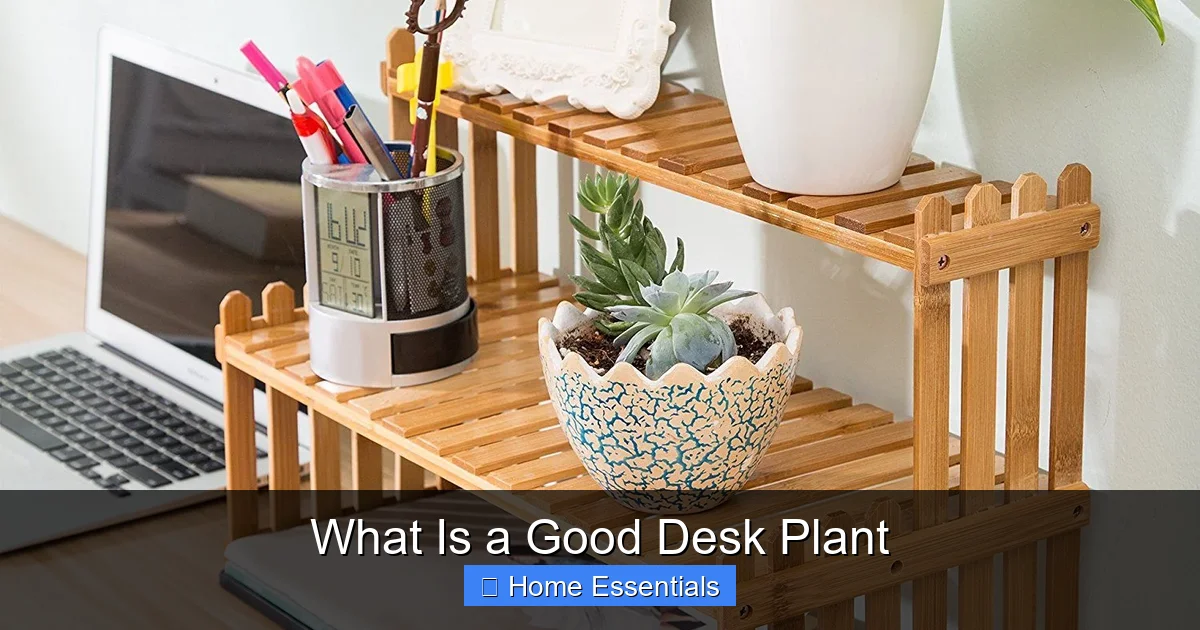
Visual guide about What Is a Good Desk Plant
Image source: i.pinimg.com
Rule #1: Light Compatibility is Everything
This is the most critical factor. A plant’s light needs must align with your desk’s reality. Assess your workspace honestly:
- Bright, Indirect Light: A desk near an east or west-facing window, or a few feet from a south-facing window (with sheer curtains). Many flowering plants and variegated varieties need this.
- Medium/Low Light: A desk in a north-facing room, or one that gets light but is shaded by a building or tree. Fluorescent office lighting also counts as low/medium light.
- Artificial Light Only: A windowless office or a deep corner. Only the toughest plants will survive here long-term.
Pro Tip: Rotate your plant weekly if it’s on a desk with light from one side to ensure even growth. For deeper insights into optimizing your workspace lighting, understanding how smart bulbs work can help you create ideal conditions for both you and your plant.
Rule #2: Size and Scale for Your Space
A good desk plant should complement, not compete with, your workspace. Consider:
- Mature Size: A tiny succulent seedling will grow. Research the plant’s eventual height and width. A large fiddle leaf fig is a statement piece for a spacious office, but it will quickly overwhelm a standard cubicle.
- Growth Habit: Does it grow upright (like a snake plant), trail (like a pothos), or spread out? Trailing plants are great for high shelves or desk edges, while upright plants fit neatly beside a monitor.
- Root Space: Ensure the pot is large enough for the plant to thrive but not so large that it holds excess water. The pot should fit comfortably on your desk or a small stand next to it.
Rule #3: Low-Maintenance Tolerance
Your desk plant should thrive on neglect, not demand. Look for these forgiving traits:
- Drought Tolerant: Plants that store water in leaves, stems, or roots (like succulents and cacti) forgive missed waterings.
- Slow Growing: Fast growers need frequent pruning and repotting, adding work. Slow growers are low-effort.
- Adaptable: Plants that aren’t fussy about humidity or temperature swings are ideal for office environments with AC or heating.
The goal is a plant that brings you joy, not anxiety. If you’re a frequent traveler or simply forgetful, a ZZ plant or cast iron plant is a stellar choice.
The Top 5 Contenders for “Good Desk Plant”
Armed with your criteria, here are five top-tier plants that consistently earn the “good desk plant” badge for their adaptability, beauty, and ease.
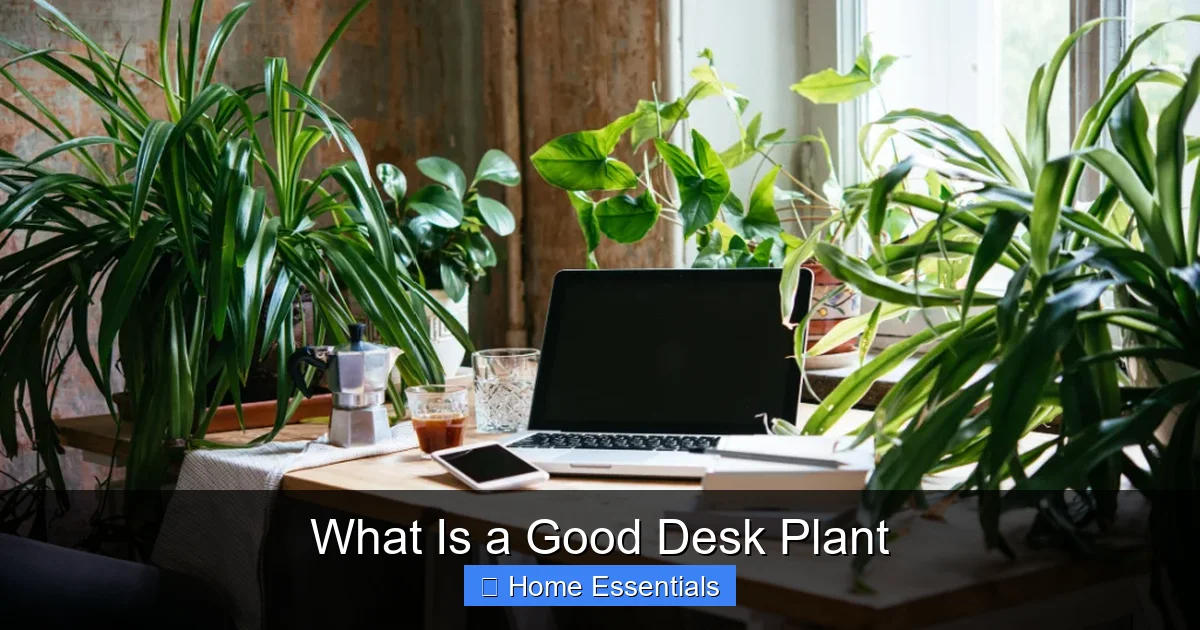
Visual guide about What Is a Good Desk Plant
Image source: plantscapelive.com
1. The Unkillable Hero: Snake Plant (Sansevieria)
If there was a “most indestructible” award, the snake plant would win. It thrives on neglect, tolerates low light, and can go weeks without water. Its striking, architectural leaves add a modern touch. It’s also a noted air purifier, working at night to release oxygen. Perfect for the new plant parent or the darkest corner of your home office.
2. The Versatile Trailblazer: Pothos (Epipremnum aureum)
Pothos is the ultimate survivor. It grows in low light, tells you when it’s thirsty (leaves slightly droop), and vines beautifully if you let it. You can train it on a small trellis on your desk or let it trail off a shelf. It comes in classic green or stunning variegated varieties like Golden Pothos or Marble Queen. It’s nearly impossible to kill and propagates easily in water—a great confidence booster.
3. The Low-Light Champion: ZZ Plant (Zamioculcas zamiifolia)
The ZZ plant is the master of low-light survival. Its glossy, dark green leaves look like a permanent shine. It stores water in potato-like rhizomes, making it extremely drought-tolerant. It grows slowly and steadily, never demanding. If your desk is in a dim interior space with no natural light, this is your plant. Just don’t overwater—its worst enemy.
4. The Air-Purifying Powerhouse: Peace Lily (Spathiphyllum)
For a touch of elegance with serious air-cleaning credentials, the peace lily is a top choice. It tolerates lower light but will flower with a bit more brightness. Its most famous feature is its dramatic “dramatic droop”—it visibly wilts when thirsty, making watering foolproof. It also helps remove common VOCs. Note: It is toxic to pets, so keep it out of reach if you have cats or dogs.
5. The Pet-Friendly Proliferator: Spider Plant (Chlorophytum comosum)
Safe for cats and dogs, the spider plant is a classic for a reason. It thrives in bright, indirect light but tolerates less. It produces adorable “babies” (plantlets) on long stems, which you can snip off and propagate in water—a fun project. Its arching green and white striped leaves add softness and movement. It’s non-toxic, adaptable, and incredibly easy to share.
Essential Care Guide for Your Desk Plant
Choosing the right plant is step one. Keeping it happy is step two, and it’s easier than you think.
Visual guide about What Is a Good Desk Plant
Image source: thumbs.dreamstime.com
Watering Wisdom: The “Check, Don’t Schedule” Method
The #1 cause of desk plant death is overwatering. Forget a weekly calendar reminder. Instead, get in the habit of checking. Stick your finger about an inch into the soil. If it’s dry, water thoroughly until it runs out the drainage hole. If it’s damp, wait. For most low-maintenance desk plants, this might mean watering every 2-3 weeks, or even less in winter. Always use a pot with a drainage hole to prevent root rot.
Feeding Basics: Less is More
Plants on your desk are in a state of slow growth. They need very little fertilizer. Use a balanced, water-soluble houseplant fertilizer at half the recommended strength only during the spring and summer months, maybe once a month or every six weeks. Skip feeding entirely in the fall and winter when growth slows. Over-fertilizing can burn roots and cause salt buildup.
Cleaning and Grooming: A Shiny Plant is a Healthy Plant
Dust buildup on leaves blocks light and can harbor pests. Every month or so, gently wipe each leaf with a damp soft cloth. For a thorough clean, a clean microfiber duster is perfect—it captures dust without scratching delicate leaves. This simple act keeps your plant looking vibrant and functioning at its photosynthetic best. Prune any yellowing or dead leaves at the base with clean scissors to keep the plant looking tidy and direct its energy to new growth.
Smart Tech for the Modern Desk: Beyond the Basic Pot
For the tech enthusiast or the truly forgetful, modern innovations can make plant care effortless.
Self-Watering and Smart Pots
Self-watering pots have a reservoir that wicks water up to the roots as needed, drastically reducing watering frequency. Take it a step further with smart plant pots. These high-tech containers have built-in sensors that monitor soil moisture, light, temperature, and fertilizer levels, sending alerts directly to your smartphone. Some even automate watering. If you travel often or want precise data on your plant’s health, this is the ultimate “set it and forget it” solution for your good desk plant.
Supplemental Lighting
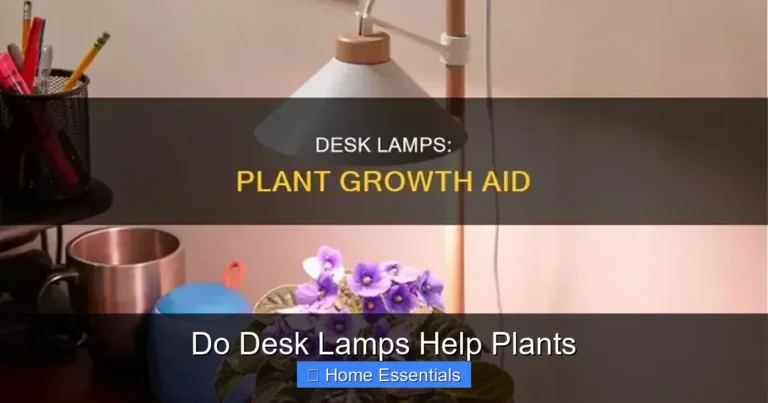
If your desk is in a truly dark spot, a small, stylish LED grow light can be a lifesaver. Look for full-spectrum bulbs that mimic sunlight. You can even use a smart bulb on a timer to give your plant a consistent light schedule without any manual effort. A few hours a day of artificial light can keep a low-light tolerant plant alive in a windowless office.
Common Mistakes That Turn a Good Plant Bad
Even the toughest plants can fall victim to these simple errors.
Mistake 1: The “Love” Overwatering
You want to care for your plant, so you water it often. This is the most common path to root rot—a fungal condition that kills from the roots up. Always check the soil first. When in doubt, wait another few days. It’s better to underwater slightly than to overwater.
Mistake 2: Ignoring the Drainage Hole
Using a pot without a drainage hole is like locking your plant in a flooded basement. Water has nowhere to go, sitting around the roots and causing rot. If you have a decorative pot without a hole, always use a plastic nursery pot with holes inside it. Never let your plant sit in standing water.
Mistake 3: The “Set and Forget” Placement
Light changes with the seasons. Your sunny desk in summer might be shade-filled in winter. Rotate your plant occasionally and be prepared to move it if it starts looking leggy (reaching for light) or its growth stalls. Also, keep it away from direct drafts from AC vents or heaters.
Conclusion: Your Journey to the Perfect Desk Companion
A good desk plant is more than an object; it’s a small investment in your daily well-being. It’s the quiet, photosynthesizing partner that asks for so little and gives so much—cleaner air, a moment of calm, and a tangible connection to nature amidst the digital swirl of your workday. Start simple. Choose a snake plant or a pothos for your first foray. Learn to read its signals: a slight droop, a dusty leaf, a new shoot reaching for the light. By matching the plant to your light, space, and lifestyle, and by following the simple care rules of “check soil, avoid overwatering, and clean leaves,” you’ll create a thriving desktop ecosystem. That little pot of green is a daily reminder to breathe, to take a micro-break, and to nurture something beyond the screen. So, pick your plant, give it a good home on your desk, and watch both it and your work experience flourish.
Frequently Asked Questions
What is the absolute easiest desk plant for a beginner?
The snake plant (Sansevieria) and ZZ plant are widely considered the easiest. They tolerate low light, irregular watering, and general neglect. They are nearly impossible to kill and are perfect for someone new to houseplants.
How often should I water my desk plant?
There is no set schedule. The best rule is to check the soil: if the top 1-2 inches are dry, water thoroughly. For most low-light desk plants like snake plants or ZZ plants, this is typically every 2-3 weeks, less in winter. Always err on the side of underwatering.
Are desk plants safe for pets?
Some are, some are not. Always check toxicity. Pet-safe options include spider plants, Boston ferns, and African violets. Plants to avoid include peace lilies, pothos, and snake plants (mildly toxic). If you have curious cats or dogs, opt for non-toxic varieties or place plants out of reach.
Can desk plants really purify the air in my office?
Yes, certain plants like peace lilies, snake plants, and spider plants have been shown by NASA studies to remove common indoor air toxins. While one plant won’t purify an entire room, a few strategically placed plants can contribute to healthier air quality in your immediate workspace.
What kind of soil should I use for a desk plant?
Use a high-quality, well-draining potting mix, often labeled for “indoor plants” or “houseplants.” Avoid using garden soil, which is too heavy and can contain pests. A mix with components like peat, perlite, or vermiculite ensures good drainage and aeration for the roots.
Do I need to fertilize my desk plant?
Yes, but sparingly. During the active growing season (spring and summer), feed your plant with a diluted, balanced liquid fertilizer every 6-8 weeks. Use half the strength recommended on the bottle. Do not fertilize in the fall and winter when the plant is dormant. For most desk plants, less fertilizer is better.