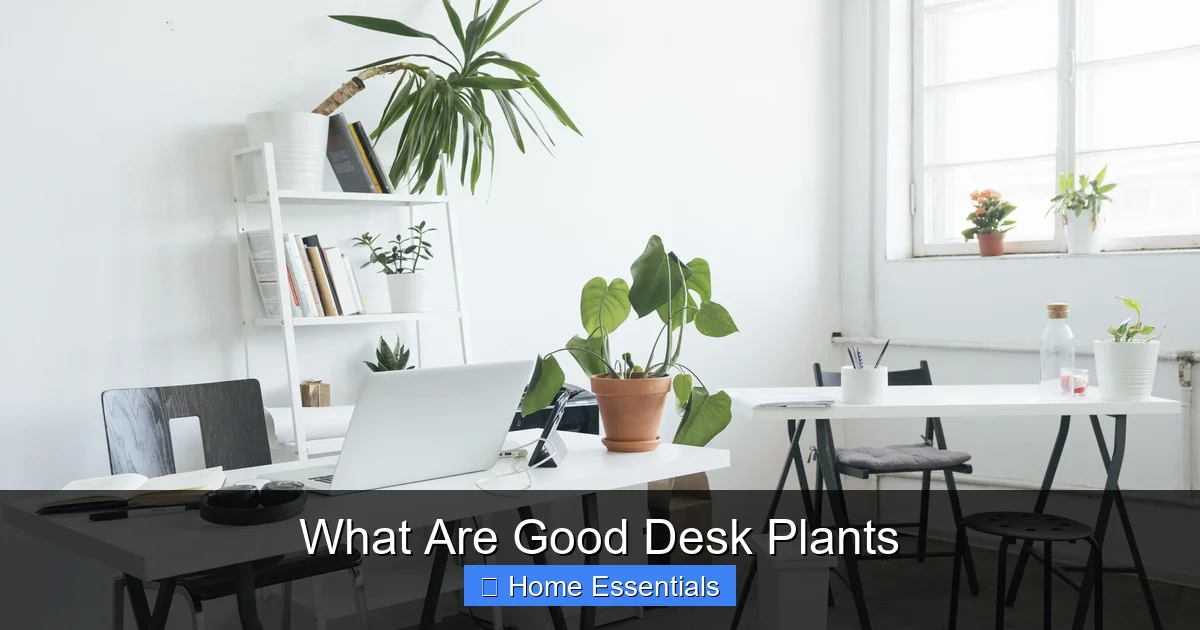
What Are Good Desk Plants
Bringing a touch of nature to your desk is a simple yet powerful upgrade. The right desk plant can purify the air, reduce stress, and boost your focus without demanding high maintenance. Good desk plants are typically tolerant of indoor conditions, require minimal watering, and fit comfortably in small spaces. Top contenders include the nearly indestructible Snake Plant, the trailing Pothos, and the resilient ZZ Plant. With a little know-how, you can select and care for a leafy companion that thrives alongside your daily tasks.
Key Takeaways
- Air Purification is Key: Many desk plants, like the Snake Plant and Peace Lily, are proven by NASA studies to filter common volatile organic compounds (VOCs) from indoor air, creating a healthier micro-environment at your workstation.
- Low Light Tolerance is Crucial: Most offices and home desks lack abundant sunlight. Prioritize plants that thrive in low to medium indirect light, such as the Cast Iron Plant or Pothos, to ensure success.
- Low Maintenance Wins: Forgetting to water occasionally is a common reality. Opt for plants with drought-tolerant traits, like succulents (Jade Plant) or those with rhizomes (ZZ Plant), that store water and forgive lapses in care.
- Safety First: If you have pets or small children, always check a plant’s toxicity. Opt for non-toxic varieties like the Spider Plant, Boston Fern, or African Violet to keep your household safe.
- Size and Growth Matter: Consider the mature size of the plant. A fast-growing vine like Pothos will need occasional pruning to stay desk-appropriate, while a slow-growing Snake Plant will stay compact for years.
- Proper Potting is Non-Negotiable: A pot without a drainage hole is a recipe for root rot. Always choose containers with holes and use well-draining potting mix, not garden soil, to keep roots healthy.
- It’s About the Benefits, Not Perfection: The goal is to enjoy the presence of greenery. A slightly imperfect but thriving plant offers more mental health benefits than a “perfect” but high-stress specimen that demands constant attention.
📑 Table of Contents
- Why Your Desk Deserves a Plant: More Than Just Decor
- The Golden Criteria: What Makes a Plant “Good” for Your Desk?
- Top 6 Good Desk Plants for Every Workspace
- Essential Care Guide: Keeping Your Desk Plant Thriving
- Common Desk Plant Mistakes (And How to Avoid Them)
- Styling Your Desk: Integrating Plants into Your Workspace Aesthetic
- Conclusion: Your Green Desk Awaits
Why Your Desk Deserves a Plant: More Than Just Decor
Let’s be honest. Your desk is where you spend a huge chunk of your life. It’s your command center, your creative hub, your battlefield against deadlines. Surrounding this space with sterile, artificial light and piles of paper can feel… well, draining. Introducing a living plant is one of the easiest and most rewarding ways to transform your desk from a purely functional space into a sanctuary that supports your well-being. We’re not just talking about a cute aesthetic (though that’s a fantastic bonus). The benefits of a good desk plant are deeply rooted in science and psychology.
Studies have consistently shown that interacting with plants in indoor spaces can lead to significant reductions in stress and anxiety. The mere presence of greenery has a calming effect on the nervous system. Furthermore, plants are natural air purifiers. They absorb carbon dioxide and release oxygen, but their real magic lies in their ability to filter out volatile organic compounds (VOCs) like formaldehyde, benzene, and trichloroethylene—common pollutants emitted from office furniture, electronics, and cleaning supplies. A 1989 NASA study famously cataloged the air-cleaning abilities of common houseplants, and many of those top performers are perfect for a desk. On a cognitive level, research suggests that plants in the workplace can enhance concentration, memory, and overall productivity by up to 15%. A little pocket of nature on your desk can be a focal point for brief, restorative breaks, helping to combat mental fatigue.
So, what makes a plant “good” for this specific role? It’s a combination of hardiness, size, and care requirements that align with the typical desk environment. The ideal candidate thrives in the often-low light of an office, tolerates the dry air from heating and cooling systems, and doesn’t demand a complex watering schedule. It should be compact, non-toxic if pets are around, and resilient enough to handle the occasional missed watering or dusty leaf. Finding these champions is easier than you think, and the payoff for your daily work life is immense.
The Golden Criteria: What Makes a Plant “Good” for Your Desk?
Before we dive into our top picks, it’s essential to understand the selection framework. Not every beautiful houseplant is suited for the unique micro-climate of a desk. Using these criteria as your checklist will save you from the disappointment of a wilting companion.
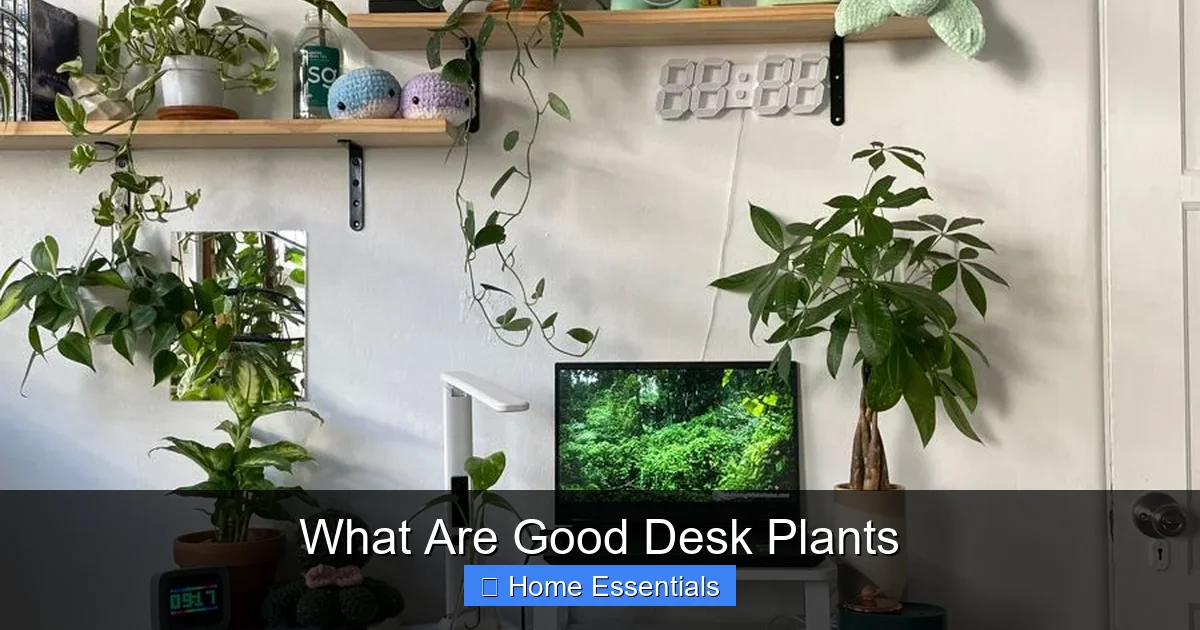
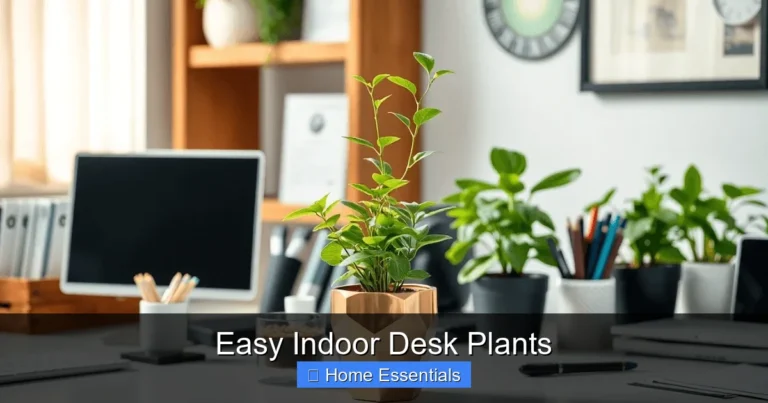
Visual guide about What Are Good Desk Plants
Image source: i.pinimg.com
Light Requirements: The Non-Negotiable Factor
Desk lighting is, by definition, limited. Unless your desk is pressed against a bright south-facing window, you’re likely dealing with low to medium indirect light. The single biggest reason desk plants die is because their light needs are misunderstood. Always prioritize plants labeled as “low-light” or “medium-light” tolerant. These species have adapted to grow under the canopy of larger trees in their native habitats, making them perfect for the filtered, artificial light of an indoor workspace. Avoid plants that require “bright, direct light” (like most succulents and cacti) unless your desk gets several hours of direct sun daily.
Watering and Humidity: The Forgotten Variables
Office and home environments are notoriously dry, especially in winter. Many tropical plants crave humidity, which is hard to maintain on a desk without constant misting. Opt for plants that are comfortable in average room humidity (around 40-50%). More critical is the watering routine. Overwatering is the #1 killer of indoor plants. Look for plants that prefer to dry out completely between waterings. Succulents and plants with rhizomes (underground stems) or thick, fleshy leaves are excellent at storing water, making them very forgiving if you forget a watering or two. A pot with a drainage hole is absolutely mandatory to prevent waterlogged roots.
Size, Growth Habit, and Toxicity
A desk is a finite space. Consider the plant’s mature height and spread. A slow-growing, upright plant like a Snake Plant is a great anchor. A fast-growing vine like a Pothos will need regular pruning to stay within bounds. Also, think about the form: a trailing plant can add dimension if placed on a high shelf, while a bushy, upright plant can frame your monitor. Finally, and most importantly, check toxicity. The ASPCA database is an invaluable resource. If you have cats, dogs, or small children, avoid common toxic plants like the Peace Lily, Pothos, and Snake Plant. For pet-friendly homes, safe options include the Spider Plant, Boston Fern, and African Violet. It’s always better to be safe than sorry.
Top 6 Good Desk Plants for Every Workspace
Armed with your criteria, let’s meet the stars of the desk plant world. These selections are celebrated for their resilience, appropriate size, and proven air-purifying abilities.
1. The Indestructible Survivor: Snake Plant (Sansevieria / Dracaena trifasciata)
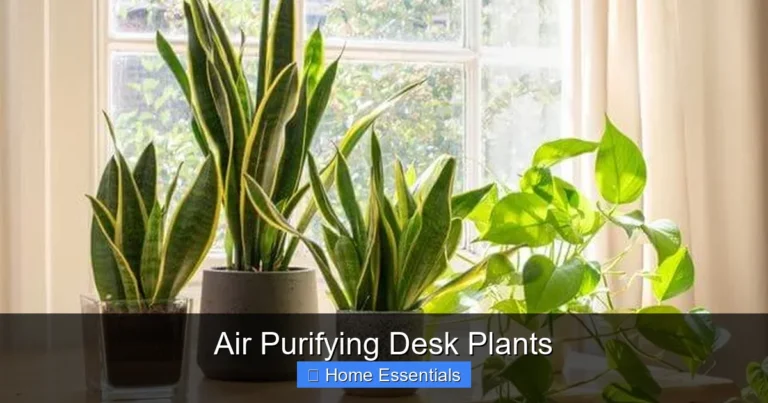
If you could only buy one desk plant, make it the Snake Plant. It is the undisputed champion of low-light tolerance and drought survival. With its striking, upright, sword-like leaves often edged in yellow or silver, it adds a modern, architectural touch. It thrives on neglect—water only once every 3-6 weeks when the soil is completely dry. It’s a top NASA-ranked air purifier, working tirelessly to remove toxins like formaldehyde and benzene. Important Note: It is toxic to pets if ingested, so keep it out of reach of cats and dogs. Its ability to perform CAM photosynthesis (releasing oxygen at night) is a fun bonus, but for desk use, its daytime hardiness is the real selling point.
2. The Effortless Trailer: Golden Pothos (Epipremnum aureum)
The quintessential “devil’s ivy” is famous for a reason: it’s almost impossible to kill. Its heart-shaped, variegated leaves in shades of green and gold cascade beautifully. It’s incredibly adaptable, growing in low light to bright indirect light. Water when the top inch of soil is dry. It’s a fast grower, so you can easily propagate cuttings in water to create new plants for other desks or shelves. Like the Snake Plant, it’s a powerful air purifier. Important Note: It is toxic to pets. Its trailing habit makes it perfect for a high bookshelf behind your desk or a hanging pot, allowing the vines to drape down without taking up desktop real estate.
3. The Drought-Defying Wonder: ZZ Plant (Zamioculcas zamiifolia)
Look at a ZZ Plant’s glossy, dark green, oval-shaped leaves on graceful, arching stems, and you might think it’s a high-maintenance diva. The opposite is true. This native of East Africa stores water in potato-like rhizomes underground, making it supremely drought-tolerant. It can survive months without water and thrives in low to medium indirect light. It’s a slow grower, so it stays a perfect desktop size for years. Its waxy coating helps it retain moisture and repel dust. It’s non-toxic to humans and pets, making it a safe choice for any household. For the truly forgetful waterer, the ZZ Plant is your soulmate.
4. The Pet-Friendly Powerhouse: Spider Plant (Chlorophytum comosum)
Classic, charming, and incredibly safe. The Spider Plant is a non-toxic, low-maintenance superstar that produces “babies” (plantlets) on long stems, which you can snip off and pot to grow new friends. It prefers medium indirect light but tolerates lower light. Water when the top half of the soil is dry. It’s a fantastic air purifier, particularly effective at removing formaldehyde and xylene. Its grassy, arching clump of striped leaves adds a soft, dynamic texture. It’s the perfect plant for a home office with pets or kids, offering all the benefits with zero toxicity risk.
5. The Compact & Quirky Choice: Peperomia (Peperomia spp.)
This huge genus offers dozens of varieties, but all share traits that make them ideal desk plants: they are compact, slow-growing, and have thick, fleshy leaves that store water, making them drought-tolerant. Popular varieties include the Watermelon Peperomia (with its striking oval, striped leaves), the Papery Peperomia (with crinkled, textured leaves), and the Baby Rubber Plant (with thick, succulent-like leaves). They thrive in medium to low indirect light and need water only when the soil is mostly dry. They come in diverse forms—some are upright, some are trailing—and are generally non-toxic to pets, but always double-check your specific variety. Their unique textures and forms make them conversation starters.
6. The Bold Statement: Cast Iron Plant (Aspidistra elatior)
True to its name, this plant is tough as nails. It earned its nickname by surviving the neglect of Victorian-era homes with poor lighting. It has long, dark green, strappy leaves that arch gracefully from the soil. It is the ultimate low-light champion, tolerating deep shade where other plants would perish. It’s also very tolerant of irregular watering and dry air. It’s a slow, clump-forming grower that will stay neatly contained on your desk for a long time. It’s non-toxic and a powerful air purifier. If your desk is in a dim corner, the Cast Iron Plant will not just survive; it will quietly, stoically thrive, providing a deep, calming green presence.
Essential Care Guide: Keeping Your Desk Plant Thriving
Choosing the right plant is step one. Step two is providing the basic care that ensures it lives a long, healthy life on your desk. The rules are simple, and they apply to almost all the plants listed above.
The Art of Watering: Less is Almost Always More
This is the most common point of failure. The mantra for most desk plants is: dry out between waterings. Never water on a fixed schedule (e.g., every Monday). Instead, use the finger test. Insert your index finger into the soil up to the first knuckle. If it feels completely dry, it’s time to water. If it’s still moist, wait. When you do water, water thoroughly until water runs out the drainage hole, then immediately discard any excess water from the saucer. This ensures the entire root ball is hydrated and flushes out salts. In winter, when growth slows, you’ll water even less frequently.
Light: Understanding “Indirect”
“Indirect light” means the plant is near a light source but not in the direct path of its rays. A few feet away from an east or west-facing window is ideal. A north-facing window provides gentle, consistent indirect light. South-facing windows are very strong; place the plant where the sunbeams don’t hit it directly, or use a sheer curtain. If you have no natural light, a standard desk lamp with an LED bulb placed a foot or two from the plant for 8-10 hours a day can suffice. Rotate your plant a quarter turn every few weeks to ensure even growth and prevent it from leaning toward the light source.
Feeding, Cleaning, and Repotting
Feeding is minimal. Use a balanced, water-soluble houseplant fertilizer at half or quarter strength, only during the spring and summer growing season (once a month is plenty). Do not fertilize in fall and winter. Dust buildup on leaves blocks light and hinders photosynthesis. Gently wipe leaves with a damp microfiber cloth every month or two. This simple act also lets you inspect for pests. Repotting is needed only when the plant becomes root-bound (roots circling the pot or poking out drainage holes), typically every 1-2 years. Go up only one pot size (e.g., from a 4″ to a 6″ pot) and use fresh, well-draining potting mix.
Common Desk Plant Mistakes (And How to Avoid Them)
Even with the best intentions, it’s easy to fall into these traps. Knowing them is half the battle.
Mistake 1: The “Love-Handle” Watering (Overwatering)
You think you’re being a good plant parent by watering frequently. In reality, constantly soggy soil suffocates roots, leading to root rot—the silent killer. Symptoms include yellowing leaves, mushy stems, and a general decline. Solution: Always check soil moisture first. When in doubt, wait another few days. Ensure your pot has a drainage hole. If you suspect root rot, gently remove the plant, trim away any black, mushy roots, and repot in fresh, dry soil.
Mistake 2: The “Forgotten Corner” (Light Deprivation)
Placing a plant in a truly dark corner, even a “low-light” tolerant one, will cause it to become leggy (stretching weakly toward light), pale, and eventually drop leaves. No plant can survive without *some* light. Solution: Assess your desk’s light honestly. If it’s a deep shade, choose the most tolerant options like the Cast Iron Plant or ZZ Plant. Consider supplementing with a small, dedicated energy-efficient LED grow light that you can plug in near your desk. Modern smart bulbs can even be scheduled to provide consistent light cycles.
Mistake 3: The “One-Size-Fits-All” Approach
Treating all your plants the same way is a sure path to trouble. A succulent and a fern have opposite needs. Solution: Group plants with similar water and light needs together on your desk. Your Snake Plant and ZZ Plant can be on a “water-maybe-once-a-month” schedule together, while a more thirsty friend (like a Peace Lily, if you have one) would need its own separate care routine. Read the care tag that comes with your plant and treat it as your primary guide.
Styling Your Desk: Integrating Plants into Your Workspace Aesthetic
A desk plant shouldn’t feel like an afterthought. Thoughtful placement can enhance your desk’s function and style.
Consider the Form and Function
An upright, narrow plant like a Snake Plant is perfect for a corner behind your monitor, adding height without clutter. A trailing Pothos in a hanging pot beside your desk creates a soft, green curtain. A bushy Spider Plant can sit on a stand next to your computer. Match the pot to your decor—a sleek white ceramic pot for a modern desk, a rustic terracotta for a cozy study. Ensure the pot is proportional to the plant; a tiny plant in a huge pot looks awkward and holds excess moisture.
Create a Mini-Ecosystem
Don’t just have one lonely plant. Create a small cluster of 2-3 plants with varying heights and textures. A tall Snake Plant, a mid-sized Peperomia, and a small trailing plant in a dish garden can create a miniature landscape. This grouping also helps maintain humidity locally as plants release moisture. Just ensure the entire group still receives adequate light for the most demanding member.
Mind the Practicalities
Place plants where they won’t be easily knocked over by a flailing arm or a stack of books. Avoid placing water-sensitive electronics directly beneath a plant that might drip. Consider a small, waterproof saucer under any pot. If you have a standing desk, ensure your plant’s pot is stable and won’t slide when the desk moves. The goal is to make the plant a seamless, beneficial part of your workflow, not a hazard or a constant worry.
Conclusion: Your Green Desk Awaits
Incorporating a good desk plant is one of the simplest, most affordable, and most impactful upgrades you can make to your personal workspace. It’s a small act of self-care that pays daily dividends in cleaner air, reduced stress, and a more pleasant, inspiring environment. The key is starting with the right plant for your specific conditions—prioritizing low light tolerance and low maintenance. From the architectural Snake Plant to the cheerful Spider Plant, there is a perfect green companion out there for every desk and every level of plant experience. Don’t overthink it. Choose one from our list, pot it in a drainage-holed container with good soil, place it in the best light you have, and water it only when the soil is dry. Then, step back and watch it transform your workday, one quiet, photosynthesizing moment at a time. Your future, more focused and serene self, will thank you.
Frequently Asked Questions
What is the absolute easiest desk plant for a beginner?
The Snake Plant (Sansevieria) and ZZ Plant are the top contenders for easiest. Both tolerate very low light, can go weeks without water, and are very forgiving of neglect. They are nearly impossible to overwater if you let the soil dry out completely between waterings.
Can I put a desk plant in a pot without a drainage hole?
It’s strongly discouraged. A pot without a drainage hole will allow water to pool at the bottom, inevitably leading to root rot, the most common cause of houseplant death. Always choose a pot with a hole, or use a nursery pot with holes placed inside a decorative cachepot, which you empty after watering.
How often should I actually water my desk plant?
There is no set schedule. The only reliable method is to check the soil. For most low-light desk plants, water only when the top 1-2 inches of soil are completely dry. This could mean watering every 2-4 weeks in summer and even less in winter. Stick your finger in the soil—it’s the best tool you have.
Are desk plants really worth it for air quality?
Yes, but with perspective. While a single plant won’t replace an air purifier, multiple plants in a closed space can measurably reduce VOCs and CO2 levels. The NASA study used a high density of plants (one per 10 square feet). For a personal desk, the air-purifying effect is a valuable bonus, but the primary benefits are psychological—stress reduction and improved mood.
What soil should I use for my desk plant?
Never use garden soil from outside, as it’s too dense and can contain pests. Always use a high-quality, well-draining potting mix formulated for indoor plants. For extra drainage, you can mix in 20-30% perlite or orchid bark with standard potting soil, especially for succulents or Snake Plants.
My desk plant has brown tips on its leaves. What’s wrong?
Brown leaf tips are usually a sign of low humidity or inconsistent watering (alternating between bone dry and soggy). Offices and heated homes are dry. Try misting the plant occasionally or placing it on a pebble tray with water (ensure the pot bottom isn’t sitting in the water). Also, double-check your watering routine—are you letting it dry out enough between drinks? Fluoride in tap water can also cause tip burn; try using filtered or rainwater.