Good Desk Plants for Work
Bringing a touch of nature to your desk is a simple, powerful way to enhance your work environment. The right plants can filter airborne toxins, reduce stress, and sharpen focus, making them essential tools for a productive day. This guide cuts through the noise to present truly low-maintenance, space-friendly options that thrive in office conditions. From nearly indestructible snake plants to trailing pothos, you’ll find the perfect green companion to transform your workspace into a more vibrant, healthy, and inspiring place.
Have you ever felt that afternoon slump, staring at a blank screen surrounded by sterile walls and fluorescent lights? What if the solution to that mental fog was sitting right on your desk? I’m not talking about another cup of coffee (though that helps too). I’m talking about a living, breathing, silent partner in your productivity: a good desk plant for work.
For years, I bounced between sterile, plant-less offices and home desks that felt more like a command center than a creative space. It wasn’t until I experimented with adding a single, tough little succulent that I noticed a shift. The simple act of caring for something else, of seeing a new leaf unfurl, provided a tiny, daily victory. It made the space feel mine. That small experiment launched a deep dive into finding the best plants—ones that don’t just survive but actually thrive in the unique, often challenging, environment of a desk. This isn’t about becoming a botanist; it’s about finding easy, effective ways to use nature to improve your 9-to-5 (or 5-to-9).
We’re going to cut through the overwhelm. Forget the finicky ferns that wilt if you look at them wrong. We’re focusing on resilient, beneficial, and genuinely low-maintenance plants that are perfect for your workspace. Whether your desk is in a sun-drenched corner or a dim cubicle, there’s a perfect green mate waiting for you. Let’s dig in.
Key Takeaways
- Improved Air Quality: Many desk plants, like the Peace Lily and Snake Plant, are proven by NASA studies to remove common volatile organic compounds (VOCs) from indoor air, creating a healthier breathing environment.
- Stress & Anxiety Reduction: The presence of greenery lowers cortisol levels and blood pressure, providing a natural mental break that combats the fatigue and anxiety of long work hours.
- Boosted Productivity & Creativity: Studies show that plants in workspaces can increase productivity by up to 15% and enhance creative problem-solving by introducing natural elements that stimulate the brain.
- Low-Maintenance is Key: The best desk plants for work are resilient, forgiving of occasional neglect, and require minimal watering and pruning to survive typical office conditions.
- Light Conditions Dictate Choice: Assess your desk’s light first. Low-light tolerant plants (ZZ Plant, Pothos) are ideal for windowless spaces, while brighter spots can support succulents or herbs.
- Safety First: If you have pets or small children, prioritize non-toxic varieties like Spider Plants, Boston Ferns, or African Violets, and always check toxicity lists before purchasing.
- Start Small: Begin with one manageable plant to build confidence. Success with a single, hardy plant is better than overwhelming yourself with a high-maintenance collection.
📑 Table of Contents
Why Your Desk Desperately Needs a Plant (It’s Not Just for Decor)
Before we talk about which plant, let’s get crystal clear on the why. Adding a plant to your desk is one of the highest-ROI, lowest-effort upgrades you can make to your workspace. The benefits are scientifically backed and immediately noticeable.
The Science-Backed Power of a Single Potted Friend
Way back in 1989, NASA conducted a landmark study to find ways to purify air in sealed space stations. The results? A specific list of common houseplants that are exceptionally good at removing harmful toxins like benzene, formaldehyde, and trichloroethylene from the air. These are the same VOCs emitted by paints, furniture, and office equipment. Plants like the Peace Lily, Snake Plant, and Spider Plant are top performers. By bringing one of these natural air filters to your desk, you’re literally breathing easier.
Beyond air, the psychological impact is profound. The theory of Biophilia suggests we have an innate tendency to seek connections with nature. In a space devoid of natural elements, we experience mental fatigue. A plant provides a point of soft fascination—a gentle, non-demanding visual break. Looking at a plant for just 40 seconds can help restore focus and reduce stress. It’s a micro-meditation you don’t have to schedule. Furthermore, a well-tended plant signals to your brain that you care for your environment, which can subconsciously boost your own sense of well-being and ownership over your work.
Productivity & Creativity: The Unexpected Perks
Multiple studies, including research from the University of Exeter, have found that bringing plants into a workplace can increase productivity by 15% and improve employees’ perceived air quality. Why? The combination of better air, reduced stress, and a more aesthetically pleasing environment creates a cognitive environment where people feel more energized and capable.
Creativity gets a boost, too. The presence of natural elements can encourage more flexible thinking and problem-solving. A plant on your desk isn’t a distraction; it’s an inspiration tool. It breaks the monotony of a screen and a notepad, offering a different texture, shape, and color that can spark new neural connections. When you’re stuck on a problem, a glance at your thriving desk plant can provide the mental reset needed to see the solution from a new angle.
The All-Star Roster: Top Good Desk Plants for Work
Now for the fun part. We’ve curated this list based on three non-negotiable criteria for a desk plant: tolerance for low/fluorescent light, forgiving watering schedules, and compact or manageable growth habit. These are the champions of the cubicle and home office.

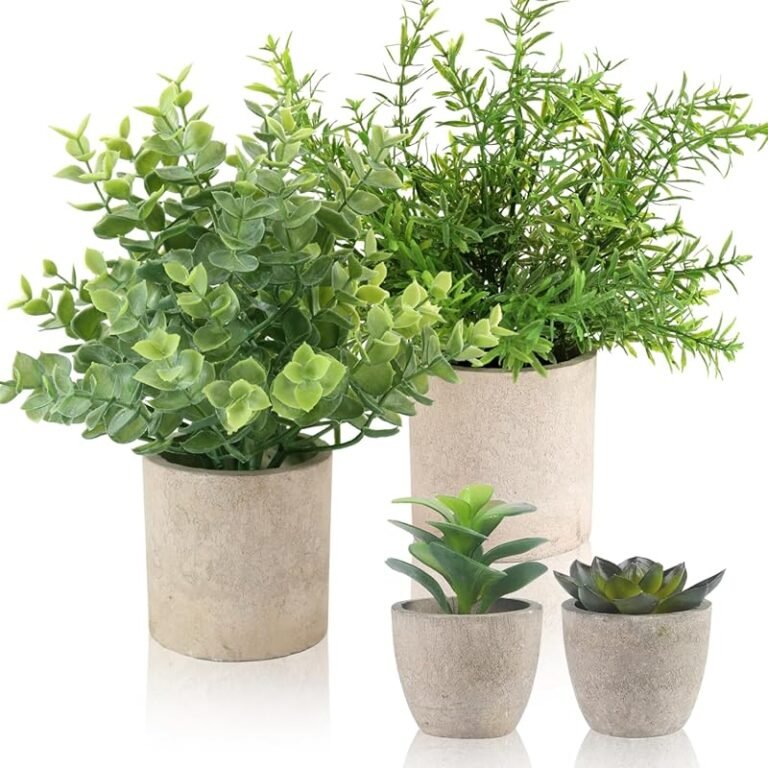
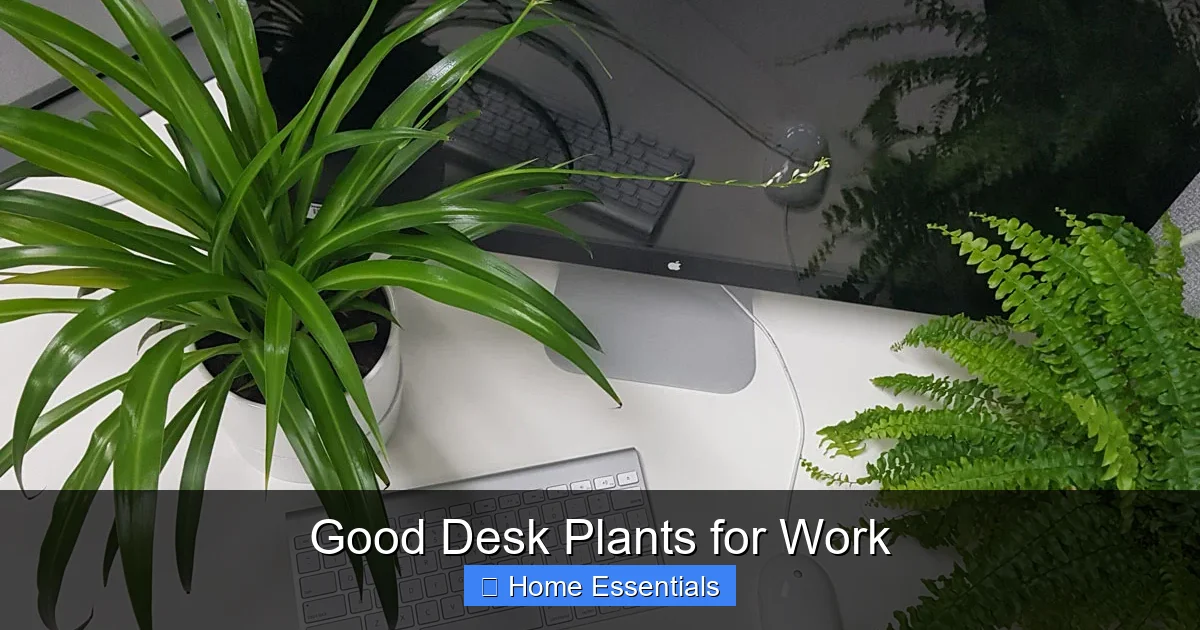
Visual guide about Good Desk Plants for Work
Image source: i.ytimg.com
The Indestructible Trio: For the Forgetful or the Busy
If your watering can is more of a forgotten accessory, start here. These plants are nearly impossible to kill and thrive on neglect.
- Snake Plant (Sansevieria trifasciata): The undisputed heavyweight champion of low-light, low-water survival. Its stiff, architectural leaves come in various shades of green and yellow. It’s a phenomenal air purifier, especially at night, and you can literally forget it for a month and it’ll be fine. Perfect for a dark corner or a desk that only gets artificial light. Pro tip: underwatering is always better than overwatering for this guy.
- ZZ Plant (Zamioculcas zamiifolia): With its glossy, dark green leaflets on graceful stems, the ZZ plant looks elegant but is tougher than a $2 nail. It stores water in its potato-like rhizomes, so it can go long periods without a sip. It tolerates low light brilliantly and rarely needs repotting. A great choice if you want something that looks lush but requires almost zero effort.
- Cast Iron Plant (Aspidistra elatior): Living up to its name, this plant withstands low light, irregular watering, and general neglect. It produces long, dark green leaves from the soil. It’s slow-growing and unassuming, making it a perfect, no-fuss background player on your desk.
The Air-Purifying Powerhouses: Breathe Easy at Your Desk
These plants are on the NASA list for a reason. They work hard to clean your immediate airspace.
- Peace Lily (Spathiphyllum): The classic office plant for good reason. It tolerates low light and even *tells* you when it’s thirsty by dramatically drooping its leaves. It produces beautiful white blooms (spathes) and is excellent at removing common VOCs. Note: It is toxic to pets if ingested.
- Spider Plant (Chlorophytum comosum): Another NASA all-star. It’s incredibly adaptable, produces cute “babies” (pups) on long stems that you can propagate, and is very non-toxic. It likes bright, indirect light but will tolerate less. Great for a hanging basket off a shelf or a tall desk.
- Pothos (Epipremnum aureum): The ultimate trailing vine. It comes in golden, marble queen, or neon varieties. It grows vigorously in bright light but is perfectly content in lower light. It’s a top air purifier and is incredibly easy to propagate—just snip a stem and put it in water. Let it trail down the side of your desk or train it onto a small trellis.
The Compact & Colorful: For a Little Visual Pizzazz
If you want something with more personality or color, these compact options deliver without demanding much space.
- Chinese Evergreen (Aglaonema): This is a superstar for low-light desks. It comes in countless varieties with stunning silver, red, or pink variegation on its leaves. It’s slow-growing, extremely tolerant, and adds a pop of color without needing a south-facing window. Water when the top inch of soil is dry.
- Peperomia (Various Species): A large genus of small, often succulent-like plants. Varieties like the Watermelon Peperomia (with its striking oval leaves) or Peperomia Obtusifolia (with waxy, dark green leaves) are compact, slow-growing, and come in diverse patterns. They prefer brighter light but are quite adaptable and have shallow root systems, perfect for small desk pots.
- Burrow’s Tail Sedum (Sedum morganianum): If you have a spot with a little more sun (like a south or west window), this trailing succulent is a charming, low-water option. Its plump, blue-green leaves form long, braided-looking stems. It needs infrequent, deep watering and excellent drainage. A great counterpoint to your other foliage plants.
Caring for Your Desk Plants: A No-Stress Guide
You’ve chosen your plant. Now, how do you keep it alive without turning it into a second job? The secret is understanding three things: water, light, and soil. Get these basics right, and you’re 90% of the way there.
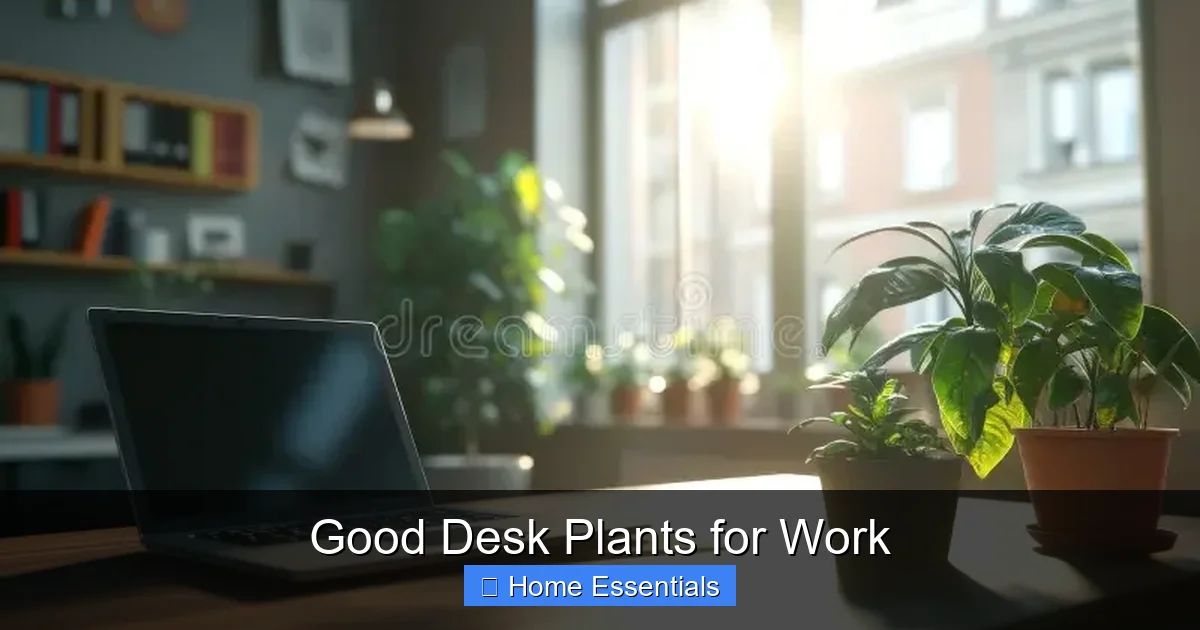
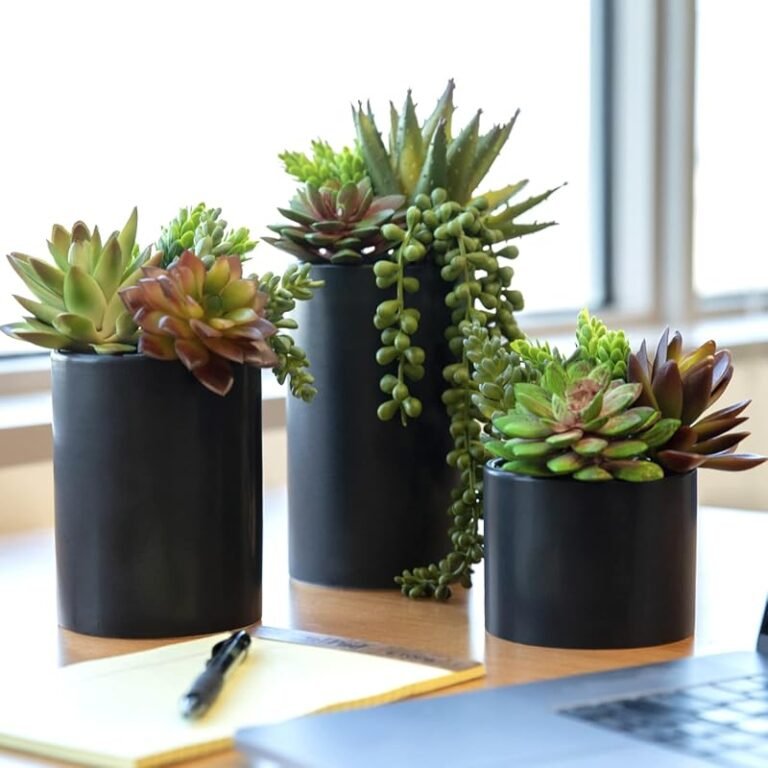
Visual guide about Good Desk Plants for Work
Image source: thumbs.dreamstime.com
Watering: The #1 Killer (It’s Usually Overwatering)
This is the most common mistake. Office plants don’t need as much water as you think. The goal is to let the soil dry out partially between waterings. Here’s the foolproof method: stick your finger into the soil up to your first knuckle. If it feels dry, it’s time to water. If it’s still moist, wait a few more days. When you do water, water thoroughly until it runs out the drainage hole, then let it drain completely. Never let the plant sit in a saucer full of water. For most desk plants, this means watering anywhere from once every 1-3 weeks, depending on the plant and your environment. A neglected Snake Plant is happier than an over-loved Peace Lily.
Light: Understanding Your Desk’s “Sunlight Budget”
Light is food for plants. Assess your desk honestly:
- Low Light: No direct sun, several feet from a window, or only artificial office light. This is the domain of Snake Plants, ZZ Plants, Cast Iron Plants, and Chinese Evergreens.
- Medium/Bright Indirect Light: A spot near an east or north-facing window, or a few feet from a south/west window where the sun doesn’t blast the leaves directly. Most of our list (Pothos, Peperomia, Spider Plant) does best here.
- Direct Sun: A south or west-facing window where the sun’s rays hit the plant for several hours a day. Only succulents like the Burrow’s Tail or herbs will thrive here. Most desk plants will scorch in direct sun.
If your light is low, don’t fight it. Choose a plant that tolerates it. You can also consider using a small, dedicated grow light to supplement. This is where smart home tech can actually help your plants! A simple smart bulb on a timer can provide consistent, full-spectrum light for 8-12 hours a day, mimicking ideal conditions. You can even use voice-activated smart bulbs to control it hands-free. It’s a great way to support a plant in a truly dark office.
Soil & Fertilizer: Keep It Simple
Use a standard, well-draining potting mix. You don’t need special “desk plant” soil. The key is that the pot has a drainage hole. Fertilizer is not a daily requirement. During the spring and summer (the growing season), feed with a balanced, water-soluble fertilizer diluted to half the recommended strength, once a month. In fall and winter, stop fertilizing entirely. Less is more.
Designing Your Desk Oasis: Aesthetics & Space Planning
Your plant is a design element. A little thought goes a long way in making it look intentional and chic, not cluttered.
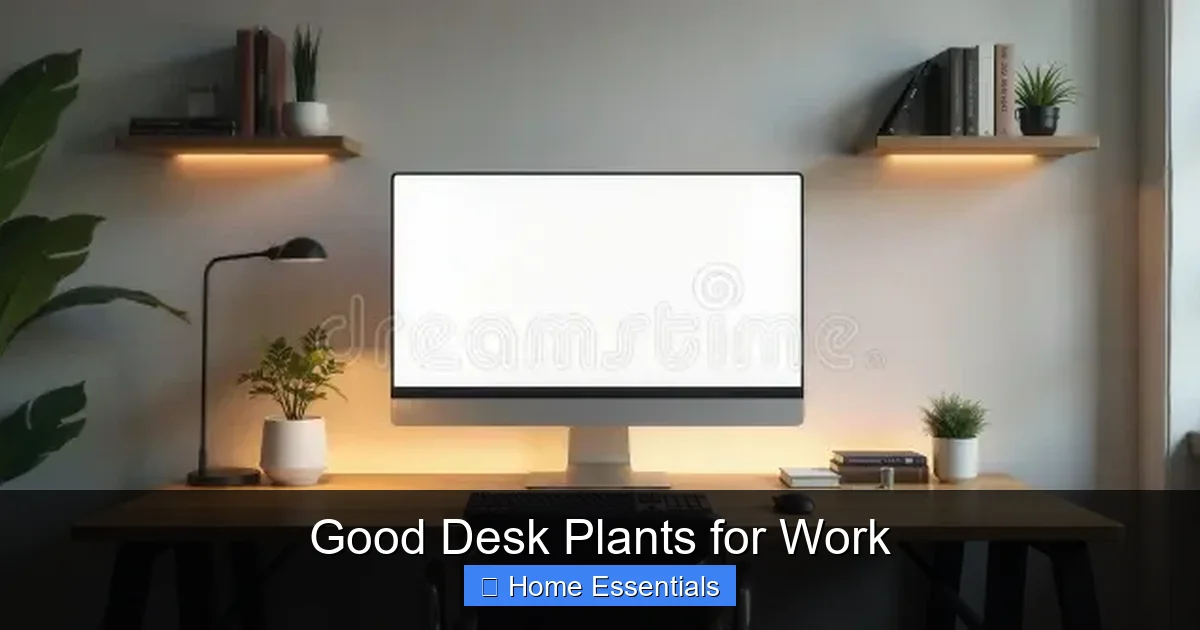
Visual guide about Good Desk Plants for Work
Image source: thumbs.dreamstime.com
Pot Matters: Style Meets Function
The pot is the plant’s outfit. Choose something that matches your desk aesthetic—modern ceramic, rustic terracotta, sleek concrete. Non-negotiable: It must have a drainage hole. If you fall in love with a pot without one, use it as a cachepot: plant your plant in a plastic nursery pot with drainage, and then slip that pot inside the decorative one. Just remember to empty any excess water from the cachepot after watering.
Scale & Grouping: Big Impact in Small Spaces
On a standard desk, one statement plant (like a mature Snake Plant in a nice pot) or a small cluster is perfect. Avoid crowding. A good rule is the “rule of three” for grouping: use plants of varying heights and textures (e.g., a tall Snake Plant, a mounding Peperomia, and a trailing Pothos). This creates visual interest. If your desk is very small, consider a hanging plant (Spider Plant) mounted on the wall beside you or a tiny terrarium.
Beyond the Desk: Integrating Greenery into Your Work Ritual
Make plant care part of your workflow. The 5 minutes you spend checking soil moisture, wiping a dusty leaf with a damp cloth, or trimming a yellowing leaf is a mindful break. It gets you away from the screen and connects you to a living thing. You can even pair it with another healthy habit—do your plant check right after your morning coffee or before your afternoon walk. It becomes a positive cue in your workday routine.
Common Mistakes (And How to Avoid Them)
Even with the hardiest plants, pitfalls exist. Here’s how to sidestep them.
Mistake 1: The “Weekly Watering” Schedule
Watering on a fixed calendar is a death sentence. The soil’s dryness depends on light, temperature, and season. Always check the soil first. In winter, most plants need water far less frequently.
Mistake 2: Ignoring the “Drainage Hole” Rule
A pot without drainage leads to root rot—a silent killer. The roots sit in water, suffocate, and rot. You won’t see the problem until the plant suddenly collapses. Always, always use pots with holes or the cachepot method.
Mistake 3: Misreading Light
“Low light” does not mean “no light.” All plants need some light to photosynthesize. A truly dark corner with no windows and no artificial light will kill even a Snake Plant eventually. If your space is that dark, a battery-operated or plug-in smart bulb on a timer is a necessary investment for plant survival.
Mistake 4: Forgetting to Clean the Leaves
Dust builds up on leaves and blocks light absorption. Once a month, gently wipe leaves with a damp microfiber cloth. This simple act helps your plant breathe and photosynthesize more efficiently. It also makes it look shiny and healthy! Speaking of cleaning, keep a good microfiber duster for electronics nearby to keep your monitor and keyboard dust-free alongside your plant.
The Final Leaf: Bringing It All Together
Your desk is your personal command center, your creative hub, your daily headquarters. It should be a place that energizes and supports you. Adding a single, well-chosen desk plant is a tiny act of self-care that pays massive dividends in air quality, mood, and mental clarity. It’s the opposite of a chore; it’s a living accessory that grows with you and your work.
Don’t overthink it. Look at your desk’s light, pick one plant from the “Indestructible Trio” that speaks to you, get it a pot with a drainage hole, and commit to the finger-test for watering. That’s it. You’ve now upgraded your workspace. Watch what happens. You might just find yourself looking forward to Monday mornings, all because of a little green life quietly photosynthesizing beside your keyboard.
Frequently Asked Questions
What is the absolute easiest desk plant for a beginner to keep alive?
The Snake Plant is widely considered the most foolproof. It thrives on neglect, tolerates very low light, and only needs water every few weeks. It’s nearly impossible to overwater if you let the soil dry out completely between waterings.
How often should I actually water my desk plant?
Forget a fixed schedule. The only reliable method is to check the soil. Insert your finger about an inch deep. If the soil feels dry, water thoroughly. If it’s still moist, wait. Most desk plants need water anywhere from once a week to once a month, depending on the plant and your office’s temperature and humidity.
Are desk plants safe if I have cats or dogs?
Many common desk plants are toxic to pets if ingested. Always check the ASPCA’s toxic plant list before bringing a plant home. Safe, non-toxic options for pet owners include Spider Plants, Boston Ferns, African Violets, and some varieties of Peperomia. Keep plants out of reach if you’re unsure.
Can I keep a plant on my desk if there’s no natural light?
Yes, but you must choose the right plant. Snake Plants, ZZ Plants, and Cast Iron Plants can survive under standard fluorescent office lights for years. For long-term health and growth, consider adding a small, dedicated full-spectrum smart bulb on a timer to provide the light spectrum plants need.
What kind of soil should I use for a desk plant?
A standard, high-quality indoor potting mix is perfectly fine. The most important factor is that your pot has a drainage hole to prevent waterlogging and root rot. You can mix in a bit of perlite (about 10-20%) to improve drainage, but it’s not essential for the most tolerant varieties.
My plant is growing too big for my desk. What should I do?
First, don’t panic. You have a few options: 1) Prune it back with clean scissors to maintain size. 2) Propagate it! Many plants like Pothos, Spider Plants, and Peperomia can be easily propagated from cuttings in water or soil, giving you new baby plants to share or keep. 3) Gift the larger plant to a sunnier spot in your home and start fresh with a smaller one on your desk.