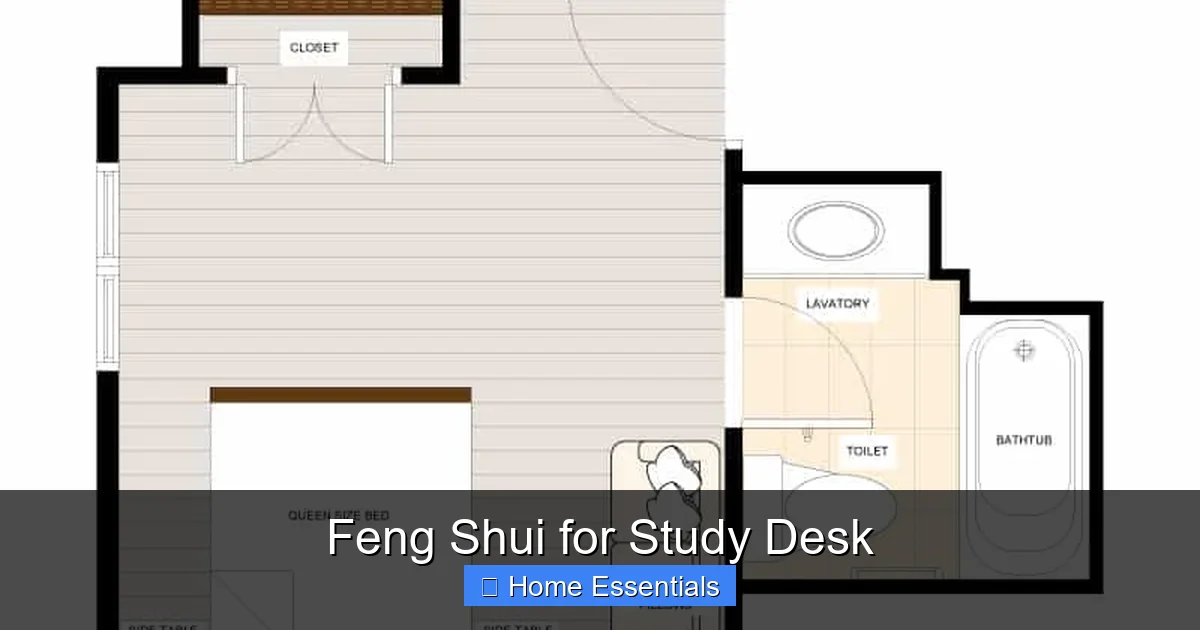
Feng Shui for Study Desk
Transform your study desk into a power zone with Feng Shui. It’s not just about aesthetics; it’s about arranging your space to support mental clarity, reduce stress, and enhance academic or professional performance. By applying simple principles like commanding position, clutter control, and mindful color choices, you can create an environment that actively works for you, not against you. Start with your desk placement and clear the chaos to feel an immediate shift in your energy and focus.
Have you ever sat down to study or work, only to feel restless, distracted, or mentally blocked? You’ve got the textbook open, the laptop on, but your brain feels like a browser with 100 tabs open. Before you blame your focus, take a look around your study space. The arrangement of your desk, the clutter, the lighting—these are all silent influencers of your mental state. This is where the ancient practice of Feng Shui comes in. Think of it as environmental psychology for your workspace. Feng Shui for study desk isn’t about mystical statues or expensive cures; it’s about smart, intentional arrangement to support your goals. It’s about creating a “power spot” where your mind can settle, your thoughts can flow, and your productivity can soar. Let’s break down how to build that perfect, focused sanctuary, starting with the most important element: where your desk lives.
Key Takeaways
- Command Position is Crucial: Position your desk so you can see the door without being directly in line with it. This subconsciously reduces anxiety and puts you in control of your space.
- Clutter is the #1 Energy Killer: A messy desk creates mental fog. Regular, mindful decluttering with simple tools is non-negotiable for clear thinking.
- Colors Have Power: Use calming, supportive colors like greens, blues, or earthy tones to soothe the mind, avoiding overly stimulating reds or chaotic patterns.
- Materials Matter: Incorporate natural elements like wood (growth), stone (stability), and metal (clarity) to balance energy. Avoid too much plastic or sharp edges.
- Lighting is Literal and Metaphorical: Prioritize natural light and use full-spectrum bulbs to mimic it. A well-lit desk symbolizes a clear, illuminated mind.
- Personalize with Intention: Add meaningful, uplifting items like a single plant or a motivational quote, but avoid excessive trinkets that become visual noise.
- Maintenance is a Practice: Feng Shui is not a one-time setup. A quick daily tidy-up and a weekly deep clean sustain positive energy flow.
📑 Table of Contents
The Command Position: Where Power Meets Peace
In Feng Shui, the “command position” is the golden rule for any important piece of furniture, especially your desk. This is the spot where you feel secure, in control, and able to see opportunities (or visitors) approach, without being startled.
Finding Your Ideal Spot
The ideal command position places your desk so that:
- You can see the room’s entrance. This allows your subconscious to relax, knowing no one can sneak up behind you. It fosters a sense of safety and authority.
- You are NOT directly in line with the door. Sitting with your back to the door, or having the door behind you, creates “attacking chi” or Sha Qi—a feeling of vulnerability that drains energy. If your back must face the door, use a small mirror on your monitor or wall to see the entrance.
- You have a solid wall behind you. This provides support—symbolic of having a solid foundation, mentorship, or stability in your studies/work. Avoid sitting with a window or a busy hallway directly behind you.
- You have space in front of you. This represents your future and allows energy to flow towards you. Don’t push your desk into a corner with no room to move.
Practical Example: If your bedroom is the study, avoid placing the desk directly opposite the bed if possible, as this can create a conflicting energy between rest and work. A better spot is along a side wall, facing into the room but angled slightly toward the door.
Clutter-Free Zone: The Mind-Clearing Imperative
If there’s one universal Feng Shui law, it’s this: clutter blocks chi (energy) and clouds the mind. A chaotic desk equals chaotic thoughts. Your study desk is a mirror of your mental landscape. Papers stacked randomly, empty cups, tangled cables, and random trinkets create visual noise that your brain must constantly process, leading to mental fatigue and reduced concentration.
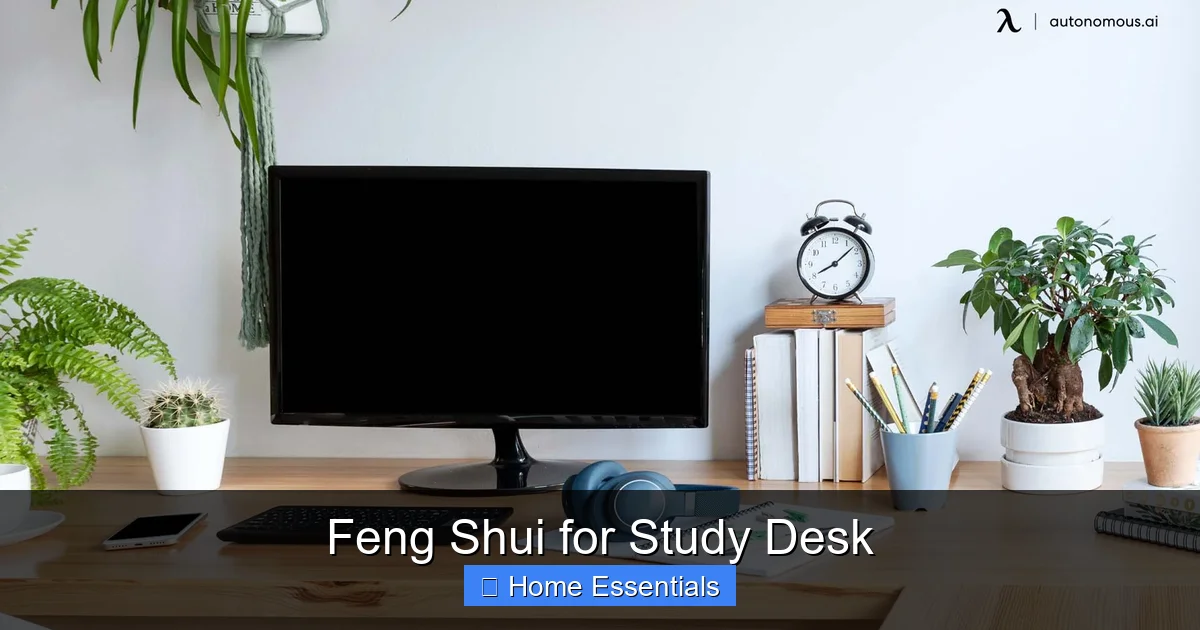
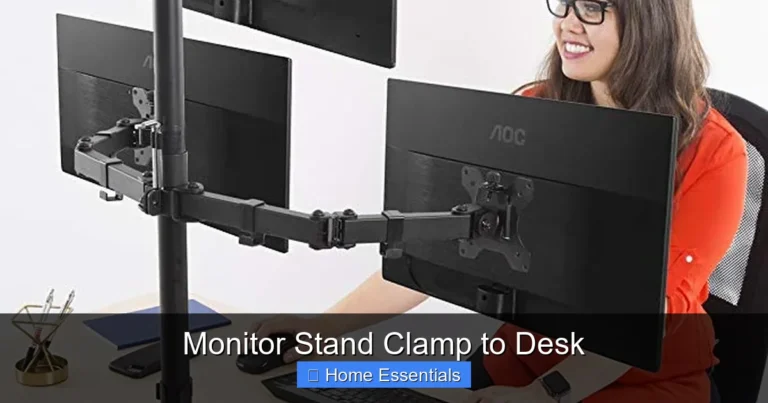
Visual guide about Feng Shui for Study Desk
Image source: cdn.autonomous.ai
The Art of Mindful Decluttering
Clearing clutter isn’t about achieving a sterile, minimalist showroom. It’s about intentionality. Everything on your desk should have a purpose or bring you joy.
- The Daily Reset: Spend 5 minutes at the end of each study session clearing trash, putting pens back, and stacking only the materials you need for your next session. This ritual signals to your brain that work is done, allowing for mental detachment.
- The Weekly Audit: Once a week, take everything off your desk. Wipe it down. Only put back what is essential: your computer, a lamp, one notebook, a pen cup, and maybe one decorative item. Store the rest in drawers or on shelves.
- Manage the Paper Avalanche: Use a simple tray system: “Inbox” (new papers), “Action” (needs doing), “File” (to store). Process this tray weekly. For digital clutter, close unused browser tabs and organize desktop files into folders.
- Tame the Cables: Tangled cords are literal energy knots. Use cable ties, clips, or a cable management box to create a clean, organized look. This small act dramatically reduces visual stress.
For keeping your electronics and surfaces dust-free—which is crucial for both hygiene and clear energy—a good microfiber duster designed for electronics is a Feng Shui essential. Regular dusting keeps the energy of your tools clean and functional.
Colors and Materials: Setting the Energetic Tone
Your desk’s color and material composition send subtle signals to your brain. In Feng Shui, the five elements—Wood, Fire, Earth, Metal, Water—each have associated colors and properties. For a study, you generally want to cultivate the supportive, calming energies of Wood, Earth, and Metal.
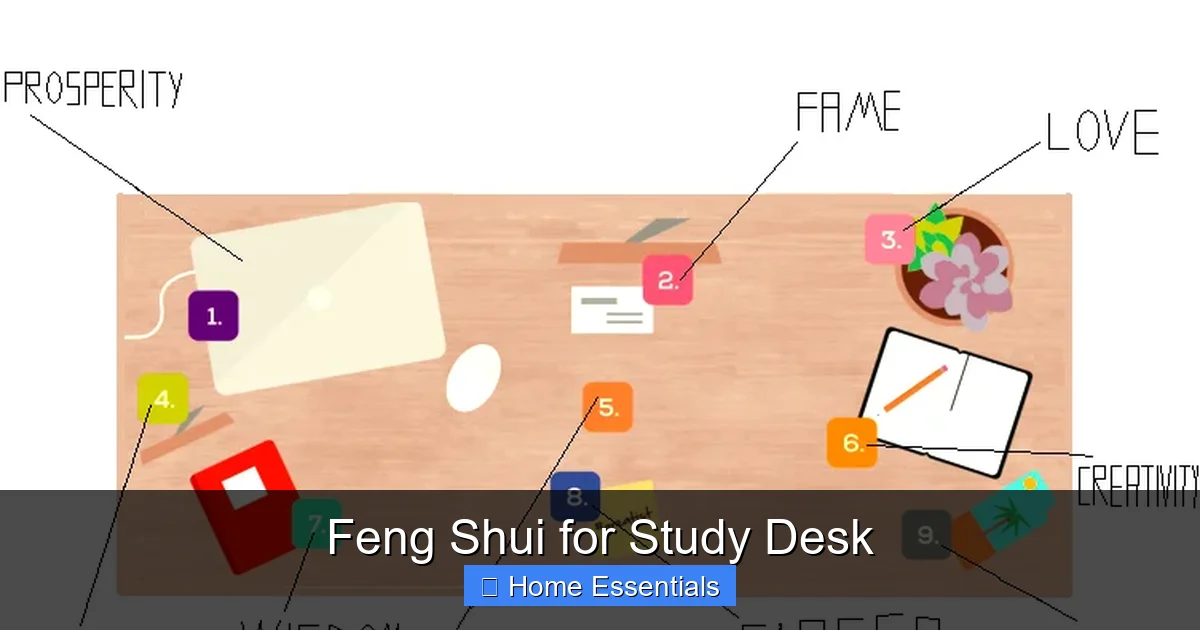
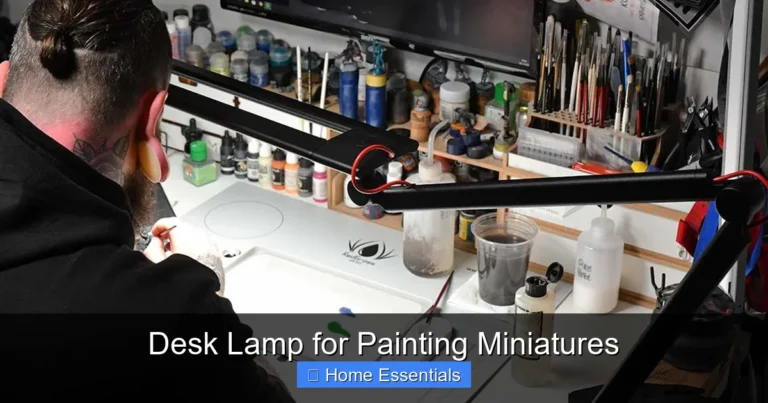
Visual guide about Feng Shui for Study Desk
Image source: stealtho.store
Choosing Your Palette
- Wood Element (Growth, Creativity): Greens and browns. These are excellent for study as they promote growth of knowledge and calm focus. A green desk pad, a wooden desk surface, or even a picture of a forest can invoke this.
- Earth Element (Stability, Grounding): Yellows, oranges, and earthy tones (beige, terracotta). These colors bring stability, nourishment, and focus. Great for long study sessions requiring endurance.
- Metal Element (Clarity, Precision): Whites, grays, and metallic finishes. Metal energy enhances mental sharpness, organization, and detail-oriented work. A metallic lamp or gray desk organizer can be beneficial.
Colors to Use Sparingly: Pure Fire (red, orange, purple) is too stimulating and can cause anxiety or impulsiveness. Water (black, dark blue) can be too passive and may lead to procrastination if overused. Use them as small accents only.
Material Matters
Opt for natural materials where possible. A solid wood desk is ideal. If you have a metal or glass desk, balance it with warm elements: a wooden mouse pad, a stone paperweight, or a fabric chair cushion. Avoid desks with sharp, pointed corners (called “poison arrows”) facing you while you work. Rounded edges are always more harmonious.
Illumination and Air: Breathing Life Into Your Space
Light and air are the lifeblood of any space. Stagnant, dark energy leads to stagnant, dim thinking.
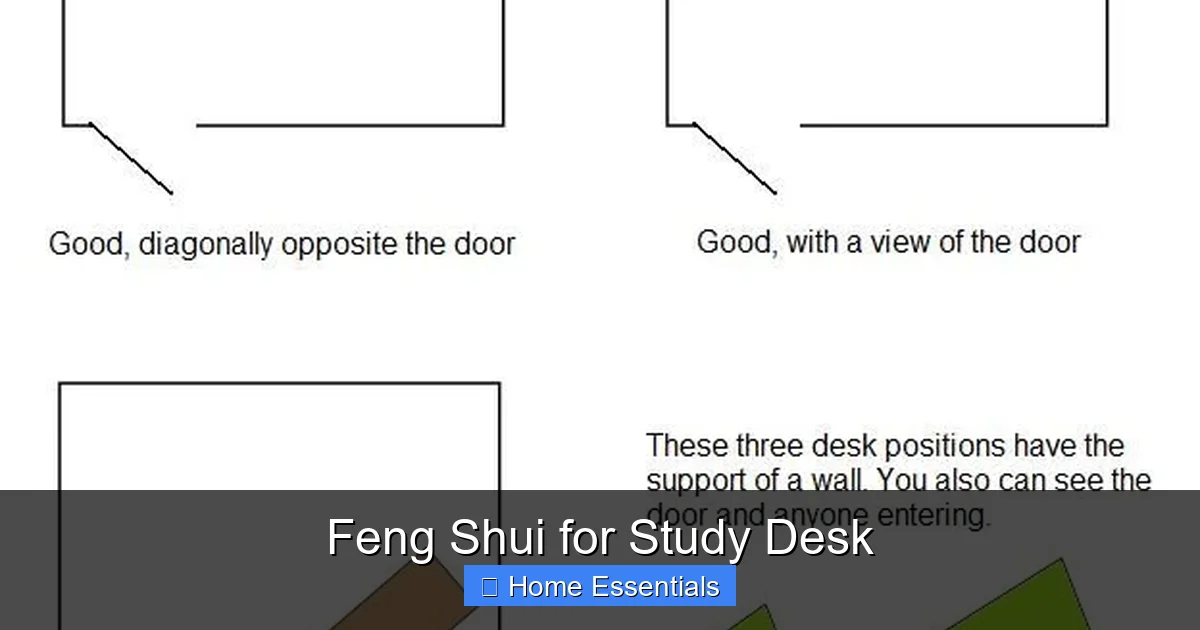
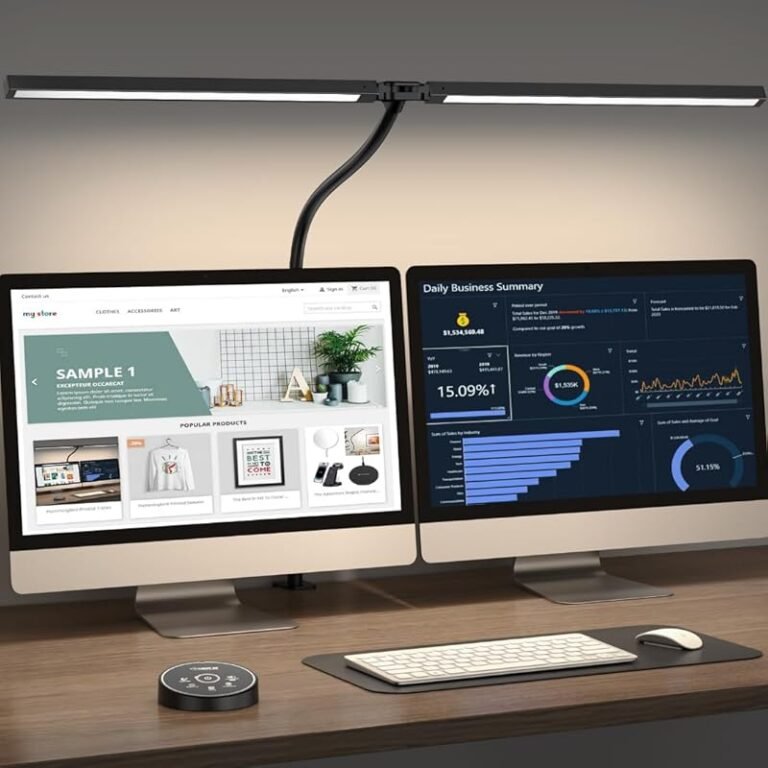
Visual guide about Feng Shui for Study Desk
Image source: i.pinimg.com
Lighting Strategy
Natural light is the absolute best. Position your desk to benefit from daylight, but avoid having the sun glare directly on your screen. Use sheer curtains to diffuse harsh light.
- Task Lighting: A dedicated, adjustable desk lamp is a must. It should be positioned to light your work without casting shadows. The light should ideally come from your left side (if you’re right-handed) to avoid hand shadows.
- Bulb Choice: Use bright, cool-white bulbs (5000K-6500K) that mimic daylight for alertness. Some studies suggest full-spectrum bulbs can reduce eye strain and improve mood. Avoid dim, warm, yellow bulbs that promote sleepiness.
Air Quality and Flow
Stale air is heavy chi. Open windows regularly for ventilation. A small, low-maintenance air-purifying plant like a snake plant or pothos can improve air quality and add vital Wood element energy. Just ensure it’s not so large it becomes a burden or blocks your view. If you use a fan, don’t point it directly at your back or head, as it’s considered disruptive to your personal energy field.
Personal Touches and Symbolic Items
Your study desk should inspire you. This is where you add items that resonate with your goals and spirit, but always with the Feng Shui principle of “less is more.”
What to Include
- A Single, Healthy Plant: Represents growth, vitality, and connection to nature. A jade plant (for wealth/opportunity) or a lucky bamboo are popular, but any thriving green friend works.
- Meaningful Art or Words: Hang a small piece of art or a framed quote that motivates you. Place it so you can see it easily. The image should be uplifting—landscapes, abstract calm art, or words of encouragement.
- A Crystal or Stone: A clear quartz point on your desk can symbolize clarity of thought. A black tourmaline near your computer can be used for “electro-smog” protection (a symbolic gesture against digital distraction).
- Your Tools: Keep your favorite pen, a well-made notebook, and other essential tools beautiful and organized. When you respect your tools, you respect your work.
What to Avoid
- Sharp, Pointed Objects: Knives, overly angular sculptures, or sharp-cornered decor create “poison arrows” of aggressive energy.
- Chaotic Art: Busy, violent, or depressing imagery. Your background should be serene.
- Excessive Souvenirs: A desk is not a museum. Too many items create clutter and scatter your attention.
- Broken or Dysfunctional Items: A broken lamp, a dried-up pen, a cracked figurine—these represent broken energy and stagnation. Fix or remove them.
Sustaining the Flow: Daily and Weekly Practices
Feng Shui is a verb. It’s an ongoing practice of adjustment and awareness. Setting up your desk perfectly once is not enough. Energy changes, and so do our habits.
Building Harmonious Routines
- Begin with a Clear Surface: Start each study session by clearing yesterday’s clutter. This ritual mentally prepares you for a fresh start.
- End with Gratitude and Order: Before you leave your desk, take 60 seconds to tidy it. As you do, mentally thank your space for supporting your work. This closes the energetic loop positively.
- Regular Deep Cleans: Once a month, do a thorough clean. Move the desk if possible to clean underneath and behind it. Dust all surfaces, including baseboards and walls. Use your microfiber dusting cloth to wipe down shelves, lamp bases, and even the frames of your motivational art. This removes accumulated dust, which in Feng Shui terms is “stuck” or “old” energy.
- Energy Check-Ins: Periodically, just sit at your desk and notice how you feel. Do you feel cramped? Distracted? Supported? Honest observation is the best guide for adjustments.
Remember, your study desk is the command center for your mind. By treating it with respect and intention, you are directly investing in the quality of your thoughts, your focus, and ultimately, your results. It’s a simple yet profound way to align your external environment with your internal aspirations.
Conclusion: Creating a Feng Shui-optimized study desk is a powerful, practical act of self-care for your academic or professional life. It’s about crafting a physical foundation that promotes mental ease and efficiency. Start with the non-negotiable command position and ruthless clutter removal. Then, thoughtfully introduce supportive colors, natural materials, and purposeful light. Finally, commit to the small, daily habits that maintain this clear, supportive energy. You don’t need to buy a single specialized product. You just need to look at your desk with fresh, intentional eyes and arrange it so it works *for* you, creating a space where your best thinking can naturally unfold.
Frequently Asked Questions
Can I put my desk against a window?
Generally, no. A window behind you while working represents weak support (the chi is flowing out the window) and can cause distraction. It also creates glare on screens. A solid wall behind you is always preferable for stability and focus.
Is it bad to have a bookshelf above my desk?
Yes, this is considered a heavy “overhead” pressure symbolically and literally. It can create a subconscious feeling of being weighed down or stressed. If you must have storage above, ensure it’s very organized, light in color, and not directly over your seating position.
What’s the best color for a study desk according to Feng Shui?
Wood element colors (greens, browns) are top-tier as they promote growth and calm focus. Earth tones (yellows, beige) are excellent for grounding and stability. Metal element colors (white, gray) support mental clarity. Choose based on what you need most: creativity (Wood), endurance (Earth), or sharp analysis (Metal).
Should I have a mirror on my desk?
A small, decorative mirror can be useful if your back faces the door, as it allows you to “see” the entrance. However, a large mirror reflecting your desk back at you can double the energy (and clutter) in that space, which is overwhelming. Use mirrors sparingly and intentionally.
How do I handle my computer and electronics in Feng Shui?
Keep them clean and organized! Cluttered cords are bad Feng Shui. Use cable management. Position your monitor at eye level, about an arm’s length away. A small plant or crystal between you and the computer can soften its “hard” electronic energy. Remember to dust your equipment regularly with a proper cloth.
My room is small and I can’t avoid the door being behind me. What should I do?
Place a small, convex mirror (like a security mirror) on your monitor or wall so you can see the entrance in the reflection. This symbolically puts you in the command position. Additionally, place a solid, tall object (like a high bookshelf or a floor lamp) behind you to create a symbolic “wall” of support.