How to Water Desk Plant
Watering desk plants correctly is crucial for their health. Overwatering is the most common mistake, leading to root rot. Underwatering causes wilting and stress. This guide covers soil moisture checks, proper techniques, and plant-specific needs to help your desk plant thrive.
Key Takeaways
- Check soil moisture first: Always test the soil with your finger or a meter before watering to avoid guesswork.
- Water thoroughly, then drain: Soak the soil until water runs from drainage holes, then empty the saucer to prevent root rot.
- Use room-temperature water: Cold water can shock plant roots; let tap water sit for 24 hours to dissipate chlorine.
- Match water to plant type: Succulents need infrequent, deep watering; tropicals prefer consistent moisture.
- Adjust for seasons: Plants drink less in winter dormancy; increase frequency during active summer growth.
- Ensure pots have drainage: Never use a pot without holes; add a layer of gravel if needed to improve flow.
- Observe your plant: Signs like yellow leaves or crispy tips indicate watering issues—learn to read them.
📑 Table of Contents
- Why Watering Desk Plants Is Trickier Than You Think
- Know Your Desk Plant: The First Step to Perfect Watering
- The Golden Rules of Watering Desk Plants
- Essential Tools and Techniques for Watering Success
- Common Watering Mistakes (And How to Fix Them)
- Special Considerations for Desk Plant Care
- Conclusion: Watering as a Mindful Practice
Why Watering Desk Plants Is Trickier Than You Think
You brought a lovely desk plant to brighten your workspace. It sits there, green and peaceful. But then, doubt creeps in. Did I water it too much? Not enough? The truth is, watering desk plants is one of the most deceptively simple tasks in plant care. It’s not just about pouring water on a schedule. It’s about understanding a tiny ecosystem in a pot. Get it wrong, and your plant can go from thriving to struggling in weeks.
The challenge is amplified for desk plants. They live in a unique microclimate. Office air is often dry from heating or air conditioning. Light can be inconsistent—maybe a window, maybe just fluorescent bulbs. The pot is small, meaning soil dries out faster or stays soggy if overwatered. This isn’t like gardening outside where rain and soil buffer mistakes. Here, you are the entire weather system. Your watering routine directly controls your plant’s survival. That’s why a one-size-fits-all approach fails. What a snake plant needs is the opposite of what a fern demands. We’ll break it down so you can water with confidence, not guesswork.
Know Your Desk Plant: The First Step to Perfect Watering
Before you even pick up a watering can, you must identify what you’re caring for. Is it a succulent from arid deserts? A tropical rainforest understory plant? Its native habitat is the best predictor of its water needs. A quick Google search or plant tag lookup tells you its name. From there, you can categorize its thirst level. This knowledge is your foundation. Without it, you’re just hoping for the best.

Visual guide about How to Water Desk Plant
Image source: waterdesk.org
Popular Desk Plant Varieties and Their Thirst Levels
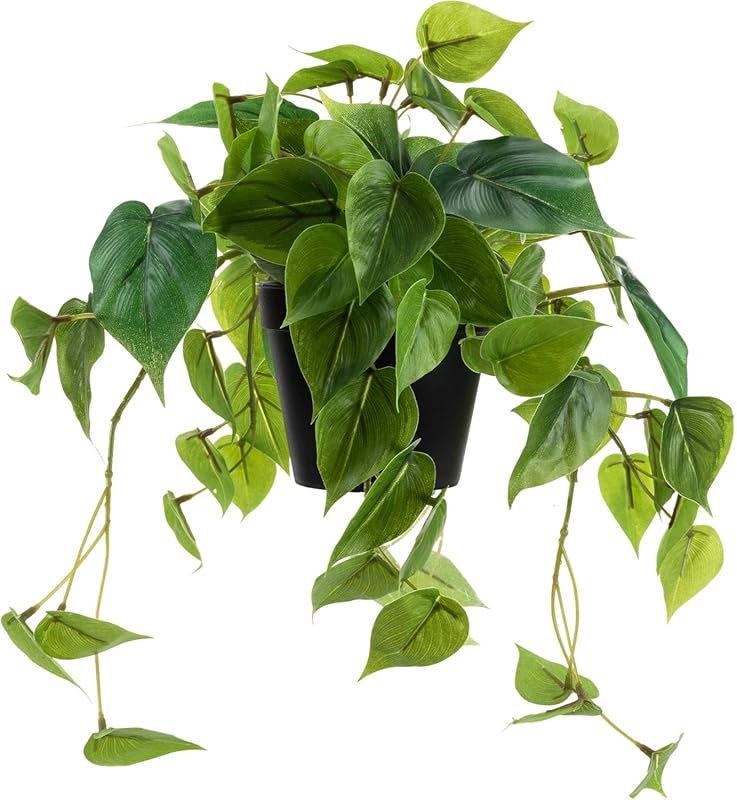
Let’s meet some common desk companions. Snake Plants and ZZ Plants are champions of neglect. They store water in their leaves and rhizomes. They prefer to dry out completely between waterings. Overwatering is their kryptonite. Pothos and Philodendrons are resilient tropicals. They like the top inch of soil to dry out but dislike being bone dry for long. Peace Lilies are dramatic; they wilt noticeably when thirsty, making them easy to read. Succulents like Jade Plants or Echeveria need gritty, fast-draining soil and infrequent, deep drinks. Ferns, such as Boston Ferns, are humidity and moisture lovers. They dislike dry soil and dry air. Knowing which camp your plant falls into—drought-tolerant, moderate, or moisture-loving—immediately halves your problem.
Reading Your Plant’s Signals: The Silent Language
Plants communicate through their leaves, stems, and soil. You just need to learn the vocabulary. Yellowing leaves, especially lower ones, often signal overwatering and root stress. The soil is likely soggy. Crispy, brown leaf tips usually mean underwatering or very low humidity. The soil is bone dry. Wilting can go both ways: if the soil is dry, it’s a thirst cry. If the soil is wet, it’s a root rot emergency from too much water. Leaf drop can be a shock response to improper watering. Mold or fungus on the soil surface is a clear sign of excess moisture and poor air circulation. Get in the habit of inspecting your plant weekly. Look at the leaves. Feel the soil. This dialogue is more reliable than any calendar reminder.
The Golden Rules of Watering Desk Plants
Now that you know your plant’s personality, let’s establish universal principles. These rules apply whether you’re tending a cactus or a calathea. Following them creates a consistent, healthy rhythm.
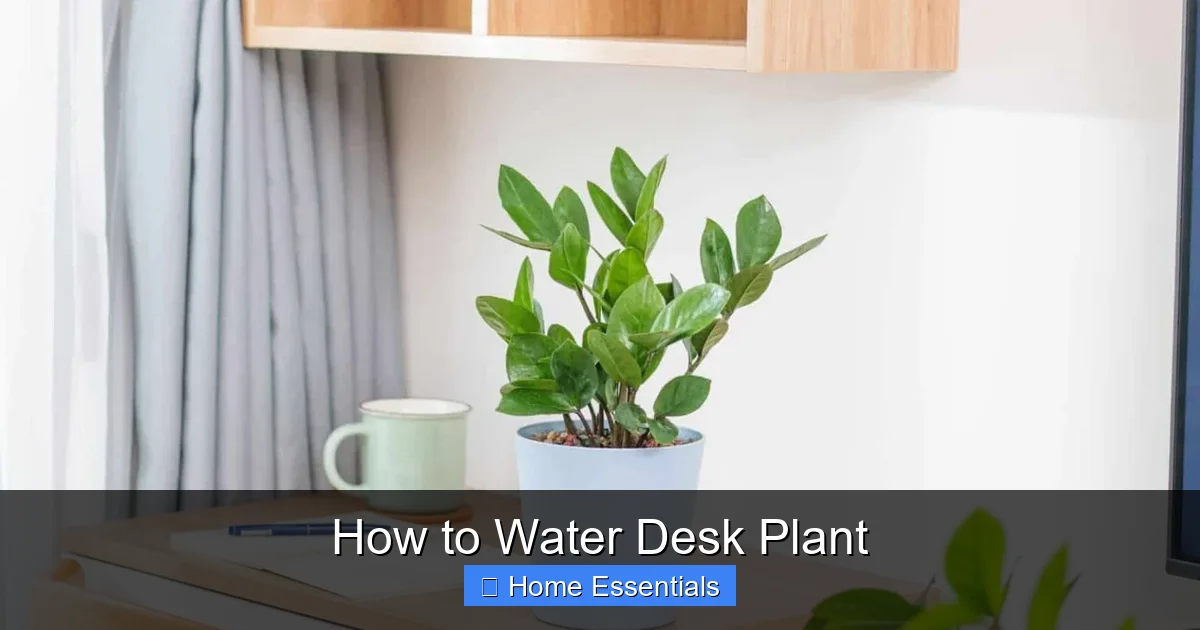
Visual guide about How to Water Desk Plant
Image source: planetnatural.com
Rule #1: Always Check the Soil First (The Finger Test)
This is non-negotiable. Never water on a schedule like “every Monday.” Schedules ignore environmental variables. Instead, use the finger test. Insert your index finger into the soil up to your first or second knuckle (about 1-2 inches deep). Feel the moisture. If it feels dry, it’s time to water. If it feels cool and moist, wait. Check again in a day or two. For smaller plants or sensitive ones, you can use a moisture meter. It gives a numerical reading, removing guesswork. This simple habit prevents 90% of watering mistakes. It connects you directly to your plant’s immediate needs.
Rule #2: Water Thoroughly, Then Drain Completely
When you do water, do it properly. Pour water slowly over the soil surface until you see it begin to drain freely from the hole at the bottom of the pot. This ensures the entire root ball is saturated. A light sprinkle only wets the top inch, leaving the roots below parched. Once drainage starts, stop pouring. Never let the pot sit in standing water. Empty the saucer or tray within 30 minutes. Sitting in water is a fast track to root rot, as roots suffocate and fungal diseases thrive. Think of it like a bath for your plant—a good soak, then get out and dry off.
Rule #3: Use the Right Water at the Right Temperature
Tap water is usually fine, but let it sit out for 24 hours. This allows chlorine and fluoride (common in municipal water) to evaporate. These chemicals can build up in soil and cause brown leaf tips over time. Always use room-temperature water. Ice-cold water shocks the root system, causing temporary damage and leaf curl. If you have a water softener, avoid using that water, as the high salt content can harm plants. Rainwater or filtered water is a luxurious treat but not essential for most common desk plants.
Essential Tools and Techniques for Watering Success
Having the right tools makes the job easier and more precise. You don’t need a garage full of equipment, but a few key items improve outcomes.
Visual guide about How to Water Desk Plant
Image source: wteinfra.com
The Watering Can: Choose Wisely
For desk plants, a small, long-spouted watering can is ideal. The long spout lets you direct water precisely onto the soil, avoiding splashing on leaves (which can cause spotting or fungal issues). A can with a removable rose (the sprinkler head) is versatile. You can remove it for a gentle stream onto soil or attach it for a lighter shower. Avoid large, heavy cans meant for garden beds; they’re cumbersome on a desk.
Bottom Watering: A Game-Changer for Some Plants
This technique involves placing the pot in a shallow tray of water and letting the soil absorb moisture from the bottom up through the drainage hole. It’s excellent for plants with sensitive leaves (like African Violets) that hate water on their foliage. It also encourages roots to grow downward and can help rehydrate a very dry pot evenly. To do it, fill a saucer with 1-2 inches of water, set the pot in, and let it sit for 15-30 minutes, or until the top soil feels moist. Remove and drain any excess from the saucer. Not all plants love this—succulents and plants prone to root rot should be top-watered to avoid soggy bottoms.
Misters and Humidity Trays: For the Thirsty Tropicals
Plants like ferns, calatheas, and orchids crave humidity. A desk mister filled with room-temperature water can be used to lightly spritz the air around the plant, not directly on leaves (which can promote mold). For a more lasting solution, create a pebble tray. Fill a shallow tray with pebbles, add water until it’s just below the pebble tops, and place the pot on top. As the water evaporates, it creates a humid microclimate right at the plant’s base. This is especially useful in dry office air.
Smart Solutions: When Technology Helps
If you travel often or are a forgetful waterer, consider a self-watering pot. These have a reservoir at the bottom and a wicking system that draws water up as the soil dries. They can extend time between waterings significantly. For the ultimate set-and-forget, explore smart plant pots. These high-tech containers have built-in sensors that monitor soil moisture, light, and temperature, often syncing with an app on your phone to alert you exactly when your plant needs a drink. They take the guesswork entirely out of the equation.
Common Watering Mistakes (And How to Fix Them)
Even with the best intentions, errors happen. Recognizing these common pitfalls is the first step to correcting them.
Mistake #1: Following a Rigid Schedule
The “water every Wednesday” habit is doomed. Soil dries at different rates based on season, light exposure, pot material (clay dries faster than plastic), and plant size. In summer, a plant might need water twice a week. In winter, maybe once every three weeks. The only reliable schedule is “check the soil, then act.” Ditch the calendar; use your finger as your guide.
Mistake #2: Using a Pot Without Drainage Holes
This is a silent killer. A pot without holes traps water at the bottom, creating a swampy environment where roots rot silently until it’s too late. If you have a decorative pot you love, use it as a cachepot. Plant your desk plant in a smaller plastic pot with holes, then place that inside the decorative pot. Always empty any water that collects in the outer pot after watering.
Mistake #3: Watering Too Little (The “Sip and Stop”)
Giving a plant a few tablespoons of water is worse than not watering at all. It wets only the top layer, encouraging roots to grow upward in search of moisture, making the plant less stable and more drought-sensitive. Always water thoroughly until it runs from the bottom. This deep drink encourages roots to grow deep and strong throughout the pot.
Mistake #4: Ignoring Seasonal Changes
Plants have growth cycles. Most desk plants grow actively in spring and summer, needing more water. In fall and winter, they enter a slower period or dormancy, needing far less water. Continuing a summer watering routine in winter is a surefire way to overwater. Reduce frequency dramatically when growth slows. A good rule: in winter, let the soil dry out more deeply between waterings than you would in summer.
Special Considerations for Desk Plant Care
Your desk environment has unique factors that influence watering needs beyond just the plant type.
The Light Factor: Sun vs. Shade
A plant in bright, direct light (like a south-facing window) will use water much faster than one in low, indirect light. The soil surface will dry quickly. Check soil moisture more frequently in high-light spots. In low-light corners, the soil stays moist longer, so extend the time between waterings. Adjust your checks based on where your plant sits.
Pot Matters: Material and Size
Terracotta/clay pots are porous. They breathe, allowing moisture to evaporate through the walls. Plants in clay dry out faster and may need more frequent watering. Plastic or glazed ceramic pots are non-porous and retain moisture longer. Pot size matters too. A tiny pot in a large pot (pot-in-pot) will dry out slower because there’s more soil mass holding moisture. A plant in an oversized pot is at risk of staying soggy, as the soil volume is too large for the roots to absorb water quickly. Always choose a pot only 1-2 inches larger in diameter than the current root ball.
Keeping Leaves Clean: A Hydration Sidekick
Dust buildup on leaves blocks light absorption, meaning your plant can’t photosynthesize efficiently. This indirectly affects water use. A dusty plant is a stressed plant. Regularly wipe leaves with a soft, damp cloth. For the best technique, follow a guide on how to use a microfiber cloth for dusting. It’s gentle and effective. After wiping, you might need to wash the cloth. Proper maintenance of your cleaning tools is key; learn how to wash microfiber cloths to keep them hygienic and ready for next time. Clean leaves mean a healthier plant that uses water more efficiently.
Conclusion: Watering as a Mindful Practice
Watering your desk plant isn’t a chore—it’s a mindful moment of connection. It’s the five seconds you spend checking the soil, feeling its moisture, and responding to its needs. By moving from a rigid schedule to a responsive routine, you become a better plant parent. Remember the core triad: know your plant’s type, always check the soil, and water thoroughly with good drainage. Embrace the learning curve. A yellow leaf here, a crispy tip there—they’re not failures; they’re feedback. They teach you to observe more closely. Your desk plant is a living piece of your workspace. Nurture it with this attentive watering practice, and it will reward you with years of quiet, green companionship, making your desk a more vibrant and calming place to be.
Frequently Asked Questions
How often should I water my desk plant?
There is no universal frequency. Always check the soil moisture first. Water when the top 1-2 inches feel dry for most tropicals, or when the soil is completely dry for succulents. Adjust based on your plant type, light, and season.
What’s the best type of water for desk plants?
Room-temperature tap water that has sat for 24 hours is ideal. This allows chlorine to evaporate. Avoid ice-cold water, which can shock roots. If you have a water softener, use filtered or rainwater instead, as softened water contains salts that can harm plants.
How do I know if I’m overwatering my desk plant?
Key signs include consistently soggy soil, yellowing lower leaves, soft or mushy stems, and a musty smell from the soil. The soil will feel wet days after watering. If you see these, let the soil dry out completely and reduce watering frequency.
Can I use a spray bottle to water my desk plant?
Misting is not effective for watering. It only wets the leaf surface and does little to hydrate the roots. Use a watering can to thoroughly soak the soil. Misting can be used to increase humidity around tropical plants but should not replace proper soil watering.
Should I water my desk plant from the top or bottom?
Top-watering is standard and ensures even saturation. Bottom-watering is useful for plants with sensitive leaves (like African Violets) or to gently rehydrate a very dry pot. If you bottom-water, always follow by top-watering occasionally to flush out any mineral buildup in the soil.
What should I do if I accidentally overwater my desk plant?
First, stop watering. Gently tip the pot to drain any excess water from the saucer. Move the plant to a brighter, warmer spot with good airflow to help the soil dry. If root rot is suspected (mushy, black roots), you may need to repot the plant, trimming away rotten roots and using fresh, dry soil.