How to Clean Glass with Microfiber Cloth
Cleaning glass with a microfiber cloth is one of the easiest and most effective ways to achieve a sparkling, streak-free finish. Unlike paper towels or regular rags, microfiber traps dirt, dust, and moisture without scratching delicate surfaces. Whether you’re cleaning windows, mirrors, or glass tabletops, this simple technique ensures professional results with minimal effort.
Key Takeaways
- Microfiber is superior to paper towels: It absorbs up to 7 times its weight in water and traps dust without leaving lint or streaks.
- Proper technique prevents streaks: Always clean in straight lines, avoid over-wetting, and use separate cloths for cleaning and buffing.
- Dry cleaning first removes debris: Always start by wiping the glass with a dry microfiber cloth to remove loose dirt and dust.
- Use the right cleaning solution: A mix of water and vinegar or a commercial glass cleaner works best—never use harsh chemicals like ammonia on tinted glass.
- Hang your cloth to dry: After use, hang the microfiber cloth to air dry to prevent bacterial growth and extend its lifespan.
- Replace when worn: Microfiber loses effectiveness after 100–150 washes; replace it when you notice reduced absorbency or visible wear.
📑 Table of Contents
- How to Clean Glass with Microfiber Cloth: The Ultimate Guide
- Why Microfiber Is the Best Tool for Glass Cleaning
- What You’ll Need to Clean Glass with a Microfiber Cloth
- Step-by-Step Guide: How to Clean Glass with Microfiber Cloth
- Common Mistakes to Avoid
- Special Tips for Different Types of Glass
- How to Maintain and Care for Your Microfiber Cloth
- Eco-Friendly and Cost-Effective Cleaning
- When to Call a Professional
- Final Thoughts: Master the Art of Glass Cleaning
How to Clean Glass with Microfiber Cloth: The Ultimate Guide
Have you ever spent ten minutes cleaning a window only to step back and see ugly streaks and smudges? You’re not alone. Millions of people struggle with cloudy, streaky glass because they’re using the wrong tools or techniques. The good news? Cleaning glass doesn’t have to be a frustrating chore. With the right approach and a simple microfiber cloth, you can achieve professional-level shine in just a few minutes.
Microfiber cloths are revolutionizing home cleaning for a reason: they’re incredibly absorbent, non-abrasive, and highly effective at trapping dirt and moisture. Unlike paper towels, which shred and leave lint behind, microfiber clings to particles without scratching glass surfaces. Whether you’re tackling bathroom mirrors, kitchen windows, or smartphone screens, this guide will walk you through everything you need to know about cleaning glass with a microfiber cloth—from preparation to final buffing.
Why Microfiber Is the Best Tool for Glass Cleaning
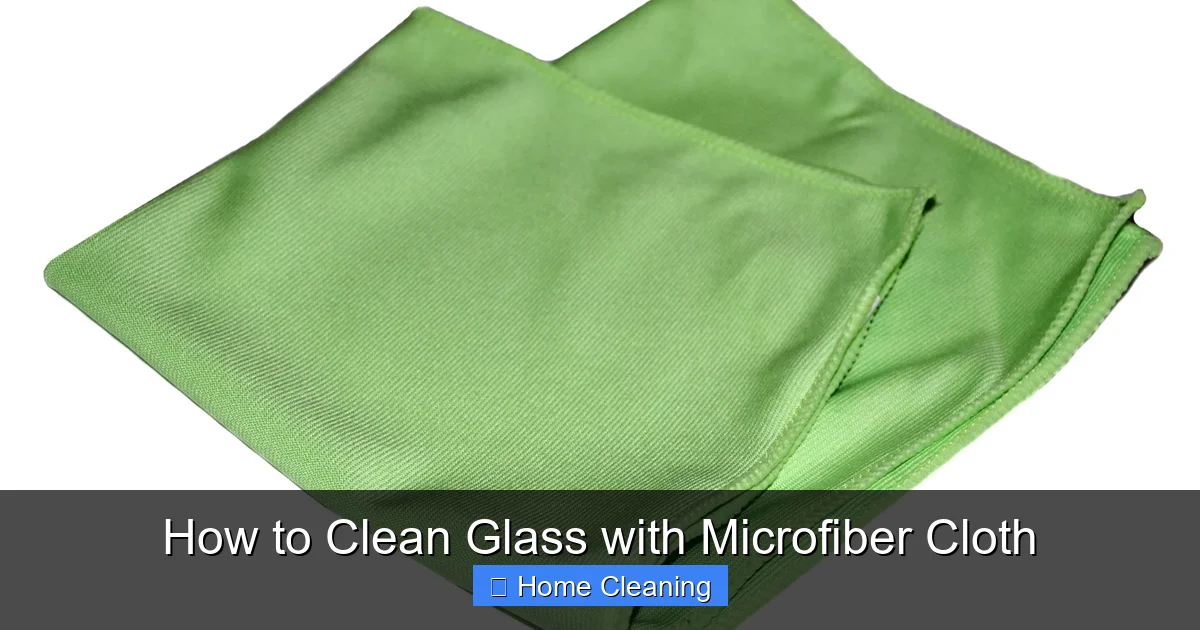
Before we dive into the steps, let’s talk about why microfiber is the gold standard for glass cleaning. Microfiber is made from ultra-fine polyester and polyamide fibers, which are split into thousands of tiny filaments. This unique structure allows the cloth to capture microscopic particles that traditional cloths miss.
Visual guide about How to Clean Glass with Microfiber Cloth
Image source: m.media-amazon.com
The Science Behind Microfiber
When you use a microfiber cloth, it doesn’t just wipe away dirt—it traps it. The fibers create a static charge that attracts dust, grease, and water molecules. This means you can clean glass with just water, reducing the need for chemical cleaners. In fact, studies show that microfiber can remove up to 99% of bacteria from surfaces, making it ideal for kitchens and bathrooms.
Why Paper Towels and Regular Rags Fail
Paper towels are absorbent but lack the structure to hold onto debris without shredding. They also tend to leave behind lint, which creates streaks. Regular cotton rags can harbor bacteria and may scratch glass if they’re not lint-free. Microfiber solves all these problems—and it’s reusable, saving you money and waste in the long run.
What You’ll Need to Clean Glass with a Microfiber Cloth
You don’t need a lot of expensive equipment to clean glass effectively. In fact, most of what you need is already in your home. Here’s a simple list of supplies:
Visual guide about How to Clean Glass with Microfiber Cloth
Image source: maximmart.com
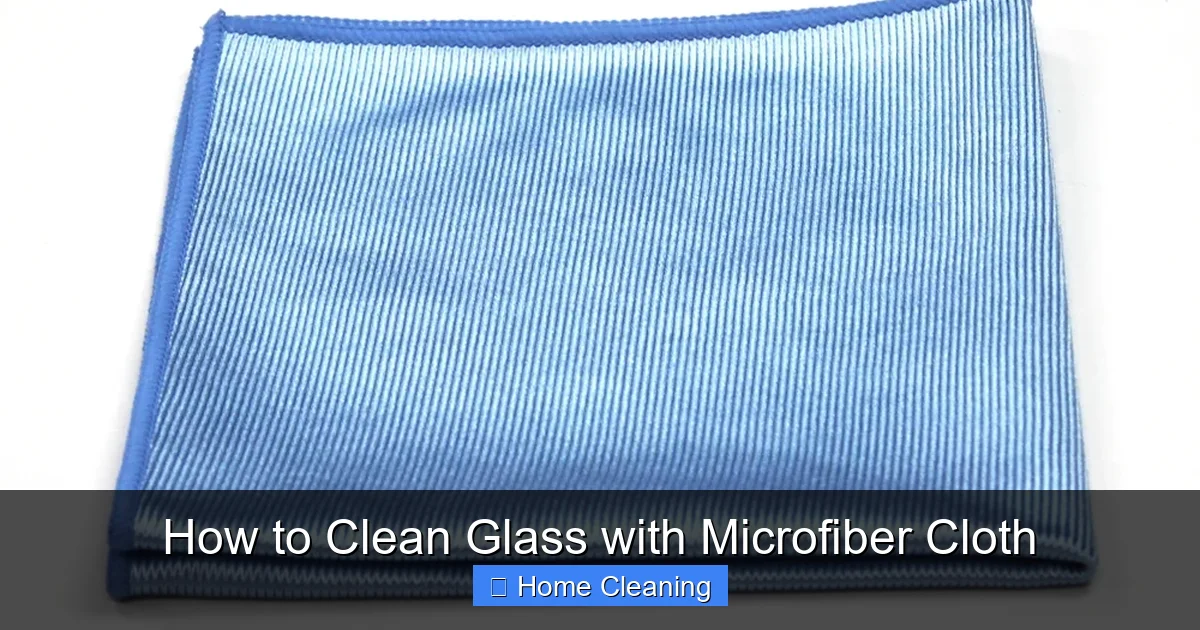
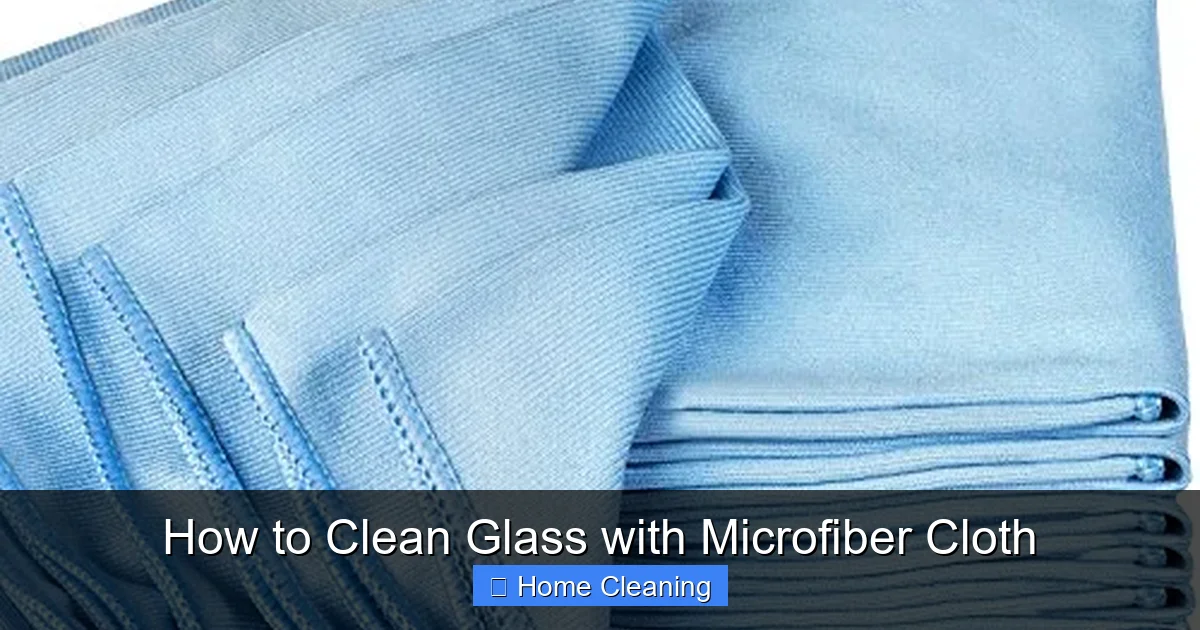
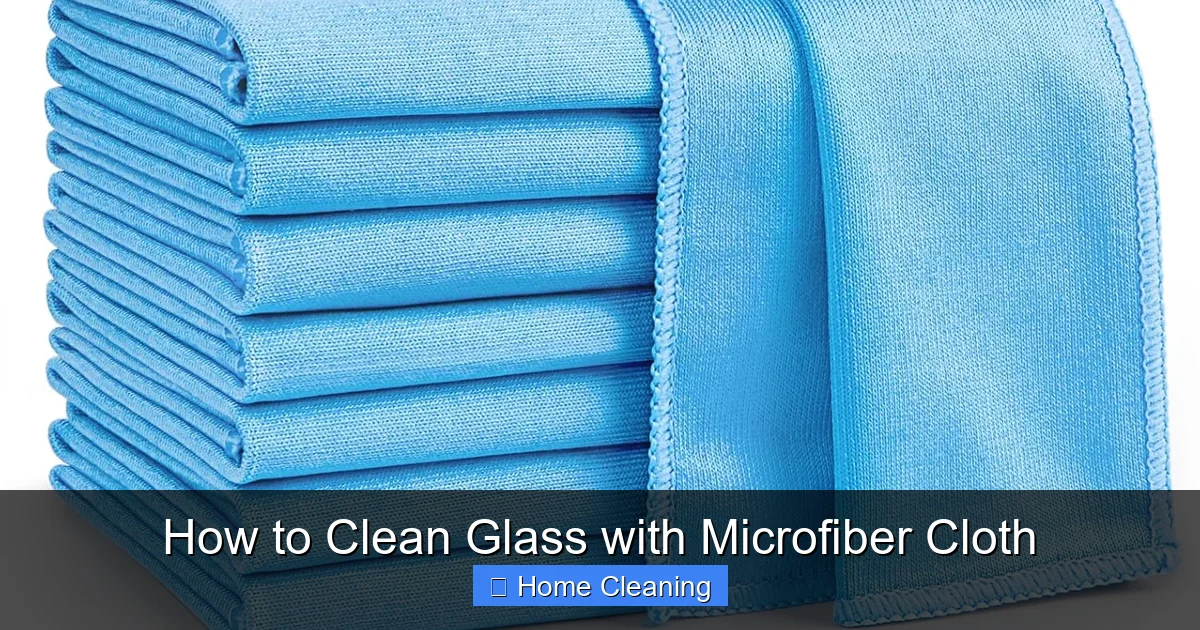
- A high-quality microfiber cloth (two are ideal—one for cleaning, one for drying)
- A spray bottle with water and vinegar (or a store-bought glass cleaner)
- A bucket of clean water (for rinsing, if needed)
- A lint-free cloth or squeegee (optional, for large windows)
- A step ladder (for hard-to-reach areas)
Pro tip: Invest in a dual-sided microfiber cloth—one side with a rough texture for scrubbing, and one smooth side for polishing. This gives you more versatility during the cleaning process.
Step-by-Step Guide: How to Clean Glass with Microfiber Cloth
Now that you know why microfiber is the best choice, let’s go through the actual process. Follow these steps for streak-free, sparkling glass every time.
Visual guide about How to Clean Glass with Microfiber Cloth
Image source: m.media-amazon.com
Step 1: Remove Loose Debris
Before you apply any liquid, start by wiping the glass with a dry microfiber cloth. This step is crucial—it removes dust, cobwebs, and loose dirt that could scratch the surface when you start cleaning with liquid.
For example, if you’re cleaning a window that’s been sitting outside all winter, there might be bird droppings or grime on the surface. A dry wipe first prevents these particles from being smeared into the glass during the wet cleaning process.
Step 2: Prepare Your Cleaning Solution
Mix equal parts water and white vinegar in a spray bottle. Vinegar is a natural cleaner that cuts through grease and leaves no residue. For extra shine, add a few drops of rubbing alcohol—it evaporates quickly and helps prevent streaks.
Avoid using harsh chemicals like bleach or ammonia on glass, especially if the surface is tinted or reflective. These can degrade the glass over time or leave behind a cloudy film.
Step 3: Spray and Wipe
Lightly spray the glass surface with your cleaning solution. Don’t soak it—too much liquid can drip down the sides or leave streaks. Instead, mist the area evenly.
Then, using the rough side of your microfiber cloth, wipe the glass in straight, overlapping strokes. Start at the top and work your way down. This prevents drips from ruining the area you’ve already cleaned.
Step 4: Dry with a Second Cloth
This is the secret to streak-free glass: always use a second microfiber cloth to dry the surface. Take the smooth side of your cloth and buff the glass in circular motions. This removes any remaining moisture and leaves the glass gleaming.
For large windows, consider using a squeegee after spraying. Run it down the glass in one smooth motion, then follow up with the microfiber cloth for a final polish.
Step 5: Check for Streaks
Step back and look at the glass from different angles. If you see streaks, go back with a dry microfiber cloth and buff the area again. Sometimes a small spot missed during cleaning can be fixed with a quick pass.
Common Mistakes to Avoid
Even with the best tools, mistakes can happen. Here are the most common errors people make when cleaning glass with microfiber:
- Using dirty or worn-out microfiber: A cloth that’s been washed too many times loses its ability to trap dirt. Replace it every 3–6 months.
- Wringing out the cloth too hard: Microfiber should be damp, not soaked. Wringing too hard damages the fibers.
- Cleaning in the sun: The sun dries the cleaner too quickly, leading to streaks. Clean in the shade or early morning/late afternoon.
- Using the same cloth for multiple surfaces: Don’t use your microfiber to clean the bathroom mirror and then the kitchen window without washing it first.
Special Tips for Different Types of Glass
Not all glass is the same. Here’s how to adapt your microfiber technique for different surfaces:
Mirrors
Mirrors are especially sensitive to streaks. Use a dedicated microfiber cloth just for mirrors, and always buff in circular motions. For extra shine, add a drop of baby oil to the cloth—it leaves a protective, streak-free finish.
Tinted or Laminated Glass
Avoid ammonia-based cleaners on tinted windows. Instead, use a vinegar-water solution and a soft microfiber cloth. Be gentle—laminated glass has layers that can be damaged by harsh chemicals.
Smartphone and Tablet Screens
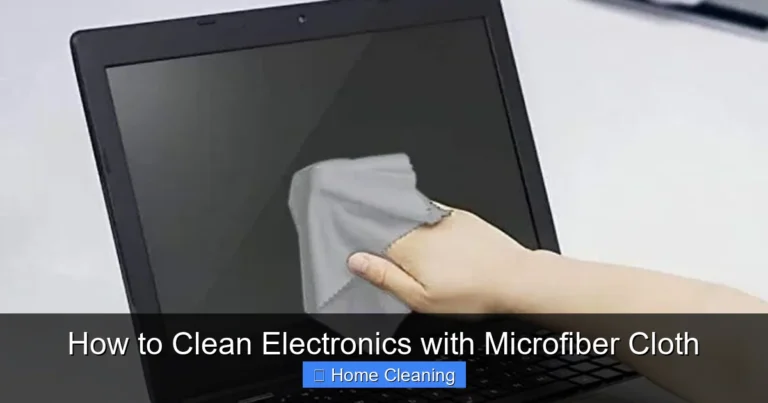
Use a lint-free microfiber cloth specifically for electronics. Spray a small amount of water or use a screen-safe cleaner, then gently wipe in one direction. Never spray directly on the screen.
Glass Tabletops
For kitchen or dining room tabletops, clean regularly to prevent buildup. Use a damp microfiber cloth followed by a dry one. For sticky spills, dampen the cloth with rubbing alcohol.
How to Maintain and Care for Your Microfiber Cloth
To keep your microfiber cloth working like new, follow these care tips:
- Wash after every use: Don’t let dirt dry on the cloth. Rinse it out and toss it in the wash.
- Use cold water and mild detergent: Hot water can damage the fibers. Avoid fabric softeners—they clog the microfibers.
- Air dry or tumble dry on low: High heat can degrade the cloth. If you must use the dryer, skip the fabric softener sheet.
- Separate from lint-producing fabrics: Wash microfiber separately from cotton towels to avoid lint transfer.
With proper care, a good microfiber cloth can last up to a year—saving you money and reducing waste.
Eco-Friendly and Cost-Effective Cleaning
Switching to microfiber isn’t just better for your glass—it’s better for the planet. Unlike paper towels, microfiber is reusable and reduces waste. Plus, you can clean effectively with just water and vinegar, cutting down on chemical use.
Over time, the cost savings add up. A single microfiber cloth can replace dozens of paper towels. And because it lasts so long, you’ll spend less on replacements.
When to Call a Professional
While microfiber works wonders on most glass surfaces, some situations call for professional help:
- Stained or etched glass: If your glass has permanent etching or stubborn mineral deposits, a professional may need to re-polish it.
- Large commercial windows: High-rise buildings often require specialized equipment and techniques.
- Antique or leaded glass: These require gentle, expert handling to preserve their value.
For everyday home cleaning, though, your microfiber cloth is more than enough.
Final Thoughts: Master the Art of Glass Cleaning
Cleaning glass with a microfiber cloth is simple, effective, and satisfying. With the right technique, you can turn a tedious chore into a quick, streak-free routine. The key is consistency—clean regularly to prevent buildup, and always use a clean, dry cloth for the final buff.
Remember: microfiber is your secret weapon. It’s absorbent, non-abrasive, and leaves glass gleaming without streaks. Whether you’re cleaning a bathroom mirror or a living room window, this humble cloth can make all the difference.
So next time you reach for paper towels, think twice. Grab a microfiber cloth, mix up a simple cleaning solution, and watch your glass sparkle like new.
Frequently Asked Questions
Can I use just water to clean glass with a microfiber cloth?
Yes! Microfiber can clean glass effectively with just water. The cloth’s fibers trap dirt and moisture, leaving glass streak-free. For extra cleaning power, add a small amount of vinegar or dish soap.
How often should I wash my microfiber cloth?
Wash it after every use to prevent bacteria buildup and maintain effectiveness. Use cold water and mild detergent—avoid fabric softeners, which clog the fibers.
Why is my glass still streaky after using a microfiber cloth?
Streakiness usually comes from using a dirty cloth, over-wetting the glass, or cleaning in direct sunlight. Make sure to start with a dry cloth, use a clean solution, and buff with a second, dry microfiber cloth.
Can I use the same microfiber cloth for windows and mirrors?
It’s best to use separate cloths for different surfaces to avoid cross-contamination. Use one for mirrors and another for windows to maintain hygiene and effectiveness.
How do I remove hard water stains from glass with a microfiber cloth?
Mix equal parts water and white vinegar, spray the area, and scrub gently with a microfiber cloth. For stubborn stains, let the solution sit for 5 minutes before wiping.
Is microfiber safe for tinted or reflective glass?
Yes, as long as you avoid ammonia-based cleaners. Use a vinegar-water solution and a soft microfiber cloth. Always test on a small area first to ensure no damage occurs.