How to Remove Lint from Microfiber Cloth
Microfiber cloths are amazing for cleaning—but lint buildup can reduce their effectiveness. Whether it’s from washing, drying, or repeated use, lint can stick to the tiny fibers and clog them up. The good news? Removing lint from microfiber cloths is easier than you think, and doing it right helps extend their life. With the right techniques, you can restore your cloths to peak performance and keep them lint-free for longer.
Key Takeaways
- Regular washing and drying: Always wash microfiber cloths separately from lint-producing fabrics like towels and fleece to prevent lint transfer.
- Use a lint roller or tape: For quick lint removal before or after use, a lint roller or sticky tape works wonders on visible fuzz.
- Air dry instead of machine drying: Avoid dryer sheets and high heat, which can coat microfiber with residue and increase lint buildup.
- Wash with mild detergent: Use a gentle, phosphate-free detergent and skip fabric softeners—they clog microfiber pores and reduce absorbency.
- Inspect and sort by color: Wash similar colors together to prevent dye transfer and keep lint from mixing between cloths.
- Store properly: Roll or fold cloths loosely and store in a dry place to minimize static and lint attraction.
- Replace when necessary: Even with care, microfiber degrades over time. Replace cloths that no longer clean effectively or trap lint excessively.
📑 Table of Contents
- How to Remove Lint from Microfiber Cloth: A Complete Guide
- Why Lint Builds Up on Microfiber Cloths
- Preventing Lint Buildup: Proactive Cleaning Tips
- How to Remove Lint from Microfiber Cloth: Step-by-Step Methods
- Deep Cleaning: Restoring Lint-Heavy Microfiber Cloths
- When to Replace Your Microfiber Cloths
- Eco-Friendly and Cost-Effective Lint Removal Tips
- Conclusion: Keep Your Microfiber Lint-Free and Performing at Its Best
How to Remove Lint from Microfiber Cloth: A Complete Guide
Let’s face it—microfiber cloths are cleaning heroes. Whether you’re wiping down kitchen counters, polishing screens, or drying delicate surfaces, these tiny, synthetic fibers do the job with surprising efficiency. But there’s a common frustration that plagues even the most dedicated cleaners: lint.
That fuzzy, annoying fuzz that sticks to your microfiber? It’s not just unsightly—it can reduce the cloth’s ability to trap dirt and moisture. Over time, lint buildup can make your microfiber less effective, dull its shine, and even transfer back onto cleaned surfaces. The good news? With the right techniques, you can easily remove lint from microfiber cloth and keep them performing at their best.
In this guide, we’ll walk you through everything you need to know—from preventing lint in the first place to safely removing it without damaging the delicate fibers. Whether you’re dealing with stubborn fuzz after a wash or just want to maintain your cloths between uses, these tips will help you keep your microfiber clean, lint-free, and long-lasting.
Why Lint Builds Up on Microfiber Cloths
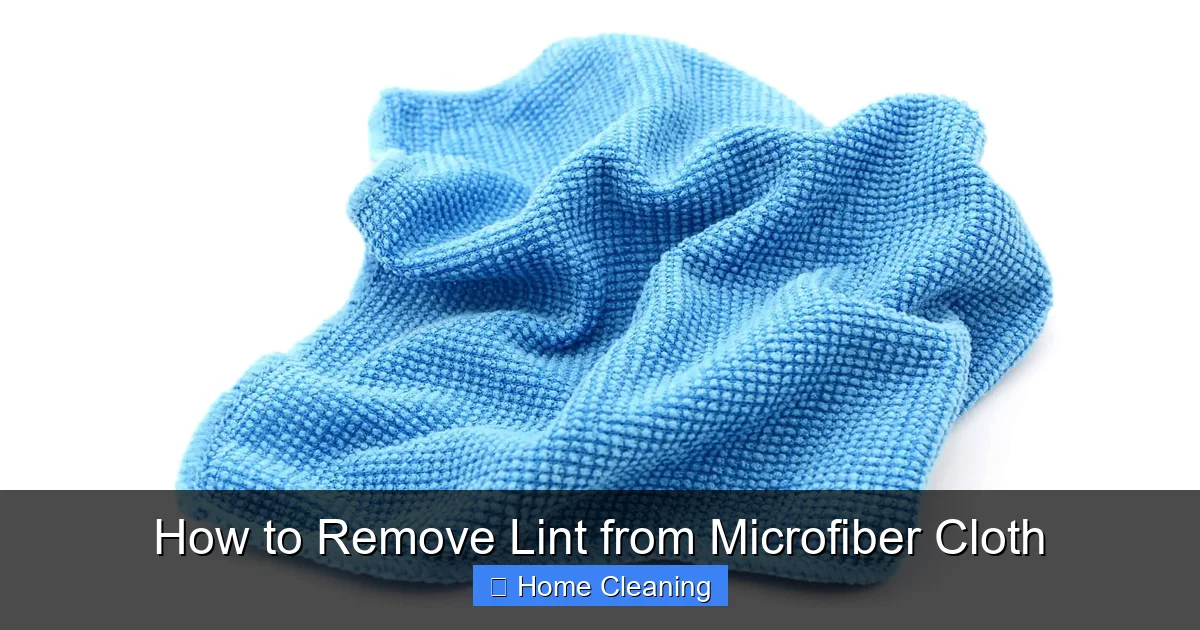
Before diving into removal methods, it’s helpful to understand why lint appears in the first place. Microfiber is made from ultra-fine synthetic fibers—usually a blend of polyester and polyamide. These fibers are engineered to attract and hold dust, dirt, and liquids through static electricity and capillary action.
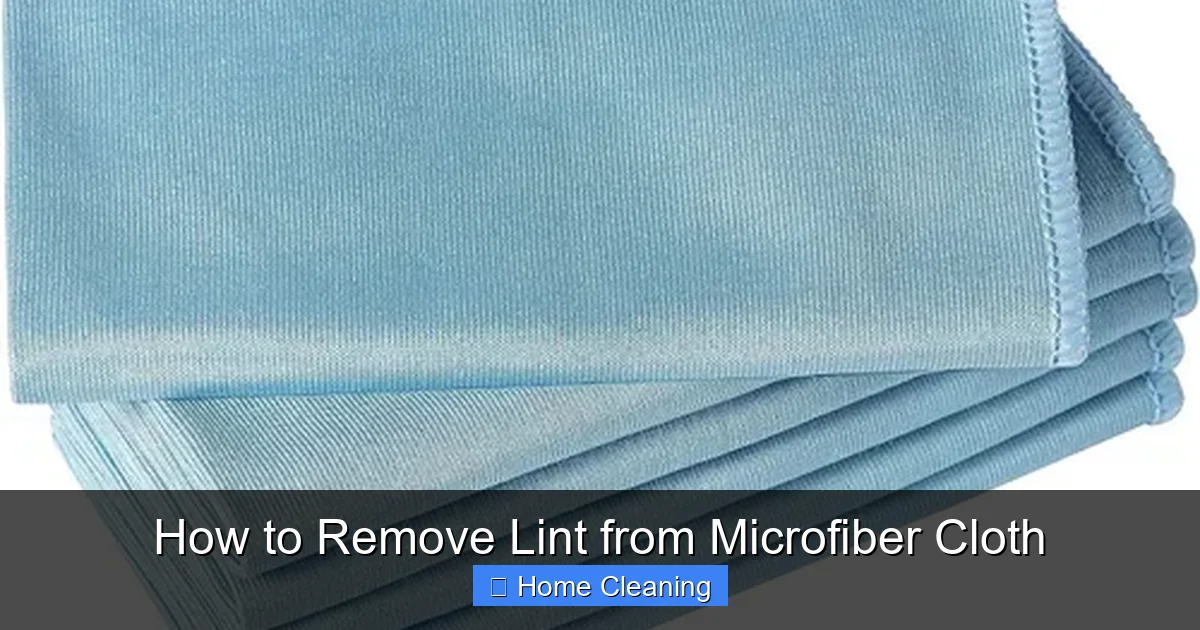
Visual guide about How to Remove Lint from Microfiber Cloth
Image source: luxurauk.com
The Science of Microfiber and Lint
When microfiber comes into contact with other fabrics—especially during washing or drying—tiny fibers can break off and cling to the surface. This is what we call lint. It’s not dirt, per se, but rather shed fibers from other materials, including your own towels, clothing, or even the washing machine drum.
Additionally, lint can accumulate during use. For example, if you use a microfiber cloth on a dusty surface and then store it in a drawer, the tiny fibers can attract and hold lint from the surrounding air. Static electricity, which helps microfiber pick up dust, can also make it more prone to clinging to lint particles.
Common Causes of Lint on Microfiber
- Washing with lint-producing fabrics: Towels, fleece, and cotton garments release fibers that stick to microfiber during the wash cycle.
- Using fabric softener: Softeners coat microfiber fibers, reducing their ability to attract dirt and increasing lint buildup.
- High heat drying: Heat can damage microfiber and cause fibers to shed more easily.
- Storing in damp or dirty environments: Moisture and dust encourage lint to cling to cloths.
- Overuse without washing: Using the same cloth repeatedly without cleaning allows lint and dirt to accumulate.
Preventing Lint Buildup: Proactive Cleaning Tips
The best way to deal with lint is to prevent it. By adopting a few simple habits, you can keep your microfiber cloths cleaner for longer and reduce the need for frequent lint removal.
Visual guide about How to Remove Lint from Microfiber Cloth
Image source: 5.imimg.com
Wash Cloths Separately
One of the most effective ways to prevent lint transfer is to wash microfiber cloths separately from other laundry. When you wash them with towels, sheets, or clothing made from natural fibers, lint from those items can stick to your microfiber.
Instead, toss your microfiber cloths into a mesh laundry bag or wash them alone in cold water. This minimizes contact with lint-producing fabrics and keeps your cloths cleaner after each wash.
Skip the Fabric Softener
Fabric softeners are great for making clothes feel soft and smelling fresh—but they’re terrible for microfiber. The chemical coatings in softeners build up on microfiber fibers, clogging the tiny pores that allow the cloth to attract and hold dirt.
Not only does this reduce cleaning performance, but it also makes microfiber more likely to attract lint. Stick to mild, phosphate-free detergents designed for synthetic fabrics.
Air Dry Your Cloths
While it may take longer, air drying your microfiber cloths is one of the best ways to preserve their structure and prevent lint. High heat from dryers can damage microfiber fibers and increase shedding.
If you must use a dryer, use the lowest heat setting and avoid dryer sheets—they leave a residue that attracts lint. Even better, hang your cloths to dry in a well-ventilated area. This also helps reduce static, which can make lint cling more easily.
Sort by Color
Washing similar-colored cloths together prevents dye transfer, which can contribute to lint-like discoloration. It also helps you spot lint buildup more easily, as discoloration and fuzz will stand out.
How to Remove Lint from Microfiber Cloth: Step-by-Step Methods
Even with the best prevention, lint can still appear. The key is knowing how to remove it safely—without damaging the delicate fibers. Here are several effective methods, from quick fixes to deep cleaning techniques.
Visual guide about How to Remove Lint from Microfiber Cloth
Image source: 5.imimg.com
1. Use a Lint Roller or Tape
For minor lint buildup, a lint roller or piece of clear adhesive tape can do the trick. Simply roll or press the sticky side over the microfiber surface to lift off fuzz.
This method is ideal for lint that appears between washes. It’s quick, easy, and requires no special tools. Just be sure to use the roller gently—excessive pressure can flatten the microfiber fibers and reduce their effectiveness.
2. Hand Wash with Mild Soap
If your cloth is heavily soiled with lint and dirt, a gentle hand wash may be necessary. Fill a basin with cold water and add a small amount of mild detergent. Gently rub the cloth in the water, focusing on areas with visible lint.
Rinse thoroughly with clean water and squeeze out excess moisture. Avoid wringing or twisting the cloth, as this can damage the fibers. Instead, press the water out between your palms.
3. Use a Lint Remover Brush
Specialized lint remover brushes are designed with soft bristles that lift lint without scratching microfiber. These brushes are often used for cleaning delicate electronics or upholstery and work well on microfiber cloths.
Lightly brush the cloth in one direction to avoid damaging the fibers. This method is especially useful for lint trapped deep within the weave.
4. Machine Wash with a Lint Trap
If you’ve already washed your microfiber in the machine and noticed lint buildup afterward, consider using a lint trap or mesh bag during the next wash. These devices catch lint from other fabrics before it can transfer to your microfiber.
Alternatively, wash microfiber with a load of lint-free items like cotton T-shirts or bandanas. This reduces cross-contamination and helps keep your cloths cleaner.
5. Soak in White Vinegar Solution
White vinegar is a natural deodorizer and fabric softener alternative that can help break down lint and residue. Fill a basin with cold water and add one cup of white vinegar. Soak your microfiber cloth for 30 minutes, then rinse and air dry.
Vinegar helps dissolve mineral deposits and soap residue that can attract lint. It also neutralizes odors and restores some of the cloth’s natural static charge, improving its cleaning power.
6. Use a Microfiber Cleaning Spray
Microfiber cleaning sprays are specially formulated to clean and refresh cloths without water. These sprays often contain mild surfactants and are designed to lift dirt and lint without damaging fibers.
Spray the cloth lightly, then wipe with a dry section of the same cloth or a clean, dry paper towel. This method is perfect for spot cleaning and quick lint removal between uses.
Deep Cleaning: Restoring Lint-Heavy Microfiber Cloths
If your microfiber cloths are heavily coated with lint and seem dull or less effective, it may be time for a deep clean. This process helps restore the cloth’s ability to attract and hold dirt.
Step 1: Sort and Prepare
Separate your microfiber cloths by color and condition. Only deep clean cloths that are still structurally intact. Discard any that are frayed or no longer absorb liquids effectively.
Step 2: Pre-Treat with Baking Soda
Baking soda is a gentle abrasive that helps lift lint and neutralize odors. Sprinkle a small amount of baking soda over the cloth and gently rub it in with your fingers or a soft brush.
Let it sit for 10–15 minutes before proceeding to the wash cycle.
Step 3: Wash in Cold Water
Use a mild detergent and wash the cloths in cold water on a gentle cycle. Avoid high heat and fabric softeners. If possible, add a cup of white vinegar to the rinse cycle to help break down residue.
Step 4: Air Dry Thoroughly
After washing, air dry the cloths completely. Make sure they are fully dry before storing or using again. Dampness can lead to mildew and attract more lint.
Step 5: Test Performance
Once dry, test the cloth’s cleaning ability. It should feel slightly rough to the touch—this is normal and indicates the fibers are intact. If it feels smooth or slippery, it may have been coated with residue.
When to Replace Your Microfiber Cloths
Even with proper care, microfiber cloths don’t last forever. Over time, the fibers break down, lose their electrostatic charge, and become less effective. If you’ve tried multiple lint removal methods and the cloth still traps lint excessively or fails to clean properly, it may be time to replace it.
Signs it’s time to replace your microfiber include:
- Excessive pilling or fraying
- Loss of absorbency
- Persistent lint buildup despite cleaning
- Strong odors that don’t go away with washing
- Visible discoloration or staining
Most microfiber cloths last 200–300 washes with proper care. Keep a count of how many times you’ve used and washed each cloth to help you decide when it’s time for a replacement.
Eco-Friendly and Cost-Effective Lint Removal Tips
Maintaining microfiber cloths doesn’t have to be expensive or harmful to the environment. In fact, these cloths are already a sustainable cleaning option—they’re reusable, reduce the need for paper towels, and last for years.
Reuse and Repurpose
Don’t toss out microfiber cloths that are only slightly linty. Use them for dusting or polishing until they’re too worn. You can also repurpose them for car cleaning, gym equipment, or even makeup removal.
DIY Cleaning Solutions
Instead of buying specialized sprays, make your own using water and a few drops of mild dish soap or white vinegar. These solutions are just as effective and cost nothing.
Compost or Recycle Responsibly
When microfiber cloths reach the end of their life, check if your local recycling program accepts synthetic fabrics. Some companies also offer take-back programs for old microfiber products.
Conclusion: Keep Your Microfiber Lint-Free and Performing at Its Best
Removing lint from microfiber cloths doesn’t have to be a chore. With the right habits and techniques, you can keep your cloths clean, effective, and long-lasting. From washing separately and skipping fabric softeners to using lint rollers and vinegar soaks, these simple steps make a big difference.
Remember, microfiber is designed to trap dirt and moisture—not lint. By understanding how lint builds up and taking preventive measures, you can enjoy cleaner surfaces and extend the life of your cleaning tools. And when it comes to removal, gentle methods like lint rollers, hand washing, and air drying are your best friends.
With a little care and attention, your microfiber cloths will stay in top shape, ready to tackle spills, dust, and streaks—lint-free and effective every time.
Frequently Asked Questions
Can I use fabric softener on microfiber cloths?
No, fabric softeners are not recommended for microfiber. They coat the fibers with a chemical residue that clogs the tiny pores, reducing the cloth’s ability to attract dirt and increasing lint buildup. Instead, use a mild, phosphate-free detergent.
Why does my microfiber cloth get lint after washing?
Lint appears after washing because microfiber comes into contact with lint-producing fabrics like towels, cotton, or fleece. To prevent this, wash microfiber cloths separately or in a mesh laundry bag, and avoid mixing them with other lint-heavy items.
How often should I wash my microfiber cloths?
Wash microfiber cloths after each use, especially if they’re visibly dirty or wet. For light use, you can store them between washes, but always wash before they develop odors or lint buildup. Over time, regular washing maintains their performance.
Can I put microfiber cloths in the dryer?
Yes, but only on the lowest heat setting and without dryer sheets. High heat and dryer sheets can damage microfiber and leave a residue that attracts lint. For best results, air dry your cloths to preserve their structure and extend their life.
Is it safe to wash microfiber with hot water?
No, hot water can damage the synthetic fibers and reduce the cloth’s effectiveness. Always wash microfiber in cold water to protect the fibers and maintain their electrostatic charge, which helps them attract dirt.
How do I know when my microfiber cloth is too old to use?
Replace microfiber cloths if they show signs of wear like pilling, fraying, loss of absorbency, persistent lint, or strong odors that won’t go away with washing. Even with care, microfiber degrades over time and loses its cleaning power.