Do Smart Bulbs Use More Electricity
Smart bulbs are not inherently more energy-hungry than traditional bulbs—many are actually more efficient. In fact, LED smart bulbs use up to 80% less energy than incandescent bulbs and last much longer. While some smart features like constant connectivity may add a tiny amount of power draw, the overall energy savings from dimming, scheduling, and automation often outweigh this minor increase. The real electricity cost difference comes from the bulb type, not the smart functionality itself.
Key Takeaways
- Smart bulbs use less energy when used correctly: Many smart bulbs, especially LEDs, consume significantly less power than traditional incandescent bulbs due to superior efficiency.
- Energy use depends on bulb type: Not all smart bulbs are equal—LEDs are far more efficient than incandescent or halogen options, even when smart features are enabled.
- Connectivity adds minimal power draw: Wi-Fi or Zigbee radios in smart bulbs use a small amount of electricity, but this is negligible compared to lighting output.
- Automation saves energy: Scheduling lights to turn off when not needed can reduce electricity use and lower utility bills.
- Dimming reduces consumption: Most smart bulbs allow dimming, which can cut energy use by up to 75% compared to full brightness.
- Cost savings over time: Despite higher upfront prices, smart bulbs often pay for themselves through energy savings and longer lifespan.
- Smart features don’t always mean more power: Voice control, app usage, and remote access don’t significantly increase electricity consumption.
📑 Table of Contents
- Do Smart Bulbs Use More Electricity?
- Understanding How Smart Bulbs Work
- Do Smart Bulbs Use More Electricity Than Regular Bulbs?
- The Hidden Energy Costs of Smart Features
- How to Use Smart Bulbs to Save Energy
- Real-World Energy Savings: Case Study
- Do Smart Bulbs Pay for Themselves?
- Tips to Maximize Energy Efficiency with Smart Bulbs
- Conclusion: Smart Bulbs Are a Win for Energy Efficiency
Do Smart Bulbs Use More Electricity?
You’ve probably seen the smart bulb commercials—color-changing lights, voice control, app scheduling, and the promise of a smarter home. They look cool, they’re convenient, and they’re supposed to save energy. But as you’re browsing Amazon or shopping at Home Depot, a nagging question pops into your head: Do smart bulbs use more electricity? Are they worth the extra cost? And more importantly, are they actually helping you save money on your power bill?
Let’s clear up the confusion. The short answer? No, smart bulbs don’t inherently use more electricity than regular bulbs—and in many cases, they use far less. The real story is more nuanced. It’s not about whether a bulb is “smart” or “dumb.” It’s about the technology inside. Smart bulbs come in different types: some are just regular bulbs with a Wi-Fi chip slapped on top, while others are full-on LED systems built for efficiency from the start. And when you factor in features like dimming, scheduling, and automation, smart bulbs can actually help you use less energy—not more.
Understanding How Smart Bulbs Work
Before we dive into energy consumption, let’s talk about what makes a bulb “smart.” At its core, a smart bulb is just a light bulb—usually an LED—with a built-in internet connection. This connection allows it to be controlled remotely via a smartphone app, a voice assistant like Alexa or Google Assistant, or through a smart home hub.
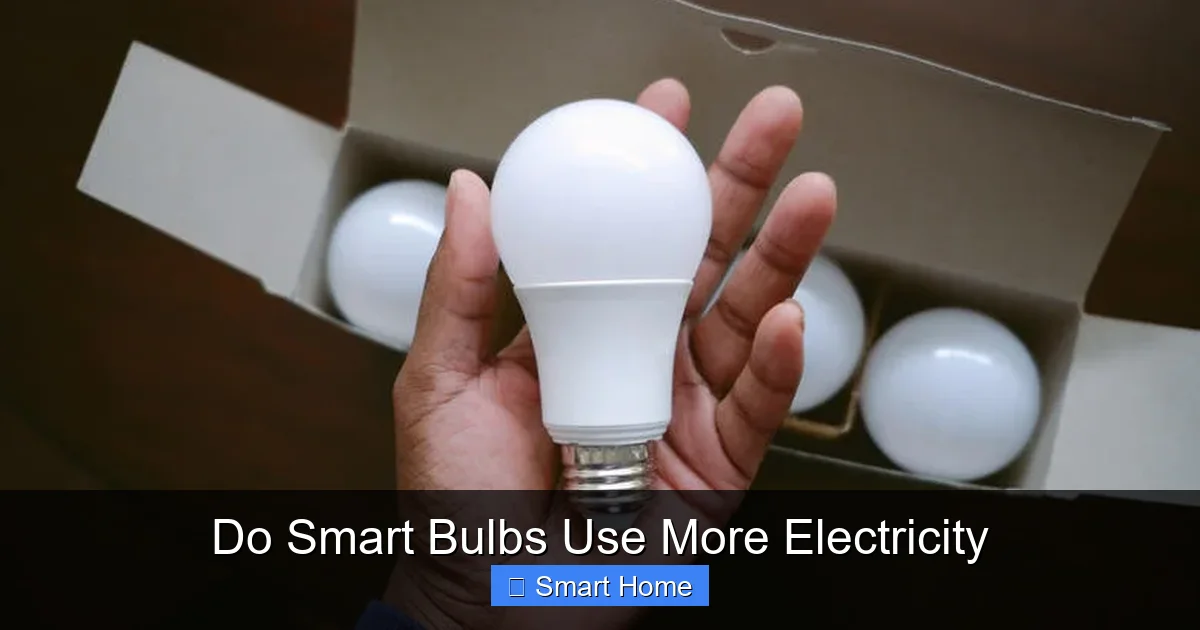
Visual guide about Do Smart Bulbs Use More Electricity
Image source: img-s-msn-com.akamaized.net
Types of Smart Bulbs
Not all smart bulbs are created equal. There are three main types:
- Wi-Fi Smart Bulbs: These connect directly to your home Wi-Fi network. They’re easy to set up but can slow down your network if too many are active at once.
- Zigbee/Z-Wave Smart Bulbs: These use low-power wireless protocols and often require a hub. They’re more reliable and energy-efficient for constant connectivity.
- Bluetooth Smart Bulbs: These connect via Bluetooth and usually work only within a short range, often needing your phone nearby to function.
Each type uses a tiny amount of power just to stay connected—think of it like a tiny radio always listening for a command. But this power draw is so small that it rarely affects your overall electricity usage.
Energy Consumption Basics
To understand whether smart bulbs use more electricity, we need to compare them to their traditional counterparts. Let’s look at the three most common bulb types:
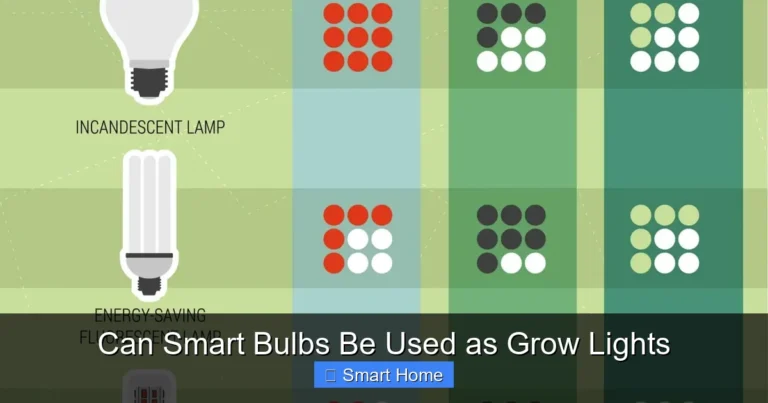
- Incandescent: The old-school bulbs that heat a filament to produce light. They’re inefficient—about 90% of energy is lost as heat.
- Halogen: A slightly improved version of incandescent, still inefficient but brighter and longer-lasting.
- CFL (Compact Fluorescent): More efficient than incandescent, but contains small amounts of mercury and takes time to warm up.
Now, compare those to LED smart bulbs, which are the most energy-efficient lighting available today. An LED smart bulb uses up to 80% less energy than an incandescent bulb of the same brightness. So even if it has a smart chip inside, it’s still far more efficient.
Do Smart Bulbs Use More Electricity Than Regular Bulbs?
This is the million-dollar question. And the answer depends on what kind of “regular bulb” you’re comparing it to.
Visual guide about Do Smart Bulbs Use More Electricity
Image source: light.style
Smart Bulb vs. Incandescent Bulb
Let’s say you replace a 60-watt incandescent bulb with a 9-watt LED smart bulb. That’s a 51-watt difference in energy use—just by switching bulb types. The smart bulb uses far less power, even with the extra electronics inside.
For example:
- 60W incandescent: Uses 60 watts of electricity to produce light.
- 9W LED smart bulb: Uses only 9 watts—even with Wi-Fi or Zigbee radio active.
That’s a 85% reduction in energy consumption. No wonder utility bills go down when people make the switch.
Smart Bulb vs. CFL Bulb
Compact fluorescent bulbs use about 14–15 watts to match the brightness of a 60W incandescent. An LED smart bulb, on the other hand, uses just 9 watts. So again, the smart LED uses less power—and it’s also instant-on, doesn’t flicker, and lasts much longer.
Smart Bulb vs. Smart Bulb (Different Types)
Now, what if you’re comparing two smart bulbs? Does the brand or connectivity type matter? Not really. A 9W Zigbee smart bulb uses roughly the same power as a 9W Wi-Fi smart bulb—the difference is in how they connect, not how much electricity they draw.
However, some budget smart bulbs may use slightly more power due to lower-quality components or constant polling of the network. But even then, the difference is negligible. For example, a high-end smart bulb might use 9.2 watts, while a budget model uses 9.5 watts—less than a watt difference. Over a year, that adds up to just a few dollars on your bill.
The Hidden Energy Costs of Smart Features
So far, we’ve established that smart bulbs don’t use more electricity than regular bulbs. But what about all those smart features? Do voice assistants, app notifications, and remote control really add to your energy bill?
Visual guide about Do Smart Bulbs Use More Electricity
Image source: light.style
Wi-Fi and Bluetooth Power Draw
Yes, smart bulbs use a small amount of power to stay connected. A Wi-Fi-enabled bulb might use 0.5–1 watt just to maintain its connection. That’s like leaving a small LED light on 24/7. But compared to the 9 watts it uses to light your room, that’s less than 10% of the total energy draw.
For context:
- Wi-Fi radio: 0.5–1 watt
- LED light: 8–10 watts (depending on brightness)
- Total: ~9–11 watts
So the smart part uses less than 10% of the total energy. The light does the heavy lifting.
Does the Hub Use Extra Power?
If you’re using Zigbee or Z-Wave bulbs, you likely need a hub (like a Philips Hue Bridge or Amazon Echo). These hubs use about 5–10 watts when active. But they’re usually plugged in all the time, not just when you use the lights. So over the course of a year, their energy use adds up—but it’s still relatively small. A typical smart home hub might cost you an extra $5–$10 per year in electricity, depending on usage.
App Usage and Cloud Services
When you open a smart home app or ask Alexa to turn on a light, data is sent to the cloud. This uses a tiny amount of energy on your phone or speaker. But this is so minimal it’s almost irrelevant. Your phone or smart speaker already uses more power just sitting in your pocket or on the table.
How to Use Smart Bulbs to Save Energy
If smart bulbs don’t use more electricity, then how can they help you save? It’s all about behavioral change and automation. Smart bulbs make it easier to use energy wisely.
1. Schedule Lights to Turn Off Automatically
One of the biggest energy wasters is leaving lights on when no one’s home. With smart bulbs, you can set schedules so lights turn off at bedtime, turn on when you wake up, or shut off automatically when you leave the house (using geofencing).
Example: A family of four uses 100W of lighting in the living room for 5 hours a night. By scheduling the lights to turn off at 10 PM and back on at 6 AM, they save 500 watt-hours per day—or 182,500 watt-hours (182.5 kWh) per year. At an average rate of $0.12 per kWh, that’s $21.90 saved annually.
2. Use Dimming to Reduce Consumption
Dimming a smart LED bulb can reduce energy use by up to 75%. Most smart bulbs allow full dimming control via app or voice. Dimming isn’t just for ambiance—it’s a powerful energy-saving tool.
Example: A 9W smart bulb running at full brightness uses 9 watts. At 50% brightness, it uses about 4.5 watts. That’s a 50% reduction in power—without turning it off completely.
3. Use Geofencing to Save Energy
Geofencing uses your phone’s GPS to detect when you’re leaving or arriving home. Smart bulbs can automatically turn on when you arrive and off when you leave. This ensures lights aren’t on needlessly.
Example: A commuter drives 20 miles round-trip to work. If their smart lights stay on for 30 minutes after they leave, geofencing can prevent that waste—saving a few watt-hours daily.
4. Group and Control Lights Together
Instead of turning on multiple lights one by one, you can control them all from one app or voice command. This reduces the chance of forgetting to turn off a room’s lights.
Real-World Energy Savings: Case Study
Let’s look at a real example. A family in Austin, Texas, replaced all 20 of their incandescent bulbs with 9-watt LED smart bulbs. They used the app to:
- Schedule lights to turn off at 11 PM
- Enable dimming in bedrooms and living room
- Set up geofencing so lights turn off when they leave home
Results after one year:
- Energy saved: 1,840 kWh
- Cost savings: $221 (at $0.12/kWh)
- Carbon reduction: ~1.2 tons of CO₂
That’s more than just energy savings. It’s a cleaner, more efficient home.
Do Smart Bulbs Pay for Themselves?
Smart bulbs cost more upfront—typically $10–$30 per bulb—compared to $1–$3 for a regular LED bulb. But over time, they often pay for themselves.
Break-even analysis:
- Cost of 20 smart bulbs: $300
- Annual energy savings: $221 (from case study)
- Payback period: ~1.4 years
Plus, smart bulbs last 15,000–25,000 hours (about 15–20 years with normal use), compared to 10,000 hours for standard LEDs. That means fewer replacements and less waste.
Tips to Maximize Energy Efficiency with Smart Bulbs
Want to get the most out of your smart bulbs? Here are some practical tips:
1. Choose Energy-Efficient Models
Look for ENERGY STAR certified smart bulbs. These meet strict efficiency standards and use less power than non-certified models.
2. Use Dimming Wisely
Dim lights when possible. Even reducing brightness by 20% can save energy without sacrificing comfort.
3. Turn Off When Not in Use
Use voice commands or routines to turn off lights when leaving a room. “Alexa, turn off the living room” is faster than flipping a switch.
4. Avoid Constant Connectivity
If you don’t need remote control, switch your bulb to “dumb” mode (if supported) to save the tiny bit of power used by the radio.
5. Use Smart Plugs for Non-Smart Lights
If you can’t replace a bulb, a smart plug can make any light controllable—and help you track energy use.
Conclusion: Smart Bulbs Are a Win for Energy Efficiency
So, do smart bulbs use more electricity? Not really. In fact, they often use significantly less energy than traditional bulbs, especially when you consider the efficiency of LEDs and the power-saving benefits of automation.
The real electricity cost difference comes from the bulb type—not the smart features. And when you factor in scheduling, dimming, and remote control, smart bulbs can help you reduce your energy consumption and save money. Yes, there’s a small power draw from connectivity, but it’s negligible compared to the energy saved by using lights more efficiently.
If you’re looking to lower your energy bill, reduce your carbon footprint, and enjoy the convenience of a connected home, smart bulbs are a smart choice. They’re not just about lighting—they’re about smarter living.
Frequently Asked Questions
Do smart bulbs use more electricity than regular LED bulbs?
No, smart bulbs typically use the same or slightly more power than regular LED bulbs due to connectivity features, but the difference is minimal. The lighting itself—not the smart chip—uses the most energy.
How much extra power do smart bulbs use for Wi-Fi or Bluetooth?
Smart bulbs use about 0.5–1 watt for connectivity, which is less than 10% of the total energy used by the bulb. For a 9-watt smart bulb, that’s less than 1 watt for the radio alone.
Can smart bulbs help me save on my electricity bill?
Yes, absolutely. Smart bulbs allow you to schedule lights, dim them, and automate usage, which can reduce energy waste and lower your electricity bill over time.
Are smart bulbs worth the extra cost?
For most people, yes. Despite higher upfront costs, smart bulbs save money through energy efficiency and longer lifespan, often paying for themselves in under two years.
Do I need a hub for smart bulbs, and does it use more electricity?
Some smart bulbs need a hub, which uses about 5–10 watts when active. This adds a small cost, but it’s usually offset by the energy savings from automation.
Can I turn off the smart features to save energy?
Some smart bulbs allow you to disable connectivity features or switch to “dumb” mode, which can save a tiny amount of power. However, the savings are minimal—usually less than $1 per year per bulb.