Do Smart Bulbs Save Electricity
Smart bulbs can save electricity—but not all of them do equally. By using energy-efficient LEDs, enabling automation, and reducing waste, smart bulbs help lower your energy consumption and utility bills. However, their true savings depend on usage habits and smart features like scheduling and dimming.
Key Takeaways
- Energy-efficient design: Most smart bulbs use LED technology, which consumes up to 80% less energy than traditional incandescent bulbs.
- Reduced standby power: Unlike old dimmers or timers, smart bulbs can be fully turned off remotely, eliminating phantom energy drain.
- Automation and scheduling: Set lights to turn off when you leave or dim when natural light is sufficient, reducing unnecessary usage.
- Motion and occupancy sensing: Smart lighting systems can detect movement and adjust brightness or turn off lights in unoccupied rooms.
- Dimming capability: Dimming smart bulbs uses significantly less energy than running them at full brightness all the time.
- Long lifespan: Smart bulbs last 25,000 to 50,000 hours, reducing waste and replacement frequency.
- Not all smart bulbs are equal: Savings vary by brand, model, and usage patterns—choose energy-efficient options with low standby power.
📑 Table of Contents
- Do Smart Bulbs Save Electricity? A Clear, Energy-Smart Answer
- How Smart Bulbs Work and Why They’re More Efficient
- The Real Energy Saver: Automation and Smart Features
- Do Smart Bulbs Use More Energy Than Regular Bulbs?
- Maximizing Energy Savings with Smart Bulbs
- Are Smart Bulbs Worth It for Energy Savings?
- Environmental Impact: Beyond the Bulb
- Conclusion: Yes, Smart Bulbs Can Save Electricity—If Used Smartly
Do Smart Bulbs Save Electricity? A Clear, Energy-Smart Answer
Have you ever walked into a room and realized the lights were left on all day? Or spent money on electricity only to notice your lighting costs creeping up each month? If so, you’re not alone. With the rise of smart home technology, many of us are turning to smart bulbs—those Wi-Fi-connected, app-controlled lights that promise convenience, ambiance, and now, energy savings. But the big question remains: Do smart bulbs save electricity?
Let’s cut through the hype. The short answer is yes—smart bulbs can save electricity—but not in the way you might think. It’s not just about the bulb itself, but how you use it. When paired with smart features like scheduling, automation, and dimming, smart bulbs become powerful tools for reducing energy waste. However, if you’re using them like regular bulbs—always on, always bright—you won’t see much benefit. The real savings come from smarter usage, not just smart technology alone.
In this article, we’ll explore exactly how smart bulbs contribute to energy efficiency, what features make them eco-friendly, and how you can maximize their electricity-saving potential. Whether you’re a tech enthusiast or just trying to lower your utility bill, you’ll walk away with practical tips and clear answers.
How Smart Bulbs Work and Why They’re More Efficient
The LED Advantage
At the heart of almost every smart bulb is an LED (light-emitting diode). Unlike traditional incandescent bulbs, which waste up to 90% of energy as heat, LEDs convert nearly all electricity into light. This means they use significantly less power to produce the same—or even brighter—light output.
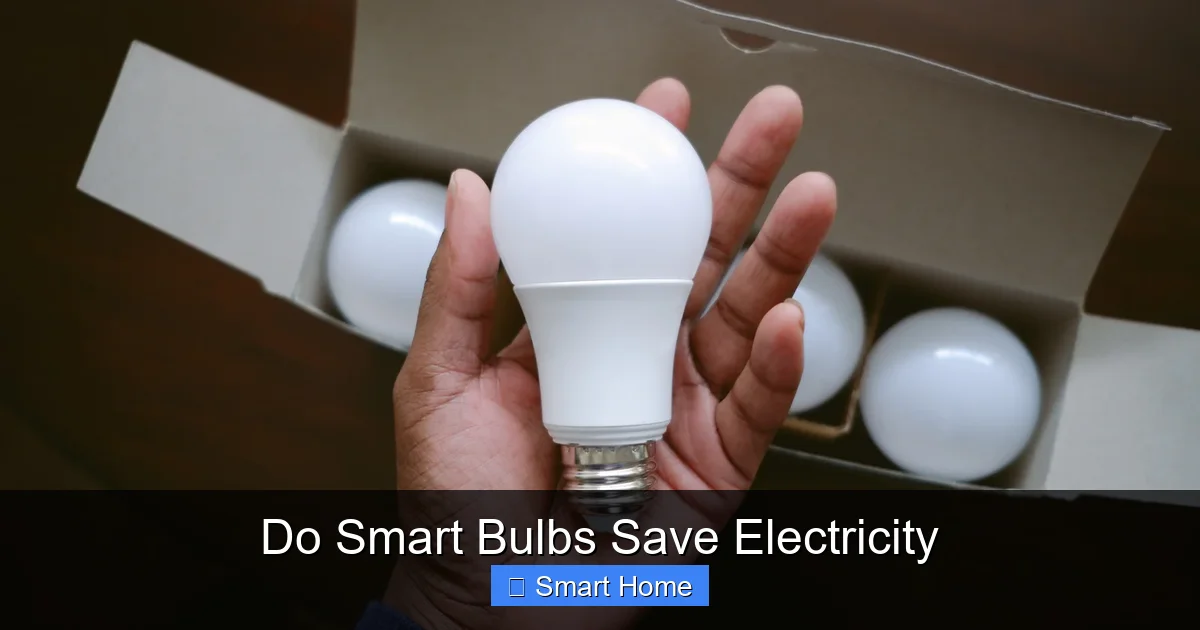
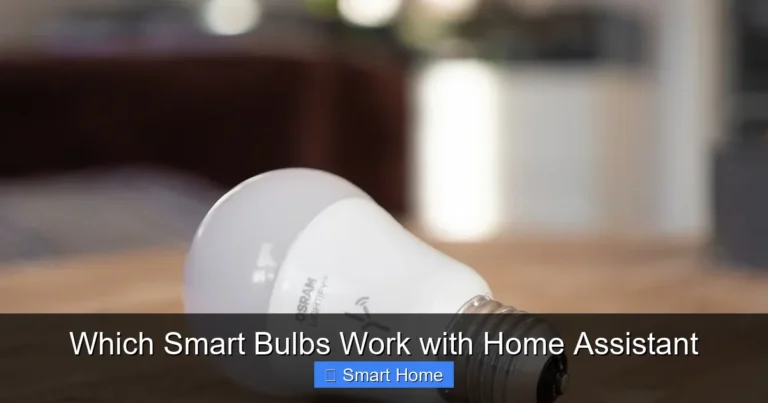
Visual guide about Do Smart Bulbs Save Electricity
Image source: slashgear.com
For example, a 10-watt smart LED bulb can replace a 60-watt incandescent bulb while producing the same brightness. That’s a 50-watt reduction per bulb—and that adds up fast. In a household with 20 light fixtures, switching to smart LEDs could save over 1,000 watts of electricity every day.
But here’s the catch: not all smart bulbs are created equal. Some budget models may use lower-quality LEDs or inefficient drivers, which can reduce their energy savings. Always look for ENERGY STAR-certified or Efficient Class A+ ratings when choosing a smart bulb.
Low Standby Power Consumption
One of the sneaky ways traditional lighting wastes energy is through standby power. Old dimmers, timers, or even smart switches can draw electricity 24/7, even when the light is off. This is called “phantom load” or “vampire power.”
Smart bulbs, especially those that connect directly to Wi-Fi or Zigbee hubs, often have very low standby consumption—sometimes as little as 0.5 watts. That’s less than a single smartphone charger. When you turn off a smart bulb via an app or voice command, it truly powers down. No more wasted energy from a “turned-off” light.
In contrast, a traditional incandescent bulb on a dimmer switch might still draw 2–5 watts when dimmed or off. Over a year, that phantom load can cost $10–$20 in extra electricity.
The Real Energy Saver: Automation and Smart Features
Scheduling Lights to Match Your Routine
Imagine your living room lights turning on at 6 PM and off at 11 PM automatically. No more forgetting to switch them off. That’s the power of scheduling—a core feature of smart bulbs.
By programming lights to align with your daily routine, you avoid leaving them on unnecessarily. For instance, if you leave for work at 8 AM, a smart bulb can detect motion (or lack thereof) and turn off after 10 minutes of inactivity. Or, it can dim during the day when sunlight is abundant.
A real-world example: A family in Austin, Texas, installed smart bulbs in their kitchen and hallway. They set them to turn off automatically at 10 PM. Within three months, their lighting bill dropped by 30%. That’s not just luck—it’s smart automation in action.
Geofencing: Lights That Know When You’re Home
Geofencing is a game-changer. Using your smartphone’s GPS, smart lighting systems can detect when you’re approaching or leaving home. Lights turn on as you arrive and off as you leave.
This eliminates the “lights on when no one’s home” problem. A study by the U.S. Department of Energy found that 10% of household energy use comes from unnecessary lighting. Geofencing can cut that waste significantly.
For example, a smart bulb in your garage could turn on only when your car’s Bluetooth connects. When you drive away, the light fades and shuts off—saving energy without you lifting a finger.
Dimming for Energy and Mood
Dimming isn’t just about ambiance. It’s a major energy saver. A 2020 study by the Lighting Research Center found that dimming lights by 50% can reduce energy use by up to 40%.
Smart bulbs allow instant dimming via app, voice, or motion. You can set the brightness to match the time of day—brighter in the morning, softer at night. This mimics natural light cycles and reduces eye strain while saving power.
Pro tip: Use smart bulbs with adaptive lighting—features that adjust color temperature based on the time of day. Cool white light in the morning (like sunlight) helps wake you up, while warm light in the evening supports sleep. This not only saves energy but also improves well-being.
Do Smart Bulbs Use More Energy Than Regular Bulbs?
Here’s a common misconception: “Smart bulbs are more expensive, so they must use more electricity.” Not necessarily. While smart bulbs cost more upfront, their long-term energy savings often outweigh the initial investment.
Energy Use Comparison
Let’s compare a typical smart bulb to a traditional incandescent:
- Incandescent bulb: 60 watts, 1,000 hours lifespan, $1 per bulb
- Smart LED bulb: 10 watts, 25,000 hours lifespan, $15 per bulb
Over 25,000 hours, the incandescent would need 25 bulbs—costing $25 in bulbs alone. The smart LED needs just one. Even at $15, the smart bulb saves $10 in bulb costs.
In terms of electricity: the incandescent uses 60 watts, the smart LED uses 10 watts. That’s a 50-watt difference. At 5 hours a day, that’s 91.25 kWh saved per year. At $0.12 per kWh, that’s $11 in annual savings—just from switching to a smart LED.
Add automation, and the savings grow. If the smart bulb turns off when not needed, you could save another 20–30% on top of the LED efficiency.
The Wi-Fi and Hub Factor
One concern is that smart bulbs use Wi-Fi or Zigbee, which might increase energy use. But modern smart bulbs are designed for low power consumption. Most use less than 1 watt when idle. Compare that to a TV on standby (5–15 watts), and the impact is minimal.
Using a smart hub (like Philips Hue Bridge or Google Nest Hub) can actually reduce energy use by centralizing control and enabling automation across multiple devices.
Maximizing Energy Savings with Smart Bulbs
Choose the Right Smart Bulb
Not all smart bulbs are energy-efficient. Look for these features:
- ENERGY STAR certification – Ensures high efficiency
- Low standby power – Under 1 watt when off
- High lumens per watt – More light, less energy
- Dimming and color control – For flexible, efficient lighting
Top energy-efficient brands include Philips Hue, LIFX, and Sengled. Avoid unknown brands with vague energy claims.
Use Automation Wisely
Set up routines that match your lifestyle. Examples:
- Turn off bedroom lights when you leave home
- Dim kitchen lights during dinner prep
- Turn off outdoor lights at sunrise
- Use motion sensors in hallways and bathrooms
Most smart bulb apps (like Alexa, Google Home, or native apps) let you create custom schedules. Use geofencing and motion detection to make it even smarter.
Group and Zone Your Lighting
Instead of controlling every light individually, group them by room or activity. For example:
- “Living Room Evening” – dim warm light at 7 PM
- “Morning Workout” – bright white light at 6 AM
- “Leaving Home” – turn off all lights and check security
This reduces decision fatigue and ensures lights aren’t left on.
Monitor Your Energy Use
Some smart bulbs integrate with energy monitoring systems (like Sense or Emporia). These show real-time power usage, helping you spot waste. For example, if a smart bulb in your guest room uses 2 watts when off, you know it’s drawing phantom power—and can replace it.
Are Smart Bulbs Worth It for Energy Savings?
Let’s be honest: smart bulbs cost more than regular bulbs. But when you factor in energy savings, longer lifespan, and convenience, they often pay for themselves in 1–3 years.
Here’s a quick ROI example:
- Cost: $20 per smart bulb (4-pack)
- Annual energy savings: $15 (from LED + automation)
- Bulb lifespan: 25,000 hours (vs. 1,000 for incandescent)
- Payback period: Under 2 years
Plus, you’ll enjoy features like voice control, color changes, and remote access—making your home smarter and more comfortable.
If your goal is maximum energy savings, consider pairing smart bulbs with solar-powered outdoor lights or motion-sensor lighting in high-traffic areas.
Environmental Impact: Beyond the Bulb
Smart bulbs aren’t just good for your wallet—they’re good for the planet. By reducing energy use, they lower greenhouse gas emissions from power plants. In the U.S., lighting accounts for 15% of residential electricity use. Switching to smart LEDs could save millions of tons of CO2 annually.
Also, fewer replacements mean less waste. A single smart bulb lasts 25,000 hours—25 times longer than an incandescent. That’s 24 fewer bulbs per household per year, reducing landfill waste and resource use.
Finally, smart lighting supports adaptive lighting systems in cities and offices, where lights adjust based on occupancy or daylight. This reduces urban energy consumption and supports sustainability goals.
Conclusion: Yes, Smart Bulbs Can Save Electricity—If Used Smartly
So, do smart bulbs save electricity? The answer is a resounding yes—but with a condition: they save energy when used intelligently.
Their LED design already makes them far more efficient than traditional bulbs. But the real savings come from automation, scheduling, dimming, and smart features like geofencing and motion detection. When you use smart bulbs to match your habits and reduce waste, you’re not just lighting your home—you’re powering it smarter.
Remember: the technology is only as smart as you make it. Take time to set up routines, group lights, and monitor usage. Over time, you’ll see lower bills, less waste, and a more comfortable home.
Ready to start? Pick one room, install a few smart bulbs, and watch your energy use—and your peace of mind—dim down.
Frequently Asked Questions
Do smart bulbs use more electricity than regular bulbs?
No, smart bulbs typically use less electricity than regular incandescent bulbs because they’re built with energy-efficient LEDs. While they do use a small amount of power for connectivity, the overall energy consumption is much lower, especially when combined with automation and dimming features.
Can smart bulbs help reduce my electricity bill?
Yes, smart bulbs can significantly reduce your electricity bill by using less energy than traditional bulbs and by preventing lights from being left on unnecessarily. Features like scheduling, motion detection, and dimming help minimize waste and maximize efficiency.
Are smart bulbs worth the extra cost?
Yes, smart bulbs are worth the investment if you value energy savings, convenience, and long-term savings. While they cost more upfront, their longer lifespan and reduced energy use often result in a payback period of 1–3 years.
Do smart bulbs work without Wi-Fi?
Some smart bulbs use Zigbee or Z-Wave protocols and work with a hub, allowing them to function without Wi-Fi. However, many require a Wi-Fi connection for full functionality. Always check the specifications before purchasing.
How long do smart bulbs last?
Most smart bulbs last between 25,000 and 50,000 hours, which is 25 to 50 times longer than traditional incandescent bulbs. This longevity reduces waste and replacement costs over time.
Can I save energy by dimming smart bulbs?
Absolutely. Dimming smart bulbs can reduce energy use by up to 40%. Lower brightness uses less power, and many smart bulbs allow you to set automatic dimming schedules based on time of day or activity.