Are Smart Bulbs a Fire Hazard
Smart bulbs are generally safe when used properly, but like any electrical device, they can pose a fire risk if faulty or misused. Understanding their design, proper installation, and manufacturer safety standards can help you enjoy smart lighting without worry. This guide breaks down the risks, safety tips, and what to look for when choosing smart bulbs for your smart home.
Key Takeaways
- Smart bulbs are not inherently fire hazards – when manufactured and used correctly, they meet safety standards and pose minimal risk.
- Overheating is the most common cause of smart bulb fires – often due to poor design, low-quality components, or improper installation.
- Always buy from reputable brands and retailers – avoid counterfeit or off-brand bulbs that may not meet safety regulations like UL or ETL certification.
- Proper installation matters – ensure bulbs are screwed in securely and not over-tightened, which can damage internal wiring.
- Monitor bulb performance – if a smart bulb gets unusually hot, flickers, or emits a burning smell, unplug it immediately.
- Smart features don’t increase fire risk – Wi-Fi, voice control, and app connectivity are low-power additions and not fire causes.
- Use smart bulbs with compatible, surge-protected outlets – this reduces electrical stress and protects connected devices.
📑 Table of Contents
- Are Smart Bulbs a Fire Hazard? What You Need to Know
- How Smart Bulbs Work: The Technology Behind the Illumination
- What Causes Smart Bulbs to Overheat?
- Are Smart Bulbs Tested for Safety?
- Real-World Smart Bulb Fire Incidents
- How to Use Smart Bulbs Safely: Practical Tips
- Smart Bulbs vs. Traditional Bulbs: Safety Comparison
- What to Do If You Experience a Smart Bulb Fire
- Conclusion: Smart Bulbs Are Safe When You Choose Wisely
Are Smart Bulbs a Fire Hazard? What You Need to Know
Have you ever wondered whether those cool, voice-controlled smart bulbs in your living room could actually start a fire? It’s a question that pops up more often than you might think, especially as smart home technology becomes more common. After all, these little gadgets are plugged into the wall, running on electricity, and connected to Wi-Fi—so it’s natural to feel a little cautious.
But here’s the good news: smart bulbs are not inherently fire hazards. In fact, when used correctly and sourced from trusted brands, they’re no more dangerous than traditional incandescent or LED bulbs. The real issue isn’t the smartness—it’s the quality of the bulb and how it’s installed. Think of it like asking if a toaster is a fire hazard. Most toasters are safe, but a cheap, overheating model can definitely cause a problem.
In this article, we’ll break down everything you need to know about smart bulb safety. We’ll look at how they work, what could go wrong, and—most importantly—how to use them safely in your home. Whether you’re a smart home newbie or a tech-savvy homeowner, you’ll walk away with clear, practical advice to keep your home both smart and safe.
How Smart Bulbs Work: The Technology Behind the Illumination
From Incandescent to Intelligence
To understand whether smart bulbs are a fire risk, it helps to know what’s inside them. A smart bulb isn’t much different from a regular LED bulb at its core. It contains a light-emitting diode (LED), a driver circuit to regulate power, and—this is the smart part—a small microcontroller and a wireless module (like Wi-Fi or Zigbee).
Visual guide about Are Smart Bulbs a Fire Hazard
Image source: homestreamliner.com
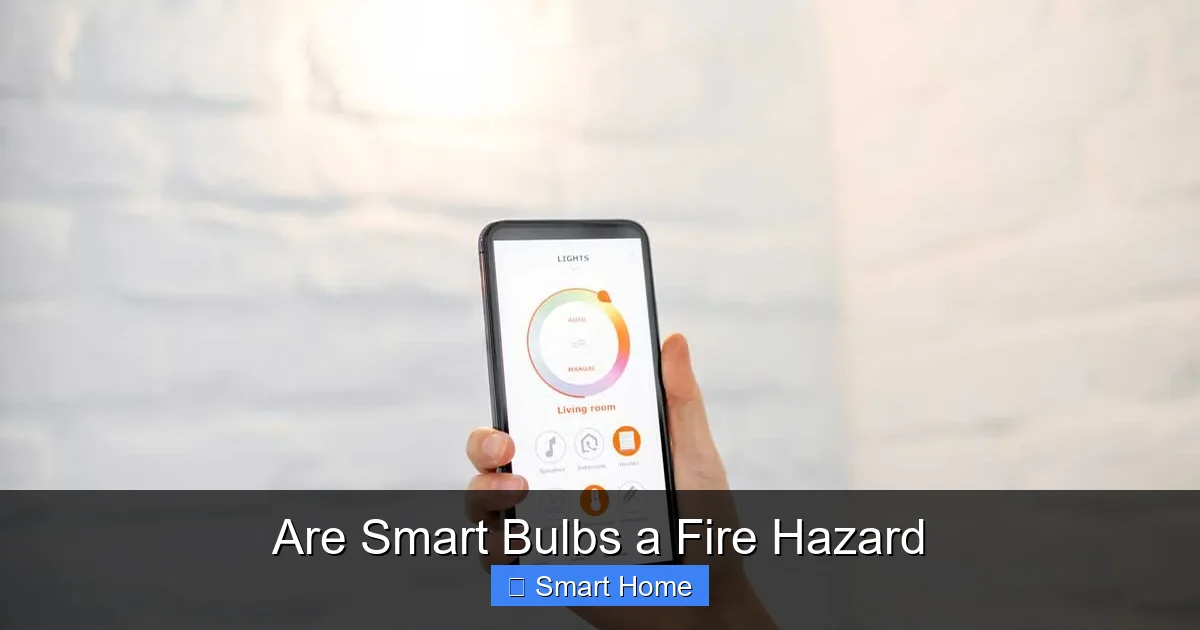
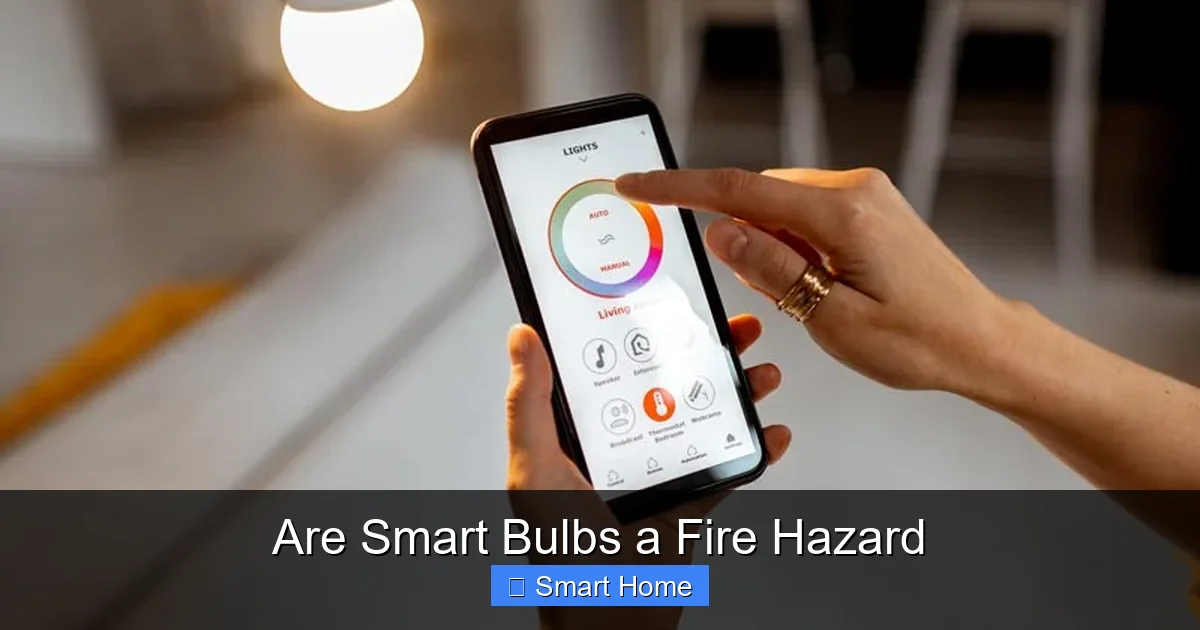
The LED produces light, just like in any energy-efficient bulb. The driver circuit ensures the electricity flows smoothly and safely. And the microcontroller? That’s what allows you to change colors, dim the light, or set schedules through an app. It’s powered by a tiny amount of electricity—usually less than 1 watt when idle.
Power Consumption and Heat Output
One of the most common concerns is heat. After all, if a bulb is always on and connected to power, could it overheat? The short answer: no, not if it’s designed properly. Most smart bulbs are built to run cool. LED technology is inherently energy-efficient and produces very little heat compared to older incandescent bulbs.
For example, a typical smart bulb might use 9 watts to produce 800 lumens of light—about the same brightness as a 60-watt incandescent. Yet, the smart bulb runs much cooler. That’s because LEDs convert more energy into light and less into heat. The smart components inside add even less heat—think of them as tiny computers, not power hogs.
That said, poorly designed or cheaply made bulbs can overheat. If the internal wiring is sloppy or the heat sink is missing, the bulb may get too hot to touch. This is rare, but it’s not unheard of—especially with off-brand or counterfeit bulbs.
What Causes Smart Bulbs to Overheat?
Low-Quality Components
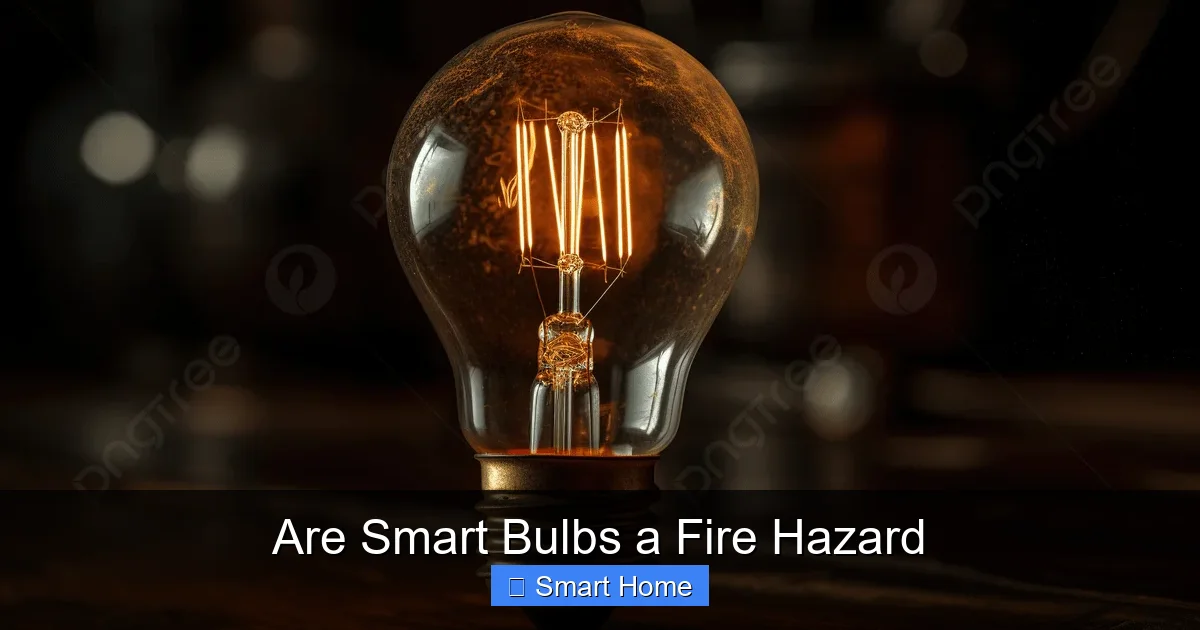
One of the biggest risks comes from substandard manufacturing. Some manufacturers cut corners to save money—using cheaper plastic, skipping insulation, or omitting safety features like thermal cutoffs. These bulbs may pass basic tests but fail under real-world conditions.
Visual guide about Are Smart Bulbs a Fire Hazard
Image source: png.pngtree.com
A thermal cutoff is a tiny safety switch that turns off the bulb if it gets too hot. Without it, a bulb can continue drawing power even when overheating, increasing the fire risk. Reputable brands include this feature, but budget brands may not.
Improper Installation
Even a high-quality smart bulb can become a hazard if installed incorrectly. For example, over-tightening the bulb can crack the base or damage the internal wiring. This not only shortens the bulb’s life but can also create a fire risk.
Another issue: using a smart bulb in a fixture that’s not designed for enclosed spaces. Some smart bulbs are rated for open fixtures (like table lamps), but not for enclosed ones (like pendant lights). If the bulb overheats in a tight space, it can’t dissipate heat properly.
Power Surges and Voltage Issues
Smart bulbs are sensitive to power surges, especially if they’re connected to smart plugs or power strips without surge protection. A sudden spike in voltage can damage the internal electronics, potentially leading to overheating or even a short circuit.
This is why it’s important to plug smart bulbs into a surge-protected outlet or a high-quality smart plug. It’s a small step, but it protects both the bulb and your home’s wiring.
Are Smart Bulbs Tested for Safety?
Industry Standards and Certifications
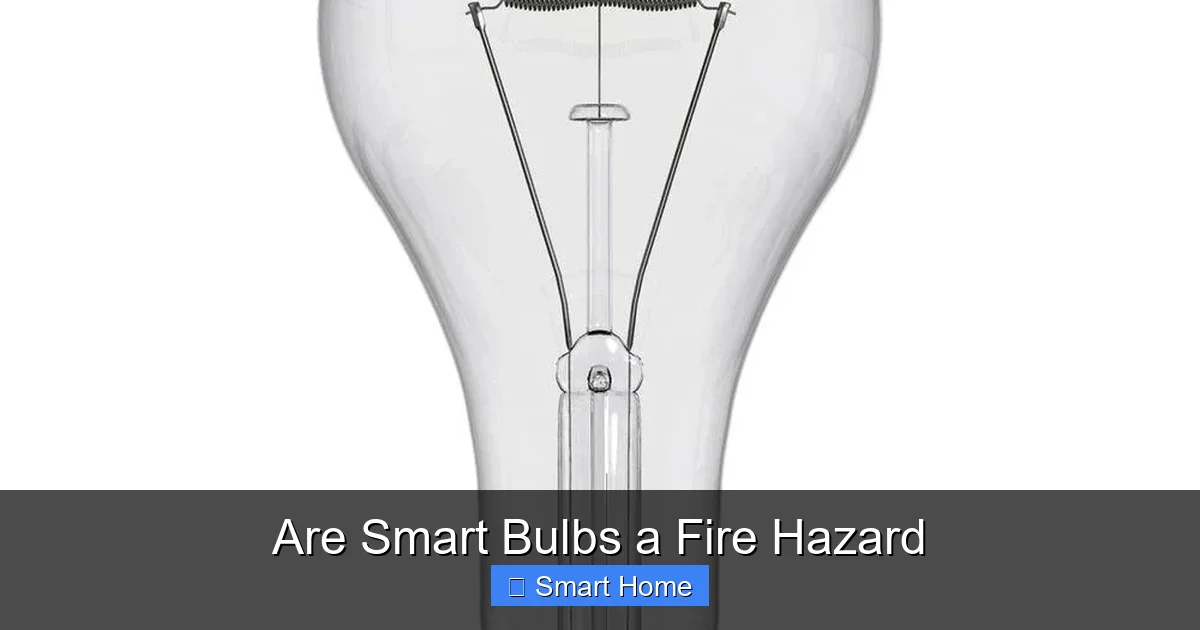
Yes—smart bulbs are subject to safety testing, just like any other electrical device. In the U.S., reputable brands submit their products for testing by organizations like Underwriters Laboratories (UL) or Intertek (ETL). These certifications mean the bulb has passed rigorous tests for electrical safety, fire resistance, and thermal performance.
Visual guide about Are Smart Bulbs a Fire Hazard
Image source: images.homedepot-static.com
When shopping for smart bulbs, look for the UL Listed or ETL Listed mark. These are signs the product meets national safety standards. Avoid bulbs that don’t have any certification—they may be counterfeit or unsafe.
Manufacturer Recalls and Incidents
While rare, there have been a few smart bulb recalls over the years. For example, in 2018, the Consumer Product Safety Commission (CPSC) warned about a batch of Philips Hue bulbs that could overheat due to a faulty driver circuit. The issue was quickly resolved with a firmware update and replacement parts.
These incidents are usually caught early due to strict testing and reporting systems. Manufacturers are required to report safety issues, and the CPSC can issue recalls if needed. That’s why it’s important to keep your smart bulbs updated with the latest firmware—it often includes safety fixes.
Real-World Smart Bulb Fire Incidents
Case Studies and Statistics
Despite concerns, smart bulb fires are extremely rare. According to the CPSC, electrical fires account for about 51,000 home fires each year in the U.S., but smart bulbs are not a leading cause. Most electrical fires come from older wiring, overloaded outlets, or faulty appliances—not smart lighting.
One notable case involved a budget-brand smart bulb sold on a discount website. After several customer complaints about burning smells and overheating, a third-party investigation found that the bulb lacked proper insulation and a thermal cutoff. The manufacturer was fined, and the product was pulled from shelves.
This case highlights the importance of buying from trusted sources. Cheap smart bulbs may look like a bargain, but they can cost you more in risk and potential damage.
What to Do If Your Smart Bulb Gets Hot
If your smart bulb feels unusually warm or emits a burning smell, turn it off immediately. Unplug it from the socket and stop using it. Even if it doesn’t catch fire, a hot bulb can damage your fixture or nearby materials.
Contact the manufacturer for a replacement or refund. Most reputable brands offer warranties and customer support for safety issues. Don’t try to fix the bulb yourself—opening it can expose you to electrical hazards.
How to Use Smart Bulbs Safely: Practical Tips
Choose Reputable Brands
Stick to well-known brands like Philips Hue, LIFX, or Sylvania. These companies invest in safety testing, customer support, and regular firmware updates. They also offer warranties and recall programs if needed.
Avoid buying smart bulbs from unknown sellers on discount sites. If it seems too good to be true, it probably is. A $5 smart bulb is likely a counterfeit with no safety features.
Check for Safety Certifications
Before purchasing, look for UL Listed, ETL Listed, or FCC certified labels. These mean the bulb has been tested and meets safety standards. You can also check the manufacturer’s website for safety documentation.
Install Correctly
Follow the manufacturer’s instructions carefully. Don’t over-tighten the bulb—hand-tight is usually enough. If your fixture is enclosed, make sure the bulb is rated for enclosed use. Most smart bulbs are, but it’s worth checking the packaging or manual.
Use with Surge Protection
Plug smart bulbs into a surge-protected outlet or a smart plug with surge protection. This guards against power spikes and extends the life of your bulb.
Monitor Performance
If a bulb starts flickering, dimming unexpectedly, or getting hot, stop using it. These could be signs of a failing internal component. Report the issue to the manufacturer.
Update Firmware Regularly
Smart bulbs often receive firmware updates that improve performance and fix bugs. Check the manufacturer’s app for updates and install them promptly. This is especially important after a recall notice.
Smart Bulbs vs. Traditional Bulbs: Safety Comparison
Energy Efficiency and Heat
Traditional incandescent bulbs are actually more likely to cause fires than smart bulbs. They produce a lot of heat—up to 80% of energy is wasted as heat. This is why they’re banned in many countries for safety reasons.
LED and smart bulbs, by contrast, run cool and use less energy. They’re safer in terms of heat output and fire risk.
Wiring and Components
Traditional bulbs have no internal electronics—just a filament and a base. Smart bulbs add a microcontroller and wireless module, but these use very little power and are designed to run cool.
The risk isn’t the smart features—it’s the quality of the components. A cheap smart bulb with poor wiring is riskier than a high-quality one, just like a cheap toaster is riskier than a well-made one.
Fire Statistics
According to the National Fire Protection Association (NFPA), electrical fires cause an average of 44,000 home fires annually, resulting in over 400 deaths. But these are mostly due to outdated wiring, overloaded circuits, or faulty appliances—not smart bulbs.
Smart bulbs are a tiny fraction of electrical devices in homes and pose minimal risk when used properly.
What to Do If You Experience a Smart Bulb Fire
Immediate Actions
If a smart bulb catches fire, do not touch it. Turn off the power at the breaker—not just the switch. Use a fire extinguisher rated for electrical fires (Class C), or pour baking soda on small flames. Never use water—it can cause electrocution.
Evacuate the area and call 911. Once the fire is out, contact your local fire department for an inspection. Do not reuse the bulb or reinstall it.
Preventing Future Incidents
After an incident, review your smart home setup. Replace any damaged bulbs with certified models. Check your wiring and consider having a licensed electrician inspect your outlets and fixtures.
Also, review your insurance policy. Some homeowners’ insurance policies cover electrical fires, but you may need to report the incident to qualify for coverage.
Conclusion: Smart Bulbs Are Safe When You Choose Wisely
So, are smart bulbs a fire hazard? The answer is no—not when you follow safety guidelines and buy from trusted brands. Like any electrical device, they can pose risks if poorly made or misused, but these are rare and preventable.
The real danger comes from low-quality, uncertified bulbs or improper installation. By choosing UL or ETL listed products, installing them correctly, and keeping them updated, you can enjoy the benefits of smart lighting without worry.
Smart bulbs offer convenience, energy savings, and customization—all while running cool and safe. They’re a great addition to any smart home, as long as you treat them like any other electrical device: with care and attention.
Remember, the risk isn’t in the technology—it’s in the quality. Choose wisely, install properly, and enjoy your smart lighting with peace of mind.
Frequently Asked Questions
Are smart bulbs more likely to cause fires than regular bulbs?
No, smart bulbs are not more likely to cause fires than regular bulbs. In fact, LED-based smart bulbs run cooler and use less energy, reducing fire risk. The main risk comes from poor manufacturing or improper use, not the smart features themselves.
What should I do if my smart bulb feels hot?
If your smart bulb feels unusually warm or emits a burning smell, turn it off immediately and unplug it. Do not use it again. Contact the manufacturer for a replacement or refund. Overheating can indicate a faulty component and should be treated seriously.
How can I tell if a smart bulb is safe?
Look for safety certifications like UL Listed or ETL Listed on the packaging or product label. These mean the bulb has passed rigorous safety tests. Also, buy from reputable brands like Philips Hue or LIFX to ensure quality and support.
Can smart bulbs catch fire?
While extremely rare, smart bulbs can catch fire if they are poorly made, overheat, or are installed incorrectly. However, most modern smart bulbs include safety features like thermal cutoffs and are tested to prevent fires. Following safety guidelines minimizes this risk.
Are all smart bulbs the same in terms of safety?
No, safety varies widely between brands and models. High-quality, certified smart bulbs from trusted manufacturers are much safer than cheap, uncertified ones. Always check for safety labels and avoid products with no brand reputation or warranty.
Do smart bulbs use more electricity and increase fire risk?
No, smart bulbs use the same or less electricity than traditional bulbs. The smart components (like Wi-Fi or voice control) consume very little power. Their energy use does not increase fire risk—especially when compared to older incandescent bulbs that generate more heat.