Are Smart Bulbs Rechargeable
Smart bulbs are not typically rechargeable batteries – most use standard household electricity through wall outlets. However, some portable and solar-powered smart bulbs offer limited rechargeable options. Understanding your smart bulb’s power source helps you make informed decisions about energy efficiency and device longevity.
Key Takeaways
- Most smart bulbs aren’t rechargeable: Traditional smart bulbs plug directly into wall outlets and don’t have built-in rechargeable batteries.
- Portable options exist: Some smart bulbs are designed for portability with built-in batteries that can be recharged via USB or solar power. Energy efficiency matters: Even non-rechargeable smart bulbs use significantly less energy than traditional incandescent bulbs.
- Smart features require power: The intelligence in smart bulbs (WiFi, Bluetooth, voice control) requires constant power connection.
- Solar-powered alternatives: Eco-friendly smart bulbs use solar panels for charging, making them rechargeable in outdoor environments.
- Replacement vs. recharge: When a smart bulb fails, you replace the entire unit rather than charging a battery.
- Power source considerations: Choose the right power option based on your needs: permanent fixtures, portable solutions, or solar alternatives.
📑 Table of Contents
- Are Smart Bulbs Rechargeable? The Complete Guide to Smart Bulb Power Sources
- The Reality Behind Smart Bulb Power Sources
- Special Cases: When Smart Bulbs Are Rechargeable
- Understanding Smart Bulb Energy Consumption
- Smart Bulb Lifespan and Maintenance
- Environmental Impact and Energy Efficiency
- Choosing the Right Smart Bulb for Your Needs
- Future Developments in Smart Bulb Technology
- Conclusion: Making Informed Decisions About Smart Bulb Power
Are Smart Bulbs Rechargeable? The Complete Guide to Smart Bulb Power Sources
Have you ever wondered about the power source behind your smart bulbs? If you’re considering upgrading your home to smart lighting, you’ve probably heard the term “smart bulb” thrown around a lot. But when it comes to power, are these intelligent lights truly intelligent about their energy needs? Let’s dive into the fascinating world of smart bulb power sources and find out what makes these devices tick.
Smart bulbs have revolutionized the way we think about home lighting. Gone are the days when you had to physically flip a switch to change your room’s ambiance. With smart bulbs, you can adjust brightness, color, and even schedule lighting changes from your smartphone or voice commands. But here’s the real question: do these smart bulbs have rechargeable batteries, or are they permanently plugged into your home’s electrical system?
The Reality Behind Smart Bulb Power Sources
Let’s get straight to the point: most smart bulbs are not rechargeable. Unlike your smartphone or wireless headphones, smart bulbs typically don’t come with built-in batteries. Instead, they’re designed to be permanently connected to your home’s electrical system through standard light fixtures. This design choice serves several practical purposes, from safety considerations to ensuring consistent smart features.
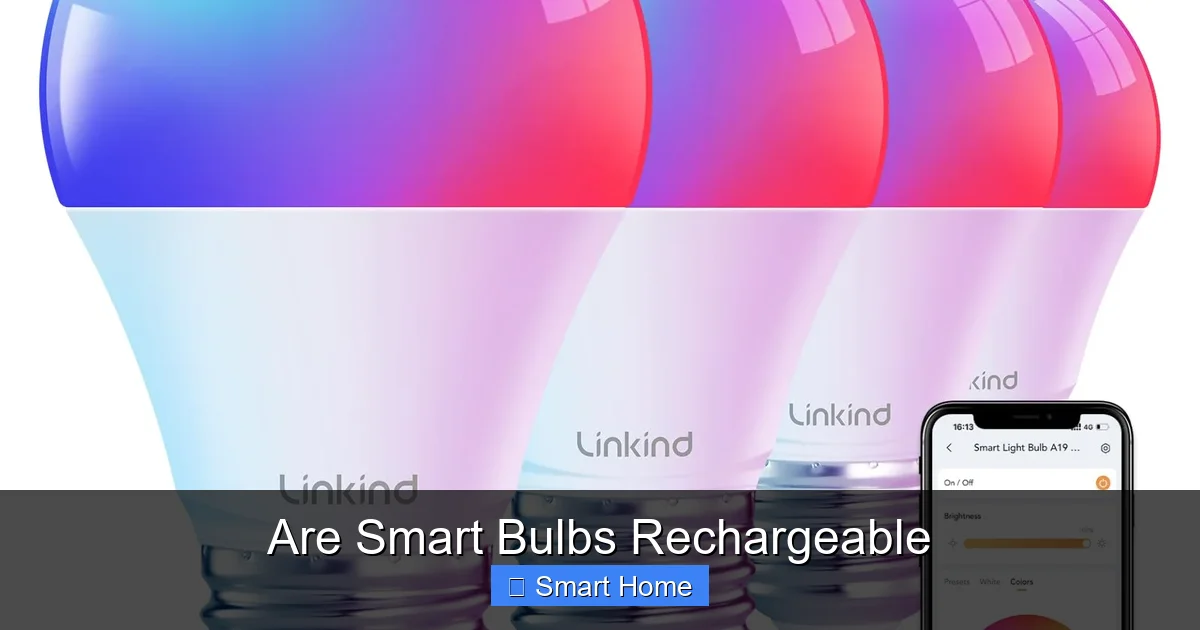
Visual guide about Are Smart Bulbs Rechargeable
Image source: smarthomedvs.com
How Traditional Smart Bulbs Get Their Power
Most smart bulbs you’ll find in stores today plug directly into standard light fixtures and draw power from your home’s electrical system. This means they’re constantly connected to a power source, allowing them to maintain their smart features 24/7. The power flows through the same socket that traditional bulbs use, but the internal circuitry is significantly more complex.
The internal components of a smart bulb include not just the LED lighting elements but also WiFi or Bluetooth modules, microprocessors, and various sensors. All of these components require constant power to function properly. Without a reliable, continuous power source, the smart features would be unavailable or inconsistent.
Why Most Smart Bulbs Don’t Have Batteries
There are several reasons why manufacturers haven’t included rechargeable batteries in most smart bulbs:
- Safety concerns: Adding batteries to a light fixture could create fire hazards or electrical issues
- Space limitations: Smart bulbs need to fit inside standard light sockets, leaving little room for batteries
- Cost implications: Batteries add manufacturing costs that could make smart bulbs more expensive
- Design simplicity: Direct power connection is more reliable and requires less maintenance
Special Cases: When Smart Bulbs Are Rechargeable
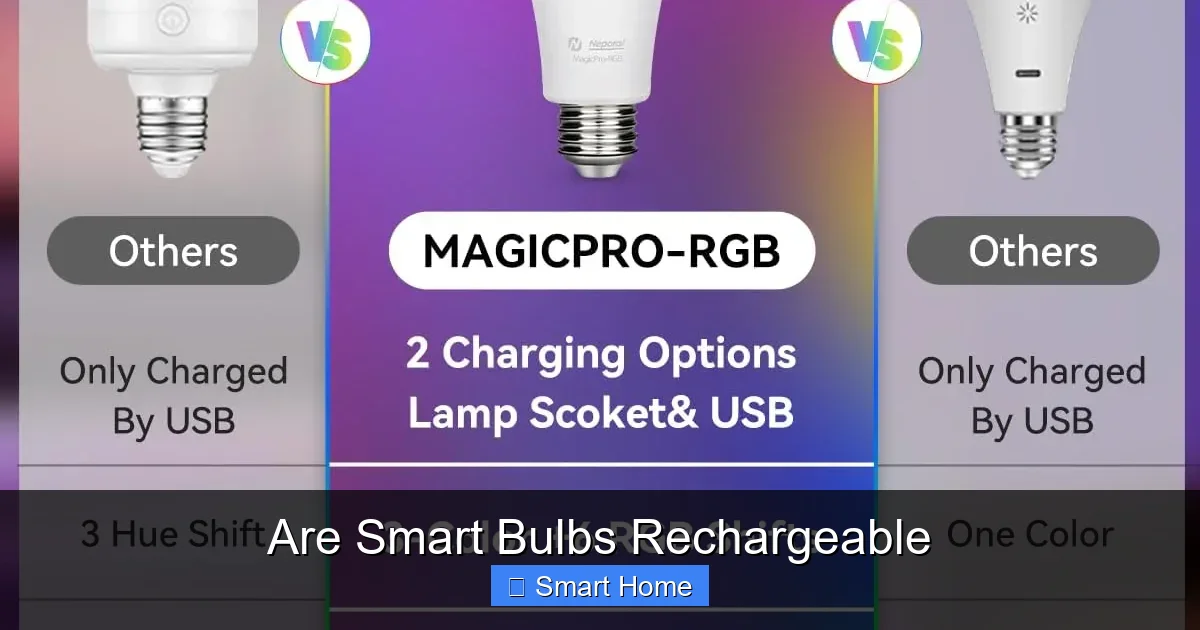
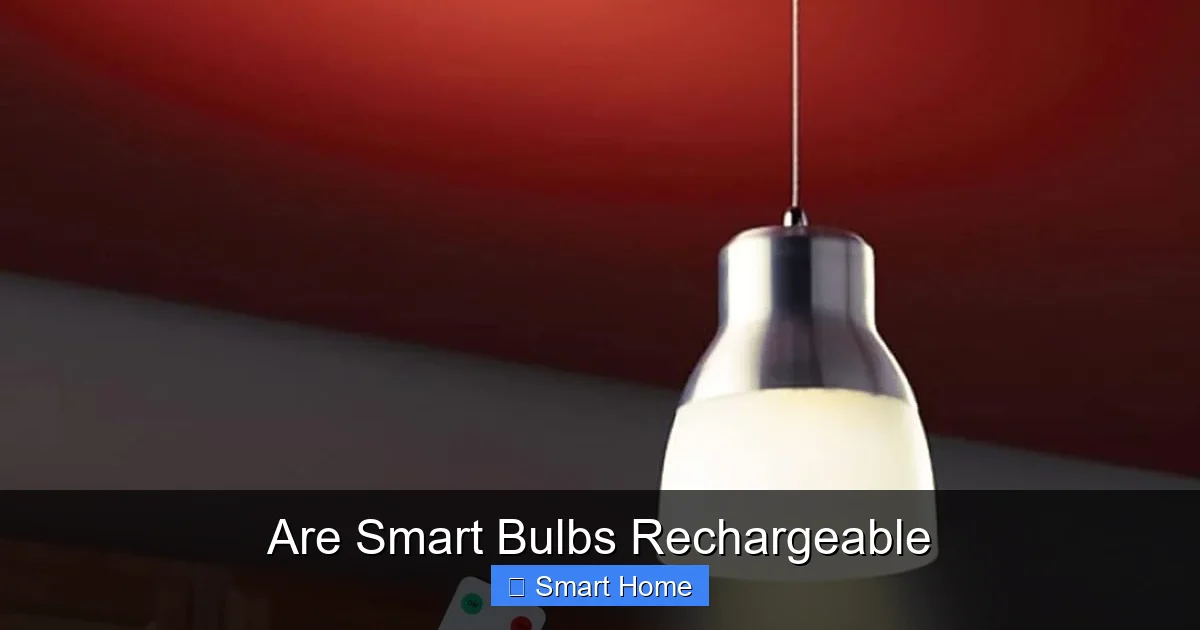
While most smart bulbs aren’t rechargeable, there are some special cases where you might encounter rechargeable options. These are typically designed for specific use cases where portability or alternative power sources are important.
Visual guide about Are Smart Bulbs Rechargeable
Image source: consistentreviews.com
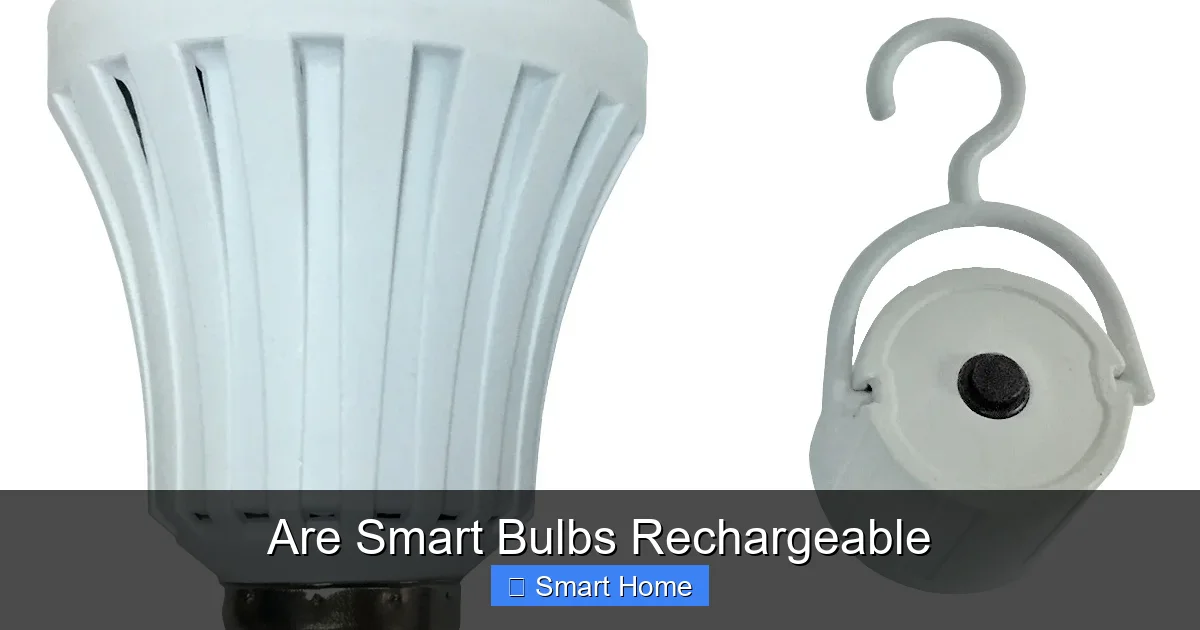
Portable Smart Bulbs with Built-in Batteries
Some manufacturers have created portable smart bulbs specifically designed for camping, outdoor activities, or situations where you can’t rely on wall outlets. These bulbs typically feature:
- Built-in rechargeable lithium-ion batteries
- USB charging ports for recharging
- Waterproof or weather-resistant designs
- Reduced smart functionality compared to permanent installations
These portable options are perfect for outdoor enthusiasts, campers, or anyone who needs smart lighting in areas without easy access to power outlets. They usually offer 4-8 hours of battery life on a single charge, depending on usage intensity.
Solar-Powered Smart Bulbs
A more innovative approach to rechargeable smart bulbs comes from solar power technology. These bulbs feature built-in solar panels that can charge their internal batteries during daylight hours. This makes them ideal for:
- Outdoor lighting applications
- Emergency lighting systems
- Eco-friendly home solutions
- Areas with limited or unreliable power access
Solar-powered smart bulbs can be particularly useful in remote locations or during power outages. They automatically switch between solar charging and battery power based on available sunlight and power needs.
Understanding Smart Bulb Energy Consumption
Even though most smart bulbs aren’t rechargeable, they’re actually quite energy-efficient compared to traditional lighting options. Understanding their power consumption patterns can help you make better decisions about your smart home setup.
Visual guide about Are Smart Bulbs Rechargeable
Image source: electriduct.com
Energy Usage Comparison
Here’s how smart bulbs typically compare to other lighting options:
- Traditional incandescent bulbs: 60-100 watts, inefficient, short lifespan
- Compact fluorescent bulbs: 13-15 watts, moderate efficiency
- LED smart bulbs: 6-12 watts, high efficiency, long lifespan
- Smart bulbs with WiFi: 8-15 watts, includes smart features
While smart bulbs with WiFi modules do consume a bit more power than basic LED bulbs, the difference is minimal compared to the energy savings they offer through programmable scheduling, dimming, and occupancy sensing.
The Hidden Energy Costs of Smart Features
It’s important to understand that the smart features themselves consume additional power. WiFi modules, Bluetooth radios, and processing chips all draw current even when the bulb isn’t actively being used. This means:
- Smart bulbs are always “on” in terms of connectivity
- They consume power even when set to low brightness or turned off
- The standby power consumption is typically 0.5-2 watts
However, most smart bulb manufacturers have optimized their designs to minimize this standby consumption while maintaining reliable smart functionality.
Smart Bulb Lifespan and Maintenance
Understanding how long smart bulbs last and how they’re maintained can help you better appreciate their power requirements and overall value.
Typical Lifespan of Smart Bulbs
Most smart bulbs have a lifespan of 15,000 to 25,000 hours, which is significantly longer than traditional bulbs. This extended lifespan is one of the main reasons why the initial higher cost of smart bulbs often pays for itself over time through energy savings and reduced replacement frequency.
Maintenance Requirements
Since most smart bulbs aren’t designed to have their batteries replaced, maintenance is relatively simple:
- No battery replacement: You don’t need to worry about battery degradation or replacement
- Simple replacement: When a bulb fails, you replace the entire unit
- No charging concerns: No need to remember to charge or maintain batteries
- Consistent performance: Direct power connection ensures reliable operation
This maintenance simplicity is one of the advantages of the non-rechargeable design. You don’t have to worry about battery life, charging schedules, or potential issues with battery performance over time.
Environmental Impact and Energy Efficiency
The environmental impact of smart bulbs is an important consideration, especially as we become more conscious about energy consumption and sustainability.
Energy Savings Benefits
Smart bulbs offer several environmental benefits:
- Reduced energy consumption: LED technology uses up to 80% less energy than incandescent bulbs
- Optimized usage: Smart scheduling and automation reduce unnecessary lighting
- Longer lifespan: Fewer bulbs end up in landfills over time
- Reduced heat output: LEDs produce less waste heat, reducing cooling costs
Even though smart bulbs aren’t rechargeable, their overall energy efficiency makes them a more environmentally friendly option compared to traditional lighting solutions.
Sustainable Manufacturing and Materials
Many smart bulb manufacturers are also focusing on sustainable production methods:
- Recyclable packaging materials
- Reduced plastic usage in bulb construction
- Energy-efficient manufacturing processes
- Recycling programs for old bulbs
These efforts, combined with the energy savings of smart bulbs, make them a more sustainable choice for modern homes.
Choosing the Right Smart Bulb for Your Needs
When selecting smart bulbs, understanding their power requirements and capabilities can help you choose the best option for your specific situation.
Consider Your Installation Location
The location where you plan to install smart bulbs will significantly impact your power source options:
- Indoor permanent fixtures: Standard smart bulbs with wall power are ideal
- Outdoor lighting: Consider weather-resistant models or solar-powered options
- Portable lighting: Look for USB-powered or battery-operated models
- Emergency lighting: Solar or battery-powered smart bulbs work well
Evaluate Your Smart Features Needs
Different smart bulbs offer varying levels of connectivity and features:
- Basic smart bulbs: WiFi-only, full smart functionality
- Bluetooth-only bulbs: Limited range, local control only
- Zigbee/Z-Wave bulbs: Mesh network compatibility, longer range
- Hybrid models: Multiple connectivity options
Each connectivity type has different power requirements and performance characteristics that affect their overall energy consumption.
Future Developments in Smart Bulb Technology
The world of smart bulbs is constantly evolving, and future developments may change how we think about their power sources.
Emerging Battery Technologies
Researchers are exploring new battery technologies that could potentially make smart bulbs more flexible in terms of power sources:
- Thin-film batteries that could fit inside bulb designs
- Energy-harvesting technologies that capture ambient light or motion
- Improved battery efficiency for longer life
- Wireless power transfer for convenient charging
Integration with Smart Home Systems
Future smart bulbs may integrate more deeply with home energy management systems, potentially allowing for:
- Automated power optimization based on home energy usage
- Integration with solar panel systems for hybrid power solutions
- Predictive maintenance to extend bulb life
- Enhanced energy reporting and monitoring
These developments could make smart bulbs even more efficient and environmentally friendly while maintaining their convenience and functionality.
Conclusion: Making Informed Decisions About Smart Bulb Power
So, are smart bulbs rechargeable? The answer is nuanced – most traditional smart bulbs aren’t rechargeable and rely on continuous wall power, but portable and solar-powered options do exist for specific use cases. Understanding your power needs and choosing the right smart bulb for your situation will help you maximize both convenience and efficiency.
The key takeaway is that smart bulbs represent a significant advancement in lighting technology, offering substantial energy savings and enhanced functionality compared to traditional bulbs. While the power source considerations might seem complex at first, they’re designed to work seamlessly with your home’s electrical system while providing the intelligent features you’ve come to expect.
Whether you’re looking for permanent indoor lighting, outdoor solutions, or portable options, there’s likely a smart bulb design that fits your needs. The most important factors to consider are your specific use case, installation location, and energy efficiency goals. With the right smart bulb selection, you can enjoy all the benefits of intelligent lighting while maintaining an efficient and sustainable home environment.
Frequently Asked Questions
Are smart bulbs rechargeable like phones?
No, most smart bulbs aren’t rechargeable like phones. They’re designed to be permanently connected to wall outlets through standard light fixtures. The internal components require constant power to maintain WiFi connectivity and smart features, making direct power connection more practical than battery operation.
Can I use smart bulbs without a power outlet?
Yes, but only with specific portable models. Some smart bulbs are designed with built-in batteries and USB charging capabilities, making them suitable for use without wall outlets. These are typically used for camping, outdoor activities, or temporary lighting setups where power access is limited.
How long do smart bulbs last?
Most smart bulbs have a lifespan of 15,000 to 25,000 hours, which is significantly longer than traditional incandescent bulbs (1,000-2,000 hours). This extended lifespan is one of the main benefits of LED smart bulbs and helps offset their higher initial cost through reduced replacement frequency.
Do smart bulbs consume power when turned off?
Yes, smart bulbs typically consume a small amount of power (0.5-2 watts) even when turned off. This standby power is needed to maintain WiFi connectivity and smart features. However, this consumption is minimal compared to the energy savings they provide through efficient LED technology and smart scheduling.
Are solar-powered smart bulbs worth it?
Solar-powered smart bulbs can be worth it for specific applications like outdoor lighting, emergency backup systems, or eco-friendly installations. They’re particularly useful in areas with limited power access or during extended power outages. However, they may have limited functionality compared to standard smart bulbs due to power constraints.
Can I replace the battery in a smart bulb?
No, you cannot replace the battery in most smart bulbs since they’re designed to be permanently connected to wall power. When a smart bulb fails, you need to replace the entire unit. This design choice ensures safety, reliability, and consistent performance of the smart features.