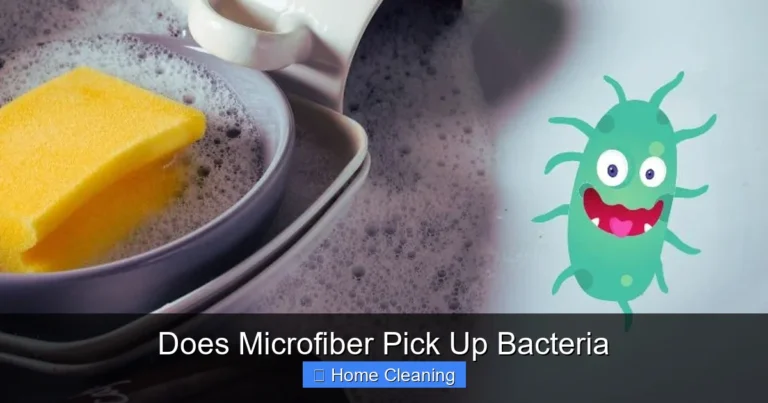
Can You Put Microfiber Cloth in Dryer
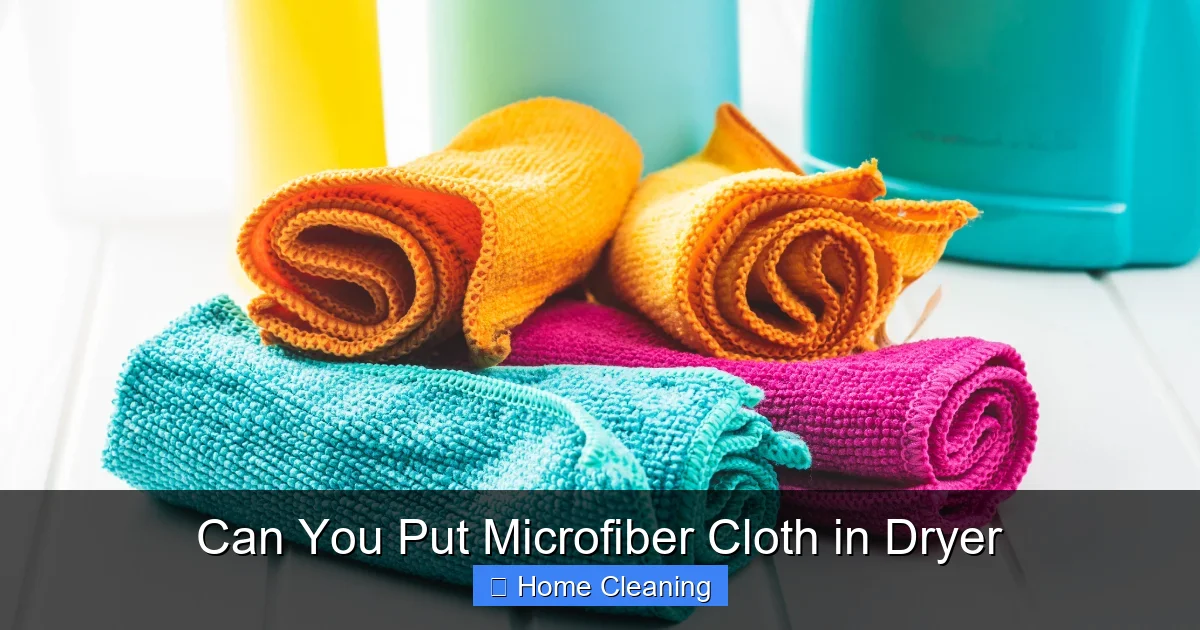
Putting microfiber cloths in the dryer is risky and not recommended. The high heat and tumbling motion can melt the fibers, damage your clothes, and harm your dryer. Instead, hand washing with cold water and mild detergent is the safest way to clean microfiber.
Key Takeaways
- Understanding Can You Put Microfiber Cloth In Dryer: Provides essential knowledge
📑 Table of Contents
- Can You Put Microfiber Cloth In Dryer? A Complete Guide
- Understanding Microfiber and Its Structure
- Why You Should Avoid Putting Microfiber in the Dryer
- Safe Alternatives to Machine Drying
- How to Clean Microfiber Cloths Properly
- Signs Your Microfiber Cloth Needs Replacement
- Common Myths About Microfiber Care
- Environmental and Cost-Effective Tips
- Conclusion: Keep Your Microfiber in Top Shape
Can You Put Microfiber Cloth In Dryer? A Complete Guide
You’ve probably heard the advice before: “Don’t put microfiber cloths in the dryer.” But why? And is it really that bad? If you’ve ever wondered whether tossing your microfiber cleaning rags into the dryer is a harmless shortcut or a laundry mistake waiting to happen, you’re not alone.
Microfiber cloths are beloved for their superior cleaning power, soft texture, and ability to trap dirt and bacteria without chemicals. But their delicate synthetic fibers—made from polyester and polyamide—are sensitive to heat and tumbling. While it might seem convenient to throw them in with your towels or delicates, doing so can damage both the cloths and your dryer.
In this guide, we’ll walk you through everything you need to know about drying microfiber cloths. From the science behind why heat is bad for microfiber, to safe drying alternatives, and expert tips to keep your cloths in top shape—we’ve got you covered. Whether you’re a cleaning pro or just trying to keep your home spotless, this is the ultimate guide to handling microfiber with care.
Understanding Microfiber and Its Structure
Before we dive into drying methods, it’s important to understand what microfiber actually is—and why it behaves the way it does.

Visual guide about Can You Put Microfiber Cloth in Dryer
Image source: i.ytimg.com
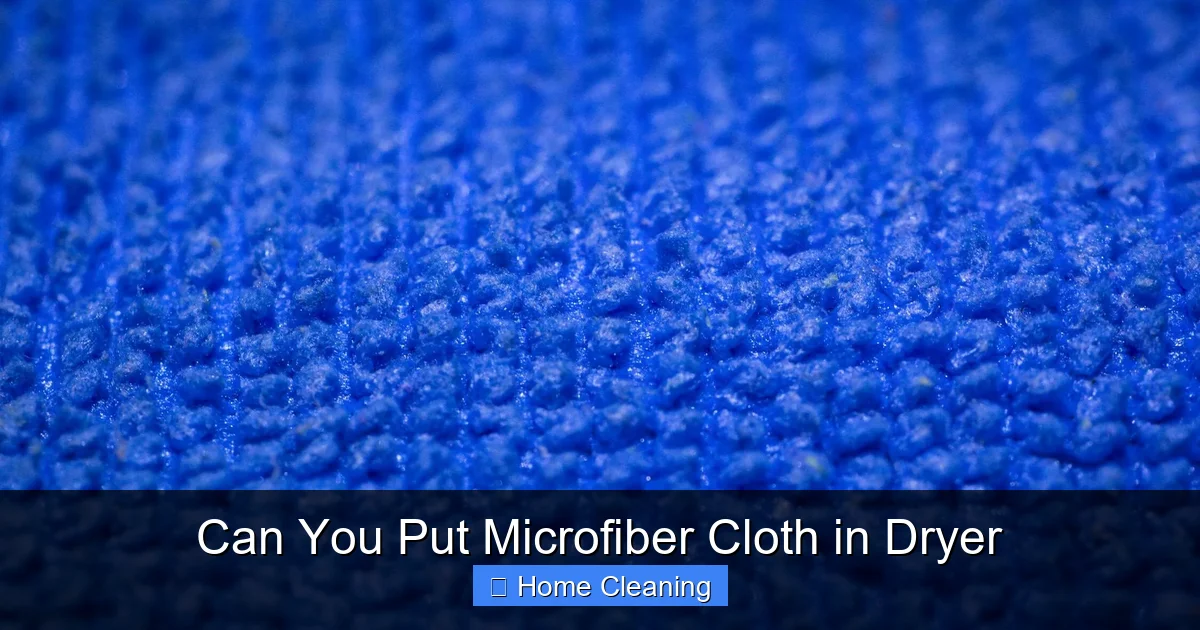
Microfiber is a type of synthetic fabric made from ultra-fine polyester and polyamide fibers, typically measuring less than 1 denier (a unit of fiber fineness). This makes them thinner than a human hair. The tiny fibers create a large surface area, which allows microfiber to pick up and hold dust, grease, and moisture more effectively than regular cotton or other fabrics.
How Microfiber Works
Microfiber cloths work through a combination of electrostatic attraction and physical structure. The split fibers (often created during manufacturing) act like tiny hooks, trapping particles on their surface. When wet, they absorb many times their weight in water. This is why they’re so effective for cleaning windows, electronics, and kitchen surfaces—without leaving streaks or lint.
The Sensitivity of Synthetic Fibers
Despite their durability in use, microfiber fibers are heat-sensitive. When exposed to high temperatures—like those in a standard dryer—the synthetic materials can begin to melt. This doesn’t just mean the cloth looks worse; it can permanently reduce its cleaning ability. Once melted, the fibers lose their structure and become less effective at trapping dirt.
Additionally, microfiber is prone to pilling and snagging. The constant tumbling in a dryer can cause fibers to break off or stick to other fabrics, especially if they’re damp and sticky from residue or cleaning solutions.
Why You Should Avoid Putting Microfiber in the Dryer
Now that we understand the makeup of microfiber, let’s talk about the real risks of drying it in a machine.
Visual guide about Can You Put Microfiber Cloth in Dryer
Image source: homemaking.com
Heat Damage: The Biggest Threat
One of the most common reasons microfiber shouldn’t go in the dryer is the heat. Most dryers operate at temperatures between 120°F and 150°F (49°C to 65°C), and some even reach higher. Microfiber typically starts to degrade at around 150°F (65°C). At this point, the fibers can begin to melt, especially if the cloth is damp or has cleaning solution residue.
When fibers melt, they don’t just shrink—they lose their shape and function. A microfiber cloth that once cleaned a streak-free window may now be stiff, clumpy, or even torn. Over time, repeated drying can make the cloth useless.
Risk of Melting Onto Other Fabrics
Another hidden danger is the risk of microfiber melting onto other clothes in the dryer. If your microfiber cloth gets hot enough, it might stick to cotton towels, synthetic athletic wear, or even your favorite sweater. Once fused, removing the residue can be nearly impossible without damaging the other fabric.
This is especially common if you wash microfiber with other items and only dry them together. Even if you separate them, the lint and tiny fibers from the microfiber can transfer to other clothes, creating a sticky mess.
Clogged Dryer Vents and Reduced Efficiency
Microfiber cloths shed a surprising amount of lint—even more than cotton. When dried, these tiny fibers can accumulate in the dryer’s lint trap, vent, and internal ducts. Over time, this buildup reduces airflow, making your dryer work harder and use more energy.
Worse yet, lint is highly flammable. A clogged dryer vent increases the risk of a fire hazard. According to the National Fire Protection Association (NFPA), dryers are one of the leading causes of home structure fires, and lint buildup is often the culprit.
Safe Alternatives to Machine Drying
If you’re not supposed to put microfiber in the dryer, what are your options? Fortunately, there are several safe and effective ways to dry your cloths without risking damage.

Visual guide about Can You Put Microfiber Cloth in Dryer
Image source: cdn.mos.cms.futurecdn.net
Air Drying: The Best Method
The safest and most recommended way to dry microfiber is air drying. Simply wring out excess water gently (avoid twisting, which can damage fibers), lay the cloth flat on a clean towel, and let it dry completely at room temperature.
Pro Tip: Hang microfiber cloths by their edges or fold them loosely to allow air circulation. This helps prevent mildew and keeps the fibers from sticking together.
Using a Low-Heat Dryer Setting (If Necessary)
If you’re short on time and must use a dryer, use the lowest heat setting—typically labeled as “air dry” or “cool dry.” Even then, it’s risky. Only do this if the microfiber is clean, lint-free, and not mixed with other fabrics.
To minimize damage, place a clean, dry cotton towel in the dryer with the microfiber. The towel will absorb moisture and reduce tumbling friction. However, this method isn’t foolproof—heat is still a threat.
Speed-Drying with a Fan or Hair Dryer
For small microfiber cloths like those used for electronics or glasses, you can speed up drying with a fan or handheld hair dryer on a cool or low-heat setting. Keep the dryer moving and avoid holding it too close to the cloth.
This method is great for travel or when you need a quick refresh, but it’s not ideal for larger cloths or frequent use.
How to Clean Microfiber Cloths Properly
Even the best drying method won’t help if you’re not cleaning your microfiber correctly. Improper washing can shorten their lifespan and reduce their effectiveness.
Hand Washing vs. Machine Washing
Hand washing is the gentlest method and is ideal for microfiber. Fill a basin with cold water and a small amount of mild detergent (avoid bleach or fabric softeners). Gently swish the cloths around for 30–60 seconds, then rinse thoroughly.
If you must machine wash, use a gentle cycle with cold water. Place microfiber cloths in a mesh laundry bag to protect them from snagging. Never use fabric softeners or dryer sheets—they coat the fibers and reduce absorbency over time.
What NOT to Use
- Fabric Softeners: These leave a residue that clogs microfiber pores, making it less effective.
- Hot Water: Can weaken fibers and cause them to break down faster.
- Harsh Detergents: Alkaline or enzyme-based cleaners can degrade synthetic fibers.
- Bleach: Destroys microfiber structure and color.
When to Deep Clean
Once a month, give your microfiber cloths a deep clean. Mix one part white vinegar with three parts water, soak the cloths for 15 minutes, then rinse. This helps remove trapped oils and bacteria without damaging the fibers.
Signs Your Microfiber Cloth Needs Replacement
Even with proper care, microfiber cloths don’t last forever. Over time, they lose their ability to trap dirt and moisture. Here’s how to tell when it’s time to retire your cloths:
- Reduced Absorbency: If the cloth no longer holds water or feels stiff, it’s past its prime.
- Visible Wear: Fraying edges, thinning areas, or holes mean the fibers are breaking down.
- Stiffness or Lint Buildup: A rough texture or excessive shedding indicates fiber damage.
- Color Fading: While not always a sign of damage, fading can mean the cloth has been exposed to harsh conditions.
Most microfiber cloths last 300–400 washes if cared for properly. If yours is older than two years or used heavily, it’s likely time for a replacement.
Common Myths About Microfiber Care
There are plenty of myths floating around about how to care for microfiber. Let’s clear up a few of the most common ones.
Myth 1: “You Can Wash Microfiber with Towels”
Some people believe it’s safe to wash microfiber with towels because they’re both absorbent. But towels are often heavier and rougher, increasing the risk of snagging and lint transfer. It’s best to wash microfiber separately or with other delicate synthetic fabrics.
Myth 2: “Fabric Softener Makes Microfiber Softer”
While fabric softeners may make cotton feel softer, they coat microfiber in a waxy residue that reduces its cleaning power. Always skip the softener.
Myth 3: “High Heat Kills Germs on Microfiber”
While heat can kill bacteria, microfiber is designed to trap germs on its surface—not absorb them. Washing with hot water or high heat can damage the cloth and reduce its ability to hold onto dirt and microbes in the future.
Environmental and Cost-Effective Tips
Microfiber cloths are eco-friendly compared to paper towels, but their care still matters. Here’s how to use them sustainably.
Reuse Before Washing
Don’t wash microfiber after every use. Many cloths can be reused multiple times before needing cleaning. Spot clean when possible, and only wash when visibly dirty or smelly.
Store Properly
Keep microfiber cloths in a dry, clean container or drawer. Avoid leaving them damp, which can lead to mildew. Fold them neatly to prevent creasing and maintain fiber structure.
Buy Quality
Cheap microfiber cloths often use lower-grade fibers that degrade faster. Invest in high-quality cloths from reputable brands. They may cost more upfront but last longer and perform better.
Conclusion: Keep Your Microfiber in Top Shape
So, can you put microfiber cloth in dryer? The short answer is no—not without risk. The high heat, tumbling motion, and lint buildup make machine drying a dangerous choice for these delicate synthetic cloths. But that doesn’t mean you can’t keep them clean and effective.
By air drying, hand washing, and avoiding common pitfalls like fabric softeners and hot water, you can extend the life of your microfiber cloths and maintain their superior cleaning power. Remember: a little extra care goes a long way in preserving performance and saving money.
Whether you’re cleaning your kitchen, polishing your car, or wiping down electronics, your microfiber cloths are only as good as the care you give them. Treat them with respect, and they’ll serve you well for years.
Frequently Asked Questions
Can you put microfiber cloth in dryer on low heat?
It’s not recommended, even on low heat. Microfiber can still melt or degrade, and lint buildup in the dryer remains a risk. Air drying is always safer.
Will putting microfiber in the dryer damage other clothes?
Yes, if microfiber melts or transfers lint, it can stick to or damage other fabrics. It’s best to wash and dry microfiber separately.
How long do microfiber cloths last?
With proper care, microfiber cloths can last 300–400 washes or 2–3 years. Signs of wear include reduced absorbency, stiffness, or visible fraying.
Can you machine wash microfiber?
Yes, but only on a gentle cycle with cold water. Use a mesh laundry bag and avoid fabric softeners or bleach.
Why is microfiber so sensitive to heat?
Microfiber is made of polyester and polyamide, which begin to melt at high temperatures. This can permanently damage the fibers and reduce cleaning performance.
What’s the best way to dry microfiber cloths?
Air drying is the safest method. Lay cloths flat or hang them to dry at room temperature, away from direct sunlight or heat sources.